
Hydrangea family, Hydrangeaceae
Origin: the north-east of the U.S.A. (from the Atlantic to the Appalachian Mountains), north-eastern Canada
Habitat in the original area: rocky river banks
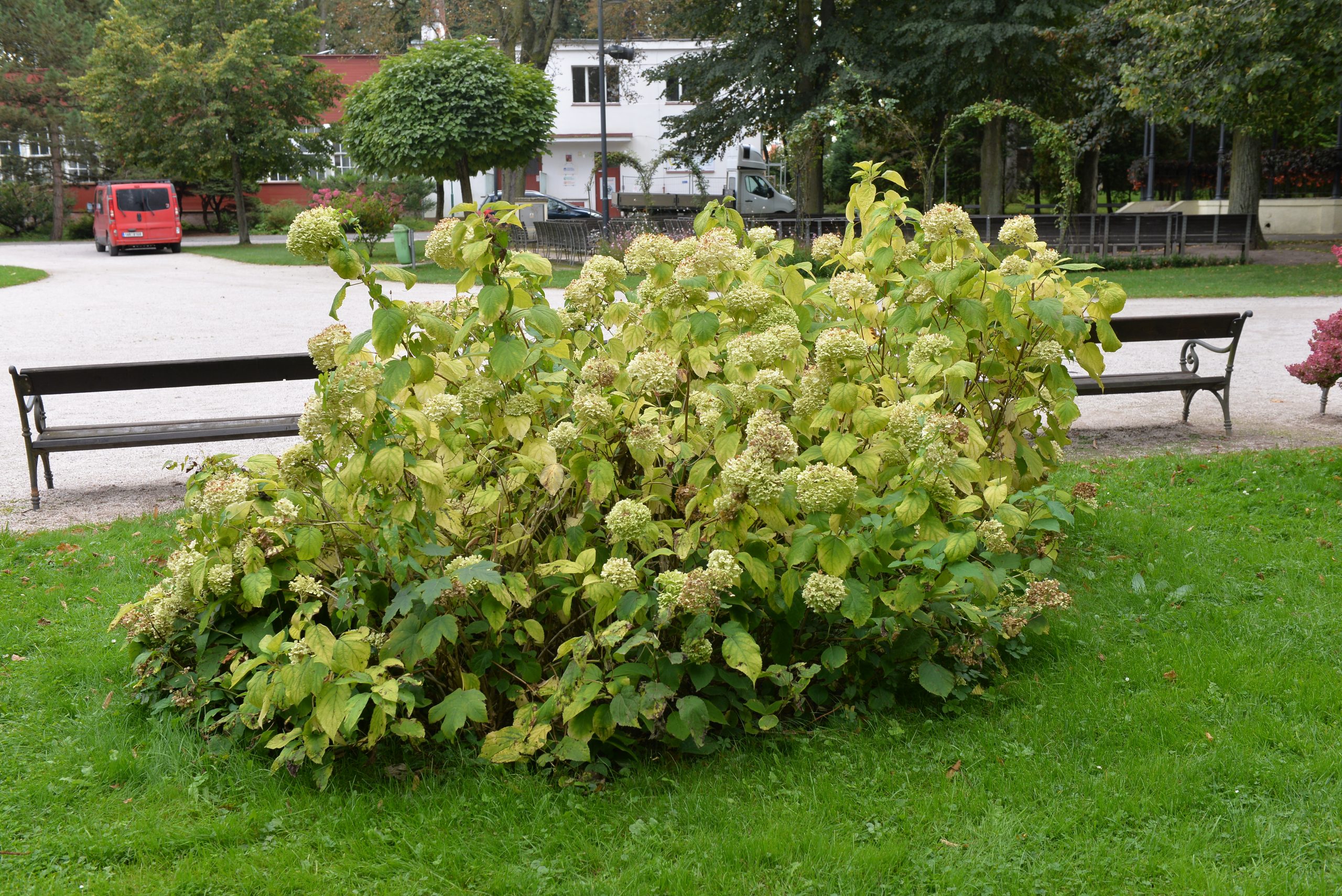
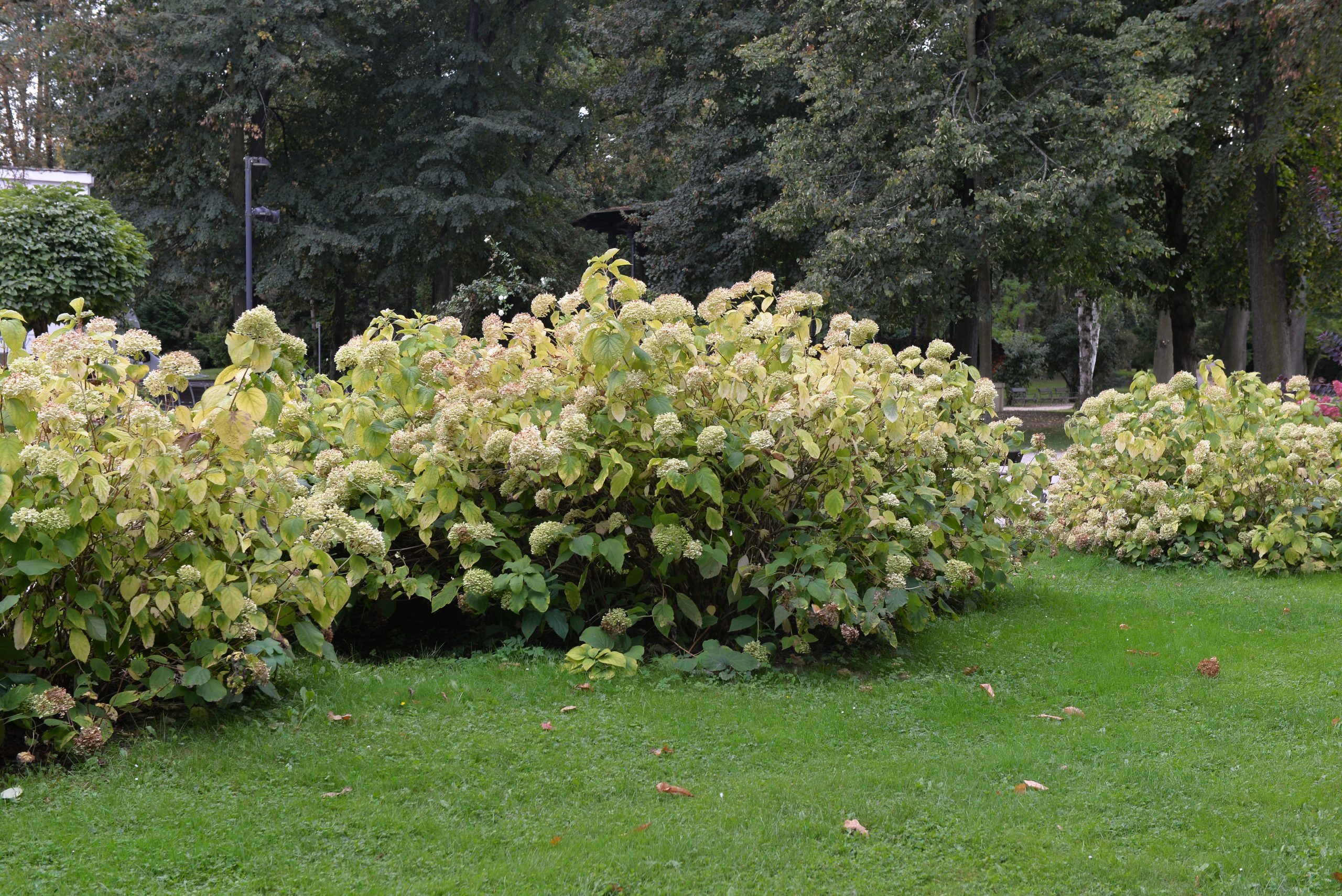
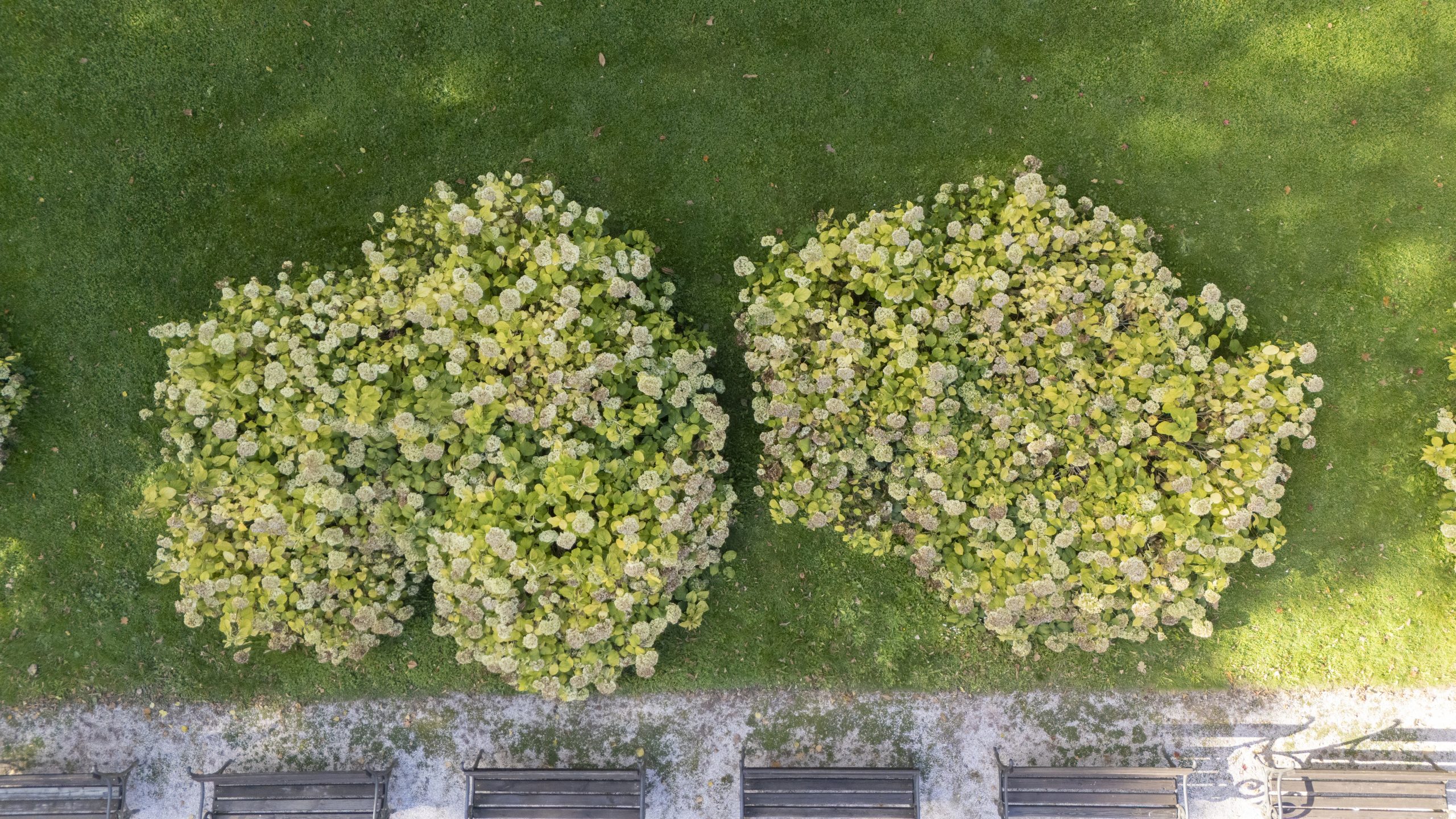
Habitus: It is a densely branched shrub growing to the height of 3 metres. The annual shoots are erect, usually unbranched. During their growing, their colour changes from light grey to brown, and it peels off in sheets as they age.
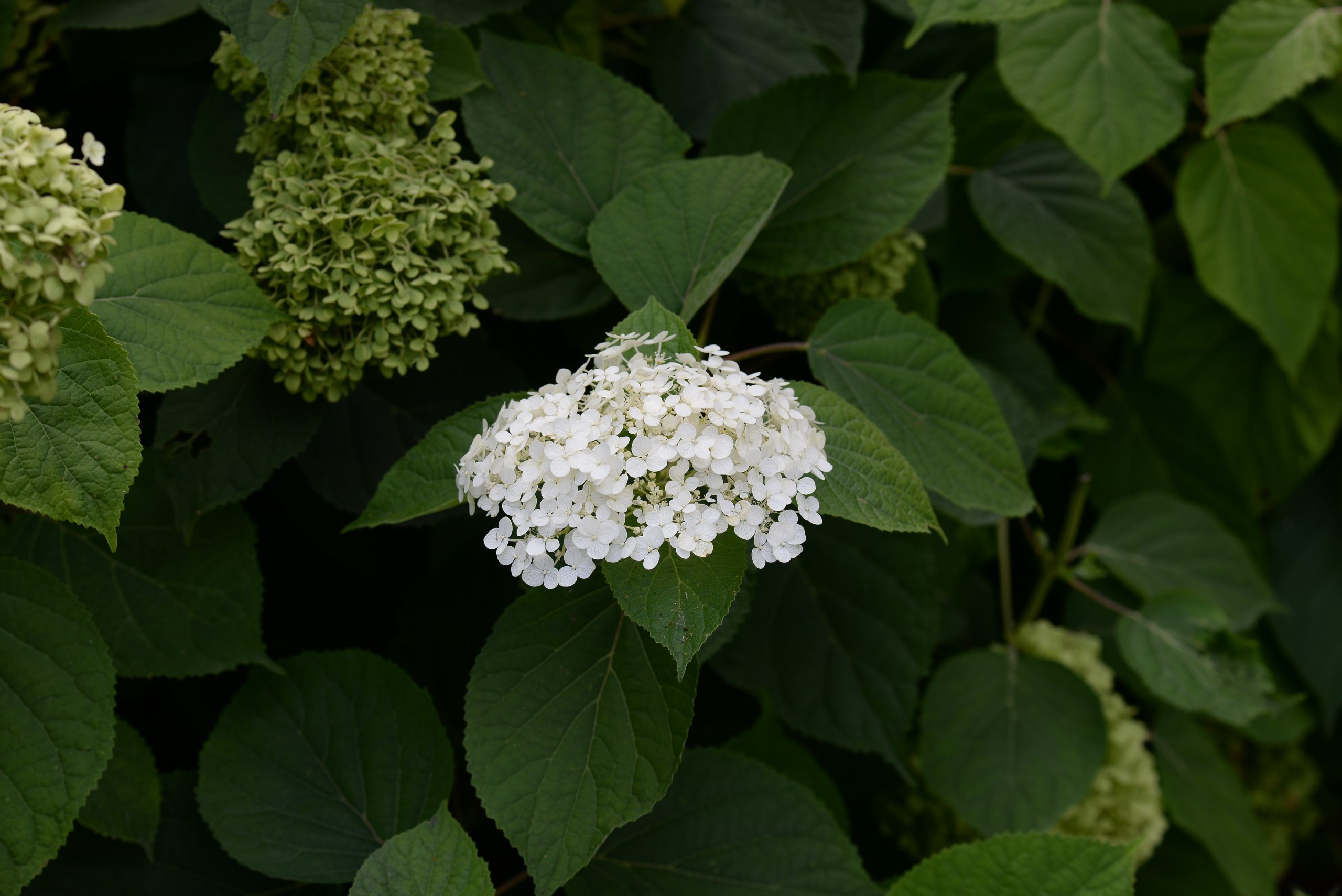
Leaf: The leaves grow on the branches oppositely or in whorls of three. They are ovate, up to 15 cm long with a cordate or round base and a pointed tip, they have long petioles (their length is up to 5 centimetres). The darker upper side of the leaves is covered with sparse trichomes, the lighter underside has trichomes only on the central and lateral veins.
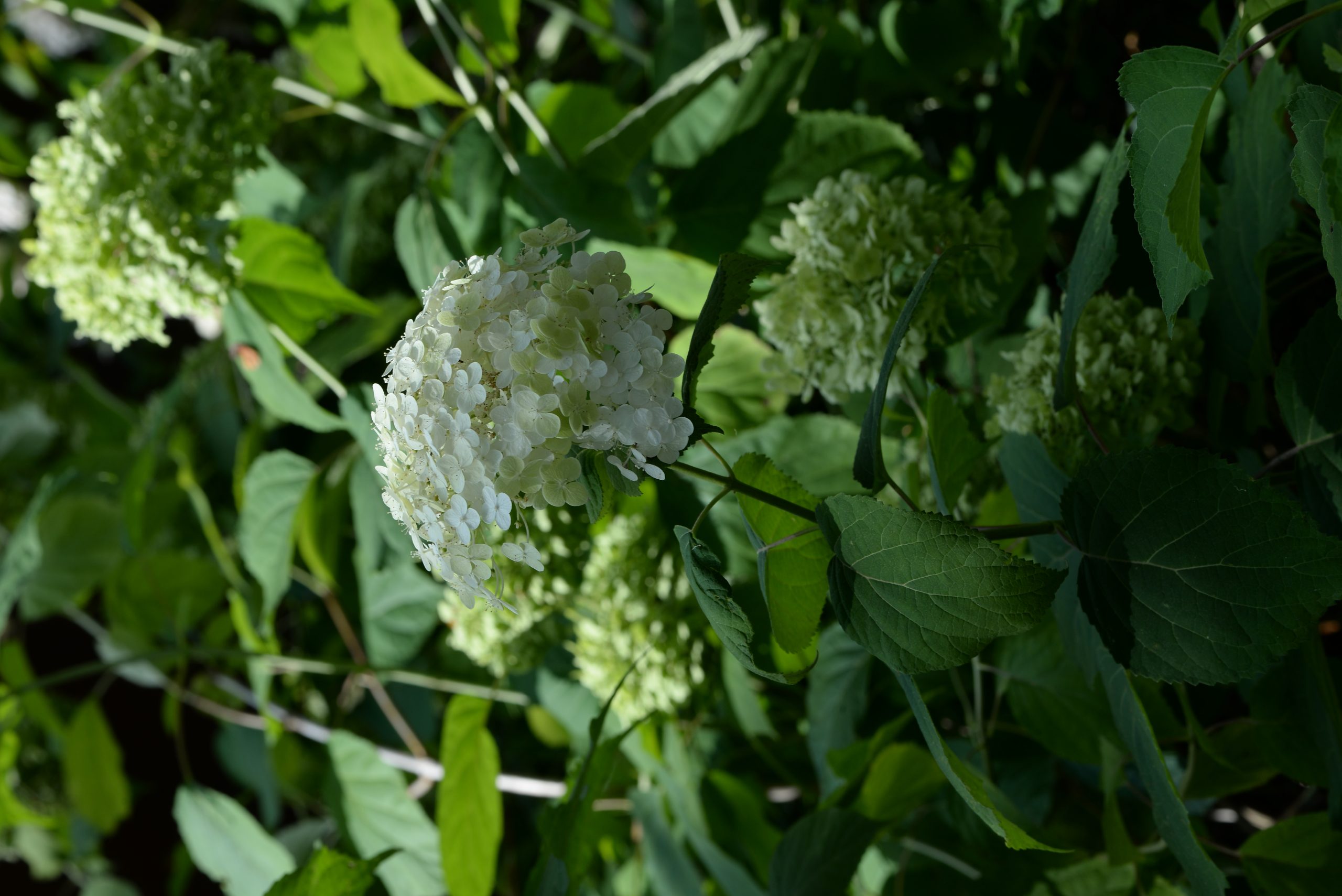
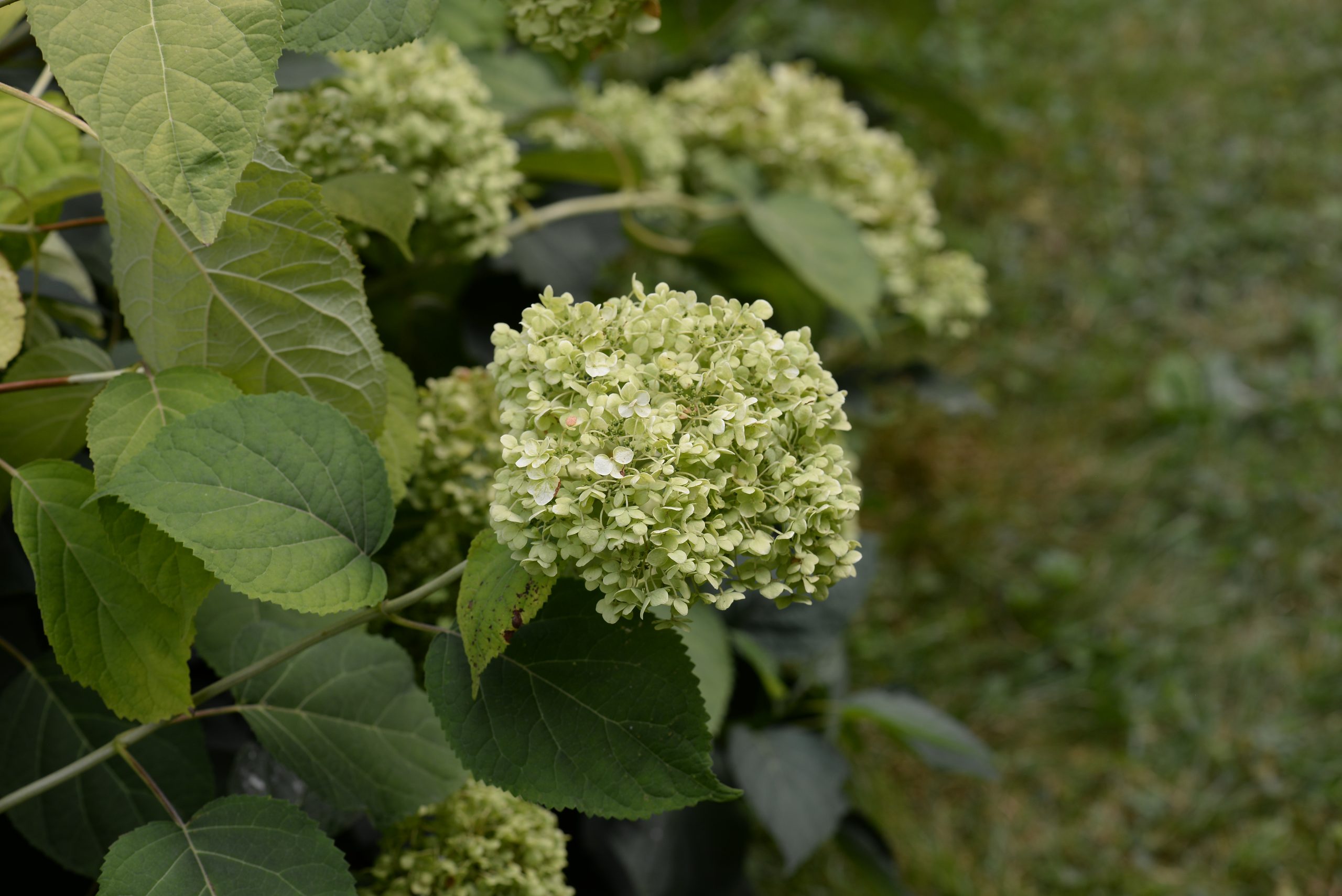
Bloom, fruit: The plant blooms from June to September. Globular, racemose inflorescences are formed at the tops of the shoots. They contain up to 500 white or greenish blooms, some of which may be sterile. Fertile blooms produce large amounts of pollen and nectar, thereby attracting pollinators. Infertile blooms are not attractive to insects, but they last longer than fertile blooms. The fruit is a hemispherical capsule that releases seeds that are spread by the wind.
Interesting facts: It can spread not only by seeds but also by root suckers. If Hydrangea is regularly cut in spring, it creates strong annual shoots that hold large inflorescences and do not fall even in heavy rains. For its beautiful blooms, it is often planted in city parks as a solitary plant or in groups with other types of hydrangeas.