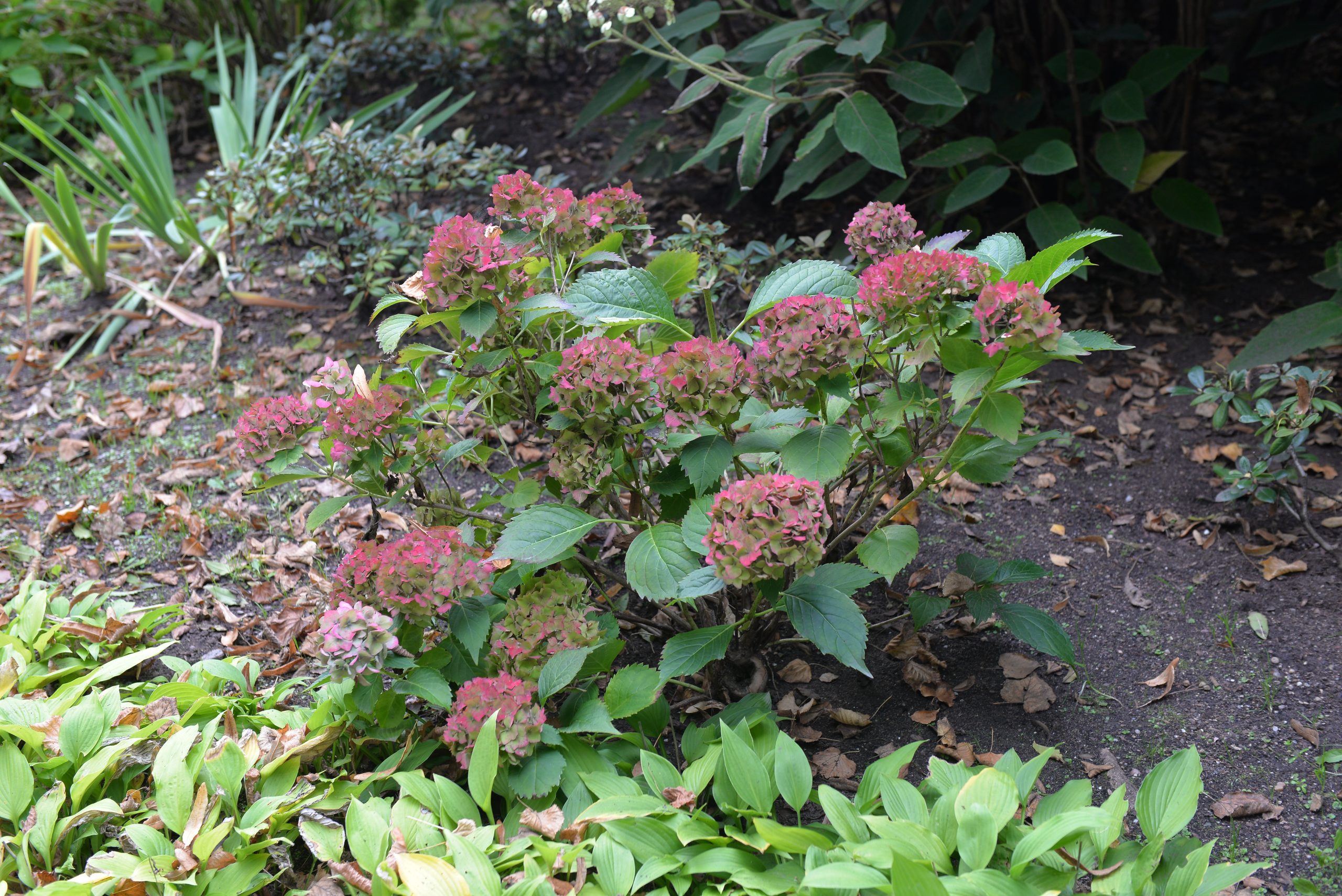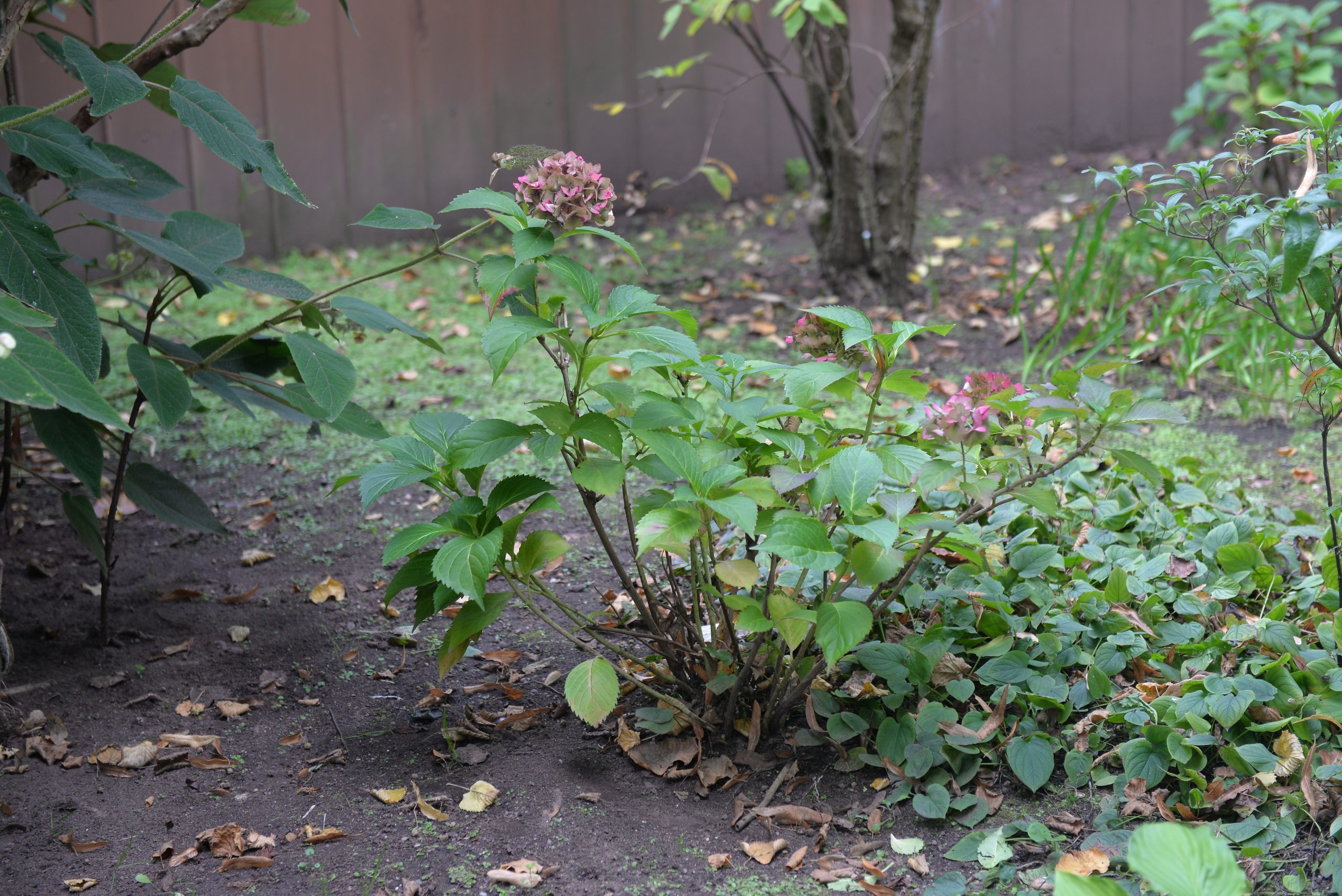

Hydrangea family, Hydrangeaceae
Origin: Japan (Honshu Island); naturalized also in China, New Zealand, Central and South America, Madeira, the Azores and Hawaiian Islands
Habitat in the original area: shrubs, forest edges and mountain forests, and also around human settlements or along roads
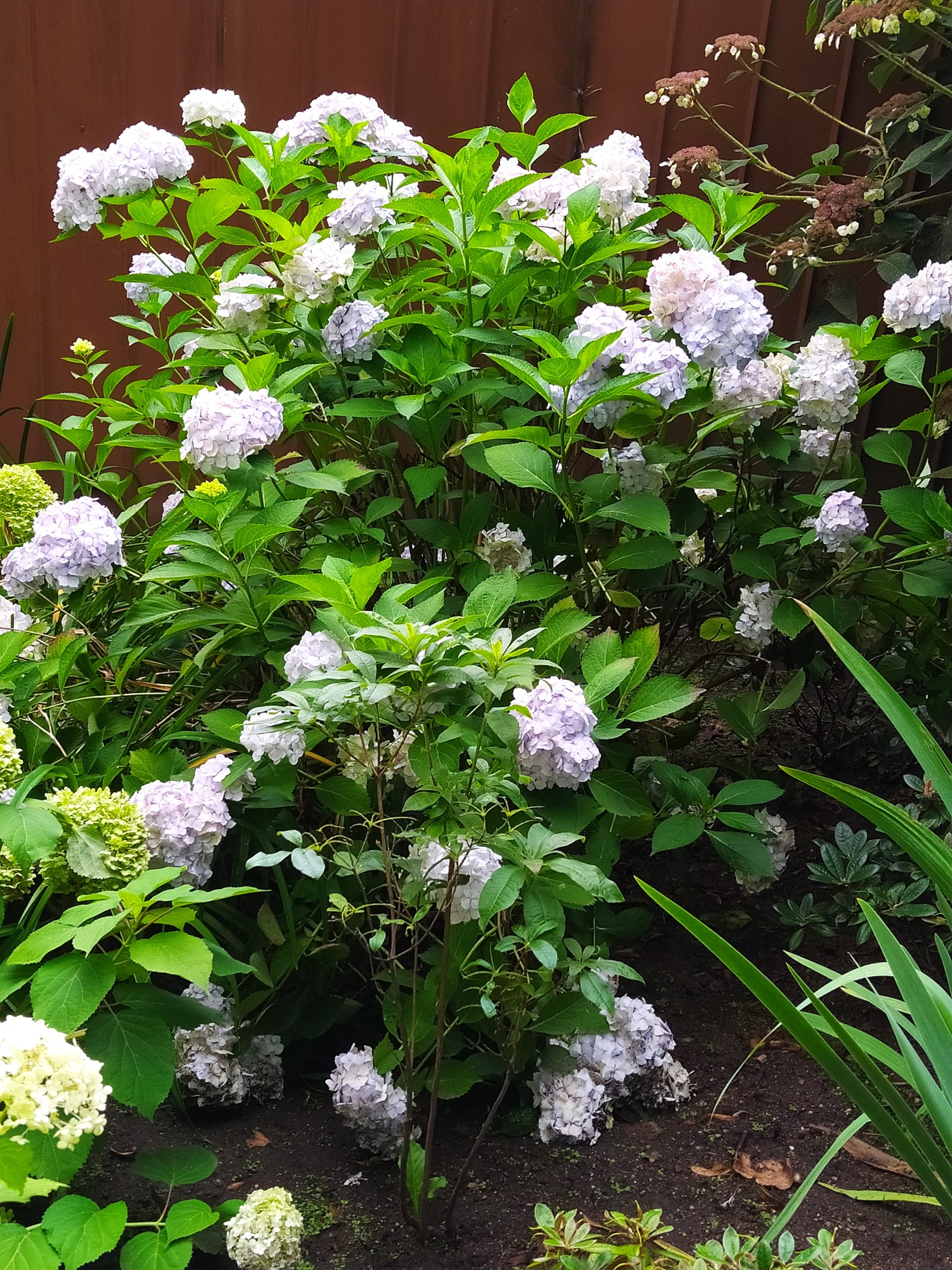
Habitus: A richly branched shrub growing to the height of two to three metres. The branches are glabrous, the bark is grey to brownish-grey.
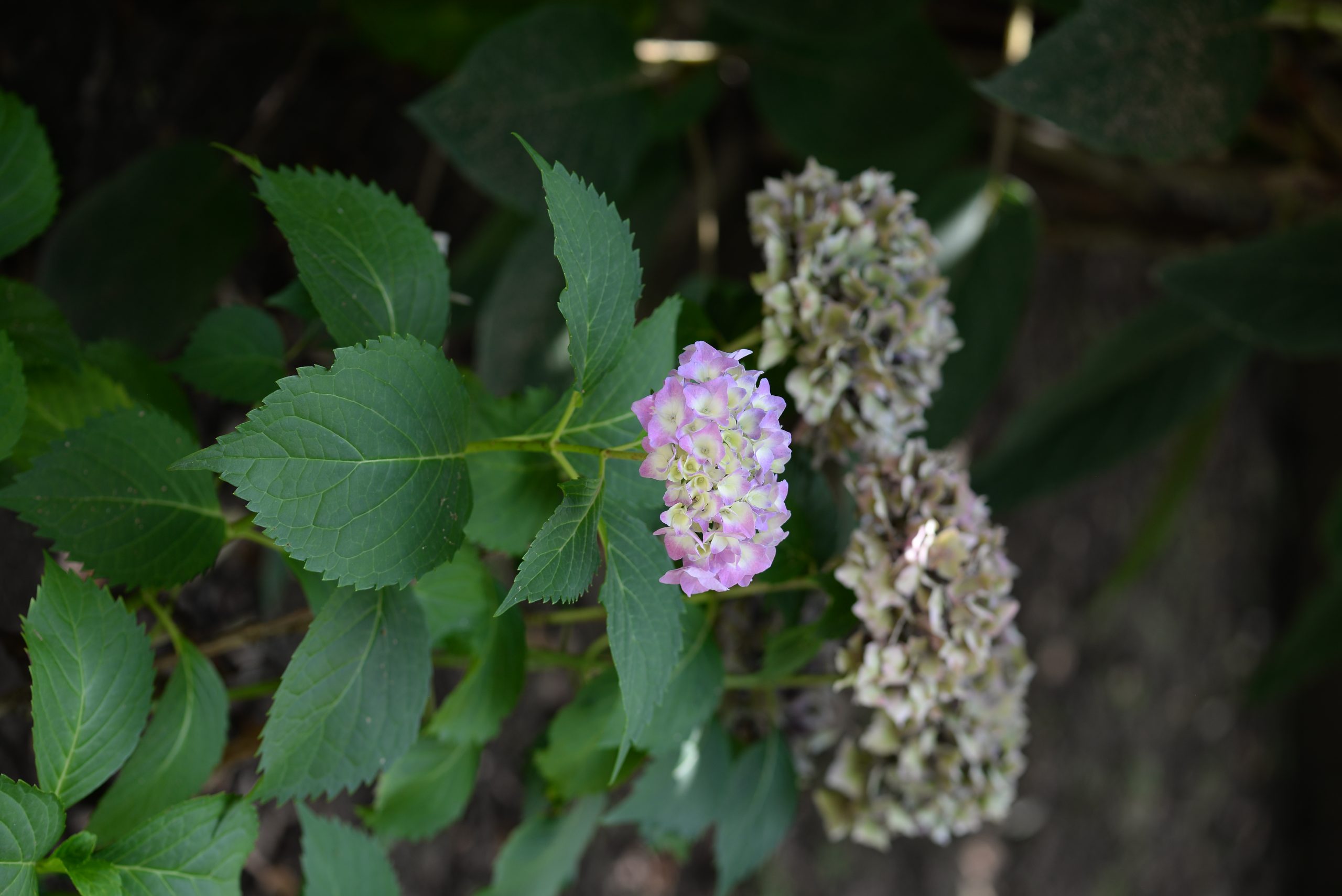
Leaf: The leaves grow oppositely on the branches and have short petioles. The blade is ovate in shape with a rounded base and a pointed tip, and it is up to 15 centimetres long. The margin is serrated, the reverse and upper sides of the blade are glabrous.
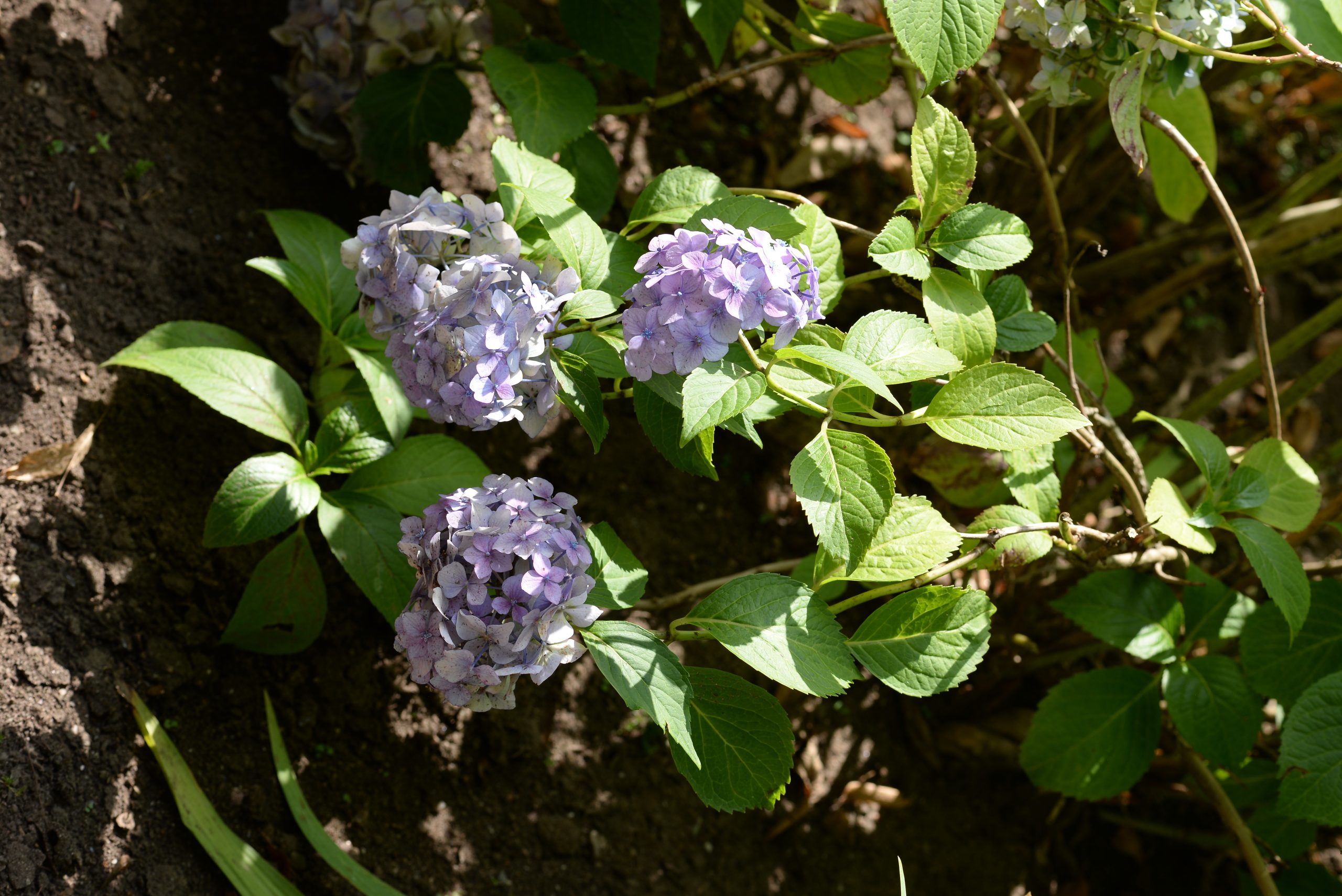
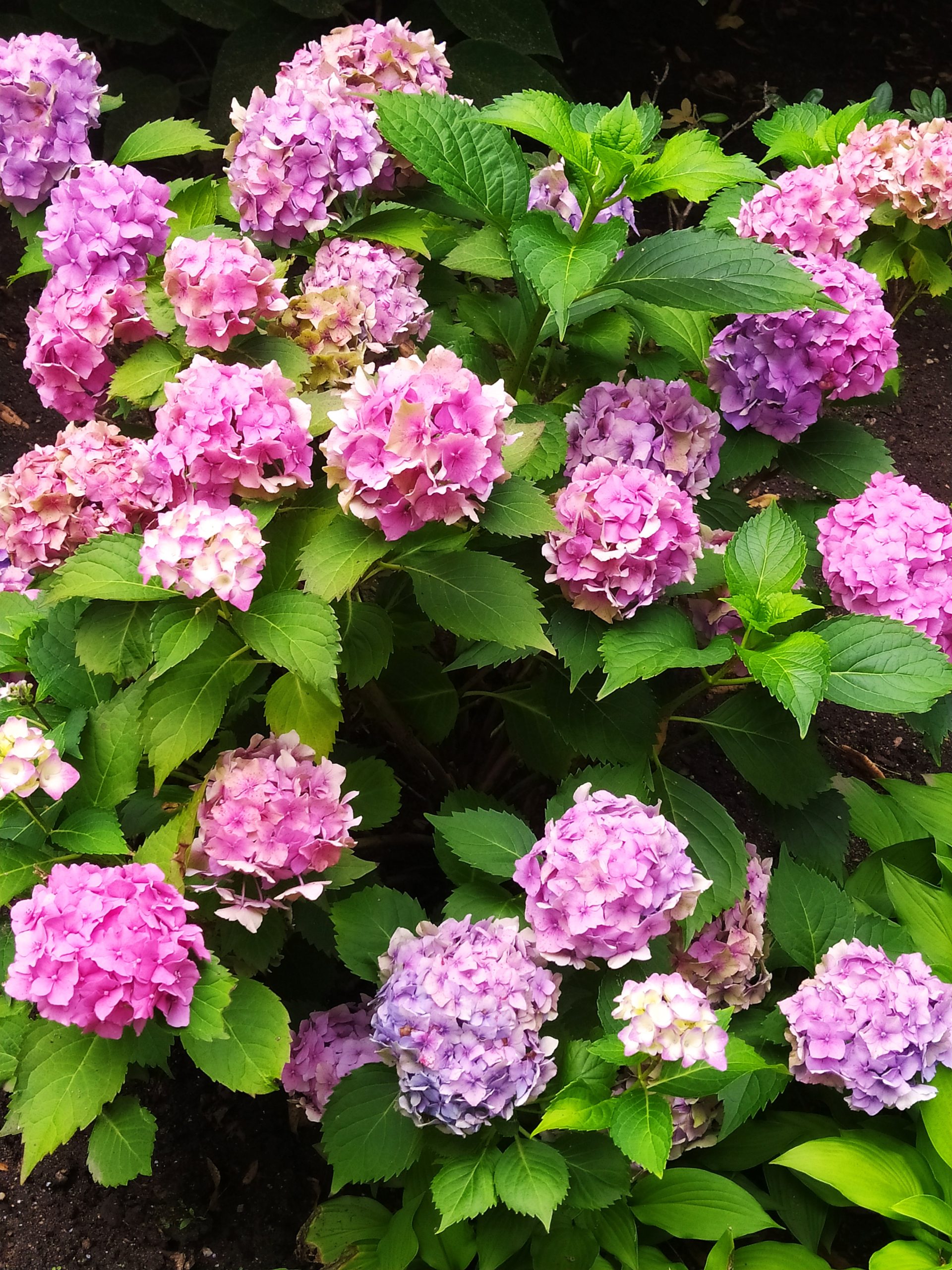
Bloom, fruit: The plant blooms from June to October. Its hemispherical to spherical, racemose inflorescences grow at the tops of the shoots. The petals are white, blue or pink. The colour changes depending on the soil reaction and the presence of aluminium ions in the soil. Cultivated cultivars have only sterile blooms. The plant´s fruits are capsules.
Interesting facts: The colour of Hydrangea blooms can be influenced. More acidic soil (with a lower pH) with free aluminium ions will cause the flowers to turn blue. More alkaline soil (with a higher pH) supports turning the flowers into pink colour. If we want to get blue flowers, it is necessary to acidify the soil and add aluminium (e. g. using special fertilizers and alum) and avoid using preparations containing calcium.