
Magnolia family, Magnoliaceae
Origin: hybrid created in 1820 by crossing the species Magnolia denudata and Magnolia liliiflora
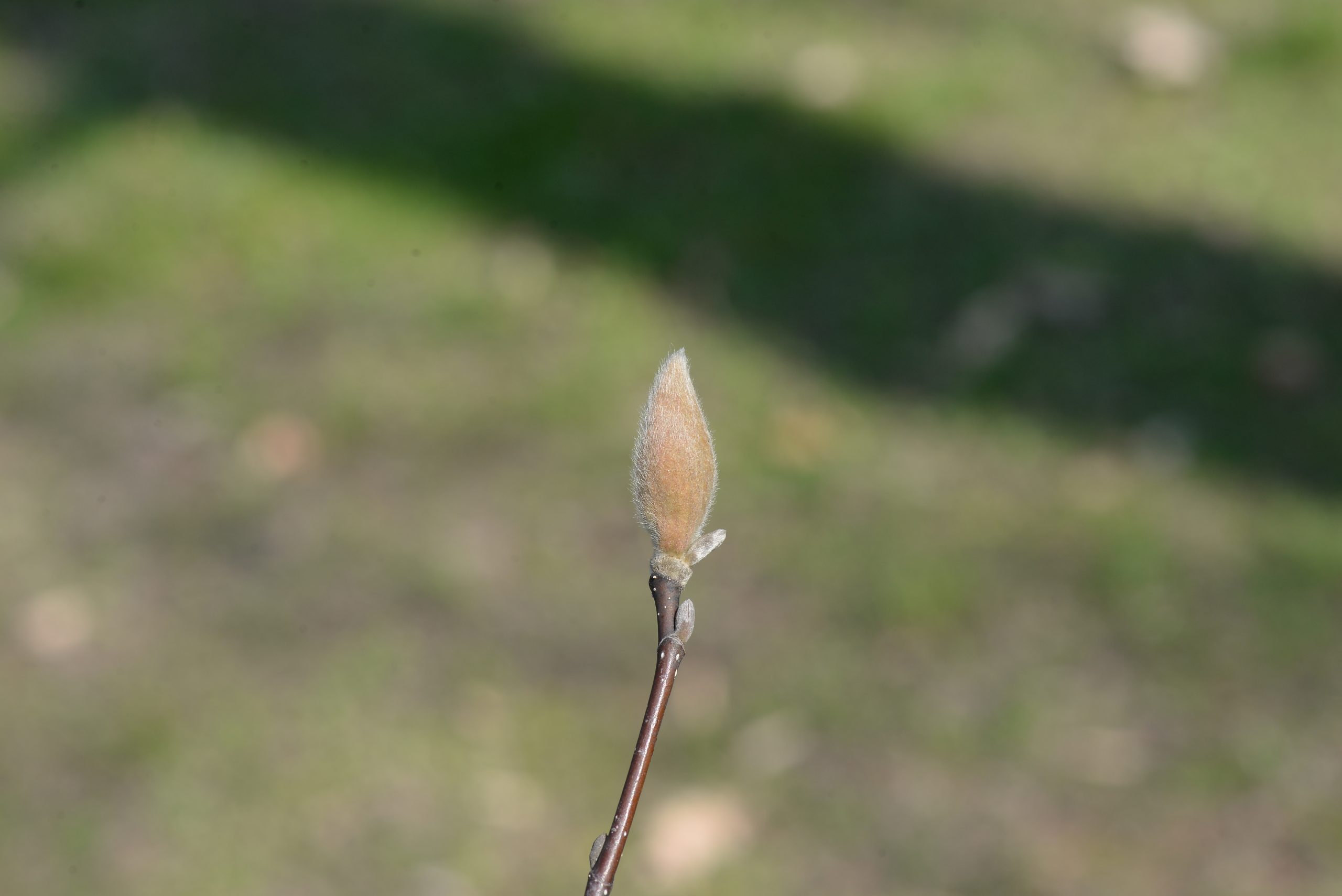
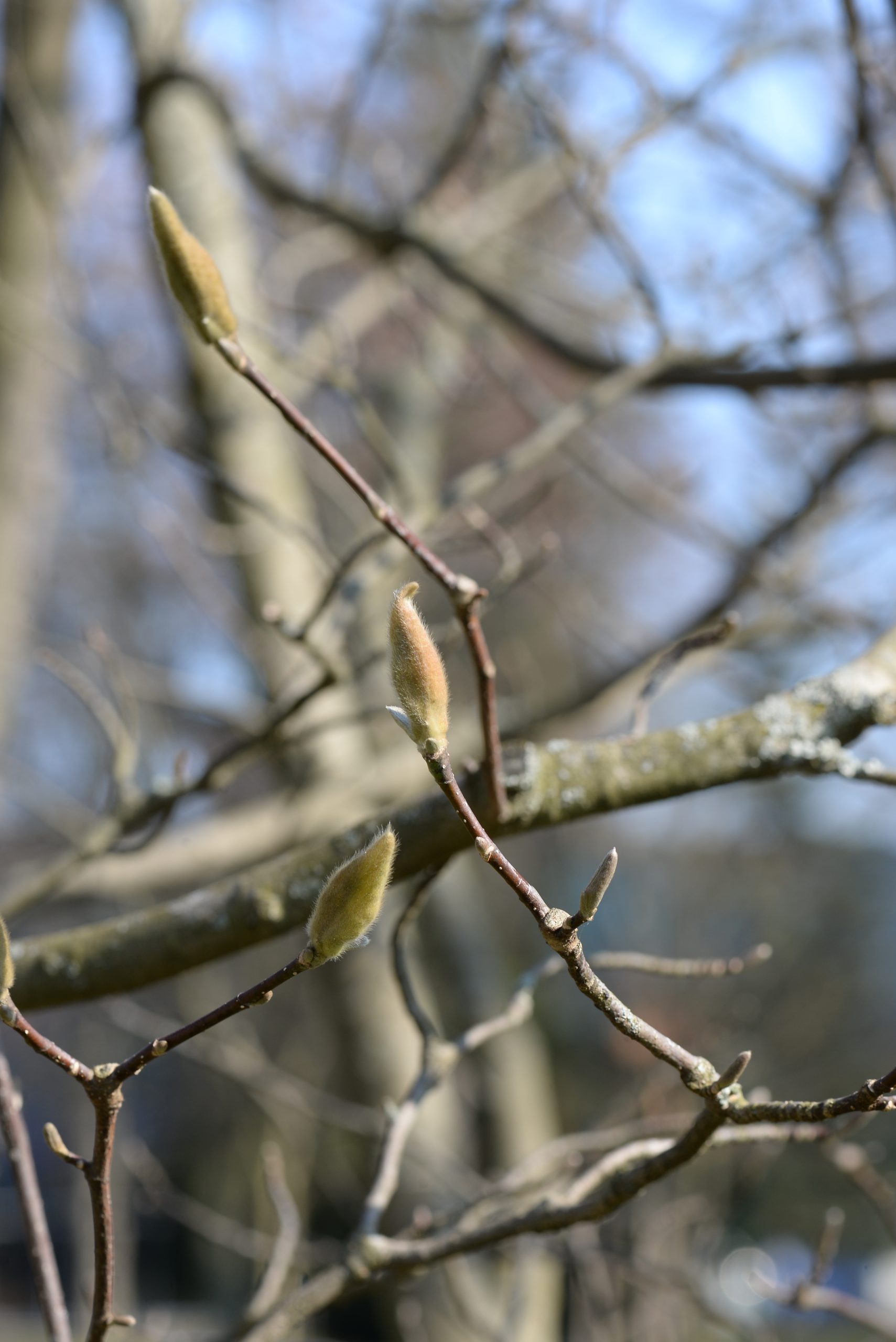
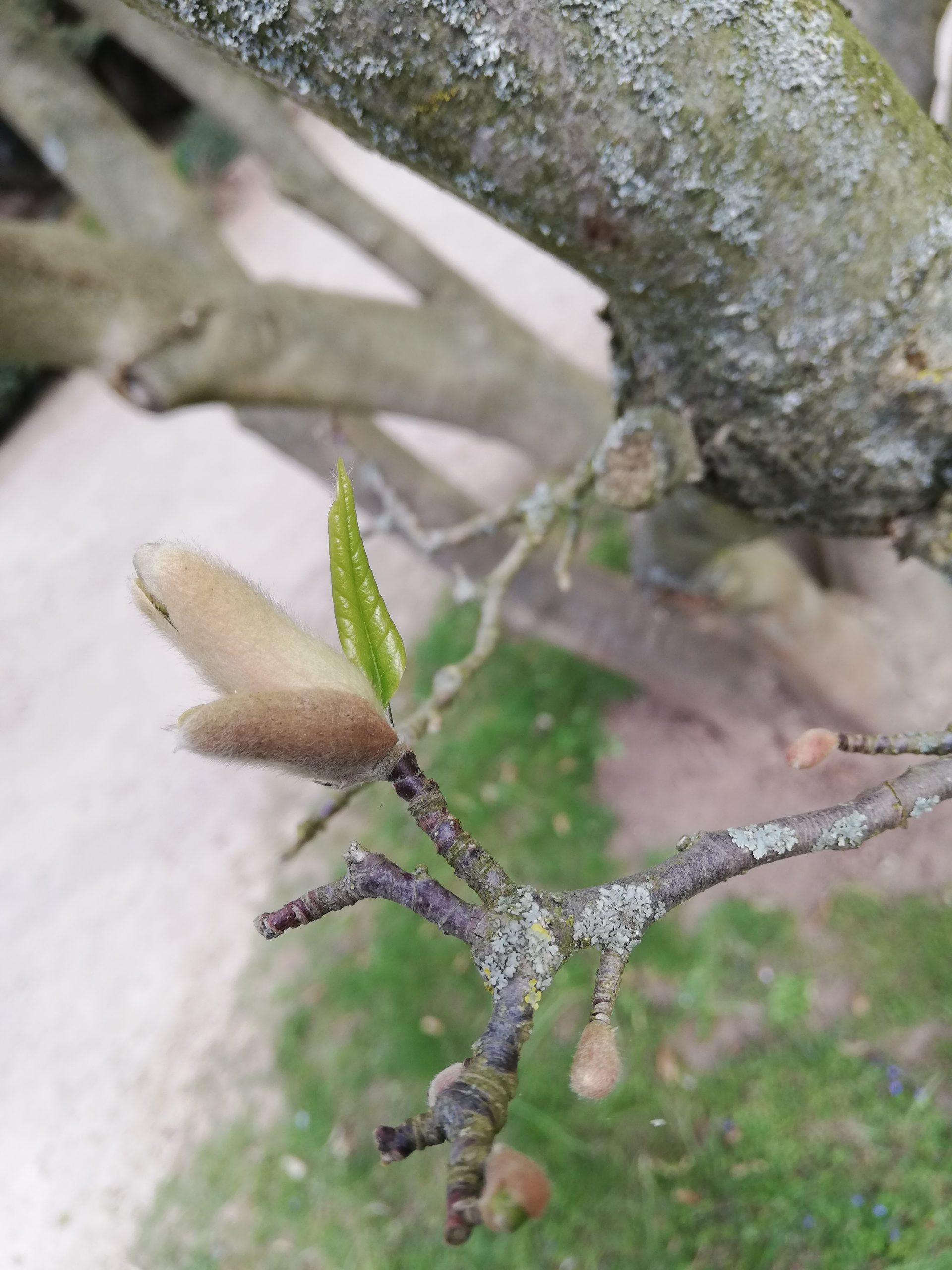
Habitus: A shrub or tree up to 5 metres tall with grey bark.
Leaf: Dark green stiff leaves have hairy petioles up to 1.5 cm long, the blade is obovate, up to 20 cm long and it has a pointed tip. The leaves are glabrous on the upper side with a few trichomes along the midrib. The lower side is completely covered with trichomes.
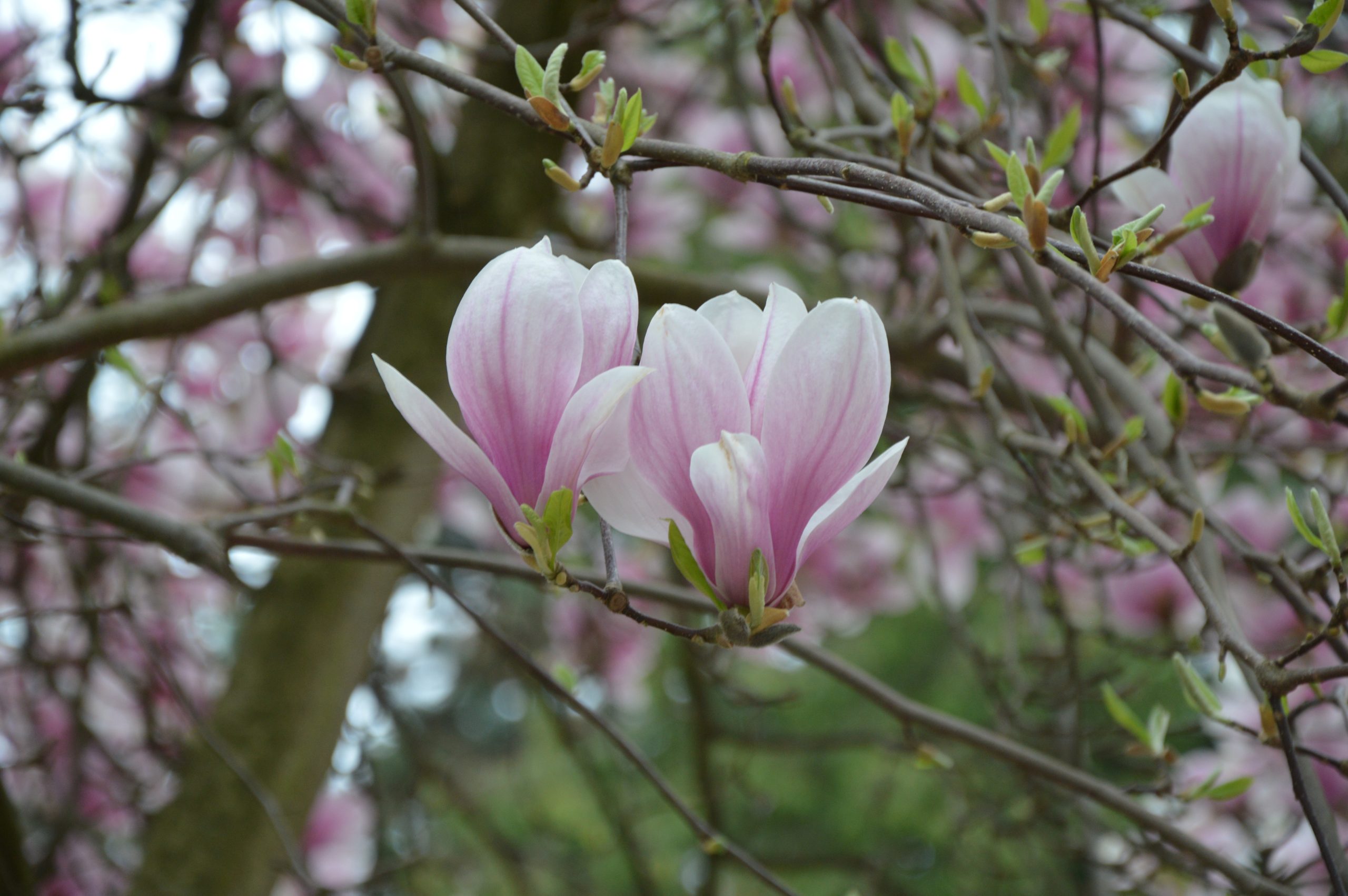
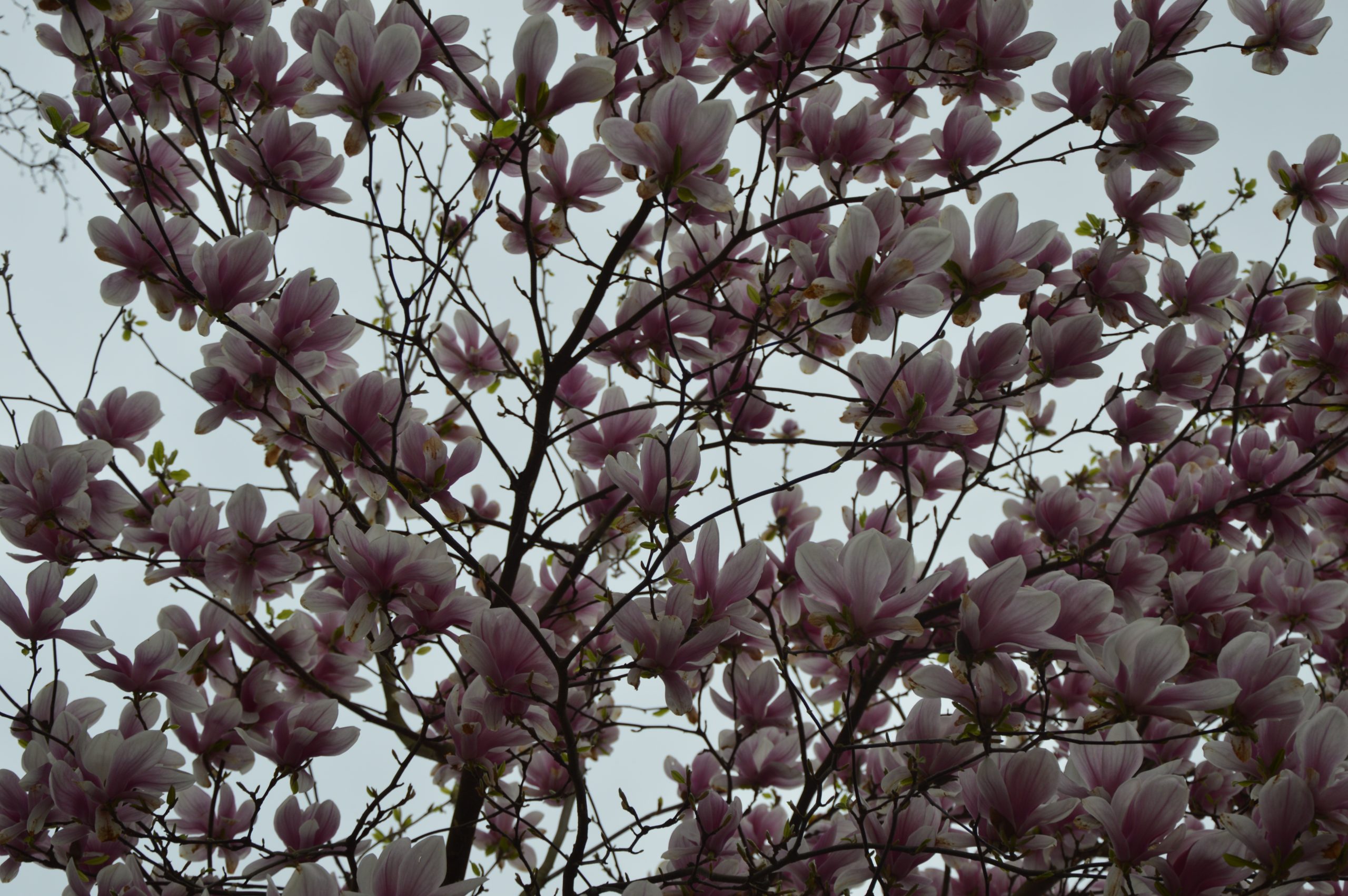
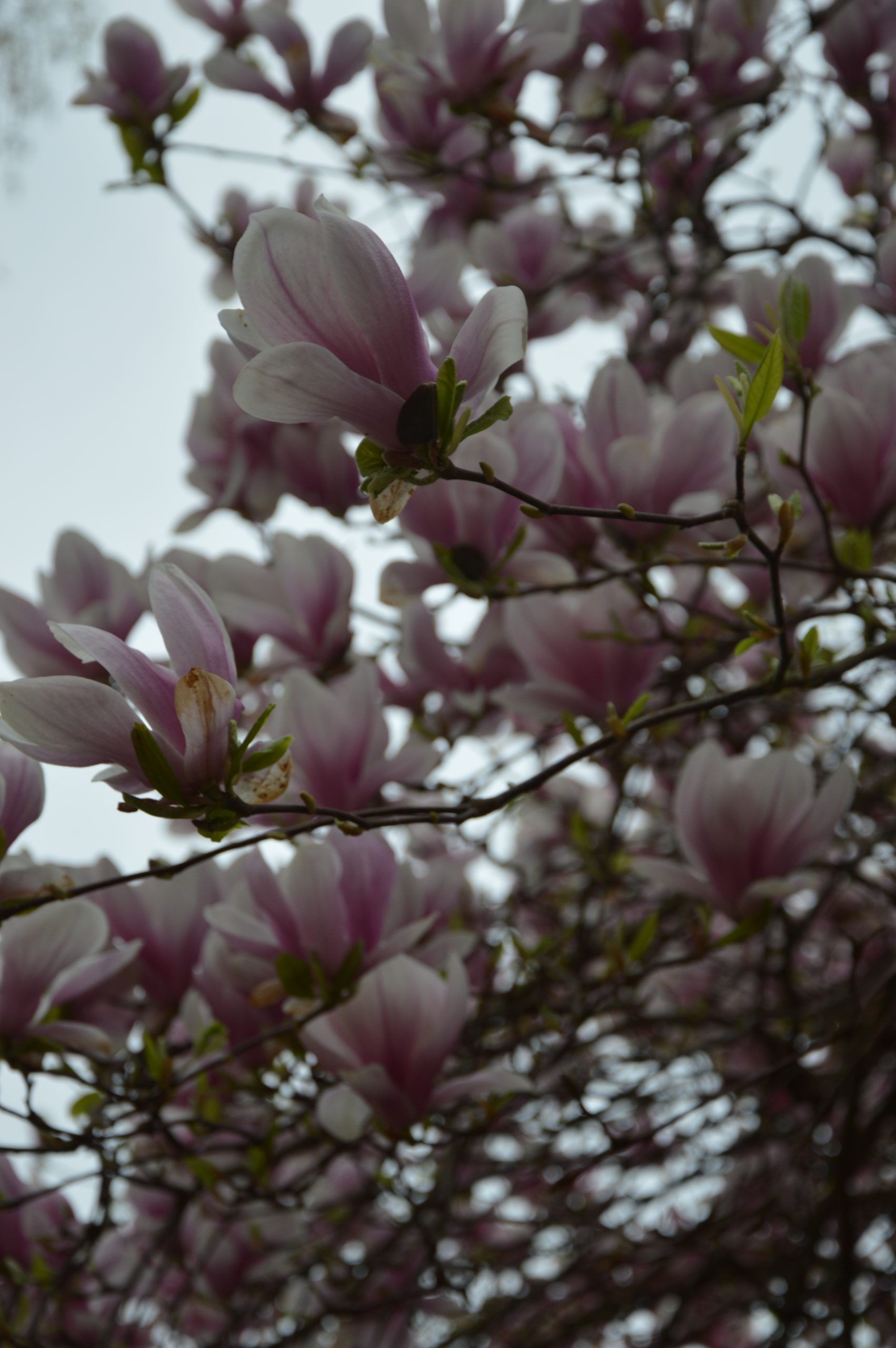
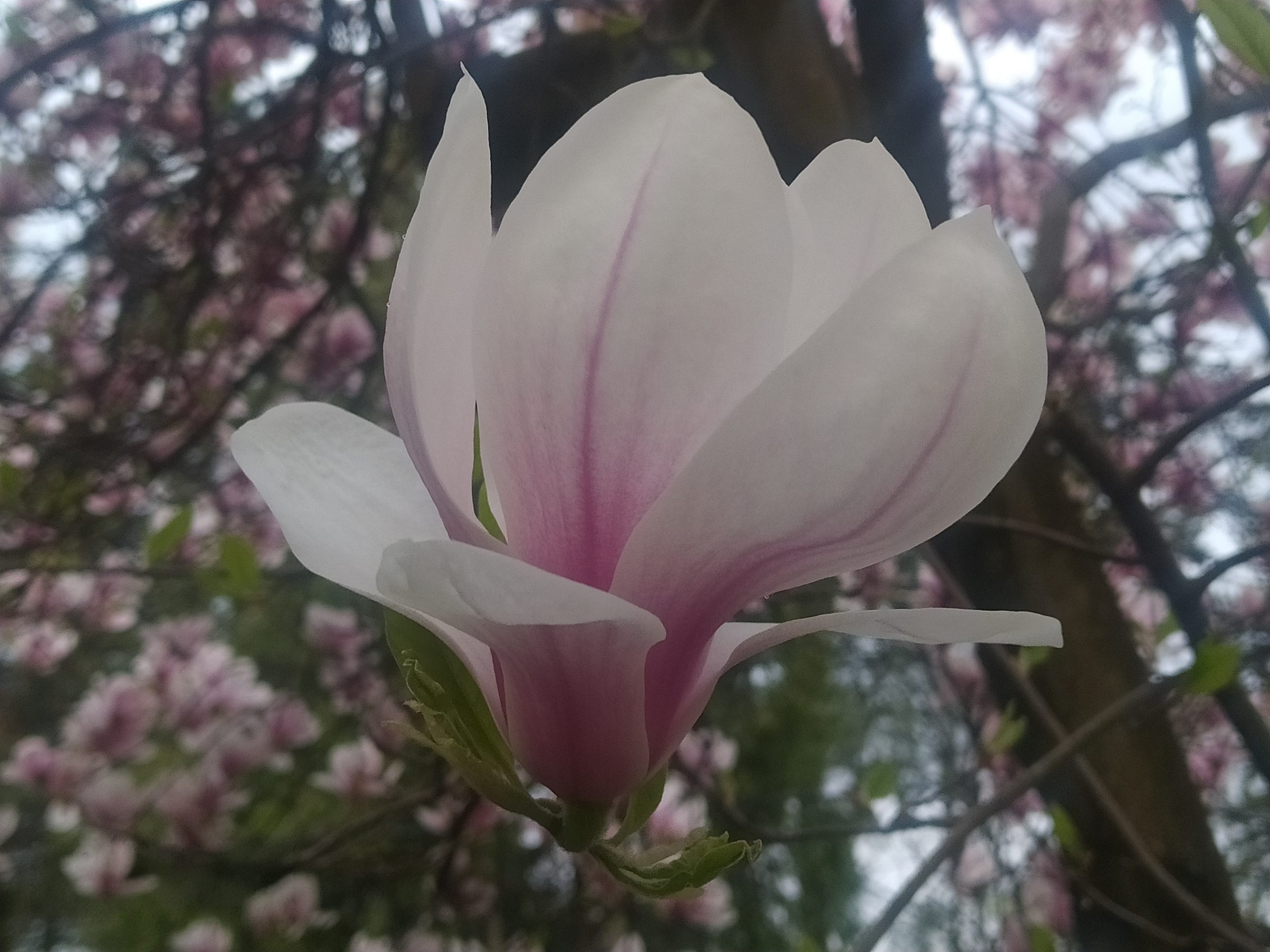
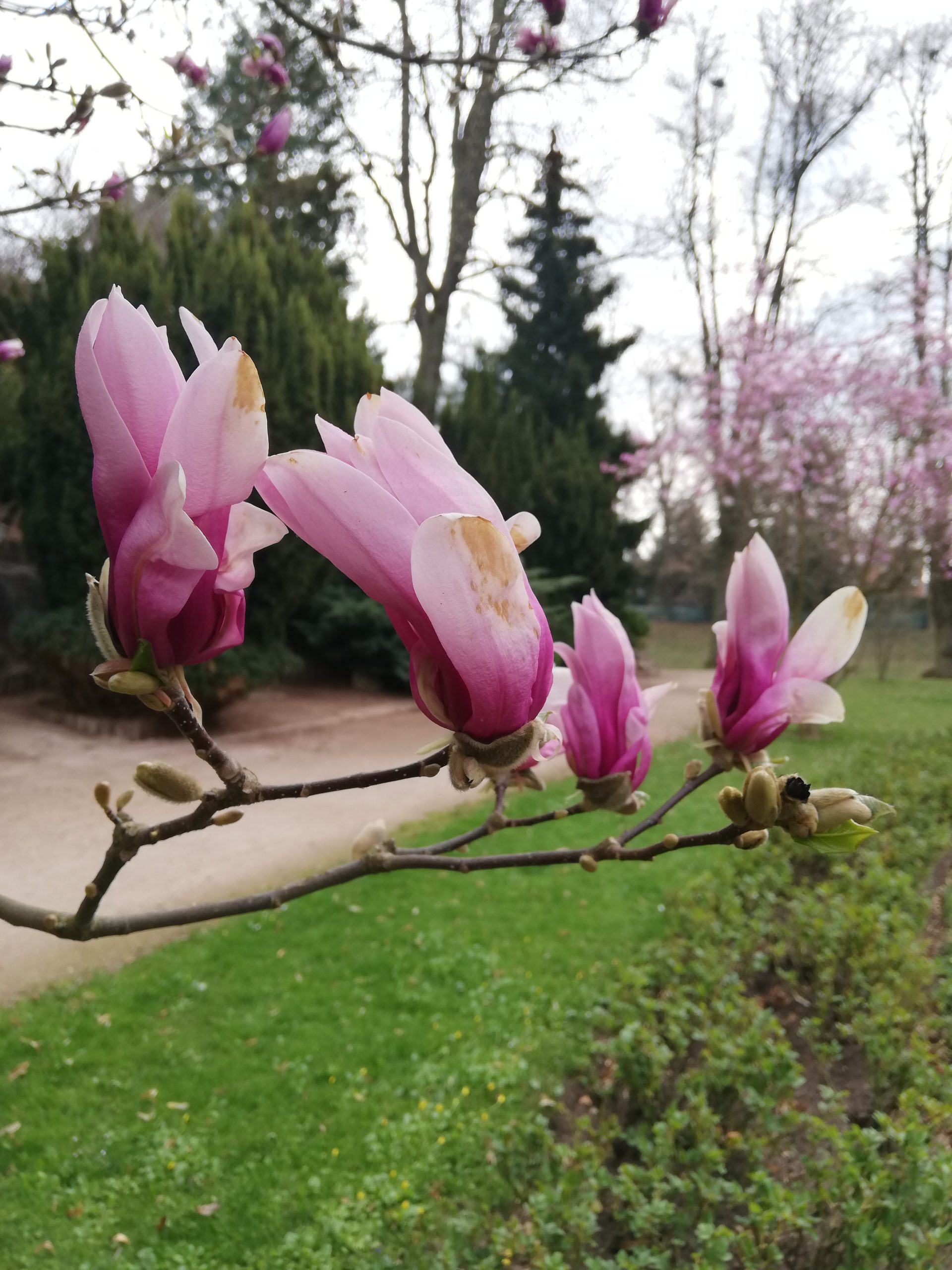
Bloom, fruit: The plant blooms from April to May, before its leaves sprout; the blooms give off a pleasant scent. The inflorescence resembles tulip flowers and consists of six to nine petals up to 4 centimetres wide. The colour of the blooms is variable. It ranges from white to pink, most often the inner side is white and the outer side is pink to purple, the tips of the flowers are white. The fruits are vesicle-shaped and placed in an upright woody fruiting body. The seeds are brown and obovate.
Interesting facts: Saucer Magnolia is a very popular and most commonly grown Magnolia. It occurs in a large number of cultivars that differ in the colour and size of the blooms, flowering time and overall appearance. The plant has a high tolerance to polluted air, so it is suitable for city parks.