
Legume/Pea family, Fabaceae
Origin: the north and east of the U.S.A.
Habitat in the original area: forest edges, prairies
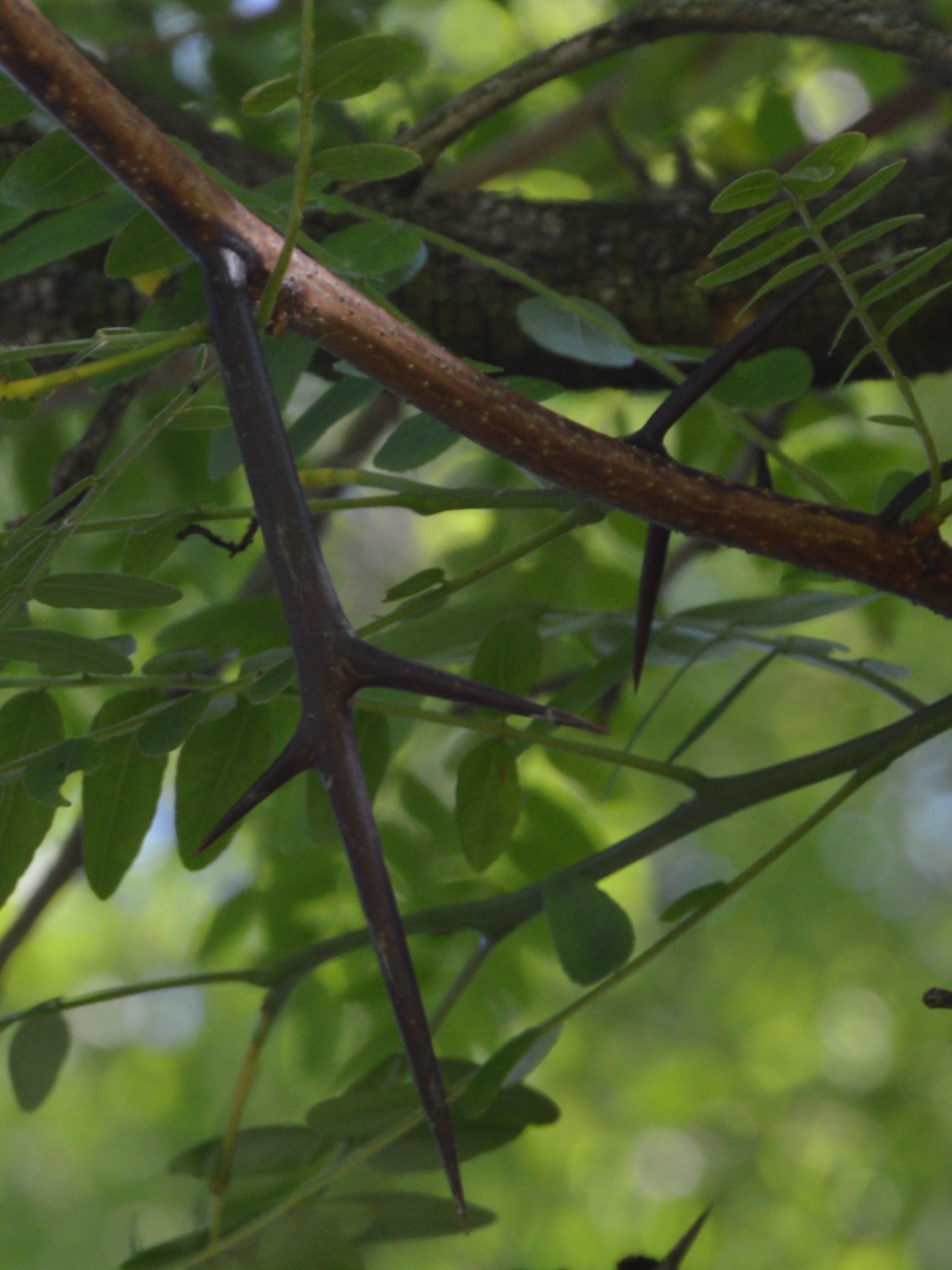
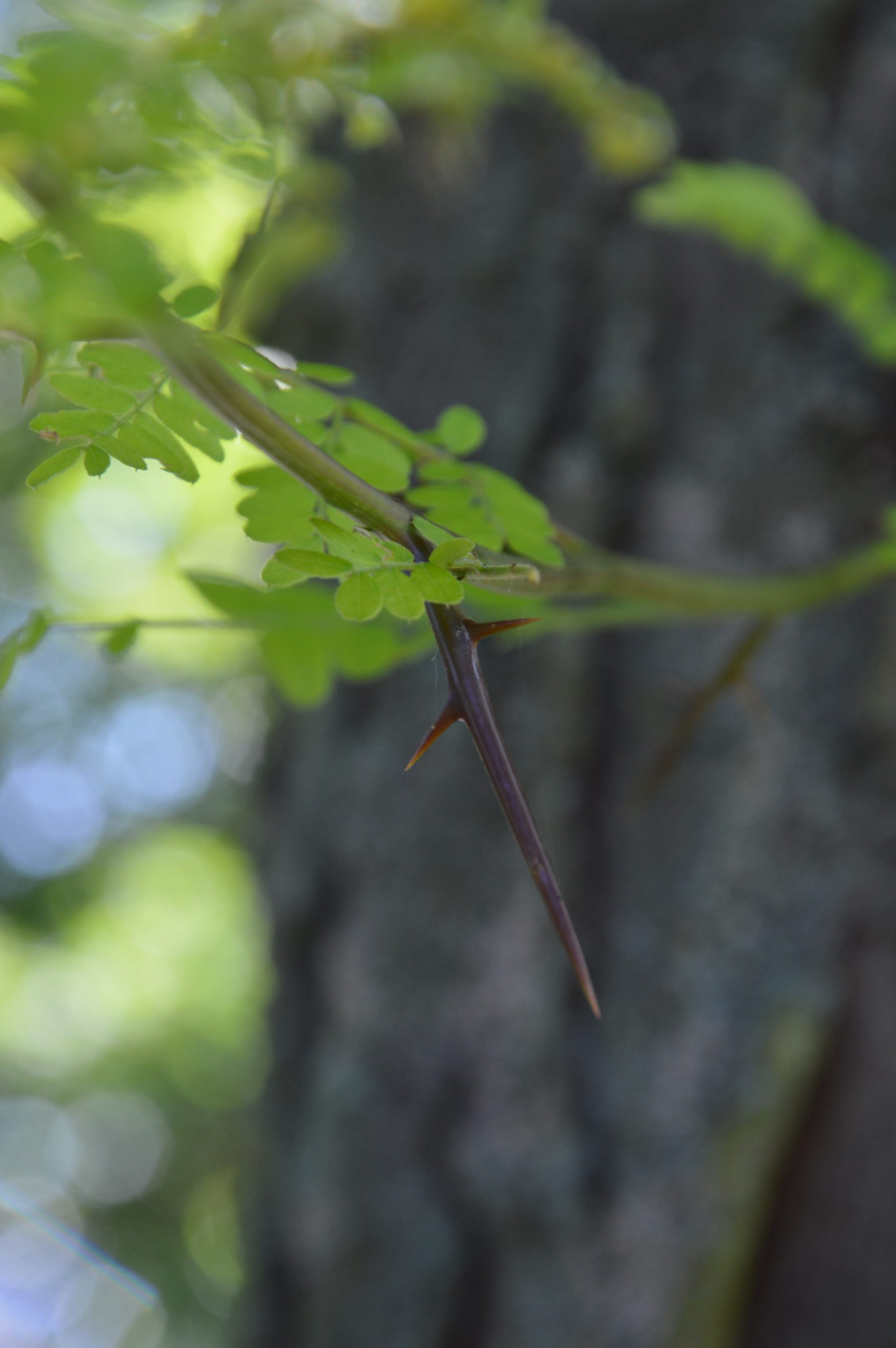
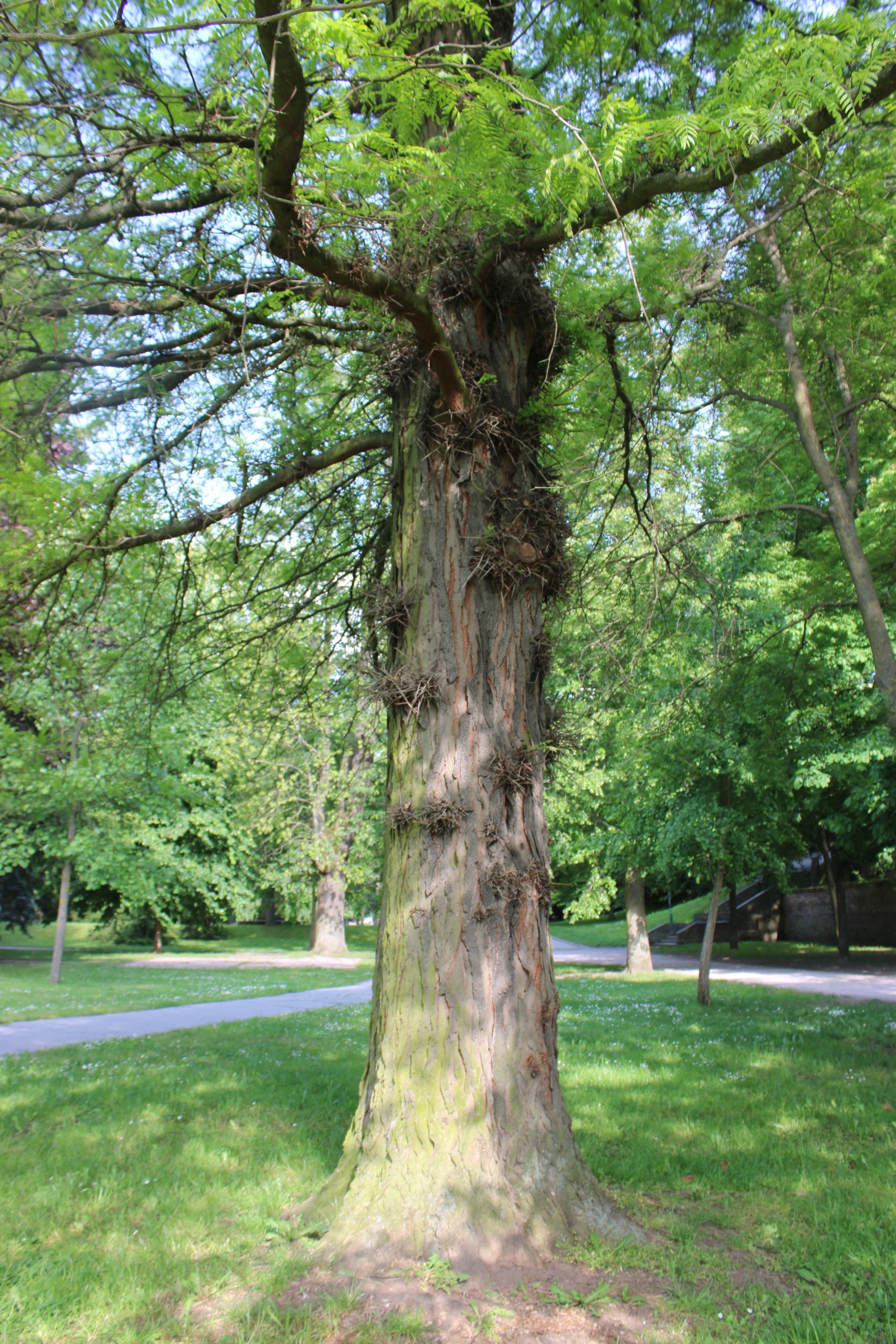
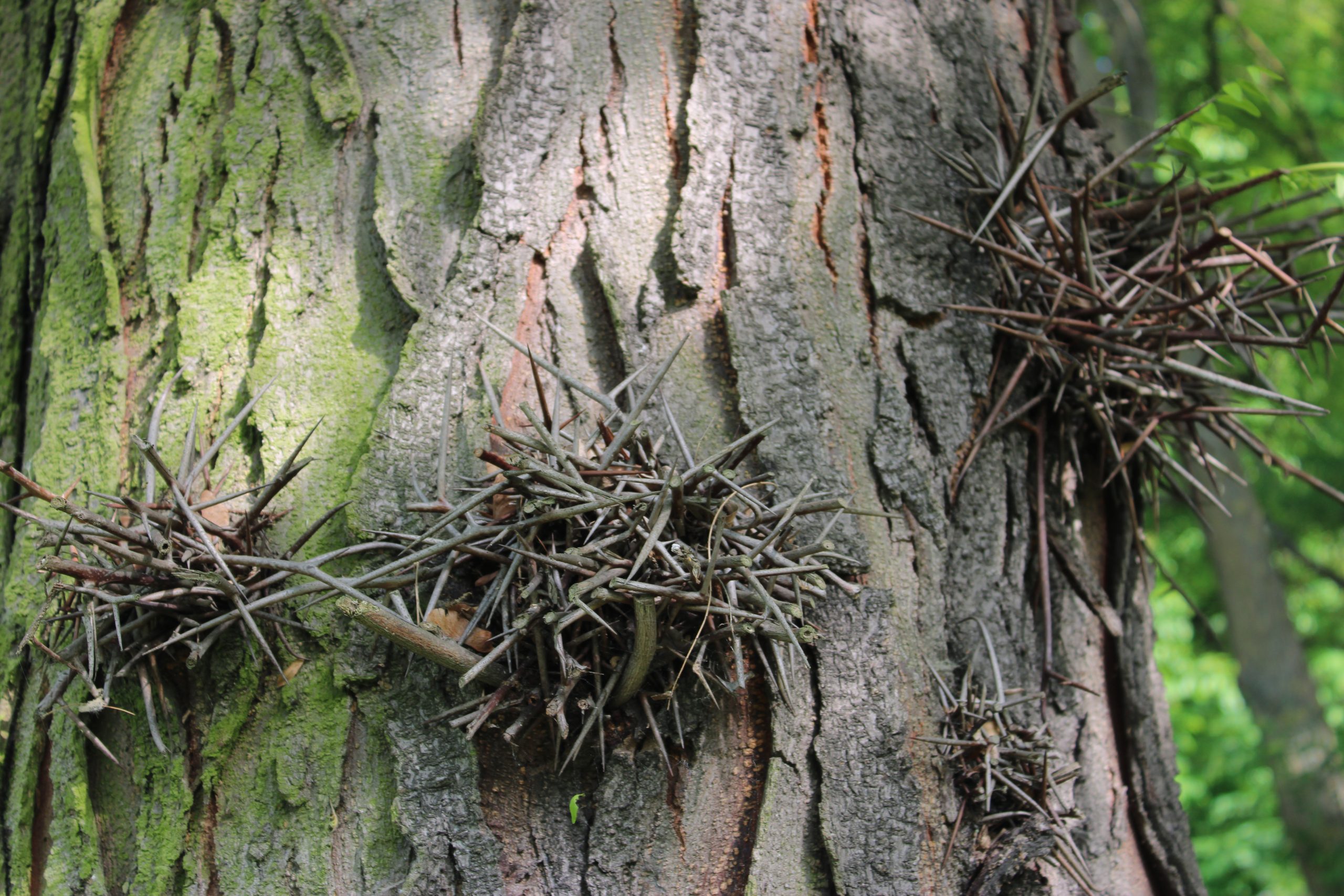
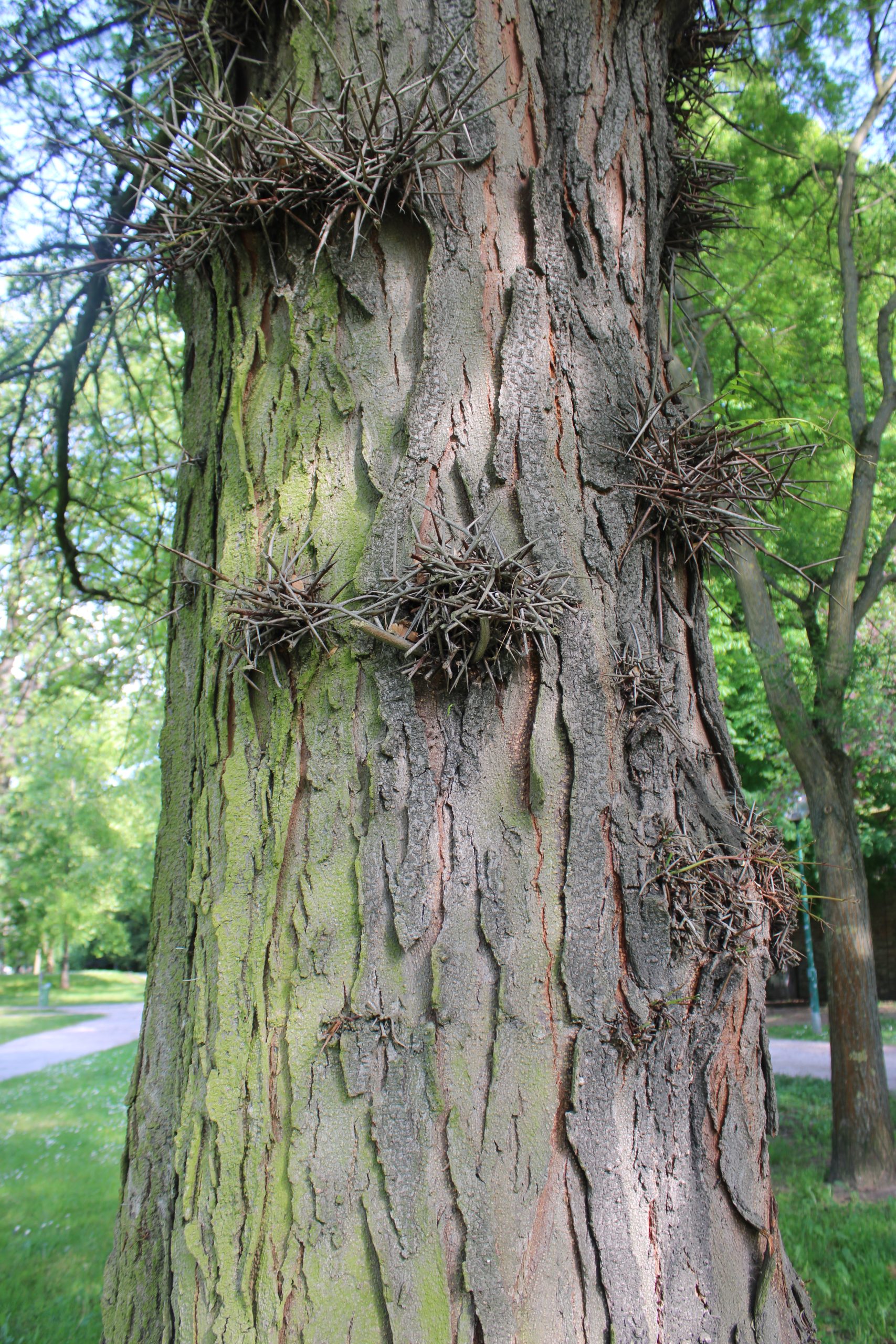
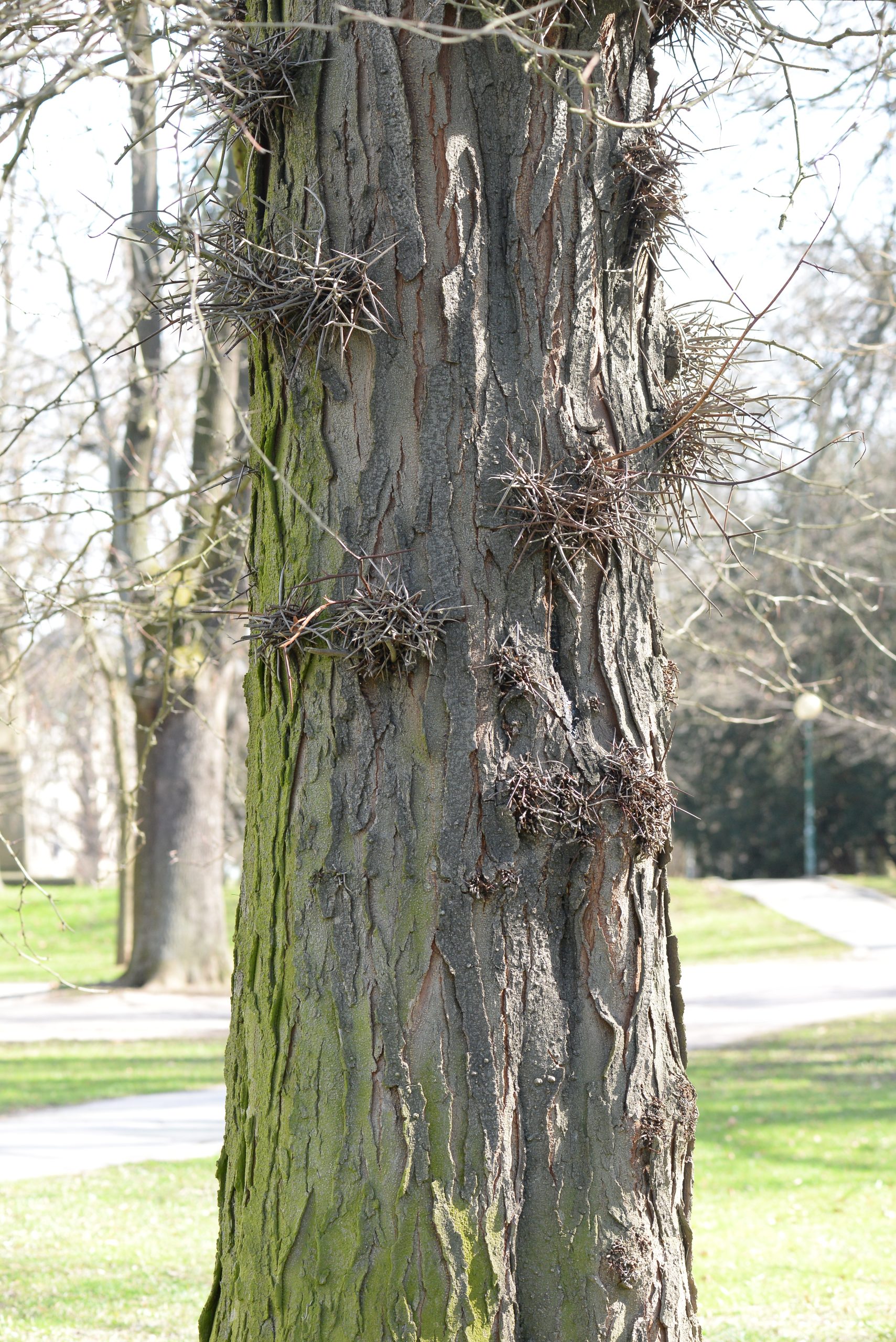
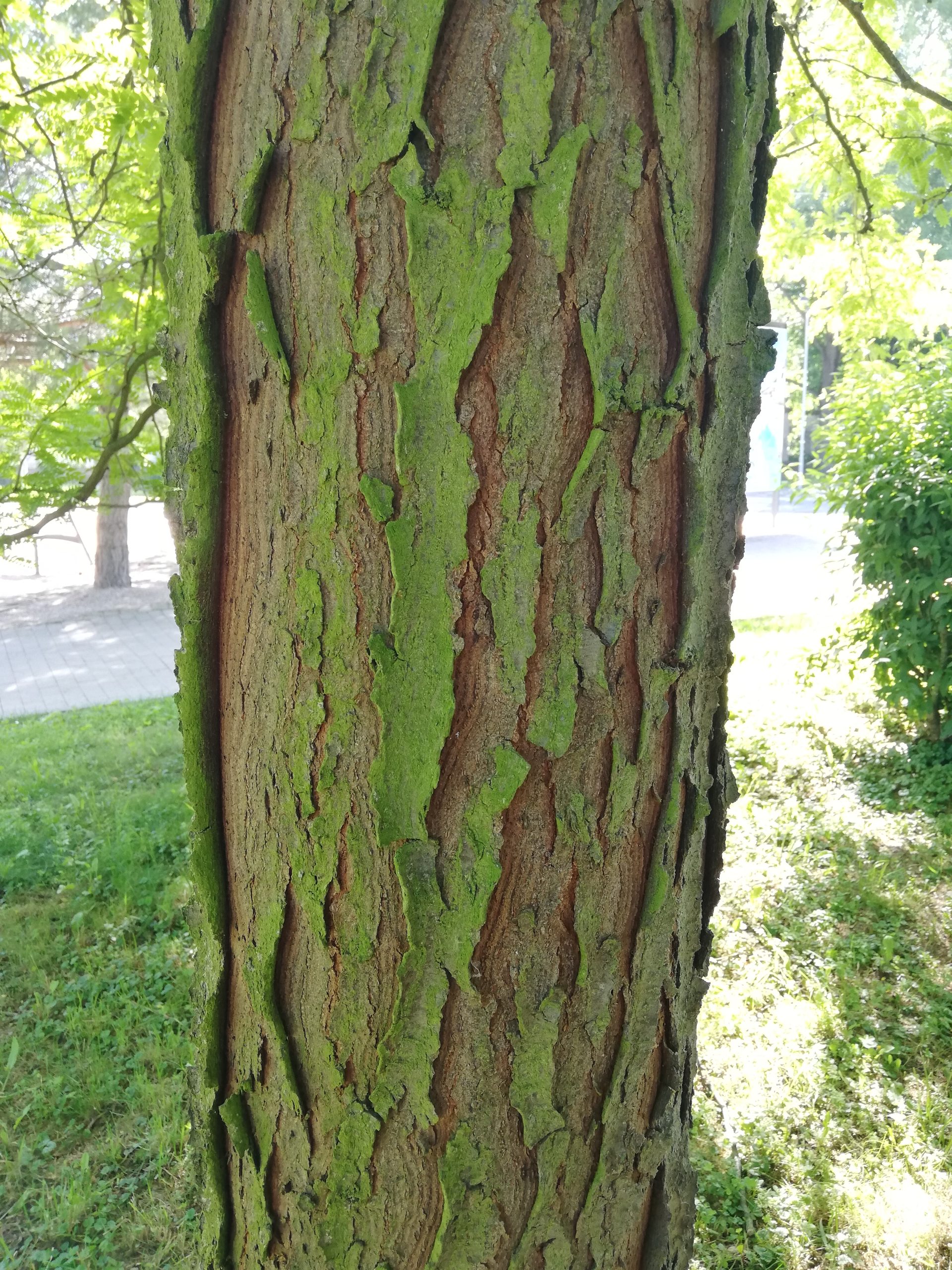
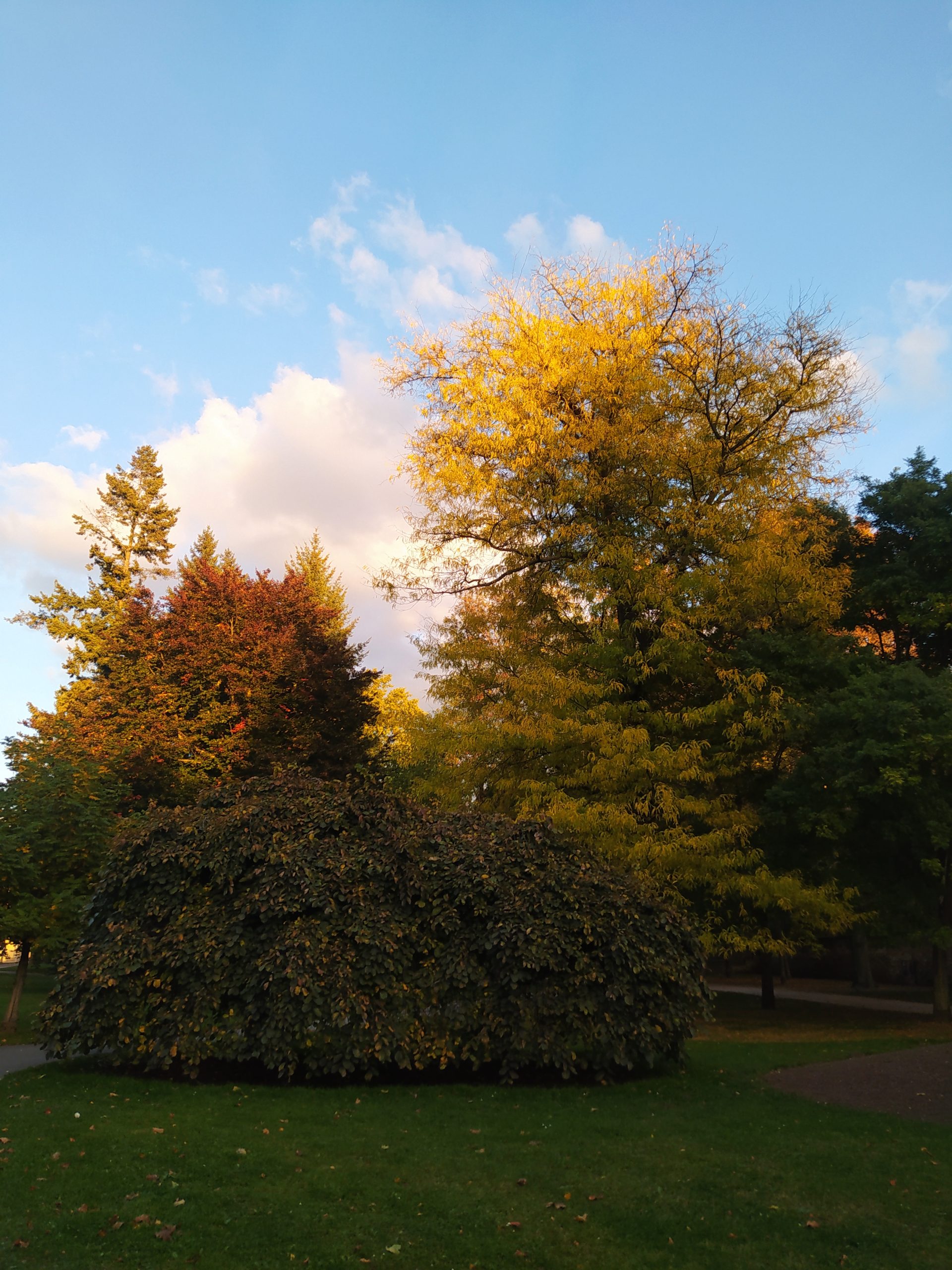
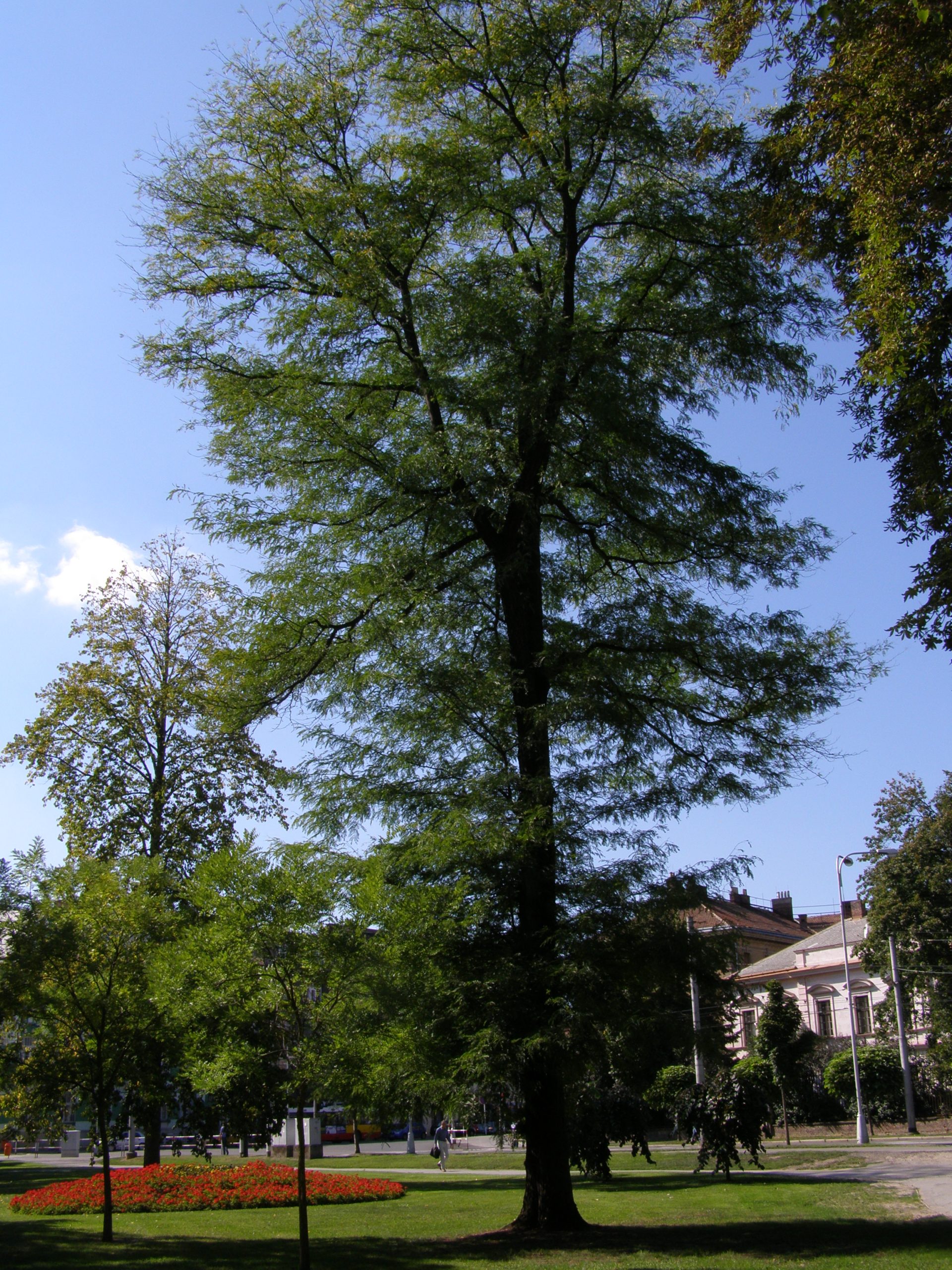
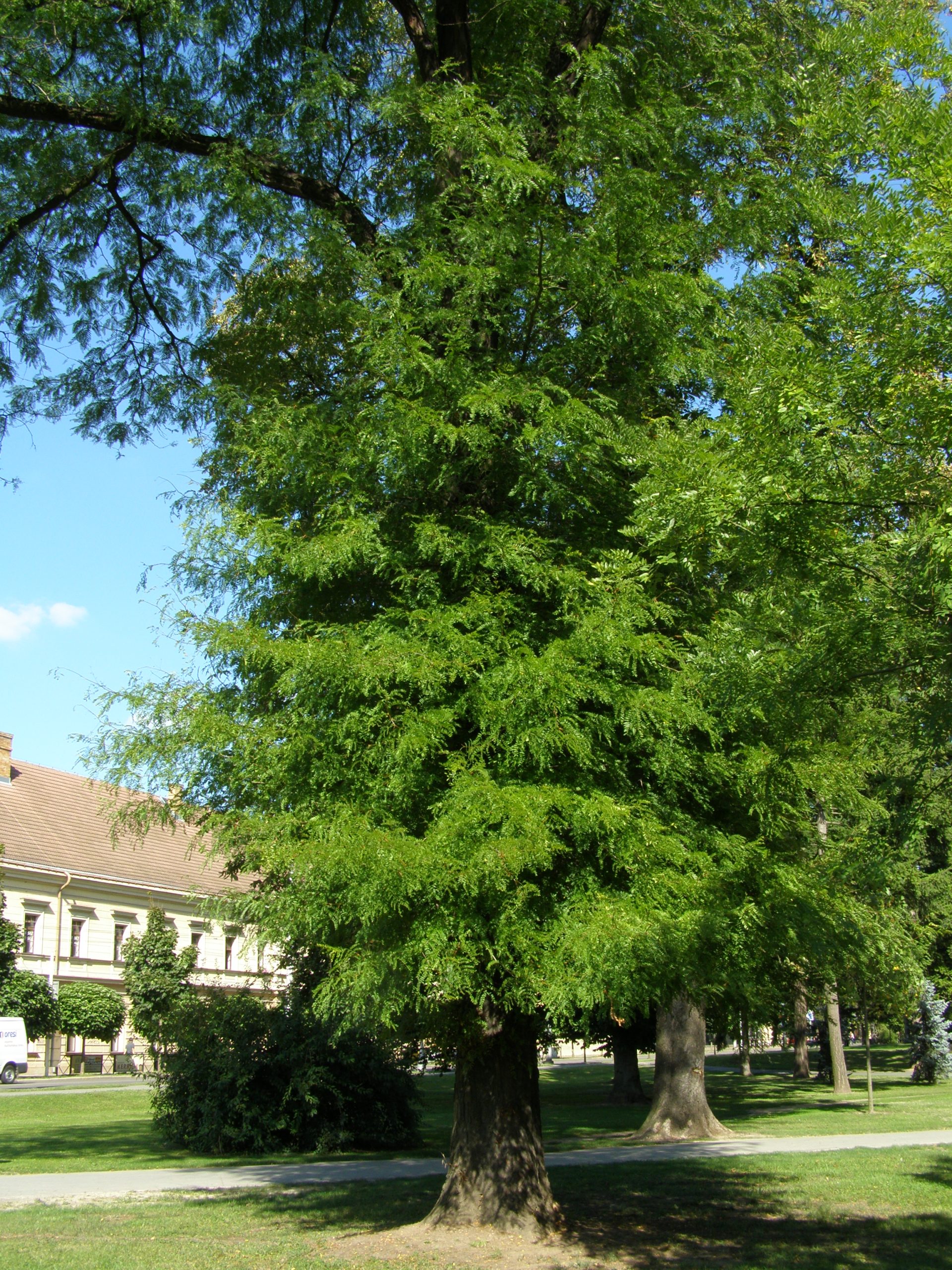
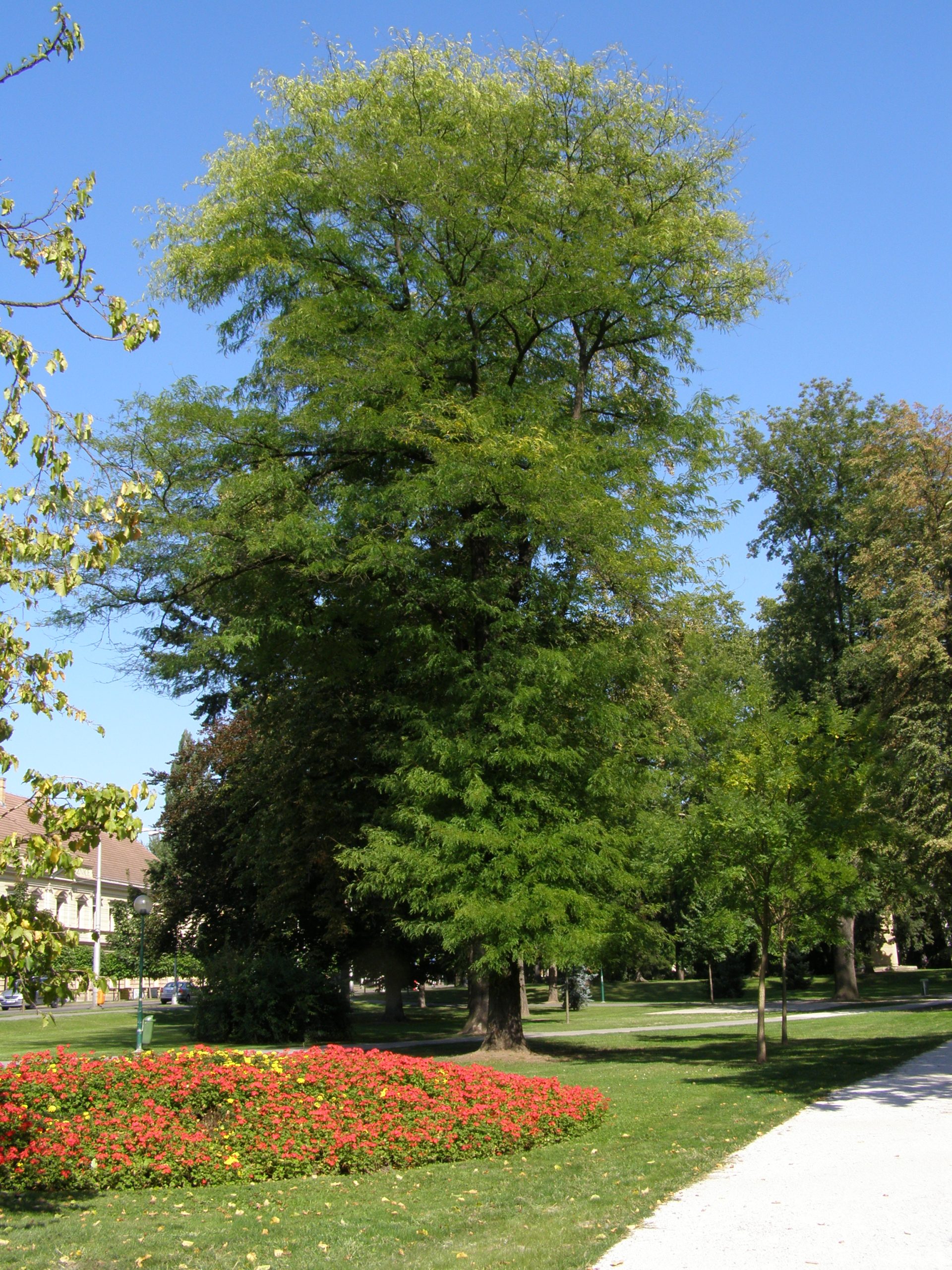
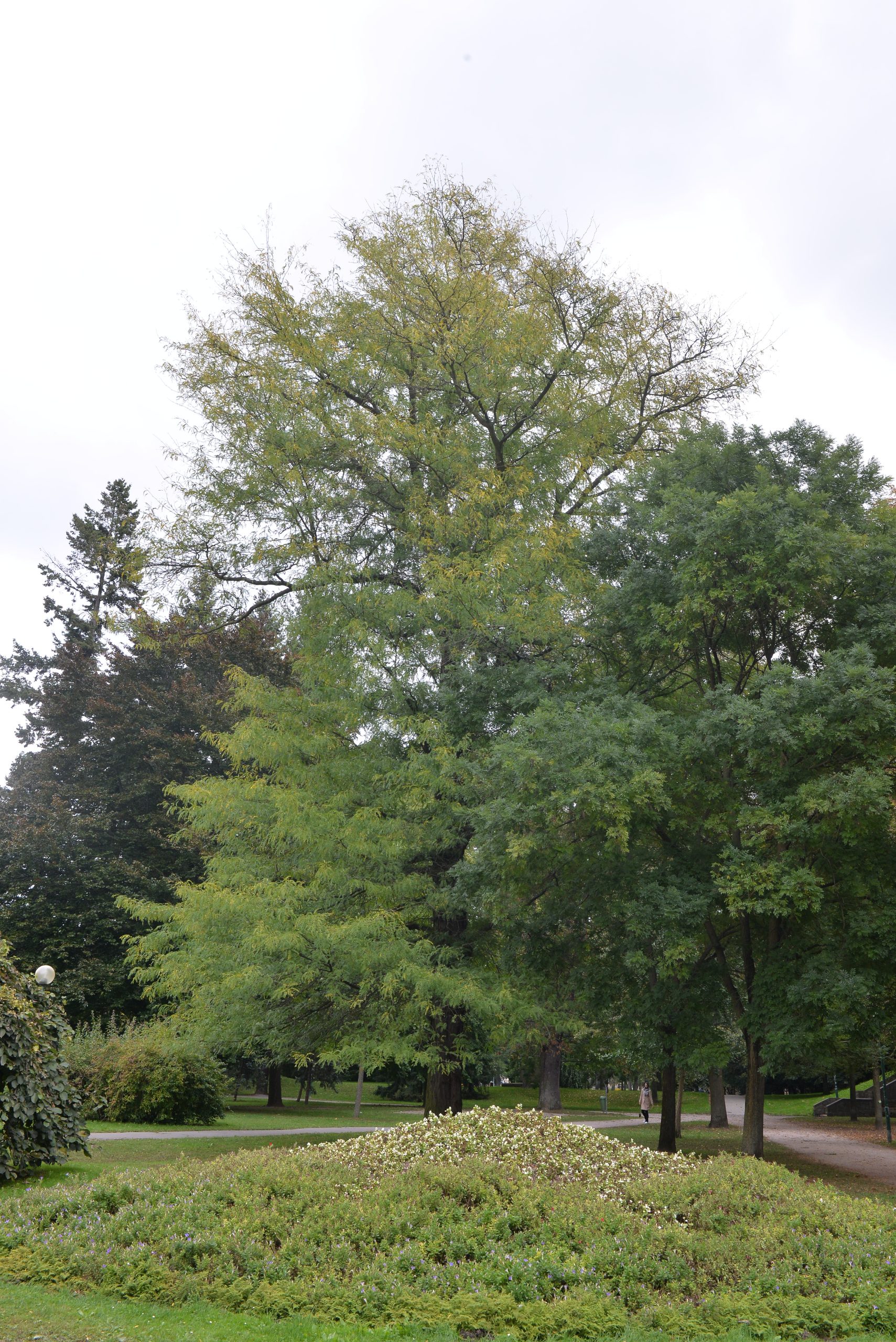
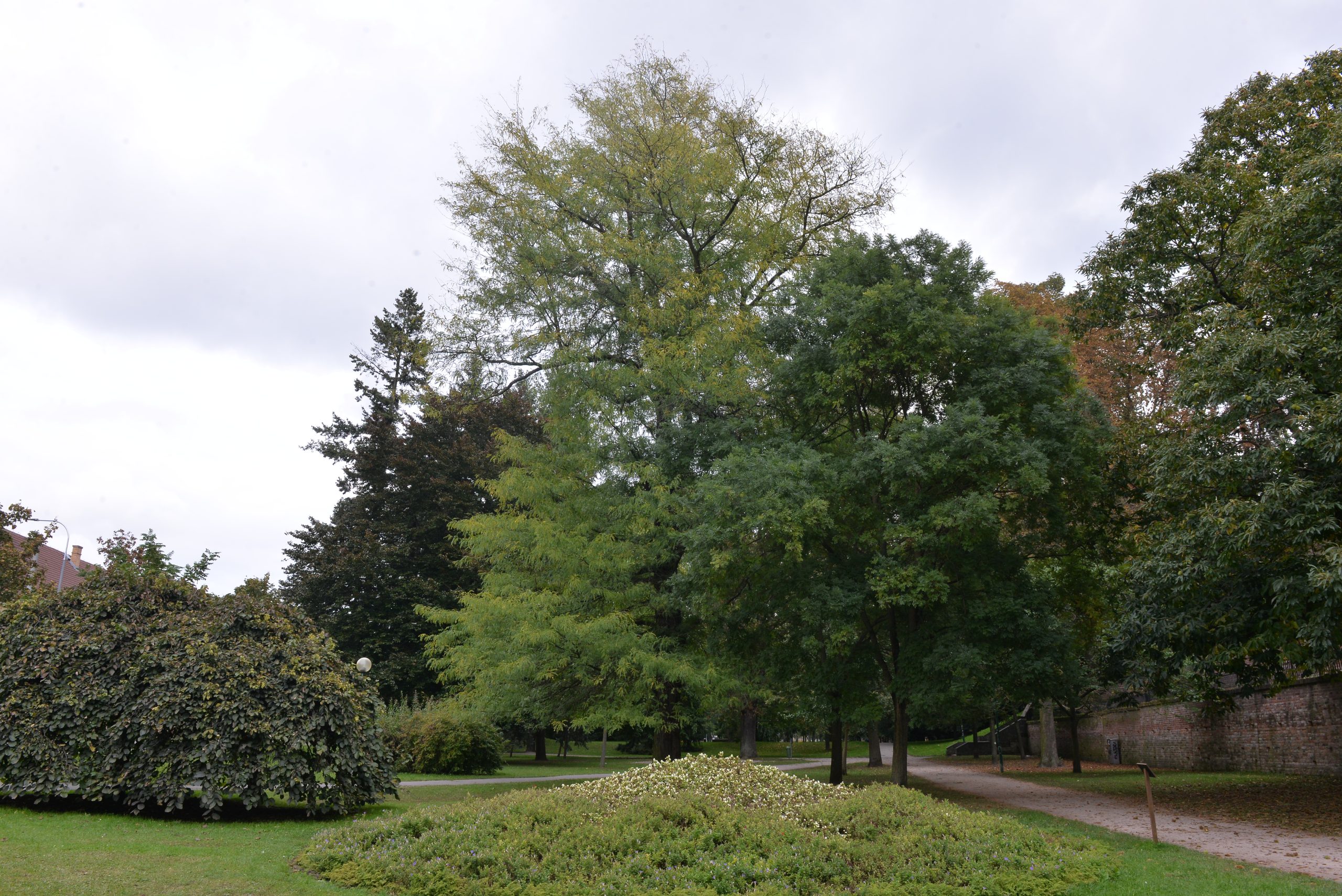
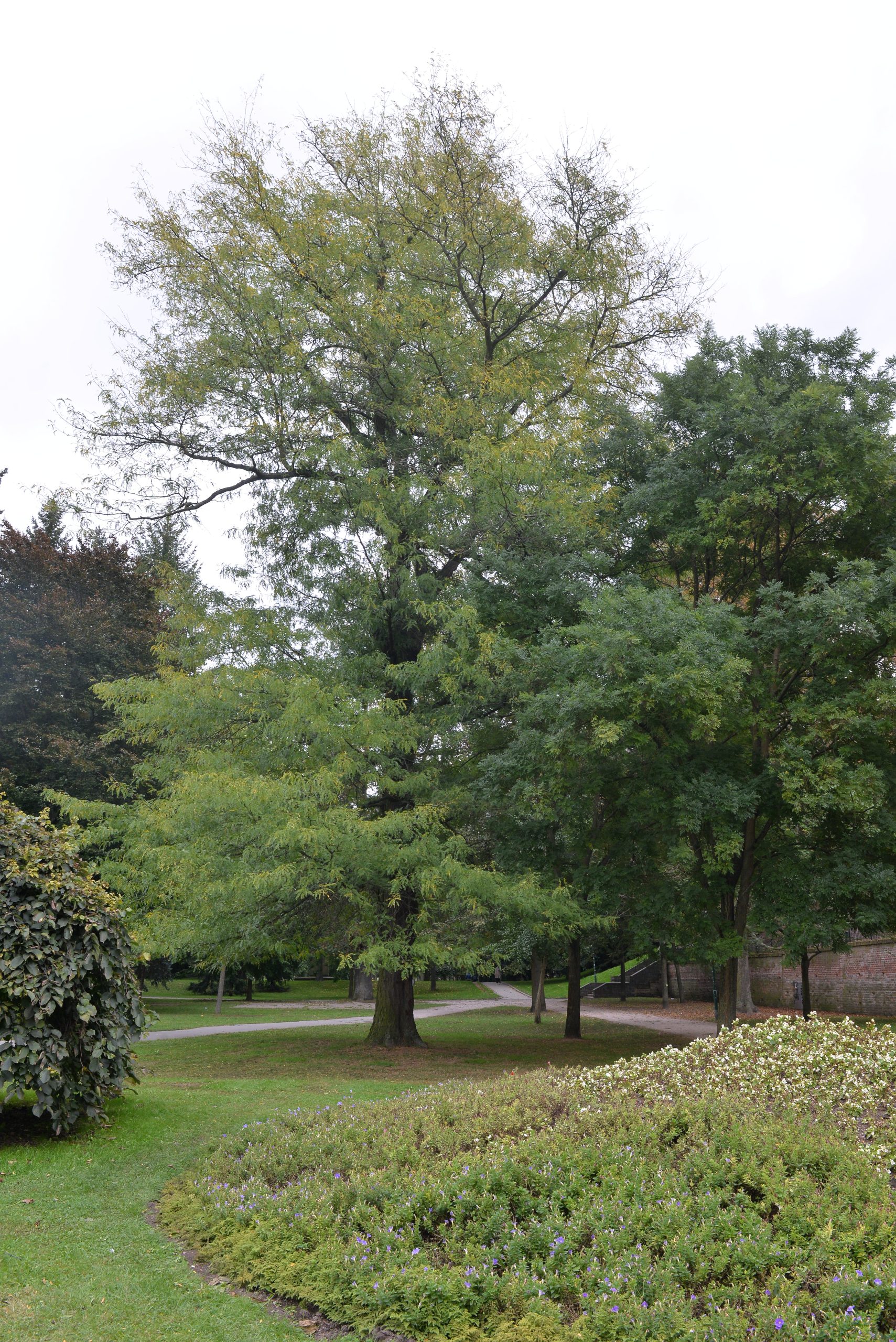
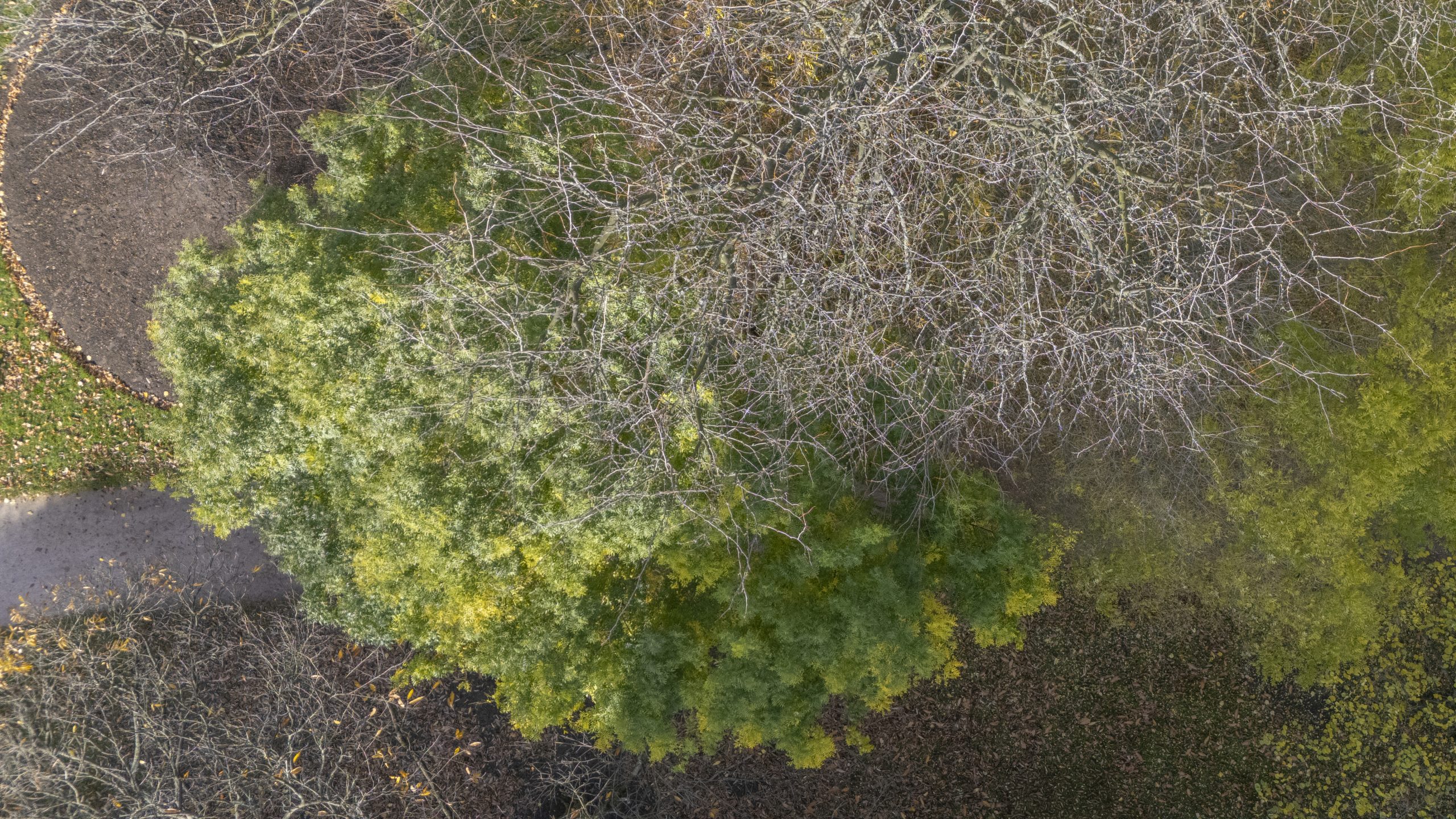
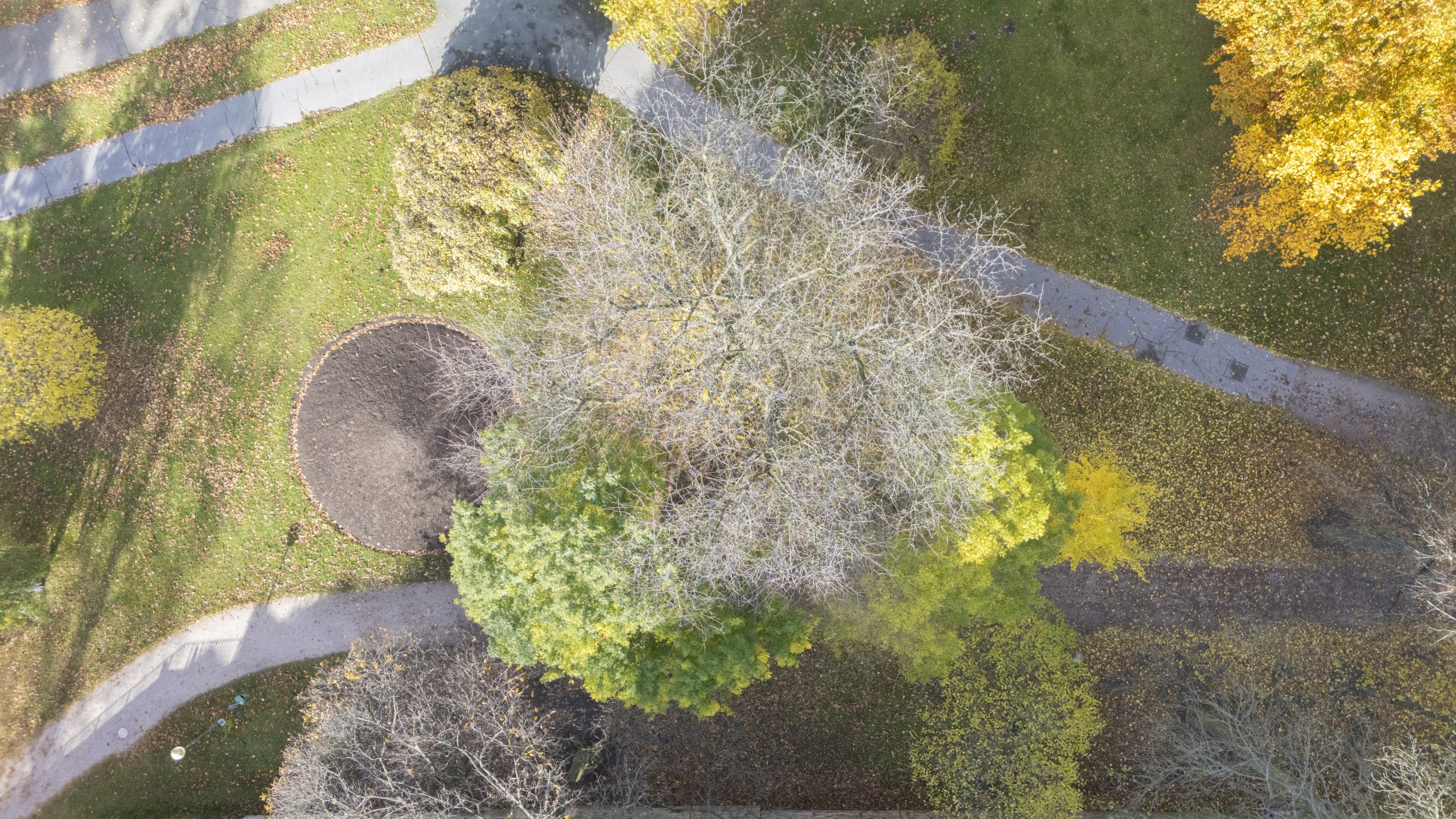
Habitus: An up to 30 metres tall tree with a sparse crown. The bark is dark grey, peeling in sheets when old. Simple thorns or three-part thorns up to 10 centimetres long grow on the trunk and branches.
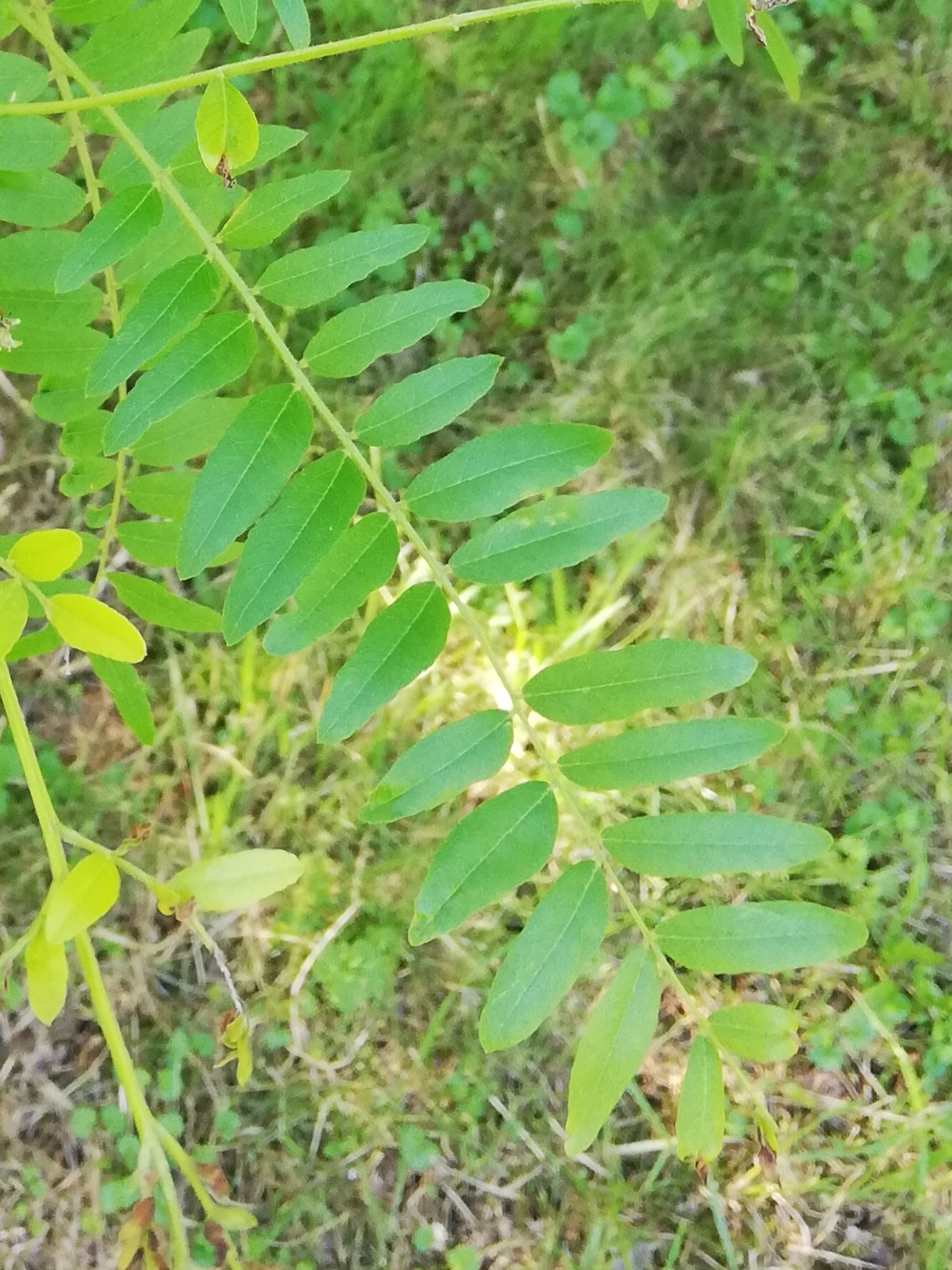
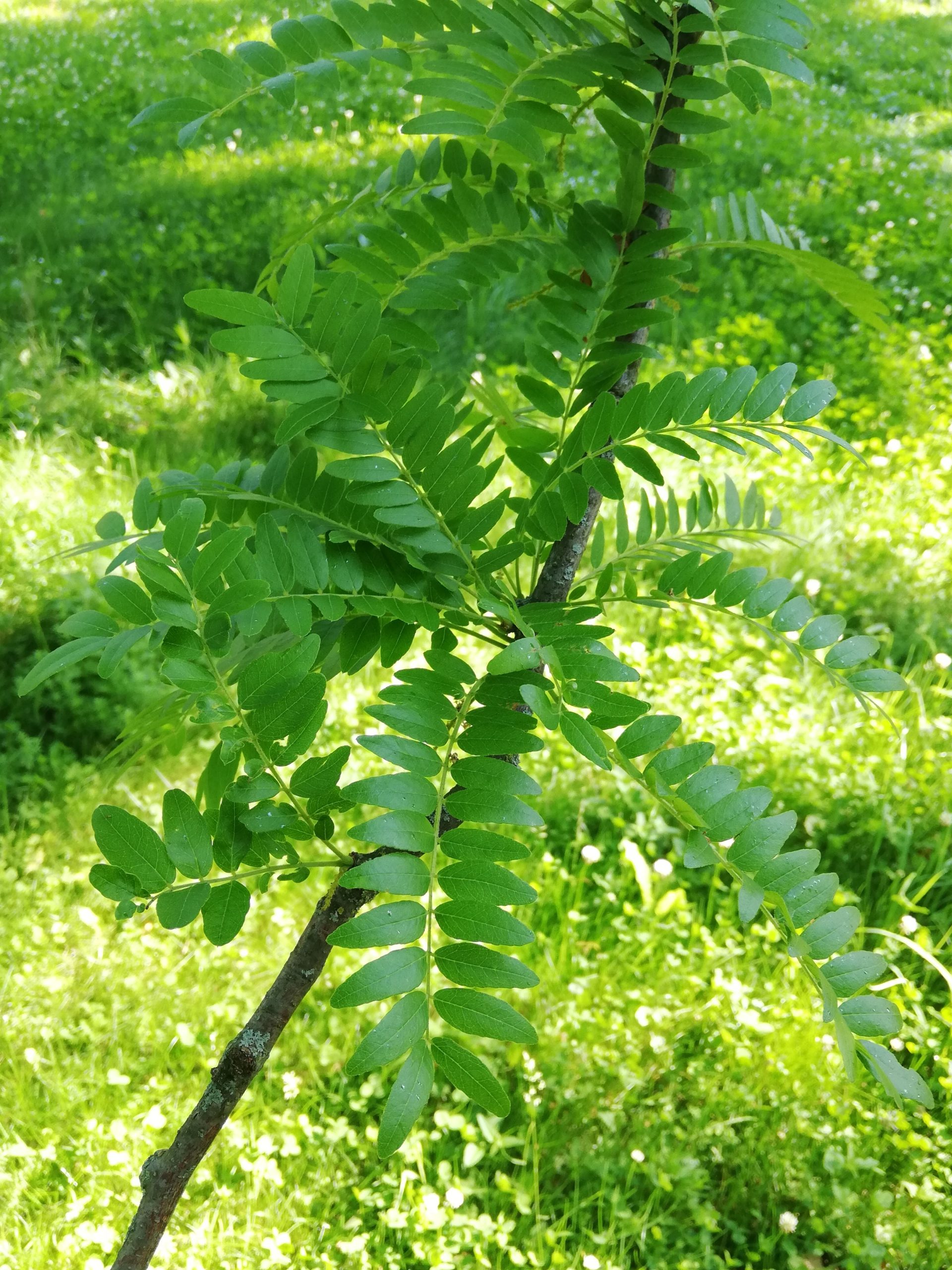
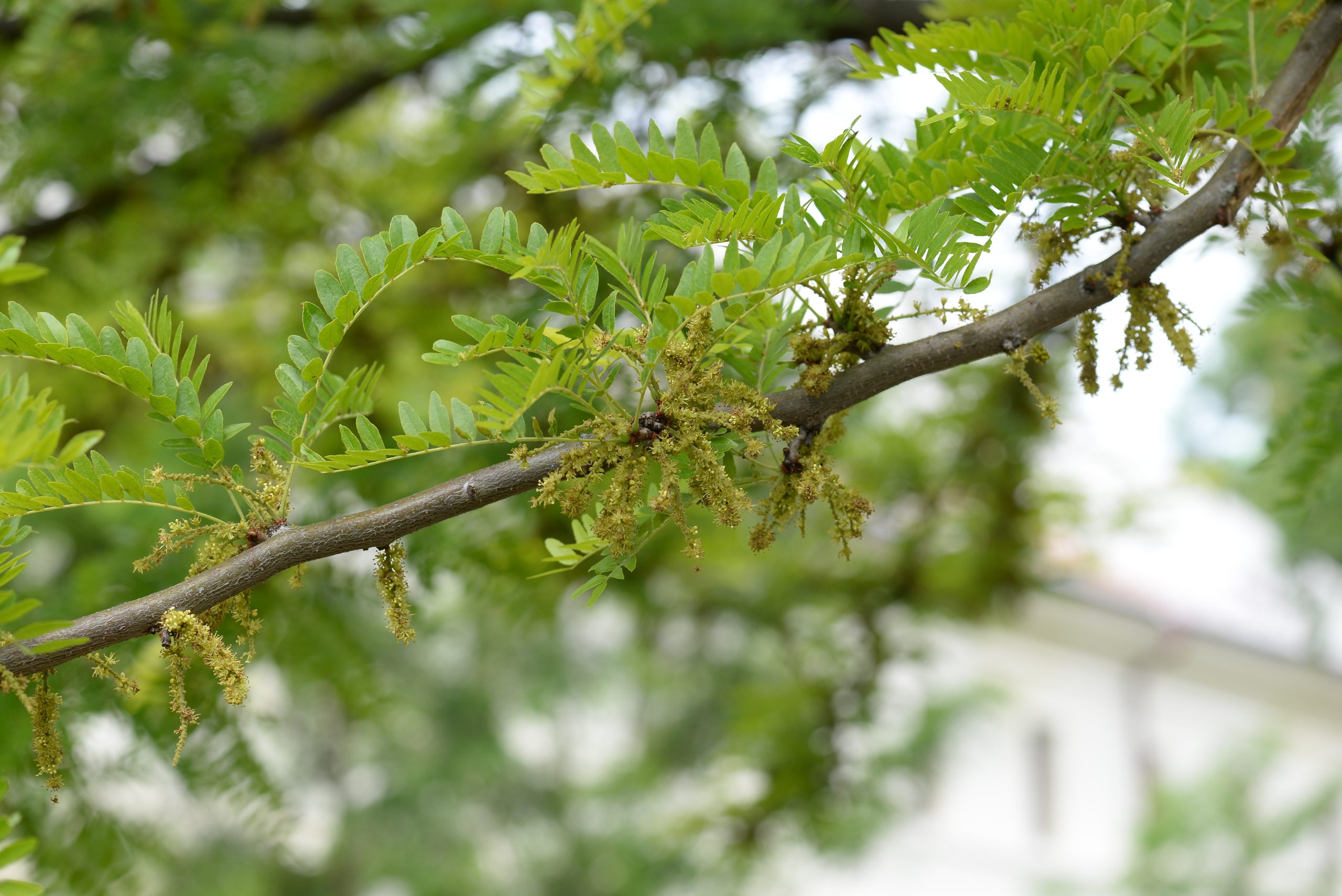
Leaf: The leaves are twice pinnate. Individual leaves can be serrated or all-round.
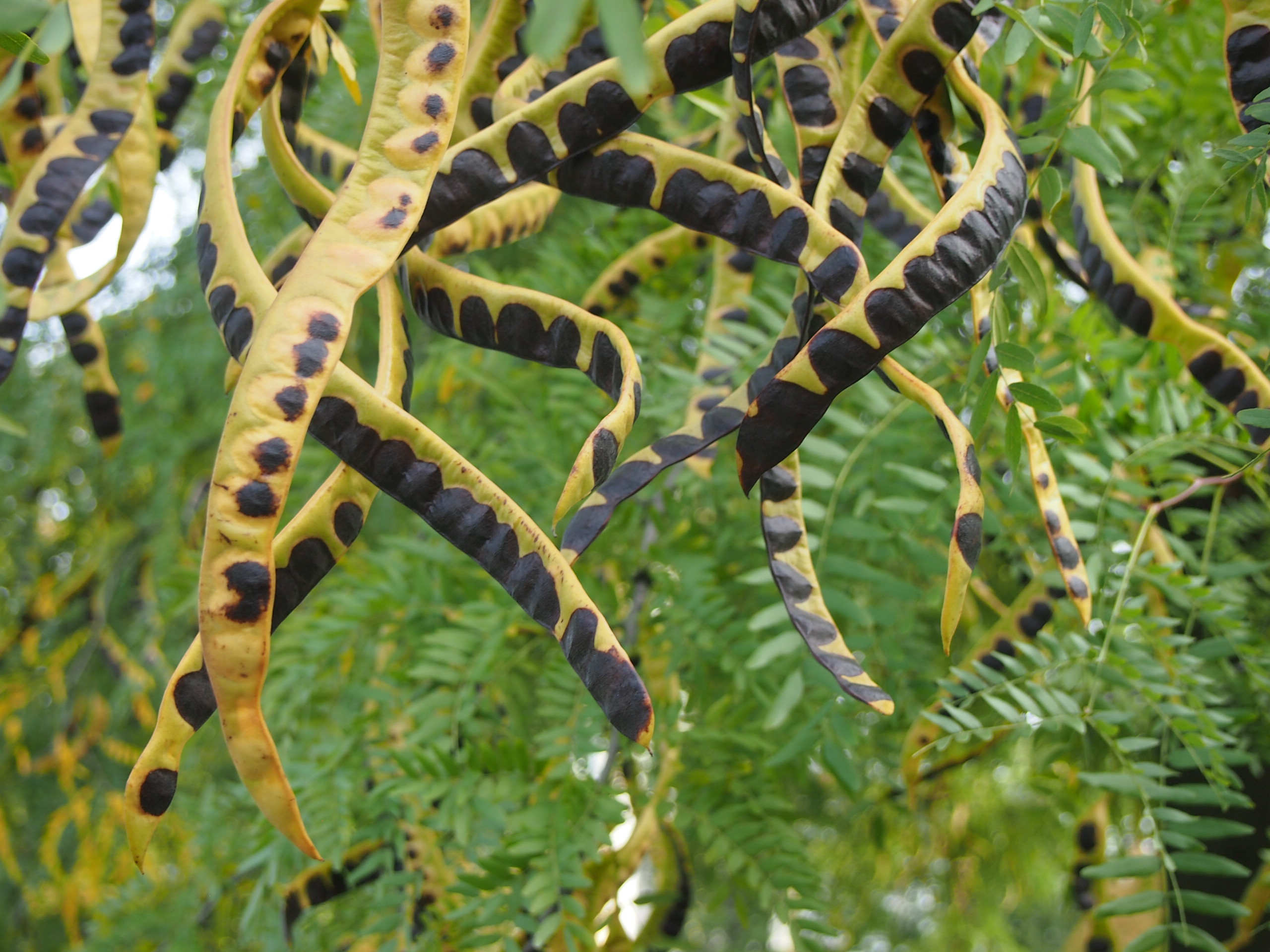
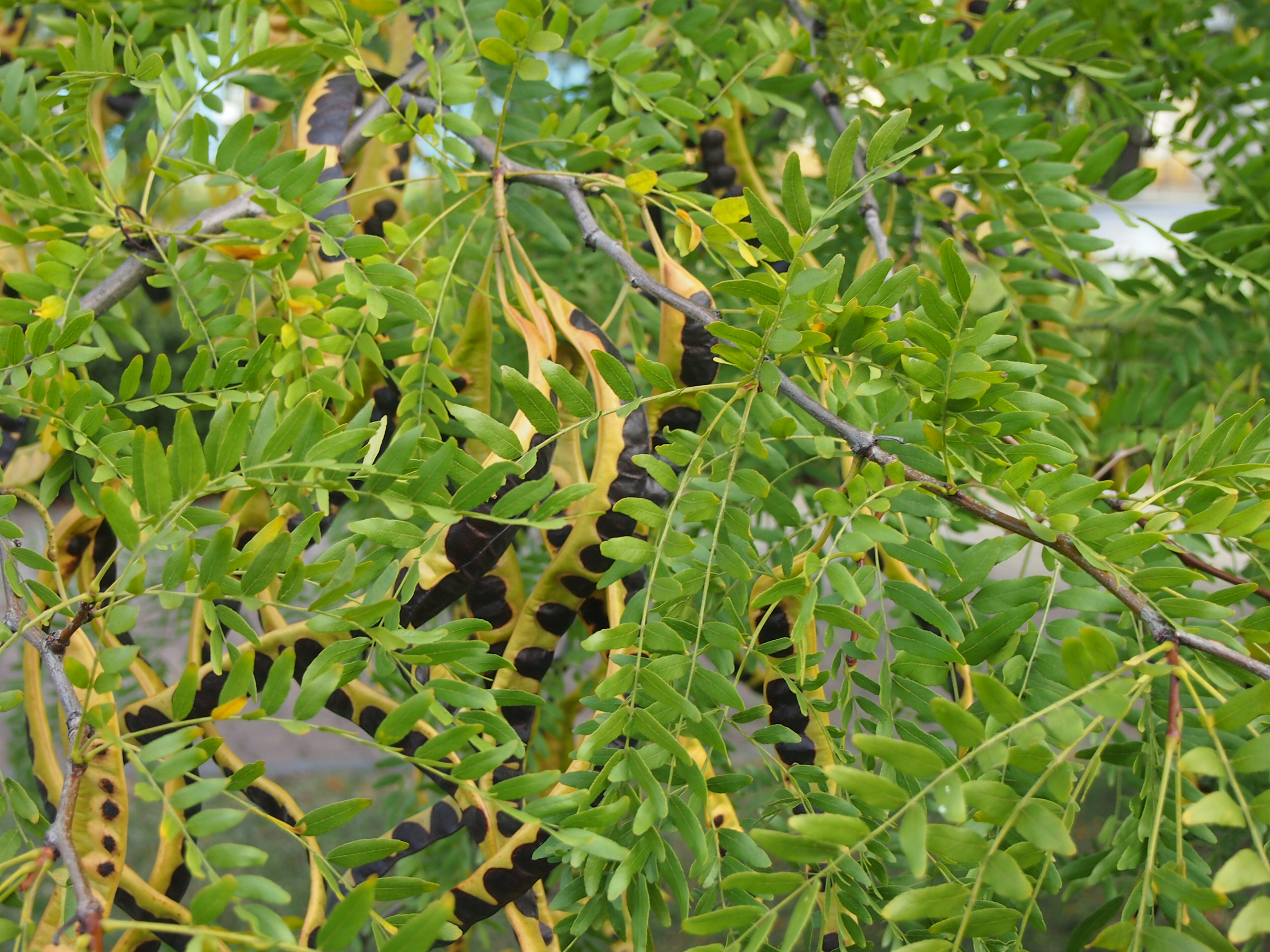
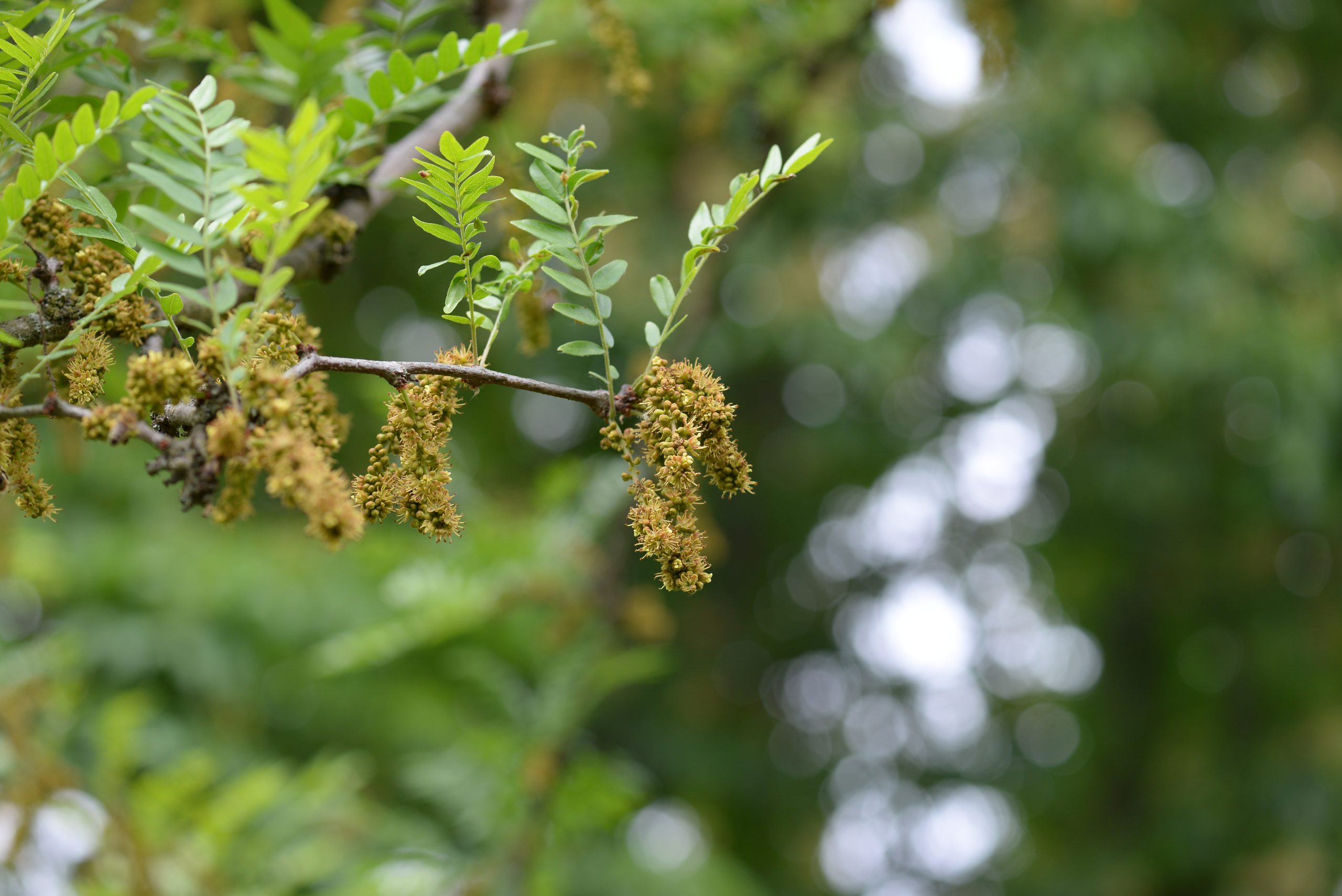
Bloom, fruit: It blooms before the leaves emerge. Green-yellow blossoms grow in clusters. The fruits are flat pods up to 20 centimetres long and often twisted. They ripen in autumn but persist on the branches until spring. They contain seeds that are compressed on the side and are stored in a jelly-like substance.
Interesting fact: There is also a thorn-less species – the so-called ‘Inermis’. Roast seeds were used as a coffee substitute in America. There is a high protein content in the pods, so the trees were often planted around pastures so that cattle could eat the pods. The tree can tolerate drought, different types of soil and salinity, so it is often planted in cities along roads.