
Honeysuckle family, Caprifoliaceae
Origin: North America
Habitat in the original area: forests and shrubs
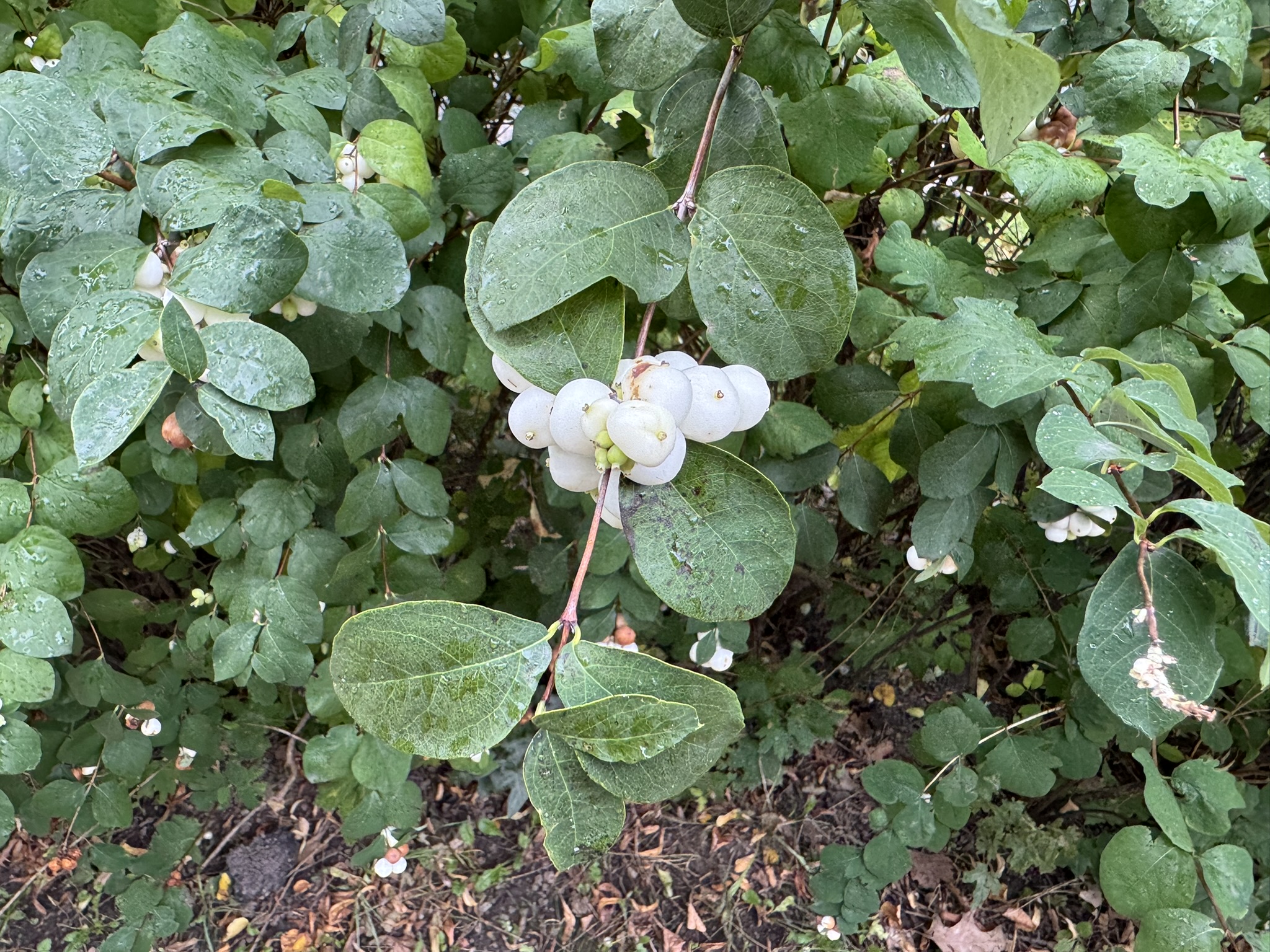
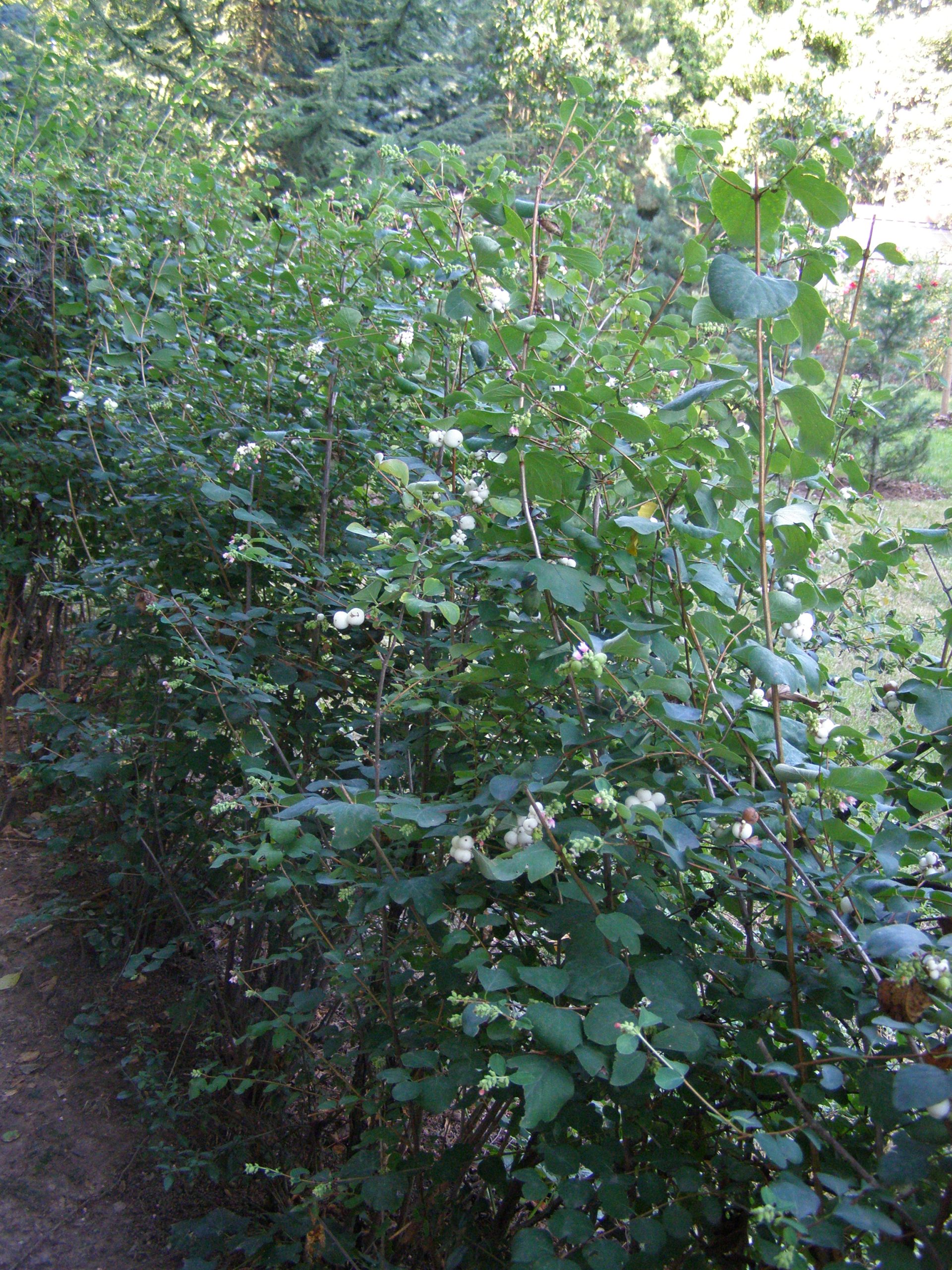
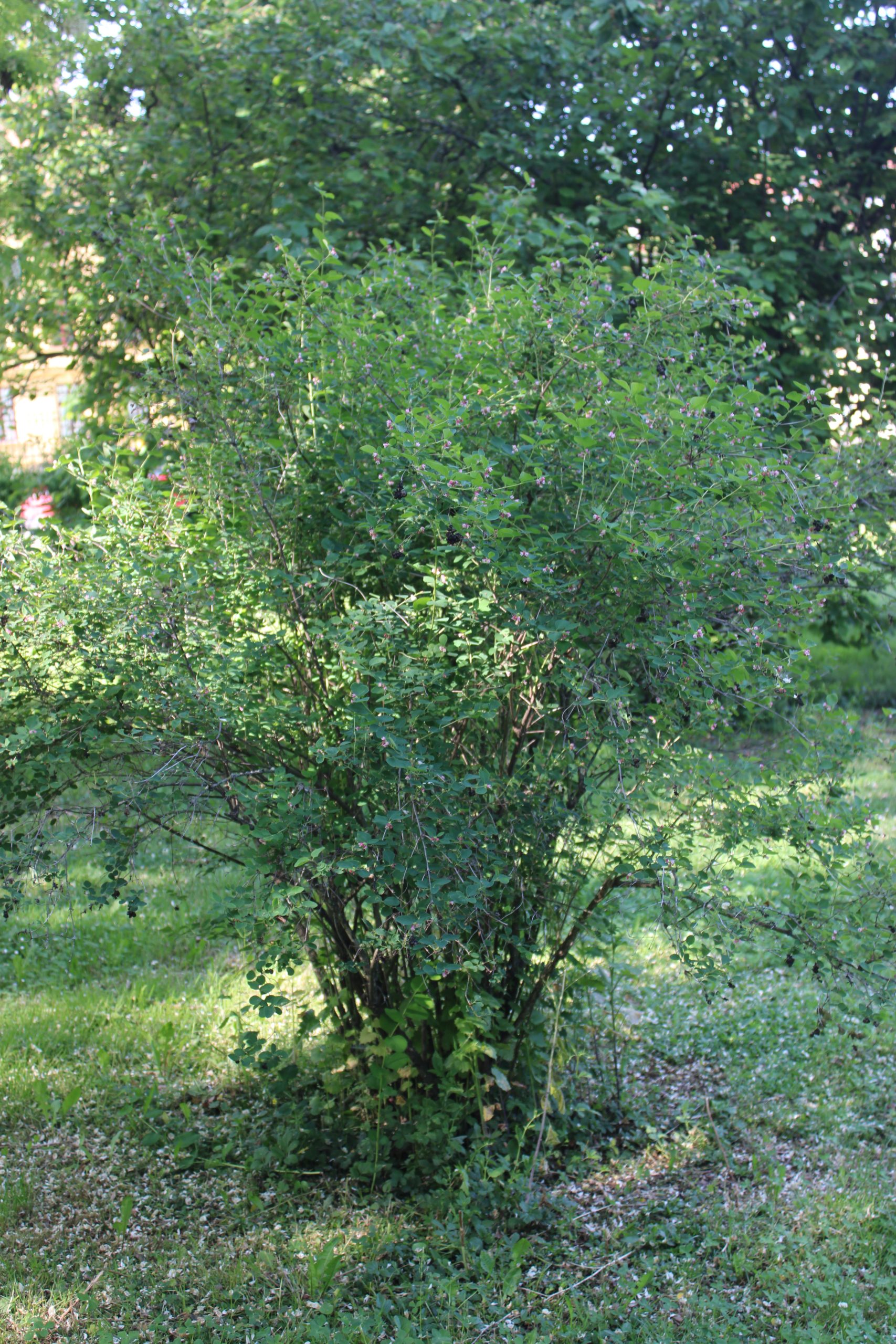
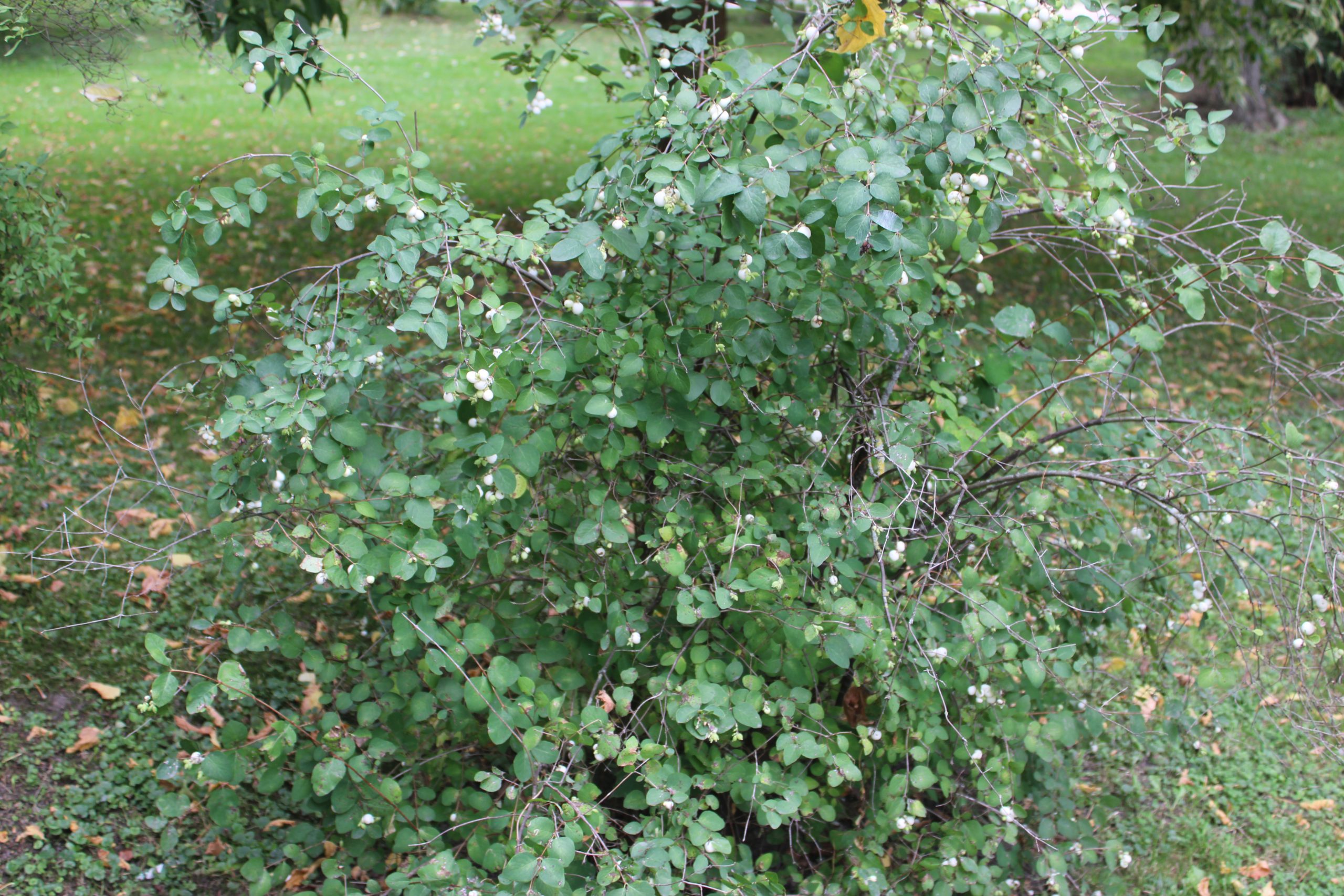
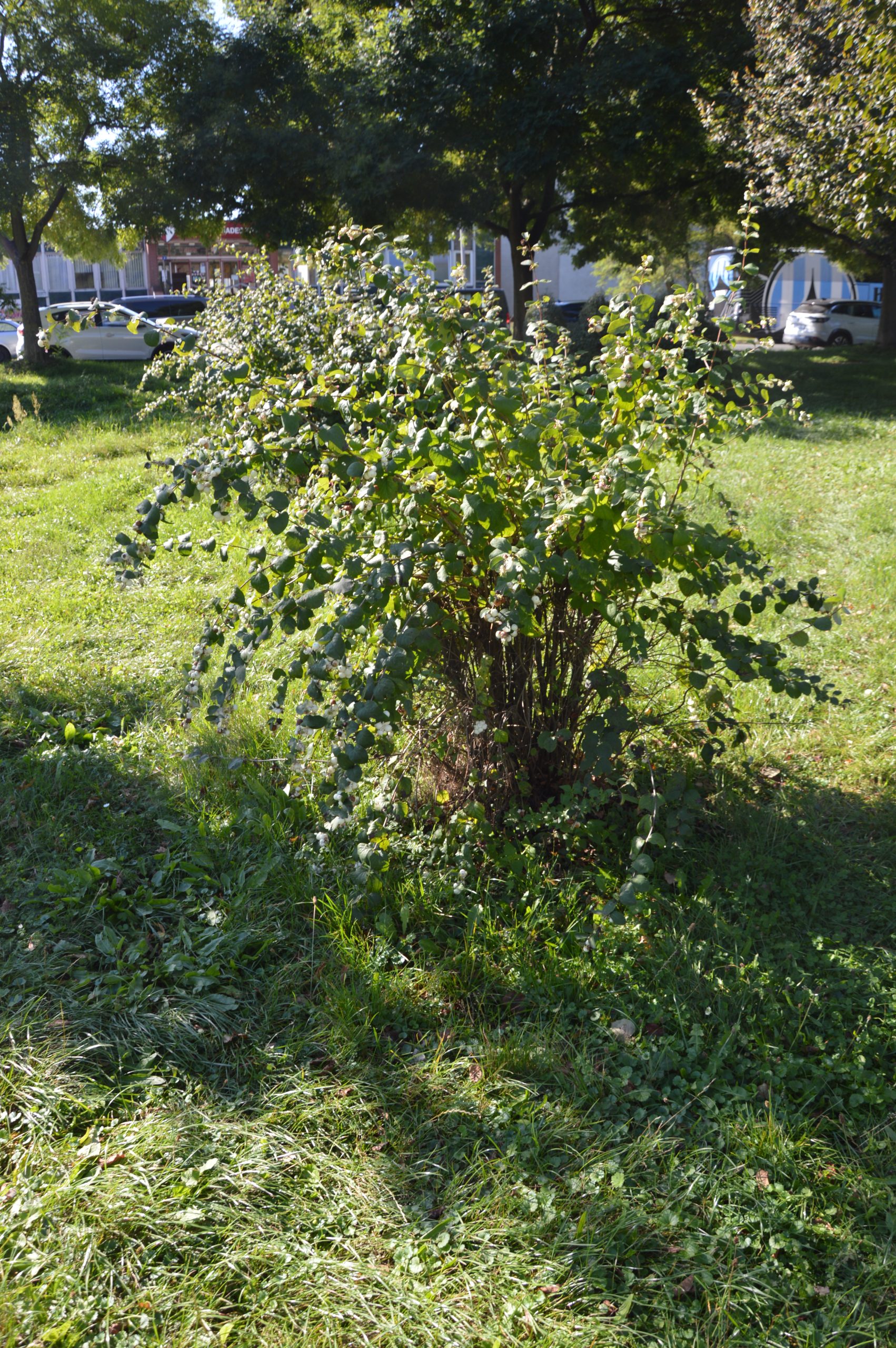
Habitus: A densely branched shrub up to 2.5 metres tall with thin upright branches. The bark is brown when young, and then grey when old.
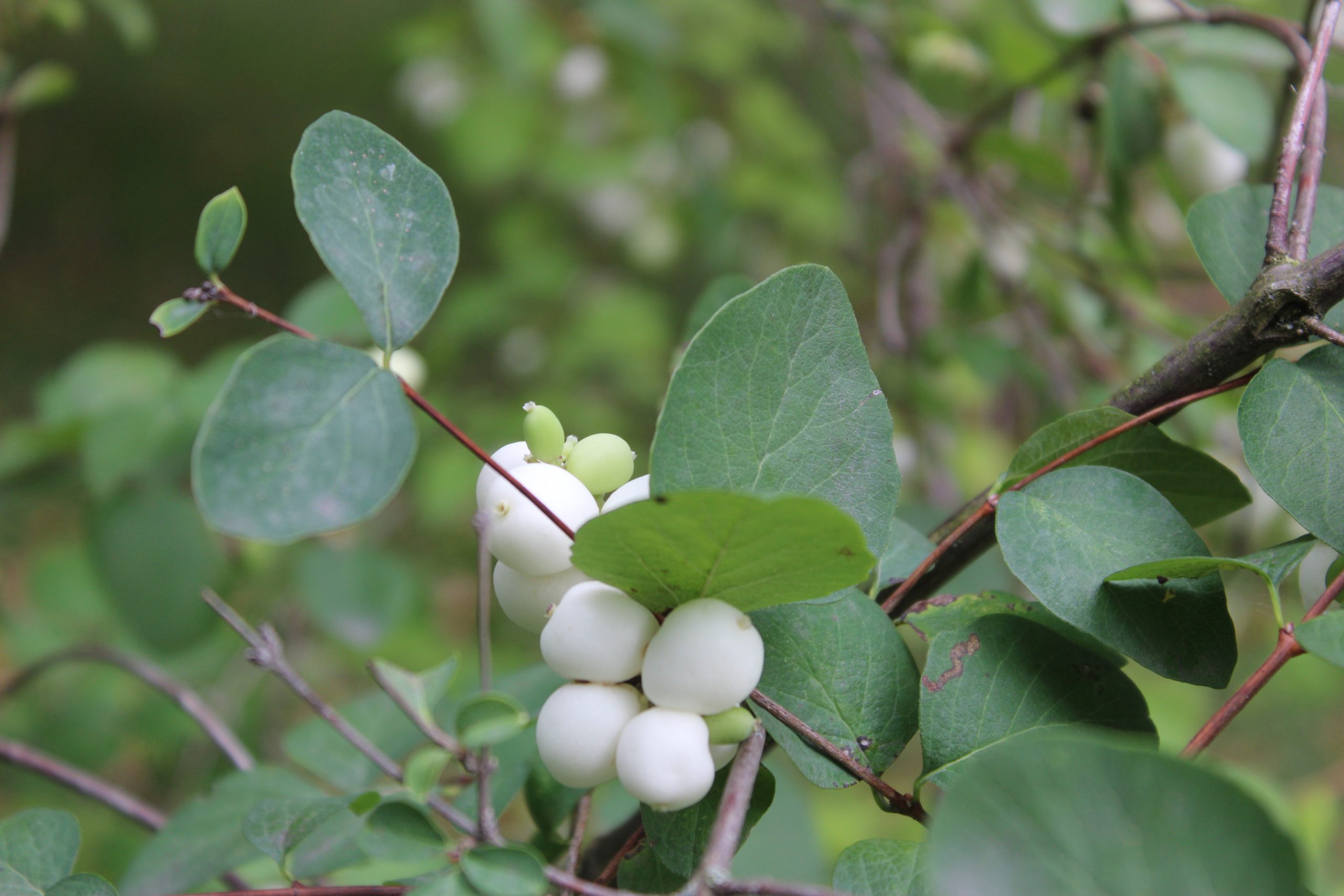
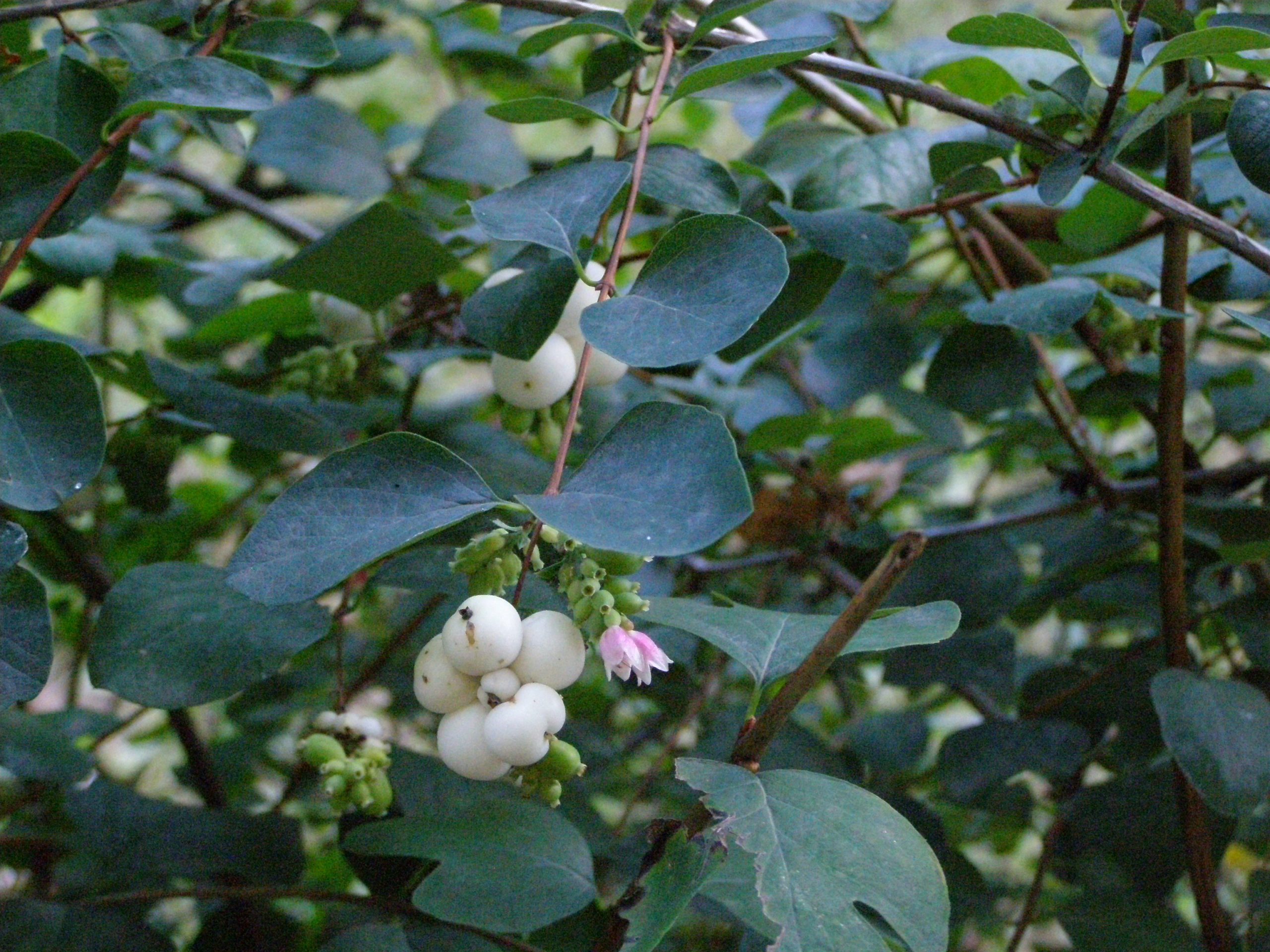
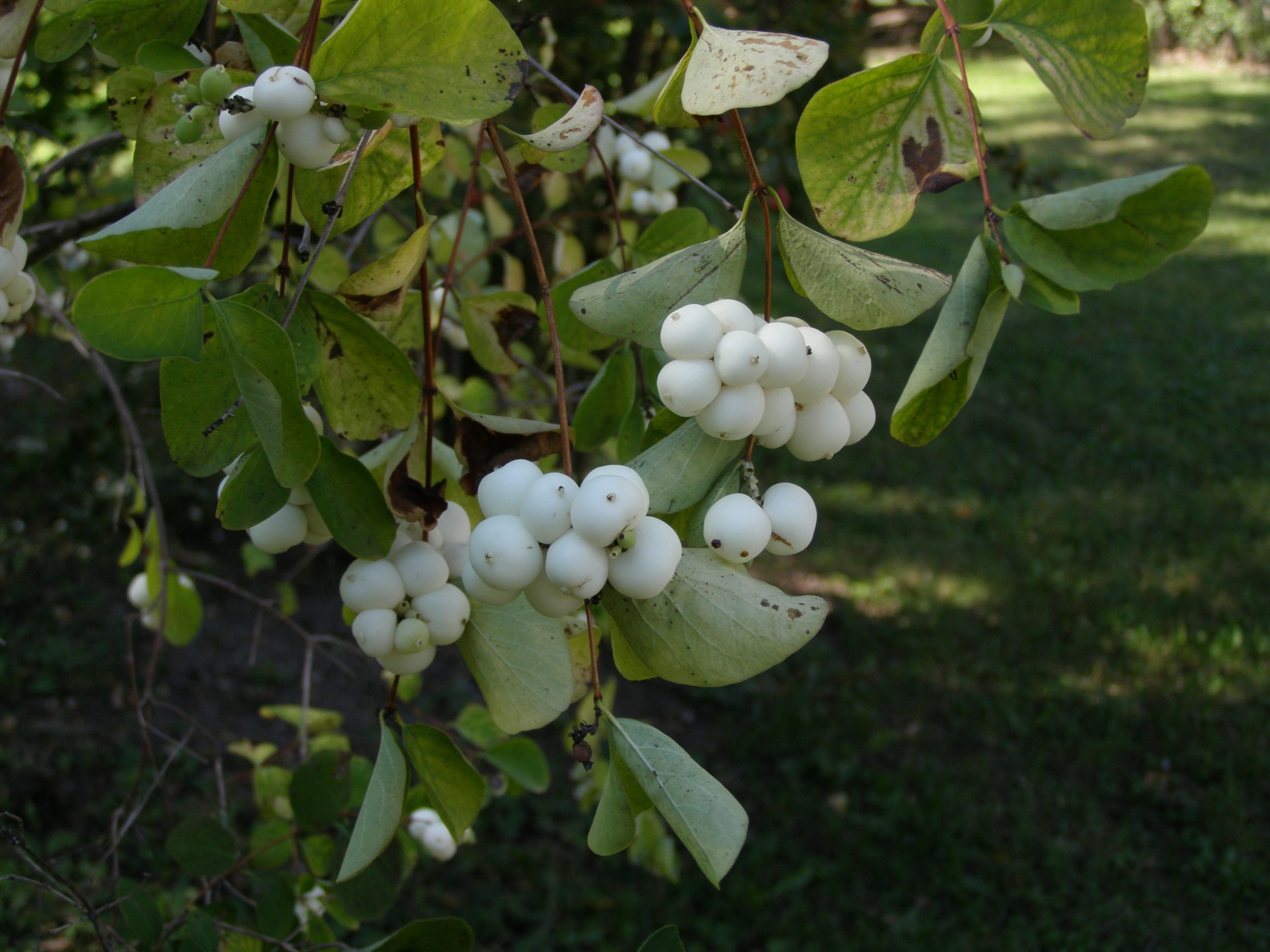
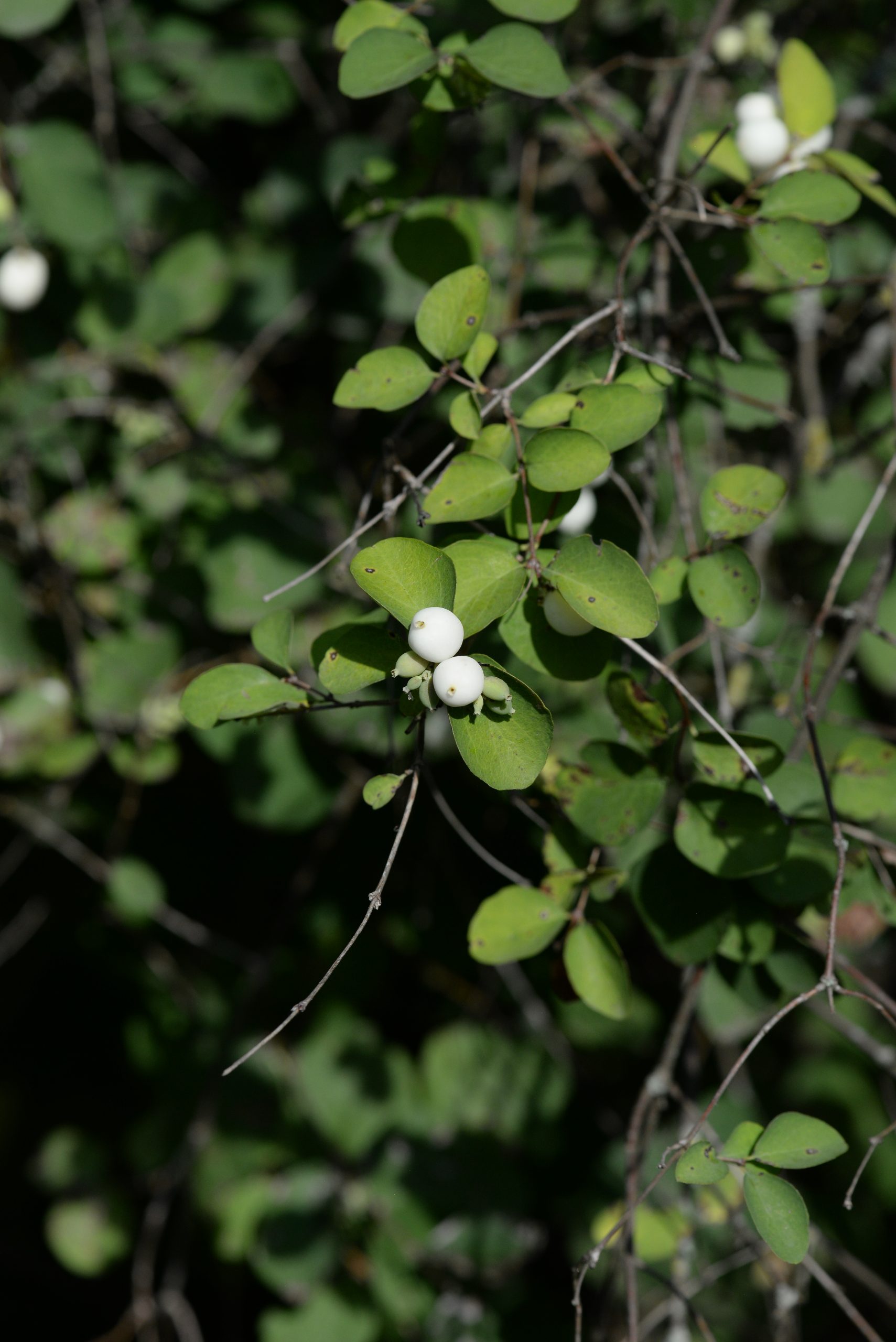
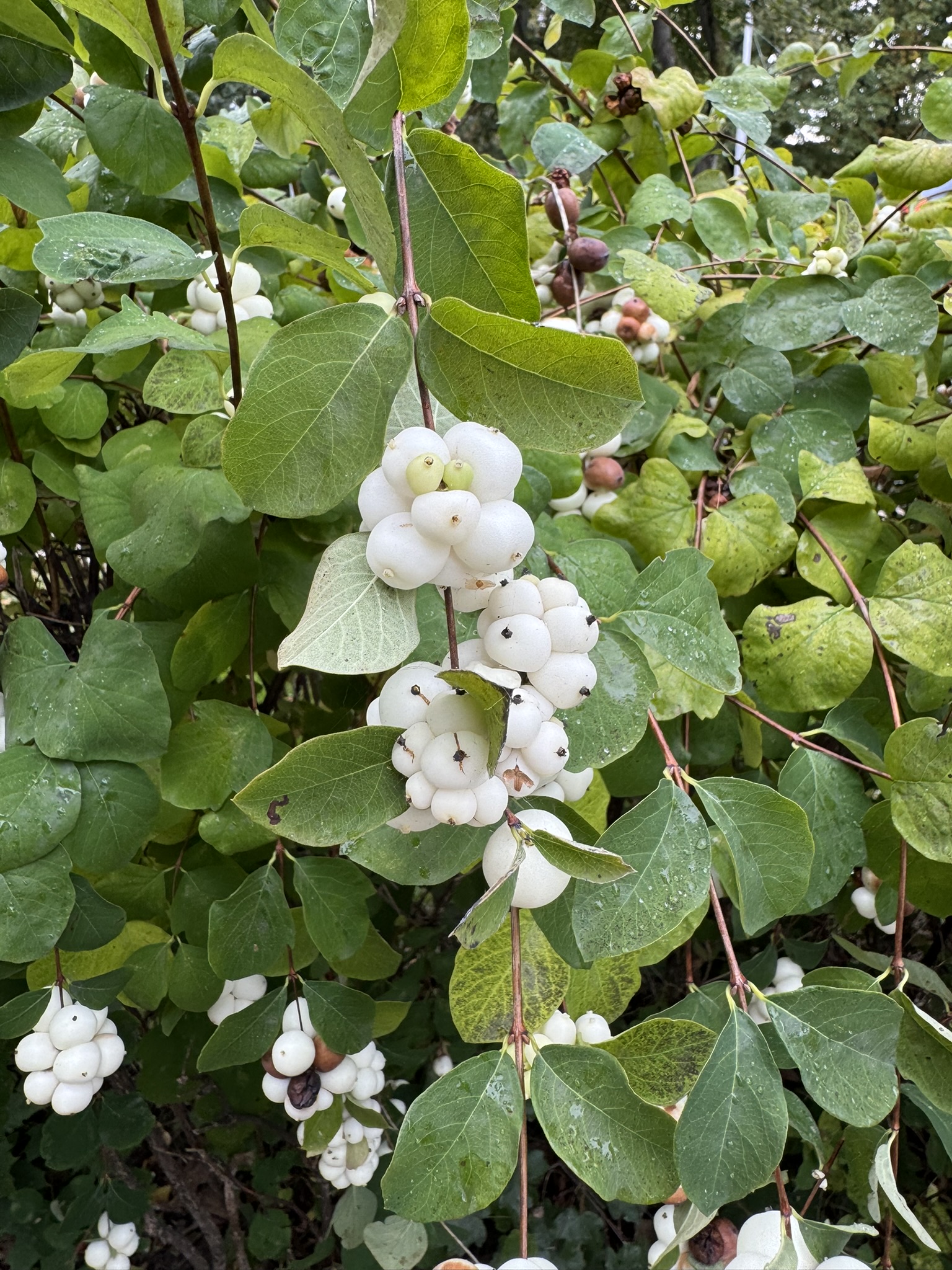
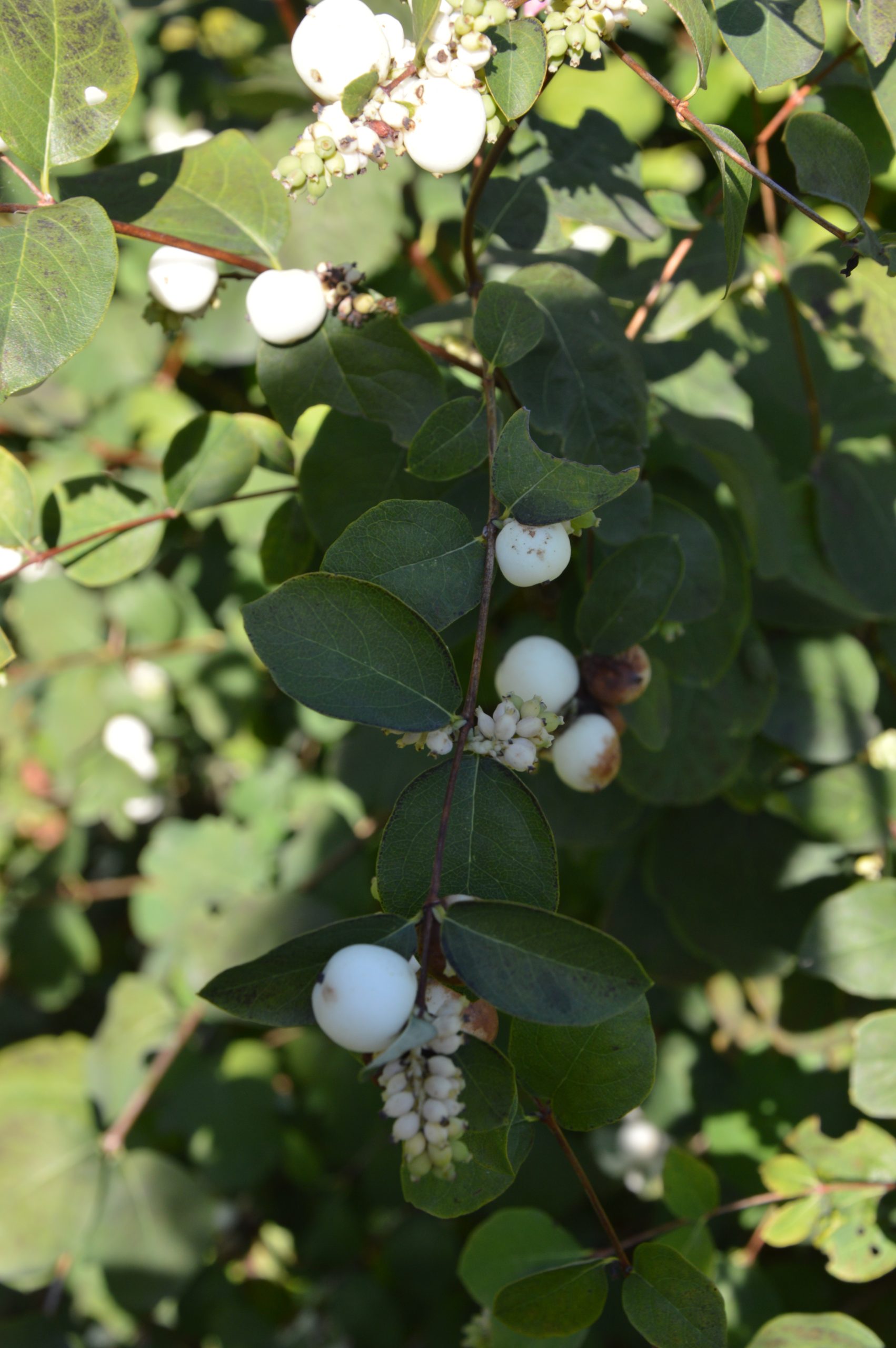
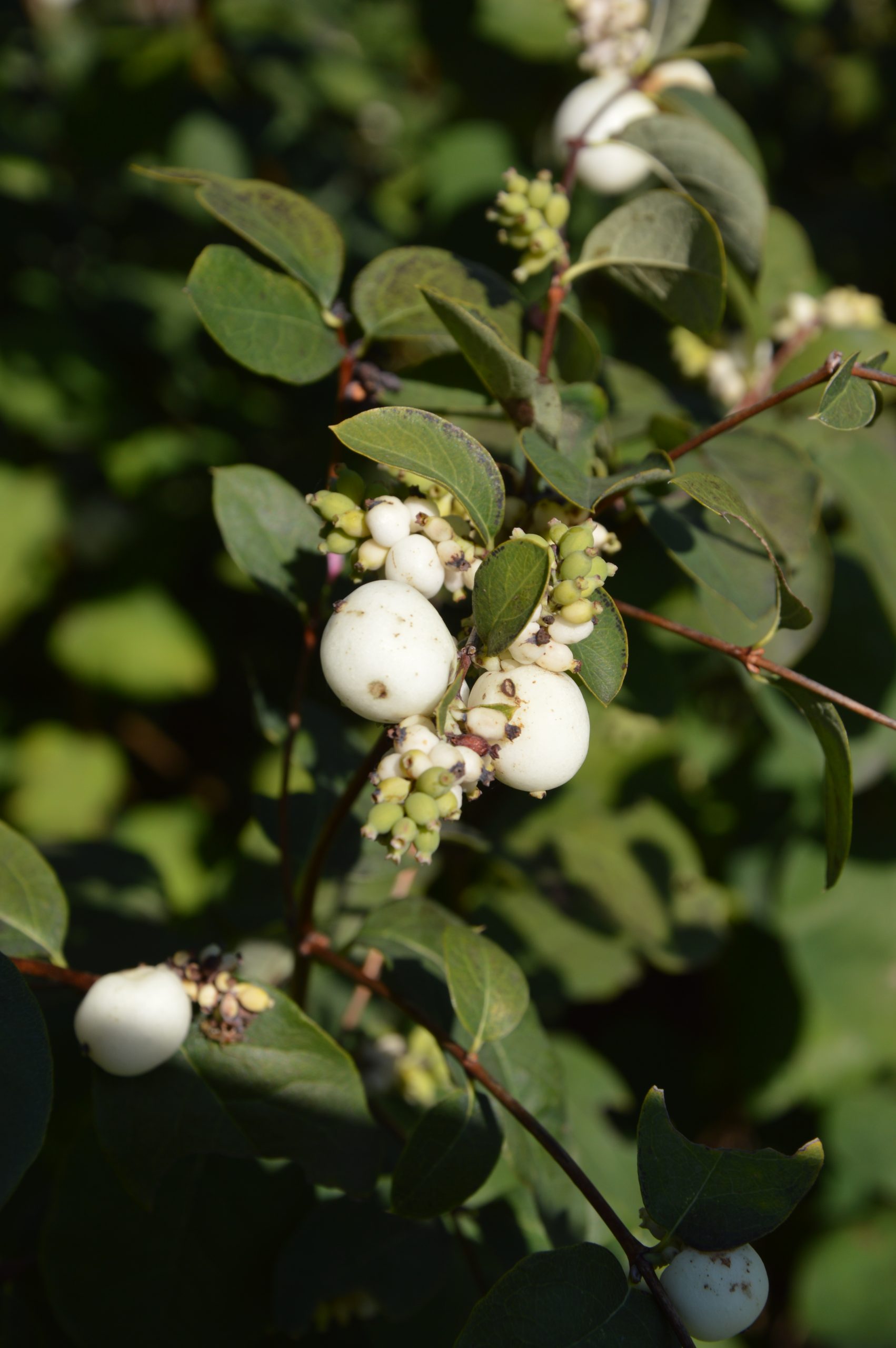
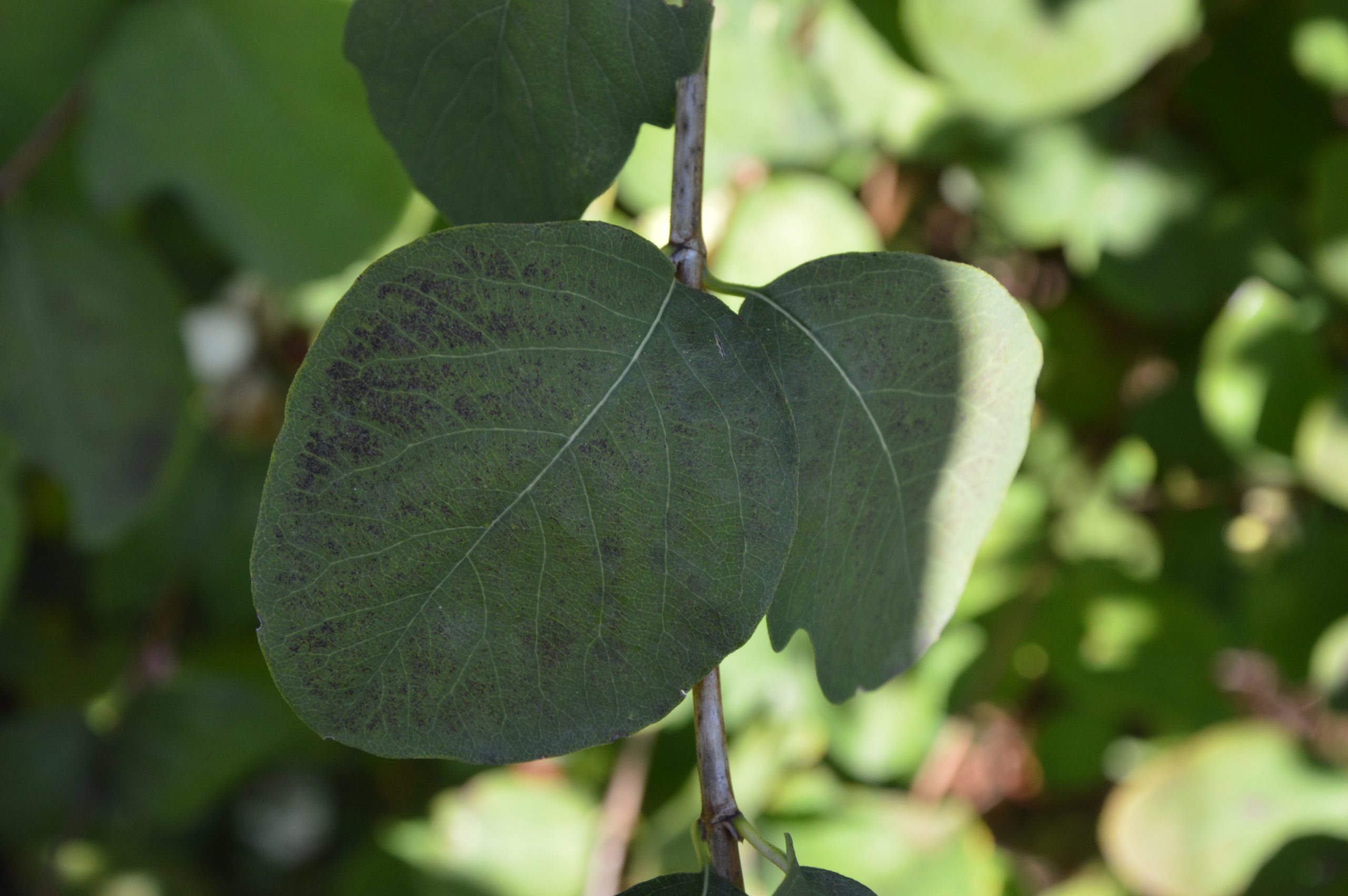
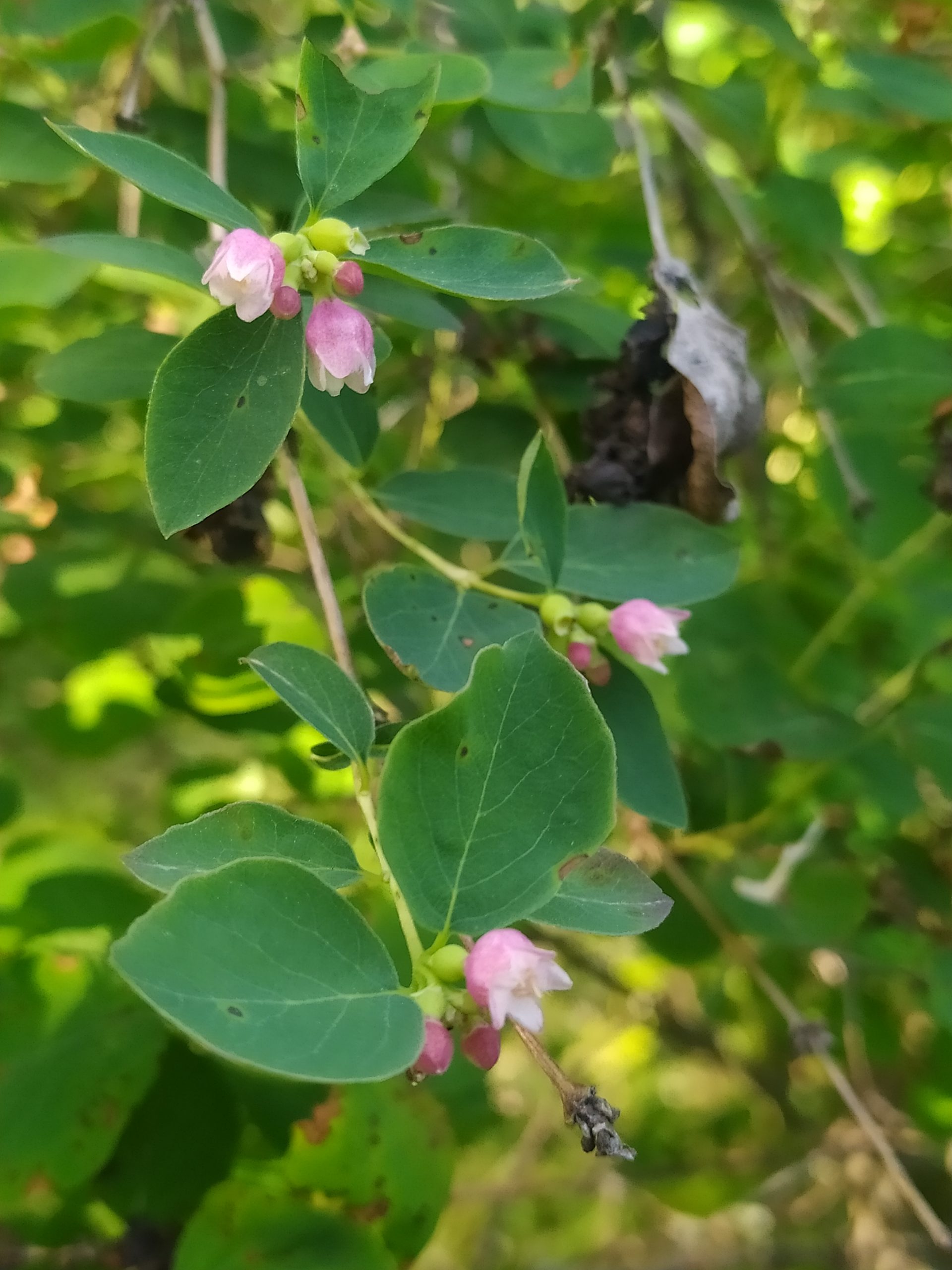
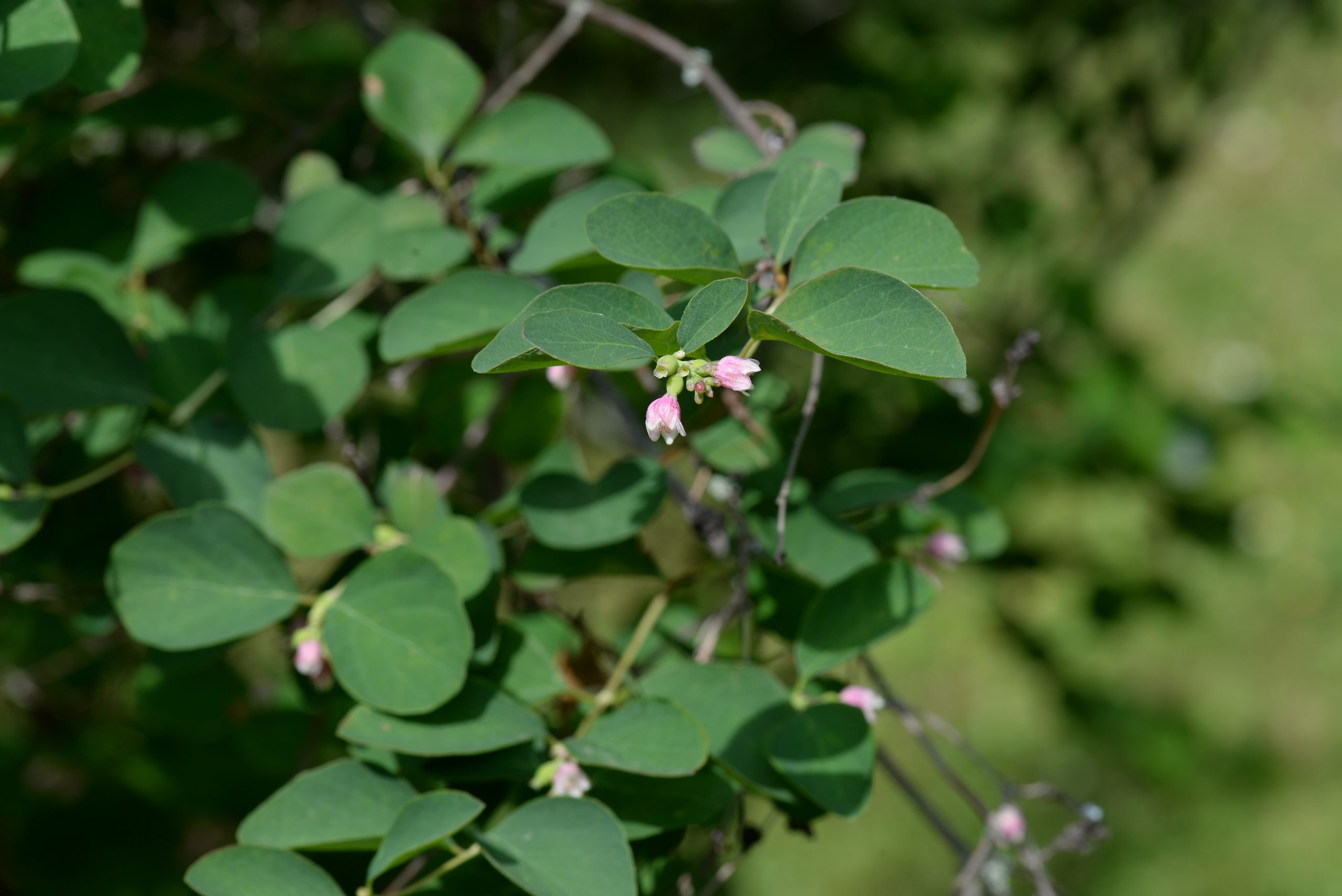
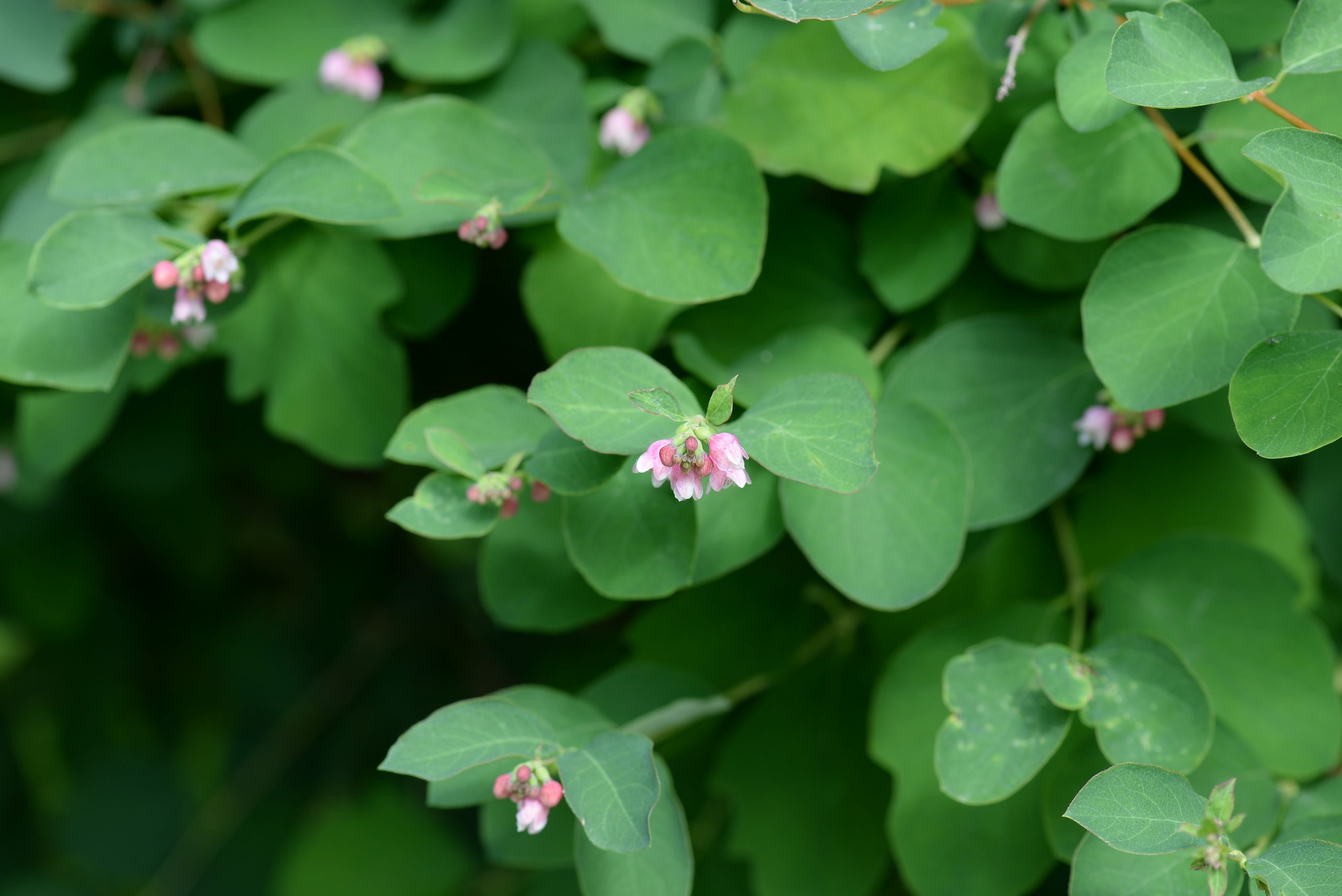
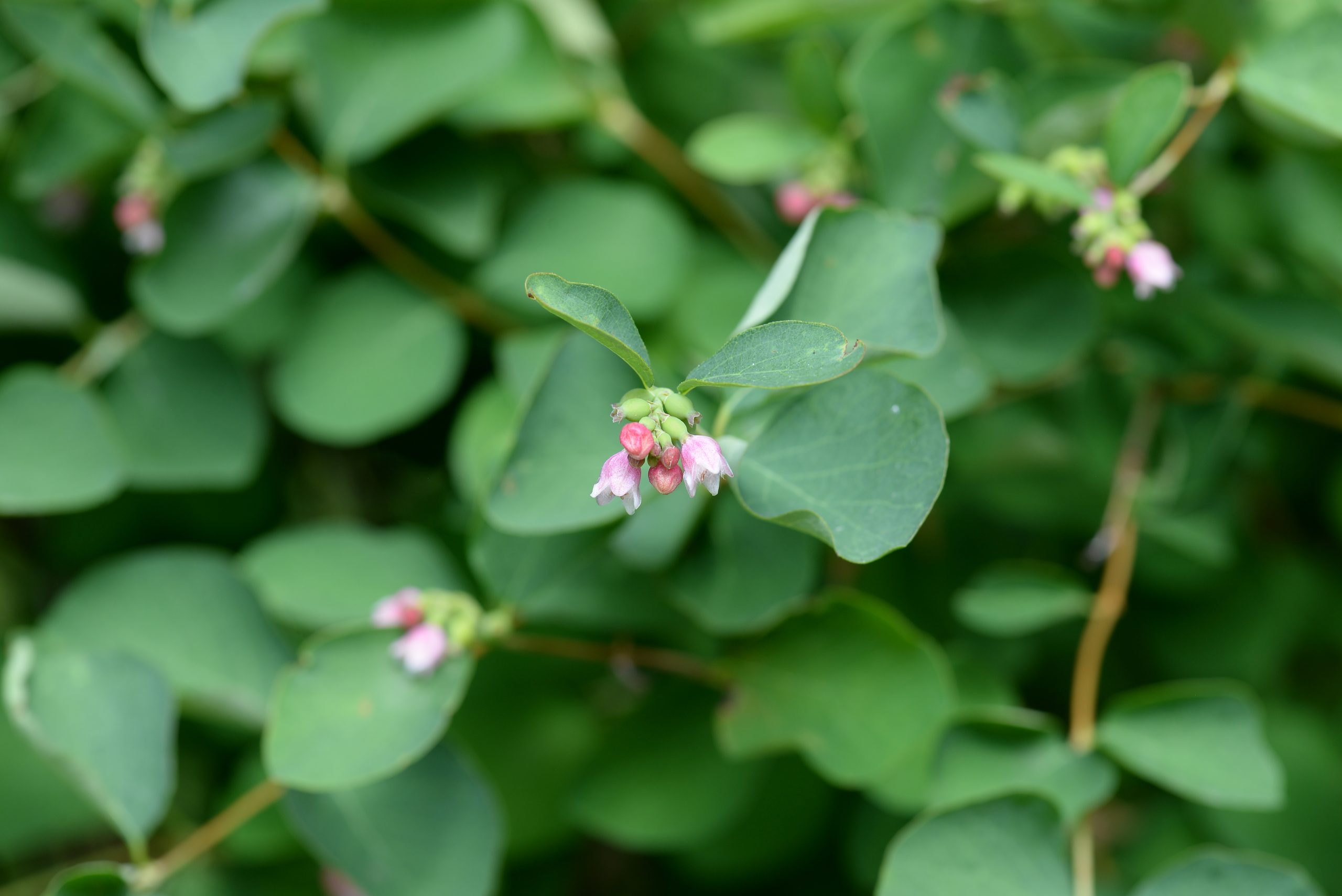
Leaf: The short-petiolate green leaves grow oppositely in 2 rows. The ovate or round blade is 8 centimetres long.
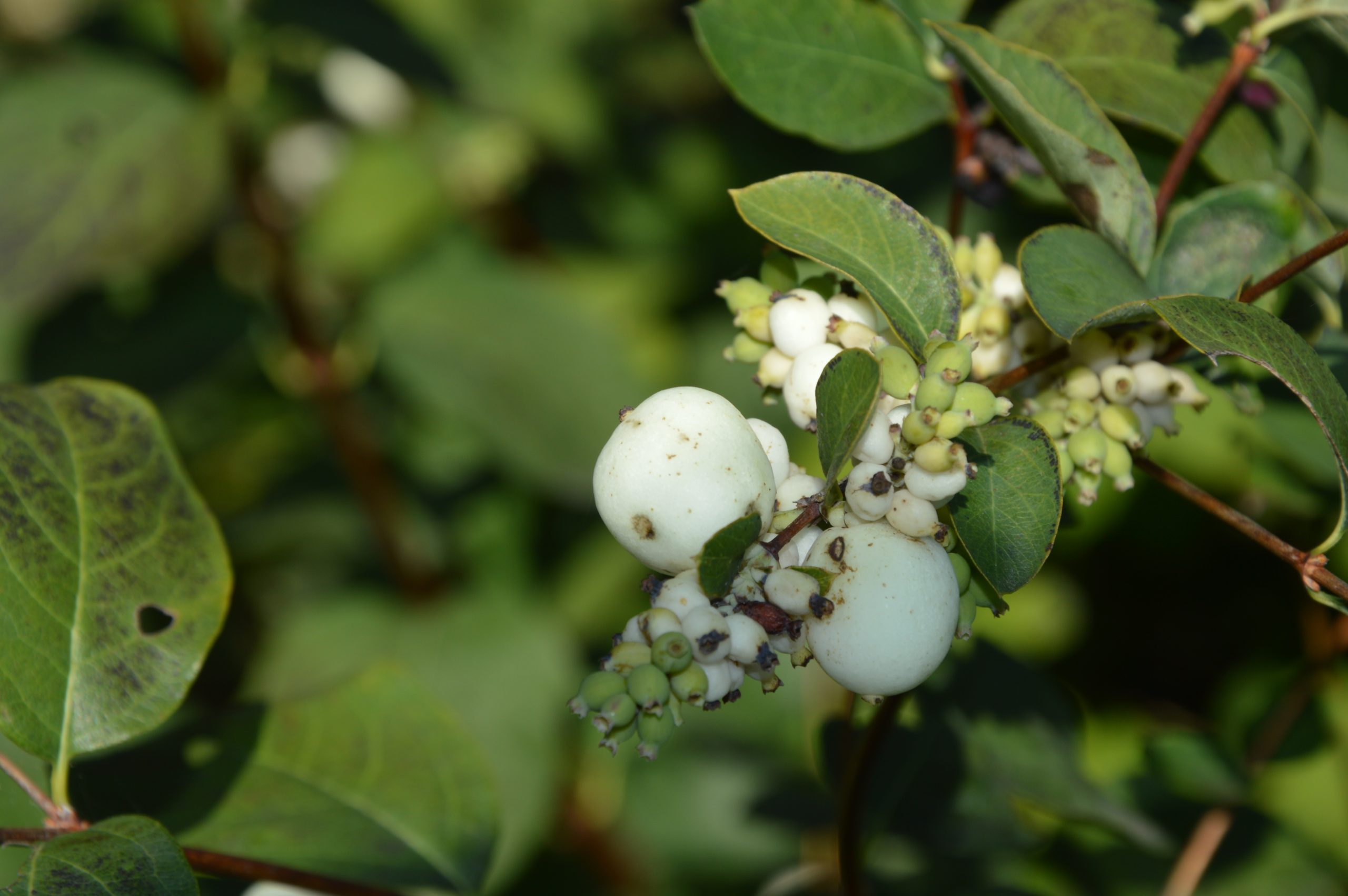
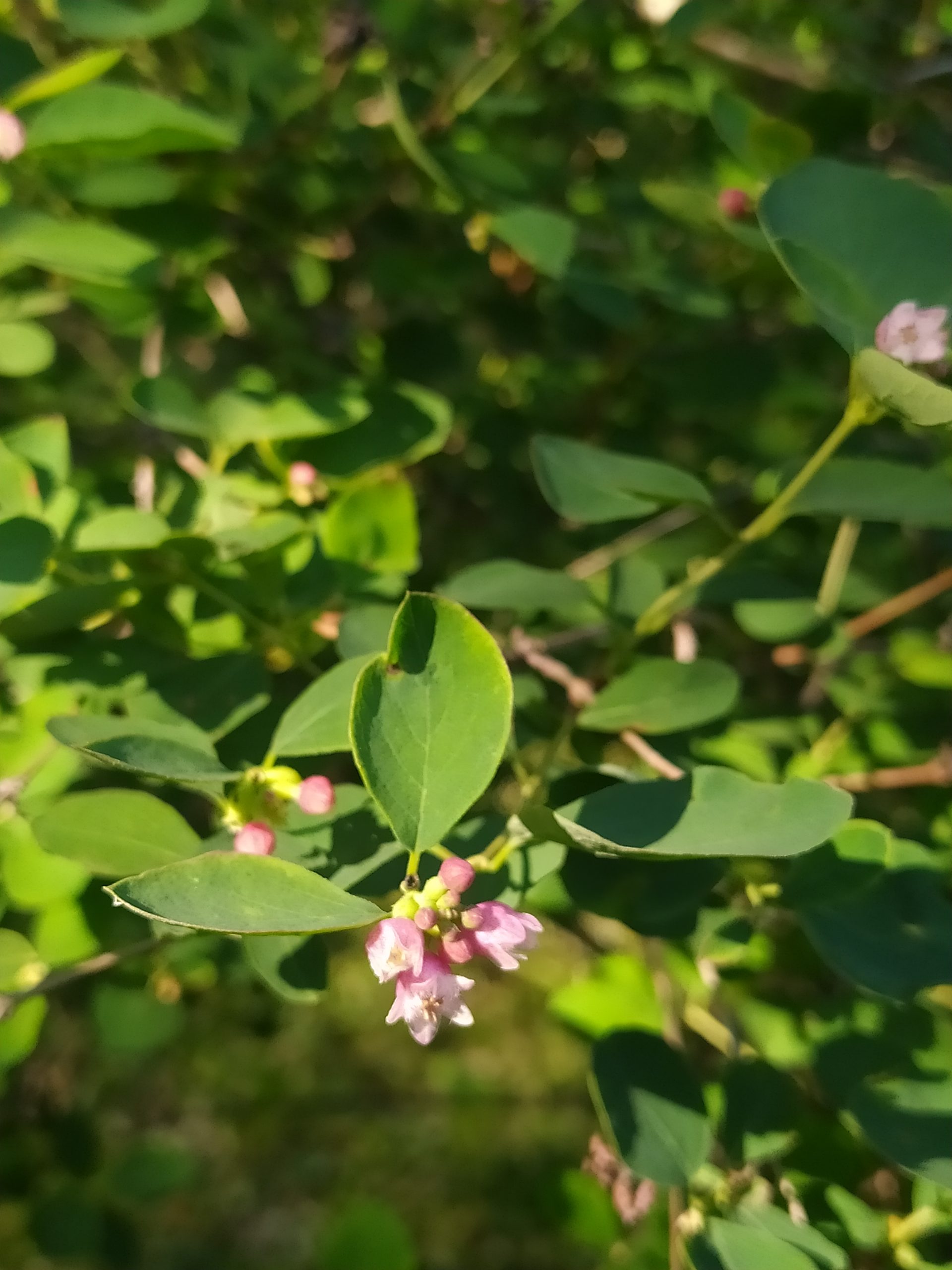
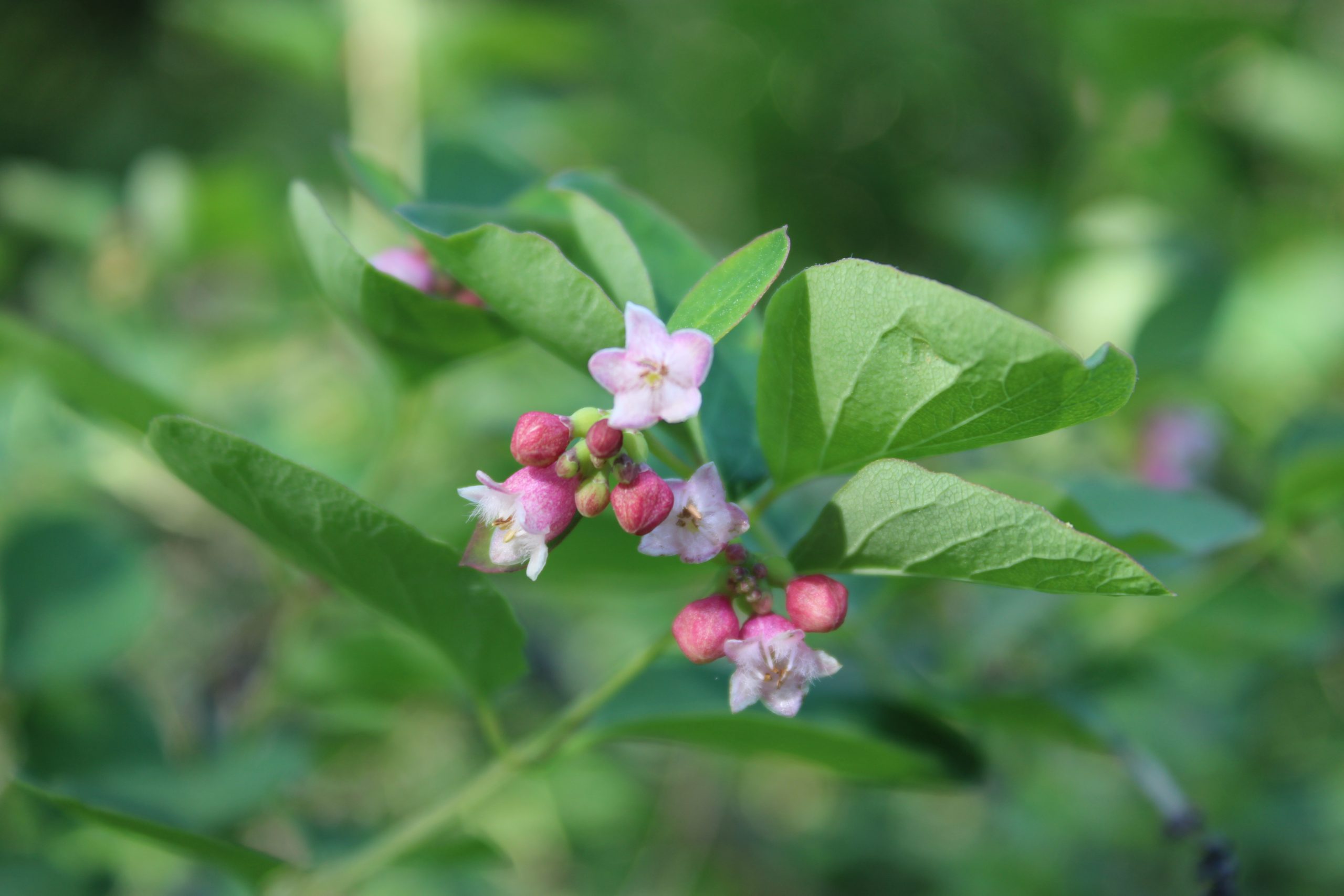
Bloom, fruit: It blooms from June to August with white-pink small tubular-bell-shaped blossoms that grow in the axils of the upper leaves in clusters and produce a large amount of nectar. The fruits are large round white berries with a diameter of 1 centimetre, which contain two seeds. They persist on the bush until winter, when they serve as food for birds.
Interesting fact: Due to the content of saponins and chelidonine, the berries are poisonous to humans – they cause nausea and vomiting. Nevertheless, they were once used in folk medicine, for example to calm the stomach. The shrub is easy to grow, tolerates polluted air, lack of nutrients and drought, which is why it is often planted in parks and as part of hedges. It is an invasive species – it often spreads from garden plantings, and the seeds are also carried by birds, which facilitates its spread.