
Oleaceae family, Oleaceae
Origin: all Europe except the northernmost and southernmost locations, so it is native to the Czech Republic
Habitat in the original area: around watercourses, in scree forests and forest-steppes; it occurs in nutrient-rich soils
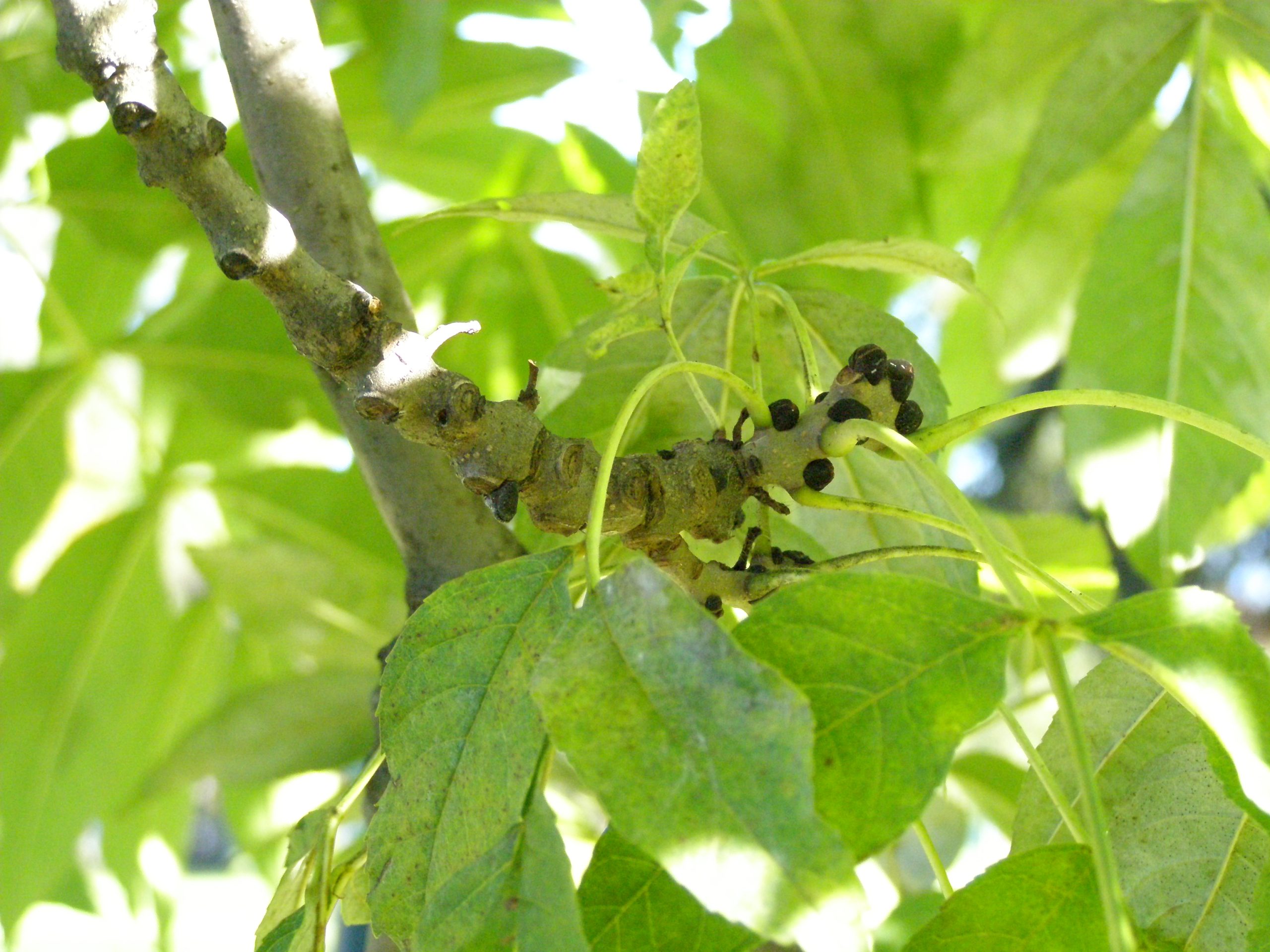
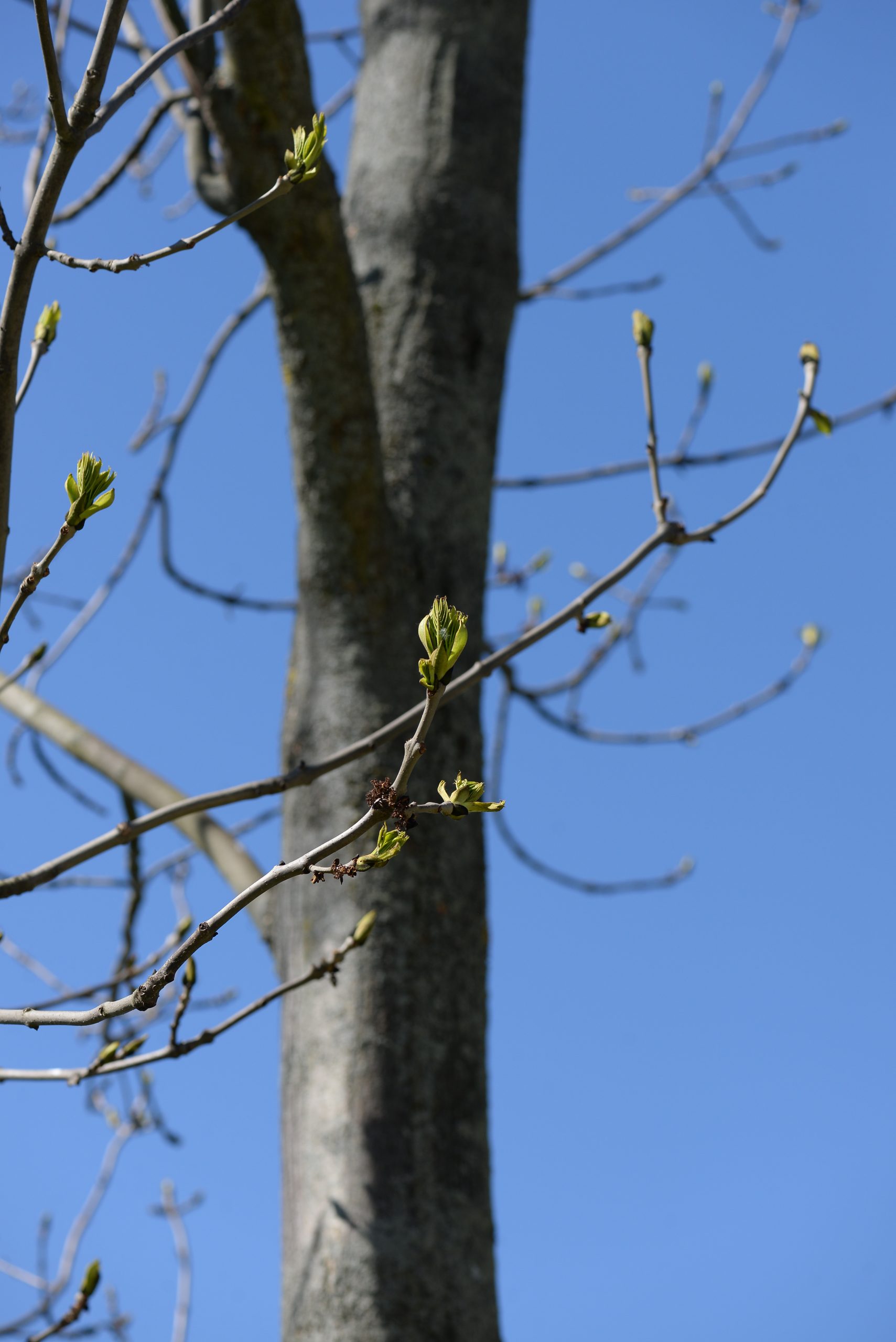
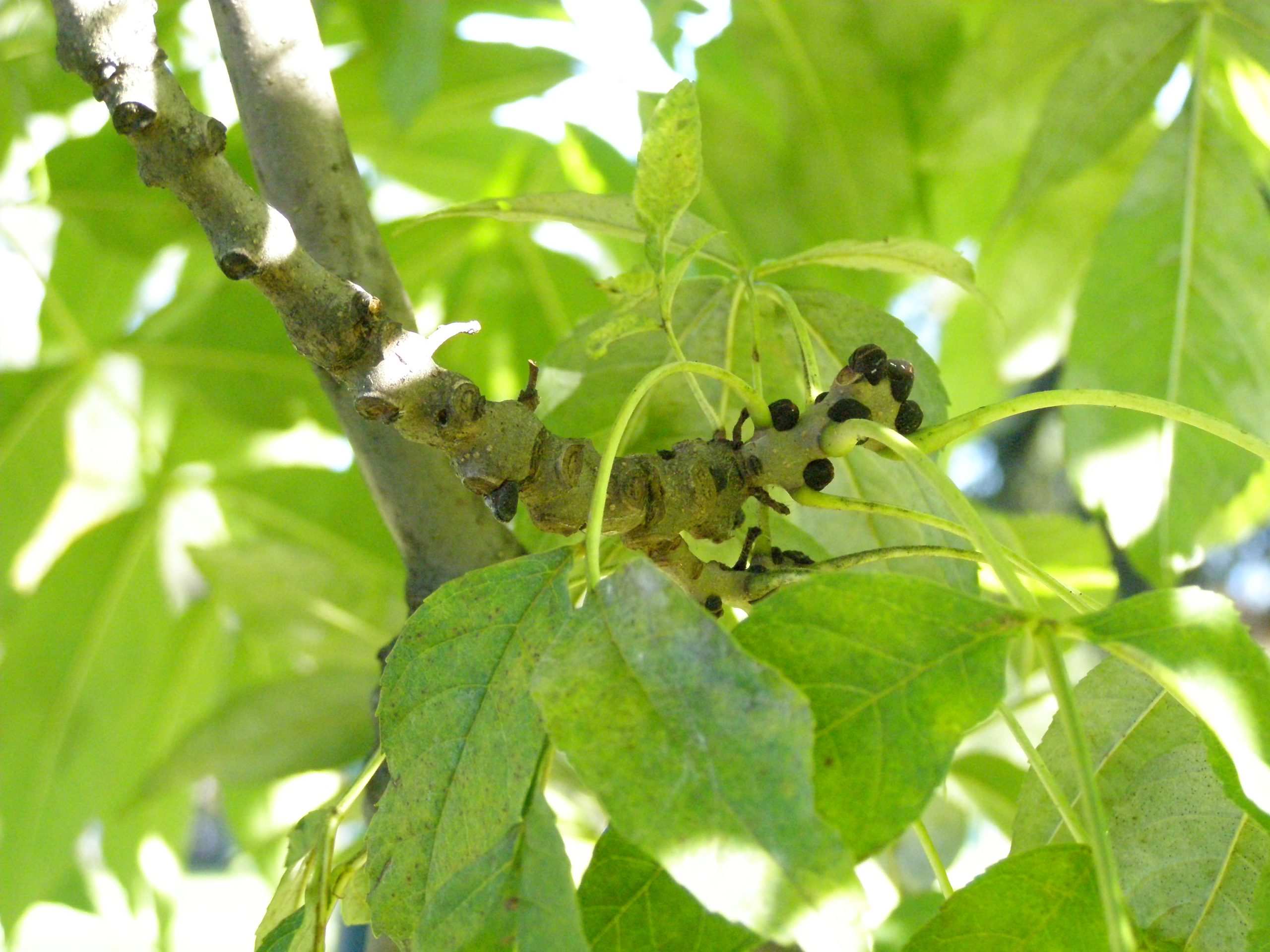
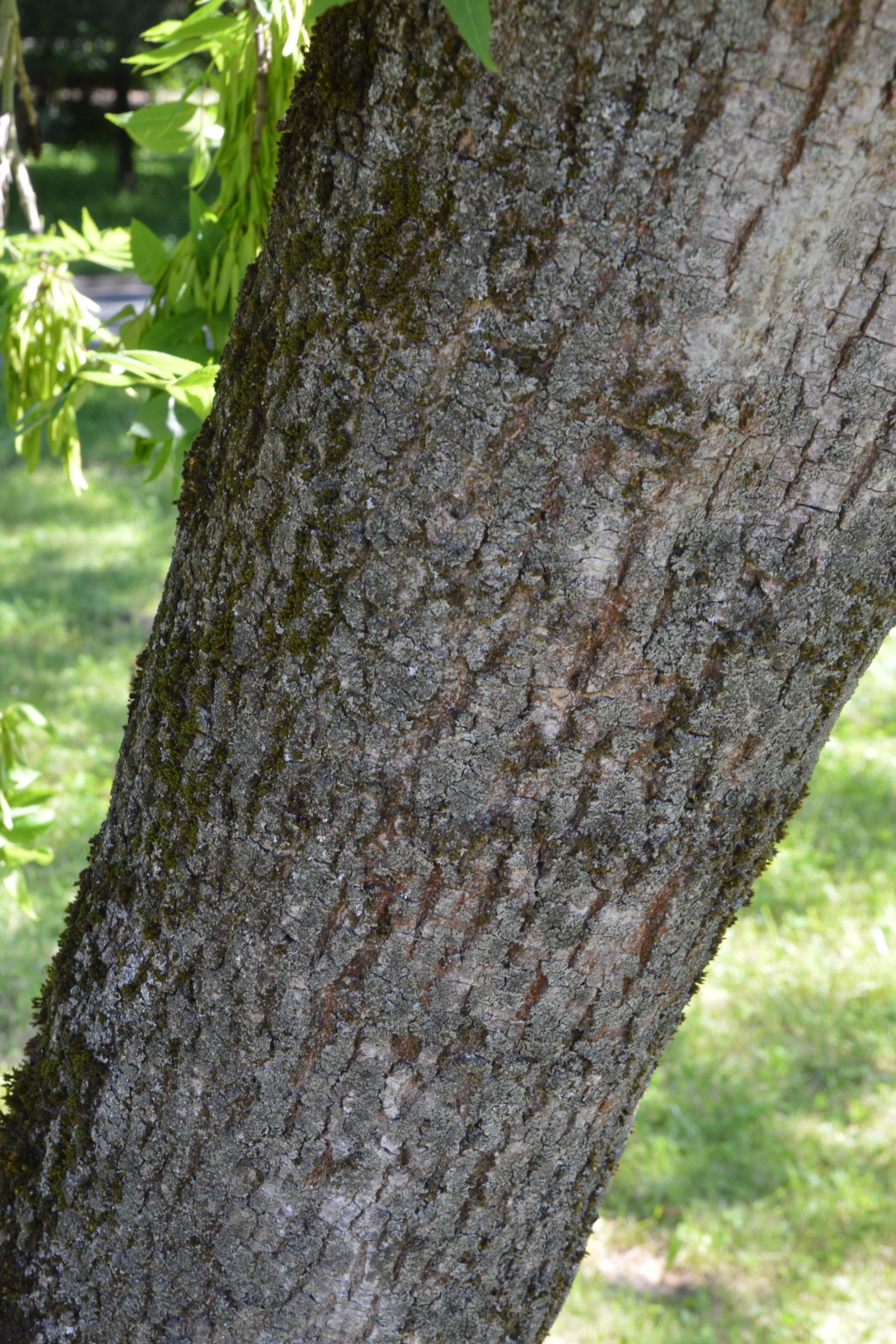
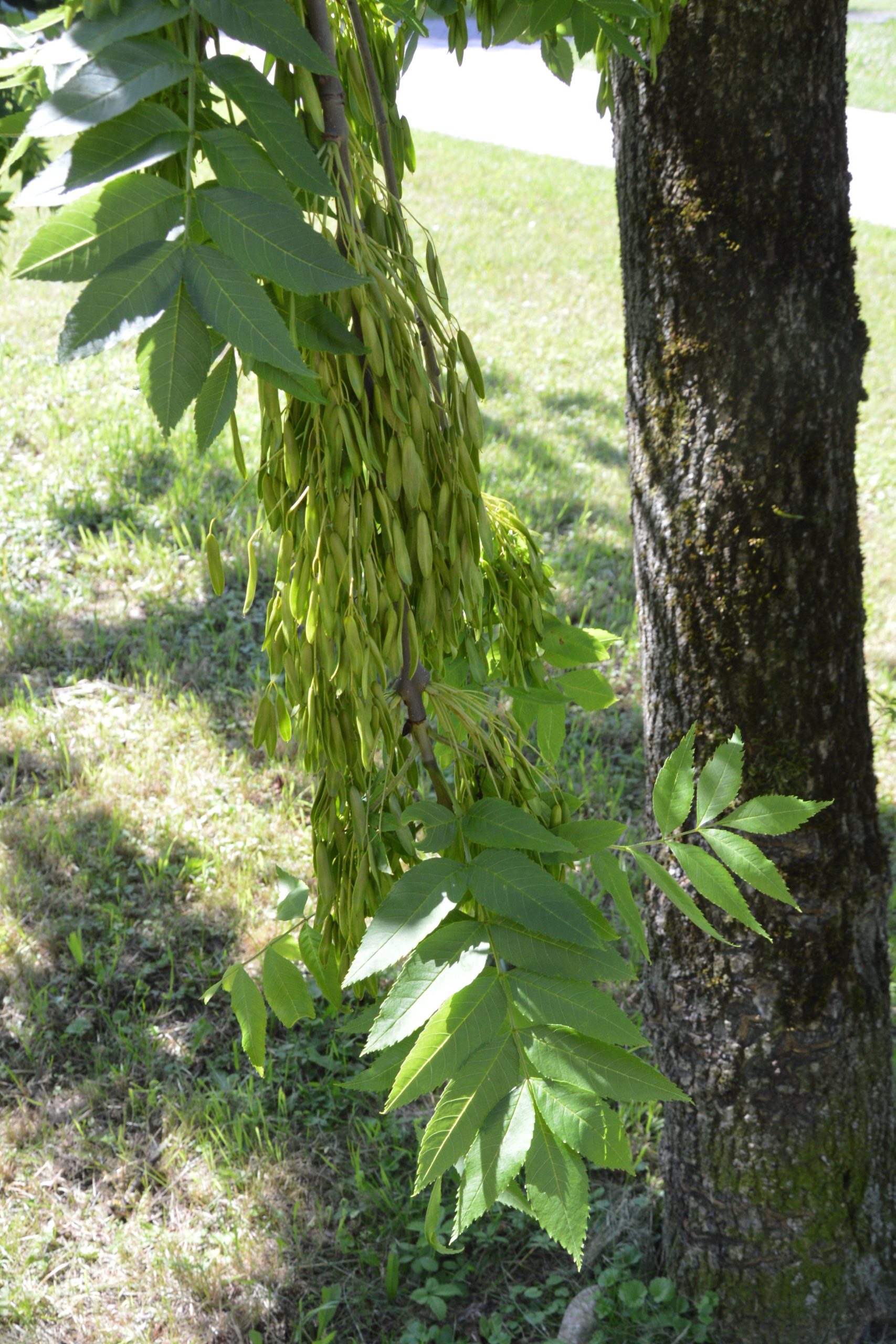
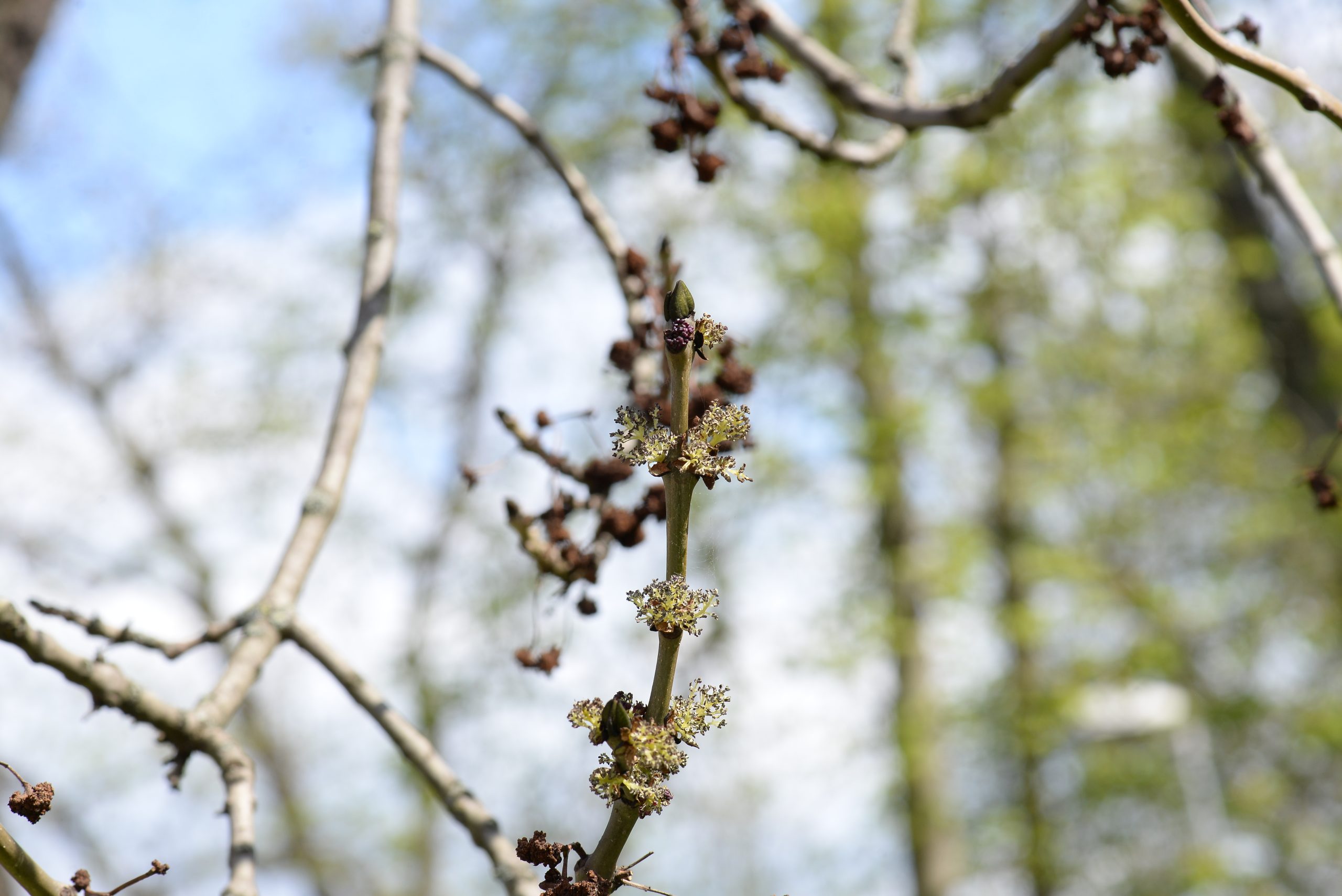
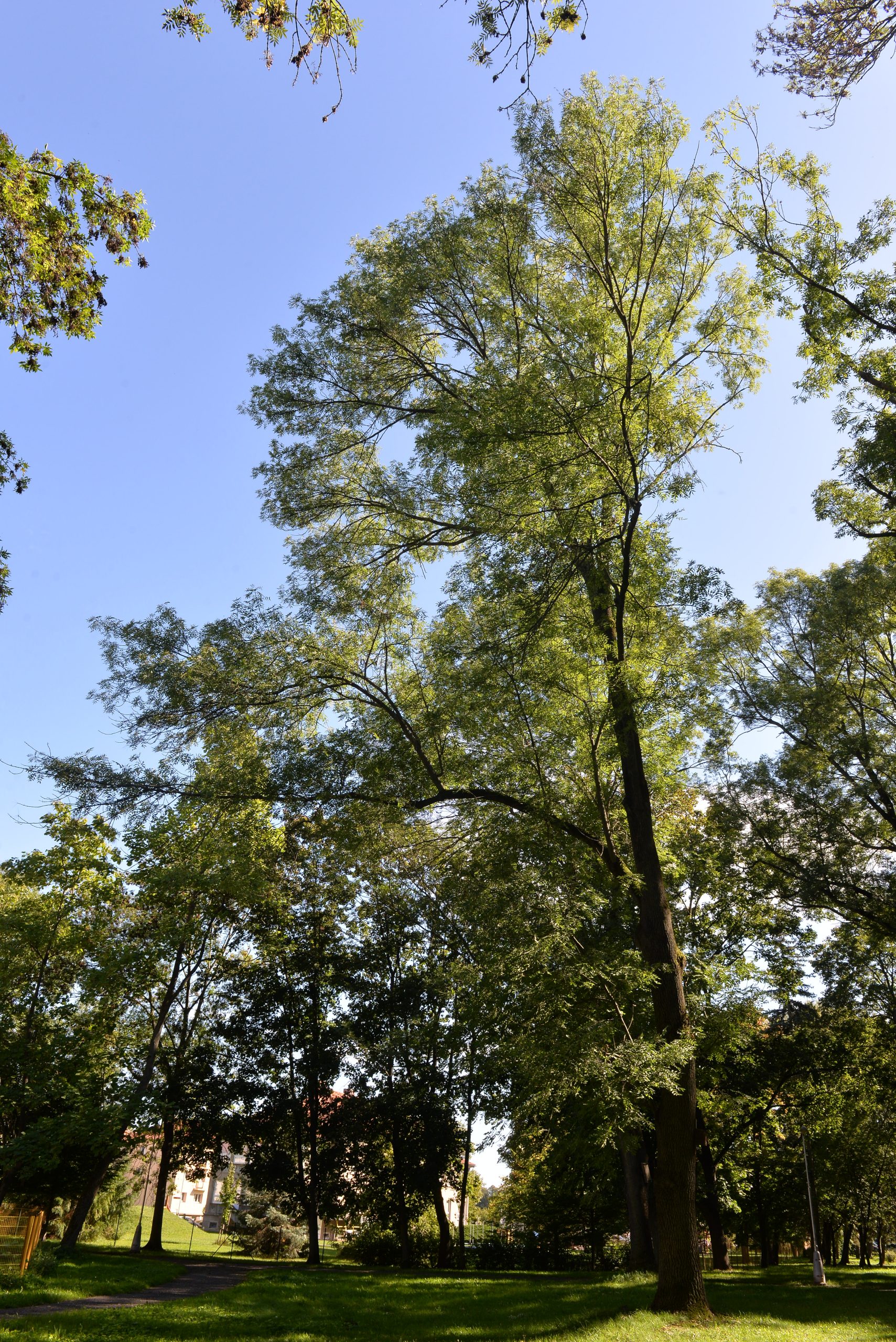
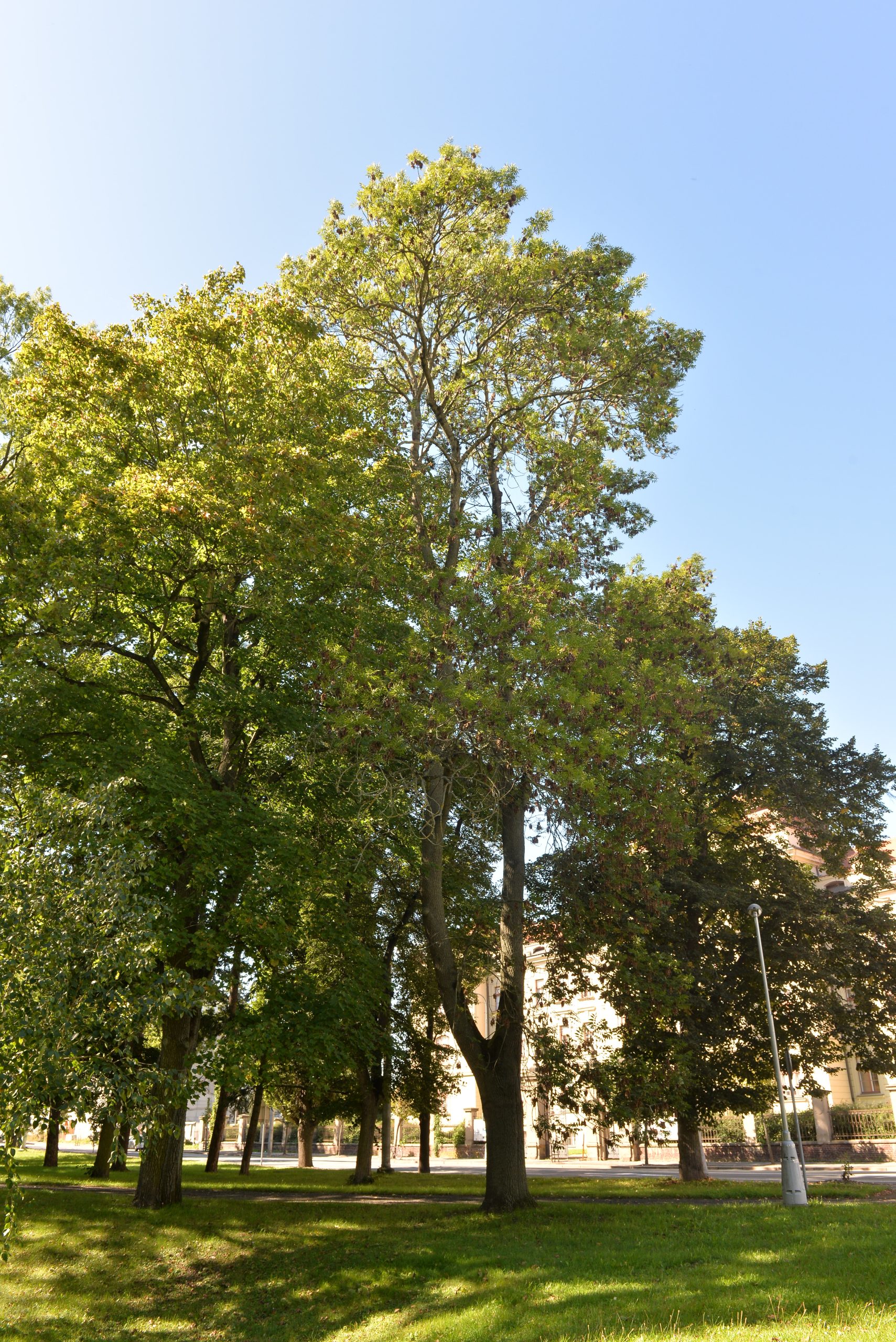
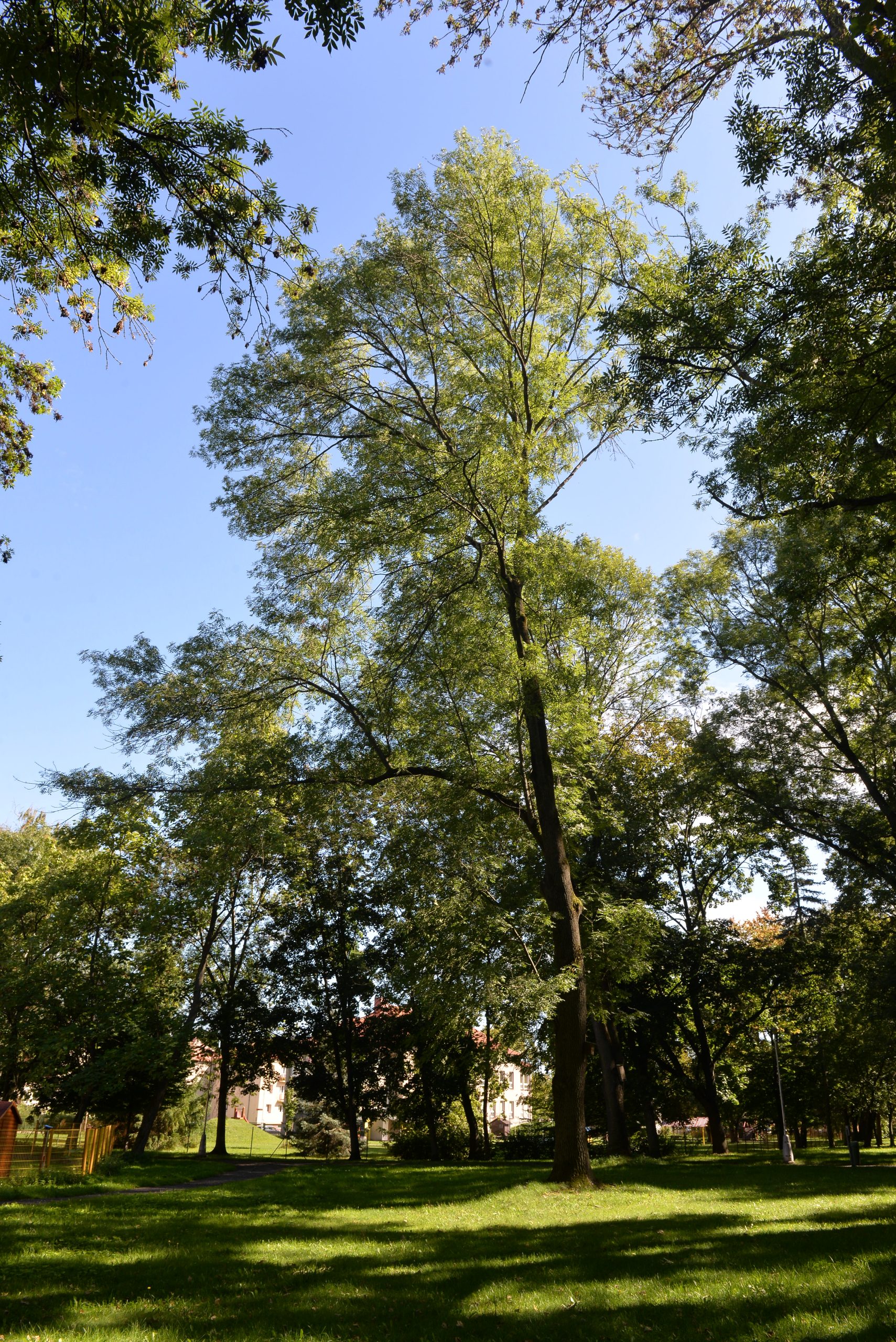
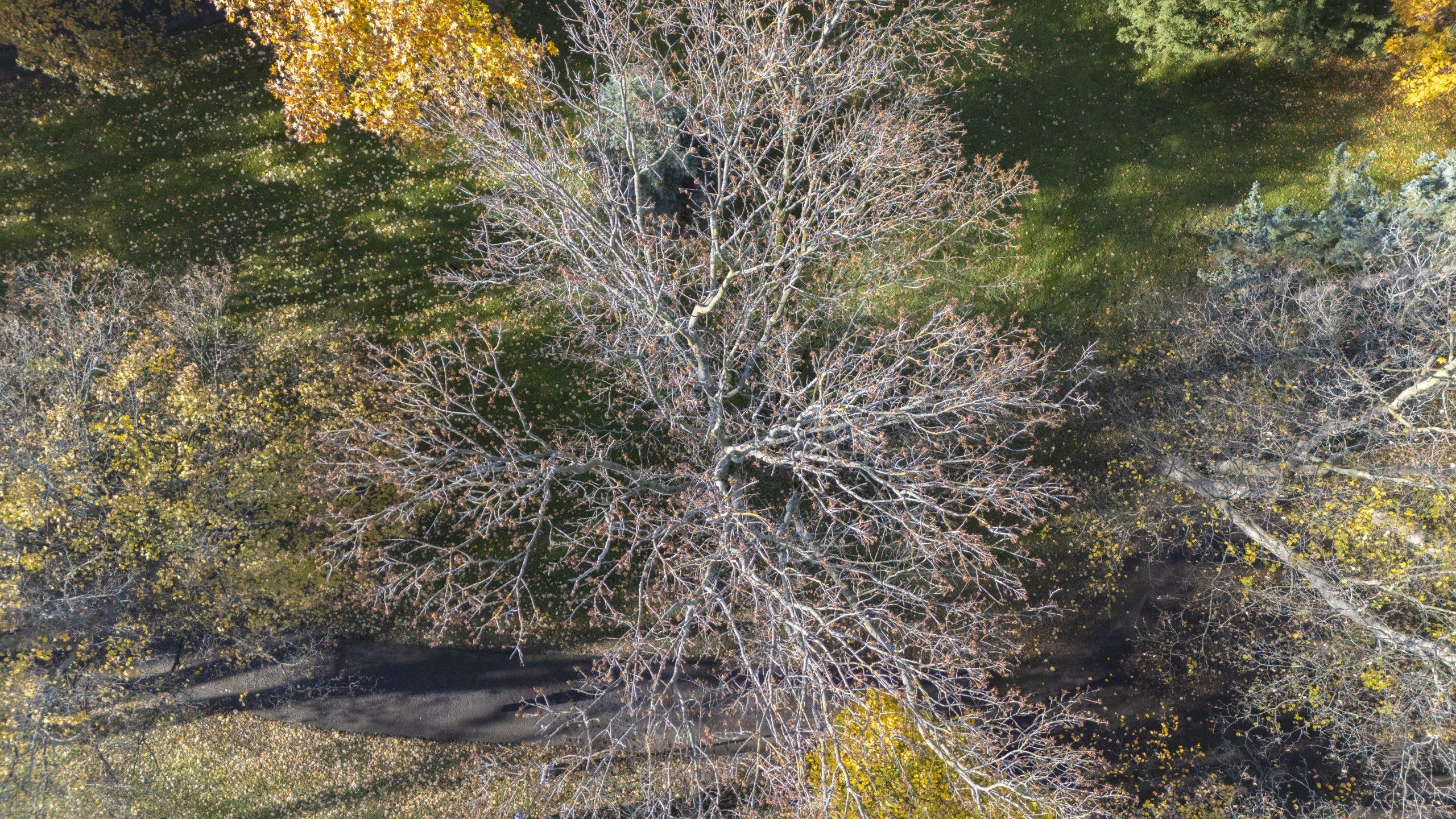
Habitus: It is a tree growing up to 40 metres. Its bark is grey and smooth bark when young and later furrowed. The buds are black.
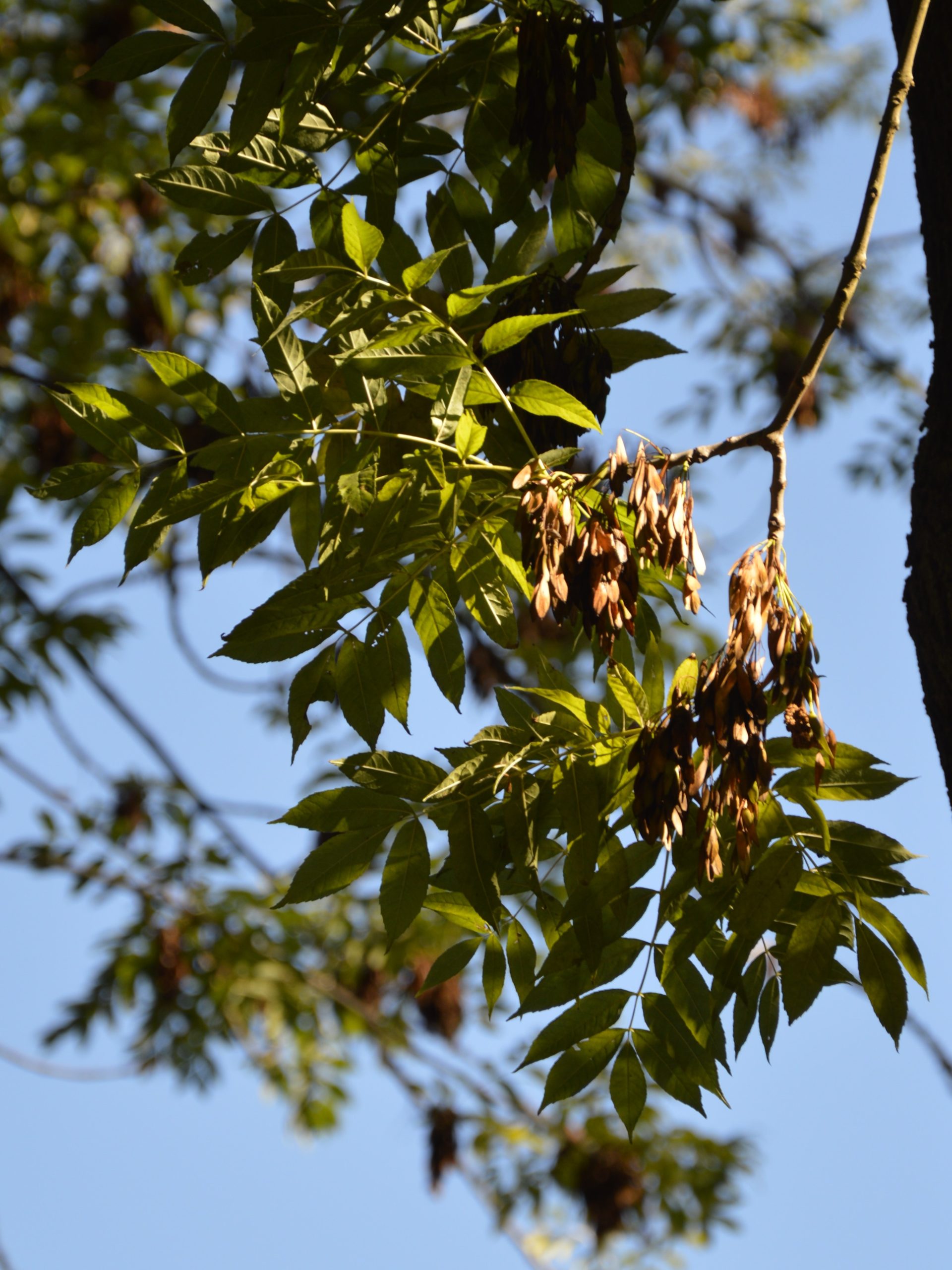
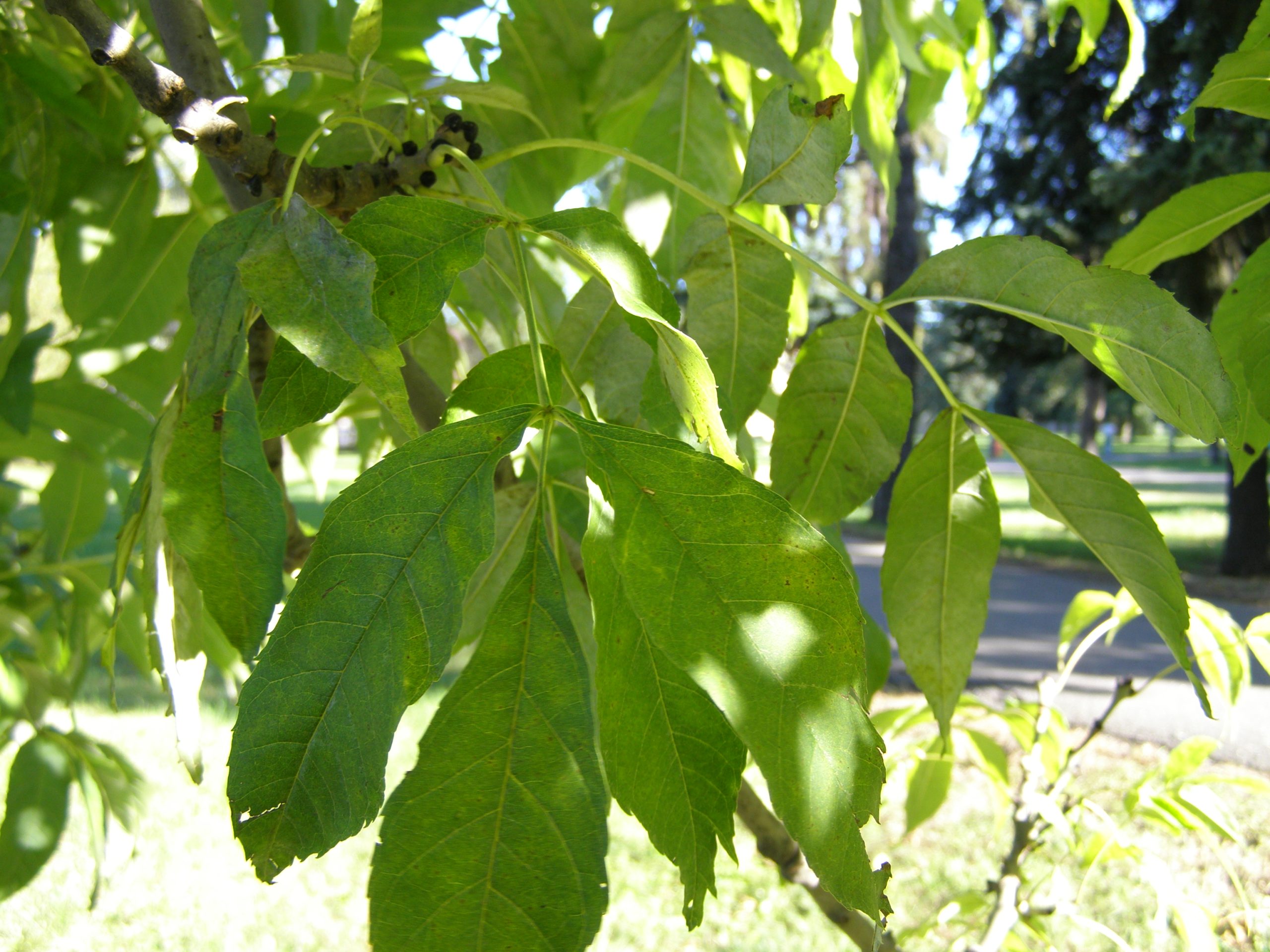
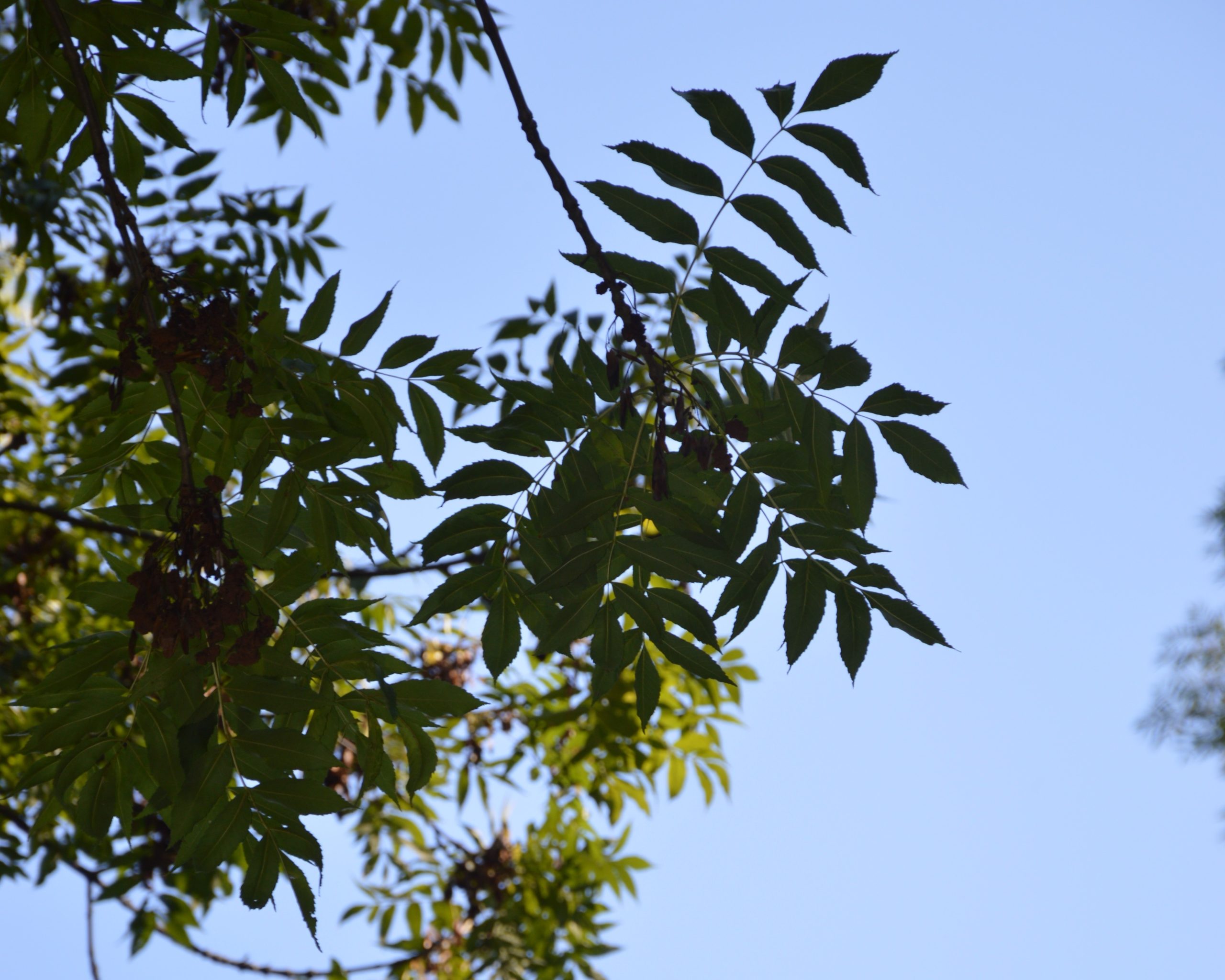
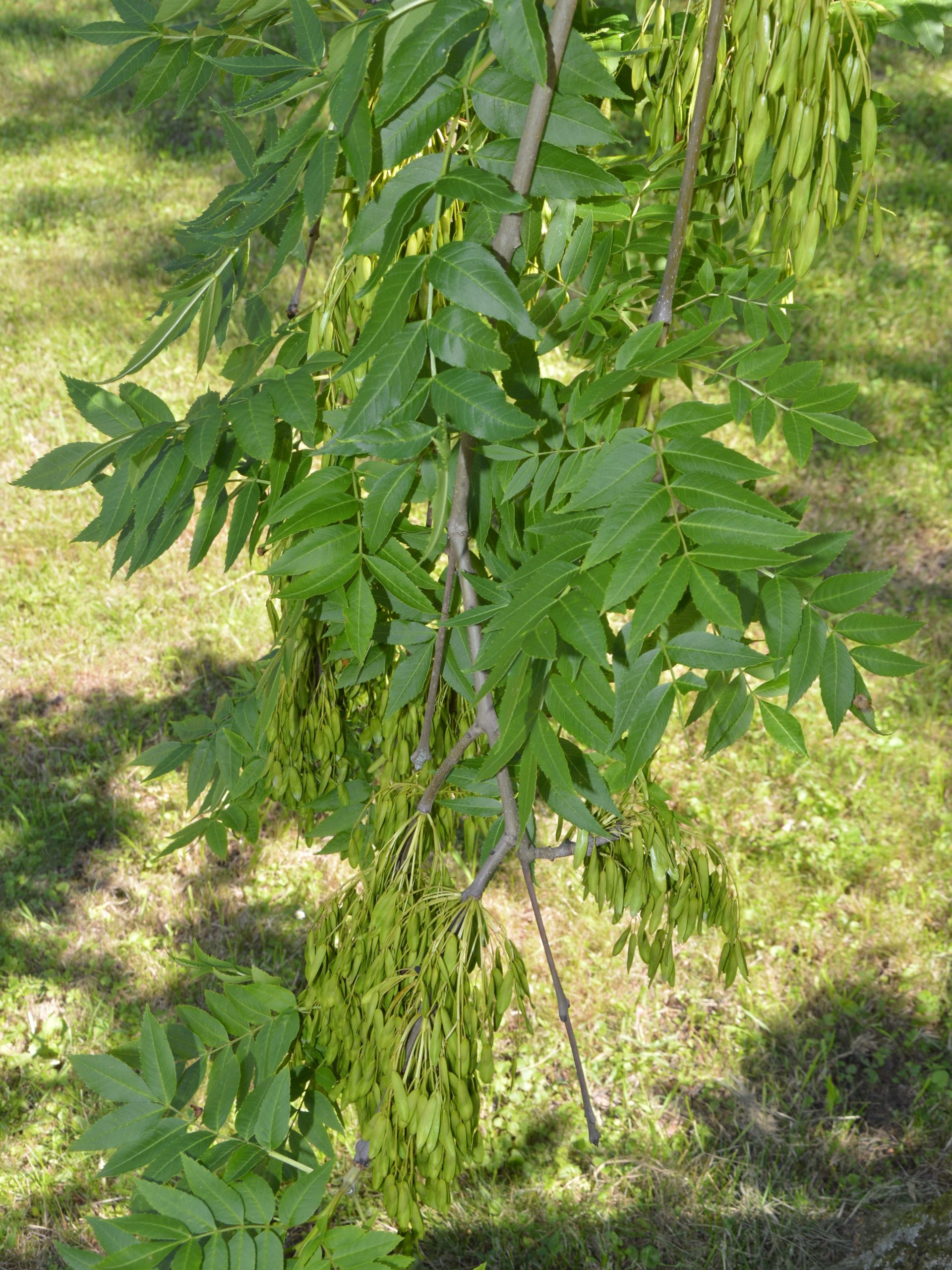
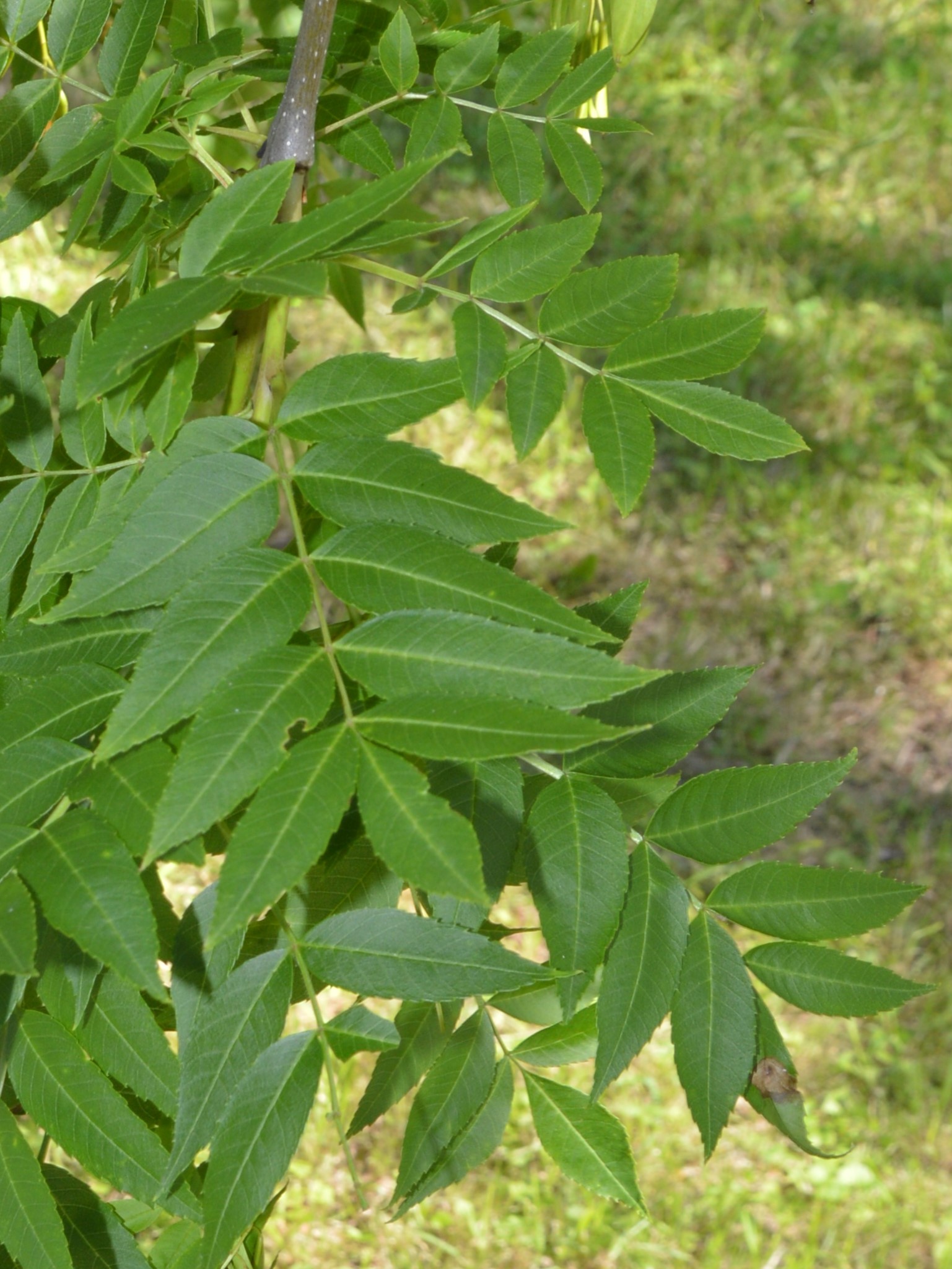
Leaf: Odd-pinnate leaves consist of 7–15 oblong leaflets with a serrated edge. They do not change the colour in autumn and fall off when green.
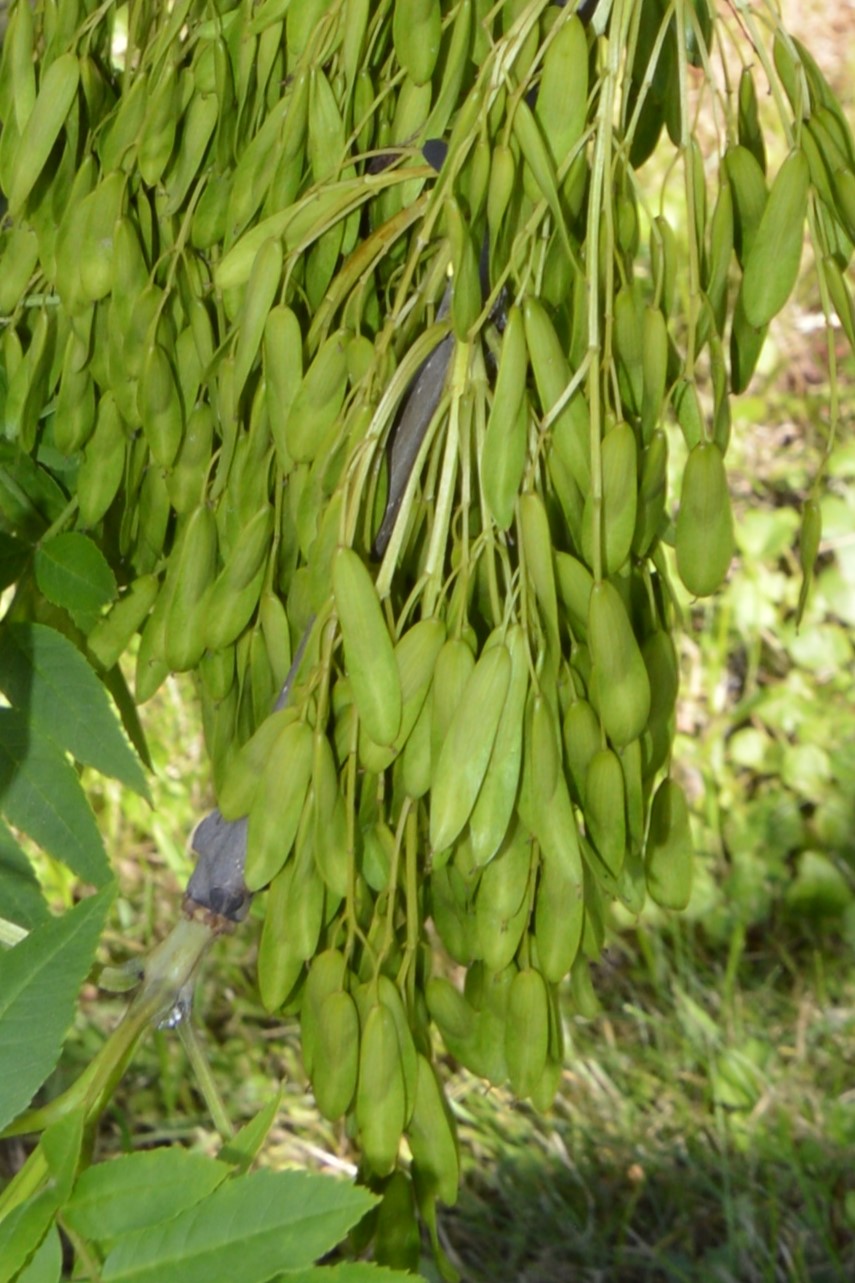
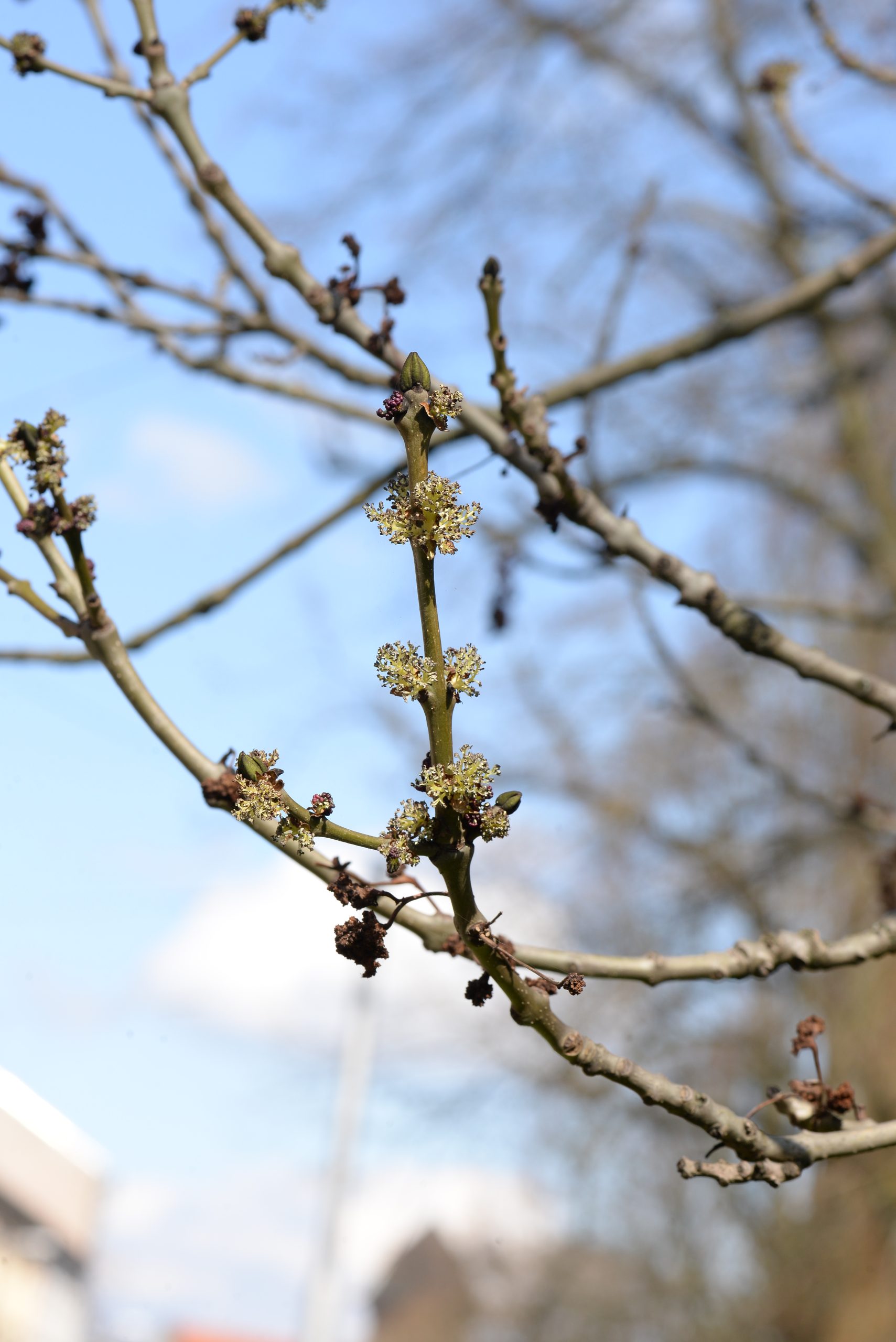
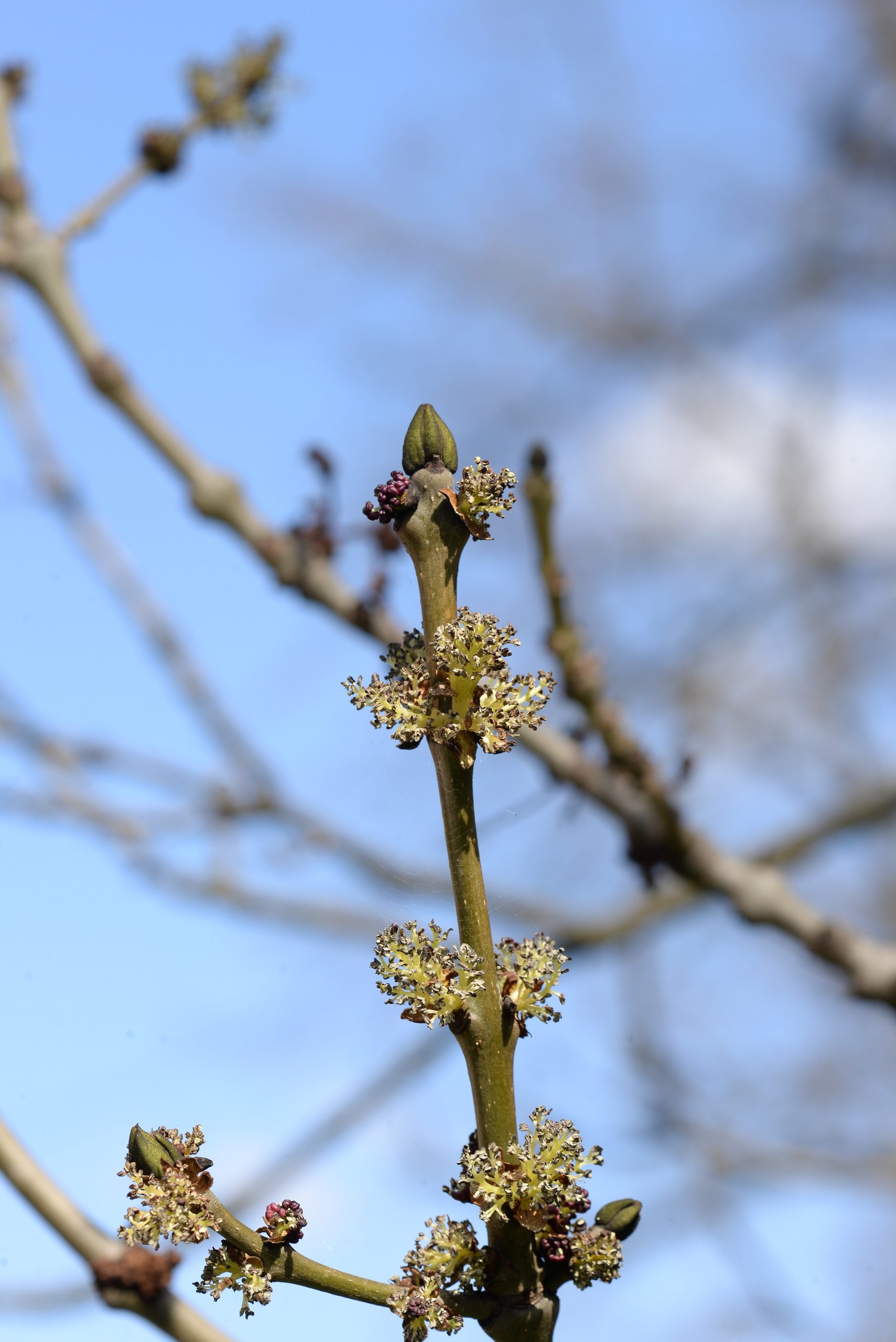
Bloom, fruit: t blooms from April to May with bisexual, bractless blossoms arranged in a panicle. The fruit is an oval, winged achene up to 5.5 centimetres long.
Interesting fact: It often roots through the top layer of the soil, thus preventing the invasion of other woody species. Its wood is of a very high quality (strong and flexible), therefore it is used for furniture manufacturing. It is easy to overwinter, so in the past it served as a pruning tree, whose young branches were cut and served as winter fodder for cattle. Currently, the occurrence of the species is limited by the spread of a fungal disease called “chalara”, which is manifested by the plant´s drying up due to its vessels being blocked by fungal fibres.