
Birch family, Betulaceae
Origin: south-eastern Europe, Caucasus, Asia Minor, Iran, the Himalayas
Habitat in the original area: mixed forests up to the 1,800 m above sea level
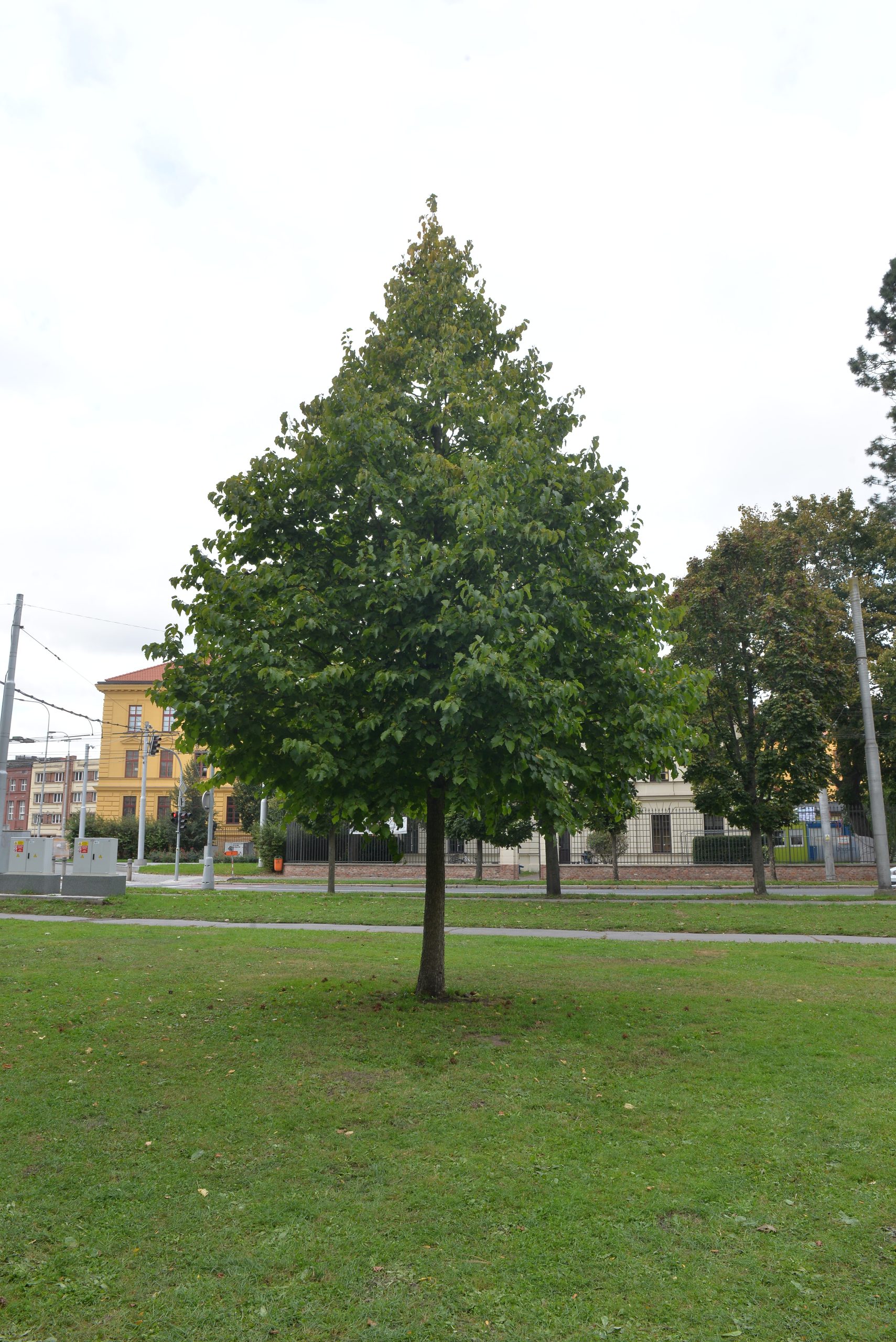
Habitus: An up to 20 metres tall tree with a pyramidal crown. The rough bark is dark grey and peels off in scales when old. Young twigs are covered with fine glandular trichomes.
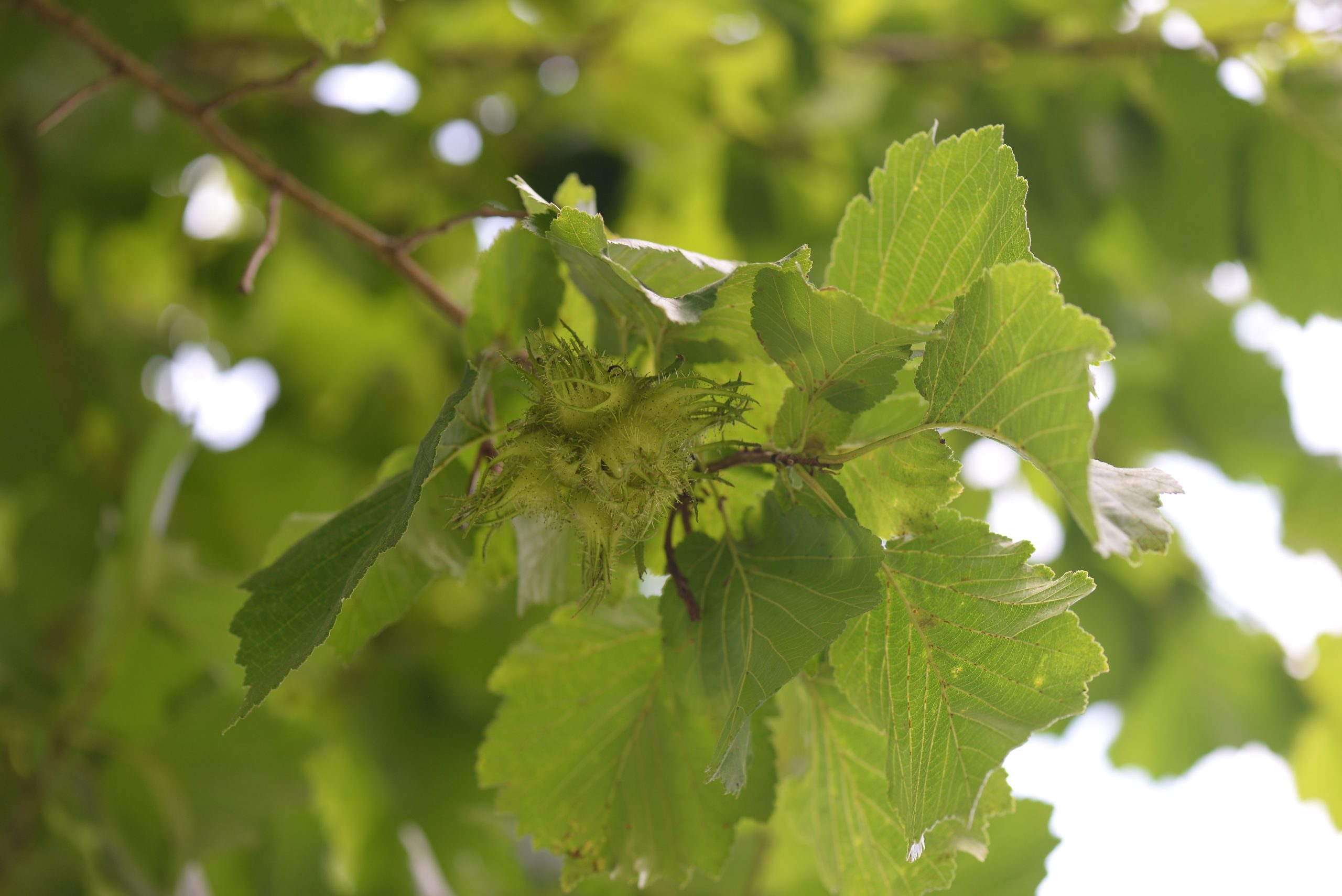
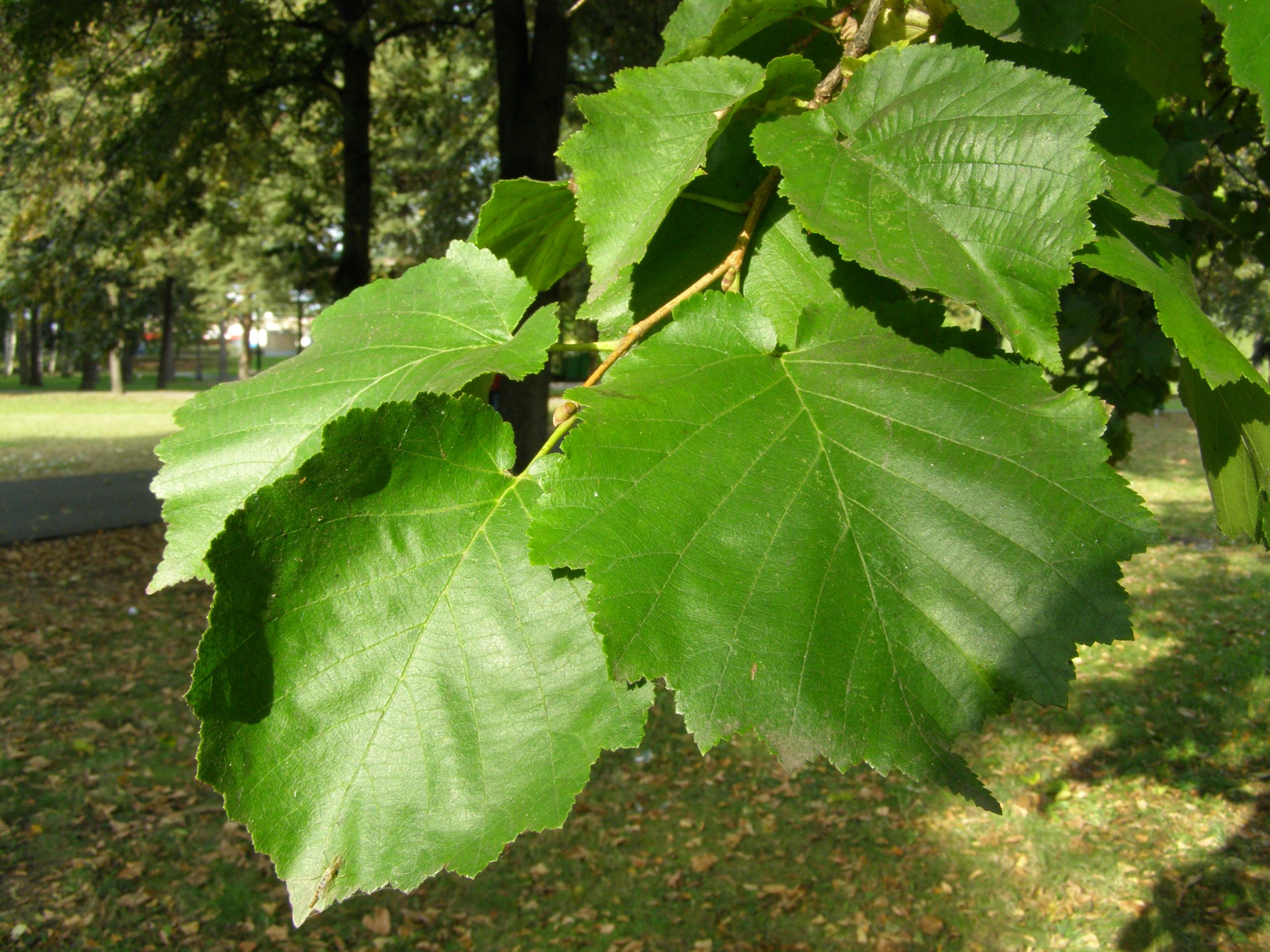
Leaf: The upper side of the leaf is darker and shiny, the lower side is lighter, dull and with fine trichomes. The leaf is heart-shaped at the base and elongated to a point at the top. Its margin is from doubly serrate to shallowly lobed.
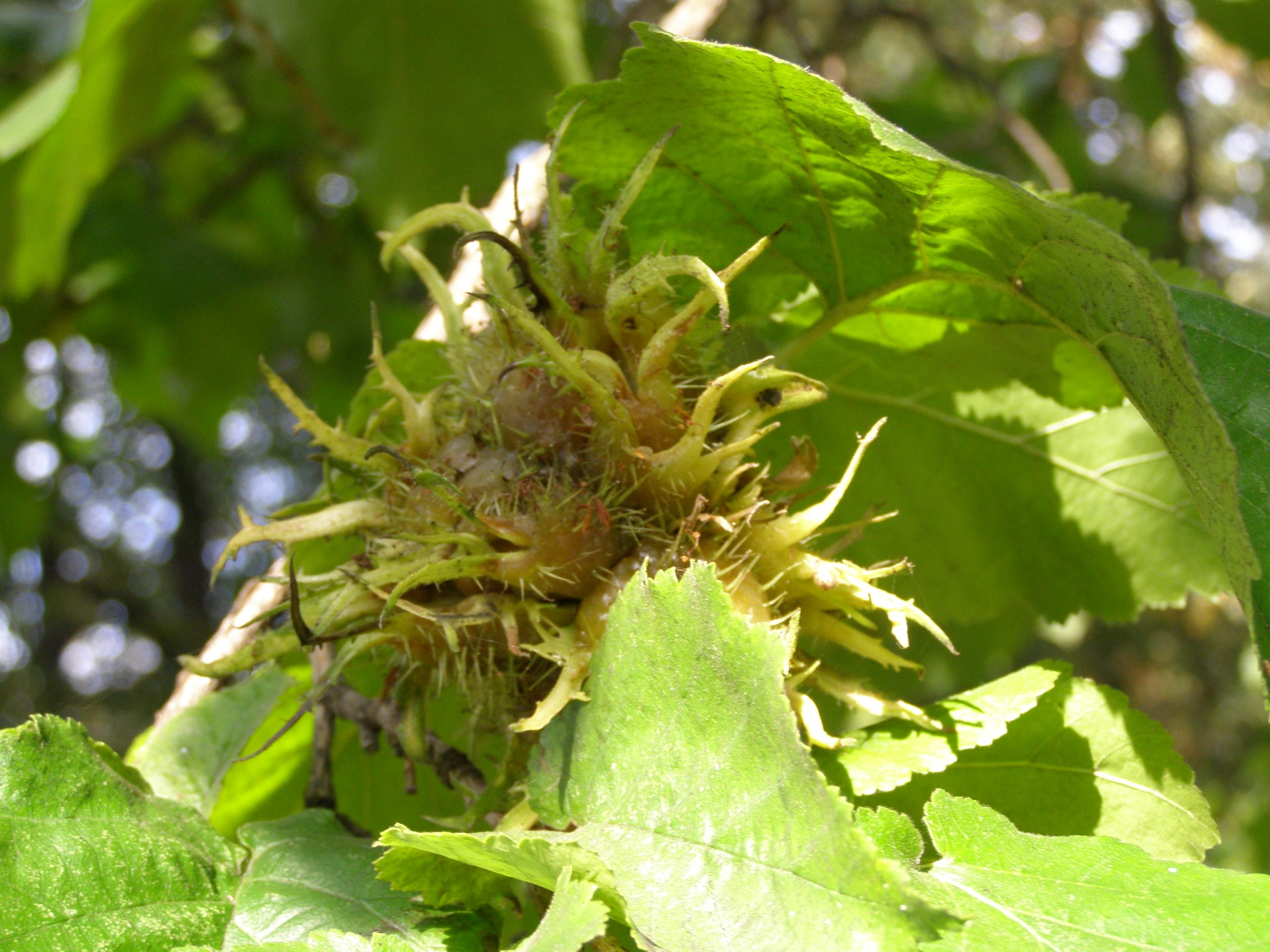
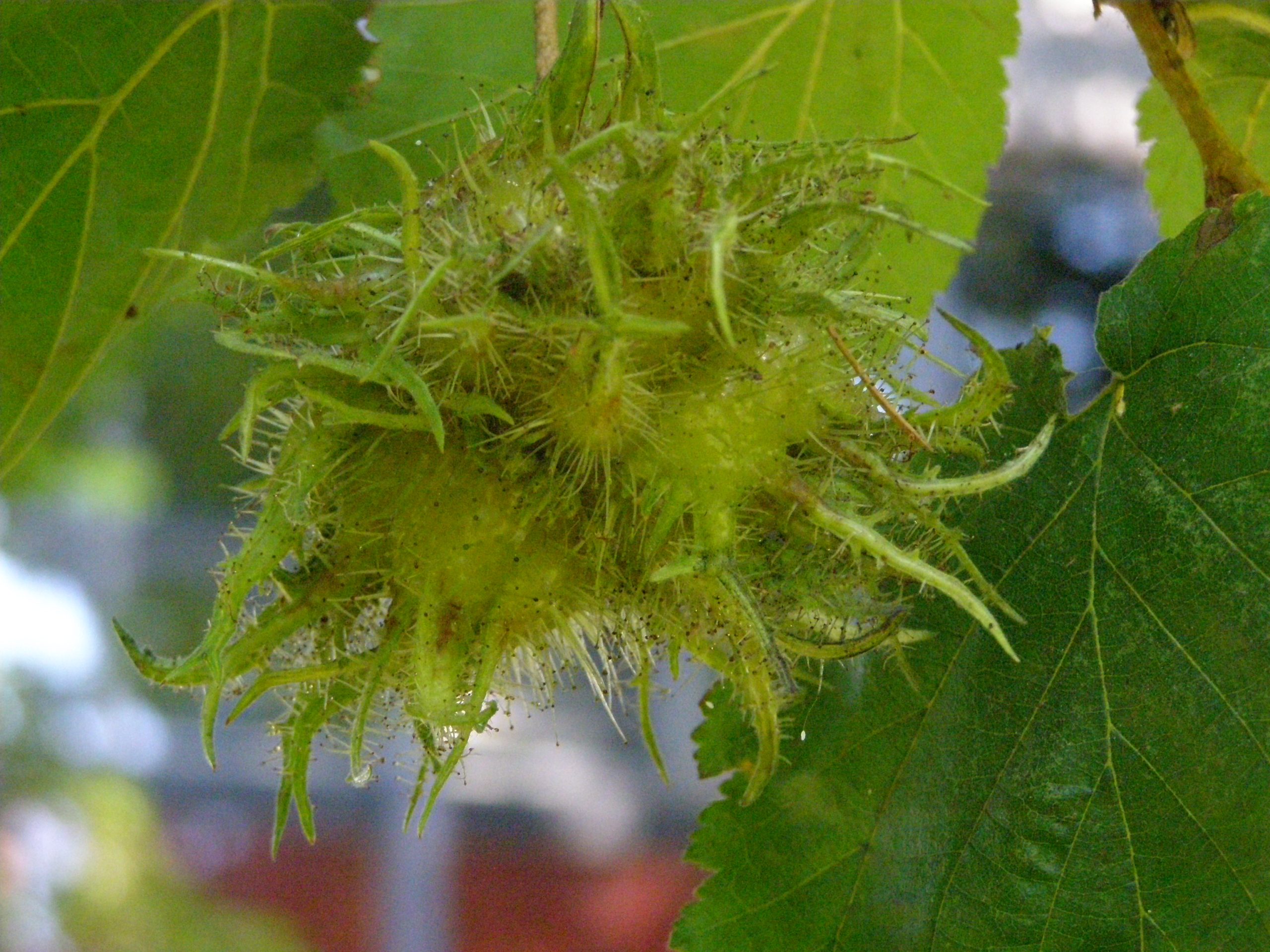
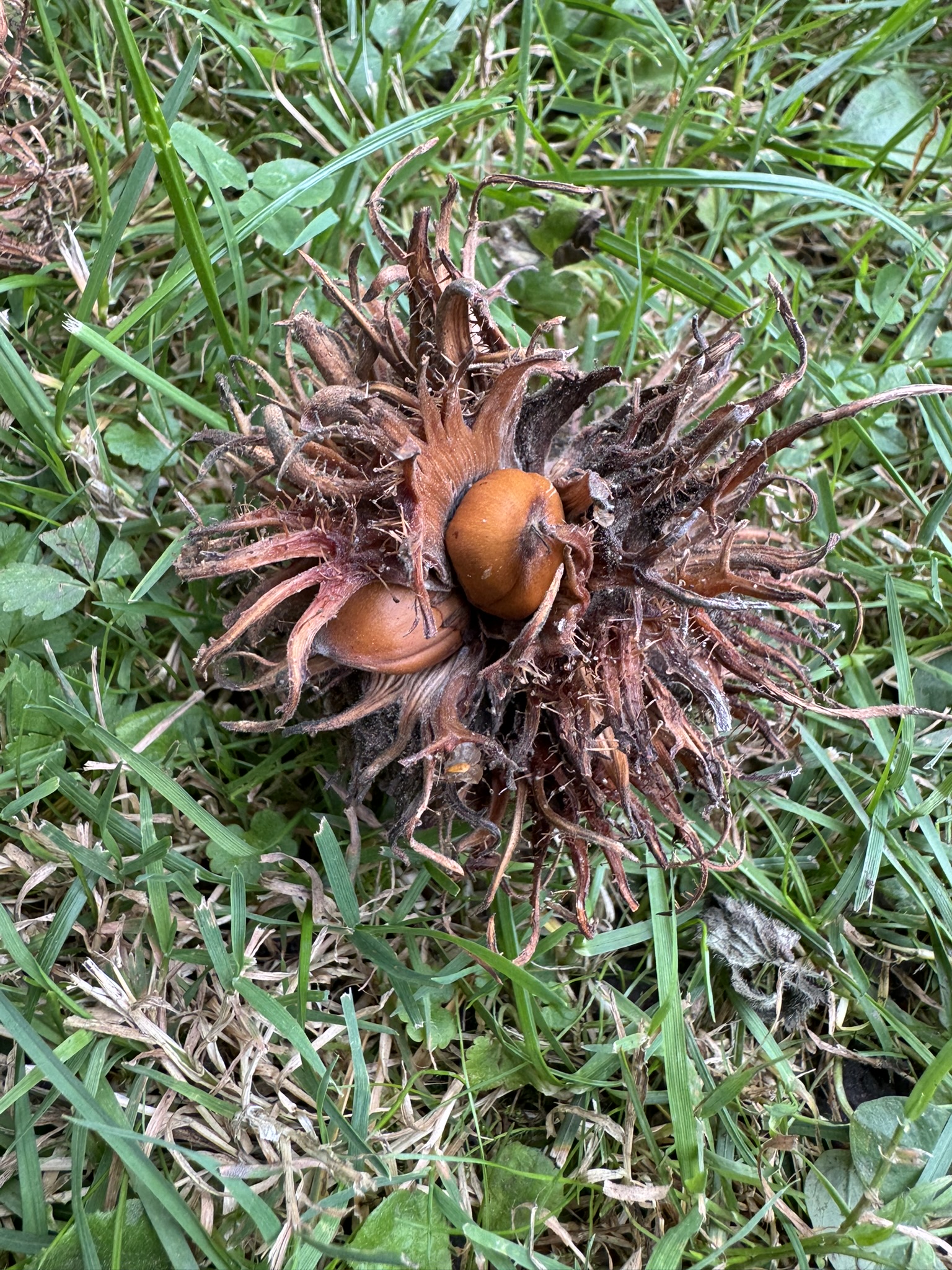
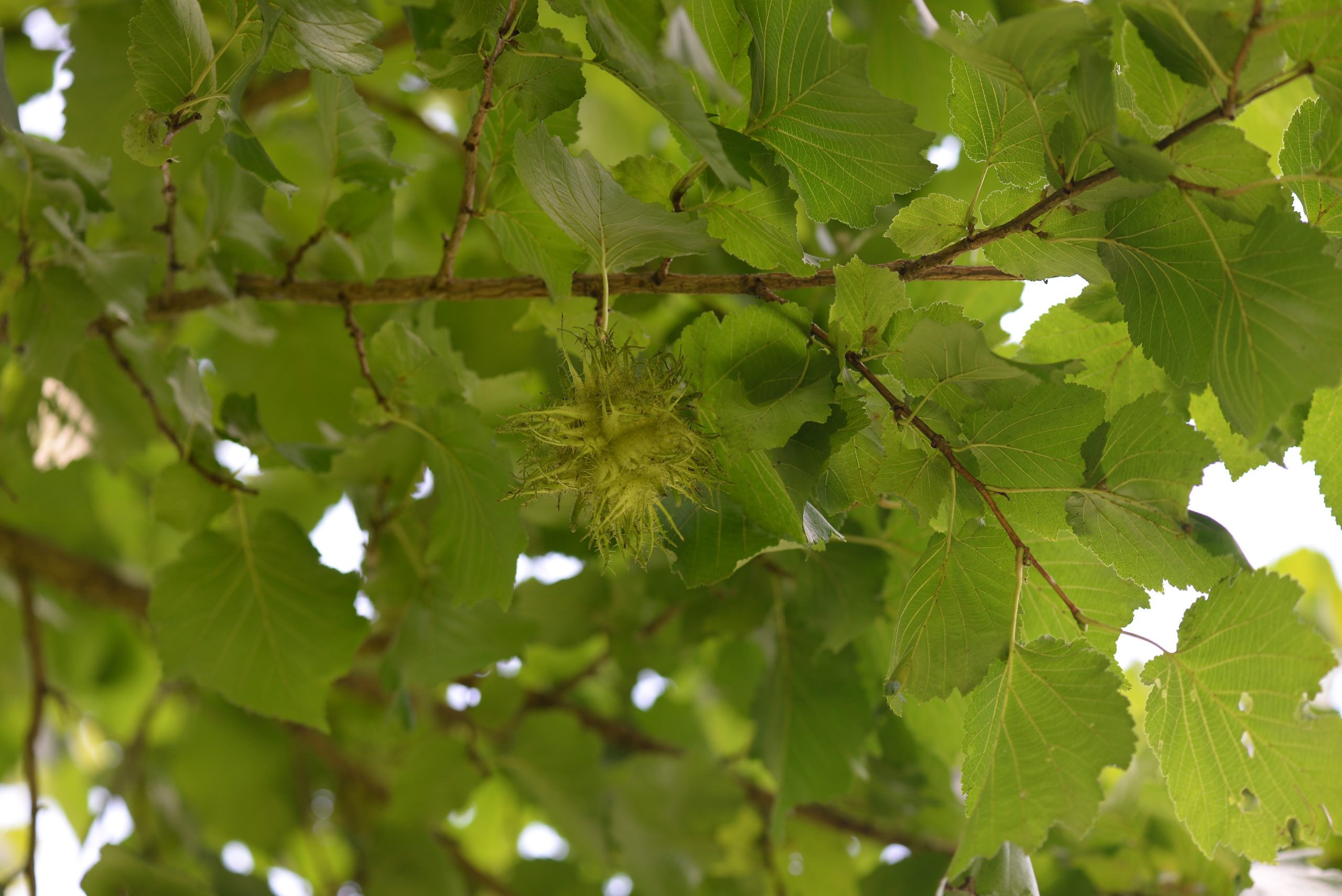
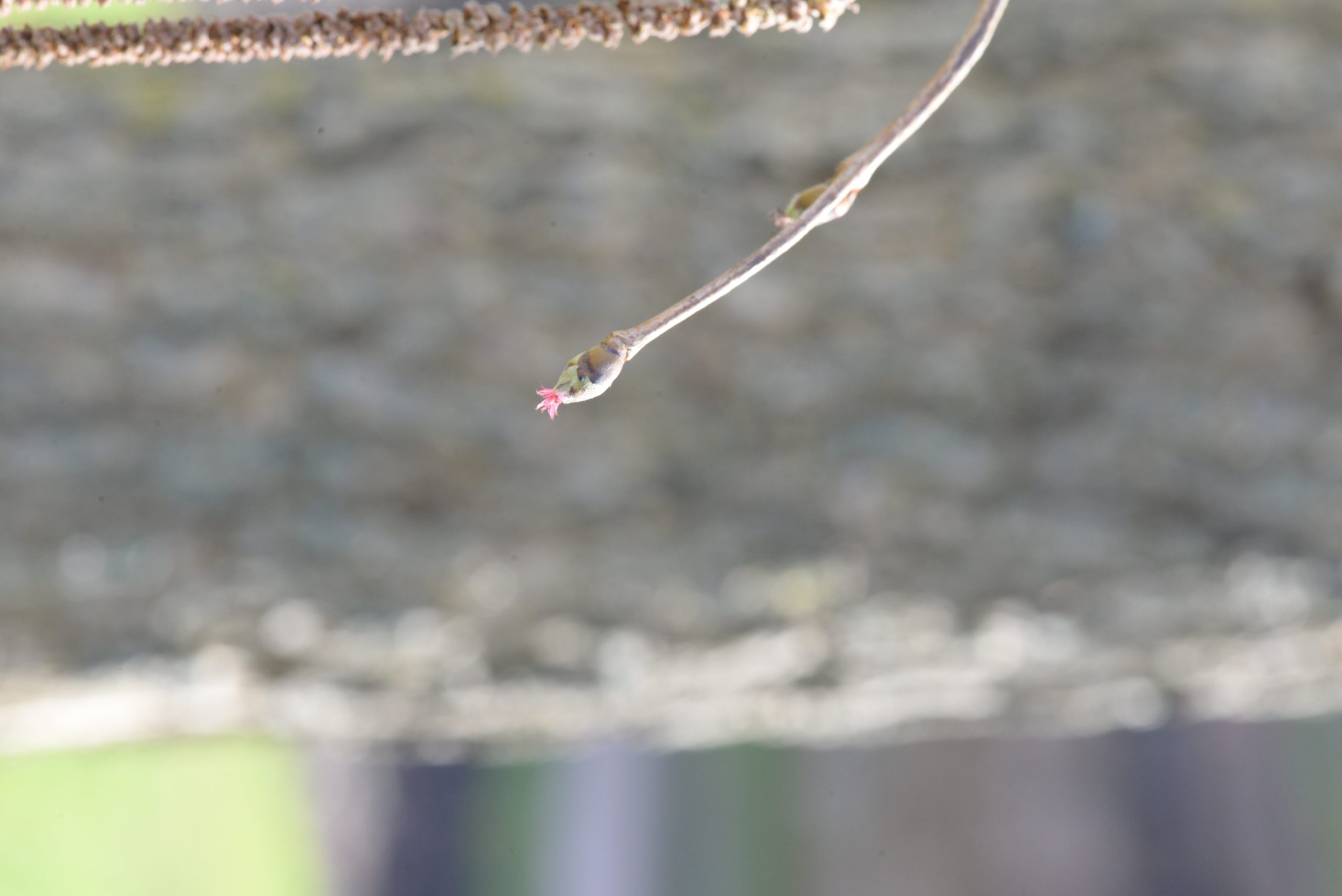
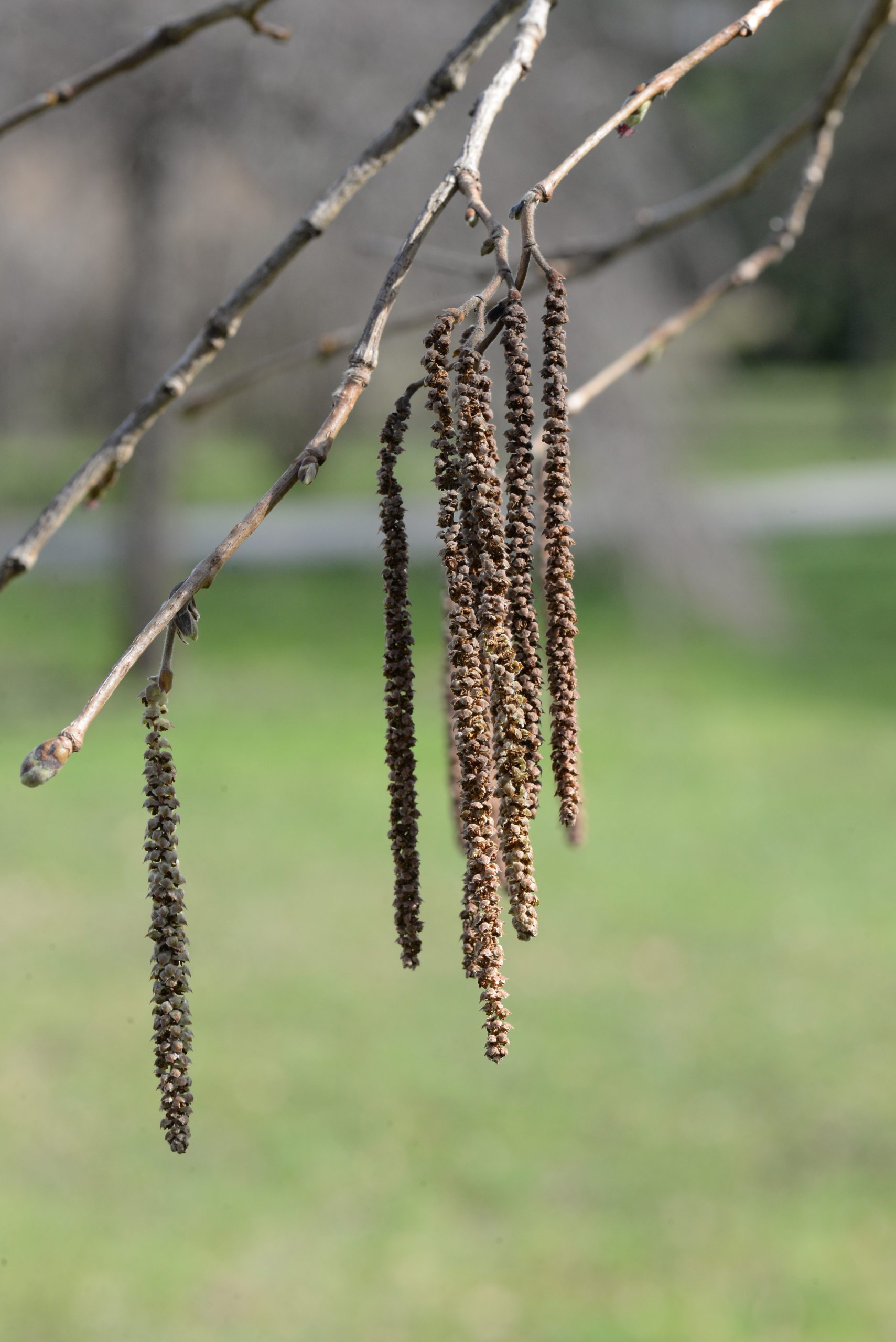
Bloom, fruit: It blooms from March to April before the leaves sprout. The male catkins are up to 12 centimetres long. The female blossoms are closed, and crimson stigmas stick out of them conspicuously. The fruits are nuts growing together in spherical fruiting bodies. Each nut is surrounded by a bell-shaped shell, which is covered with sticky glands.
Interesting fact: The male blossoms grow in autumn. Firstly, they are short and green, then they turn brown and get longer over the winter. The nuts are edible, but they are small and difficult to reach due to their hard shell.