
Fabaceae family, Fabaceae
Origin: Korea, China, introduced in Japan
Habitat in the original area: sunny places with soil well supplied with water and nutrients
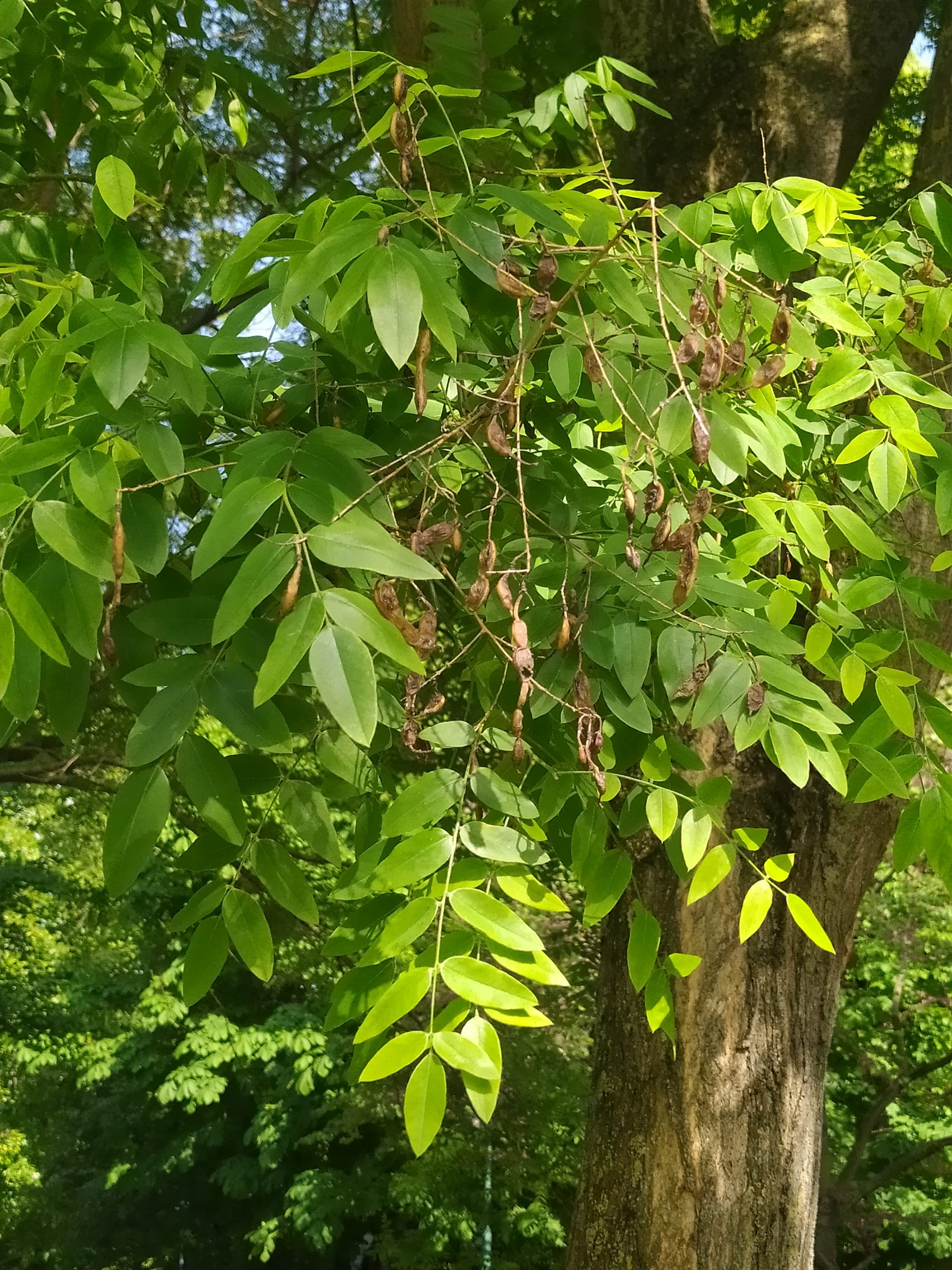
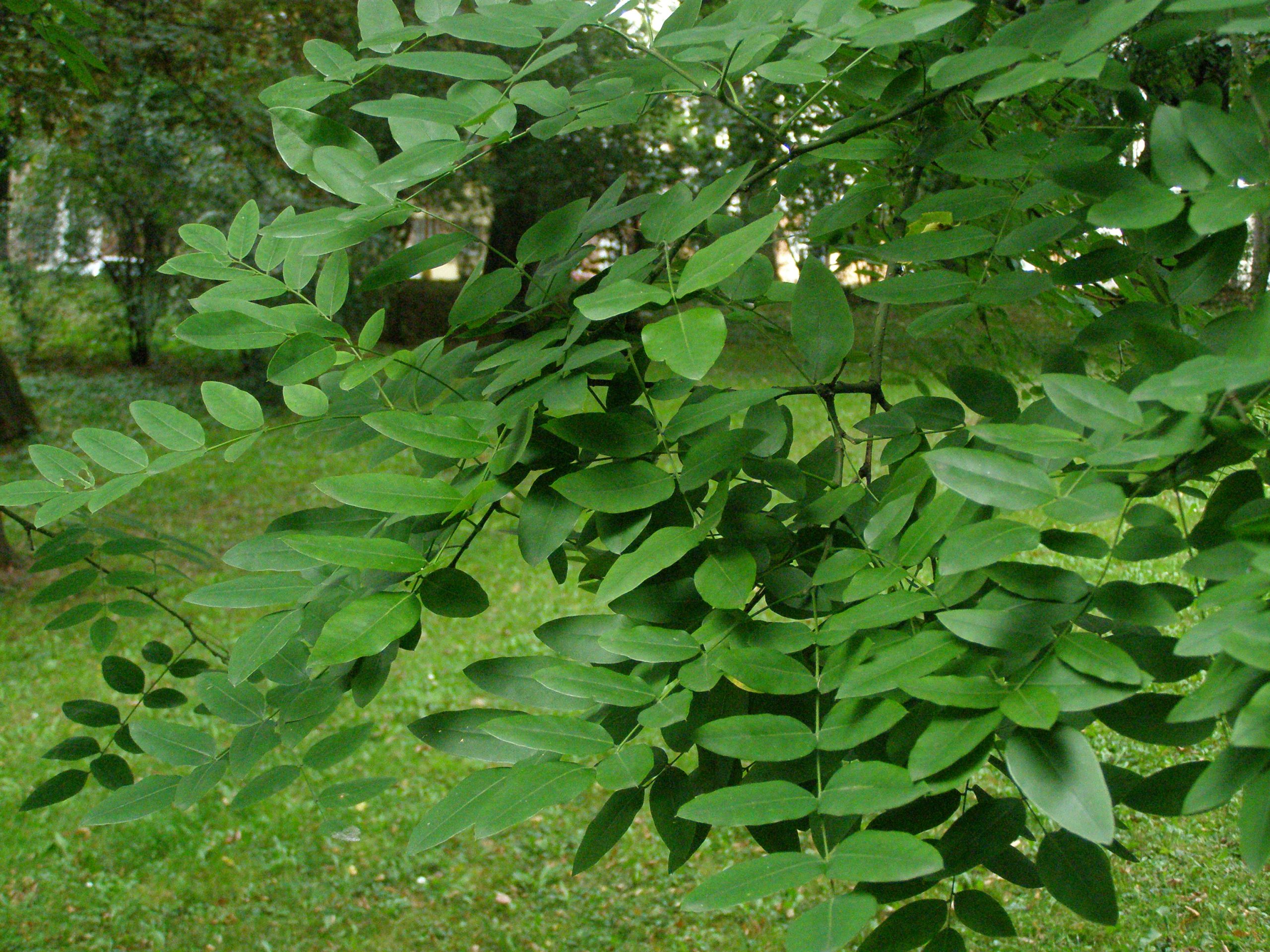
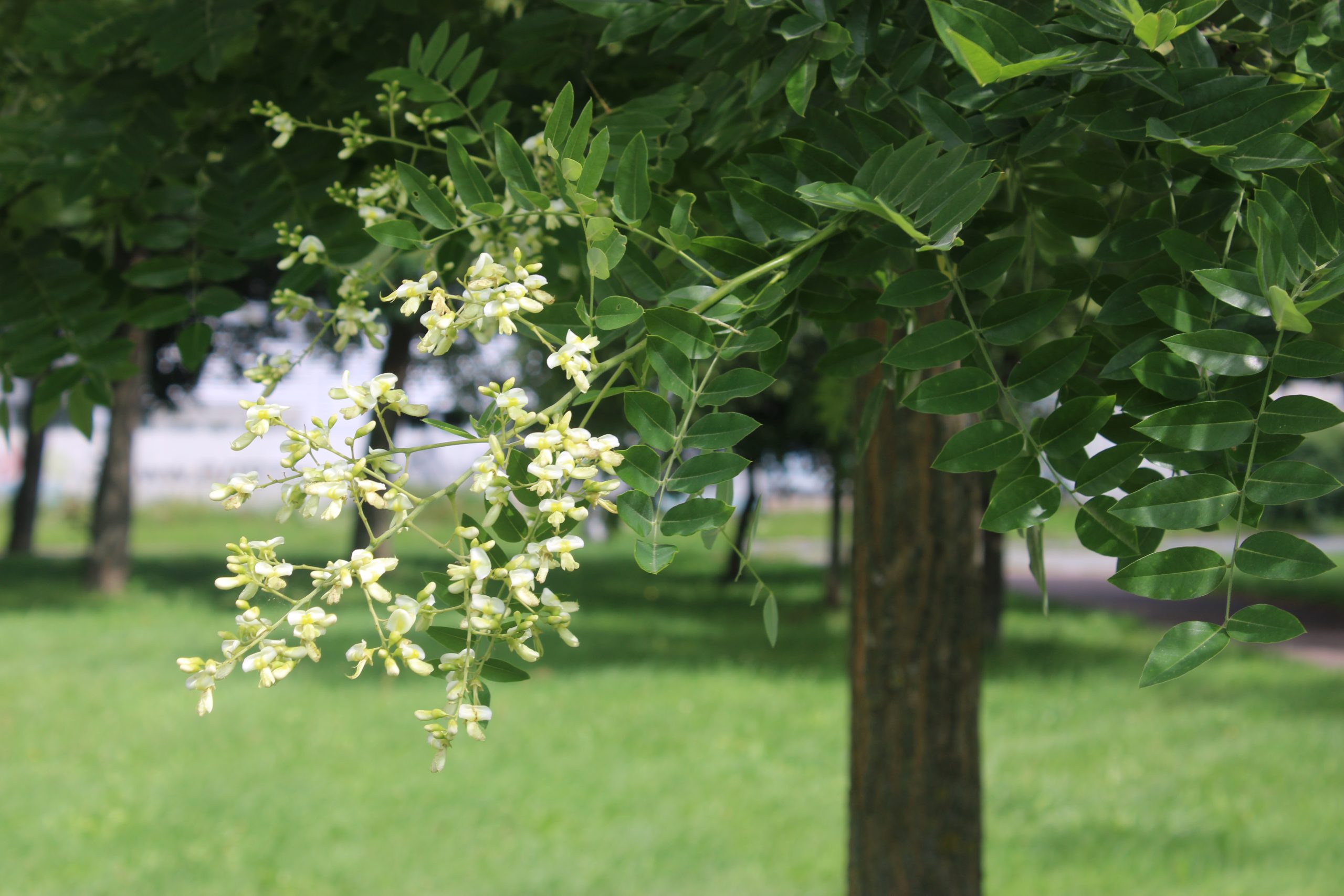
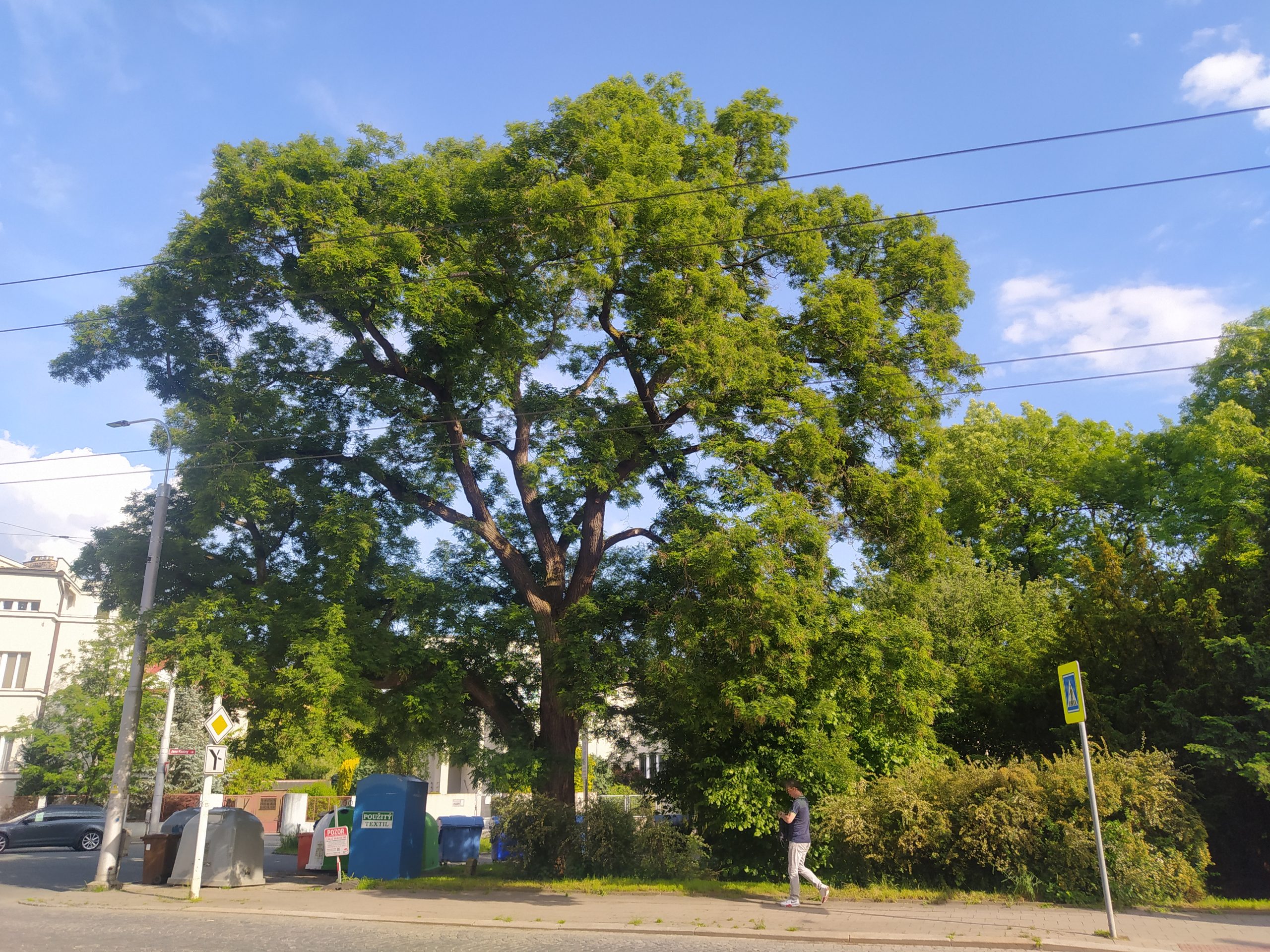
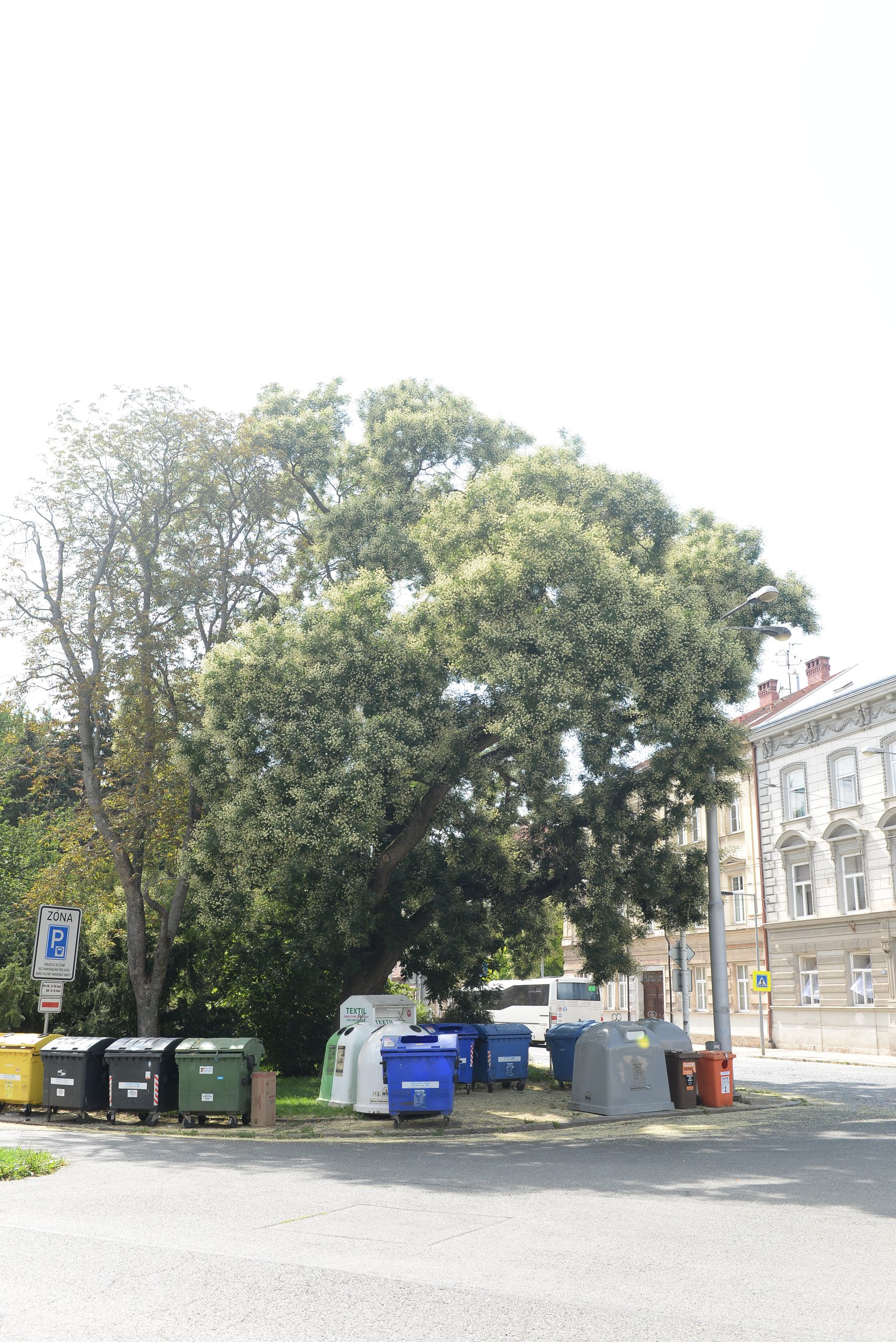
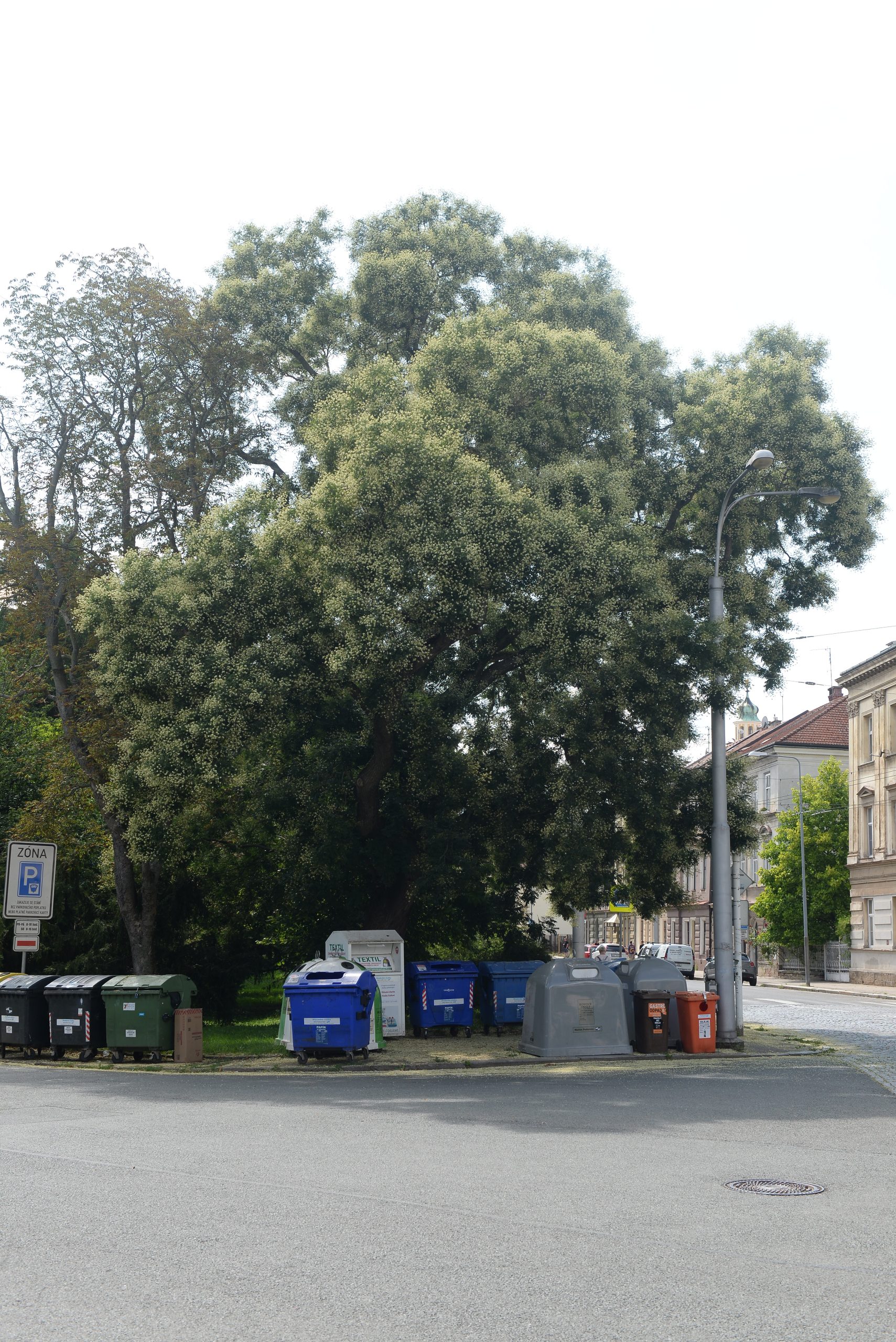
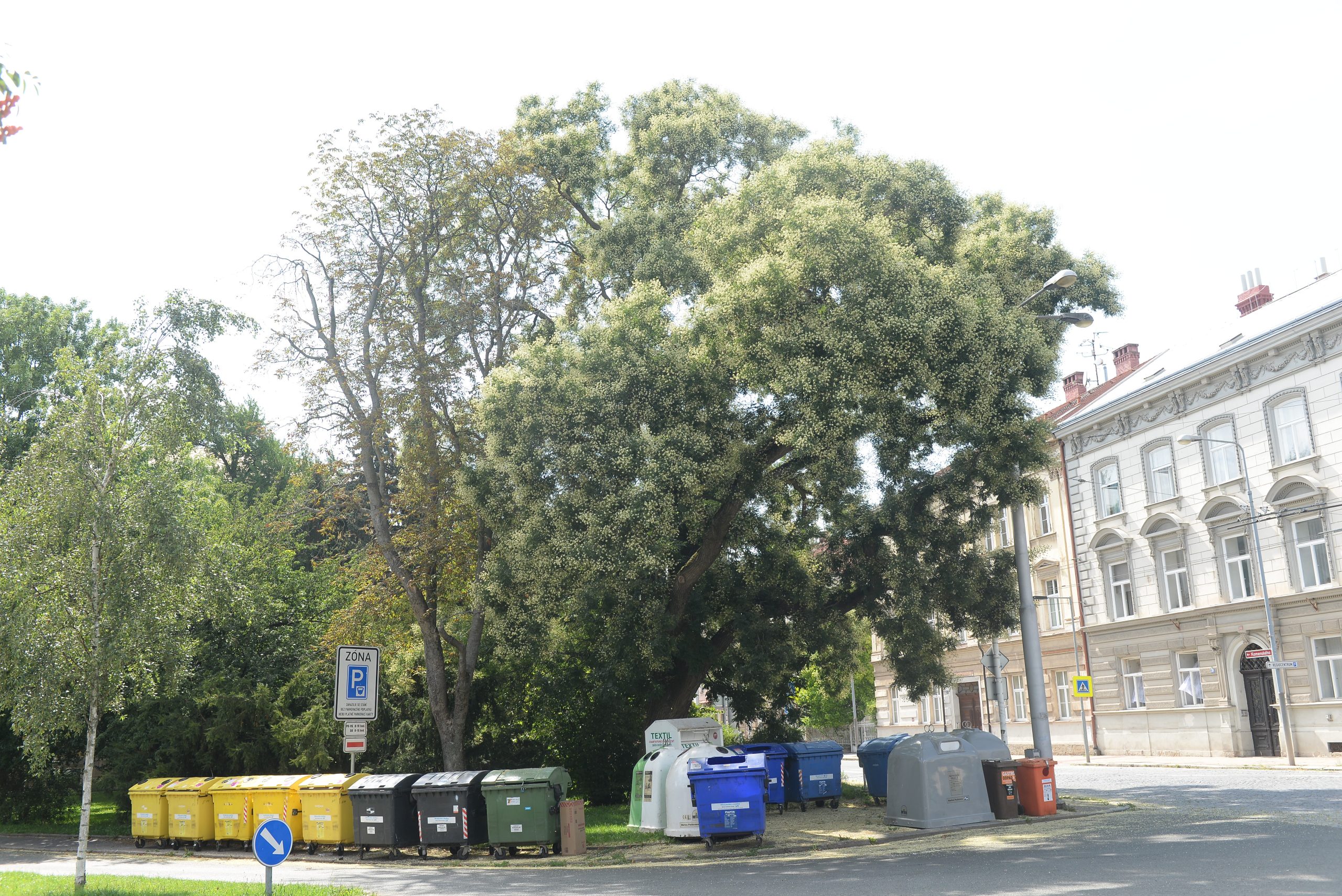
Habitus: A tree growing normally to the height of 15 metres (exceptionally up to 25 metres) has a brown-grey and smooth bark when young, and a furrowed bark in old age bark. The crown is broadly spherical.
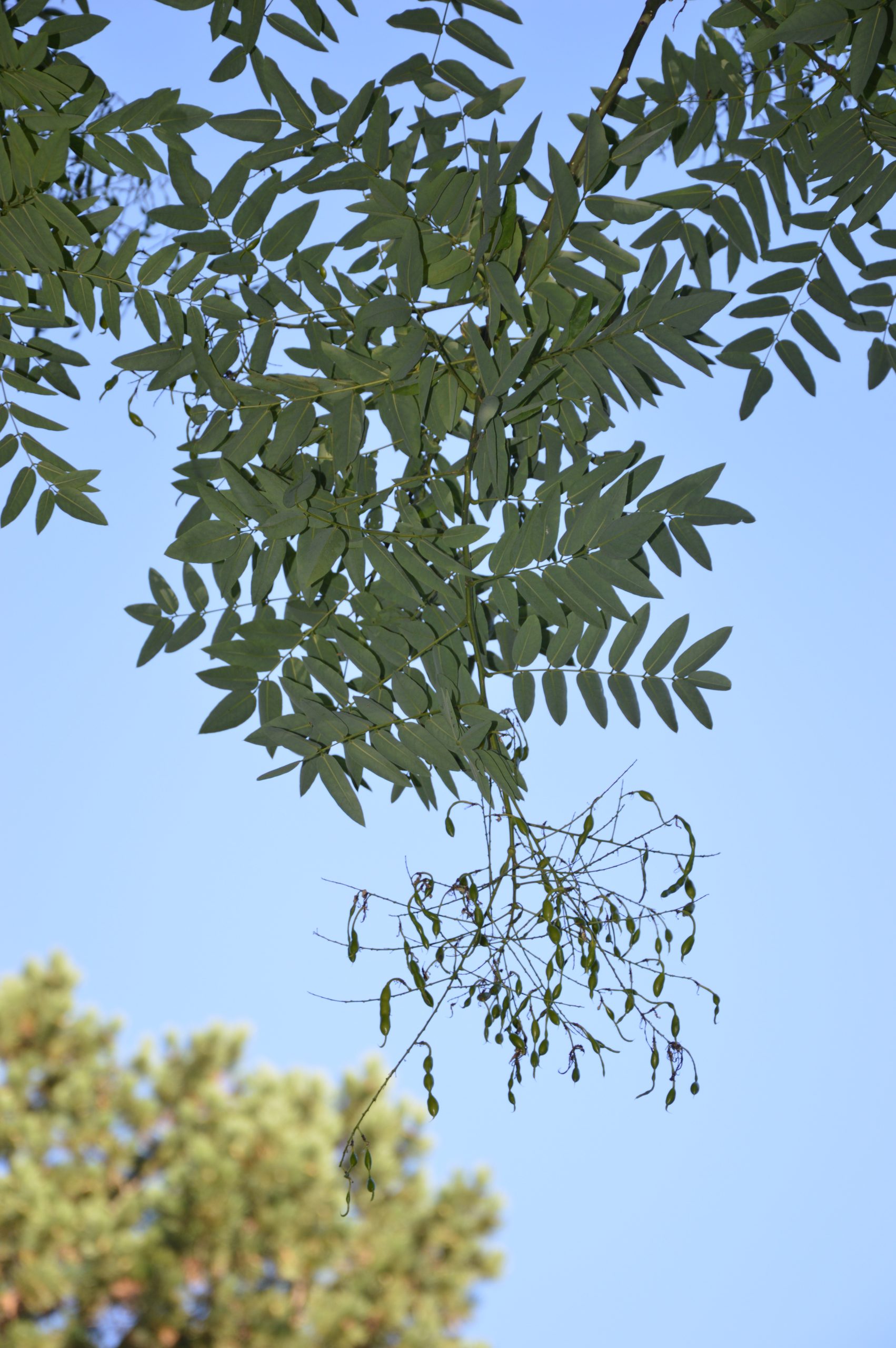
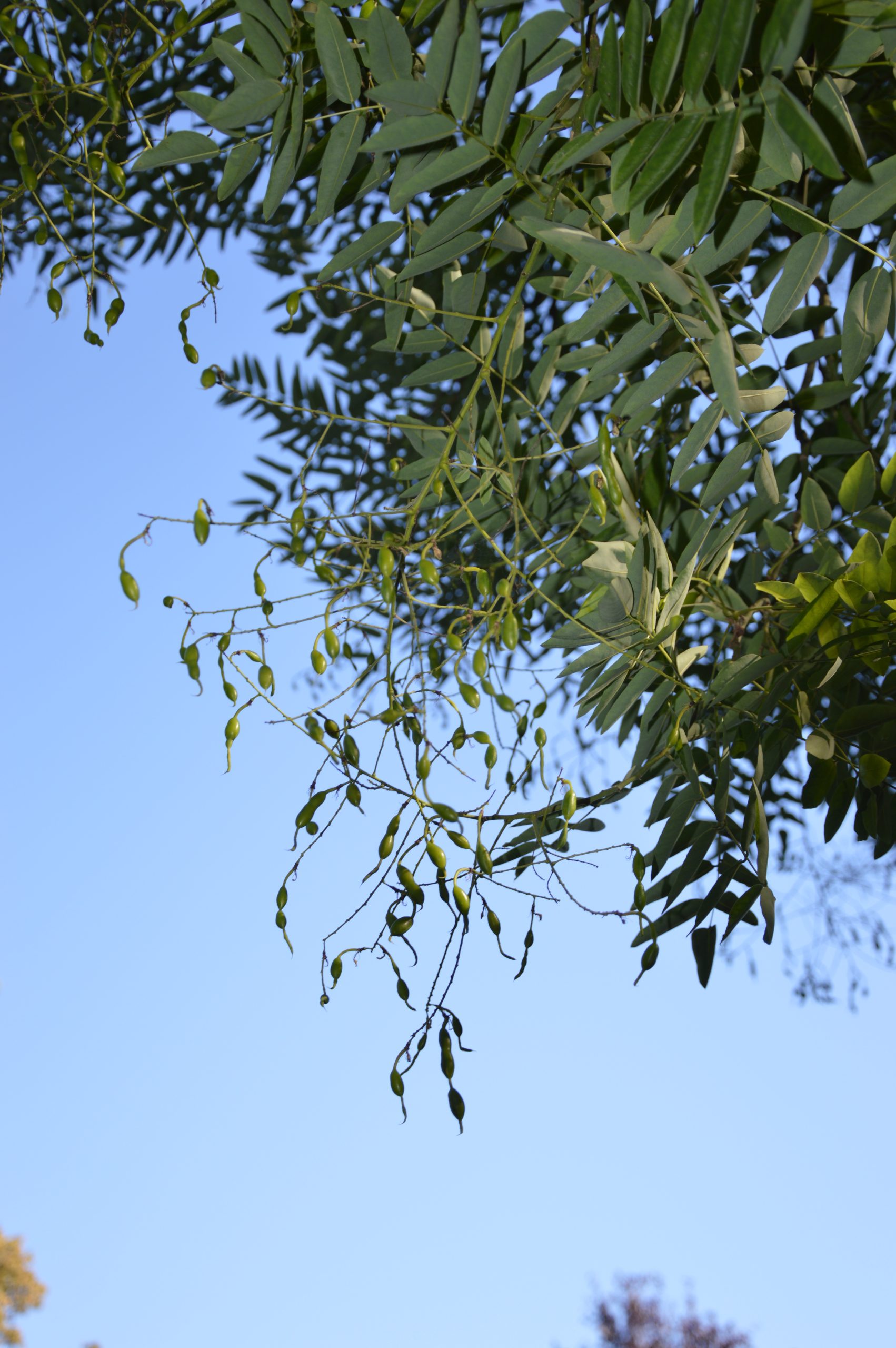
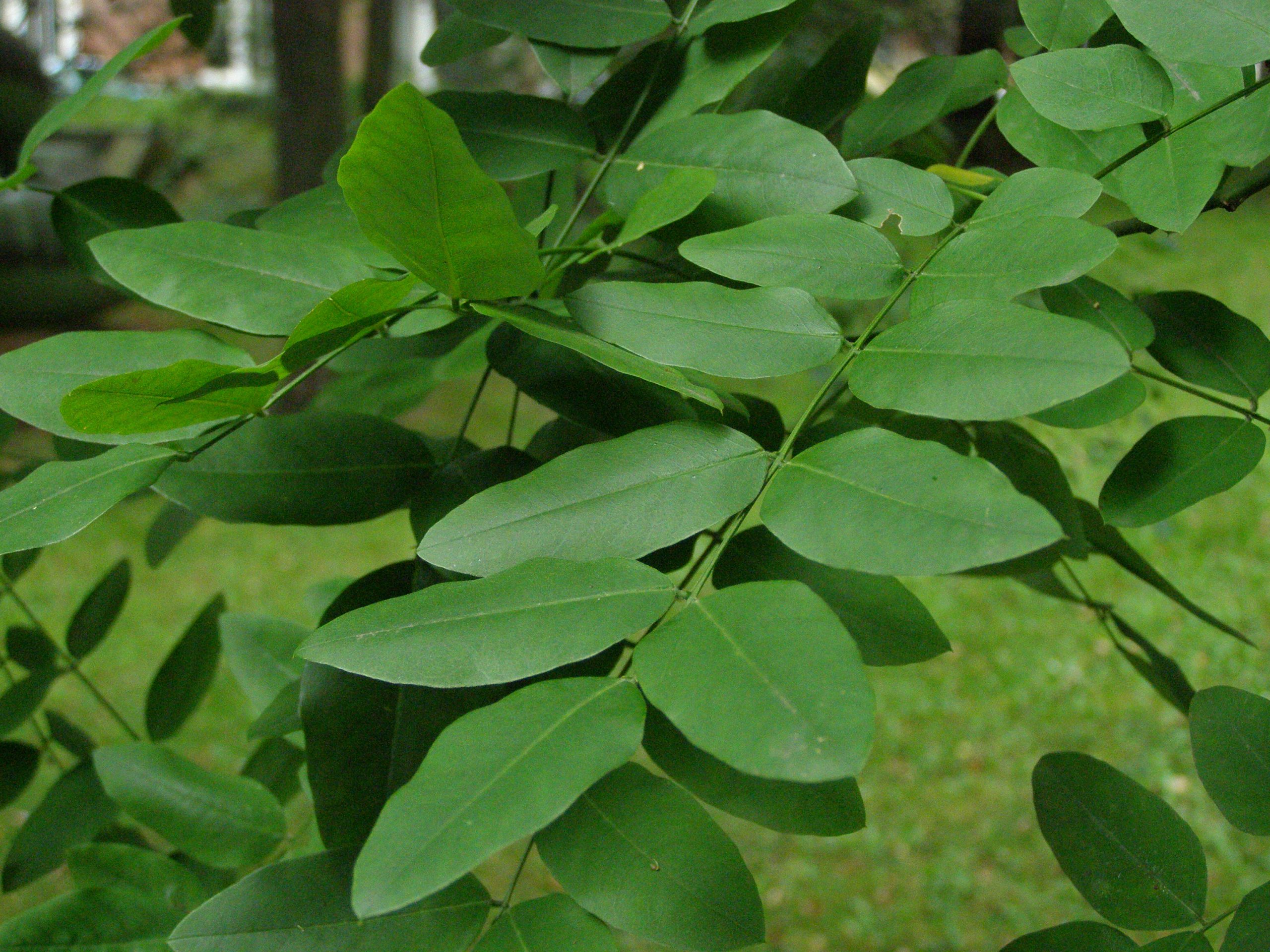
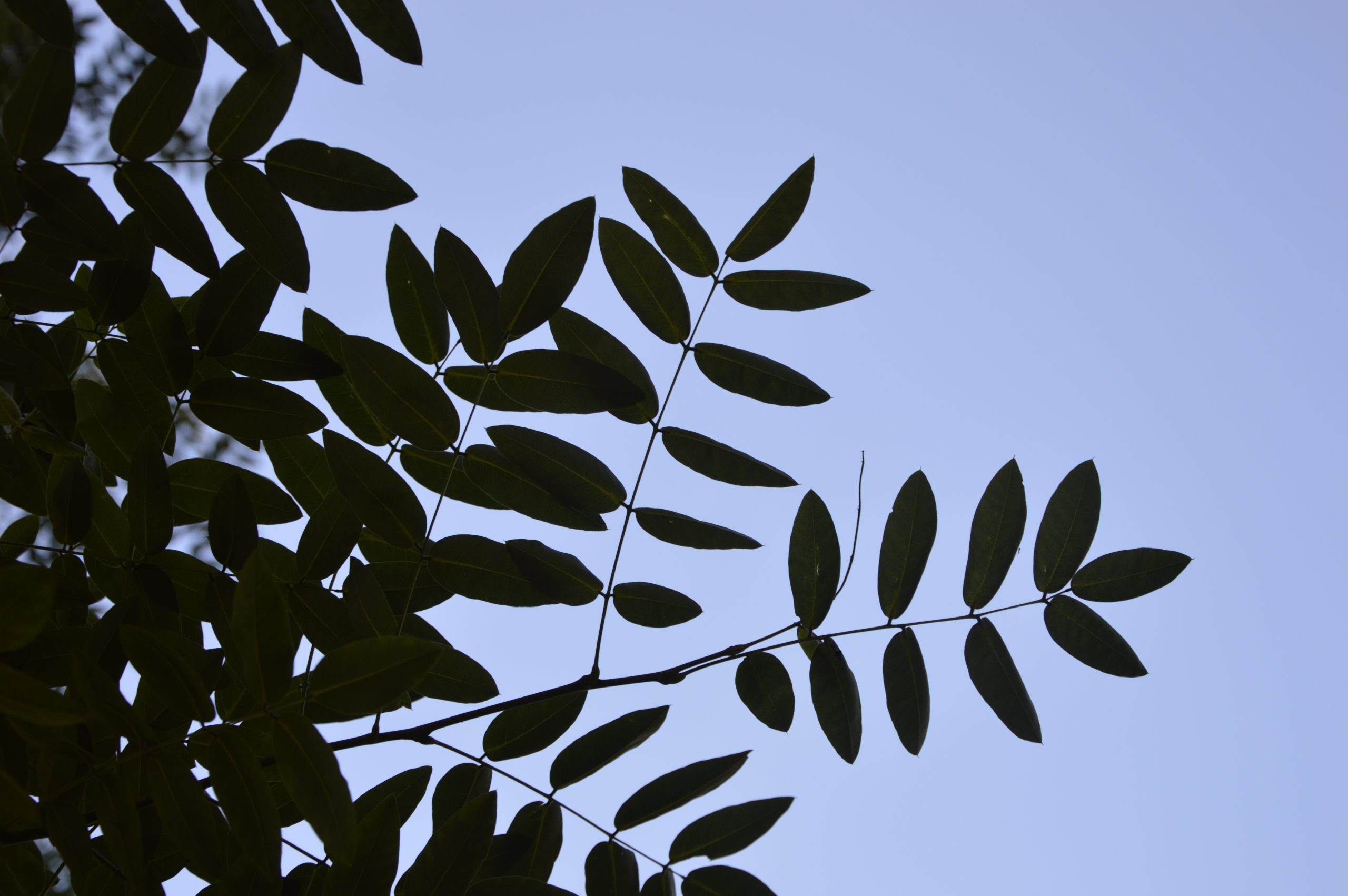
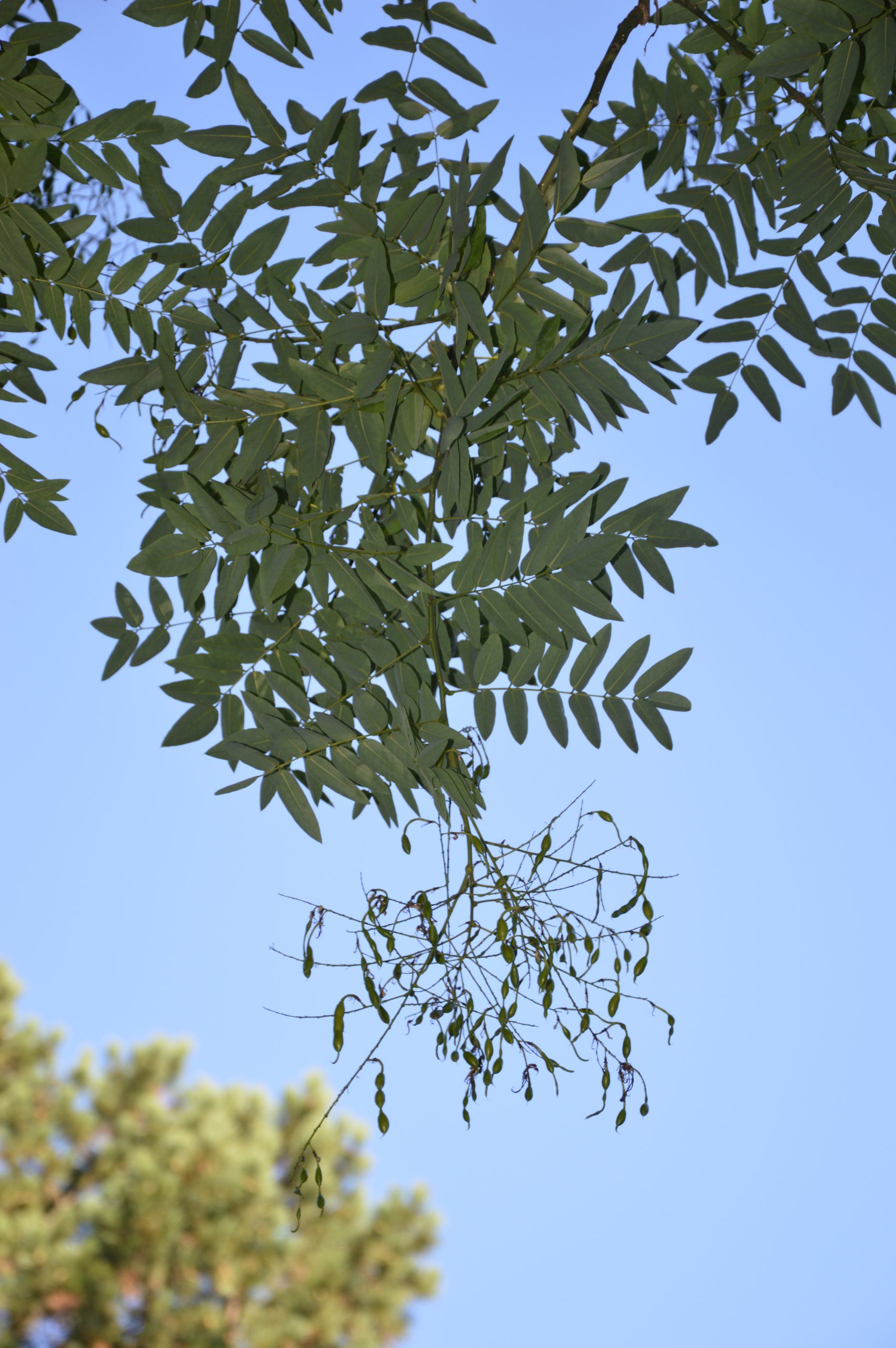
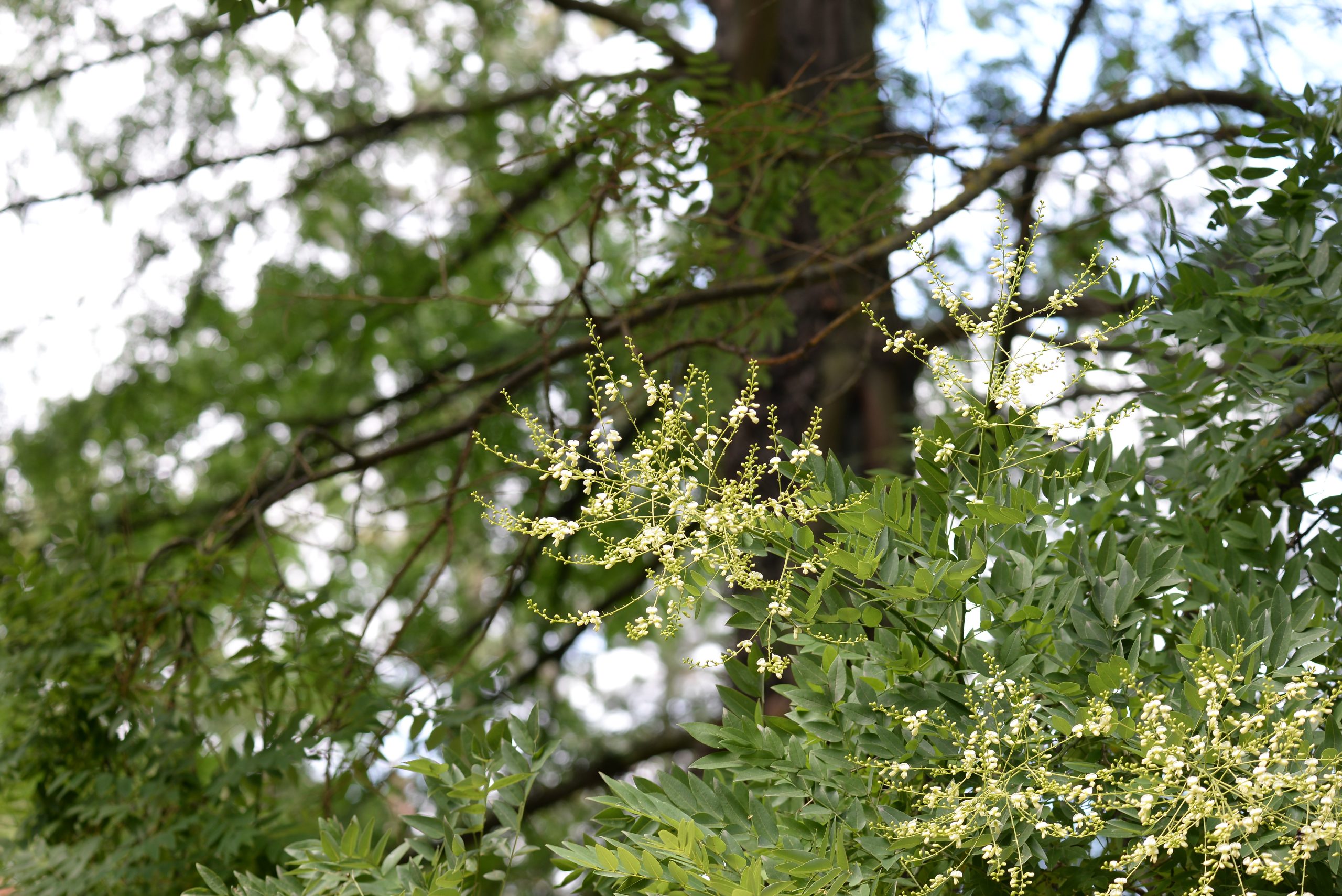
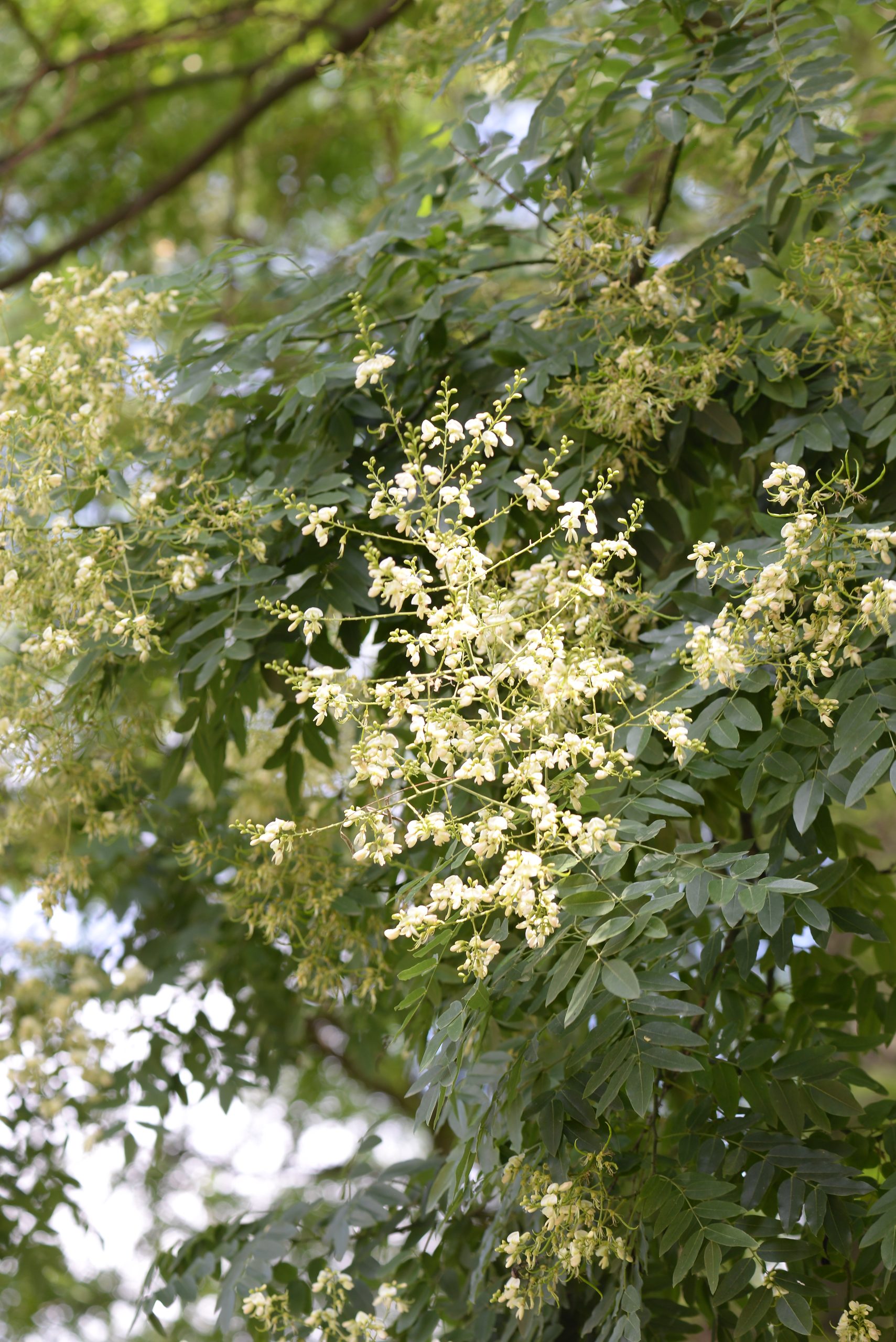
Leaf: Odd-pinnate leaves up to 25 centimetres long grow alternately. They consist of 7–17 leaflets with an elliptical or ovate blade. The upper side is dark green, the lower side is light green.
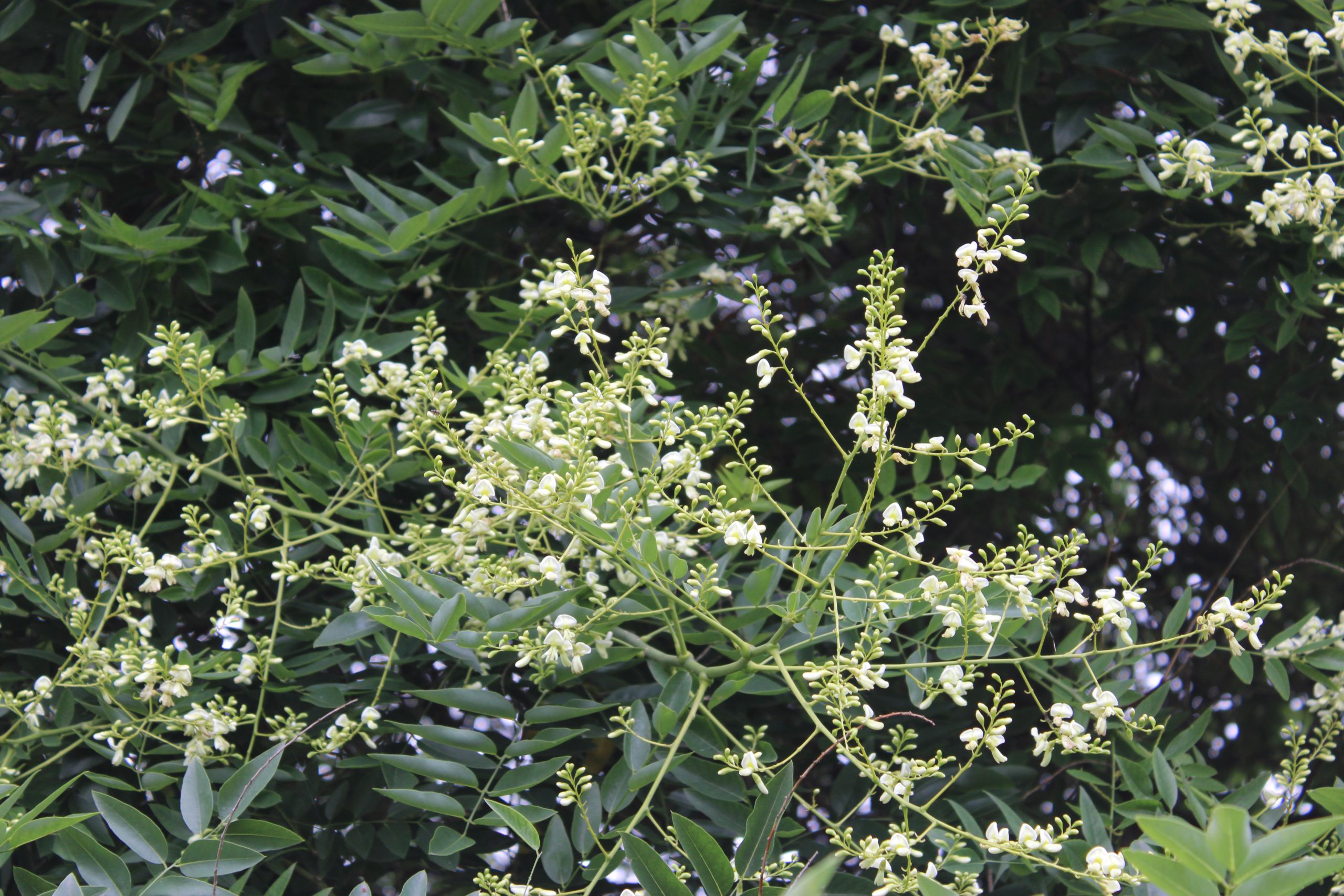
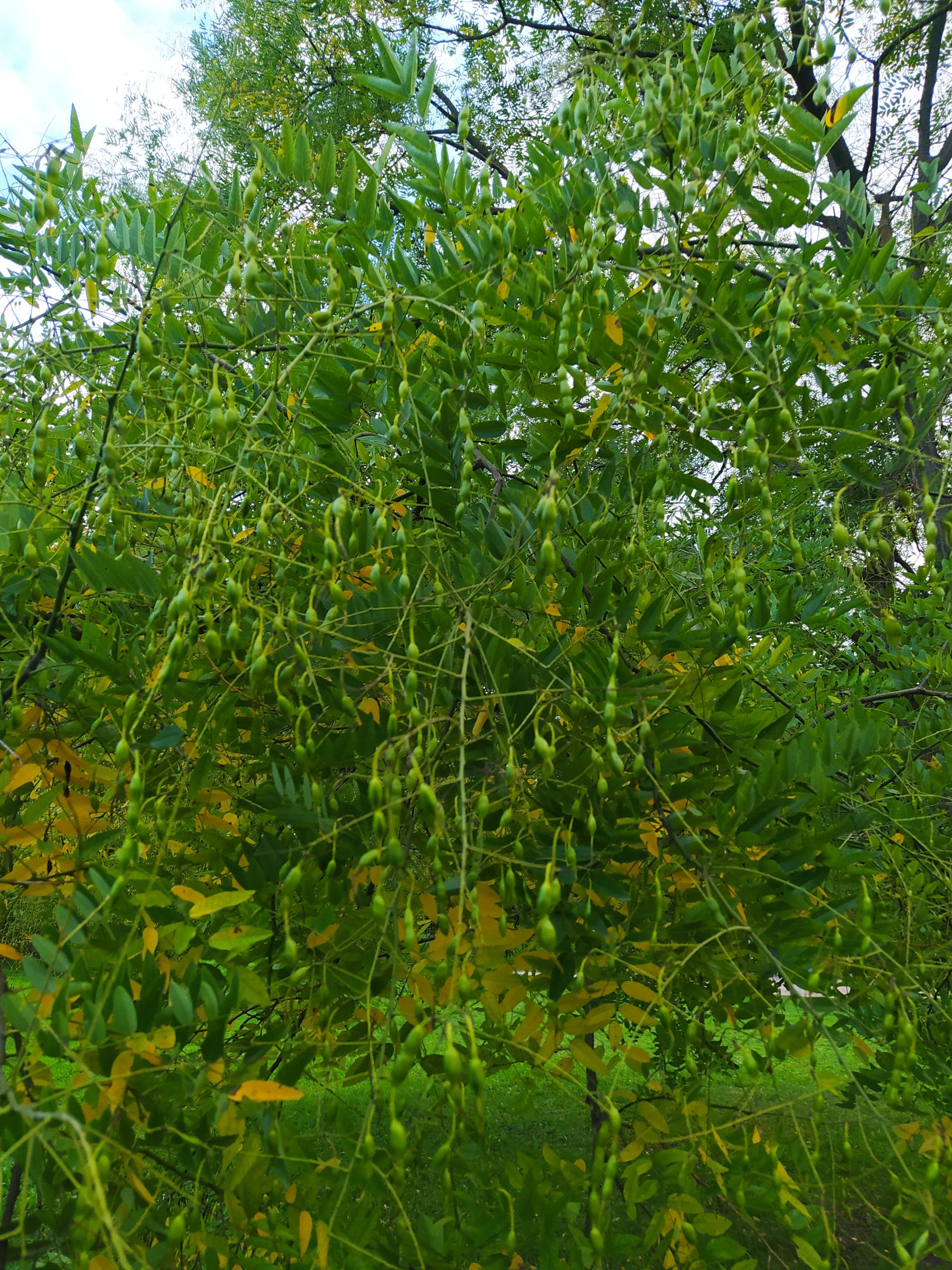
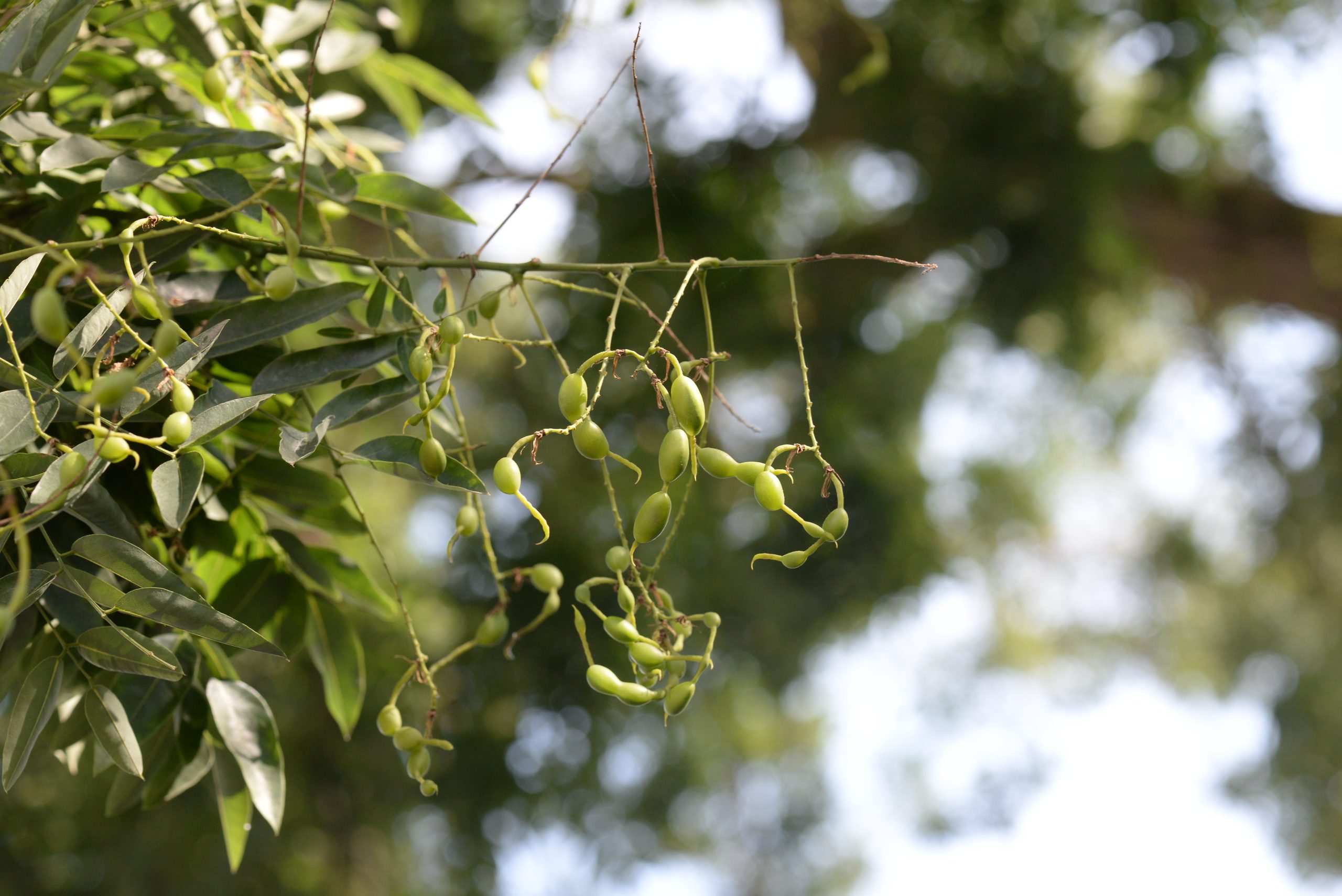
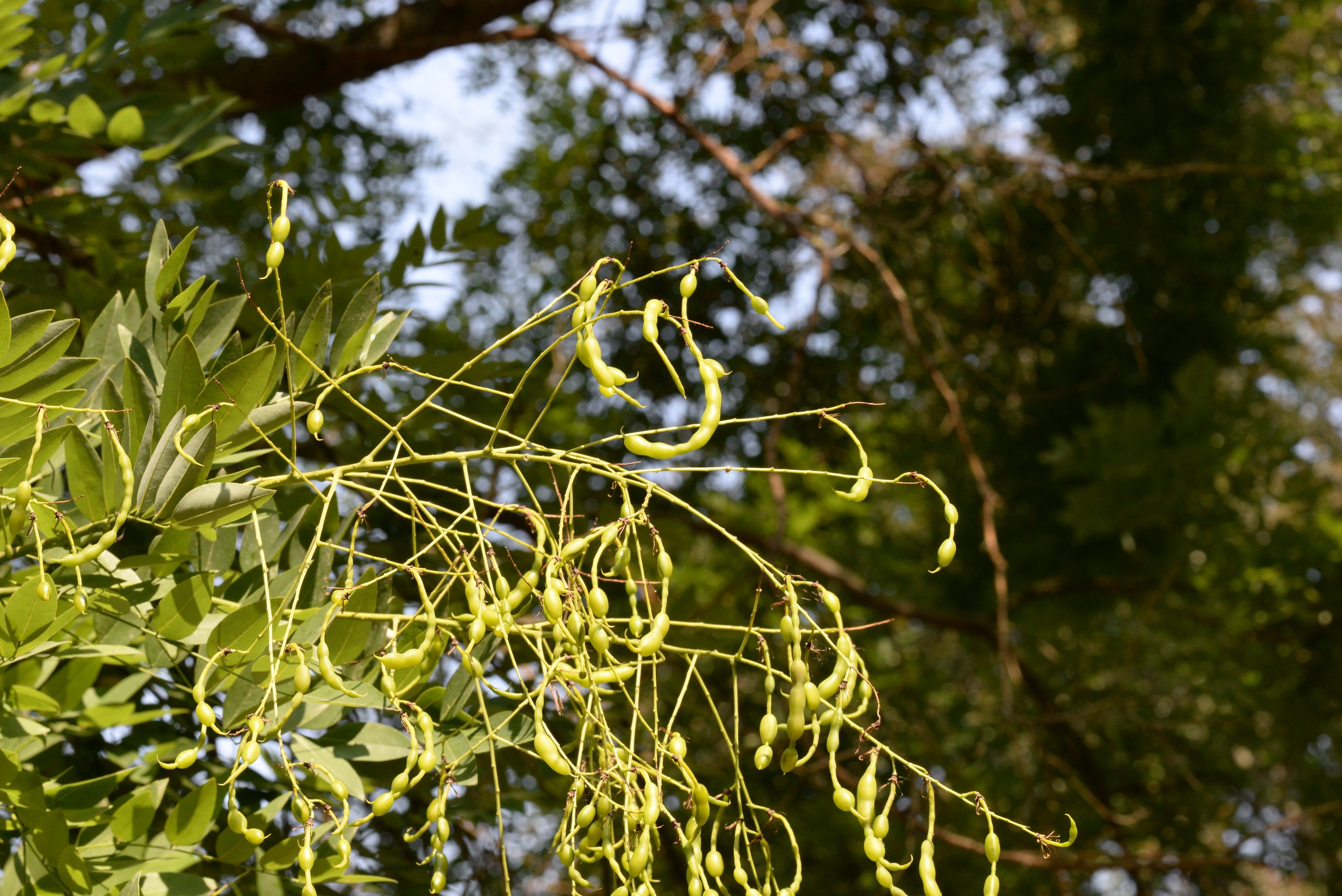
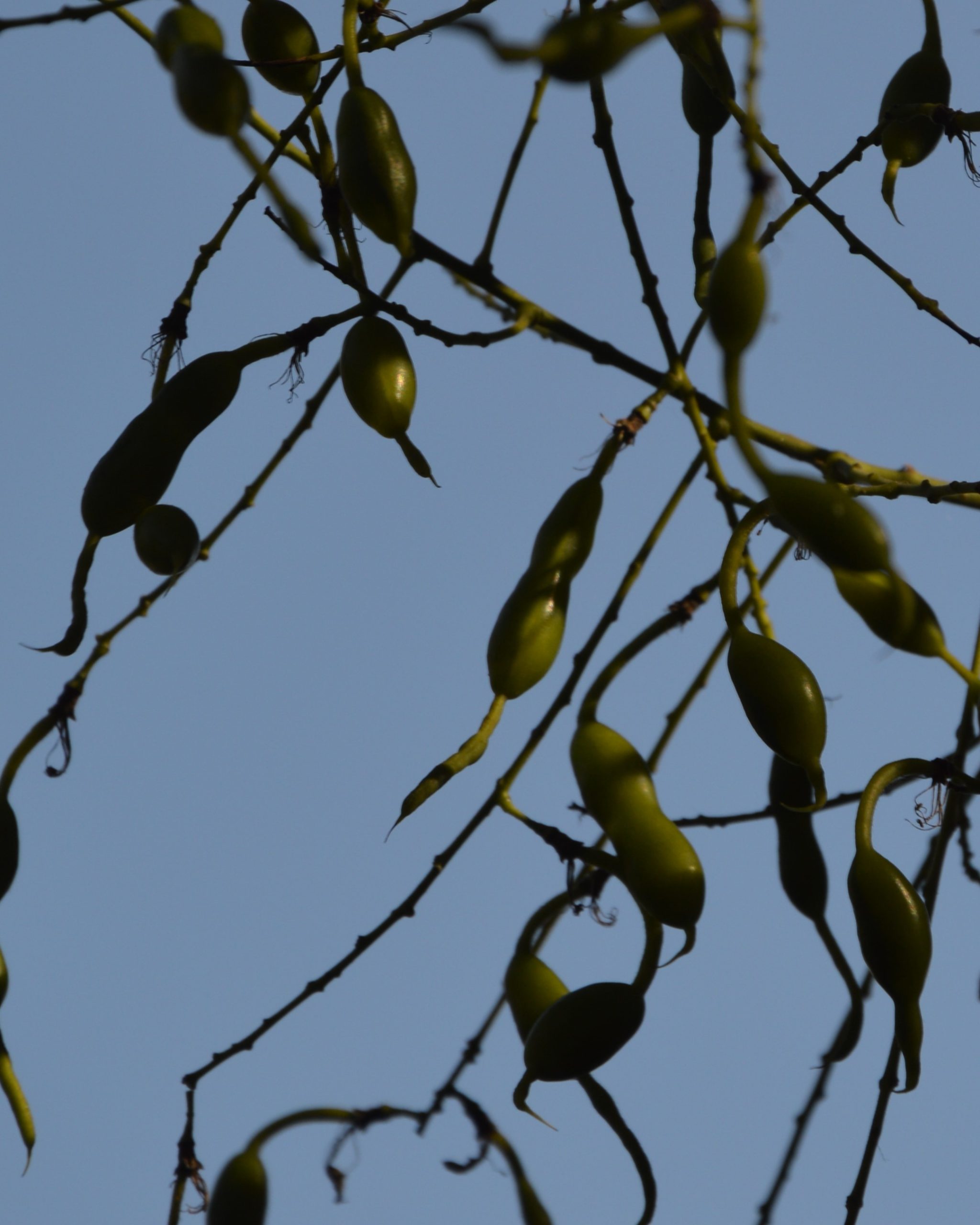
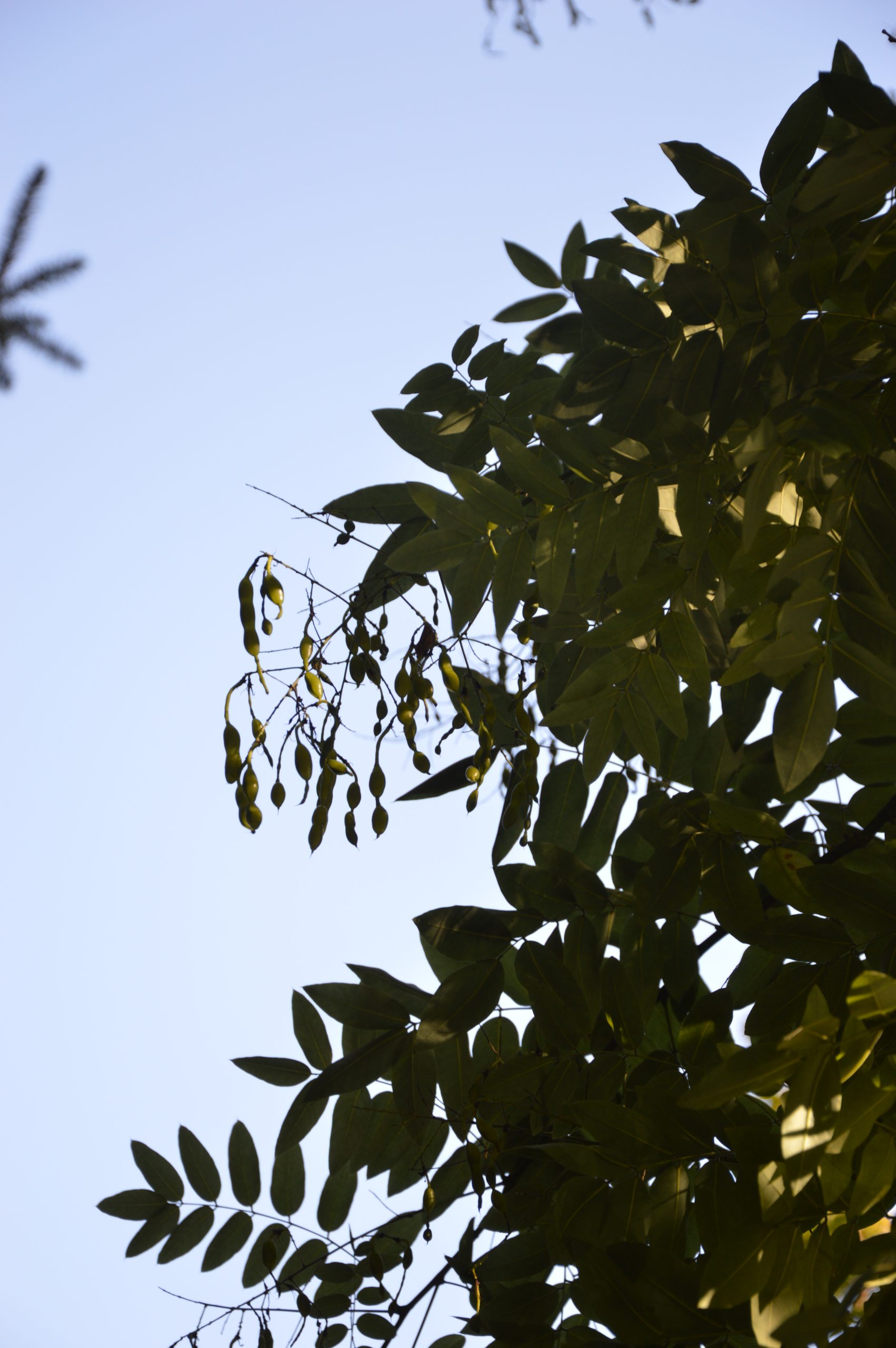
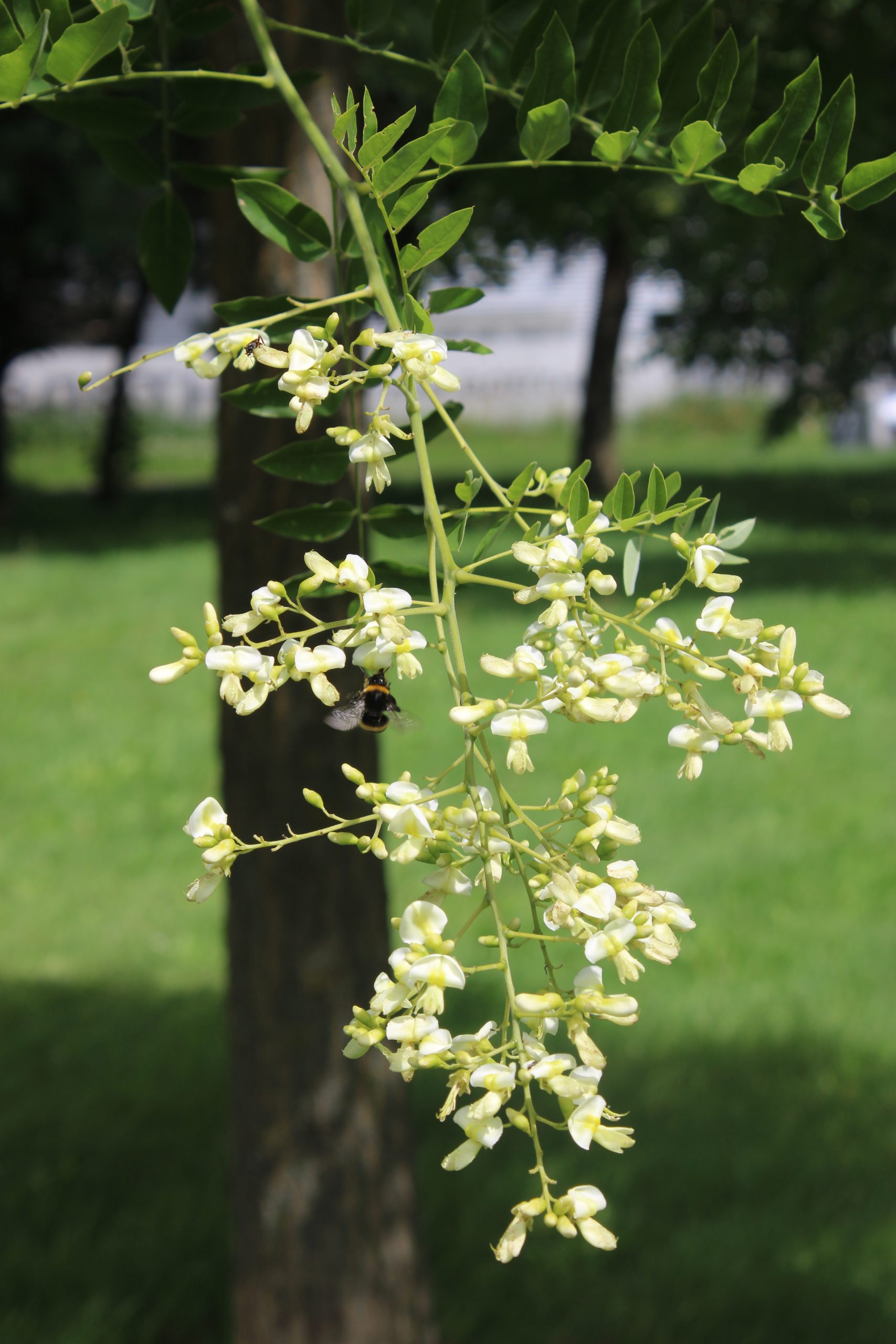
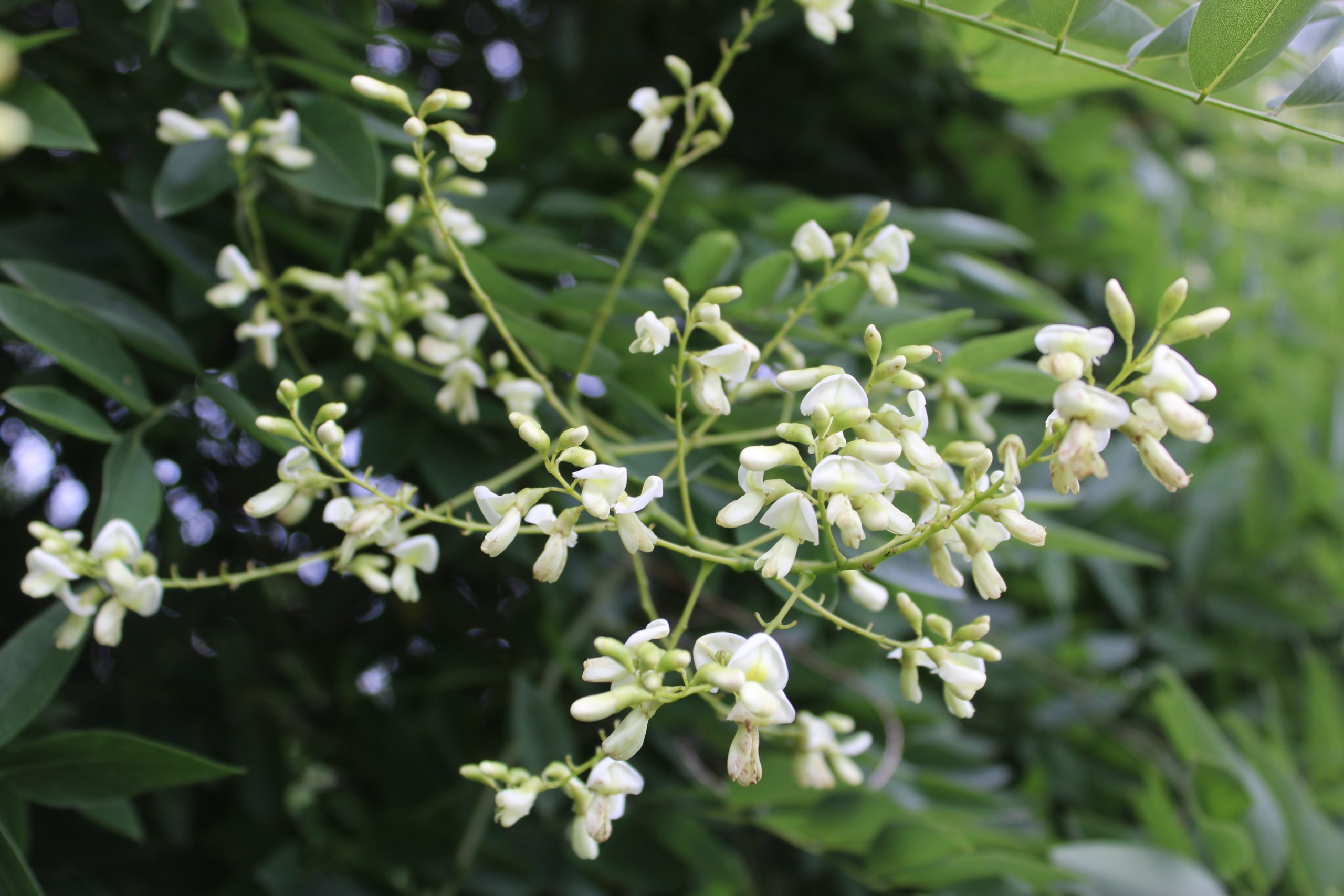
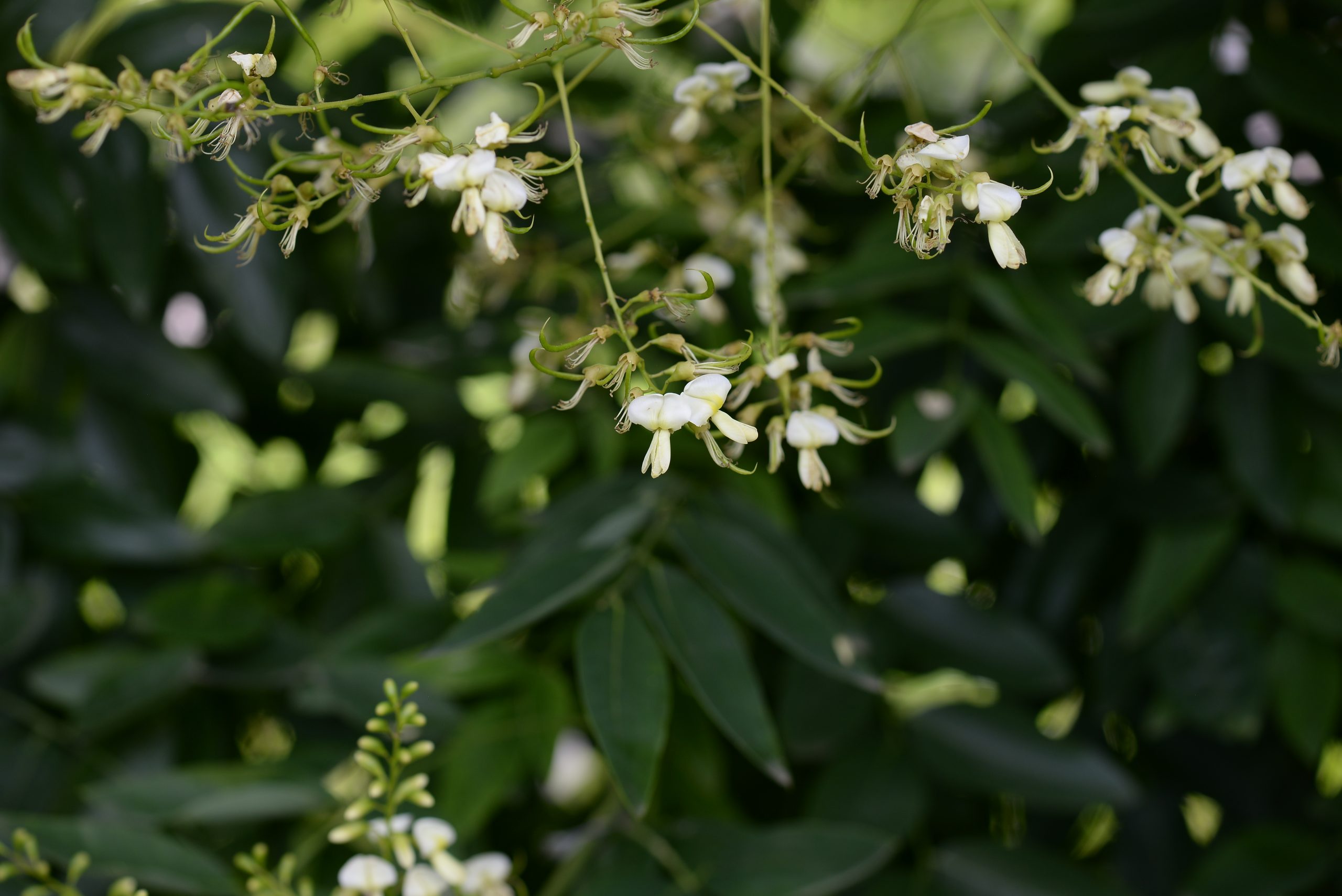
Bloom, fruit: It blooms from July to August with bisexual, white, butterfly-shaped, faintly fragrant blossoms which are arranged in a panicle. The fruit is a stalked, cylindrical, up to 7 centimetres long pod which is constricted between the individual seeds. It contains dark brown seeds (1–5 in number).
Interesting fact: It is very resistant to polluted air and soil salinity, which is why it is often planted in alleys in cities. It is a honey plant. It contains the poisonous alkaloid cytisine, which is used as an active ingredient in drugs that support smoking cessation. It also contains rutin, which increases the elasticity and strength of blood vessel walls. In Chinese medicine, young leaves are used to make tea and, after being boiled several times, are consumed like spinach.