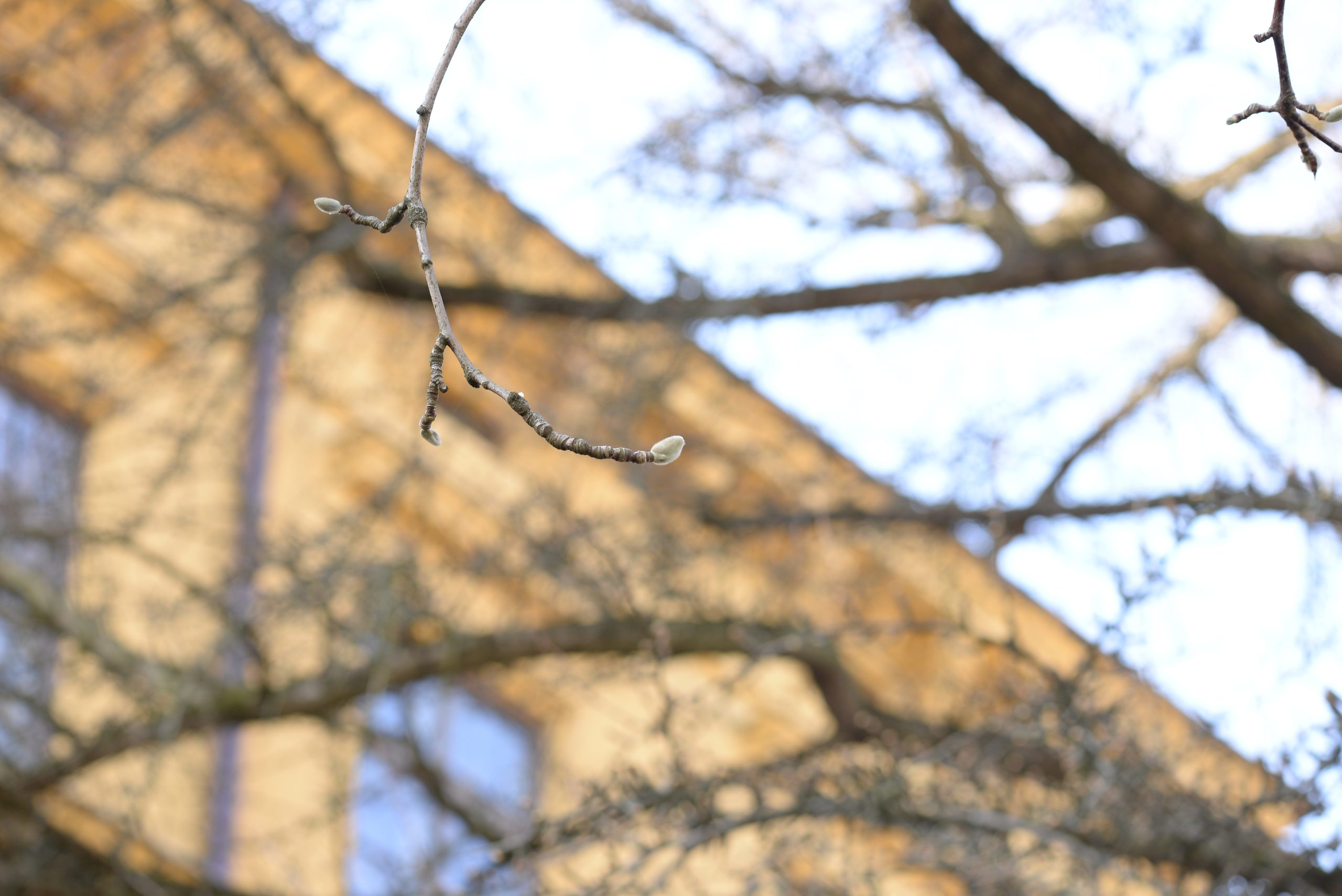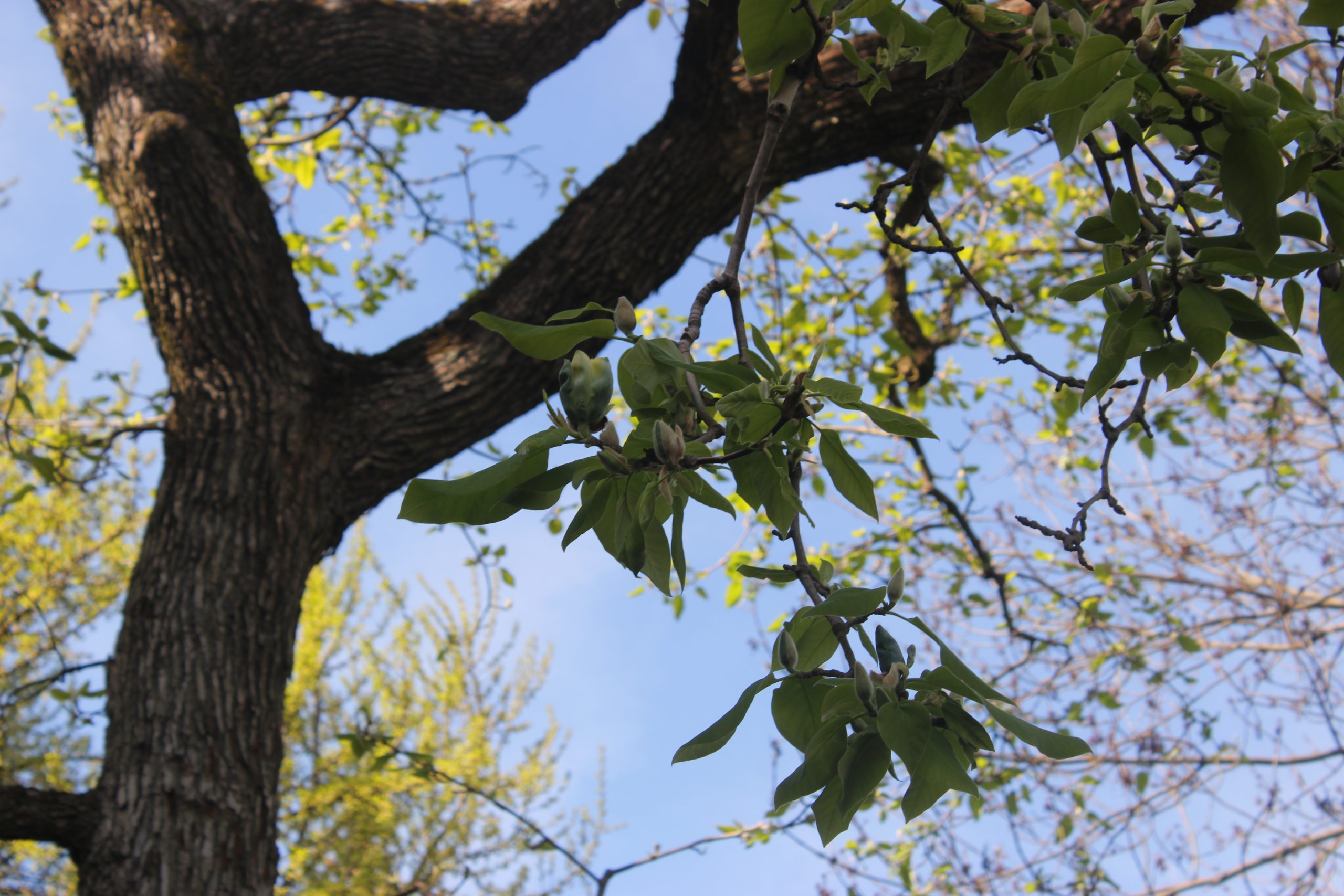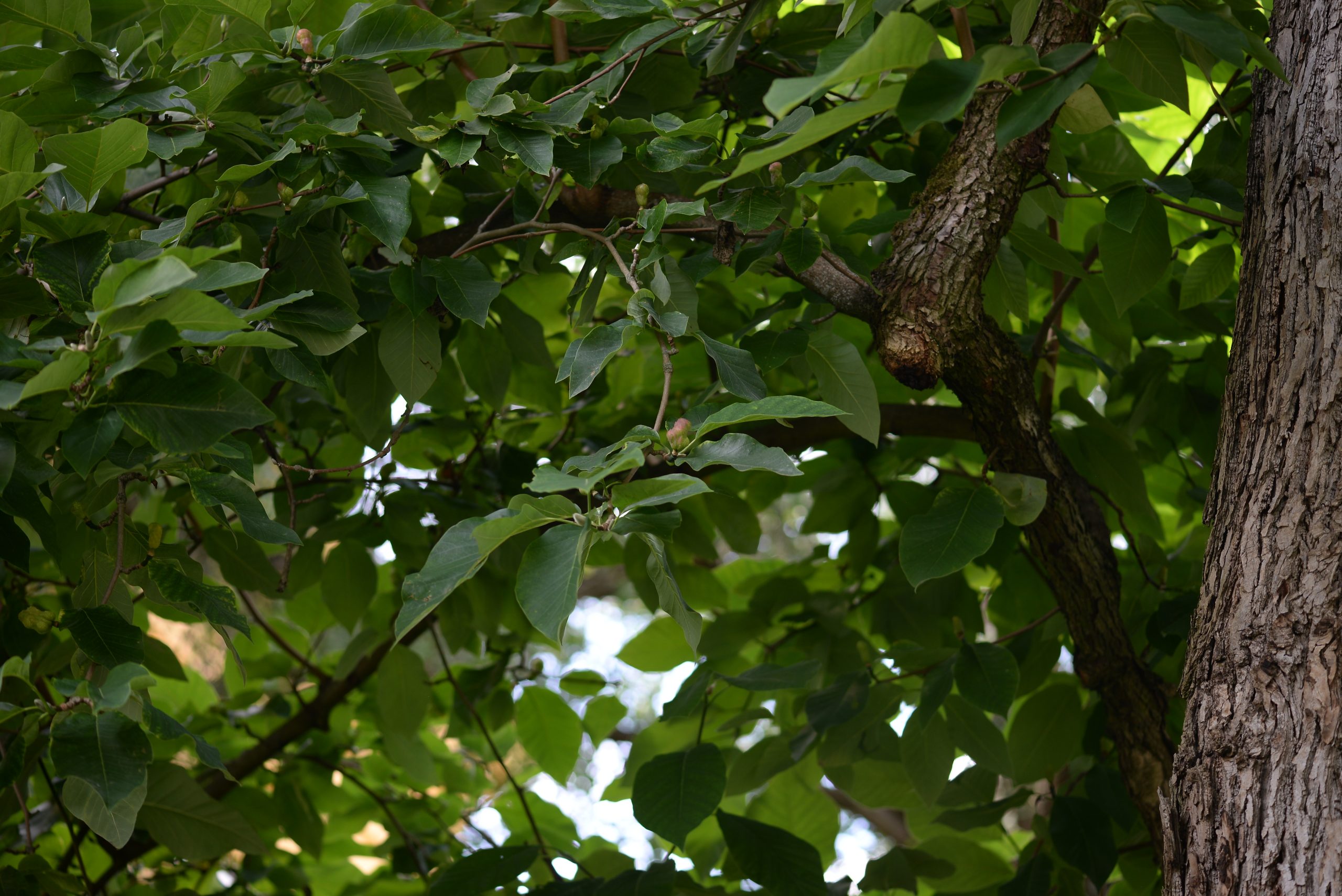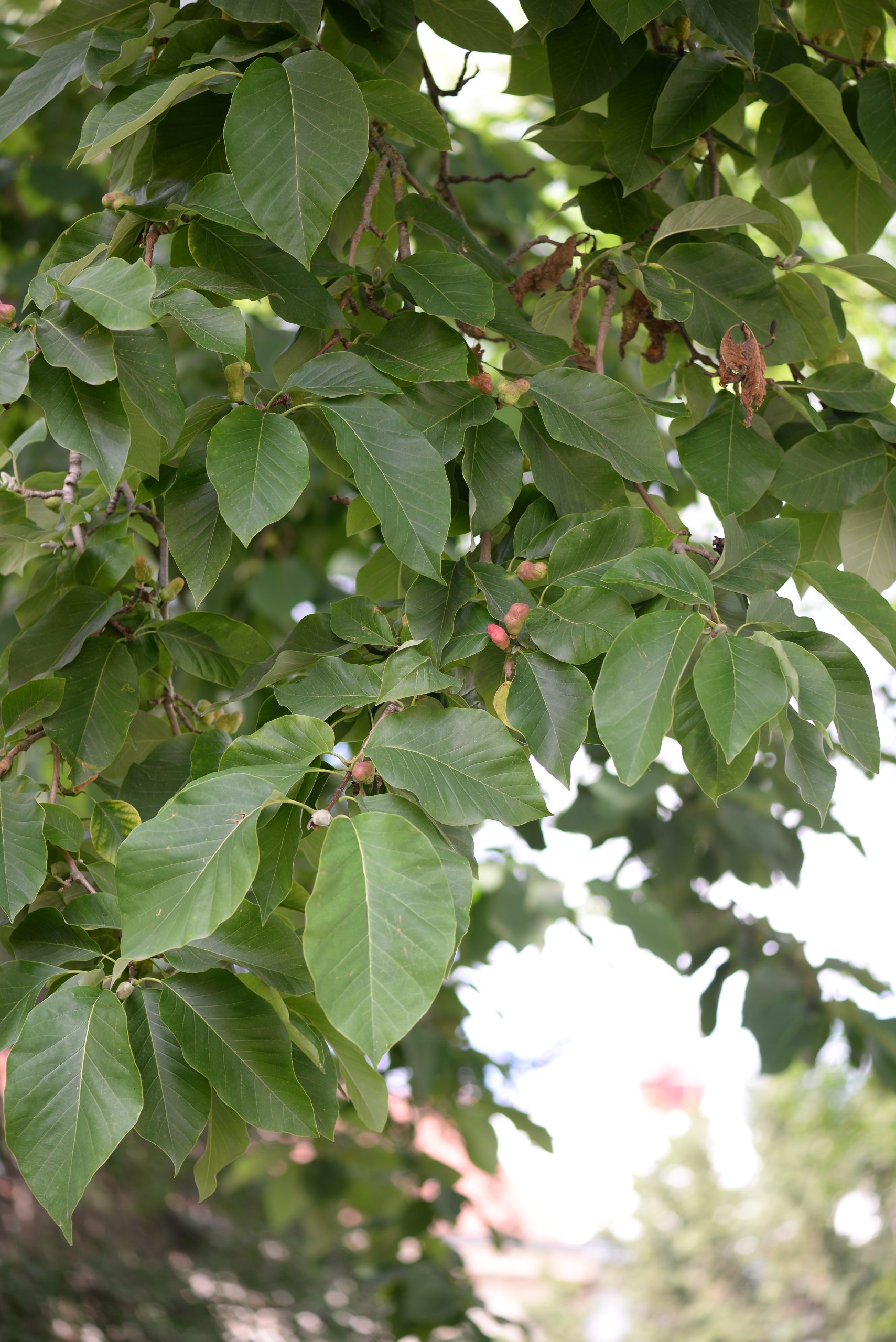

Magnoliaceae family, Magnoliaceae
Origin: the north-east of the U.S.A. south-eastern Canada
Habitat in the original area: mixed forests
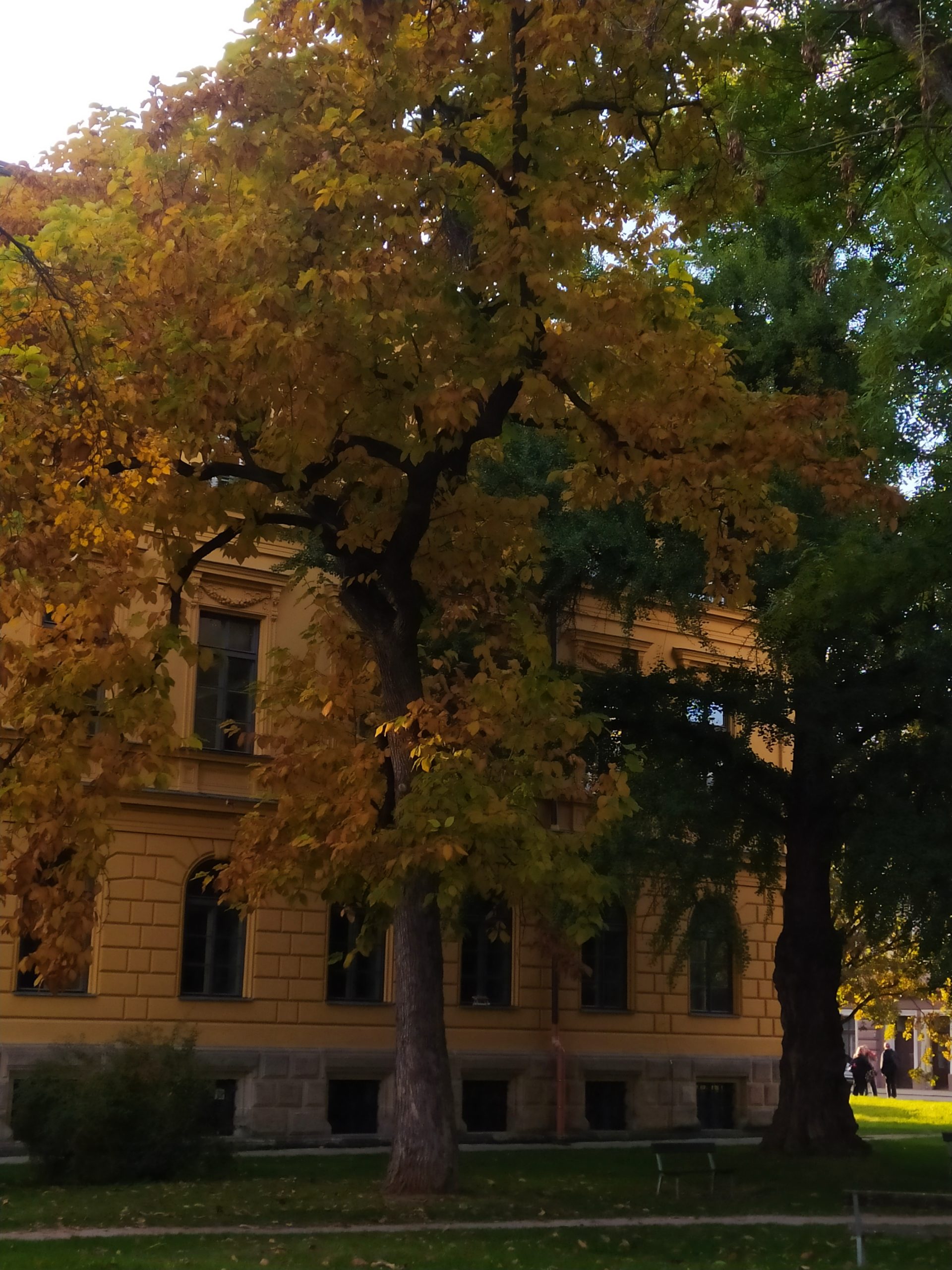
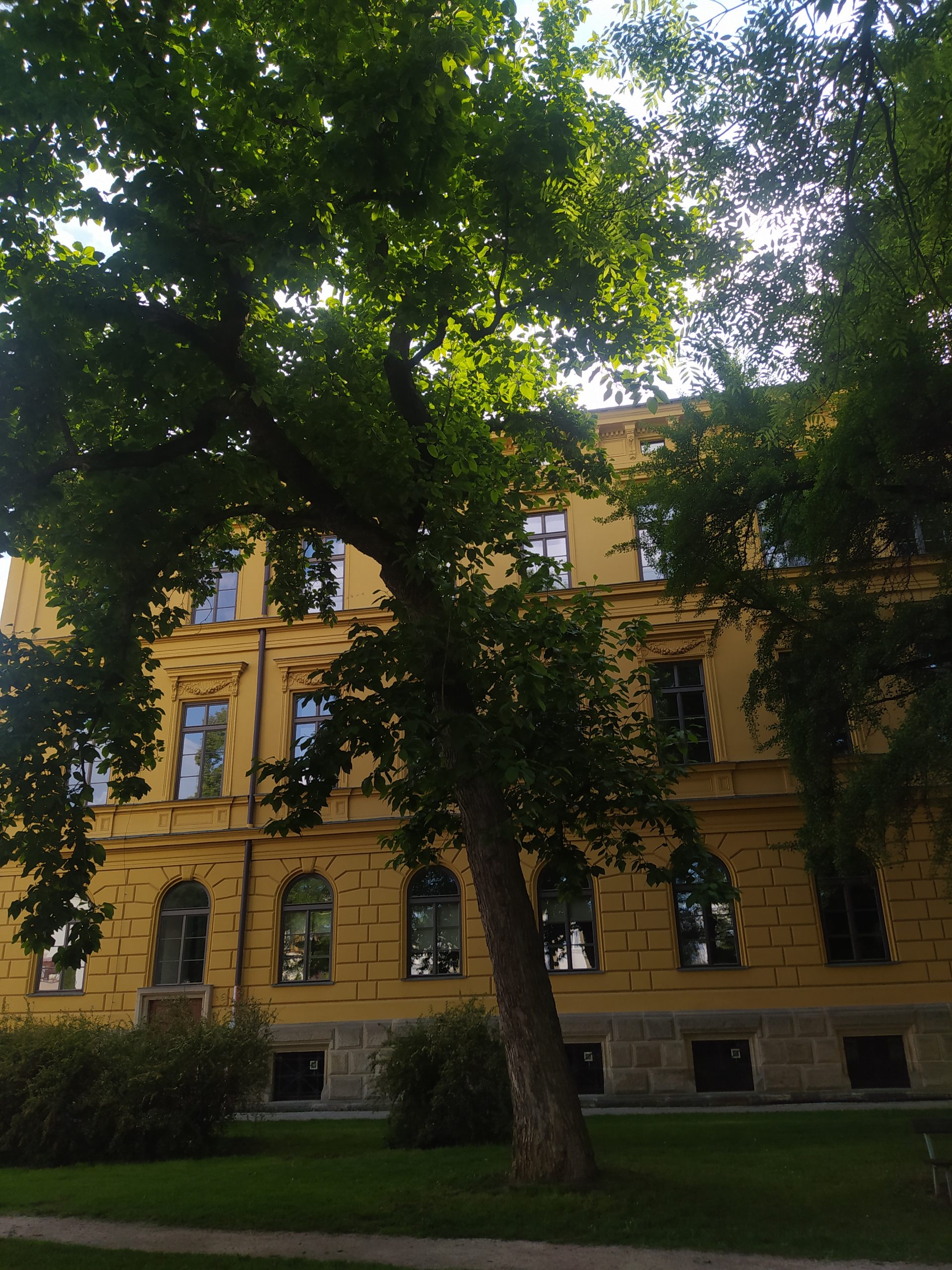
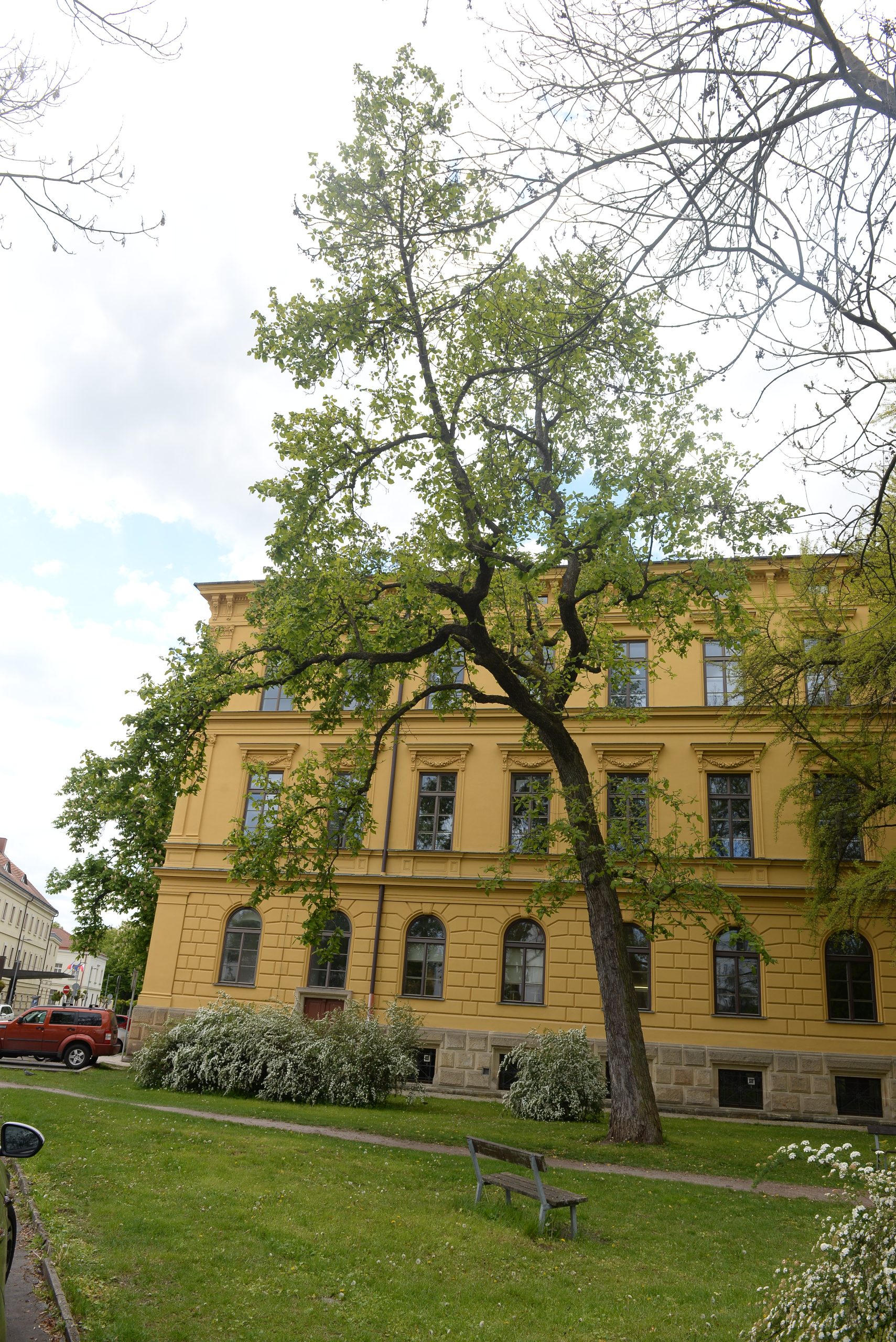
Habitus: A tree growing up to 20 metres, with a conical crown. The bark is brown-grey, furrowed in old age.
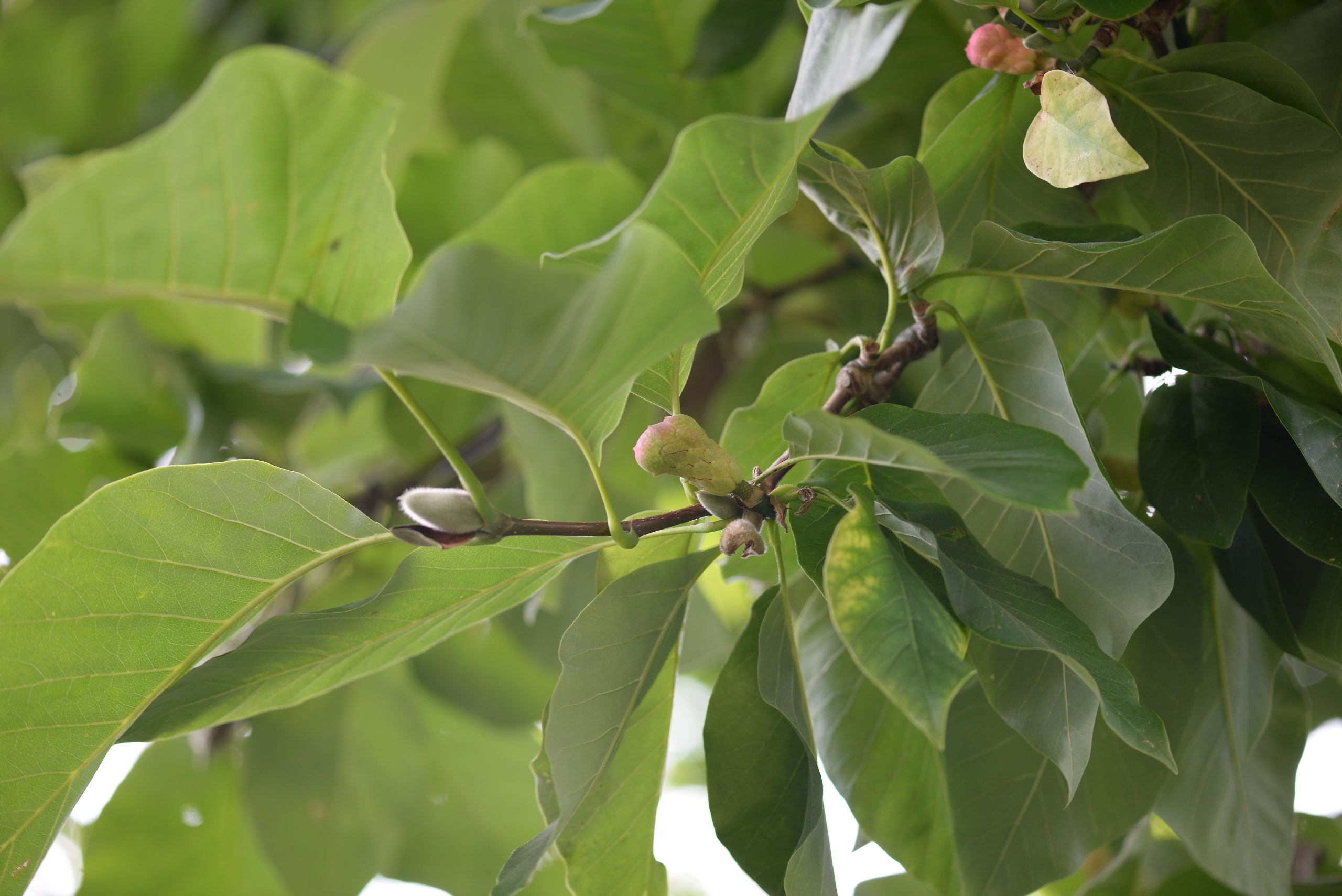
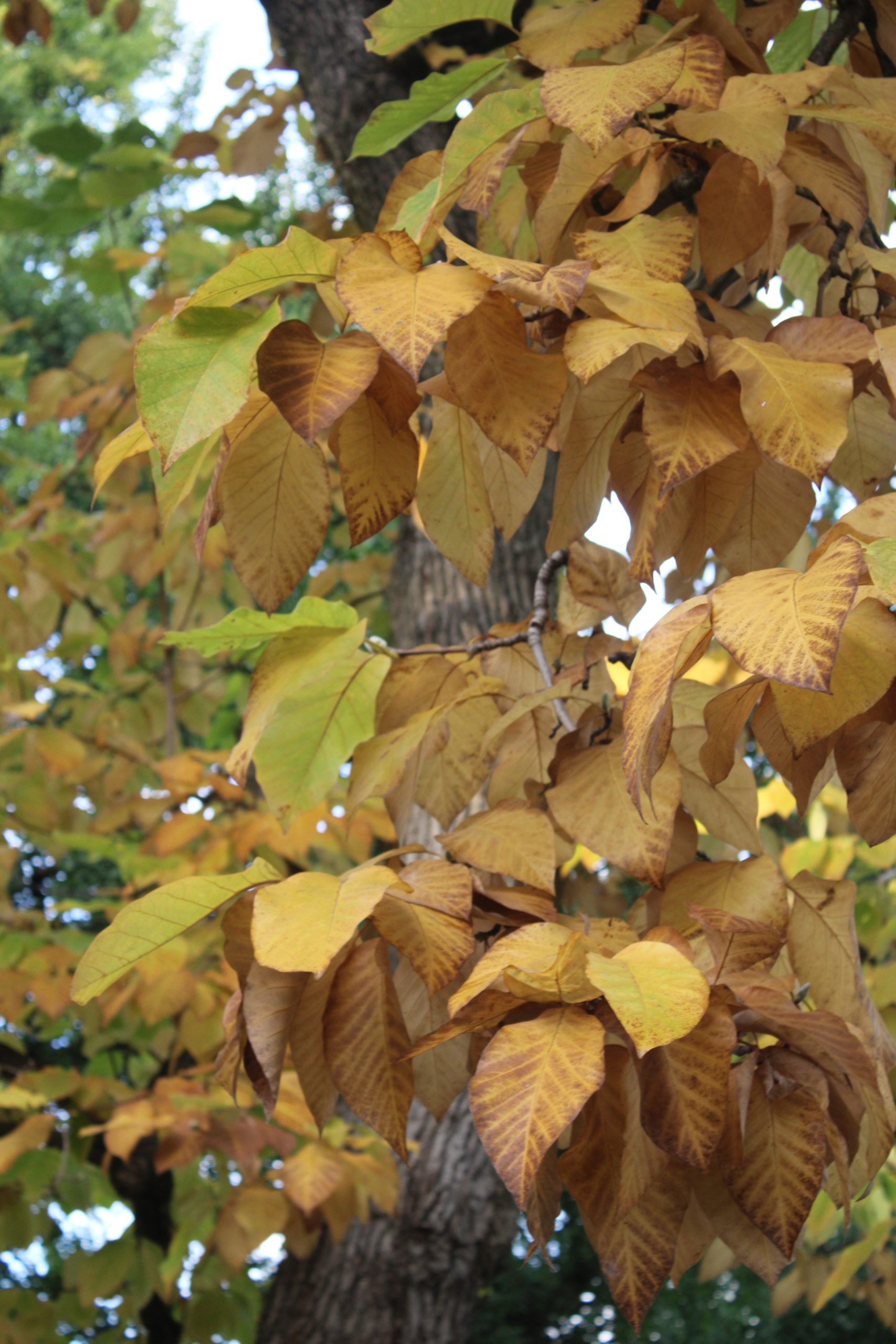
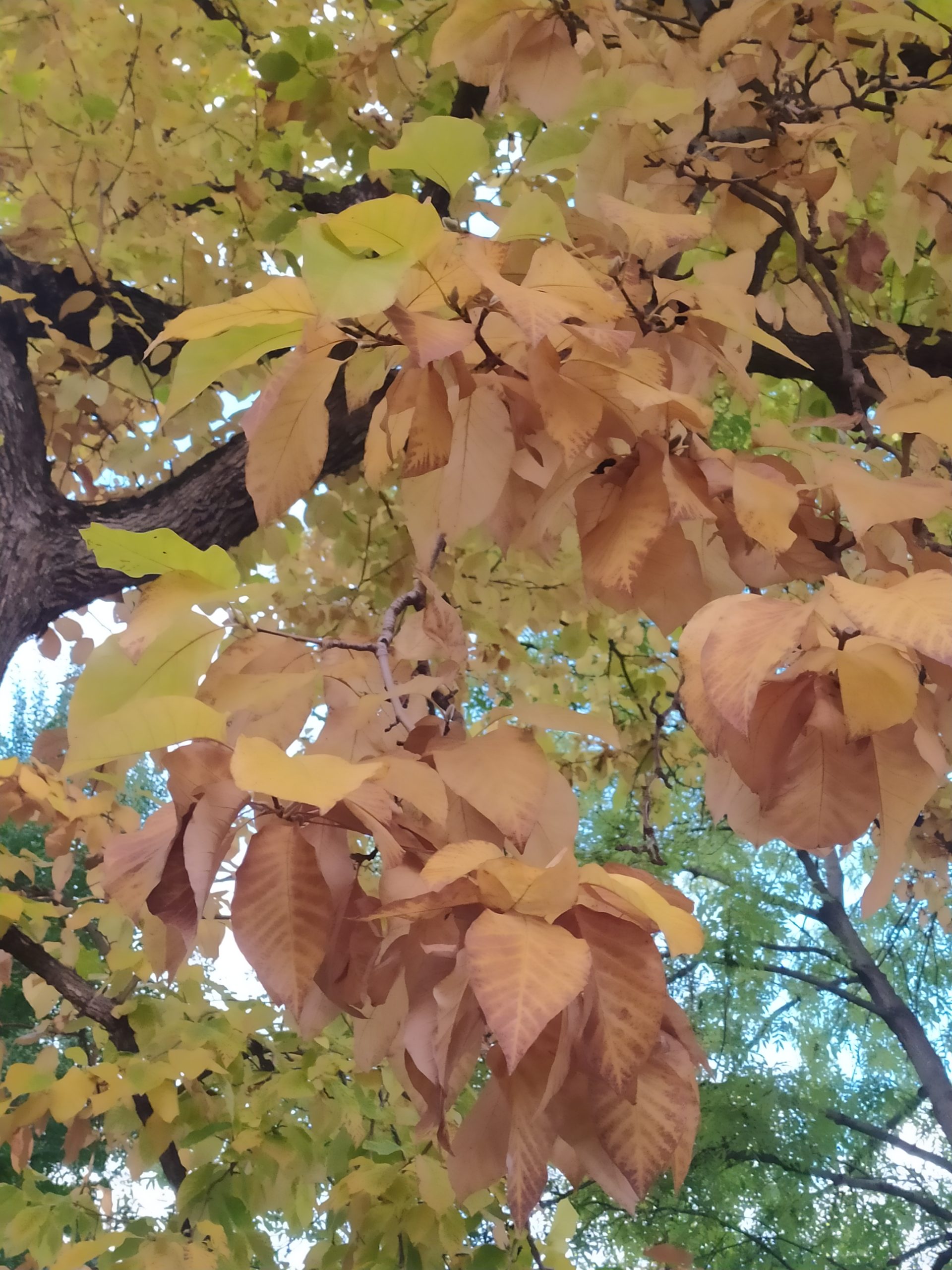
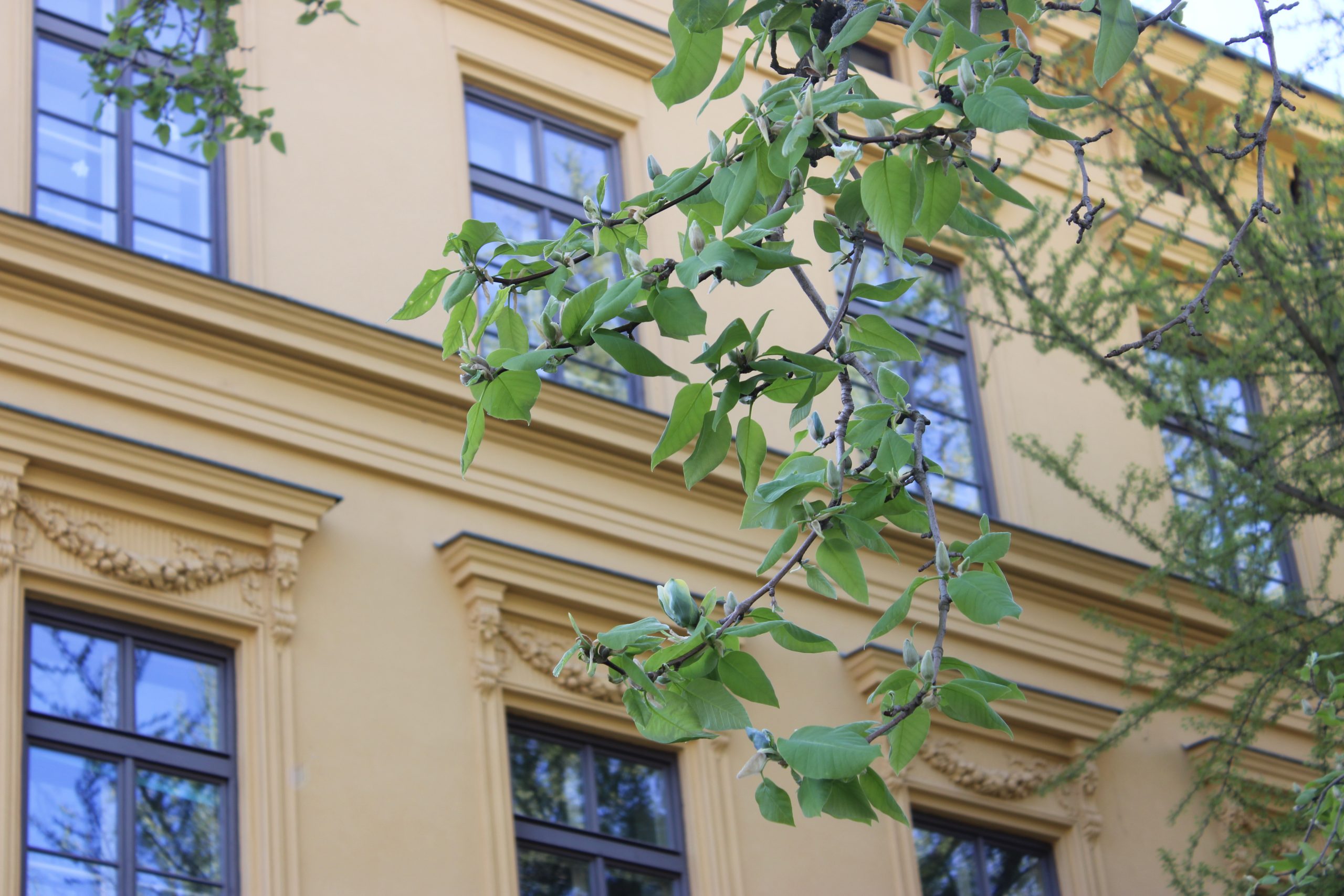
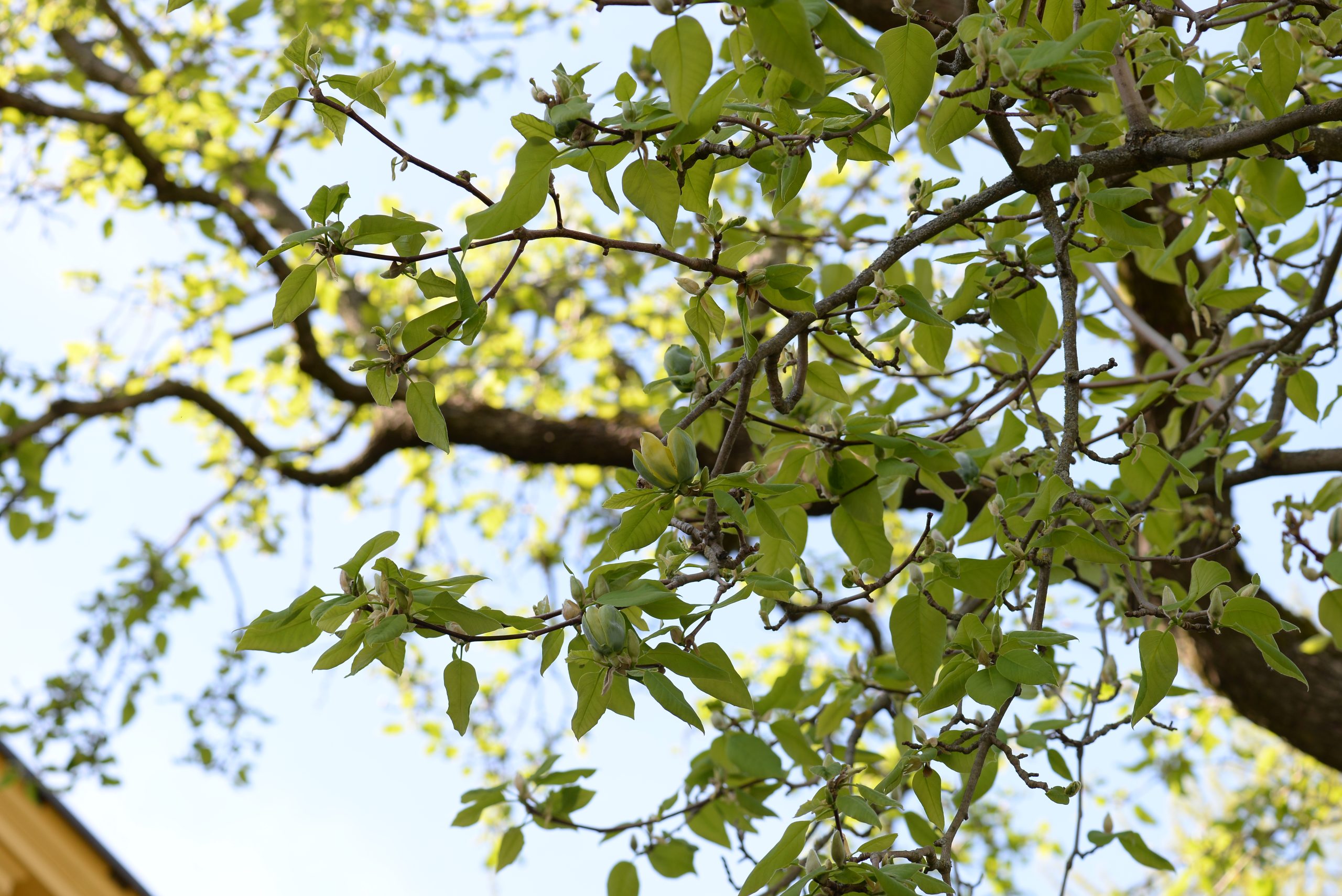
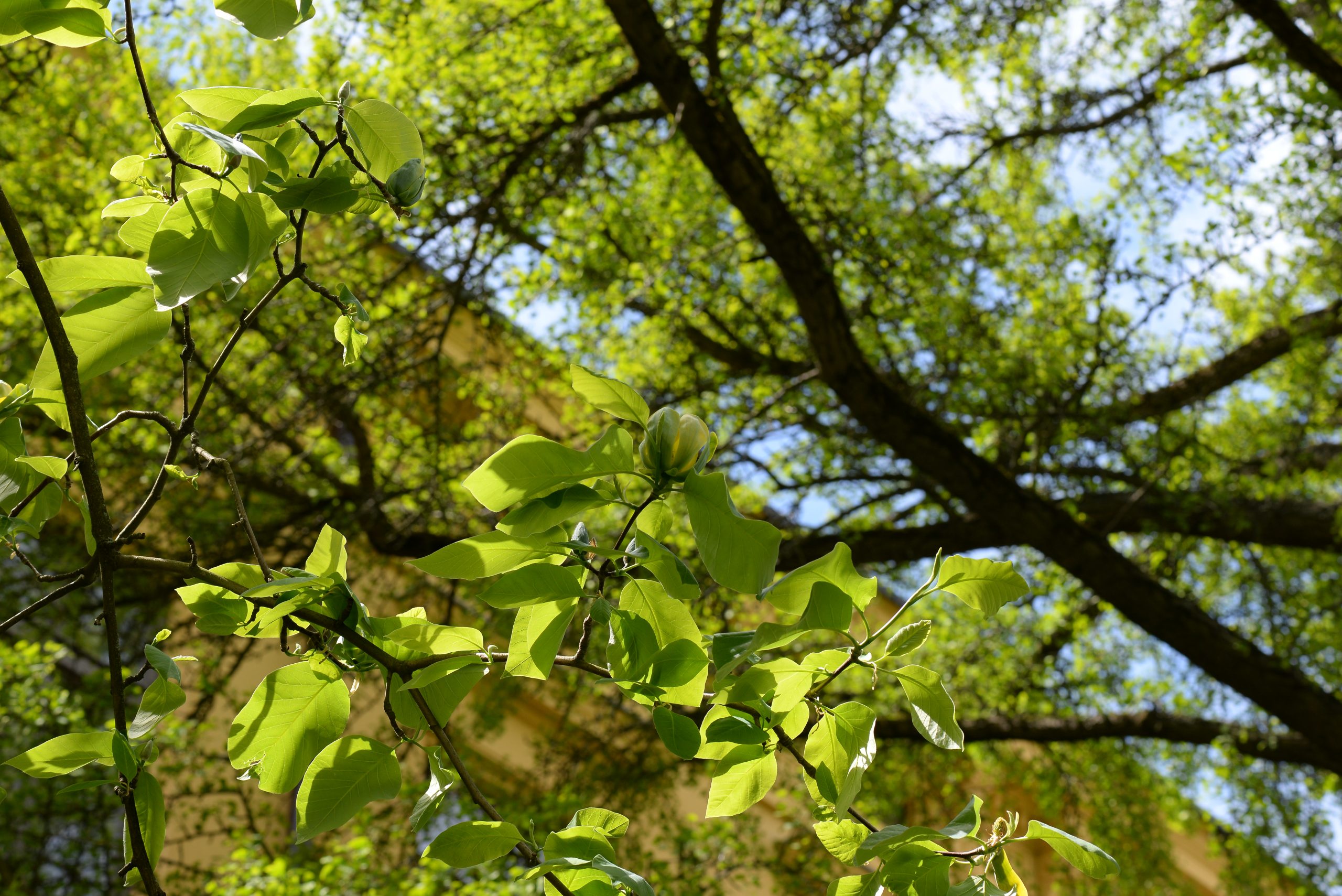
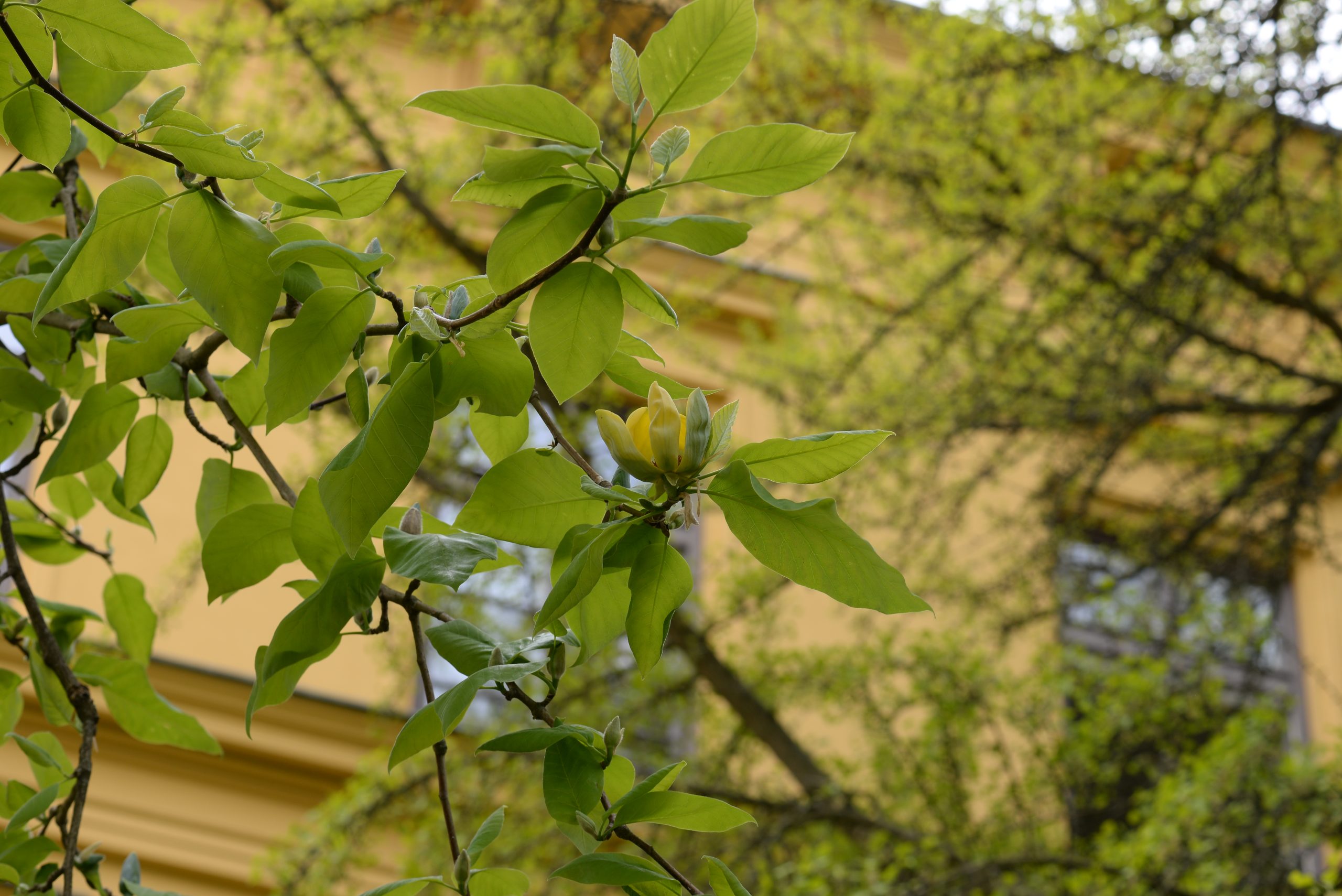
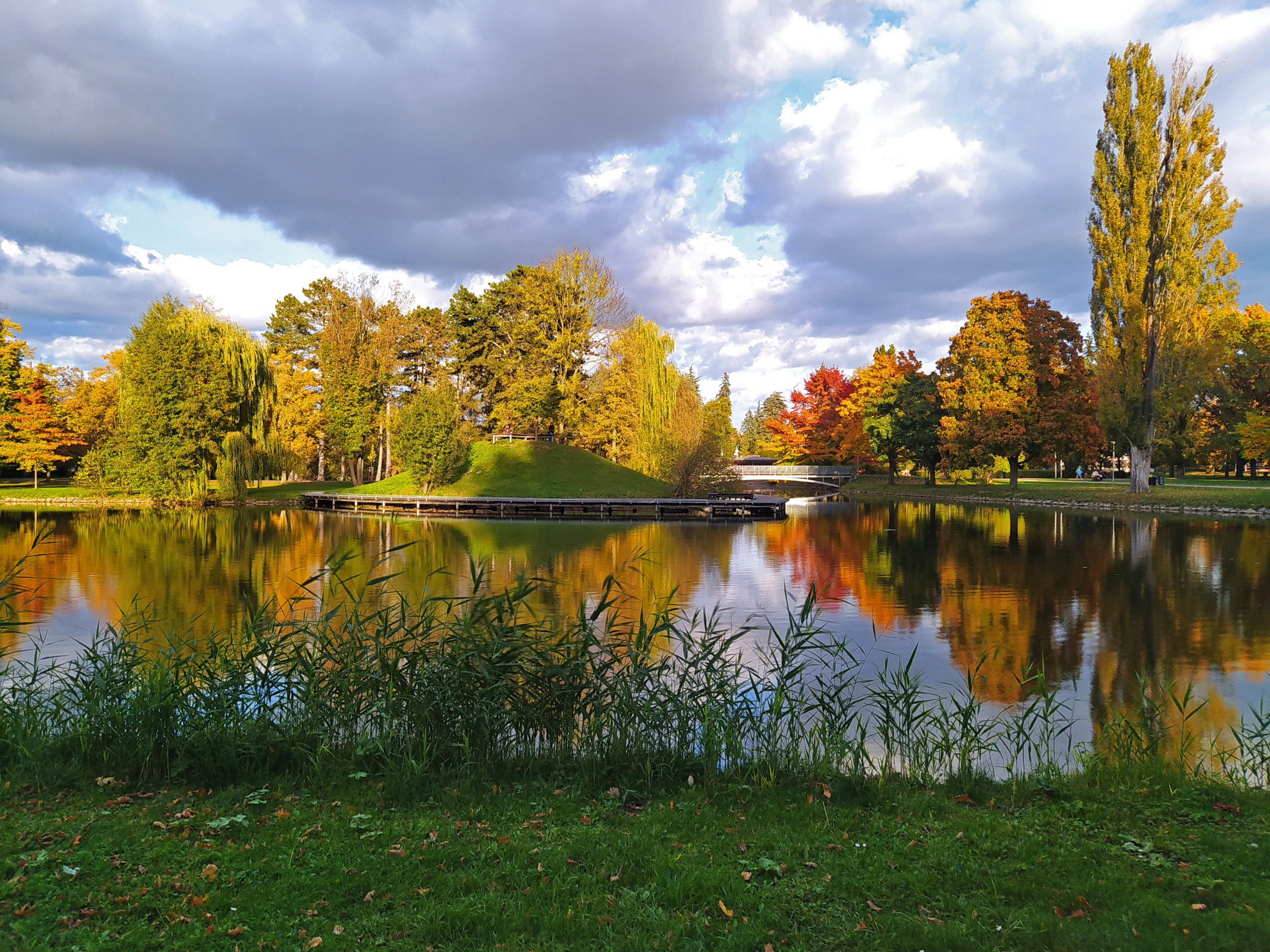
Leaf: Petiolate leaves grow alternately on the branches. The blade is elliptical or obovate, up to 25 centimetres long, with a truncated base and a pointed tip. The upper side is glabrous and dark green, the lower side is covered with trichomes and light green. In autumn it turns yellow or even golden-brown.
Bloom, fruit: It blooms from April to June, after the leaves sprouted. It forms slightly fragrant, yellow-green cup-shaped blossoms. 6–9 petals grow in a spiral. The fruit is a capsule enclosed in a cone-shaped fruiting body. The heart-shaped seeds are covered in a red sac.
Interesting fact: The bark was used by native Americans as a medicine for pain or digestive problems. It is the only type of this species that has naturally yellow petals.