
Bladdernut family, Staphyleaceae
Origin: central and southern Europe, warm regions of Moravia, Asia Minor, Caucasus
Habitat in the original area: deciduous and mixed forests, screes, nutrient-rich soils
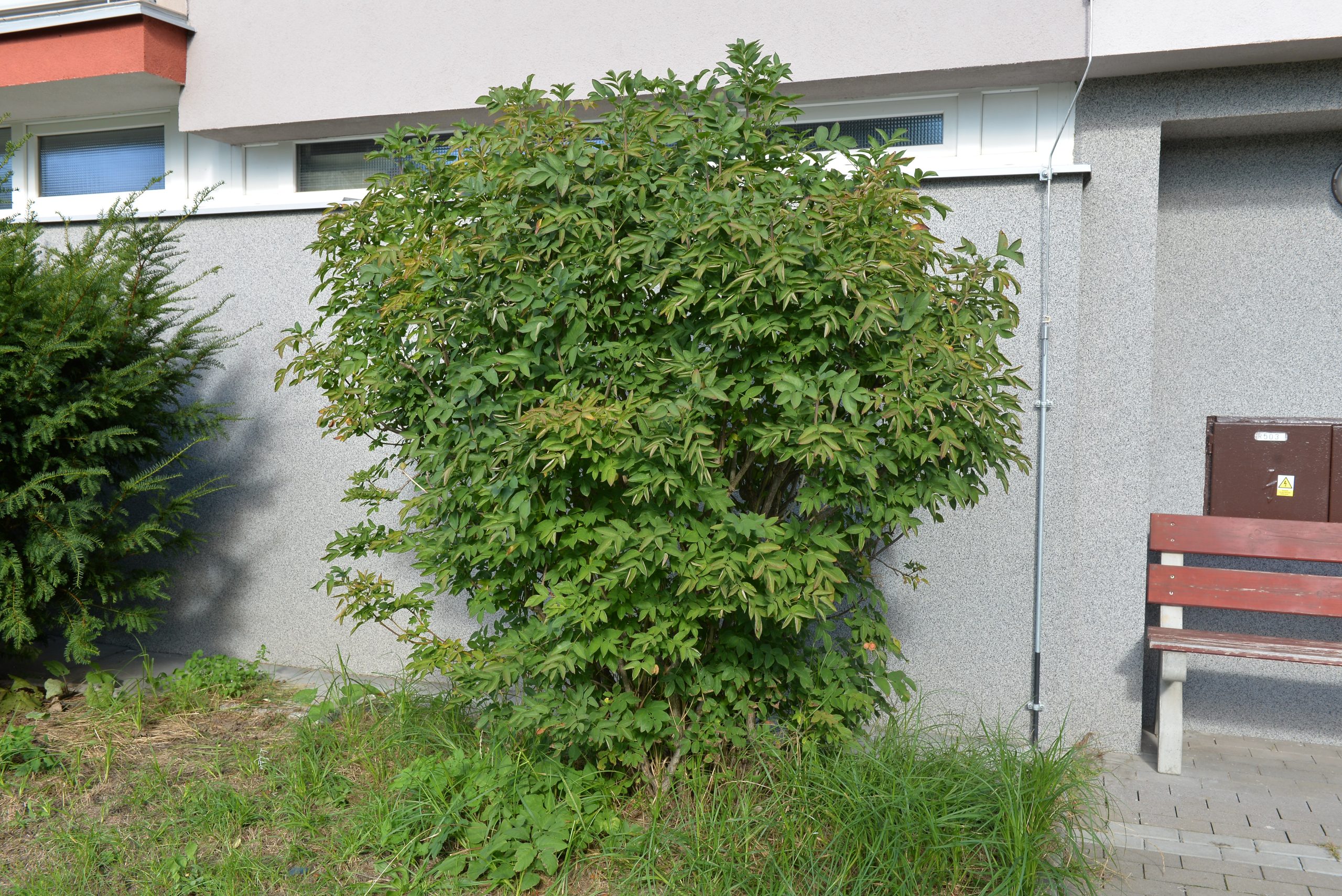
Habitus: A deciduous shrub or a small tree is usually about 1–2 metres tall, but it can grow up to 5 metres. It is planted either solitary or in smaller groups. Young twigs are olive green in colour and are topped with two opposite buds, which is also reflected in the forked branching and opposite arrangement of leaves. The bark of older branches is grey-black with light striation.
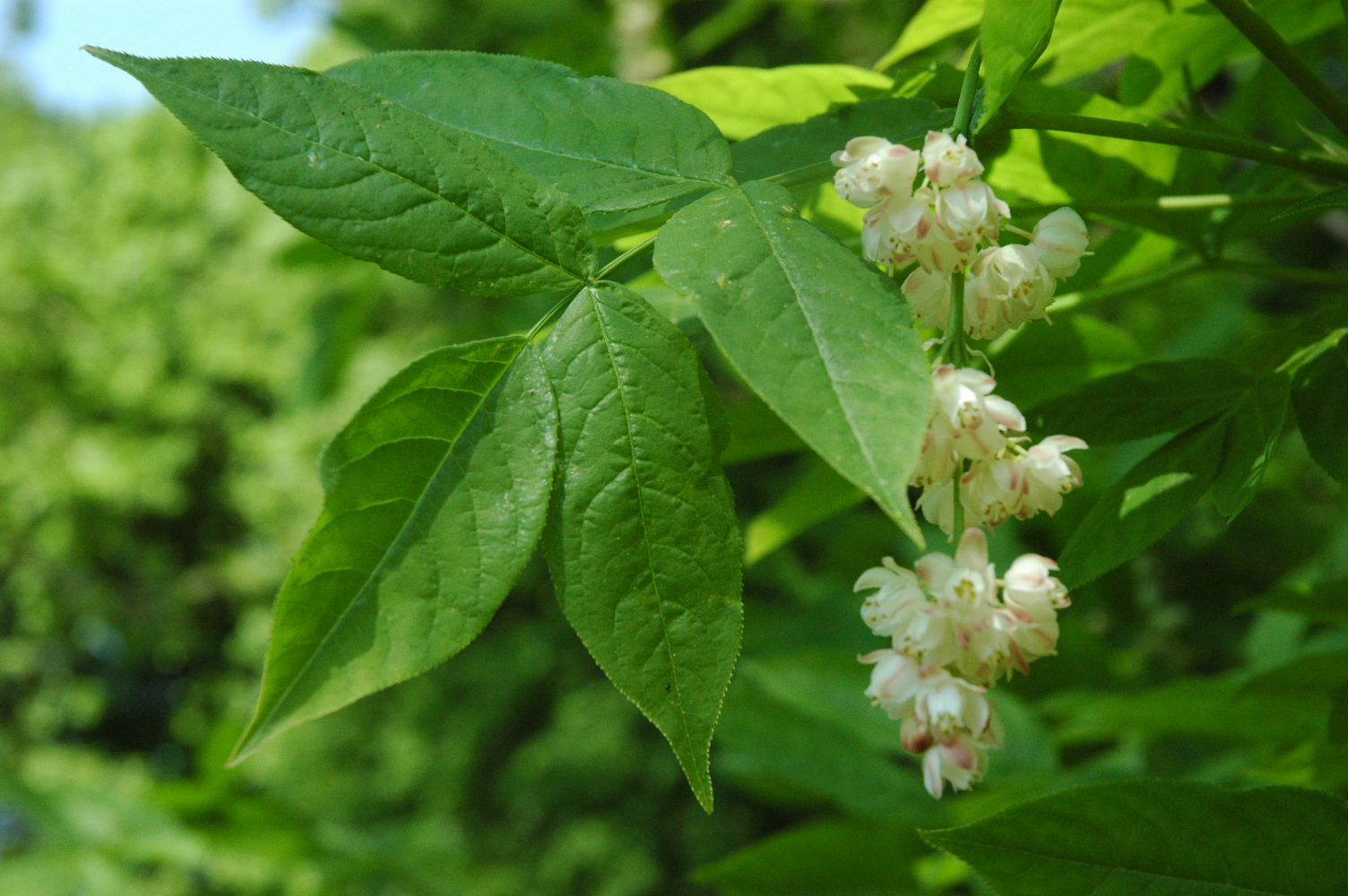
Leaf: The odd-pinnate leaves are composed of two to three leaflets. The paired leaflets about the leaf spindle directly, but the terminal leaflet has a prominent petiole. The edges of the individual leaflets are finely serrated. Their upper side is dark green, the lower side is grey-green. In autumn they turn yellow.
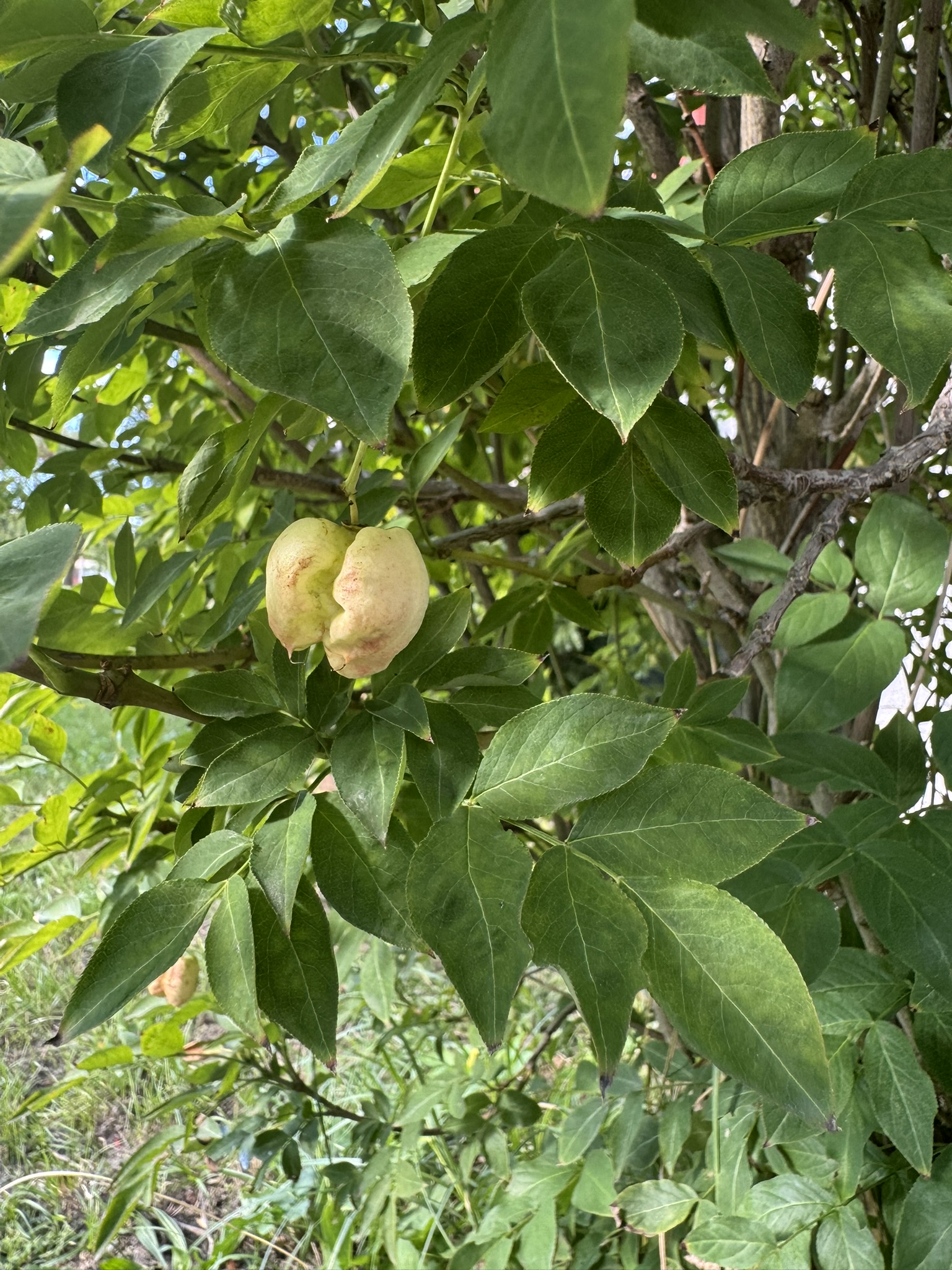
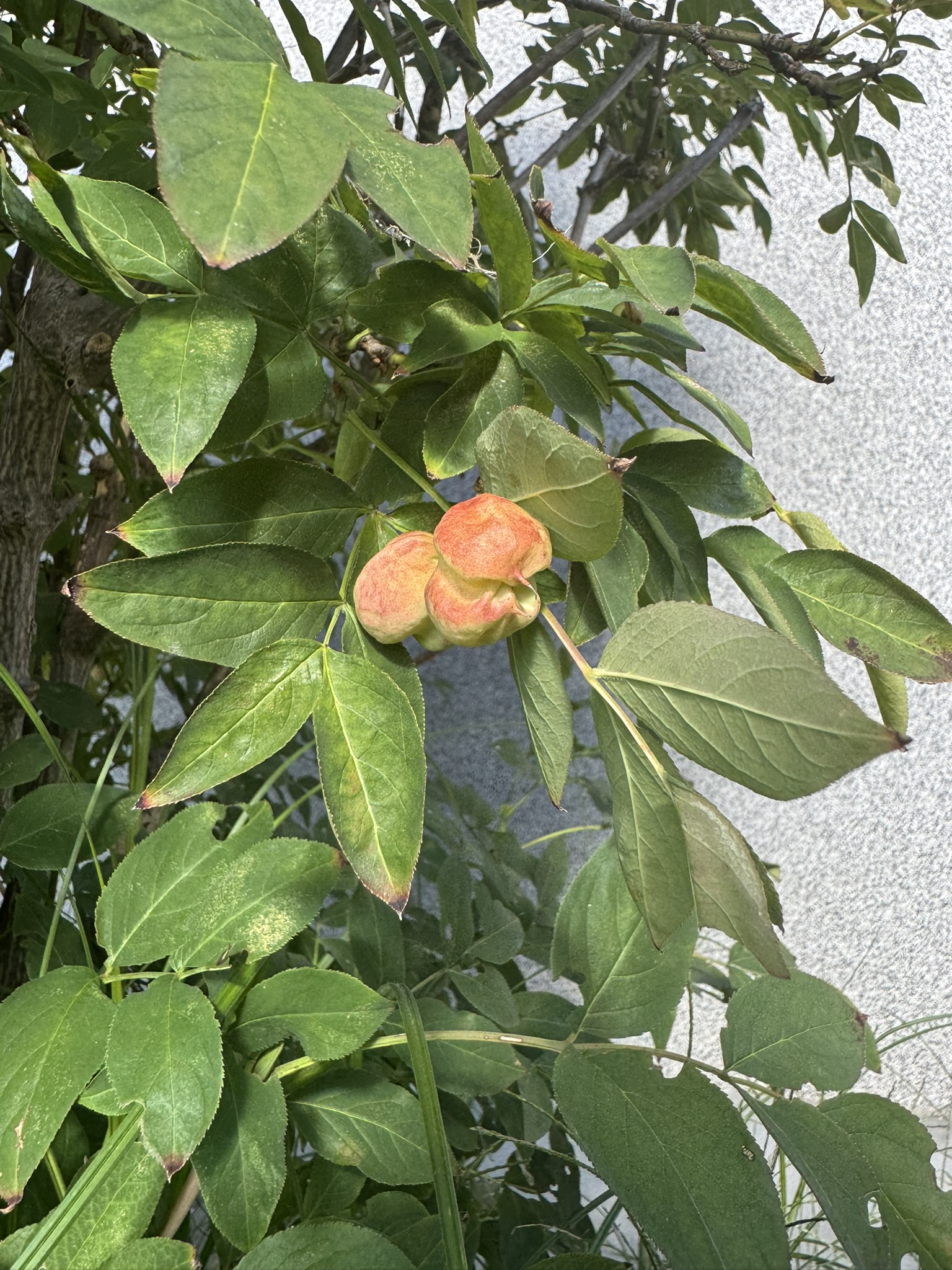
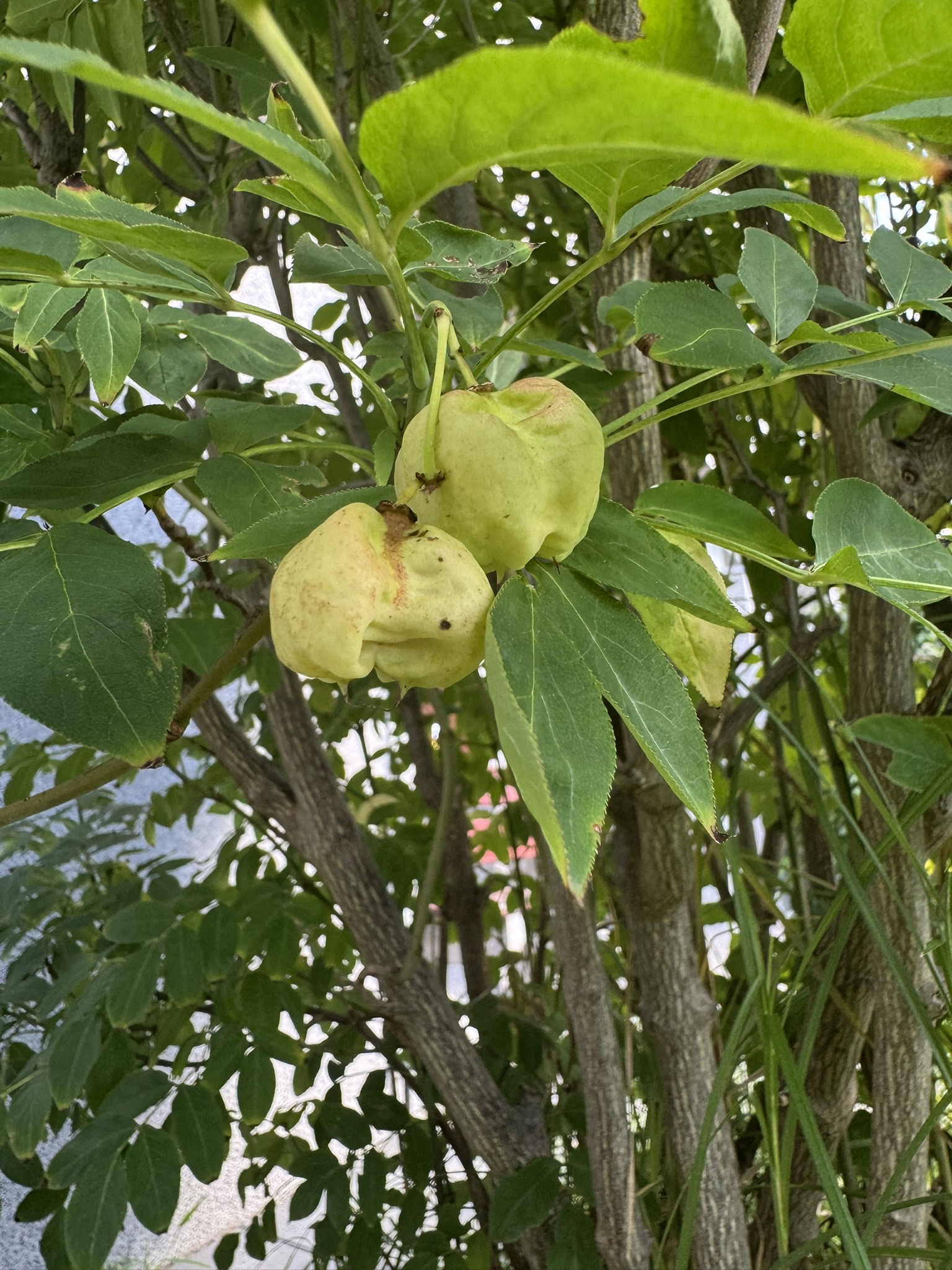
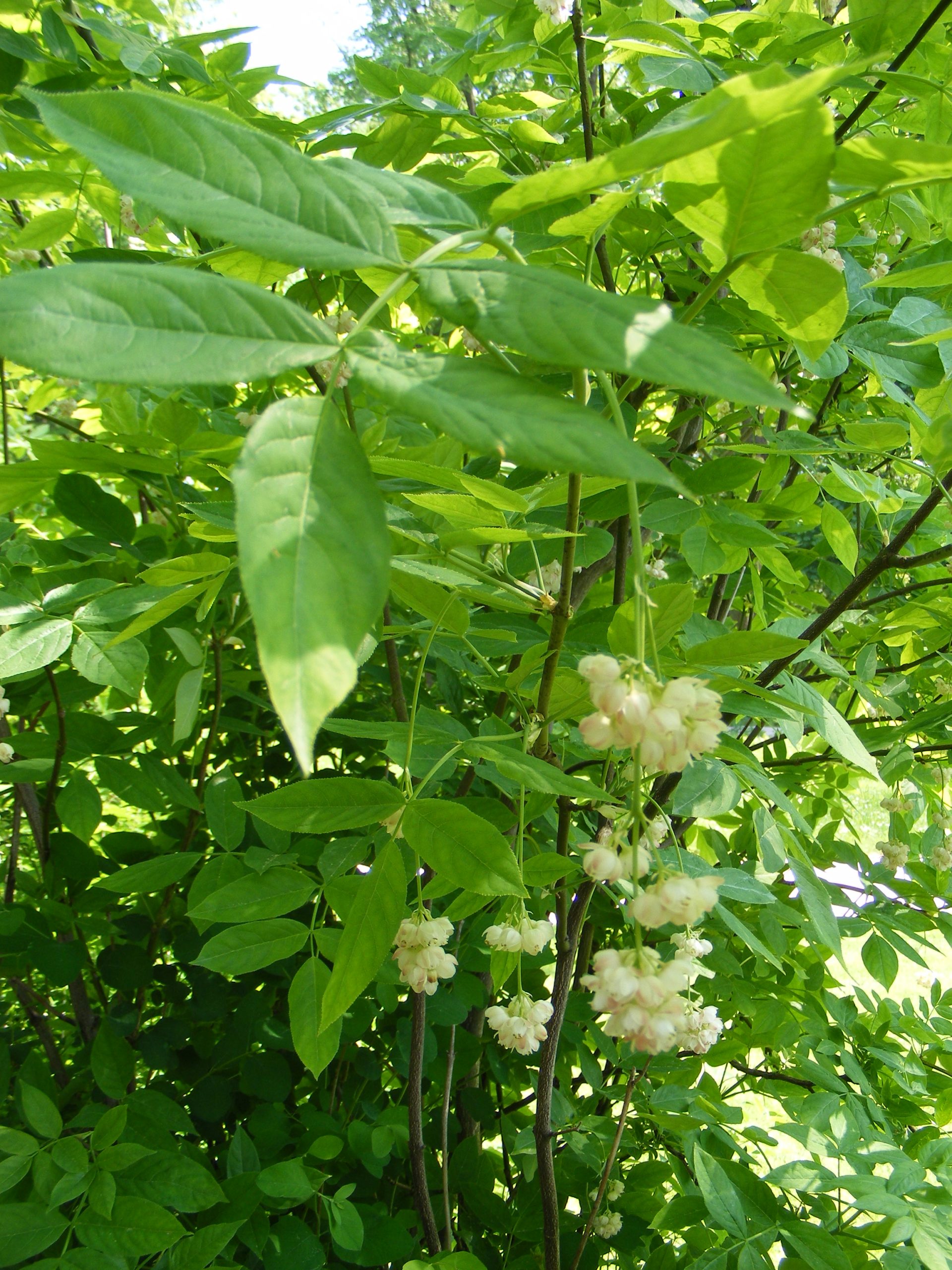
Bloom, fruit: From May to June, the area around the plant is delicately scented with a coconut smell which is released by small white and pinkish blossoms, which are arranged in rich panicles. The blossoms turn into swollen, membranous green capsules, which turn brown and dry up when ripe. Inside the capsule there are shiny brown seeds. They have a spherical shape with a diameter of about 1 centimetre, and they are significantly hard.
Interesting fact: The seeds were used instead of beads to make rosaries. It is said that a bladdernut planted outside a house brings luck to the owners.