
Cypress family, Cupressaceae
Origin: the southeast of North America
Habitat in the original area: humid areas, i.e. riverside areas, swamps, not very salty coasts
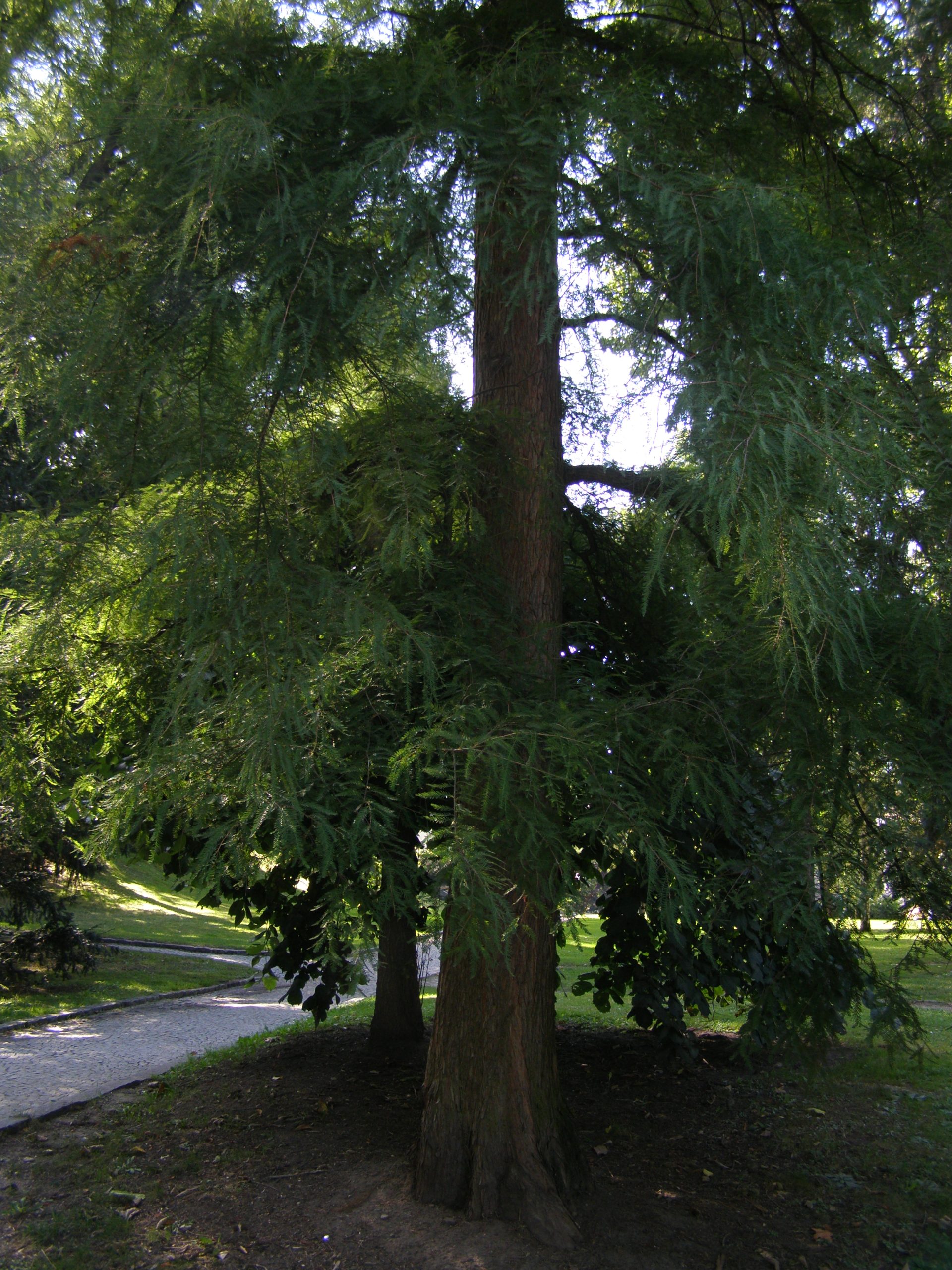
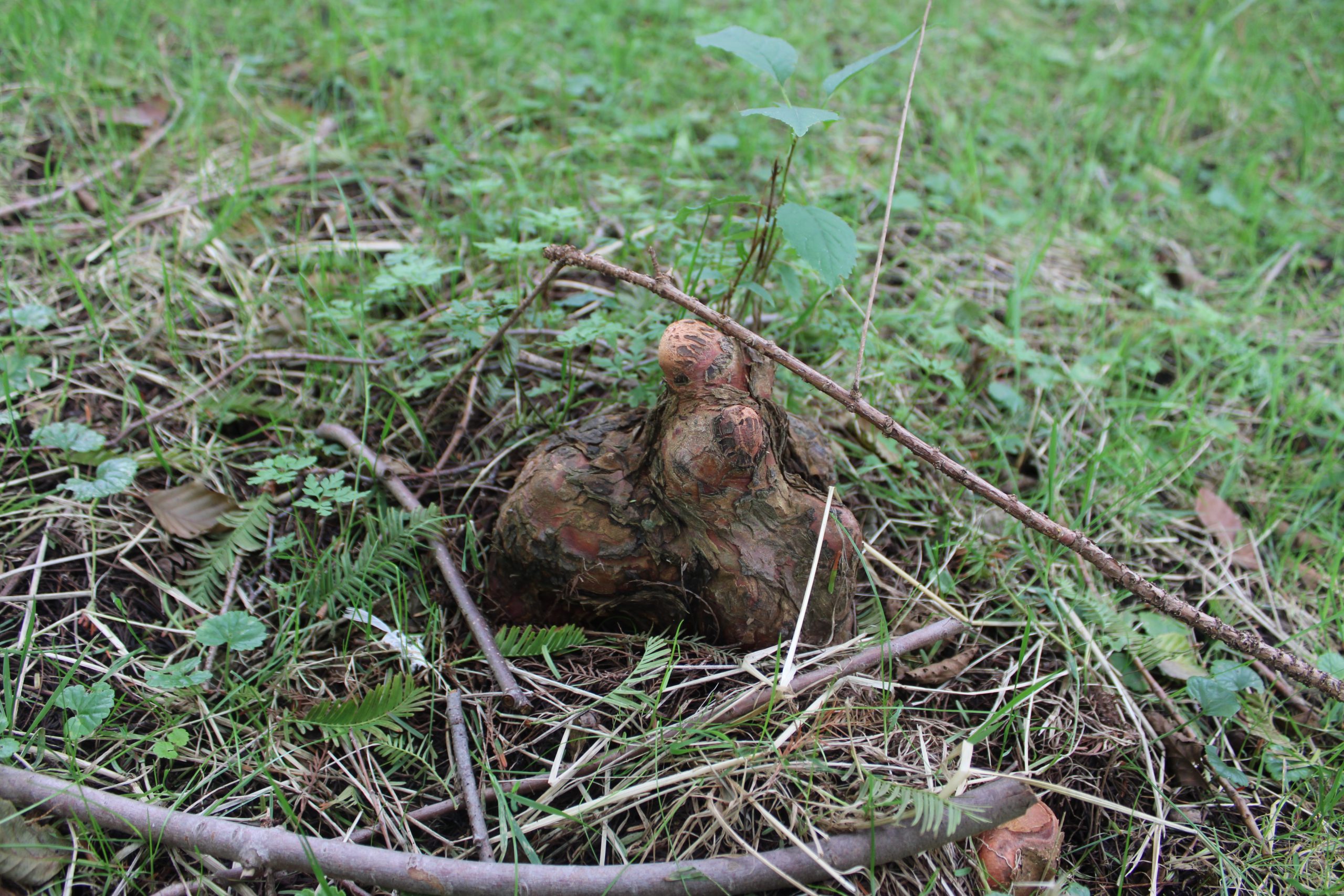
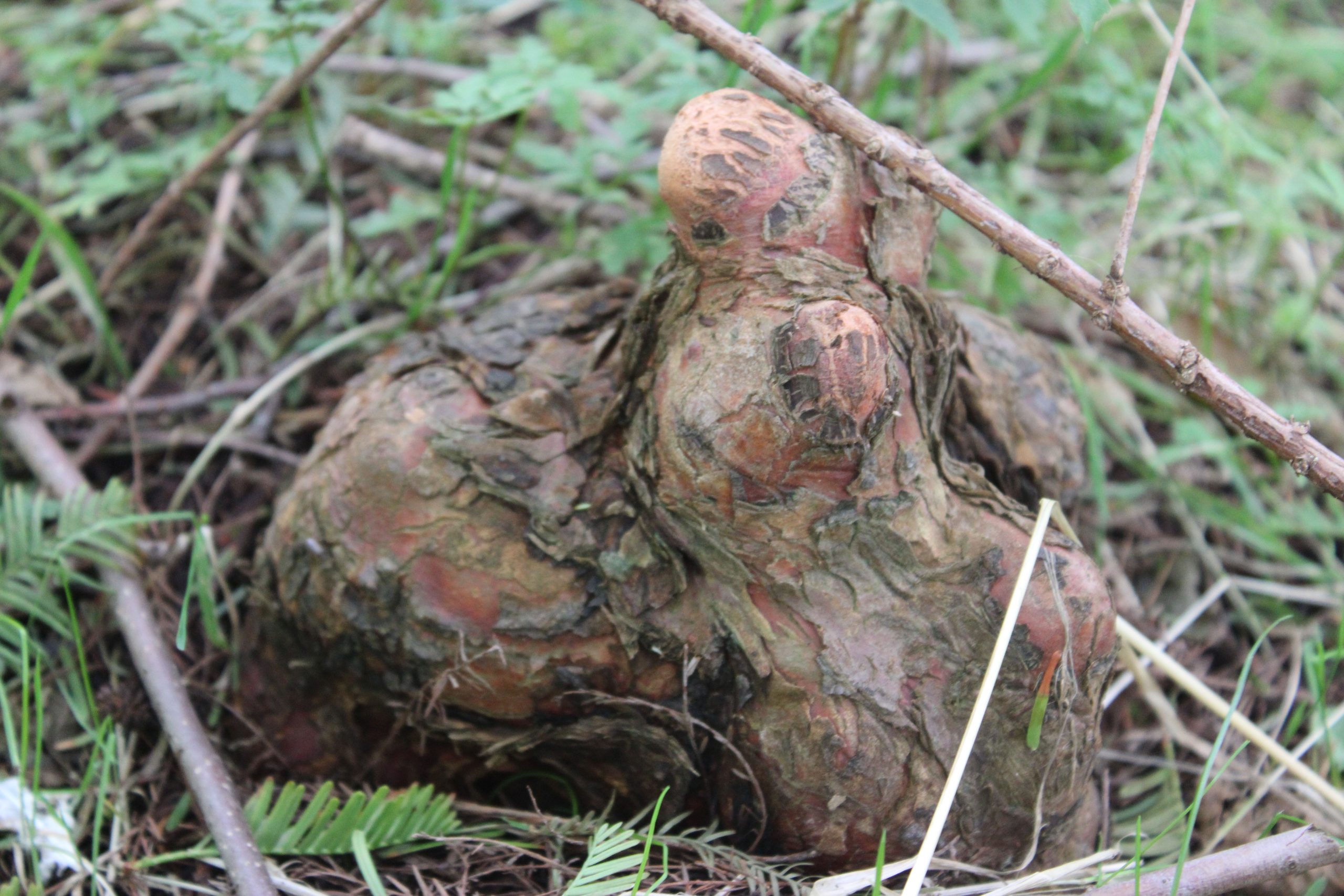
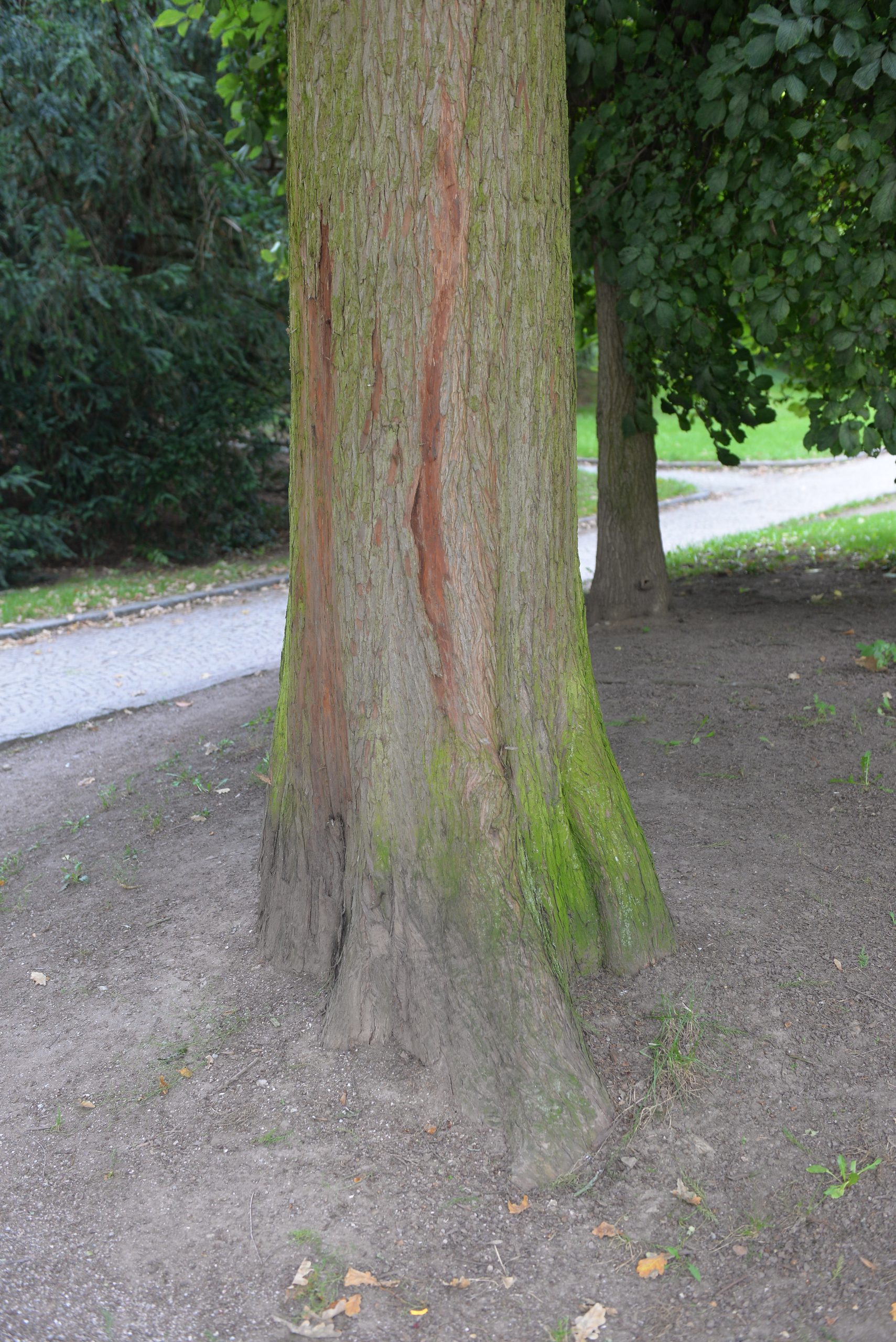
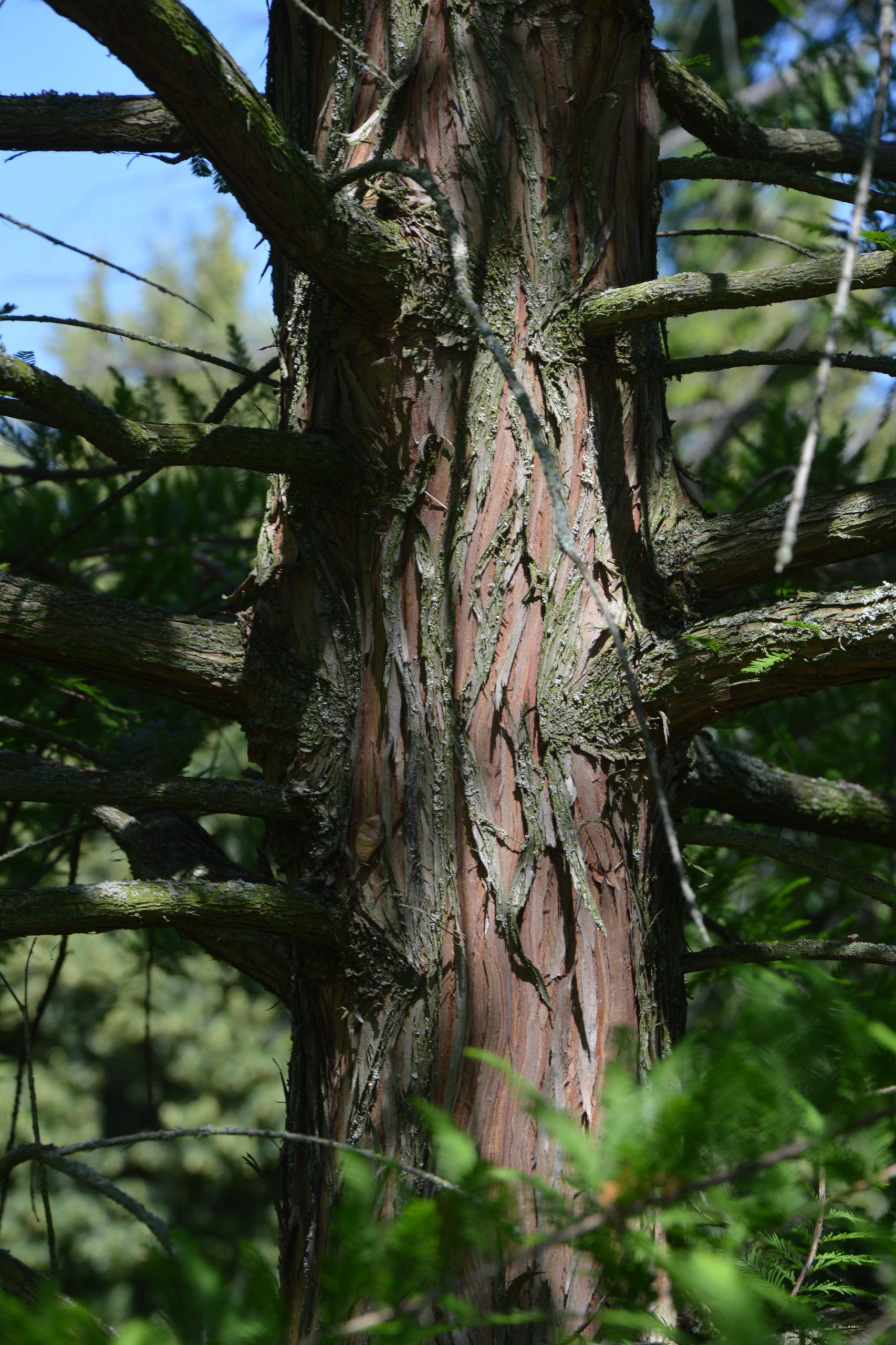
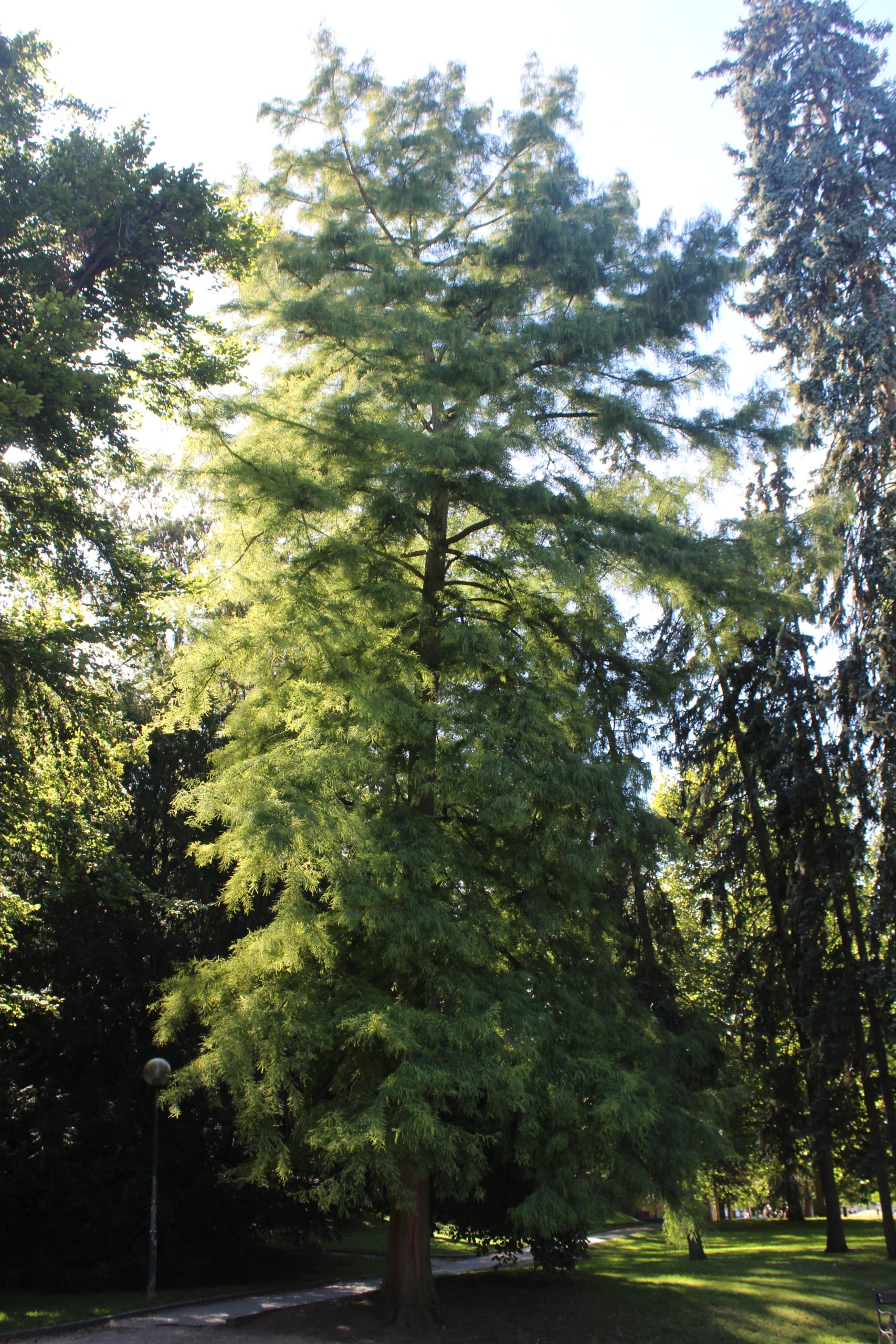
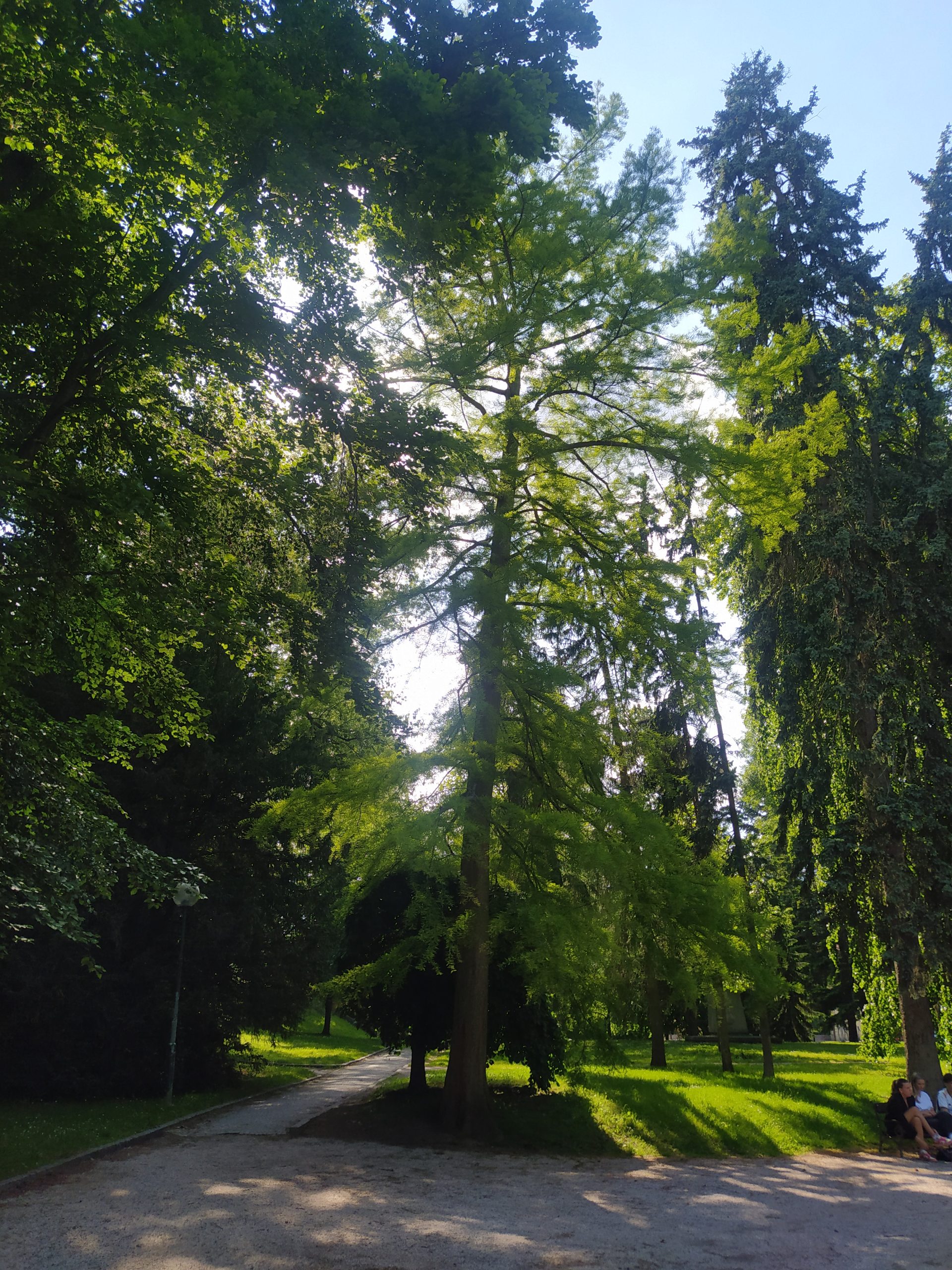
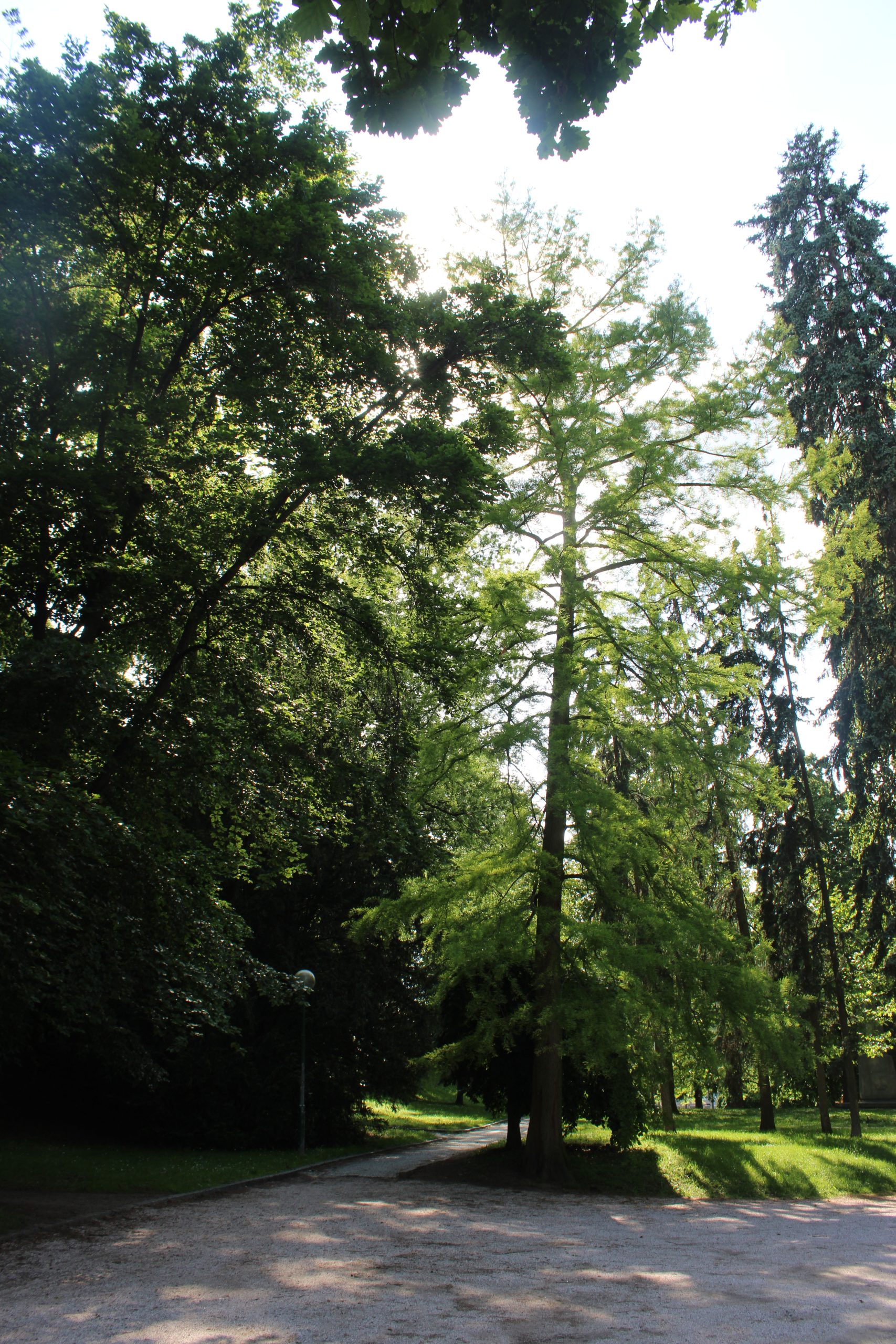
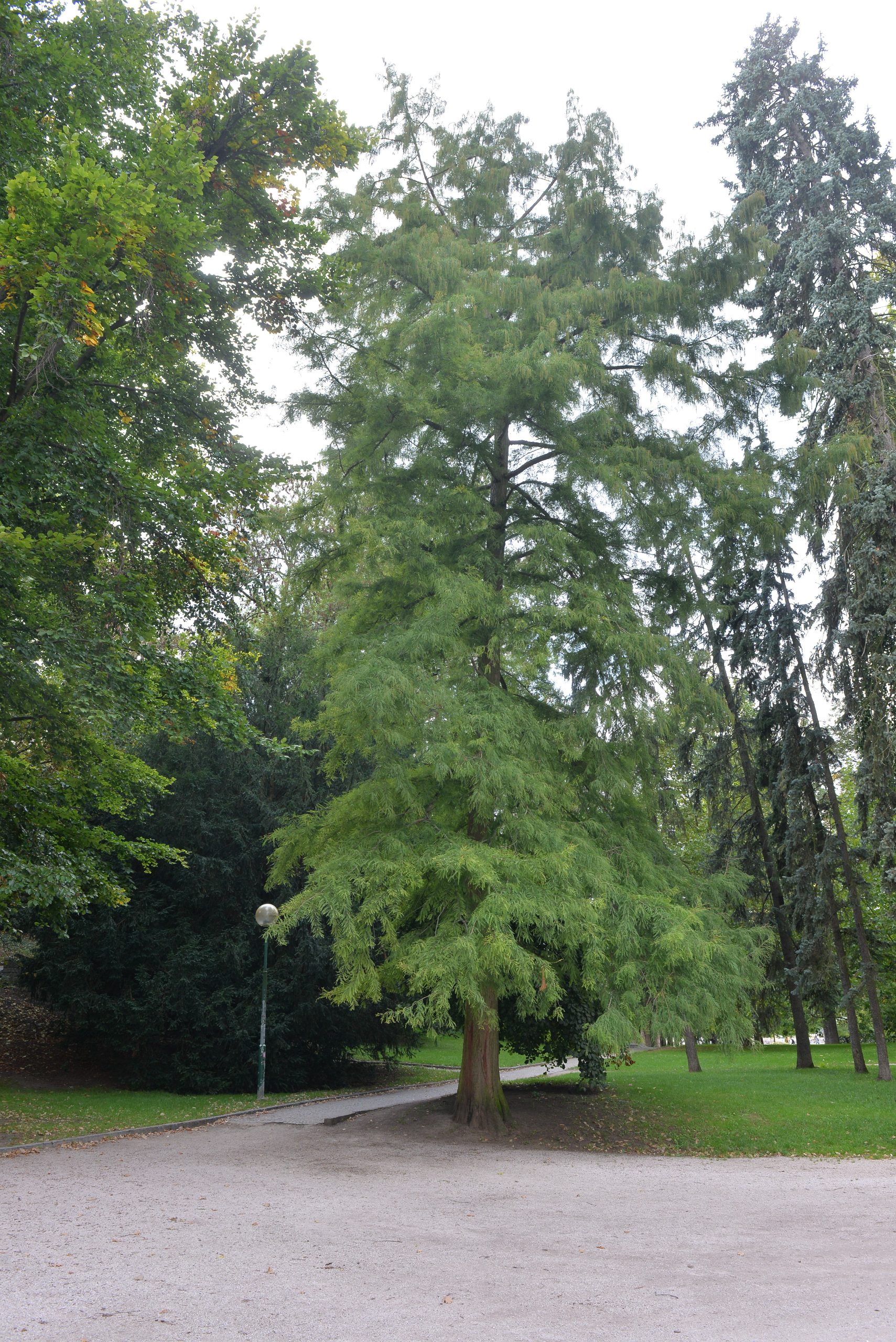
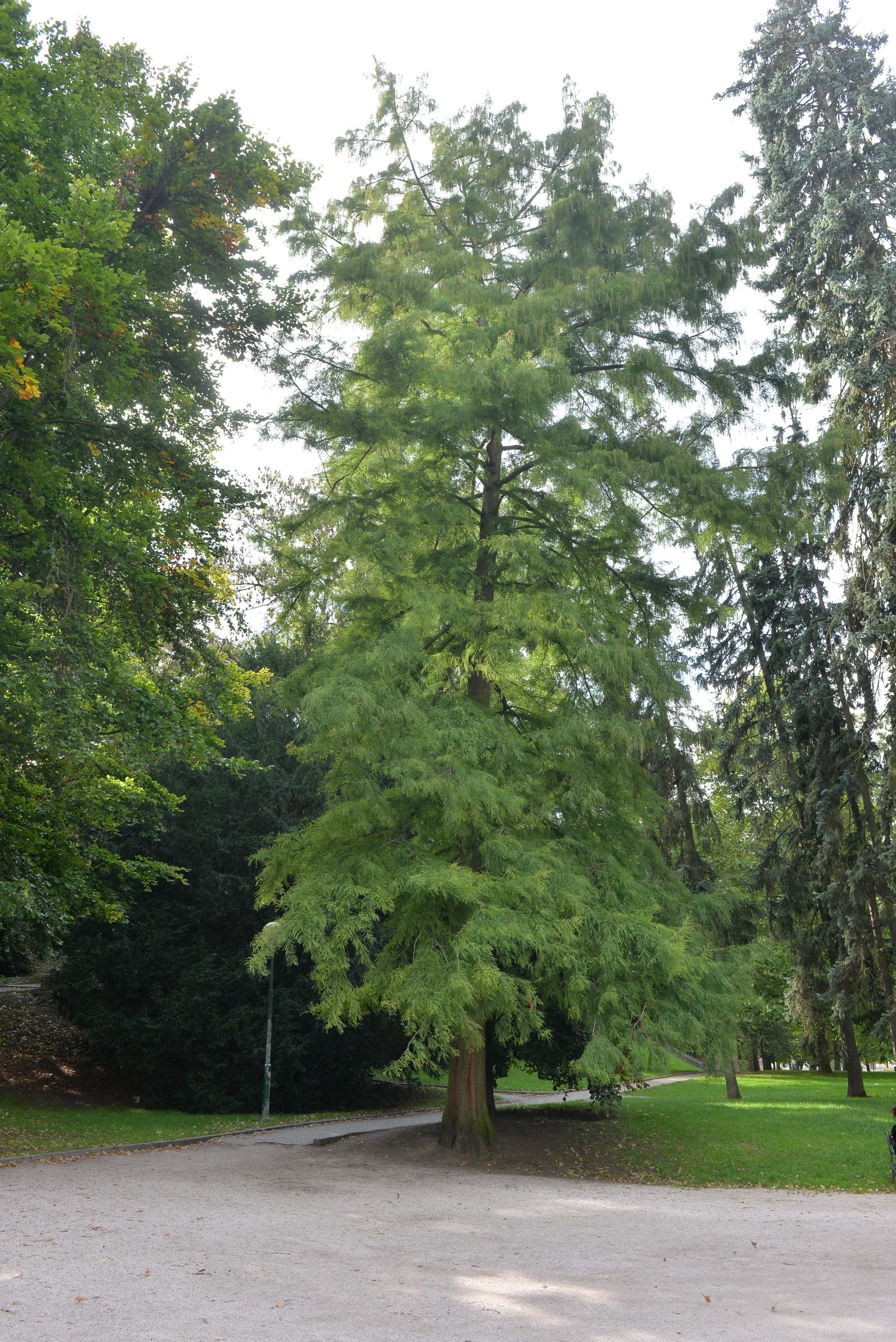
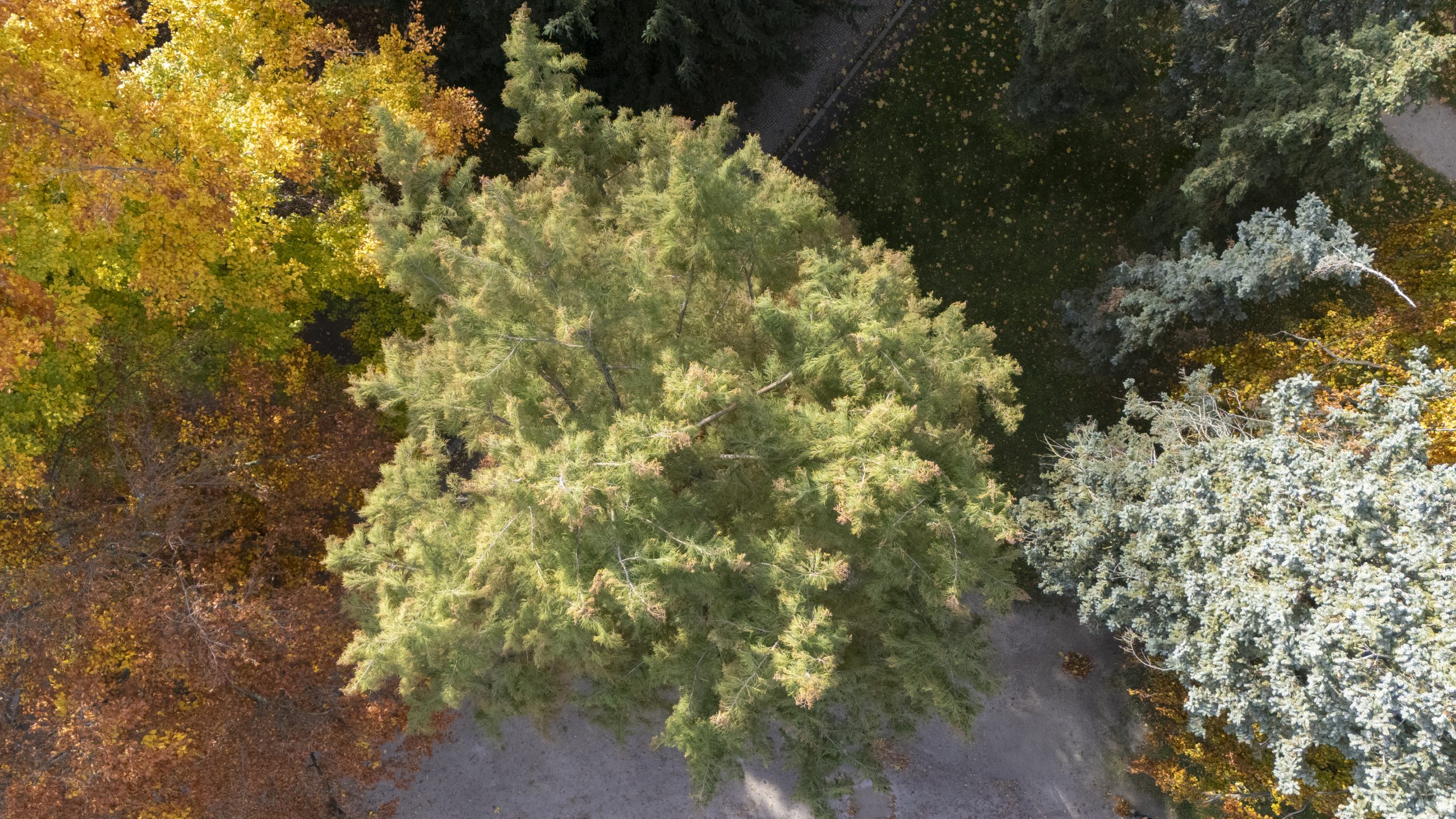
Habitus: The tree grows up to the height of 50 metres; it has a pyramidal crown, branched to the ground. The base of the trunk is widely spread and the root shoots protrude from it. Stump-like respiratory roots (pneumatophores) grow from the roots above the soil surface. The red-brown bark is often cracked.
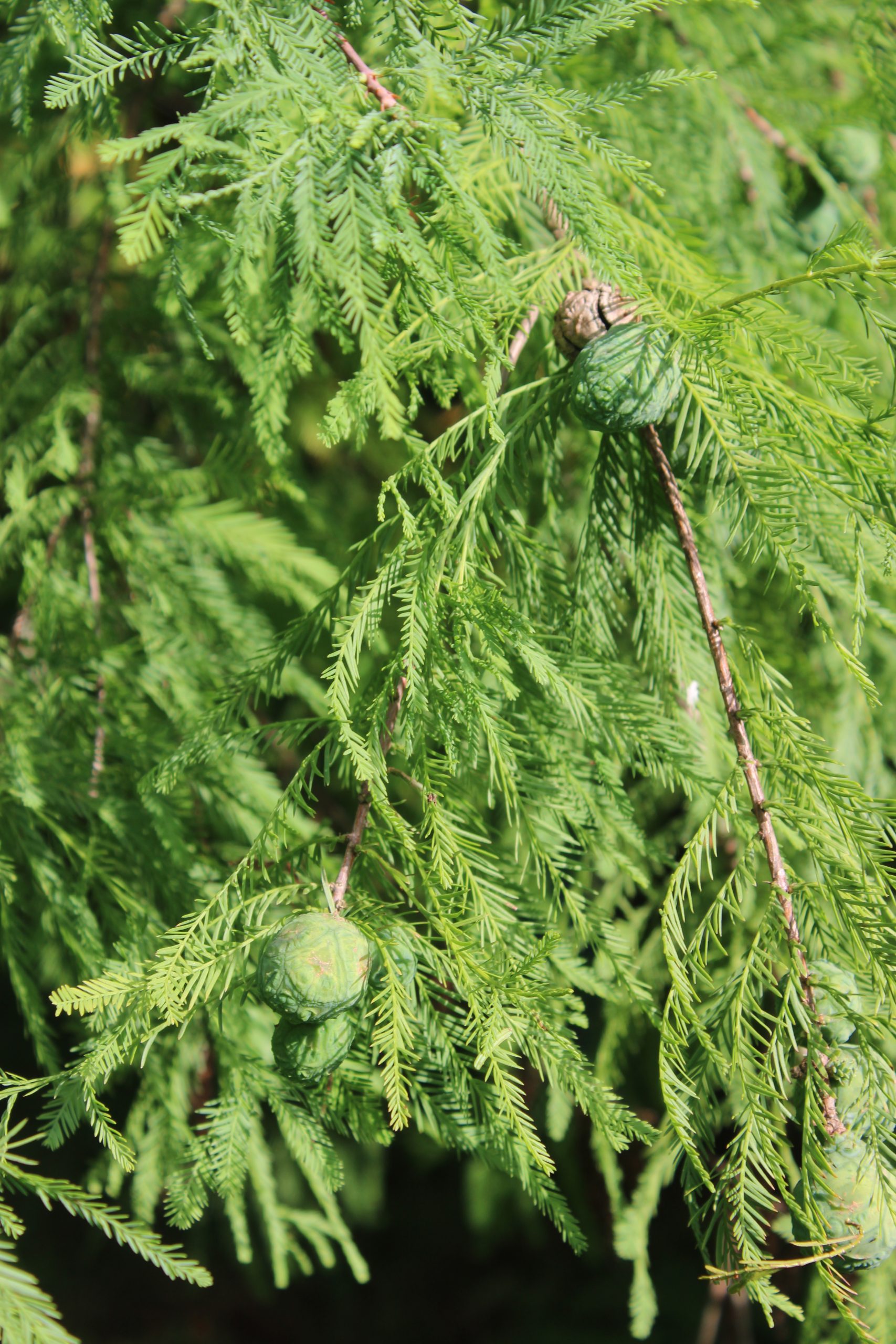
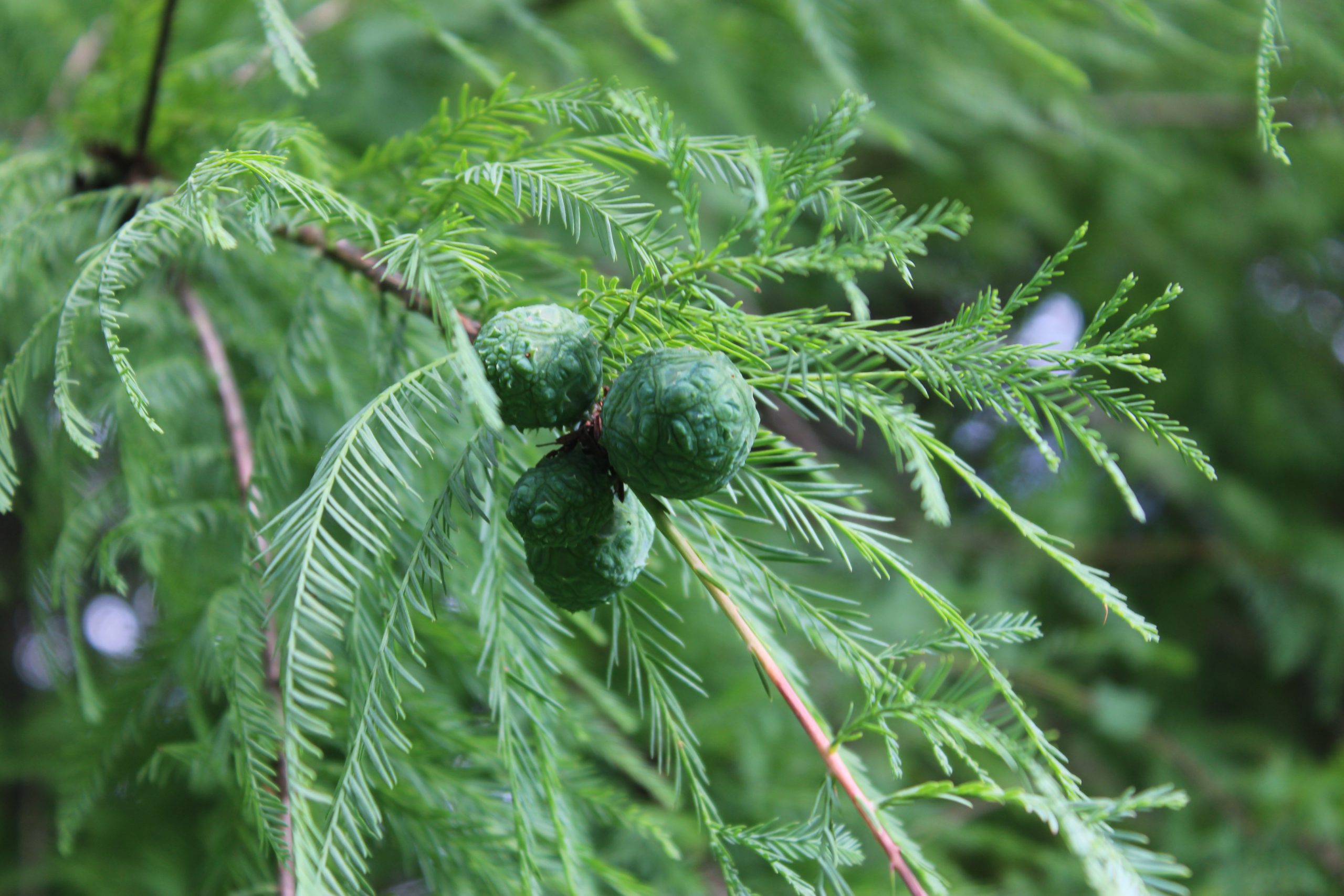
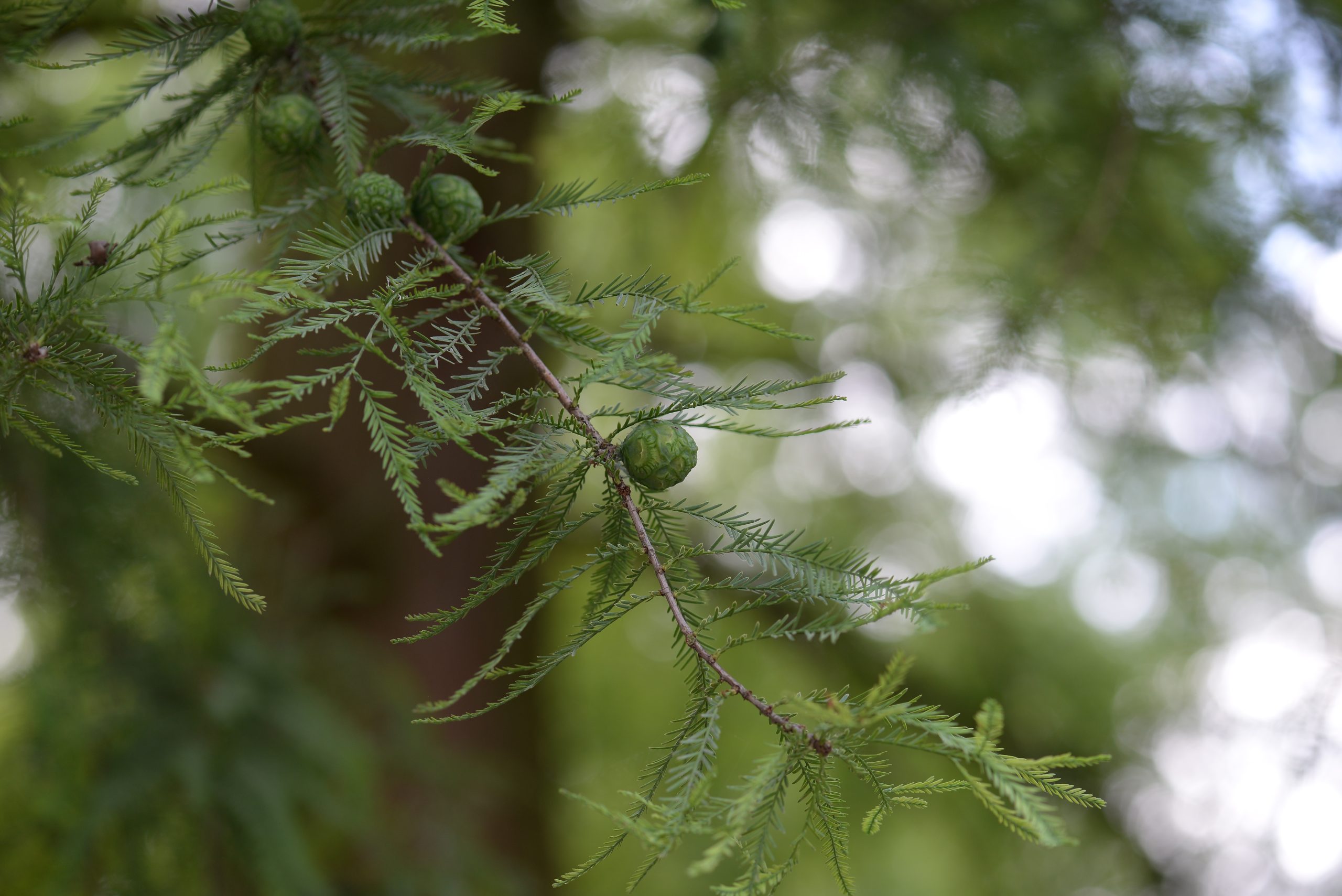
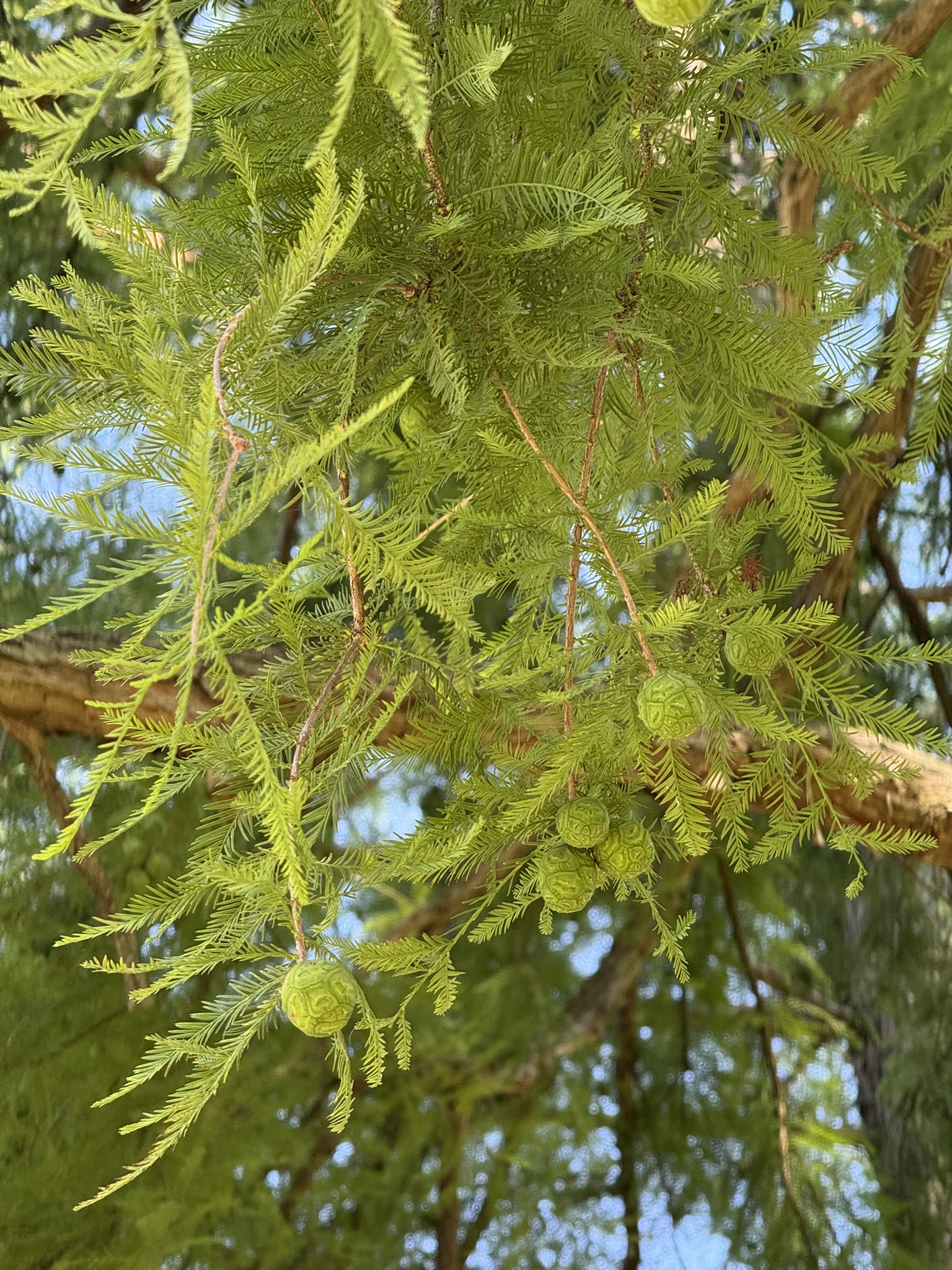
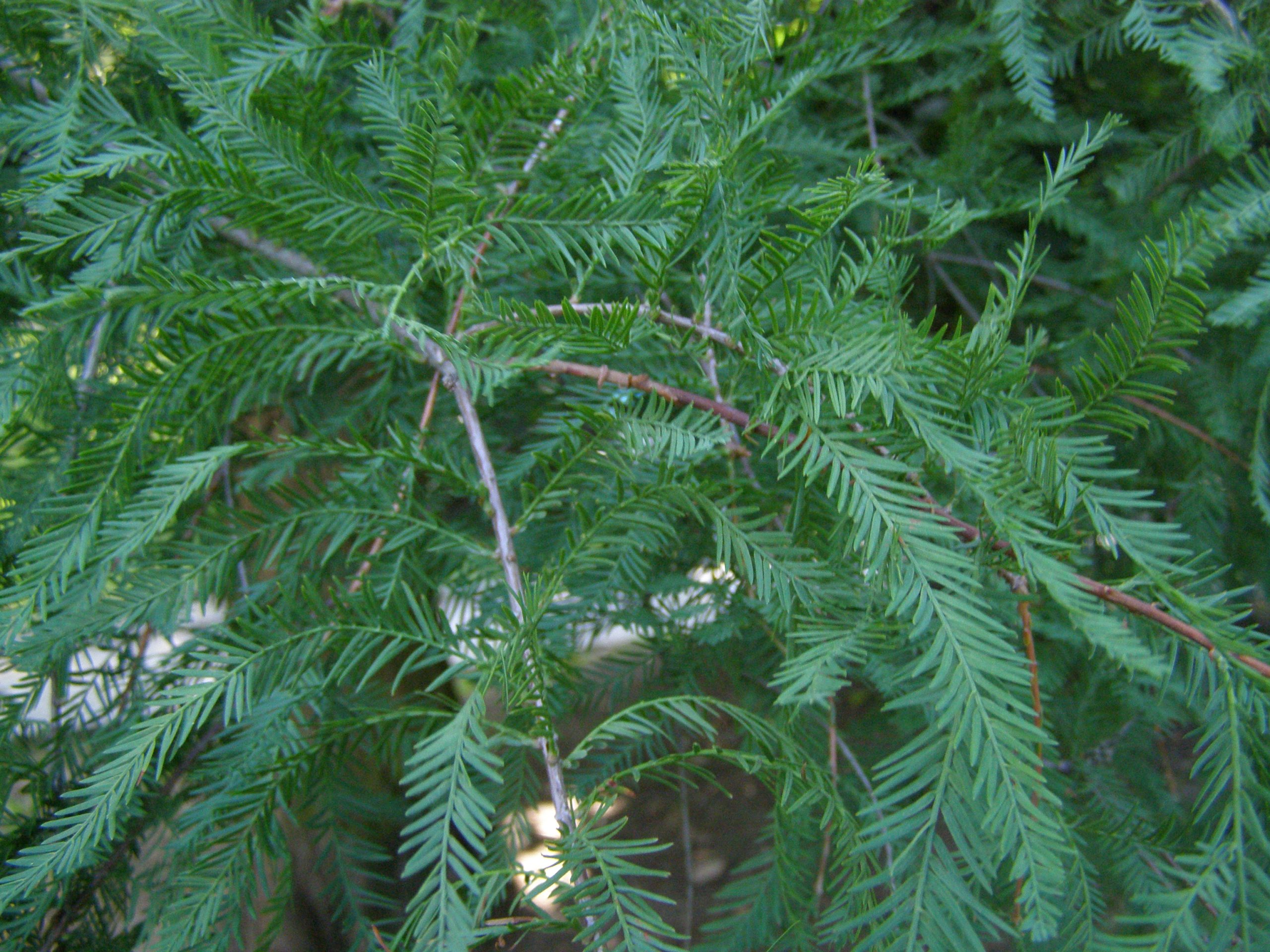
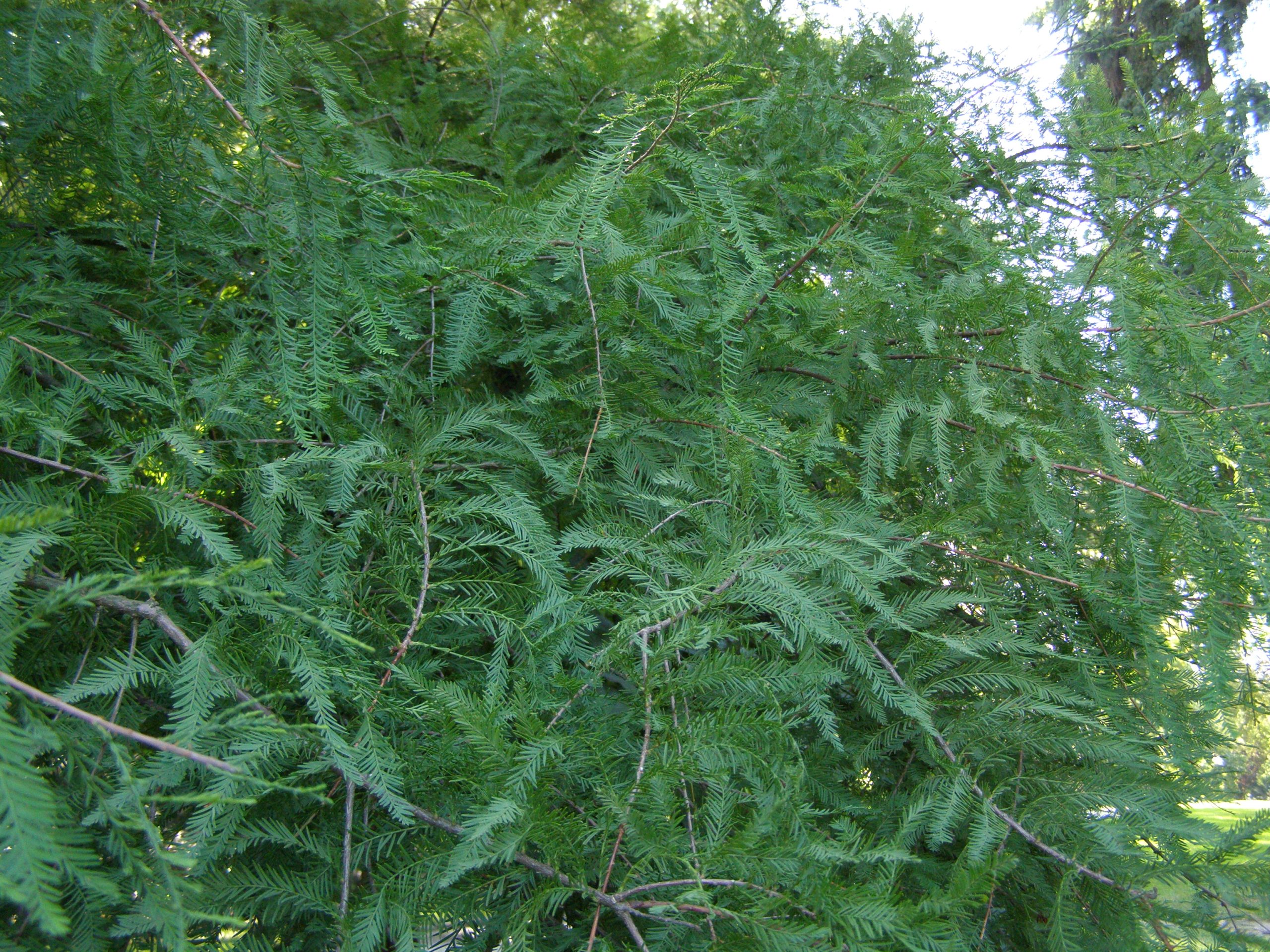
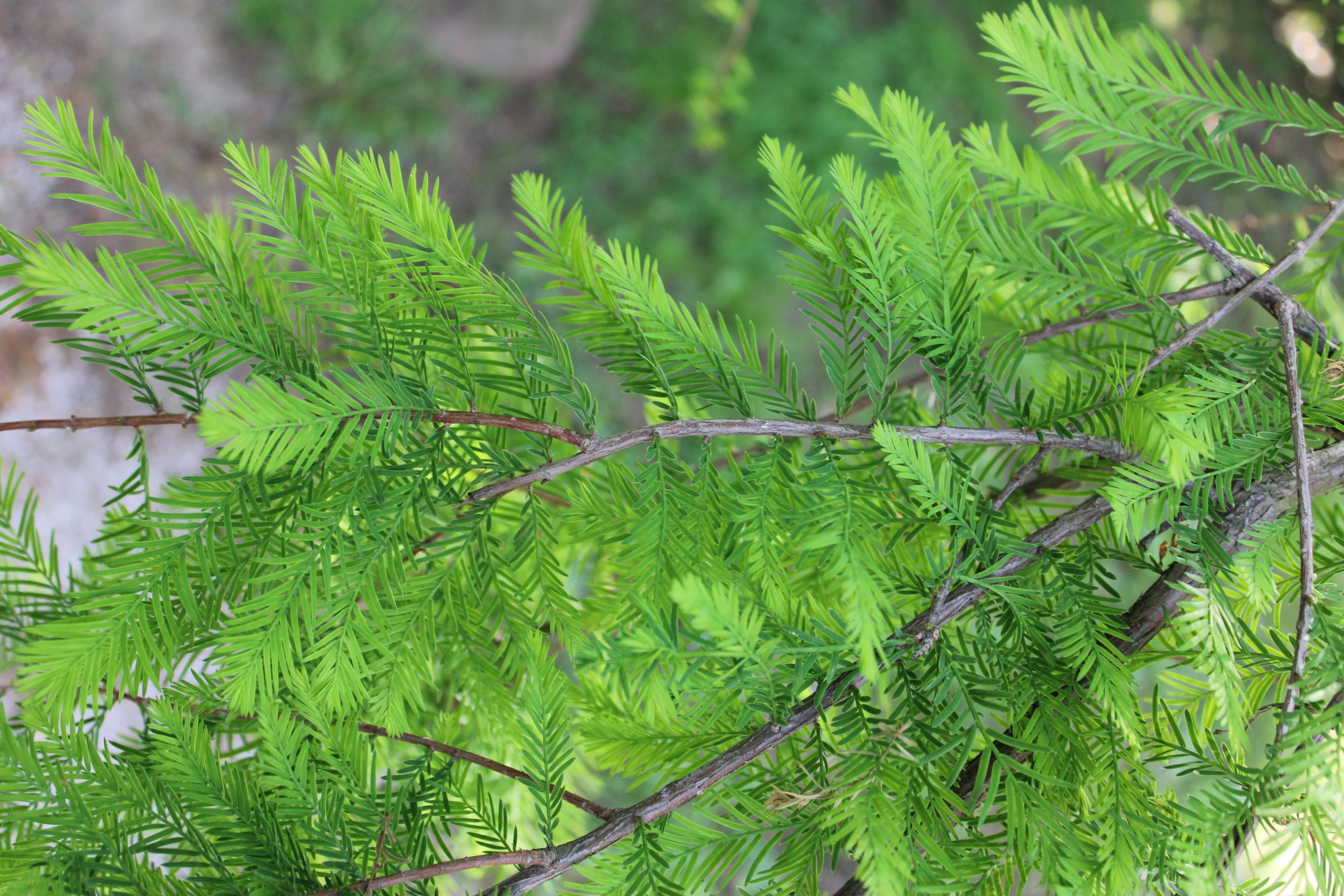
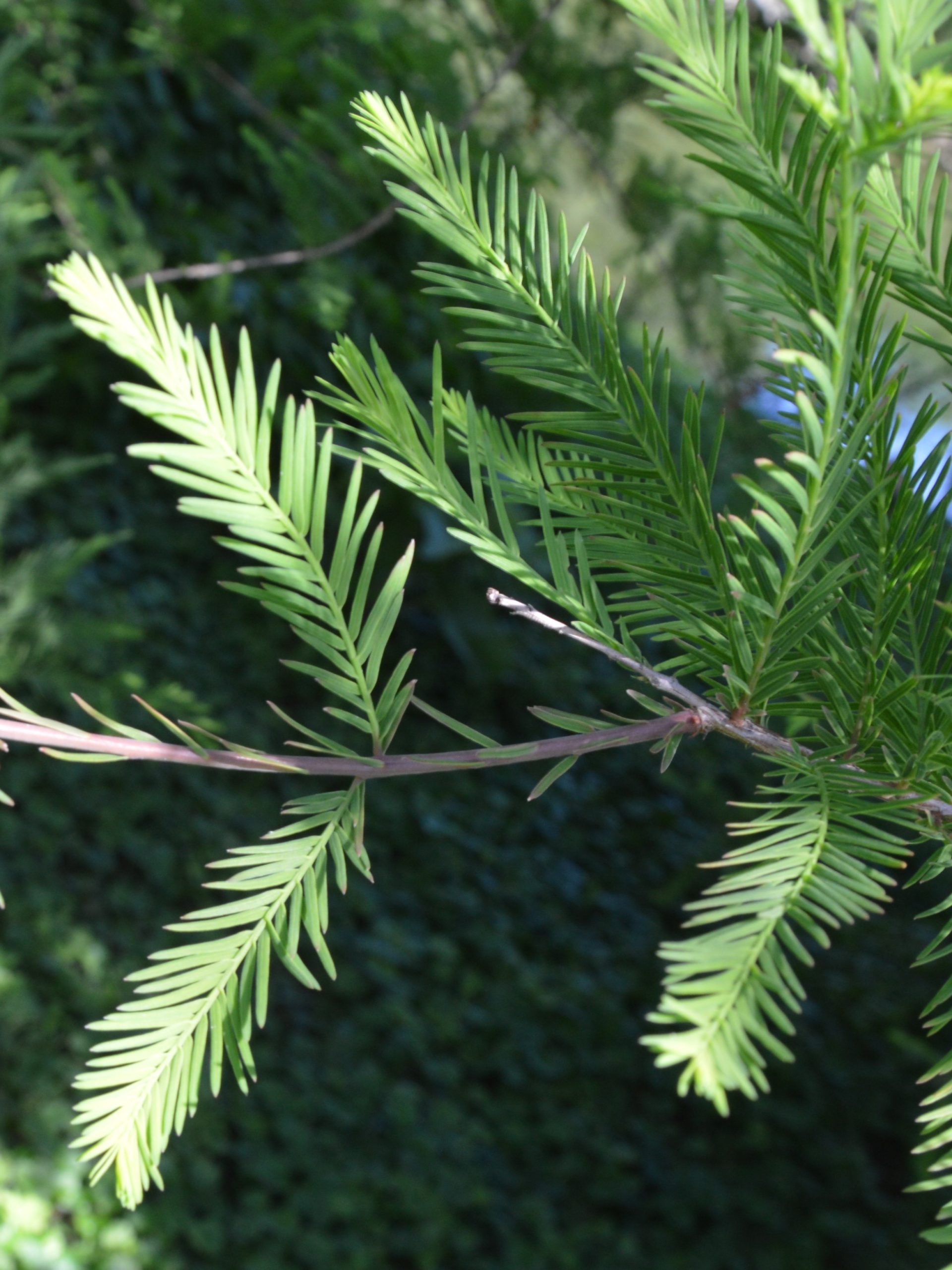
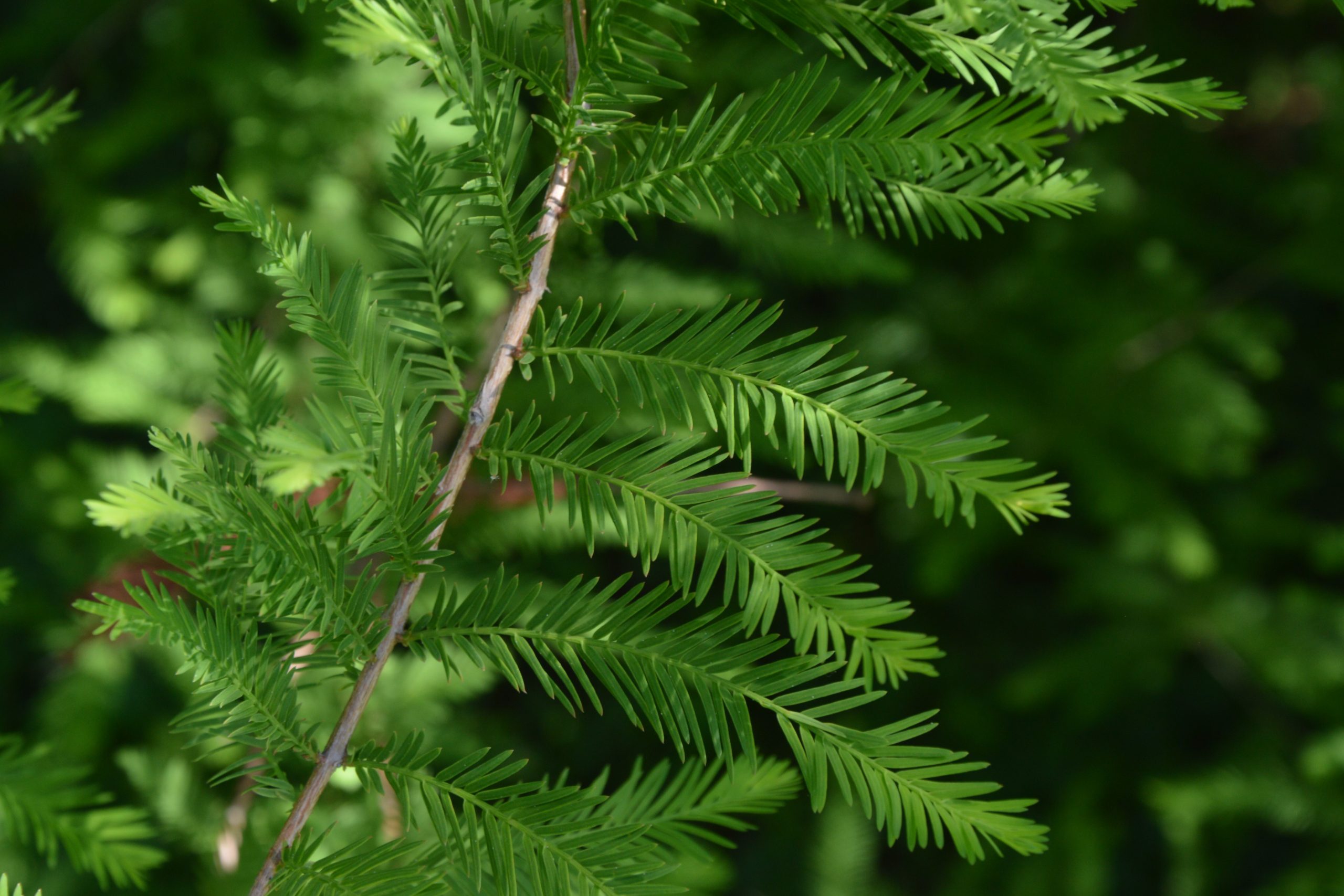
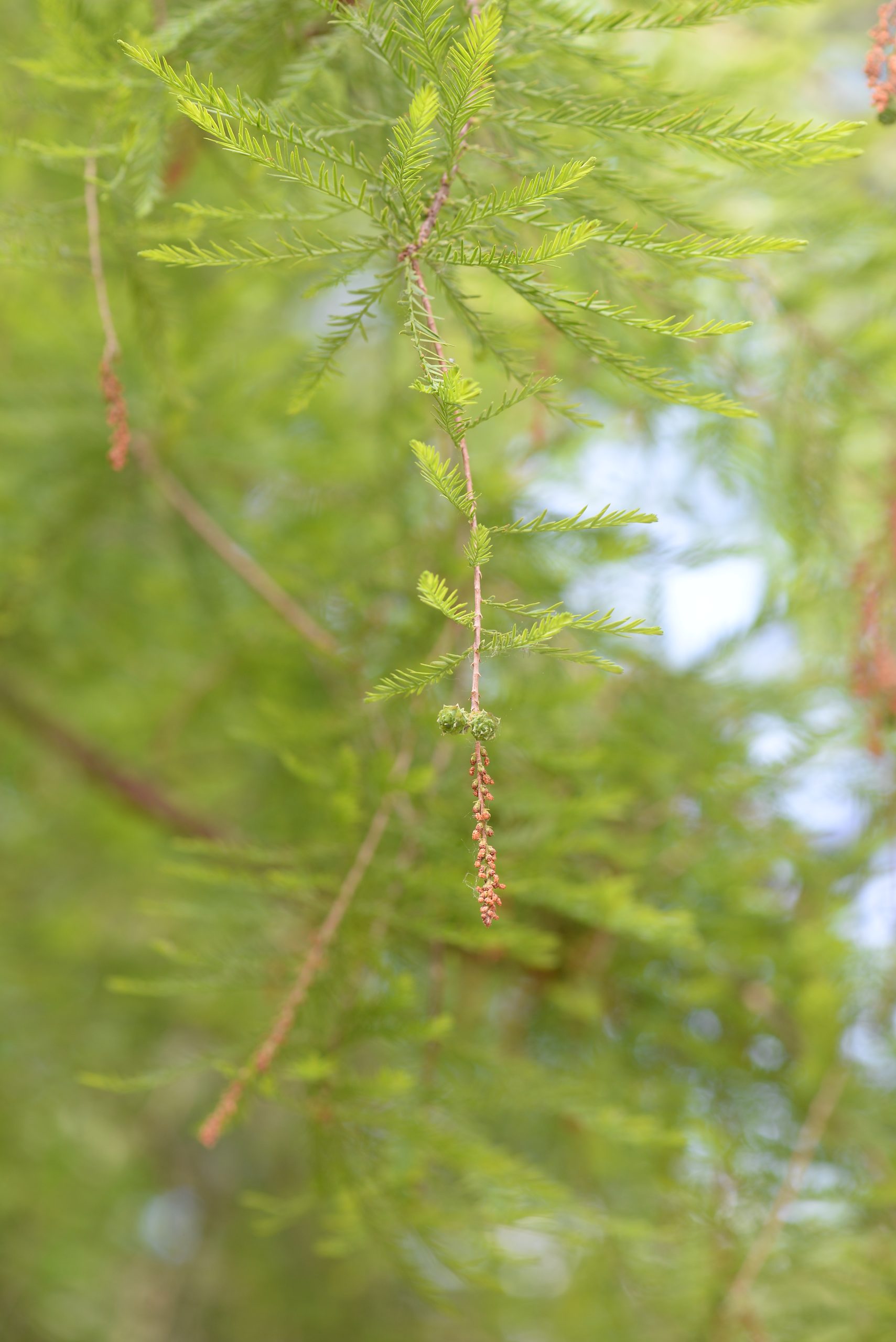
Leaf: Its alternating needles grow on branches from brachyblasts. They are flat, soft, light green and turn brown-red in autumn, then fall off together with the brachyblasts.
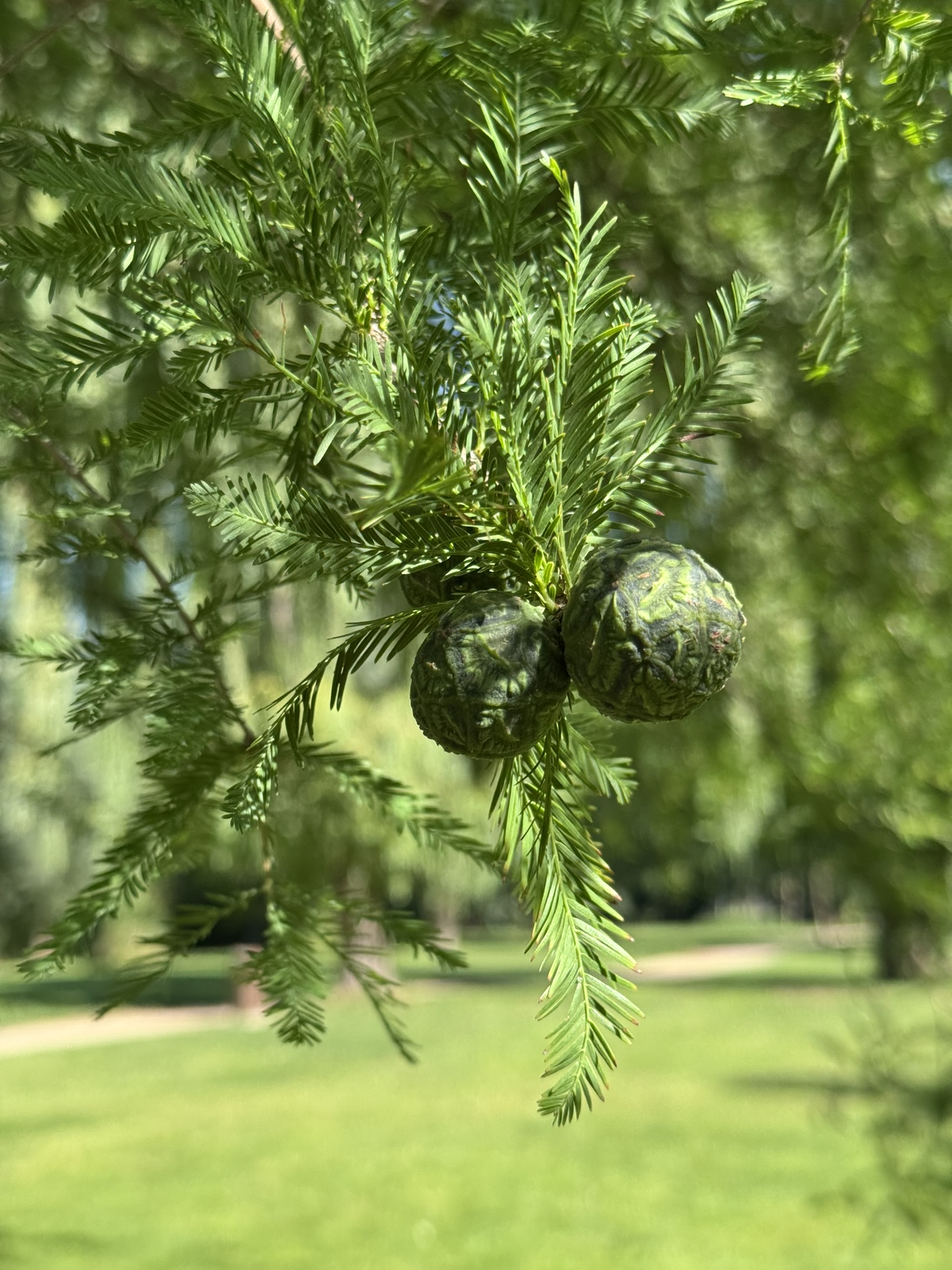
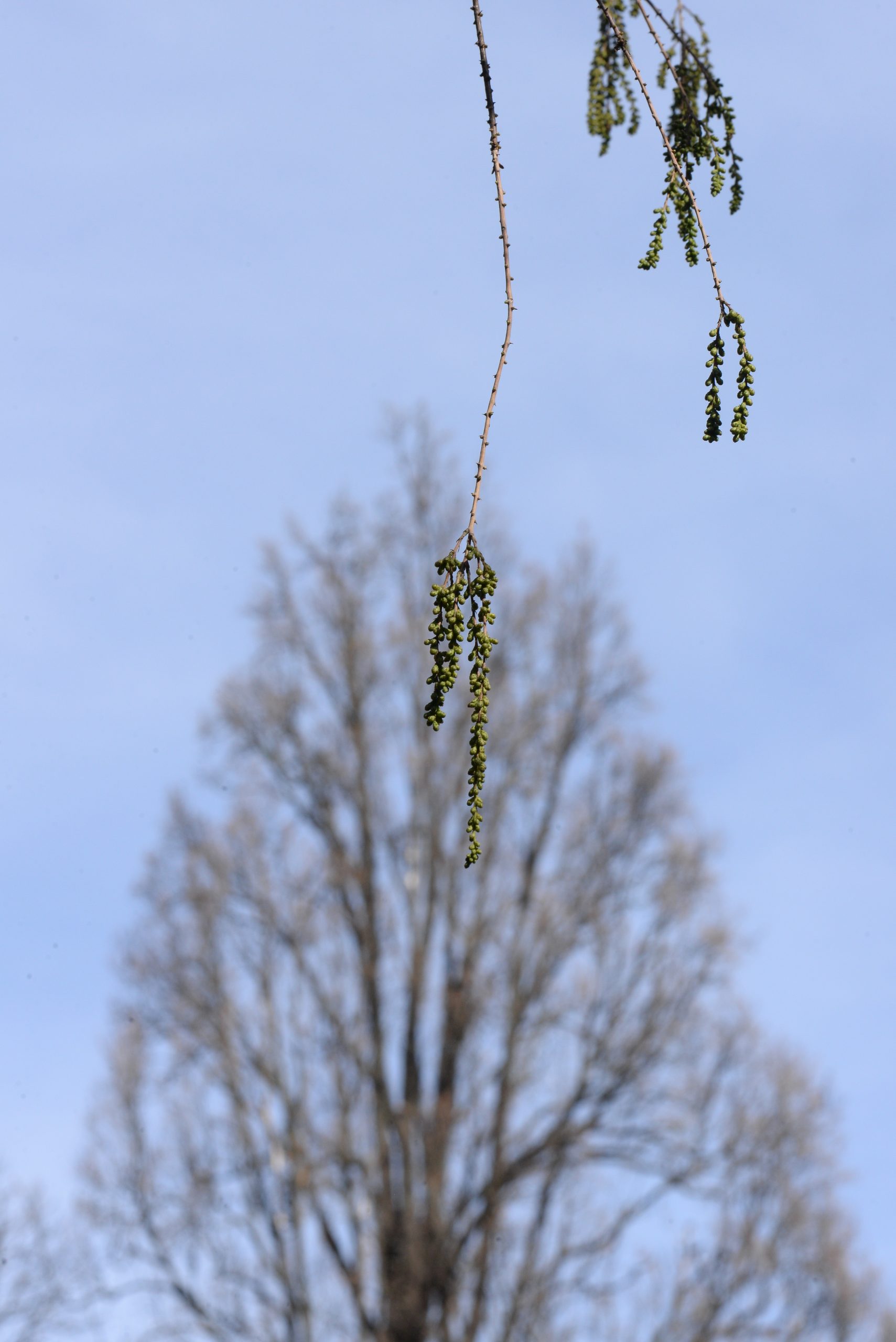
Bloom, fruit: The plant is monoecious. Very small male cones are red-purple and form hanging clusters; female cones are 2 centimetres long, yellow-brown. The cones ripen during November and for some time still remain on the tree after the seeds fall out.
Interesting fact: Root shoots allow the tree to anchor well even in unstable soft and moist soils. Pneumatophores growing vertically upwards serve for respiration in flooded soils. Their height is a good indicator of the local flood level. Extensive areas of Bald Cypress trees can occur around rivers and help to slow down flood waves (they increase the flood area, thereby increasing water infiltration into the soil and sedimentation of deposits).