
Walnut family, Juglandaceae
Origin: the U.S.A., Canada
Habitat in the original area: as an admixture in deciduous forests
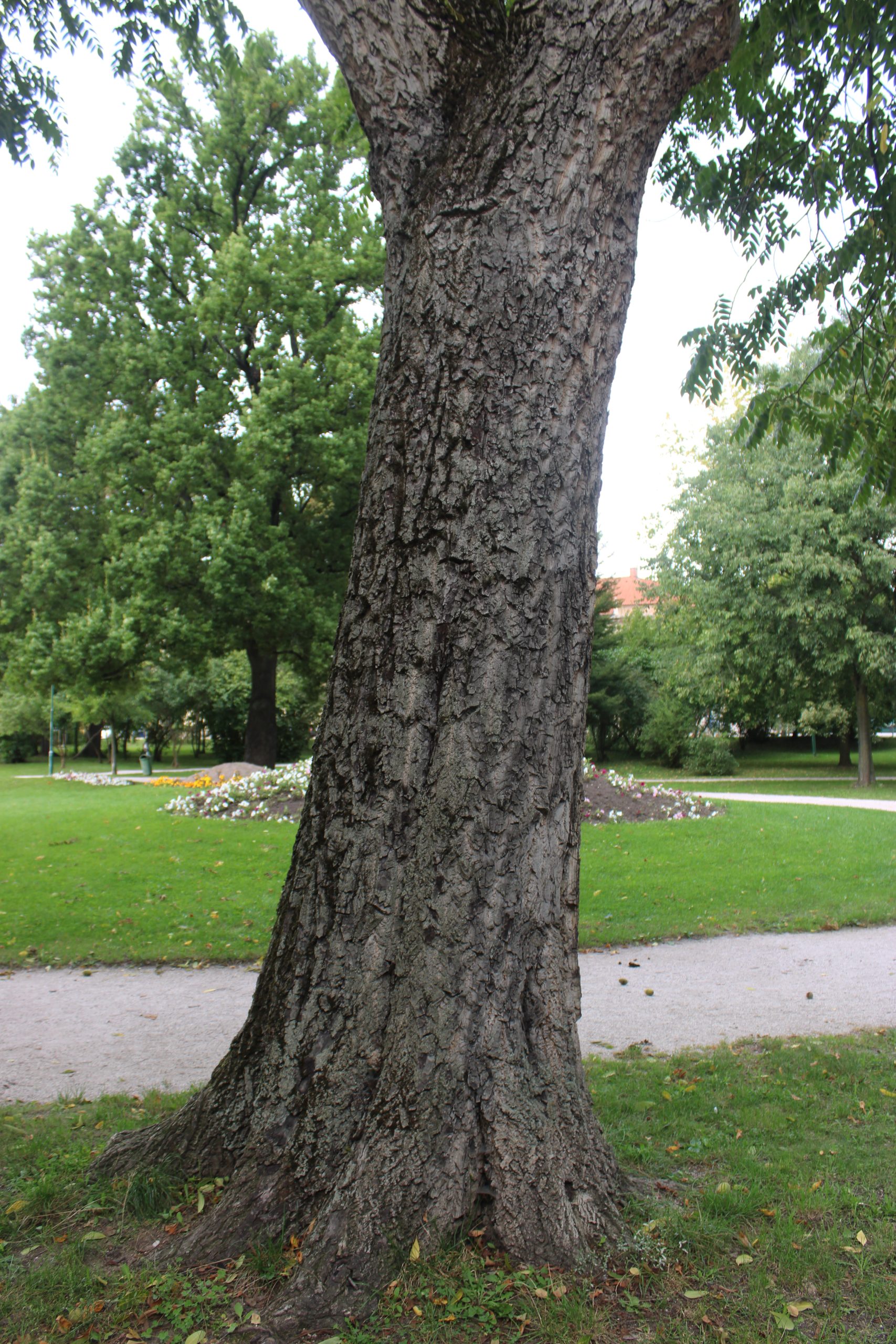
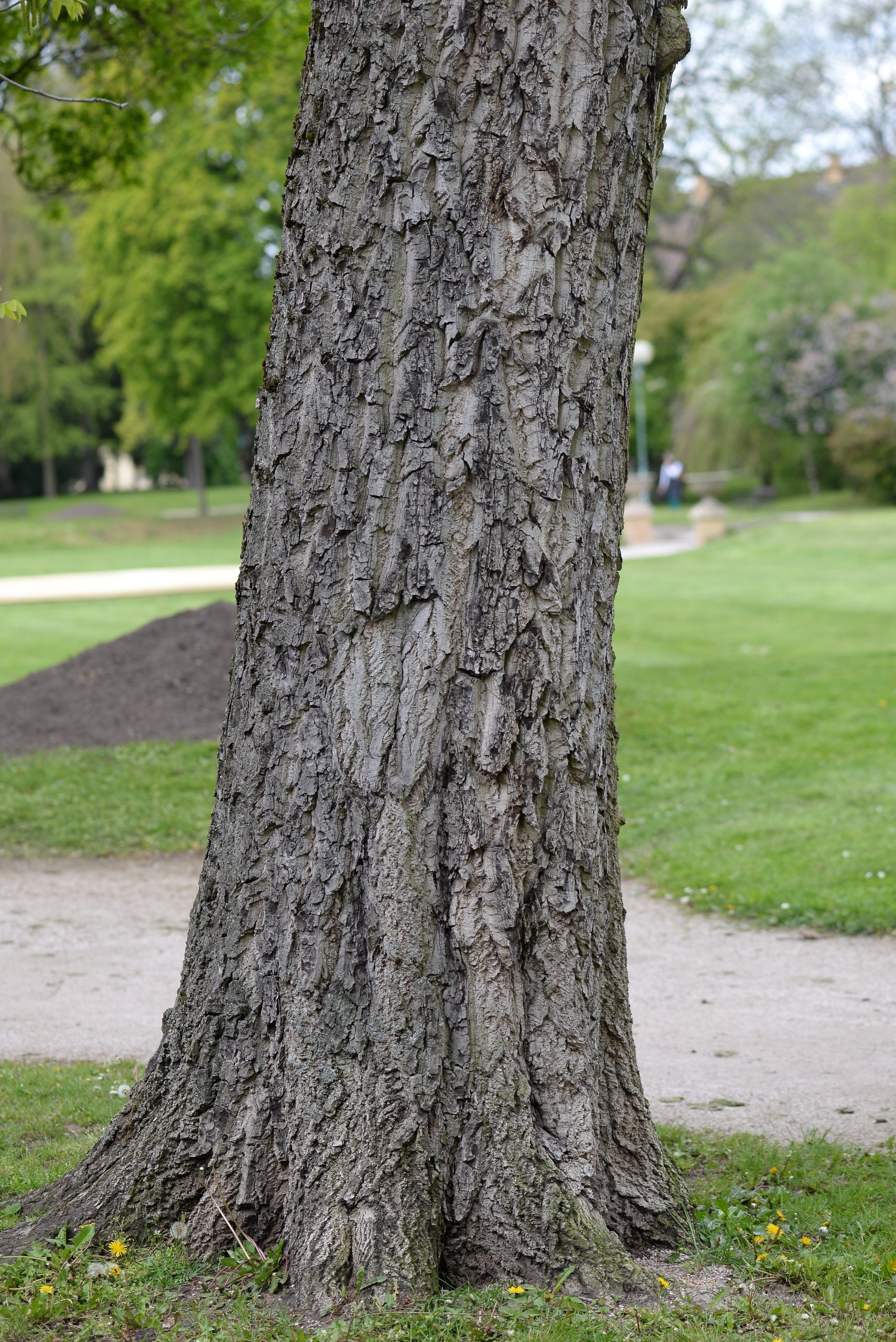
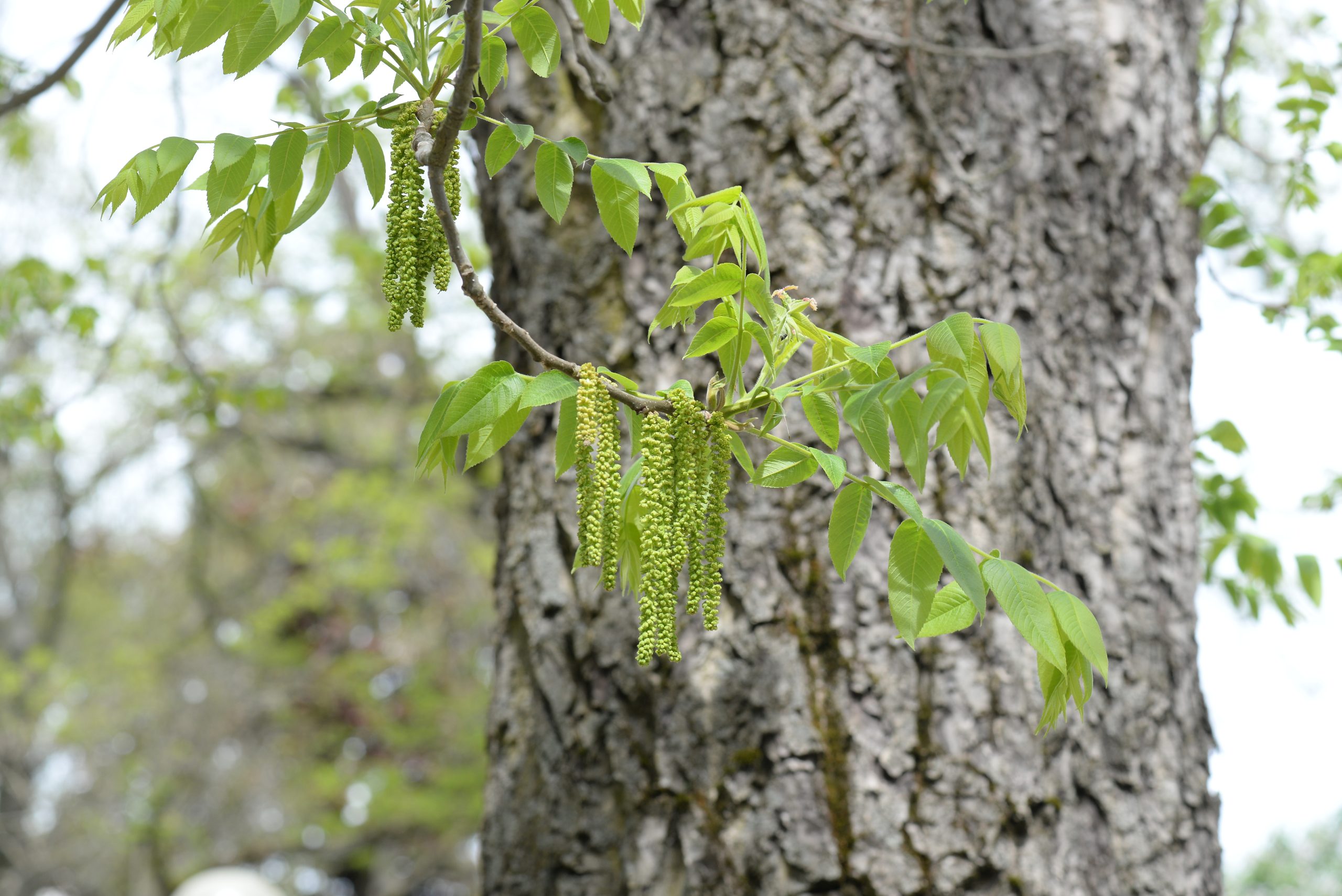
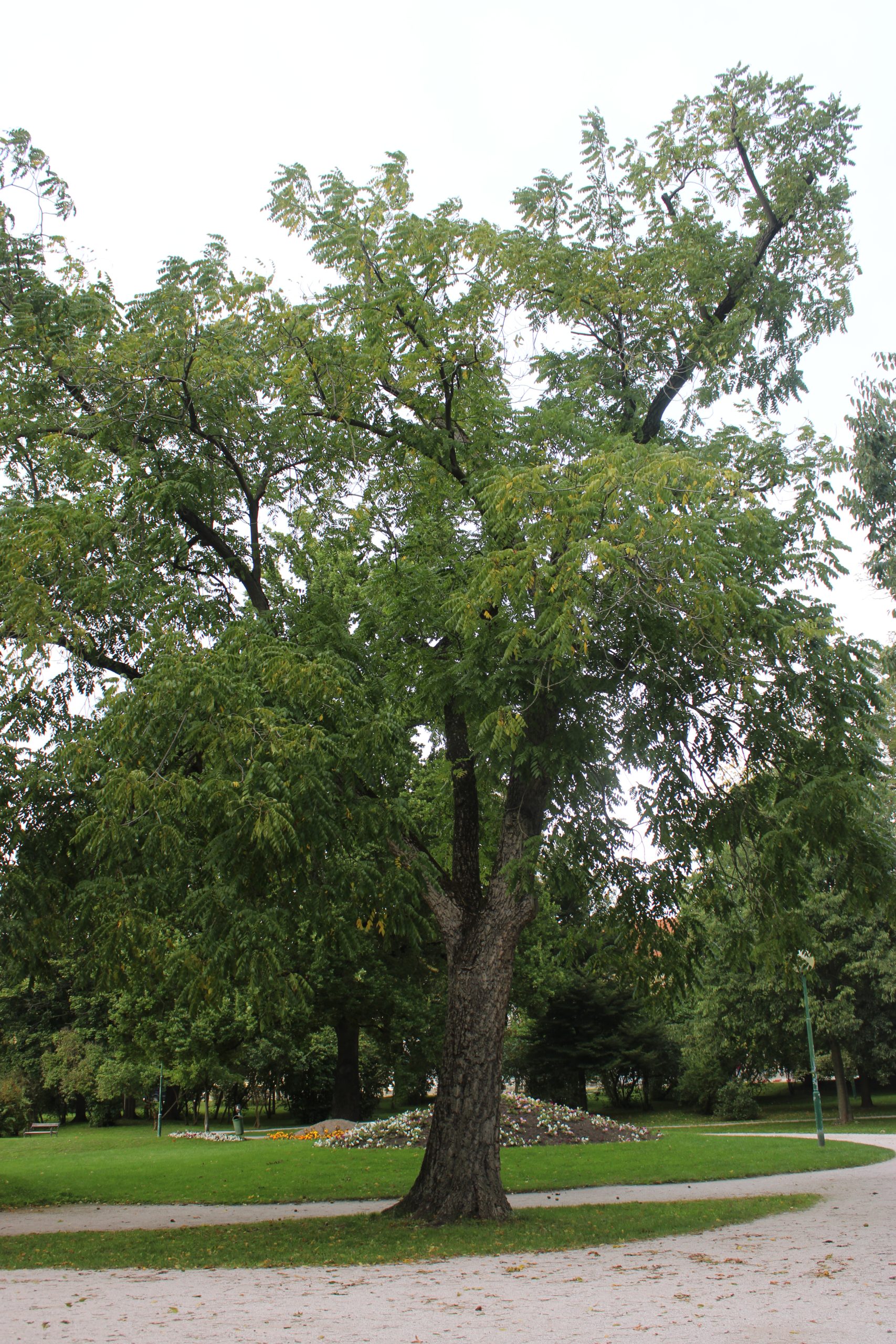
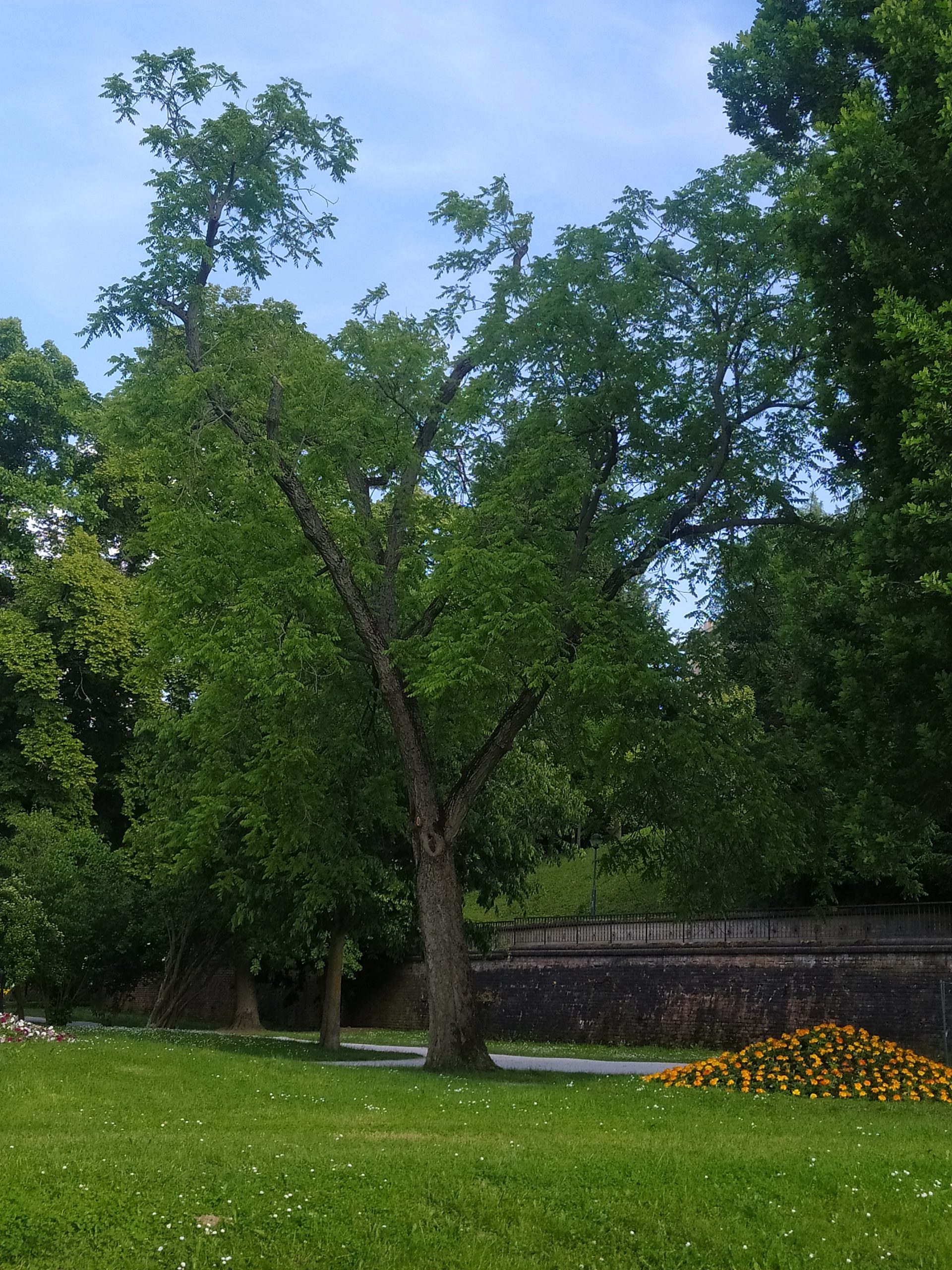
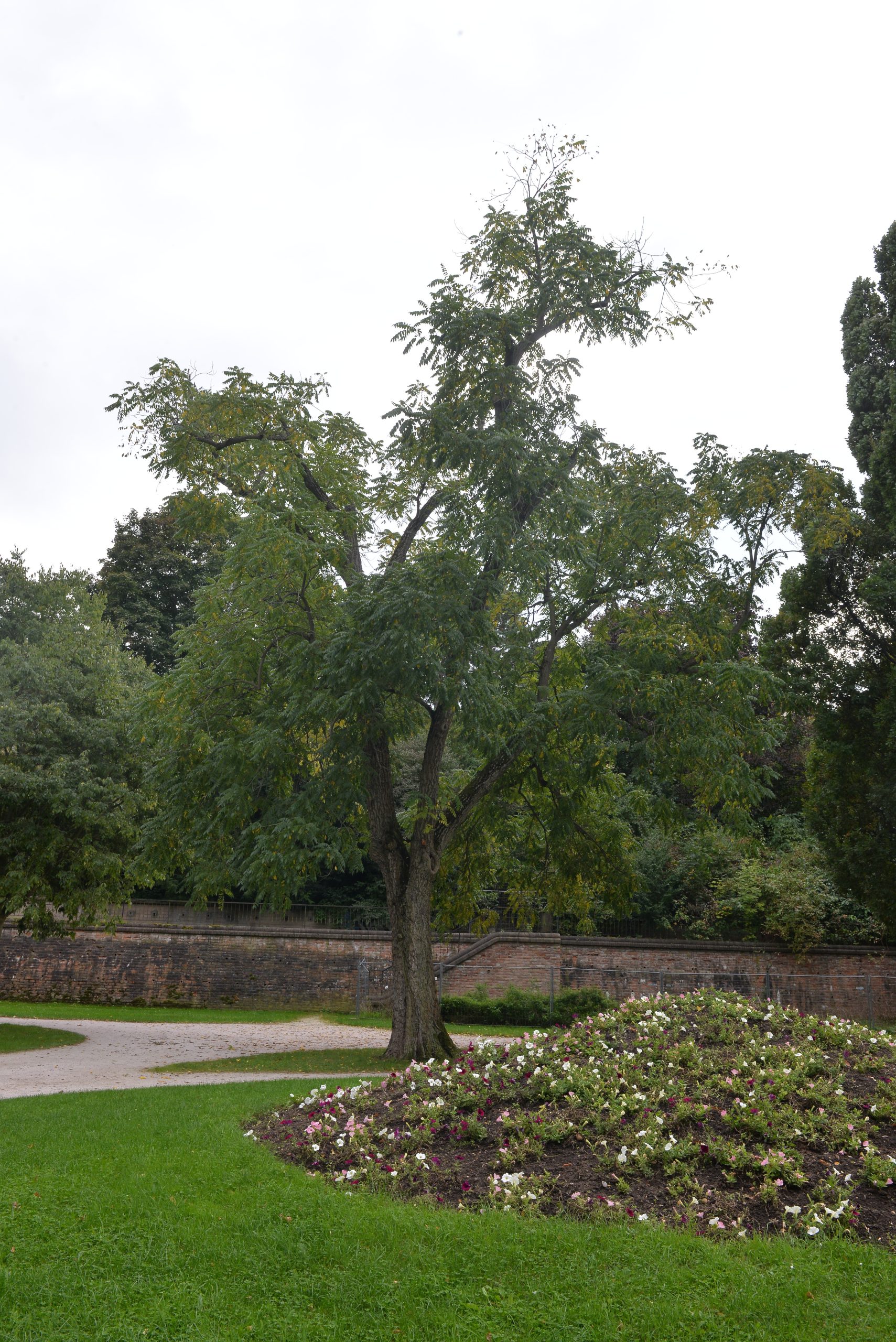
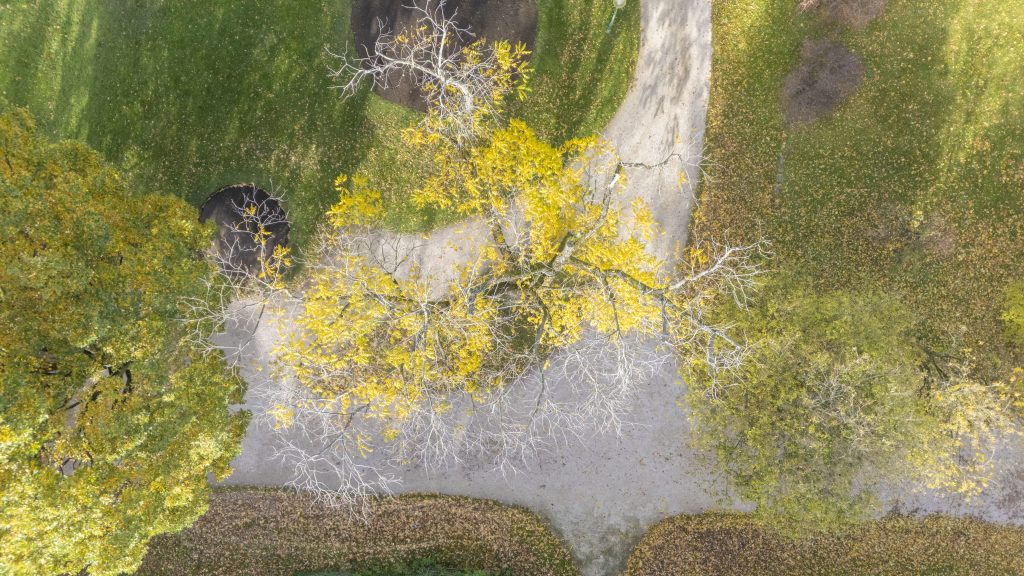
Habitus: This tree usually grows to the height of about 15 metres; its maximum height is 30 metres. It branches only sparsely, its crown is open, wide and rounded at the top. The bark is brown-red when young, then from brown to grey and cracking when old.
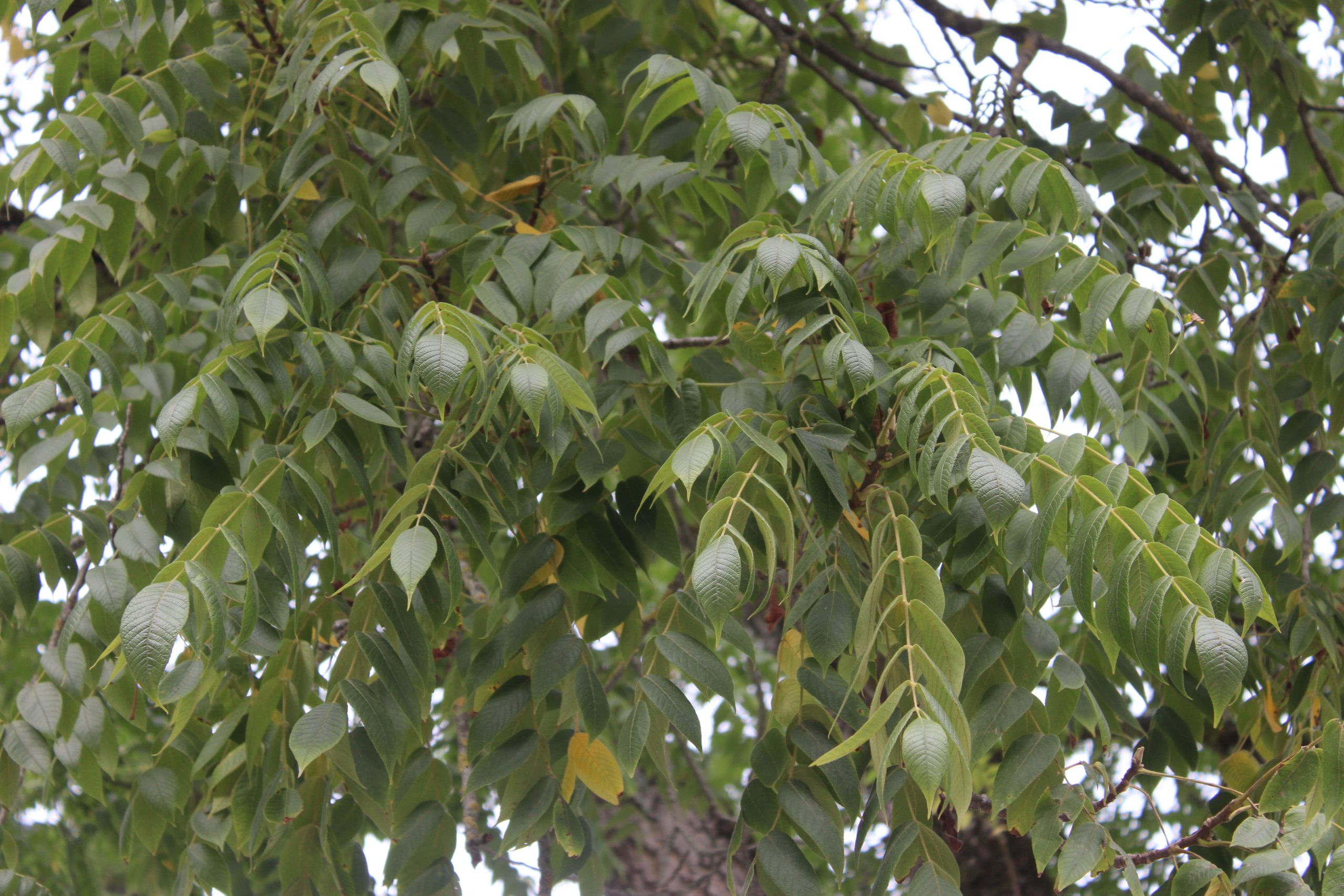
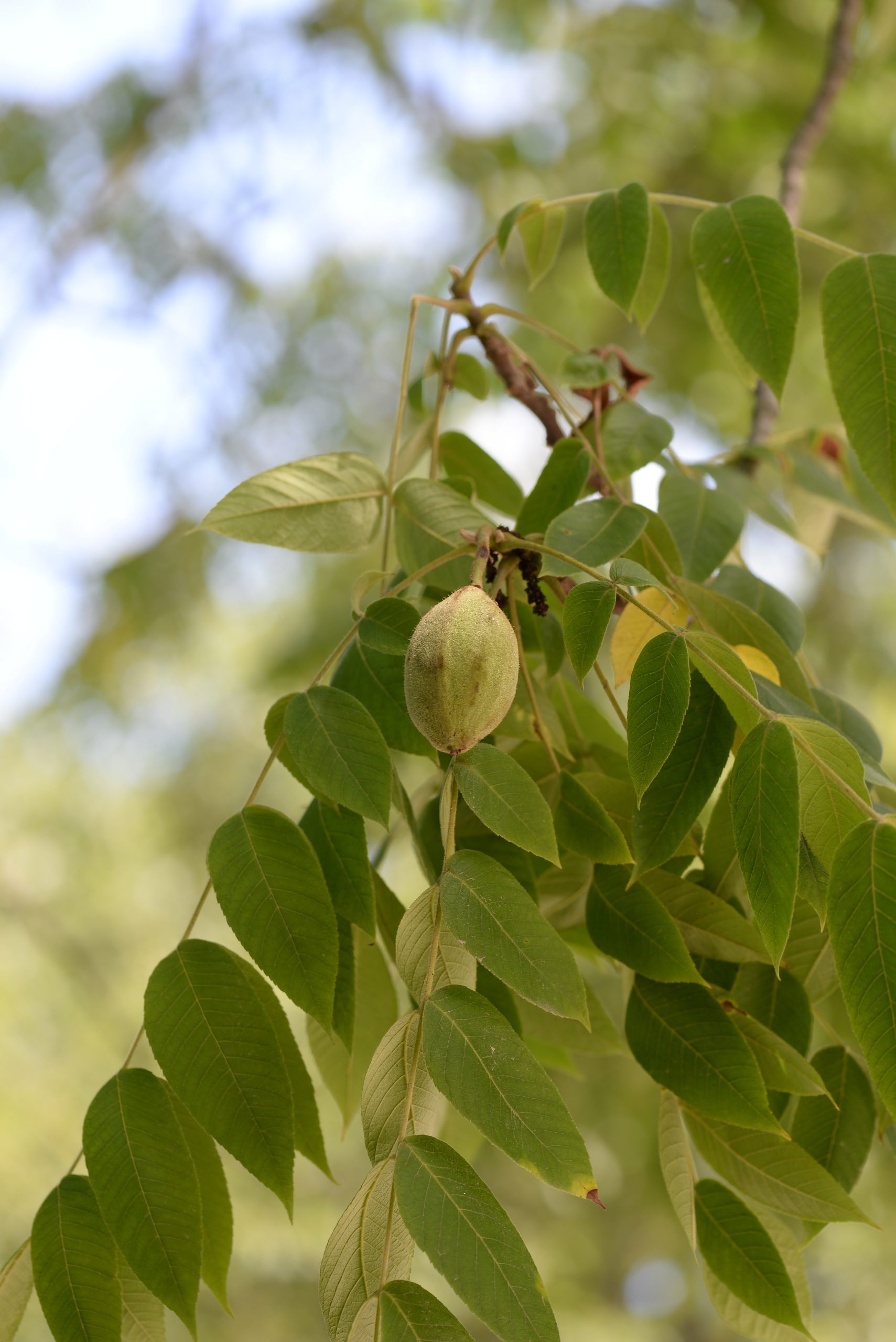
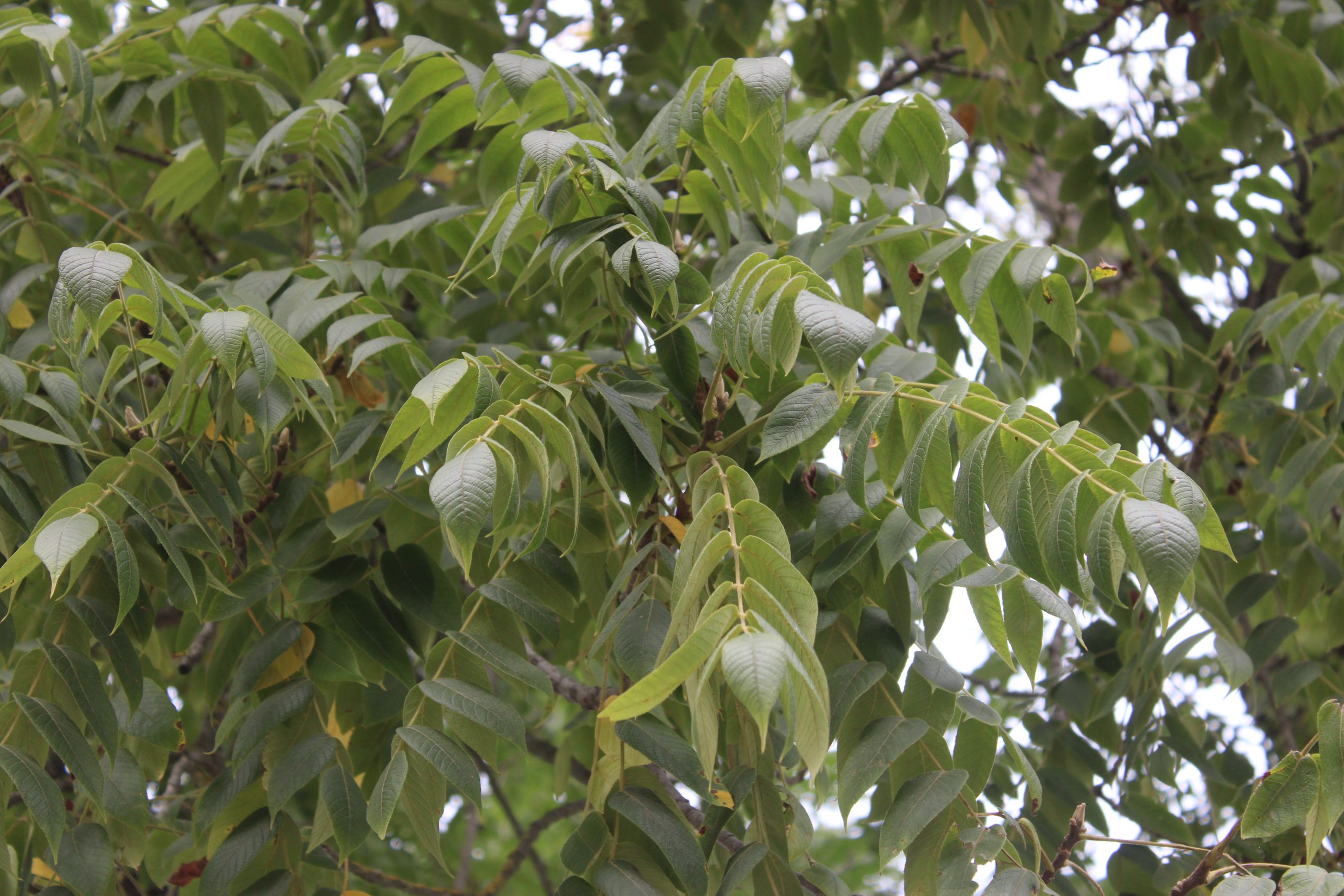
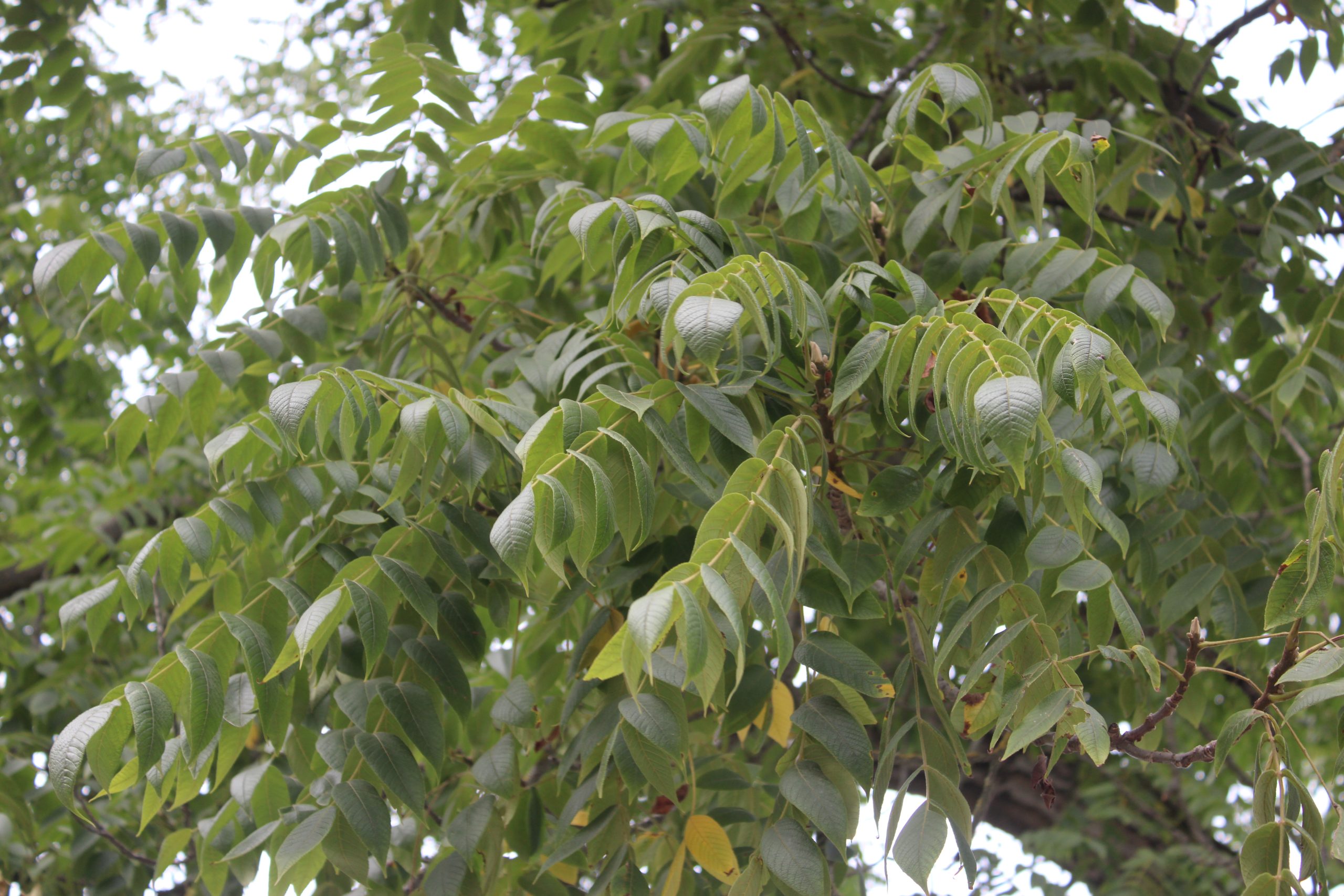
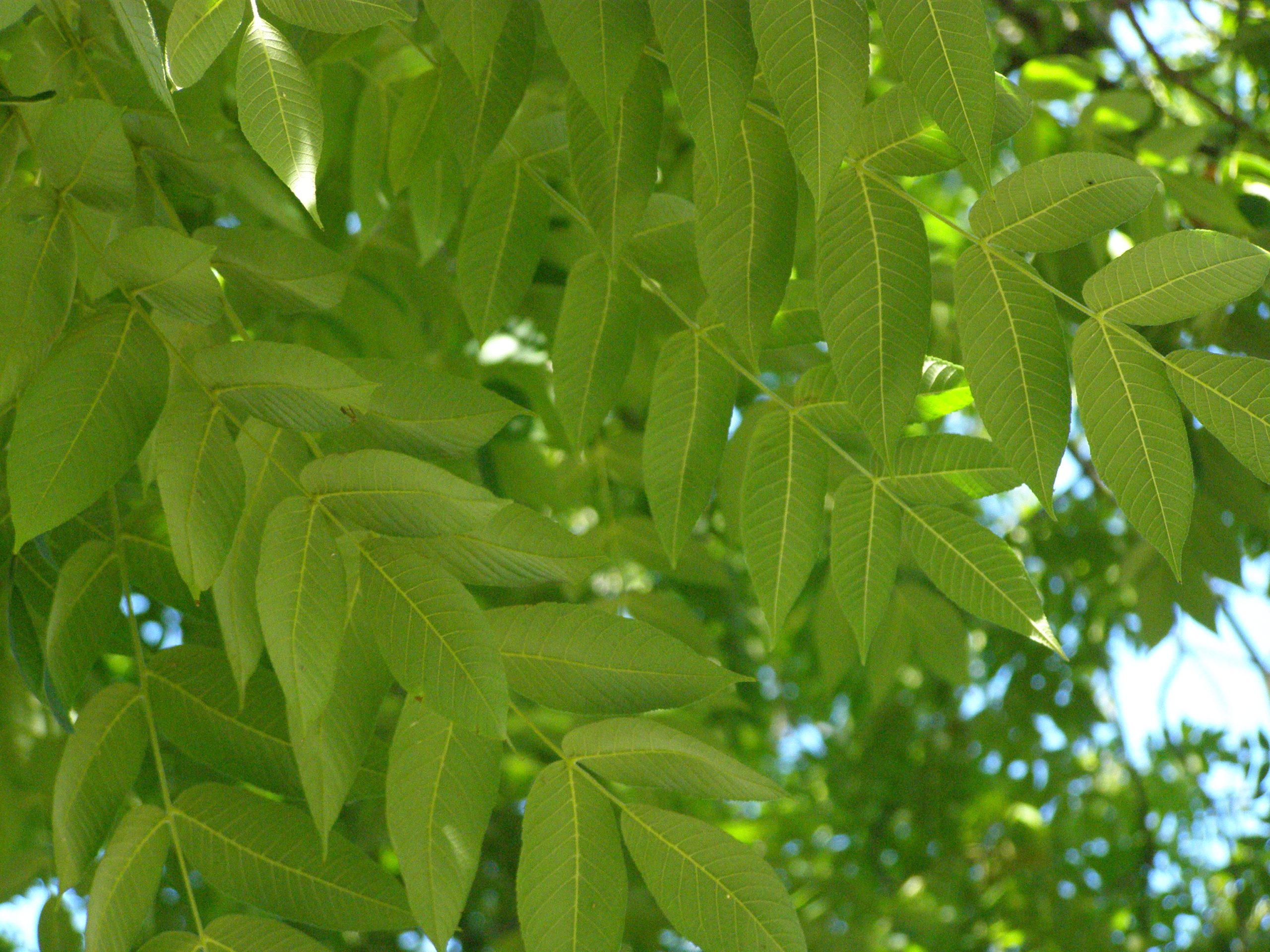
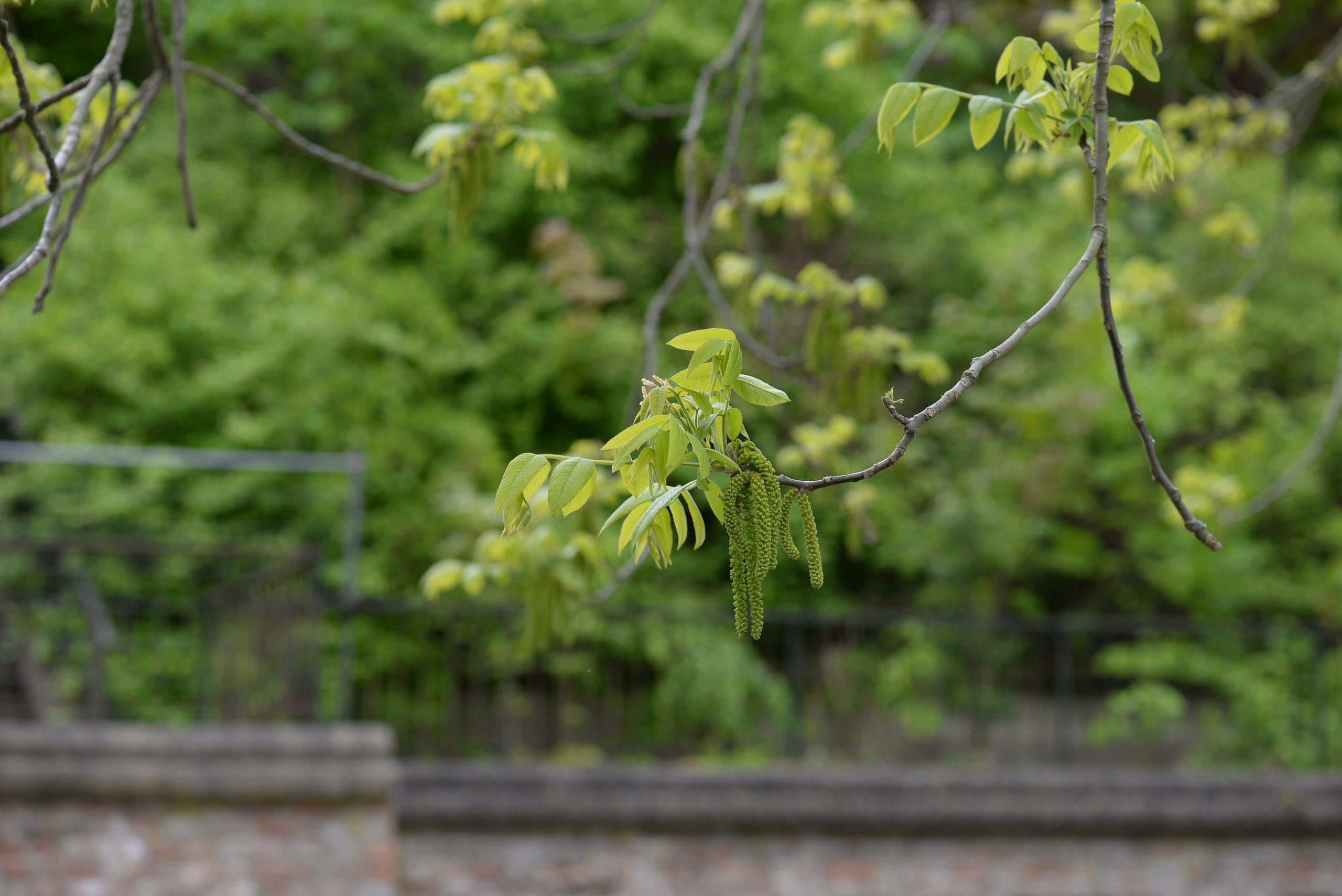
Leaf: Long-petiolate leaves grow alternately. They are up to 50 centimetres long, odd-pinnate, composed of 11–19 lanceolate leaflets serrated along the edge. The longest leaflet is located in the middle part of the leaf. The terminal leaflet is the largest one. The petioles and blades are covered with dense trichomes on the underside.
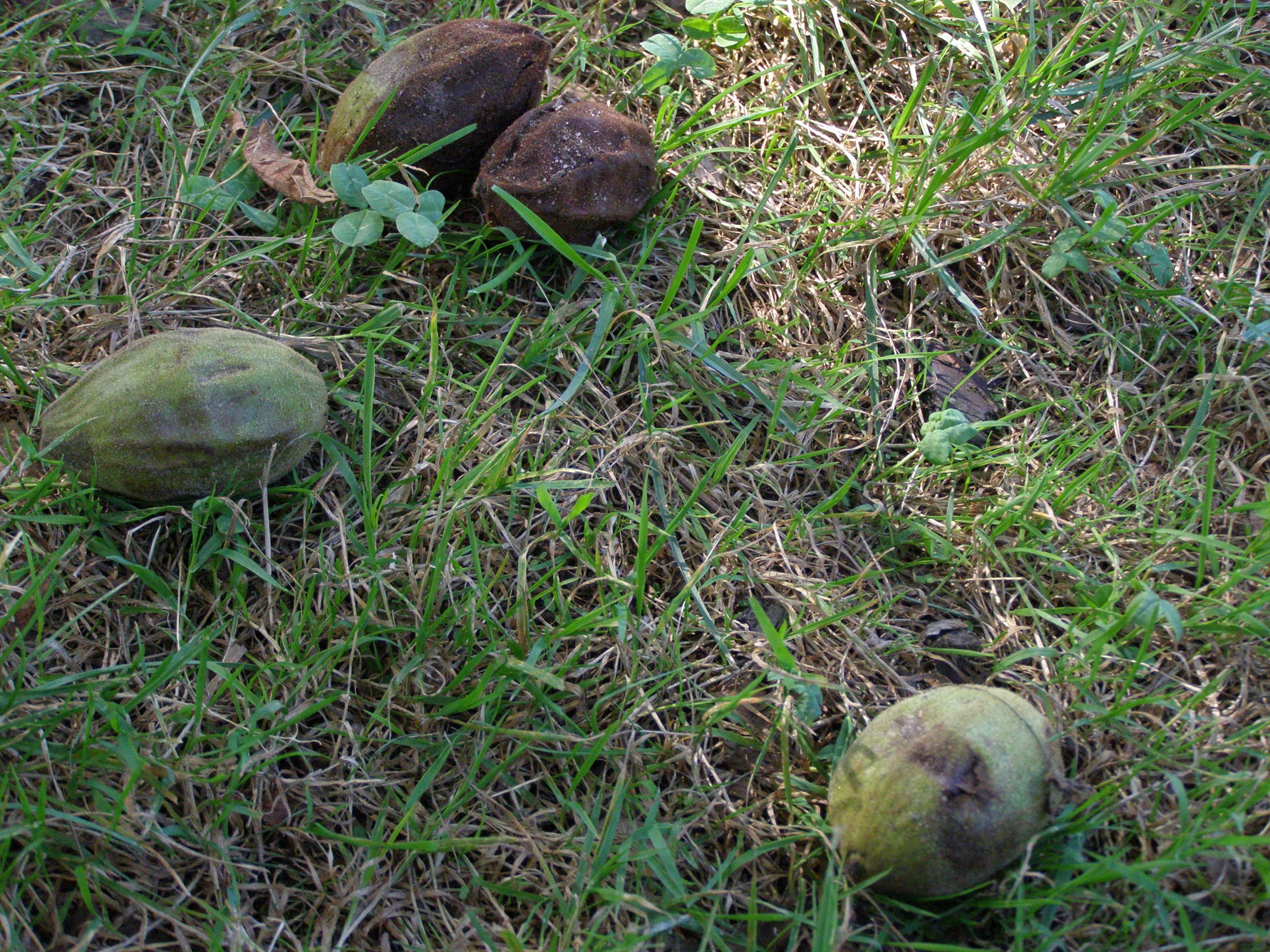
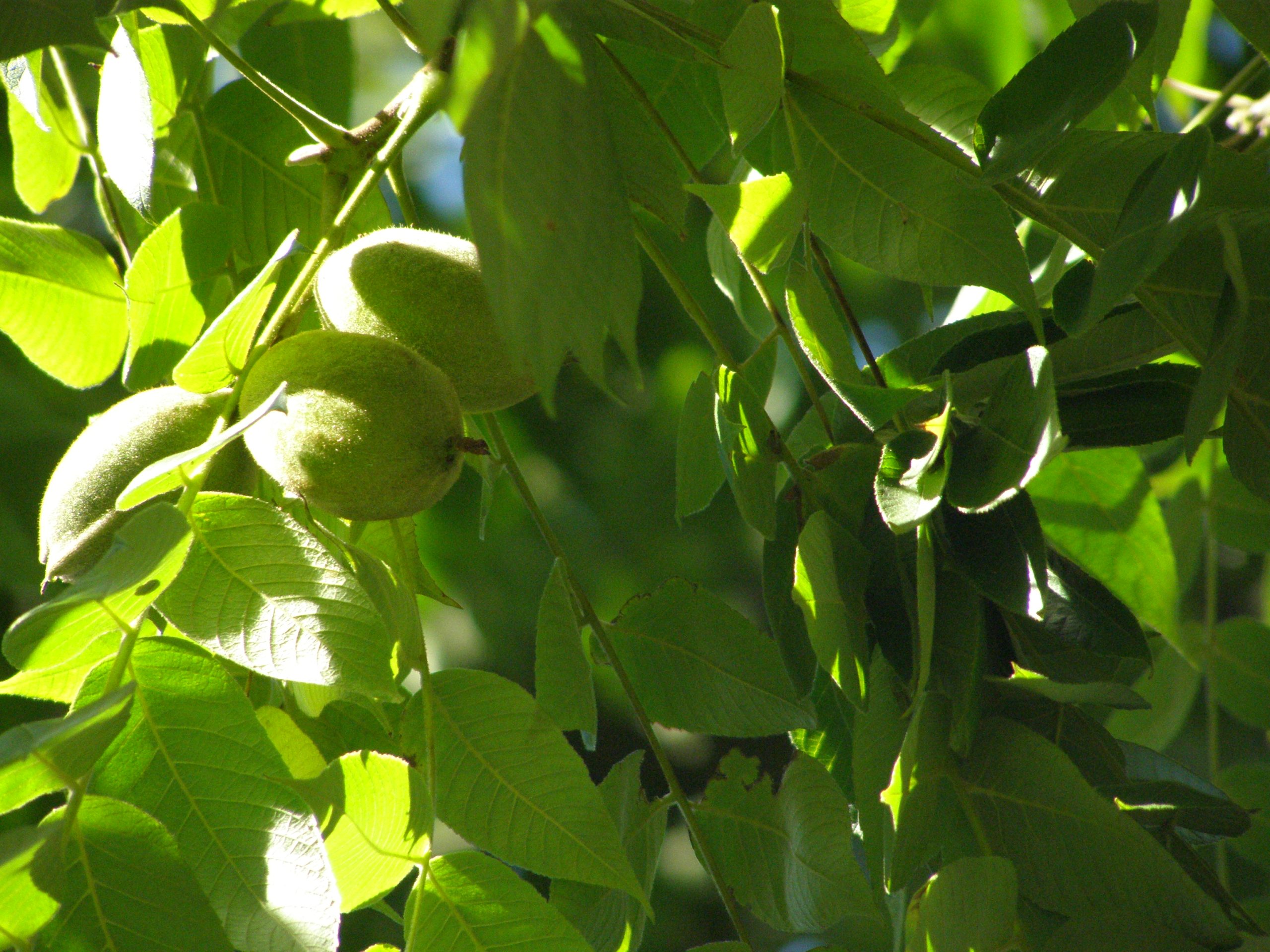
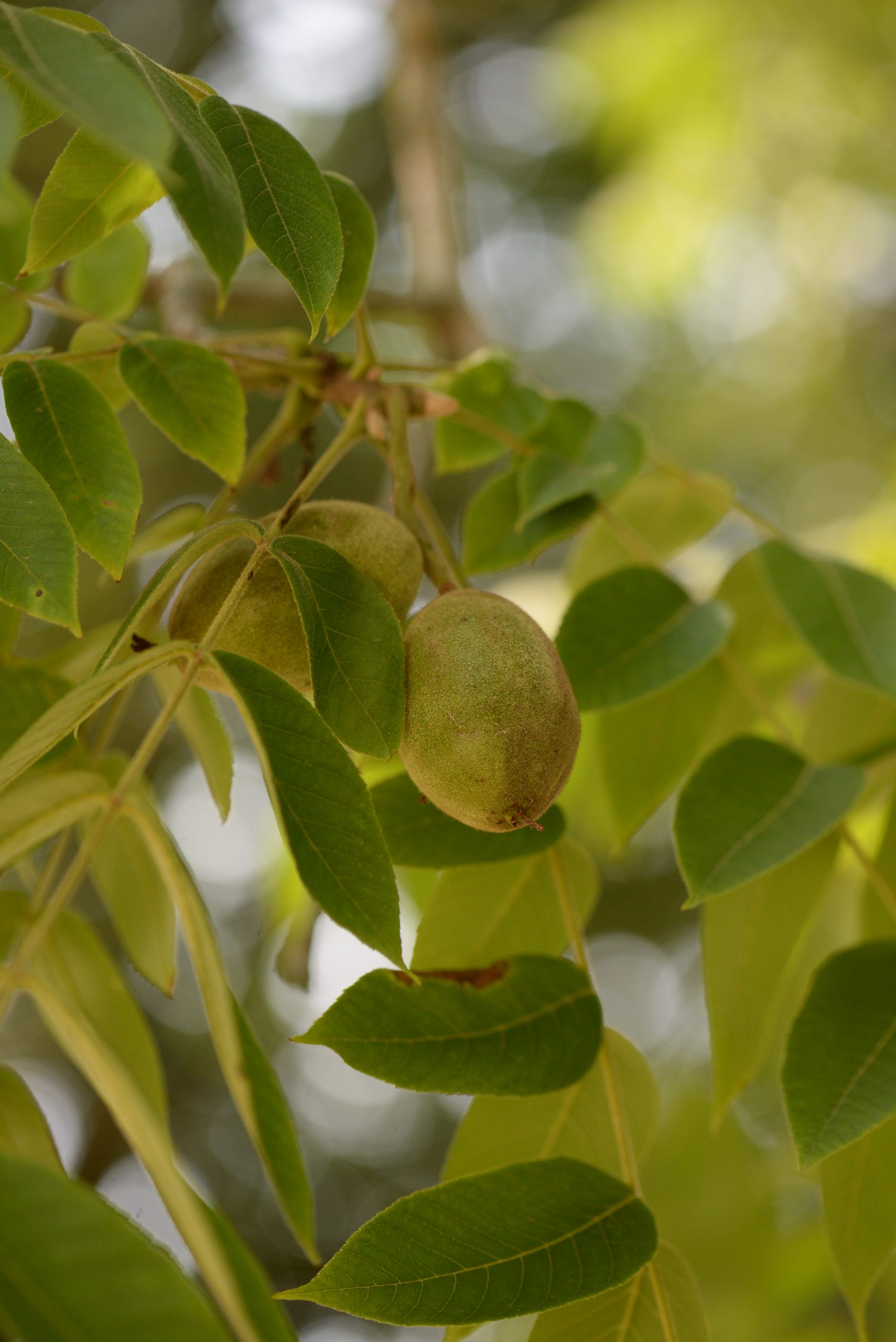
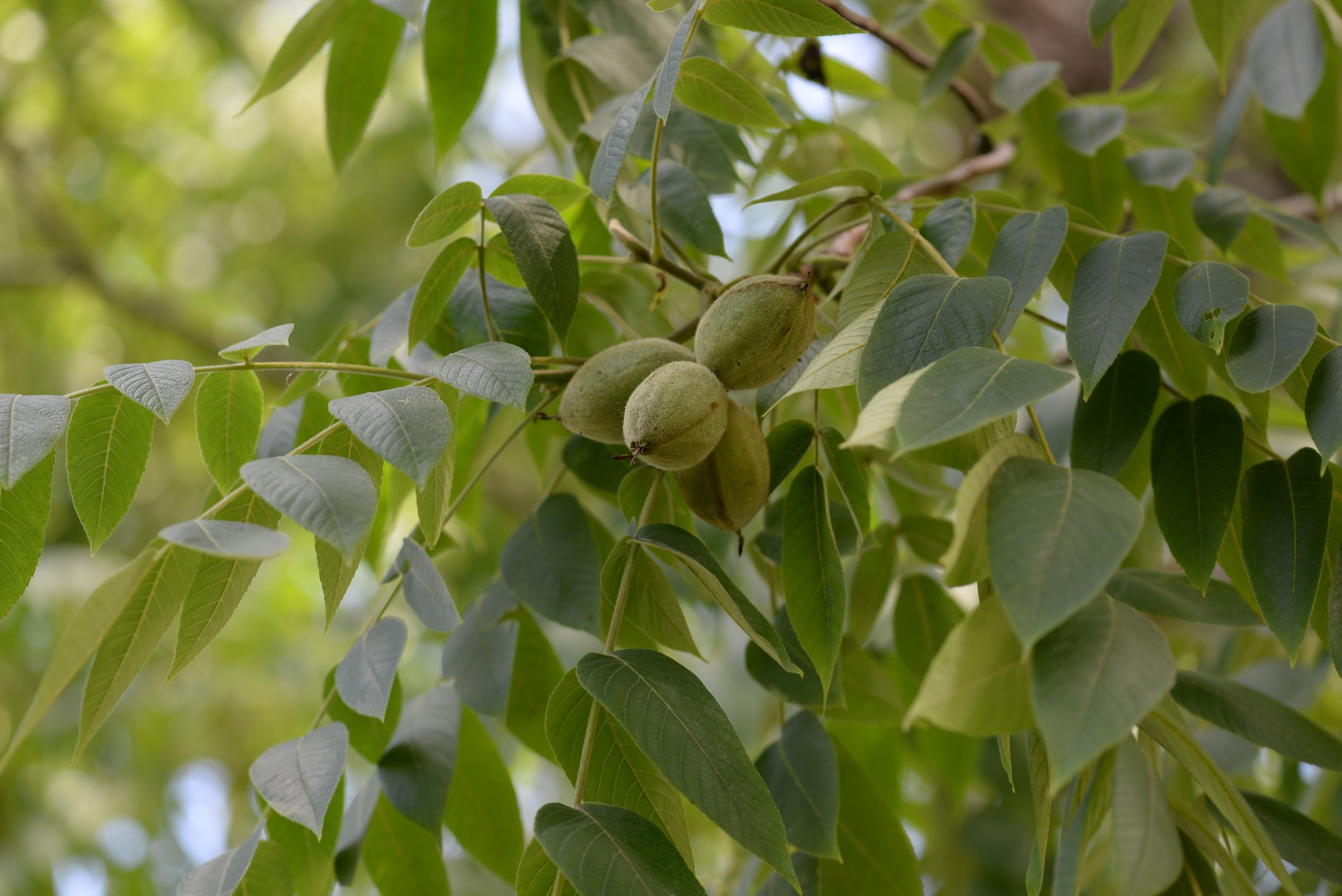
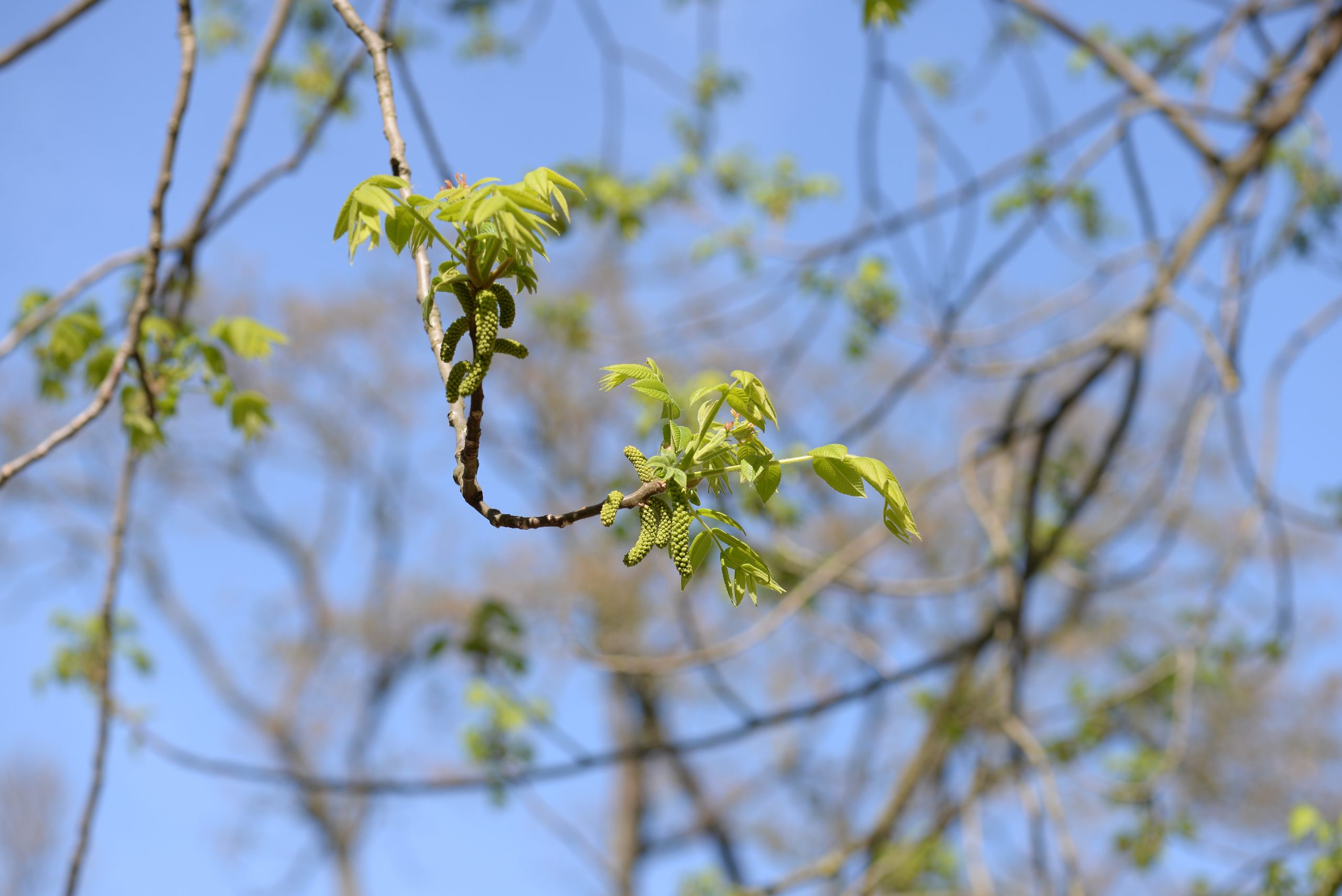
Bloom, fruit: It blooms from April to June. It is monoecious. Its male inflorescences are up to 12 centimetres long green catkins. Female blossoms form clusters. The unisexual blooms often do not ripen at the same time, so more than one individual is needed for pollination. The fruit is a drupe, an ovoid, pointed black-brown nut with a furrowed hard shell hidden in a green, hairy pericarp. It ripens in September and remains on the tree until the leaves fall down. The seed (the nut kernel) is edible and sweet.
Interesting fact: The hard shell of the fruit consists of two halves, which do not separate from each other, so their cross sections are used to make jewellery.