
Legume/Pea family, Fabaceae
Origin: central China
Habitat in the original area: mountain forests up to 1,800 metres above the sea level
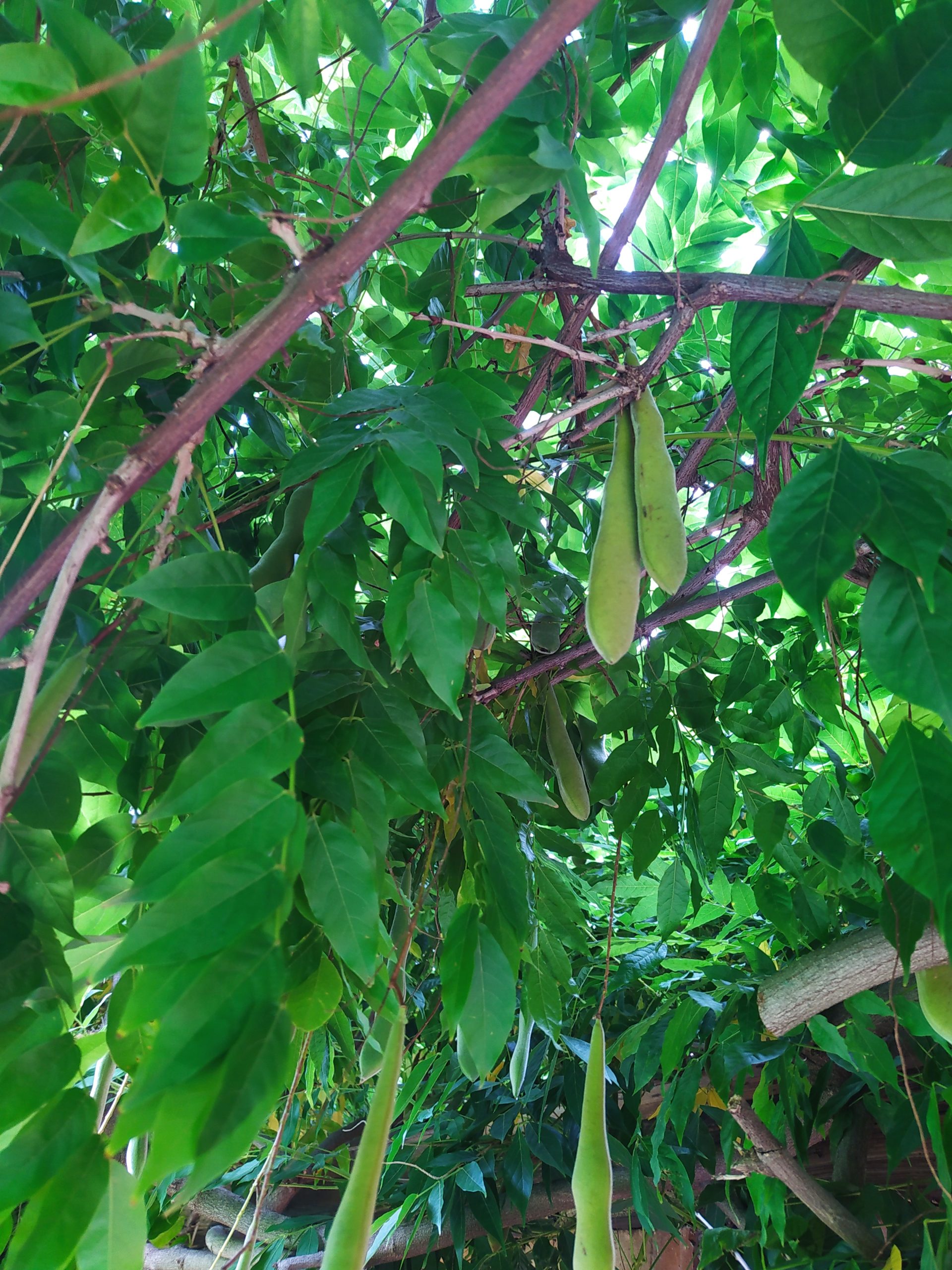
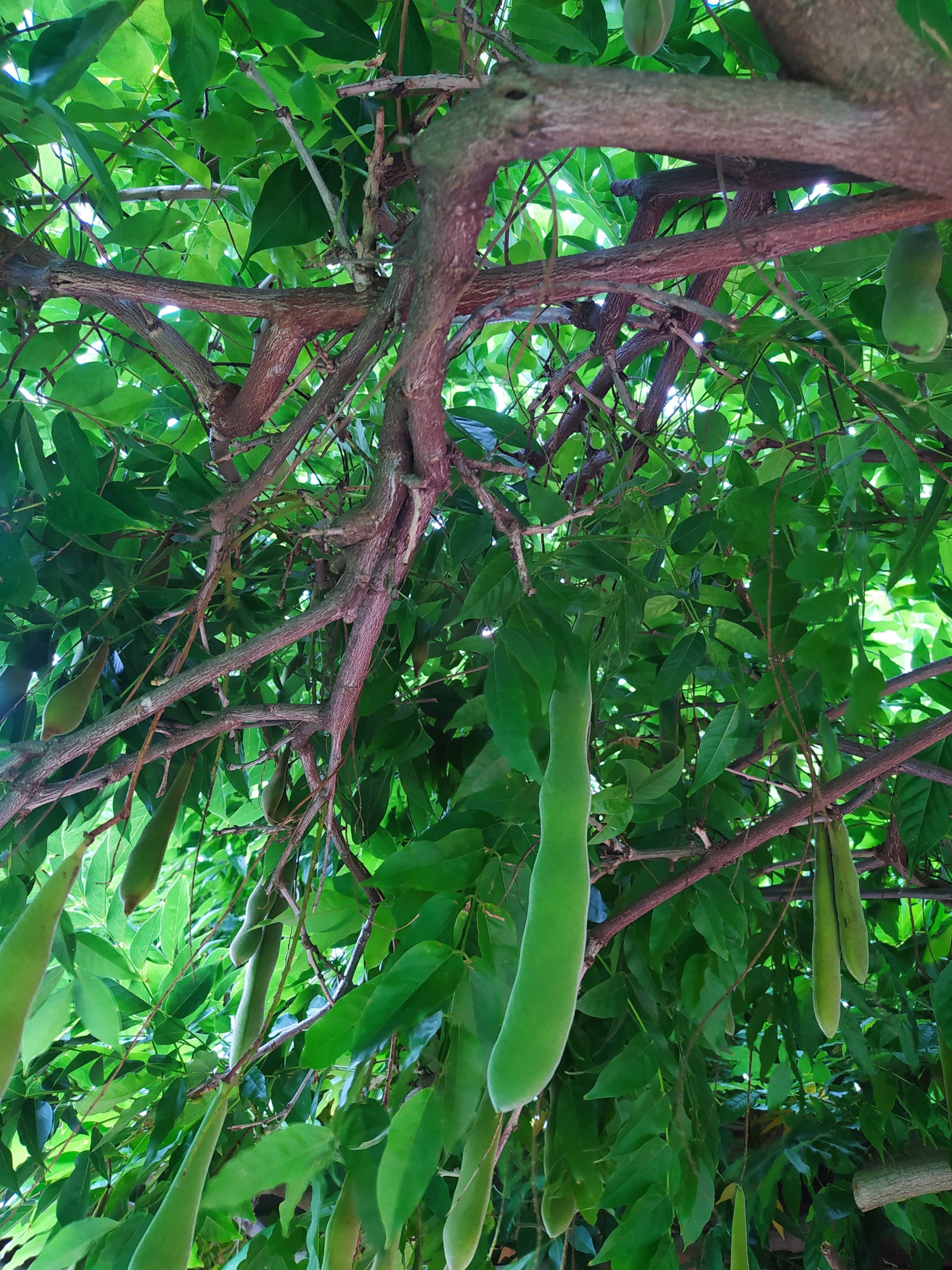
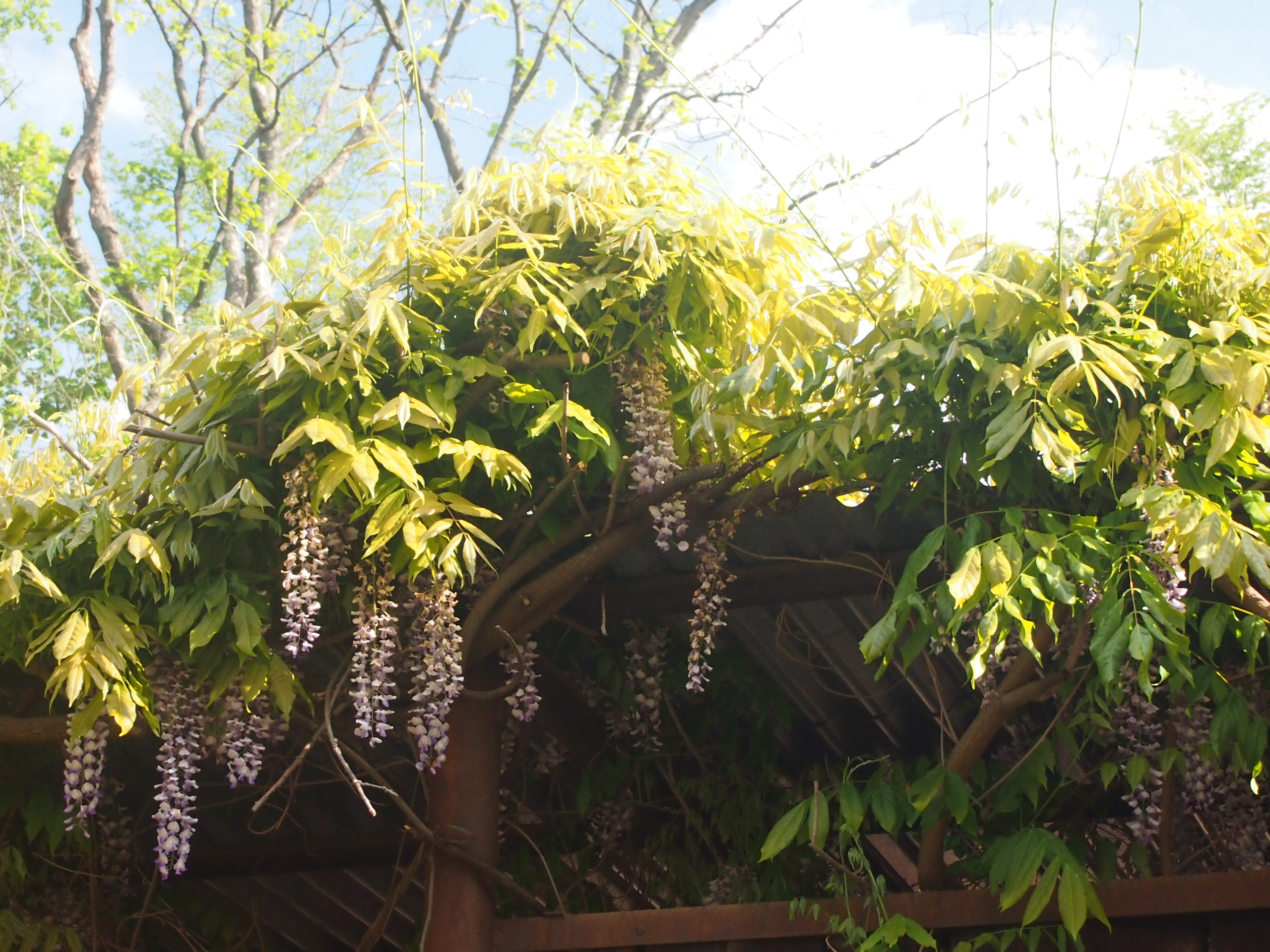
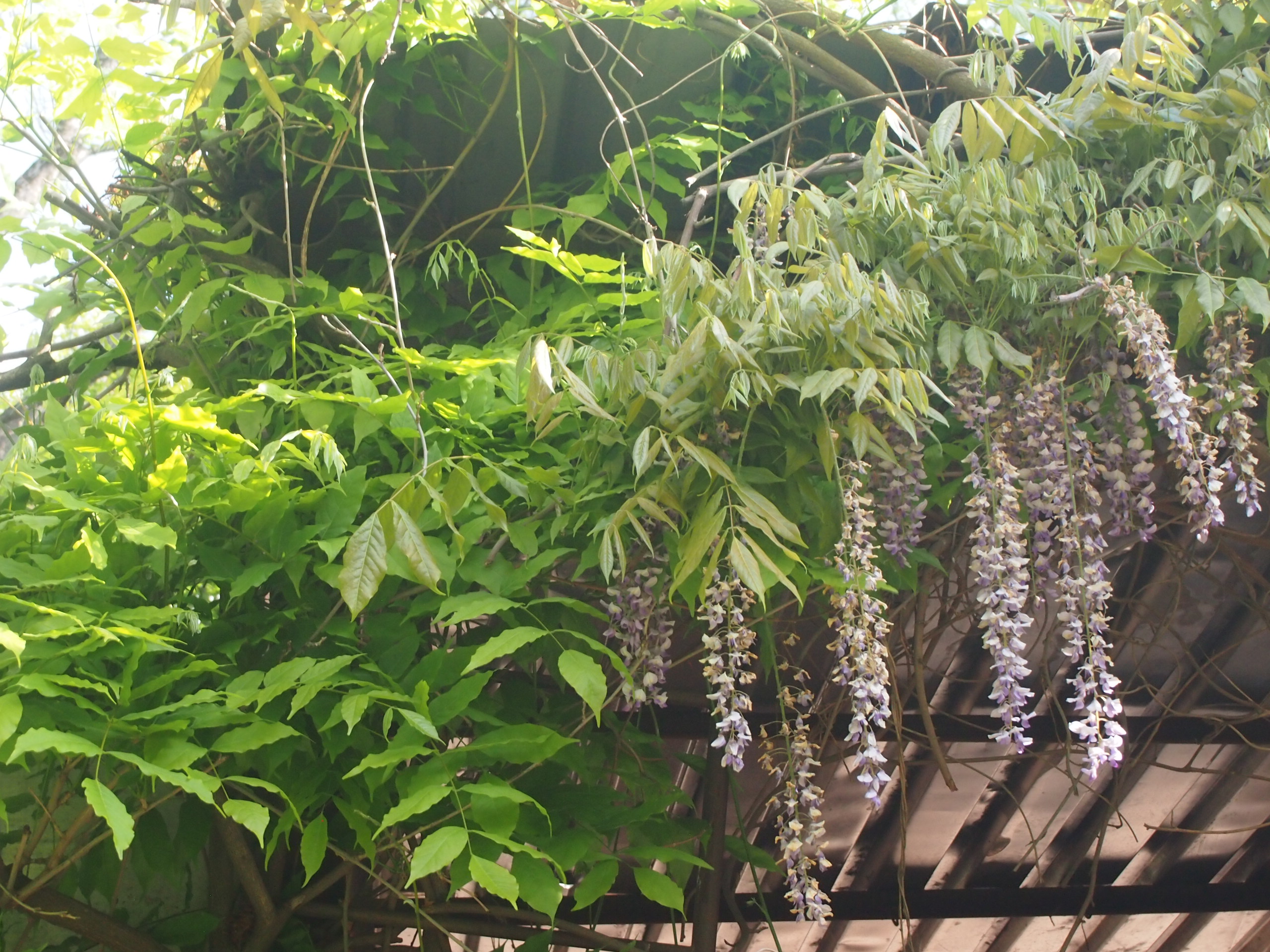
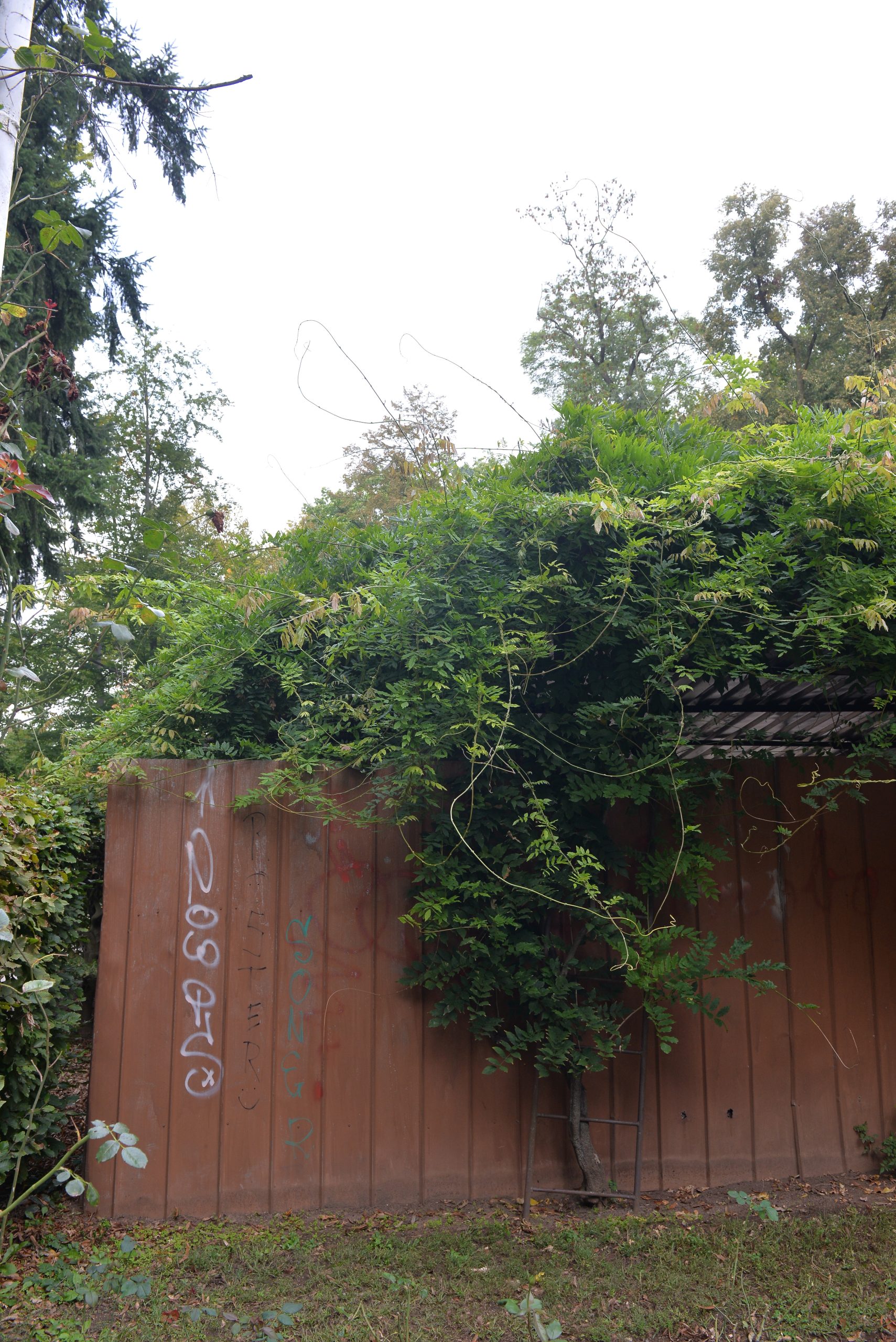
Habitus: Chinese Wisteria is a lushly growing deciduous woody vine with brown-grey bark. It usually grows up to 12 metres in height.
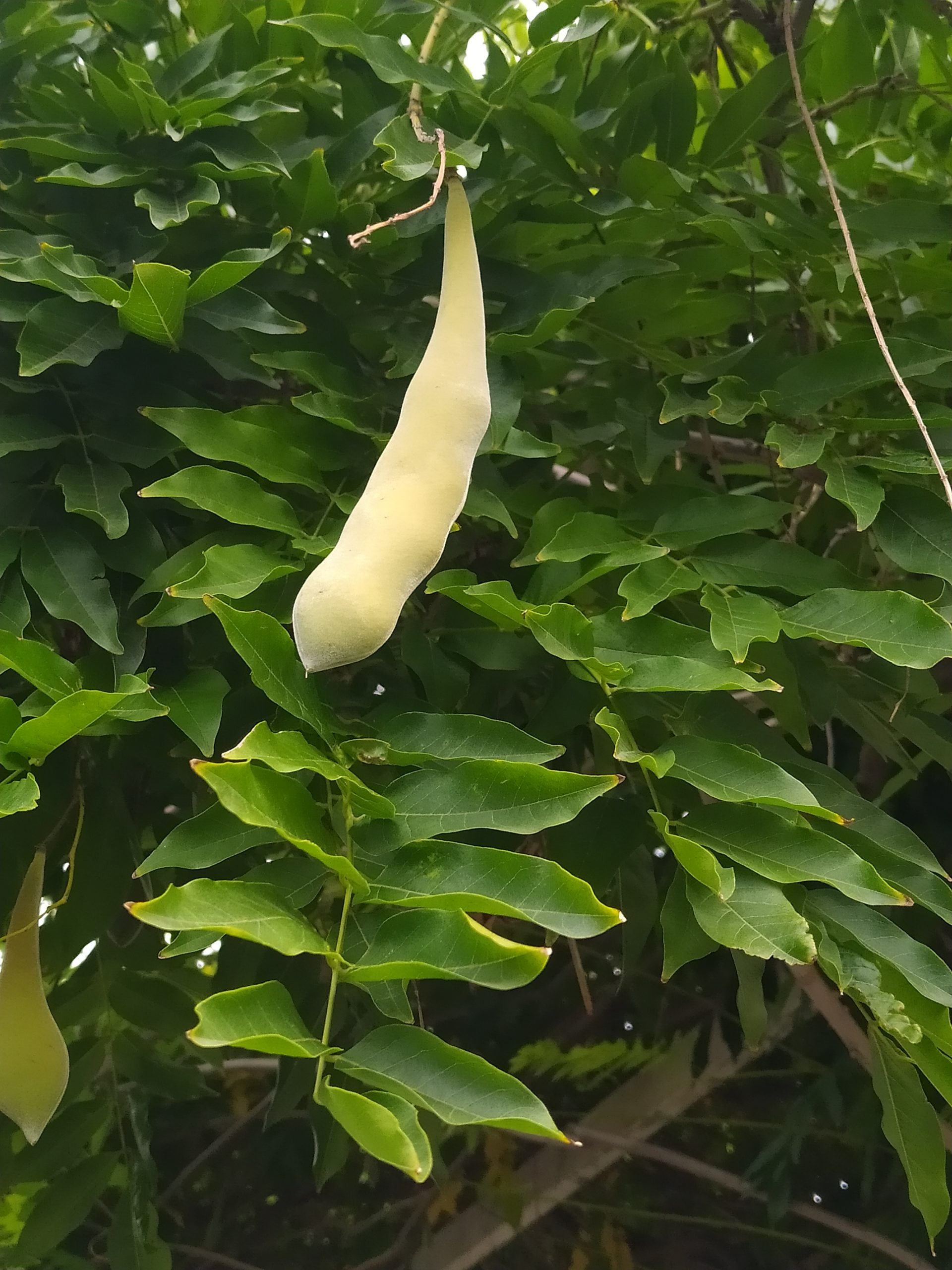
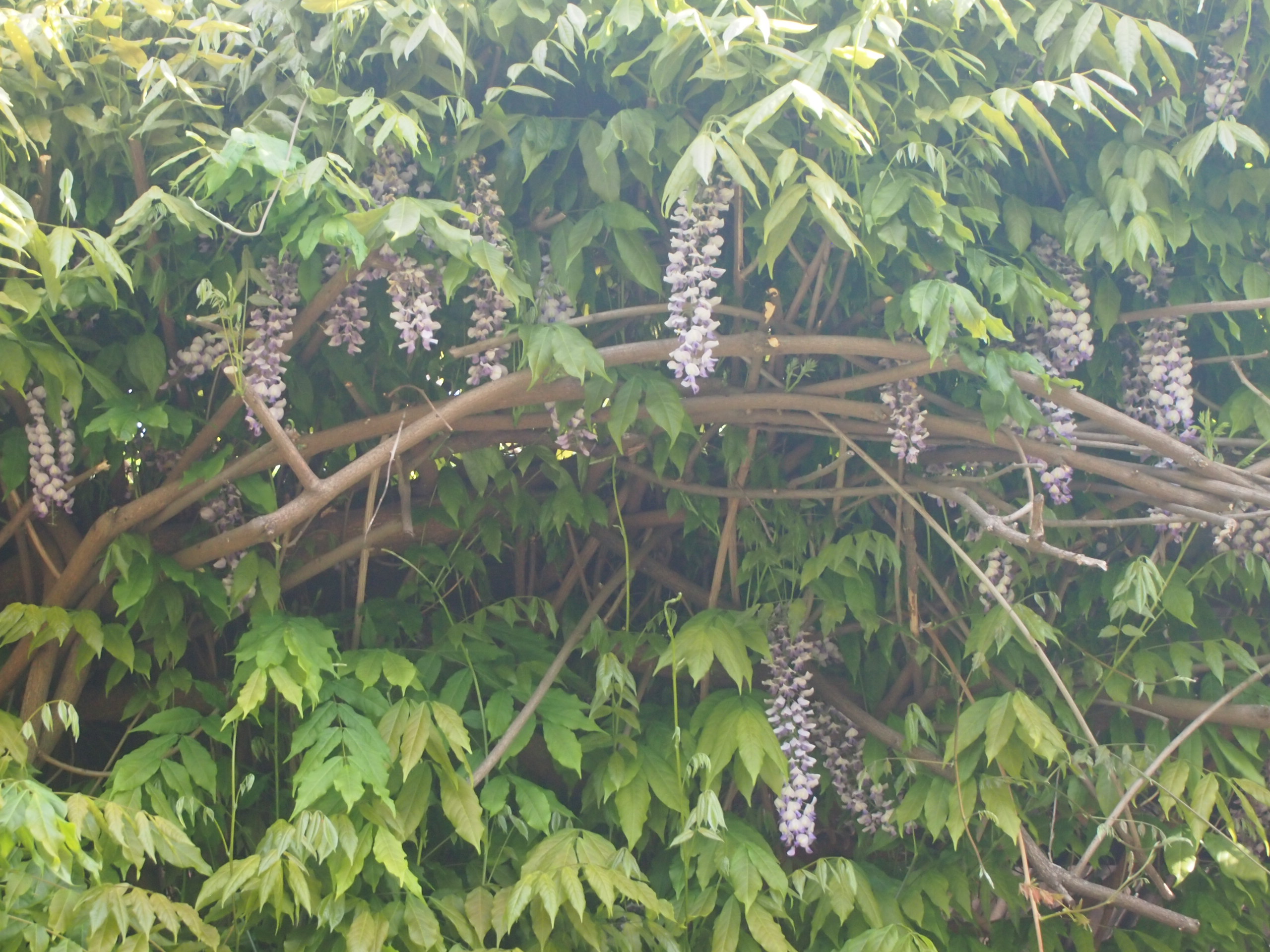
Leaf: Odd-pinnate leaves consist of seven to thirteen short-petiolate, ovate-oblong leaflets pointed at the top.
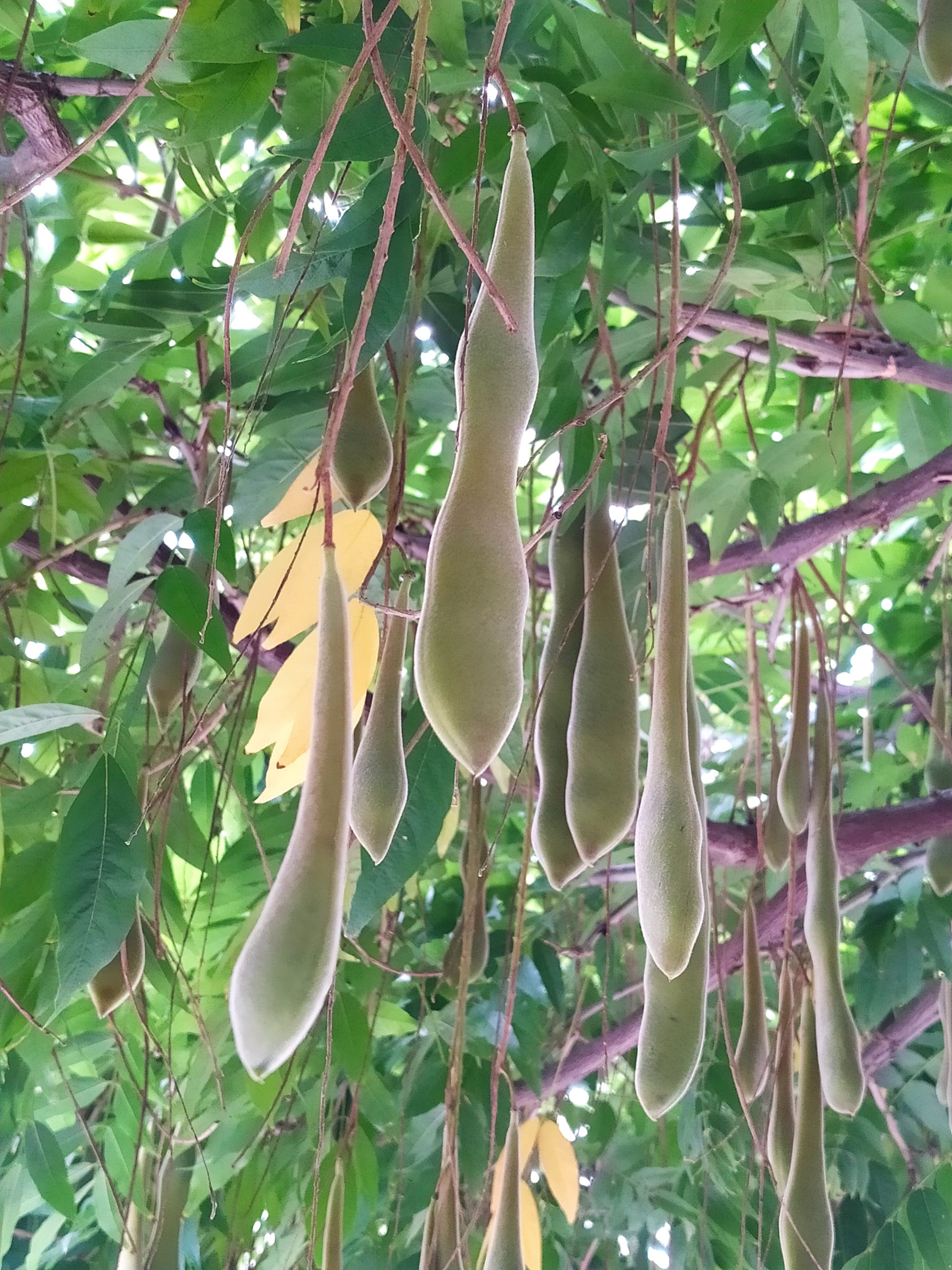
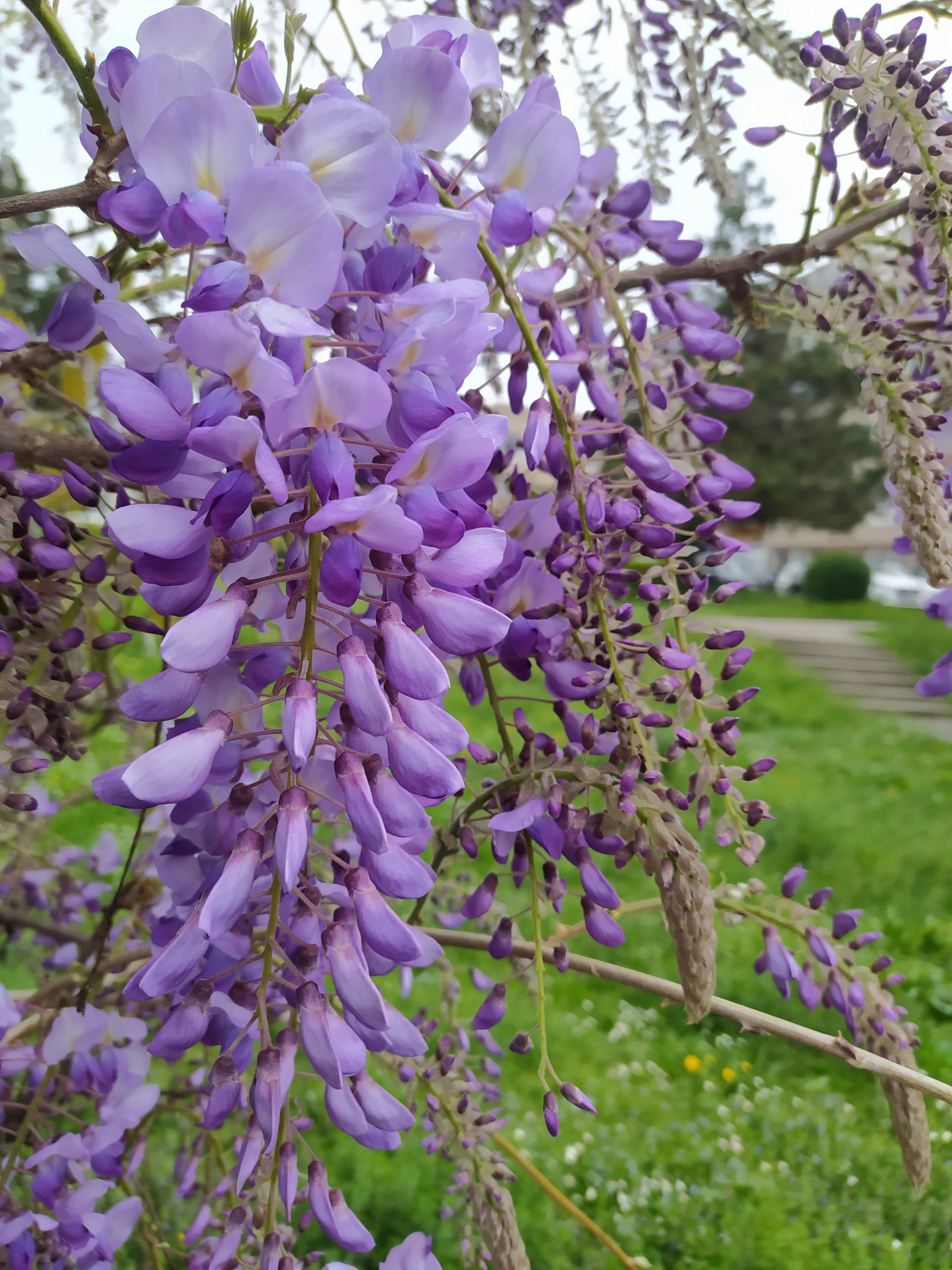
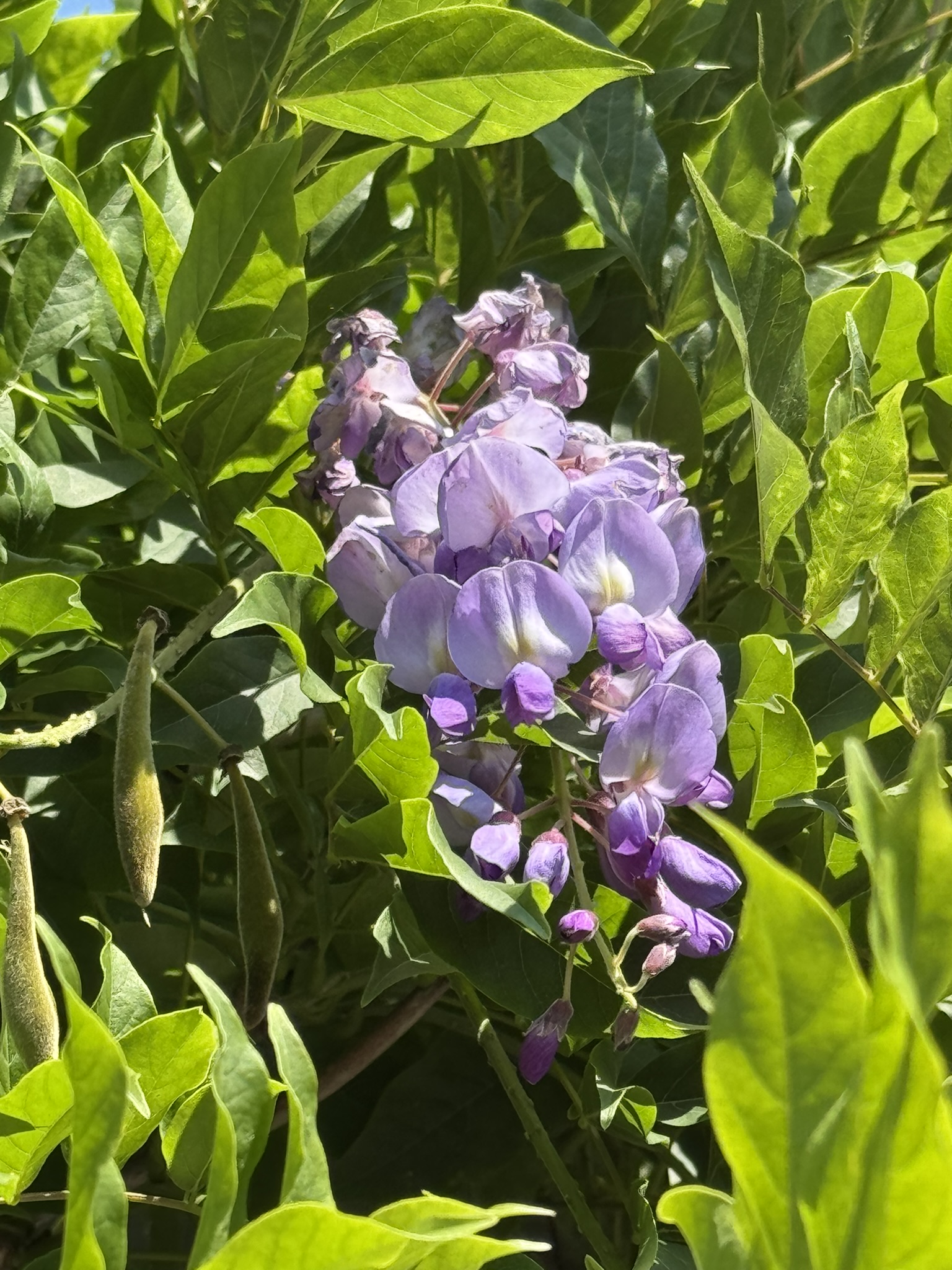
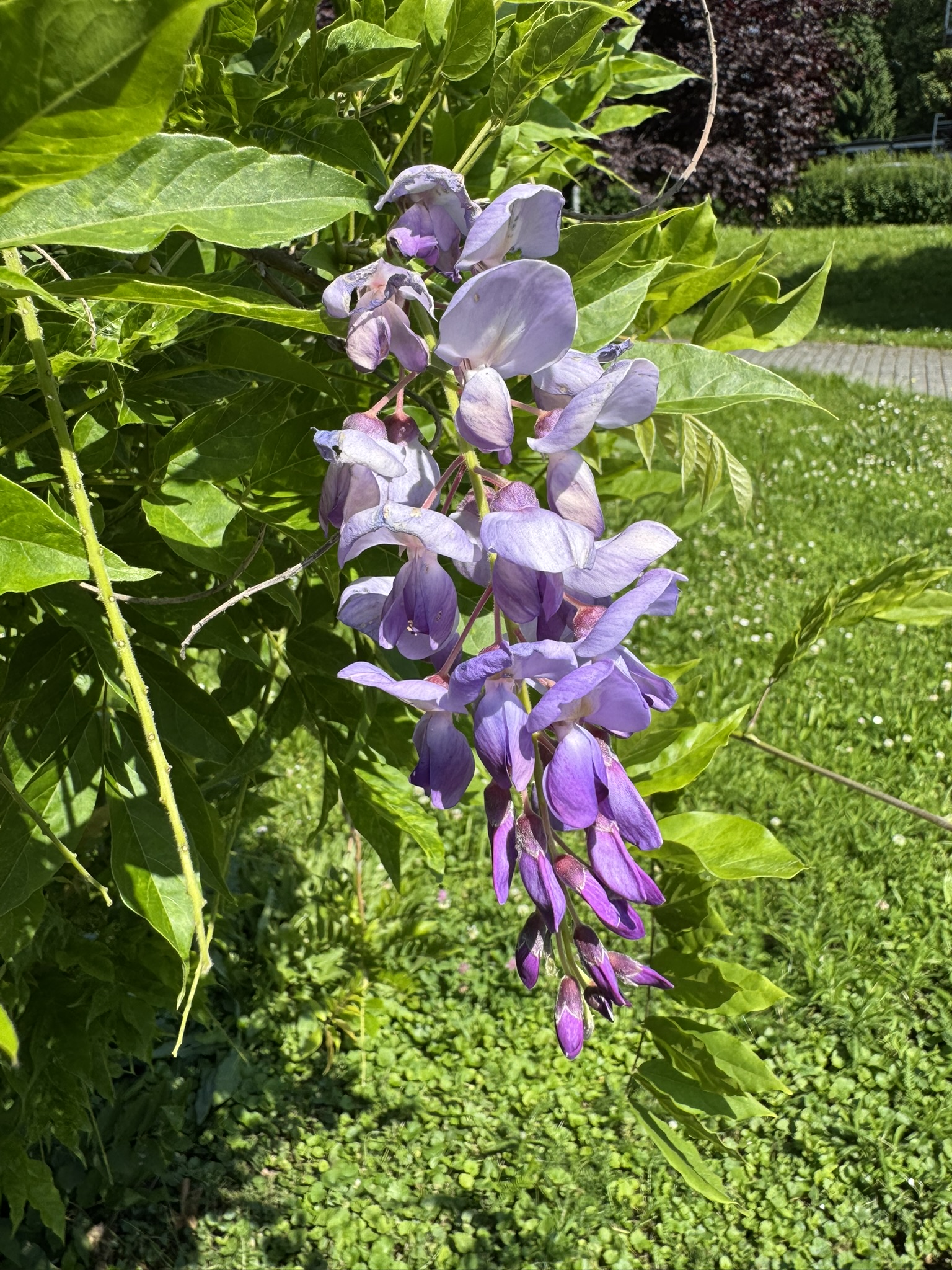
Bloom, fruit: The plant is in blossom from April to June before the leaves appear. The inflorescence is an up to 20 centimetres long pendulous raceme of light purple or sometimes white butterfly-shaped and pleasantly scented blooms. The fruit is a pod with fine soft trichomes; it contains poisonous seeds.
Interesting facts: Sunny and sheltered areas are convenient for this plant. For its attractive blooms, it is often planted near pergolas and fences. The entire plant is poisonous, but the highest content of its poisonous substances, lectins (specifically wistarin), is concentrated in the seeds. Lectins provide the plant with protection against pests. They cause intestinal problems in humans, and in extreme cases they can cause paralysis of the nervous system and suffocation.