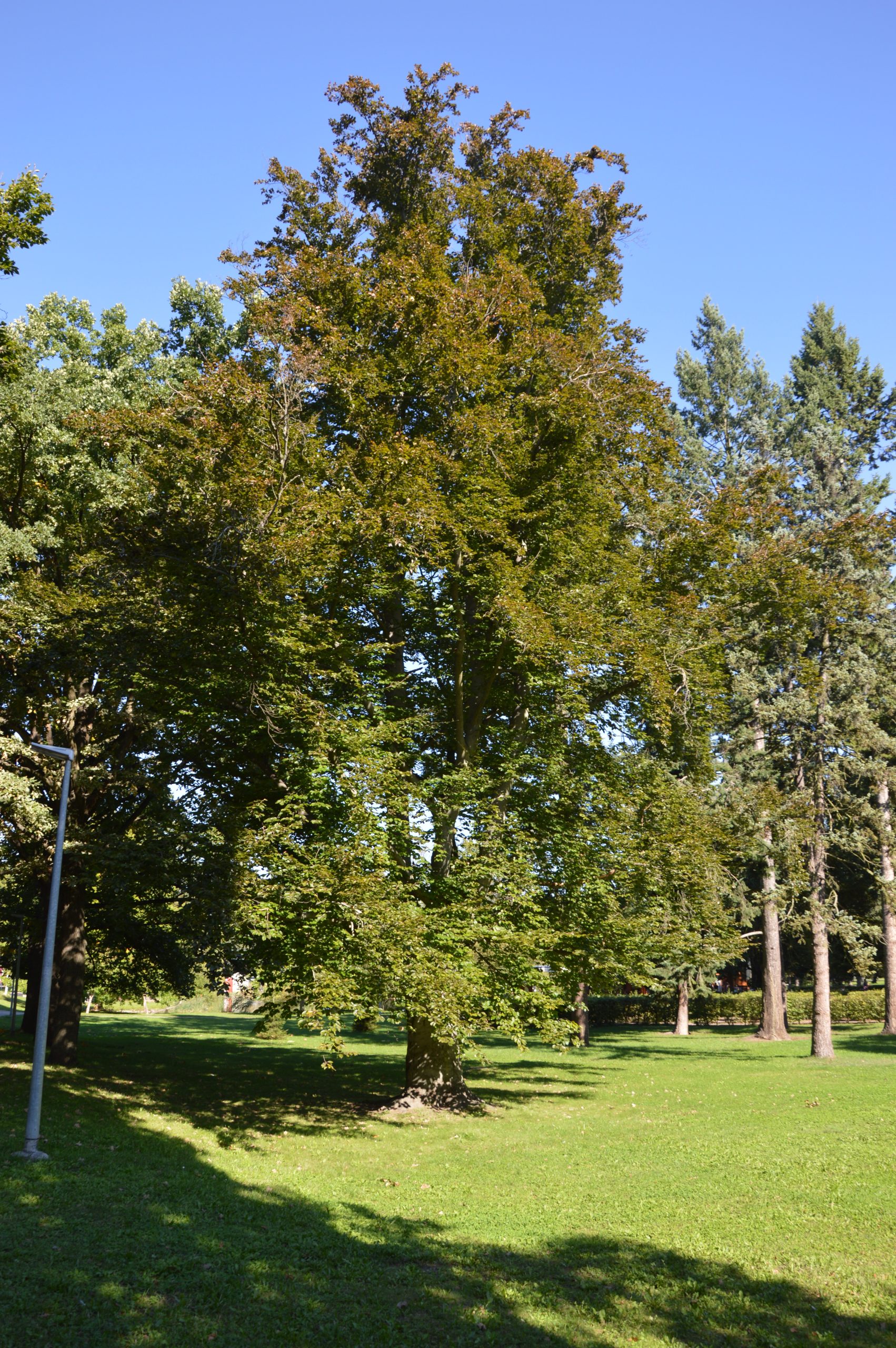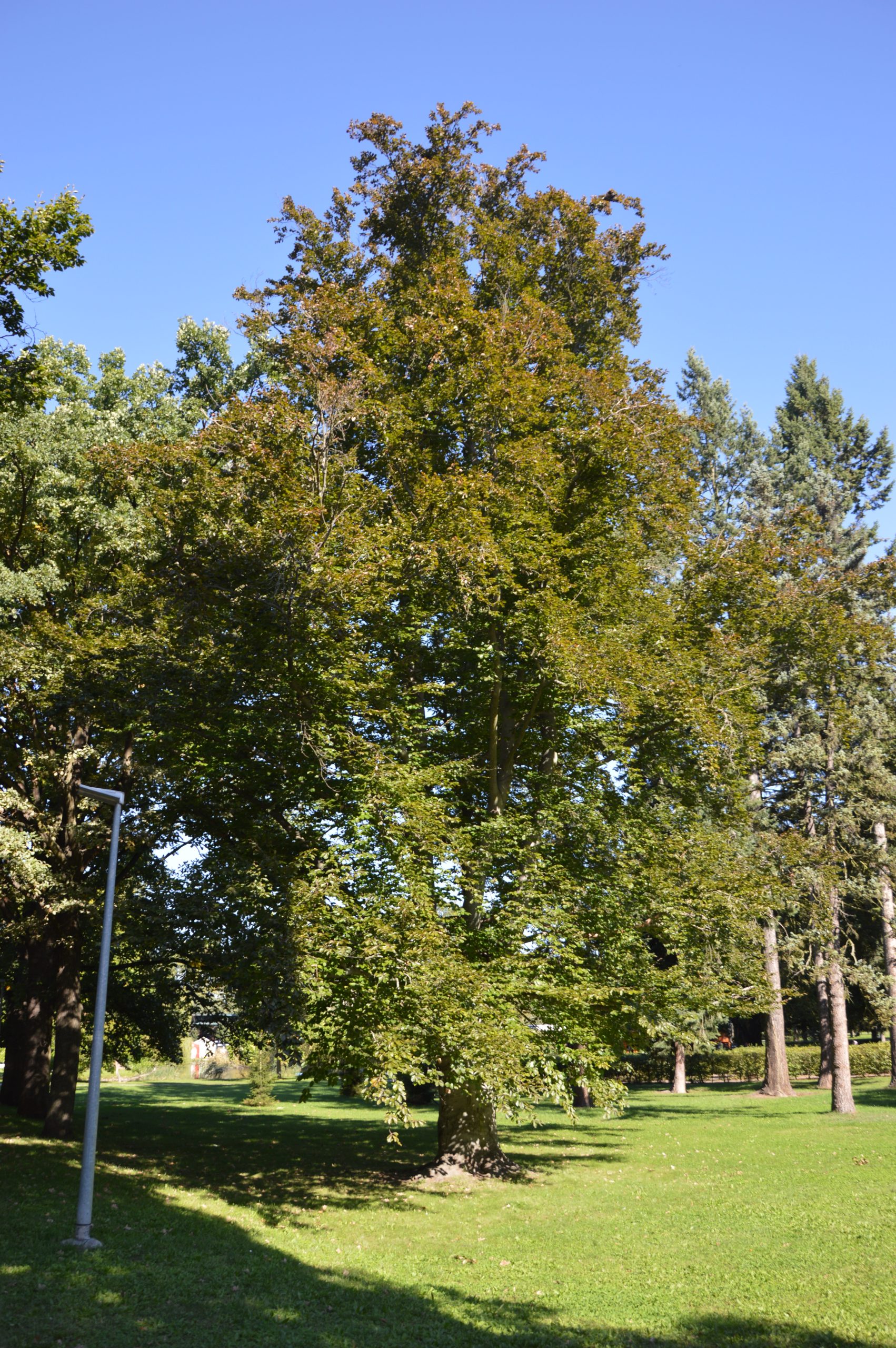

Beech family, Fagaceae
Origin: Europe, therefore native to the Czech Republic
Habitat in the original area: forests in the areas from hills to mountains
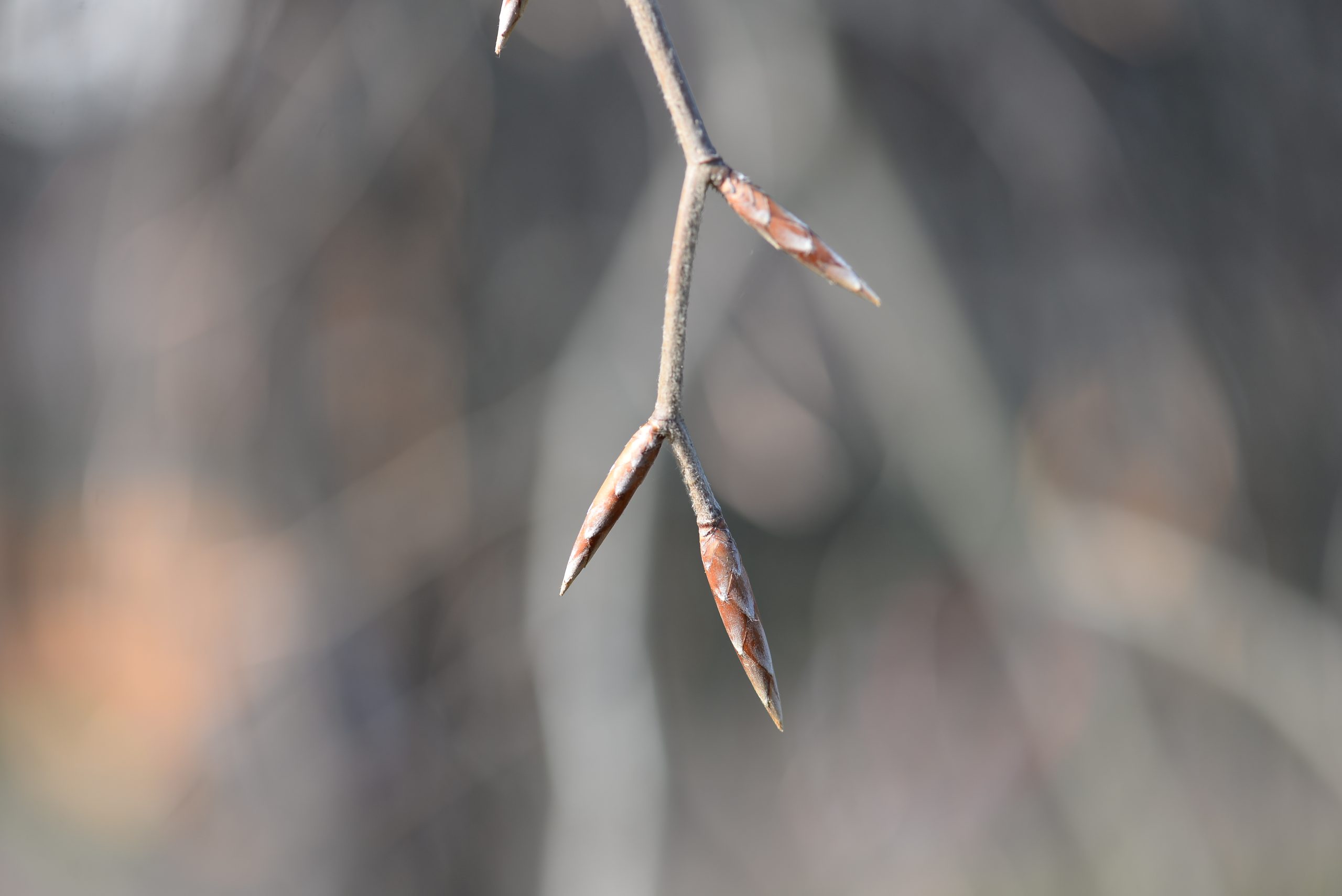
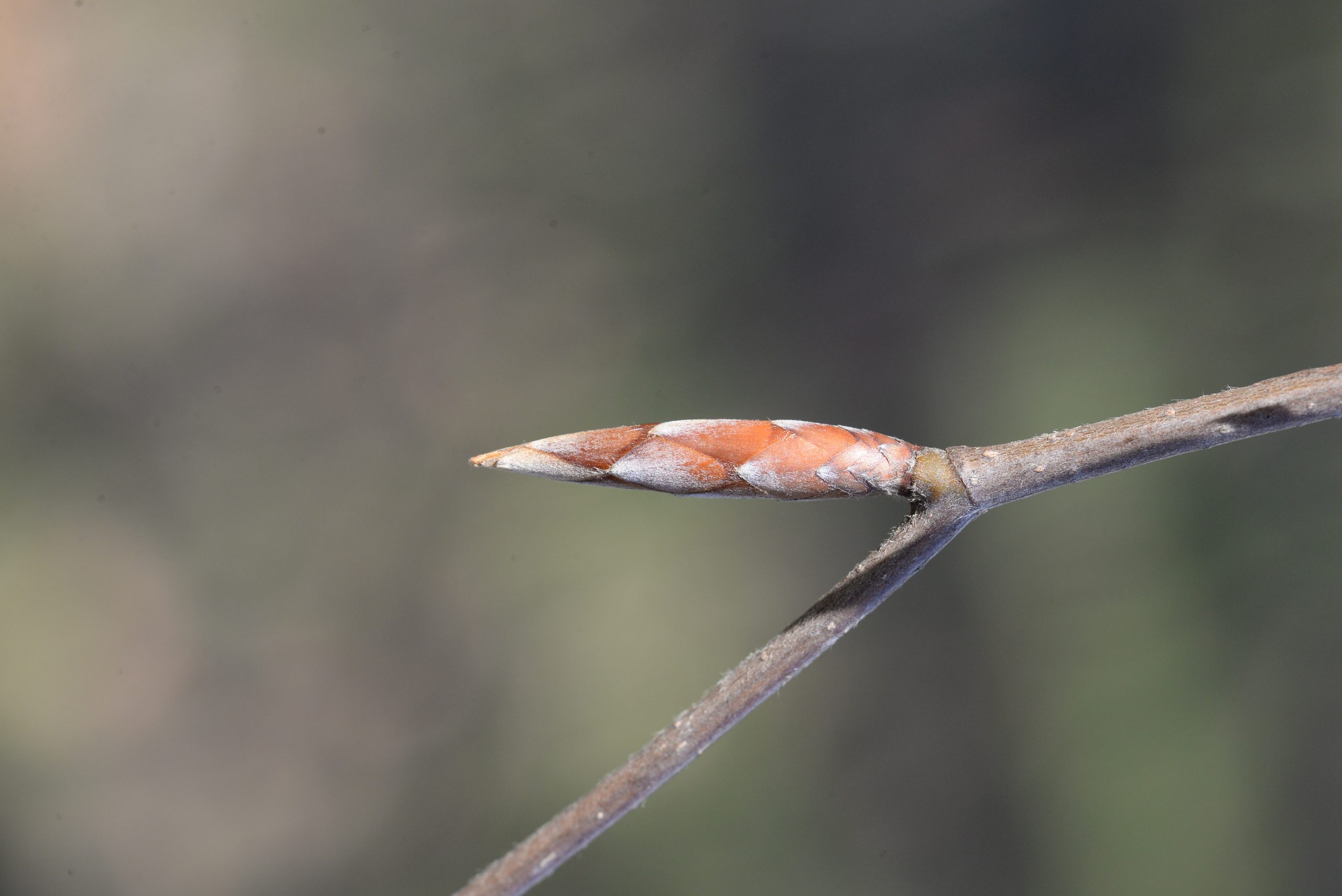
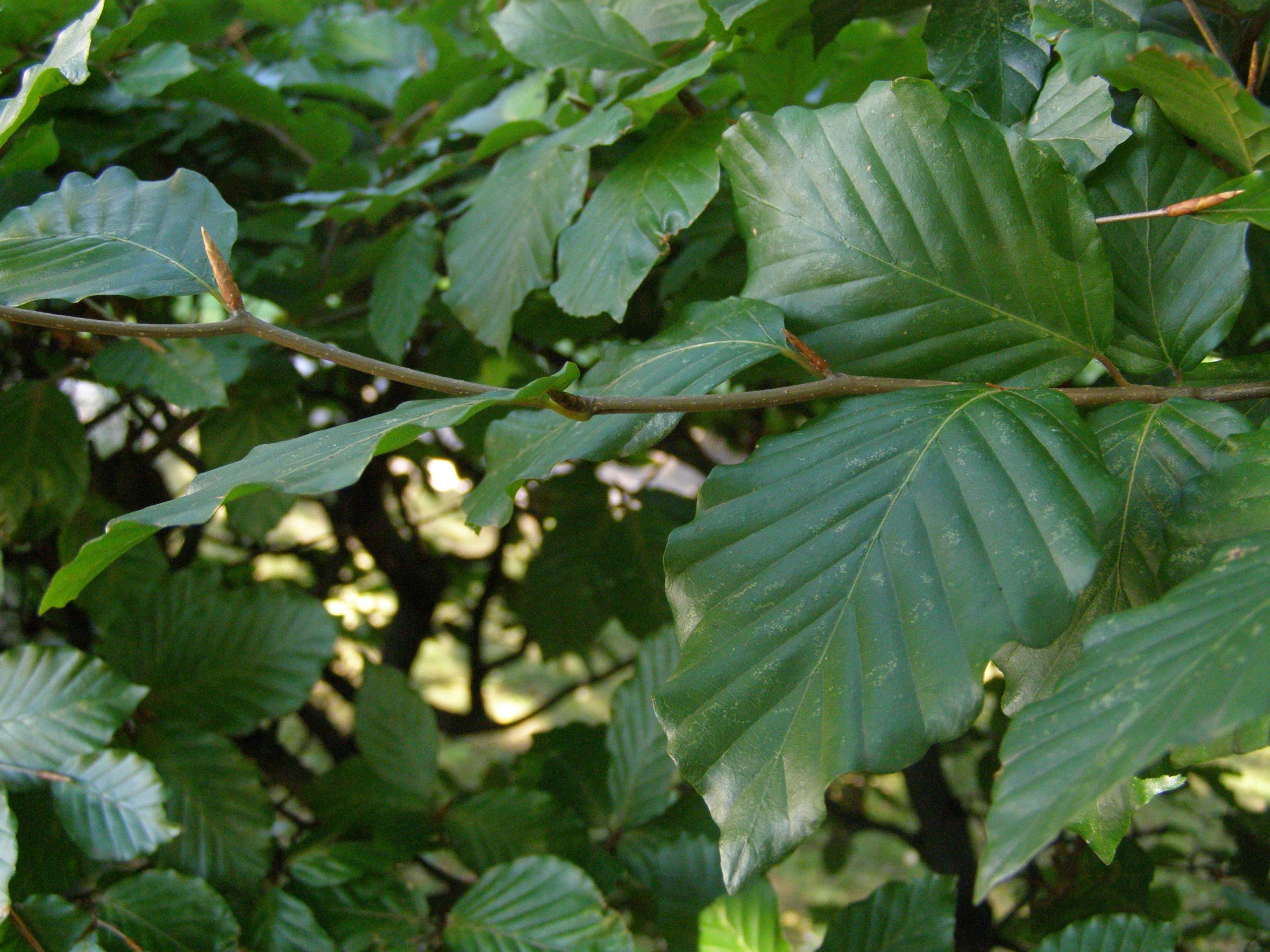
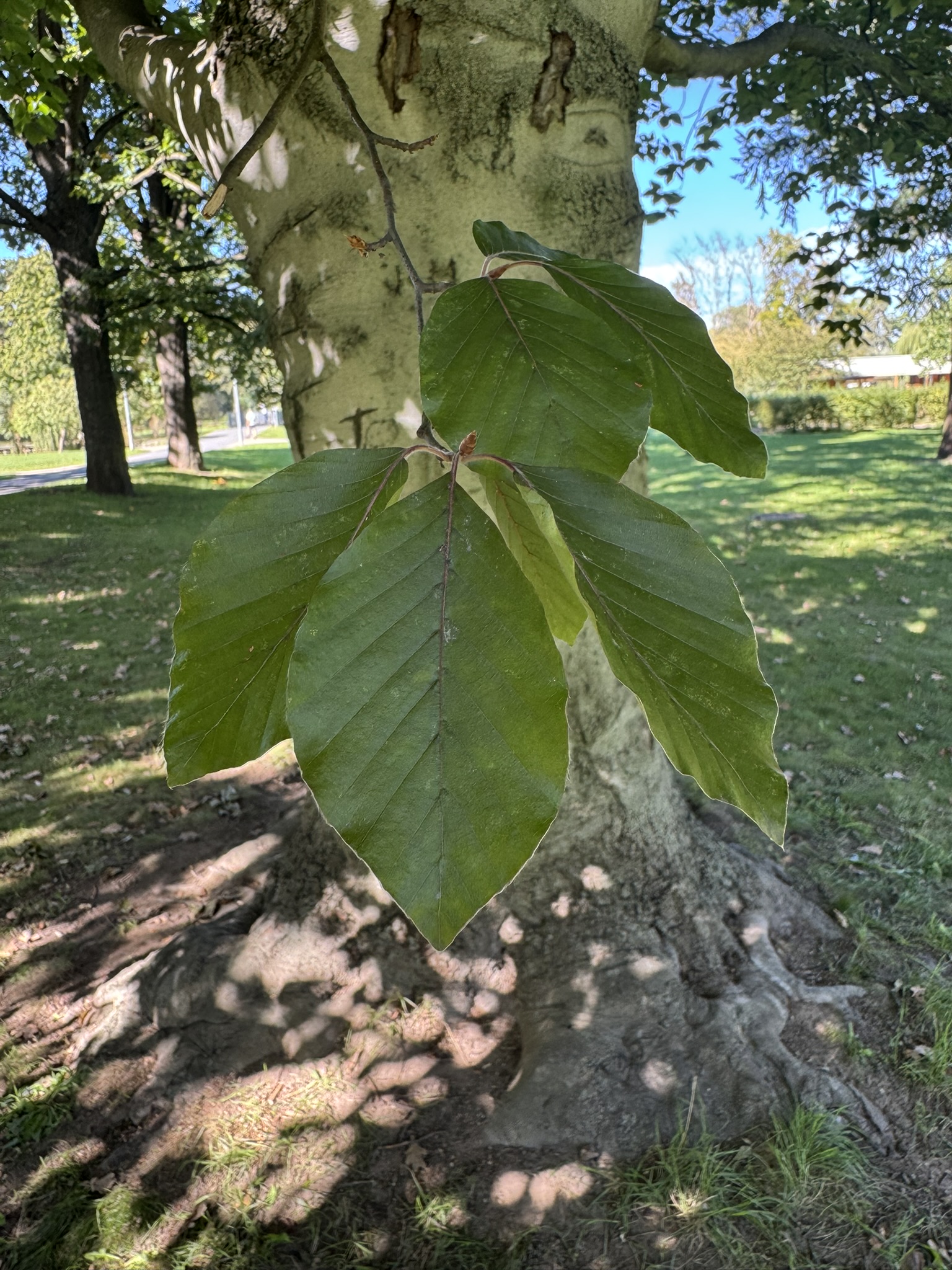
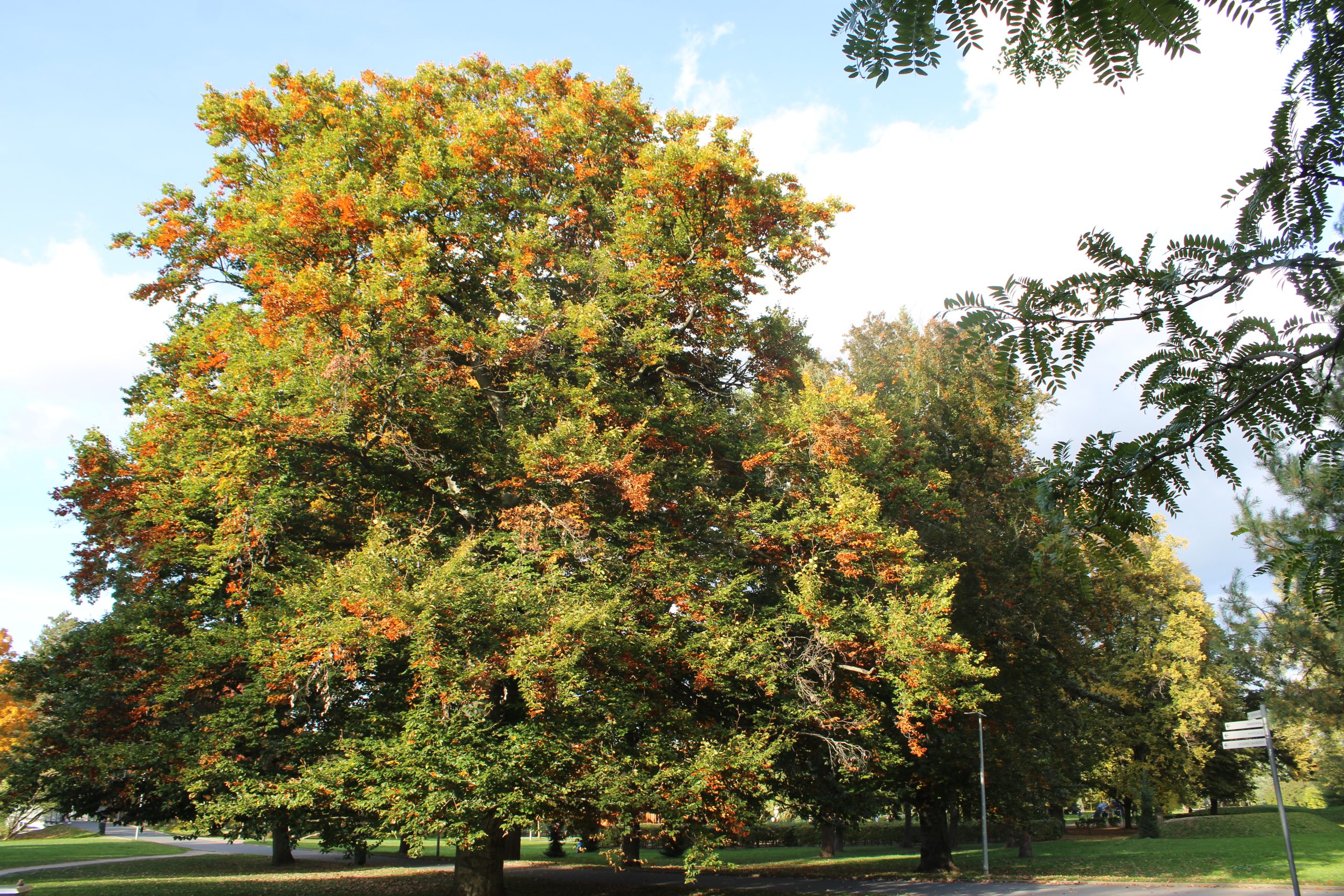
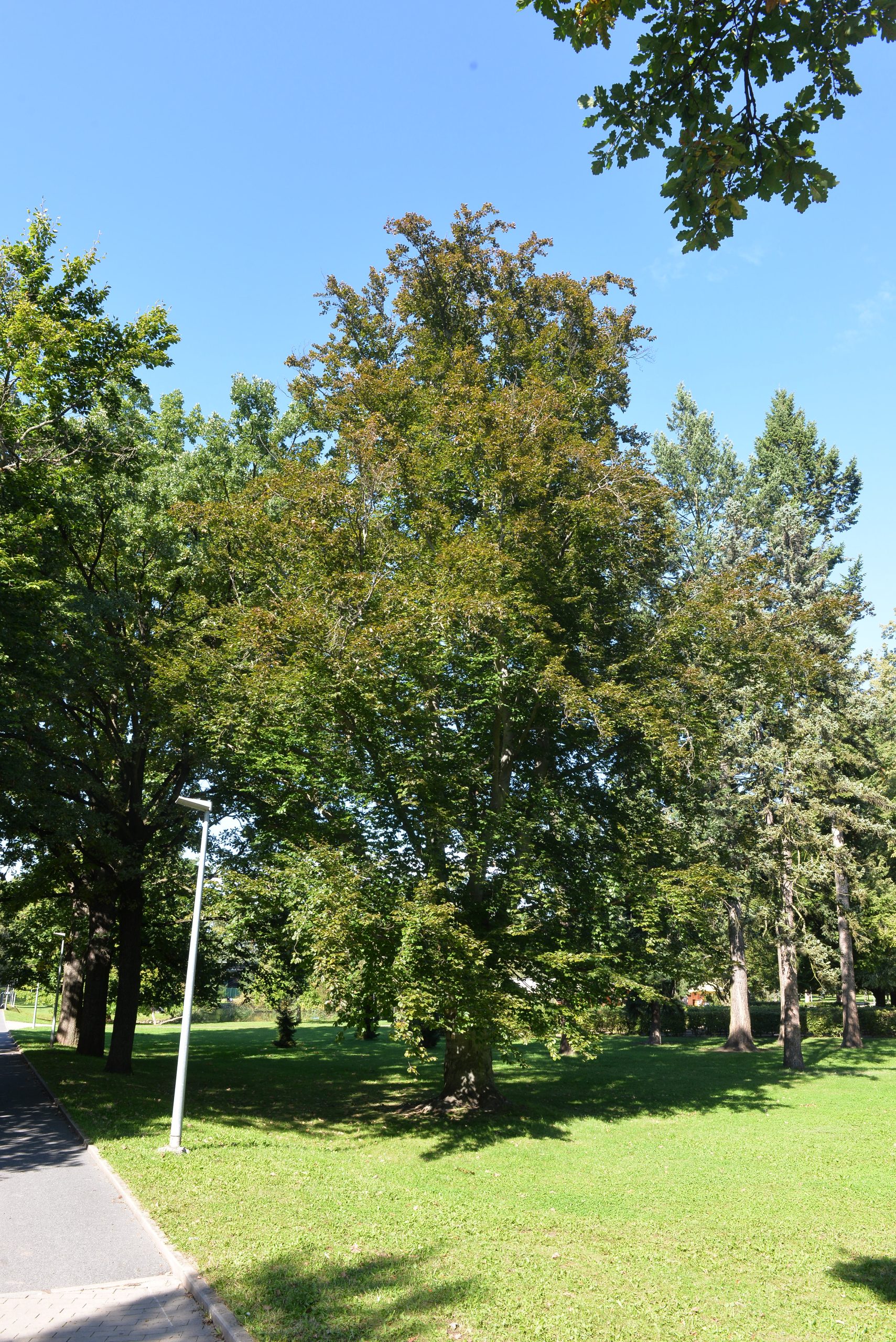
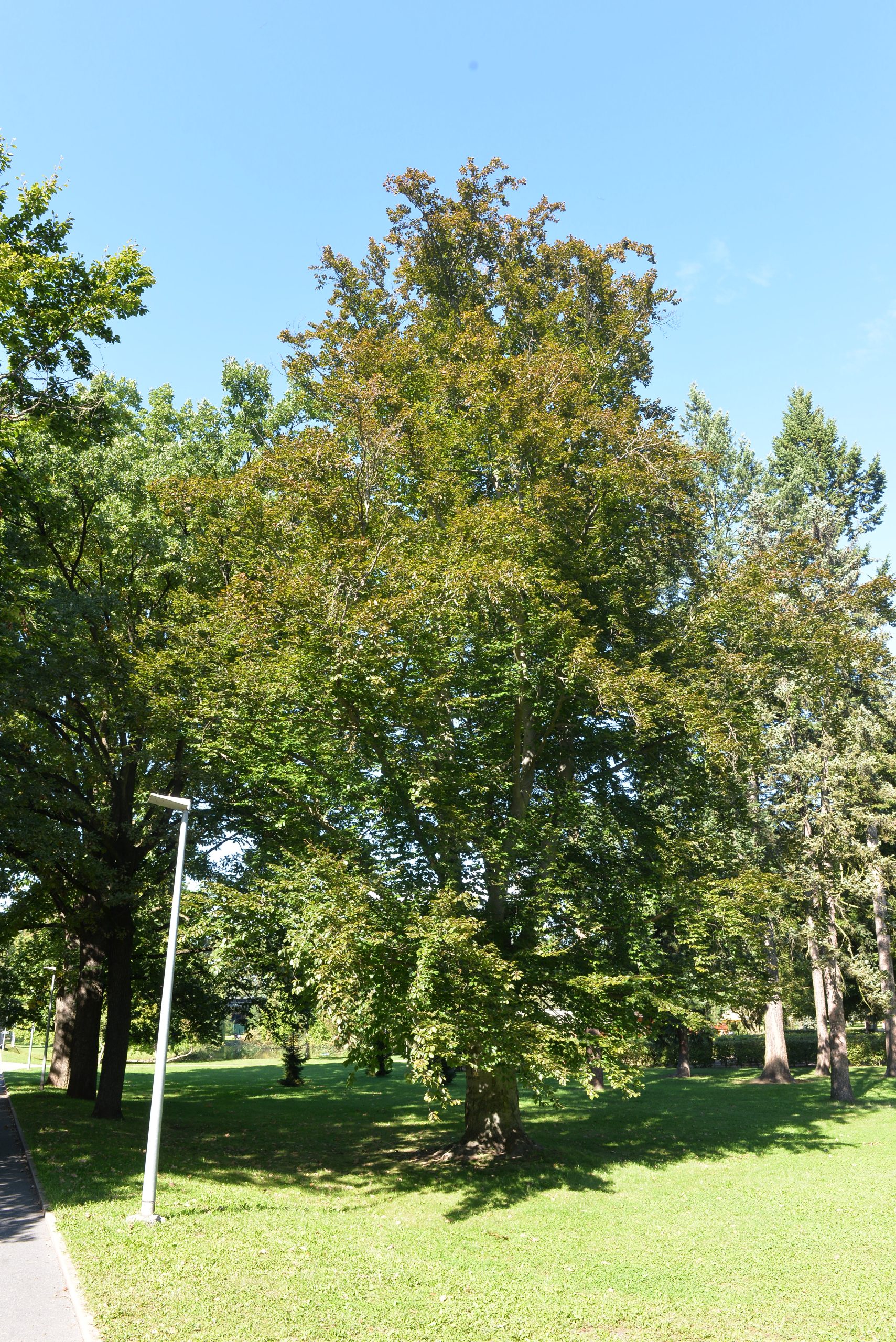
Habitus: A deciduous tree with a spreading, arched crown growing up to the height of 50 metres. The bark is grey and smooth, only occasionally cracked.
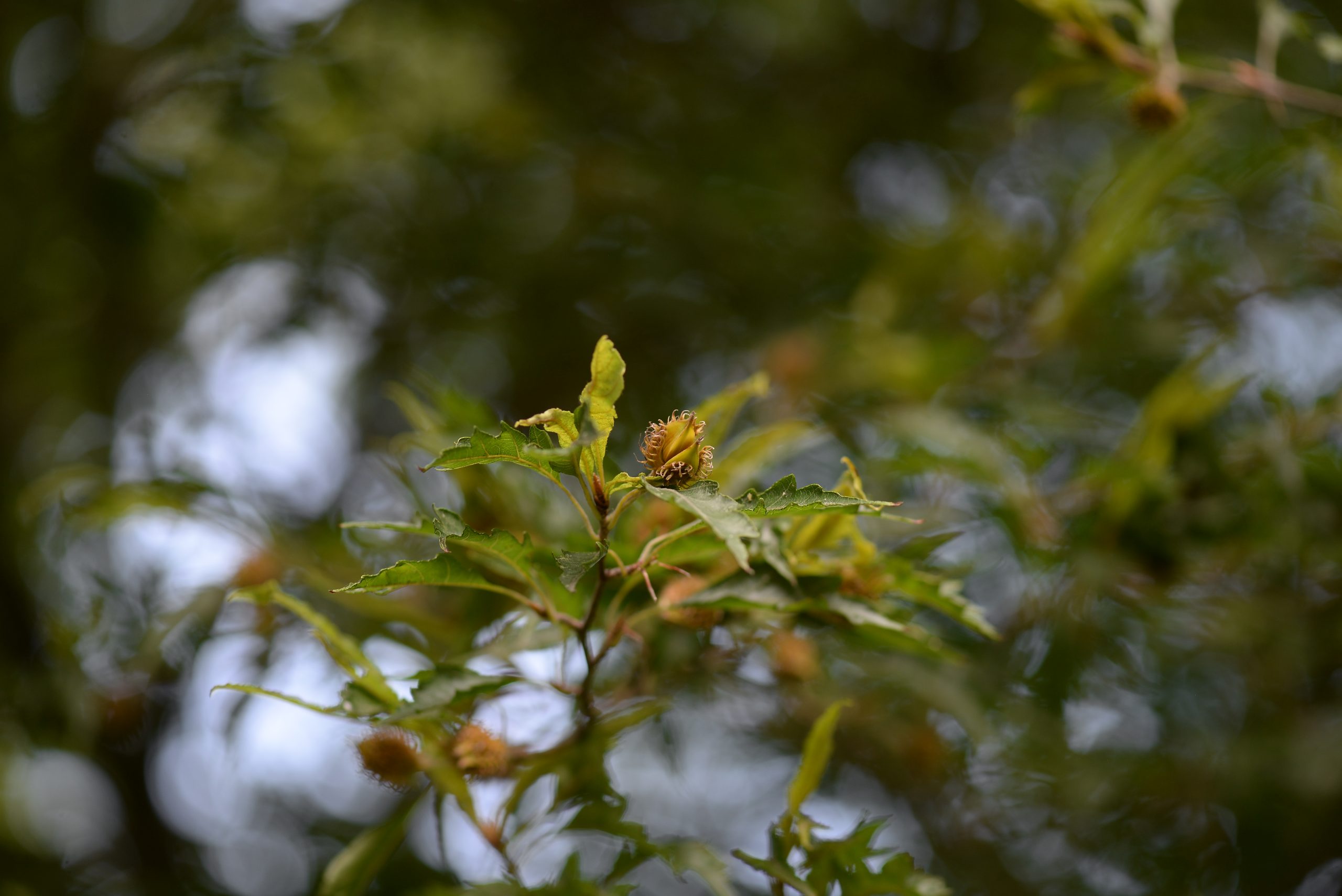
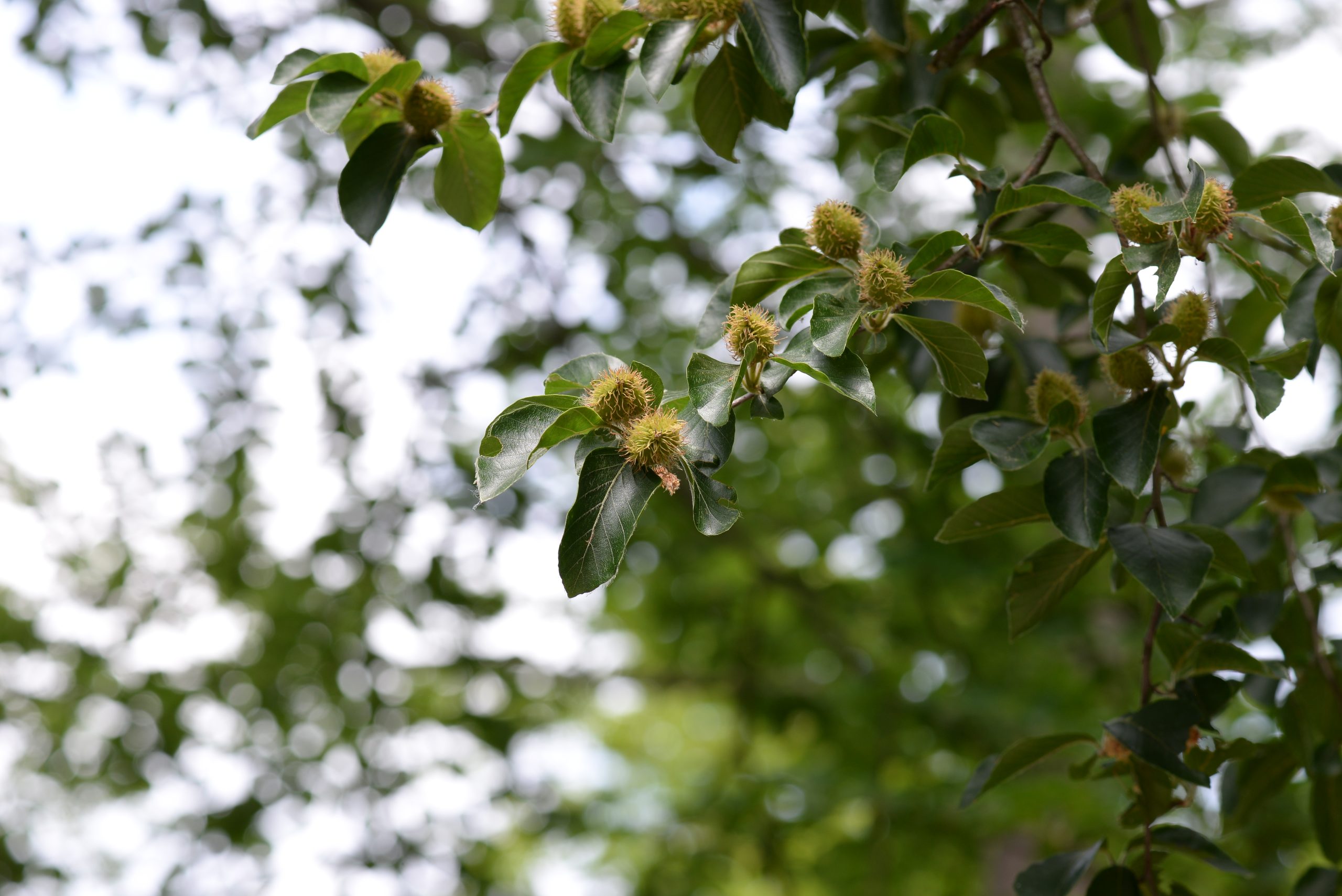
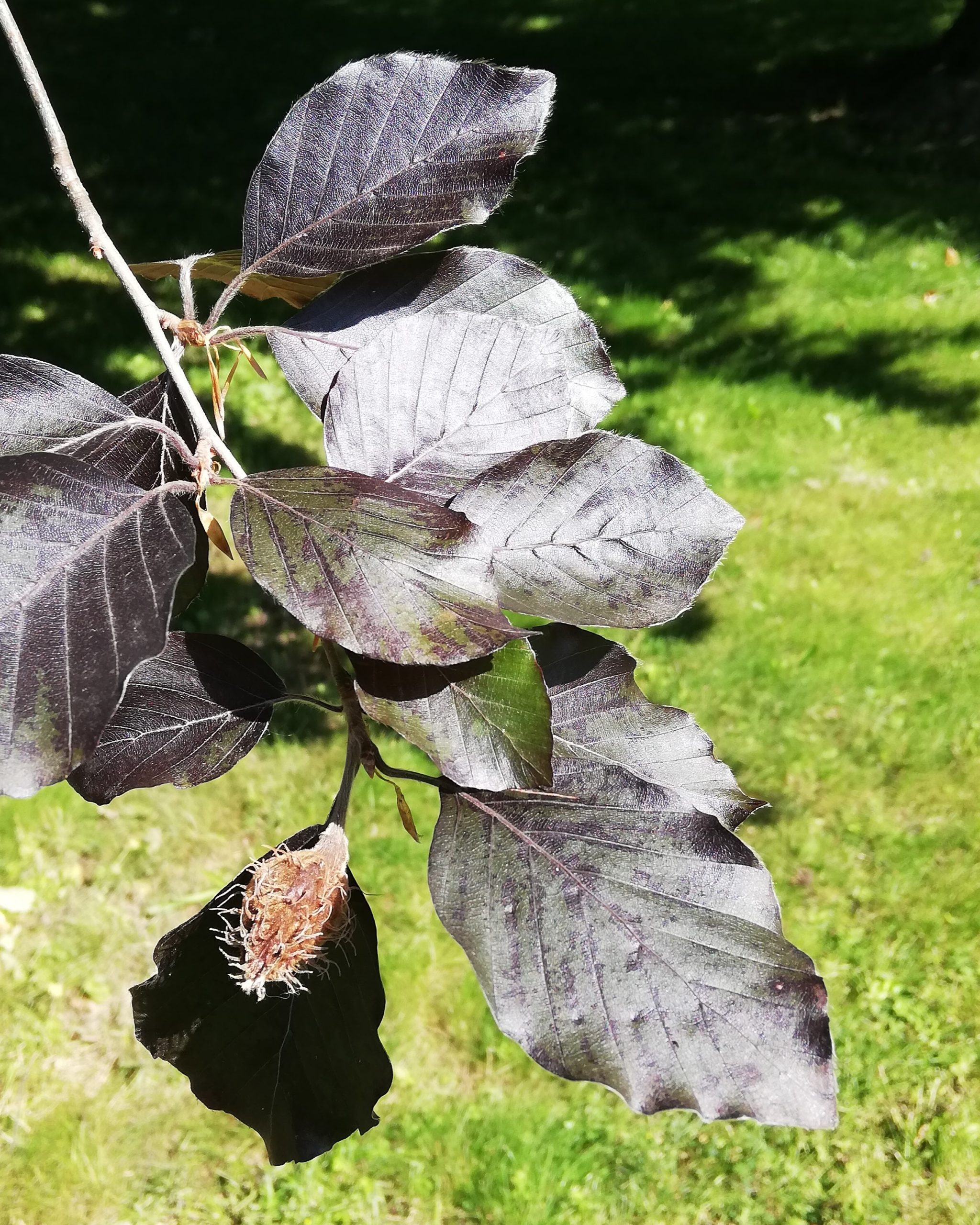
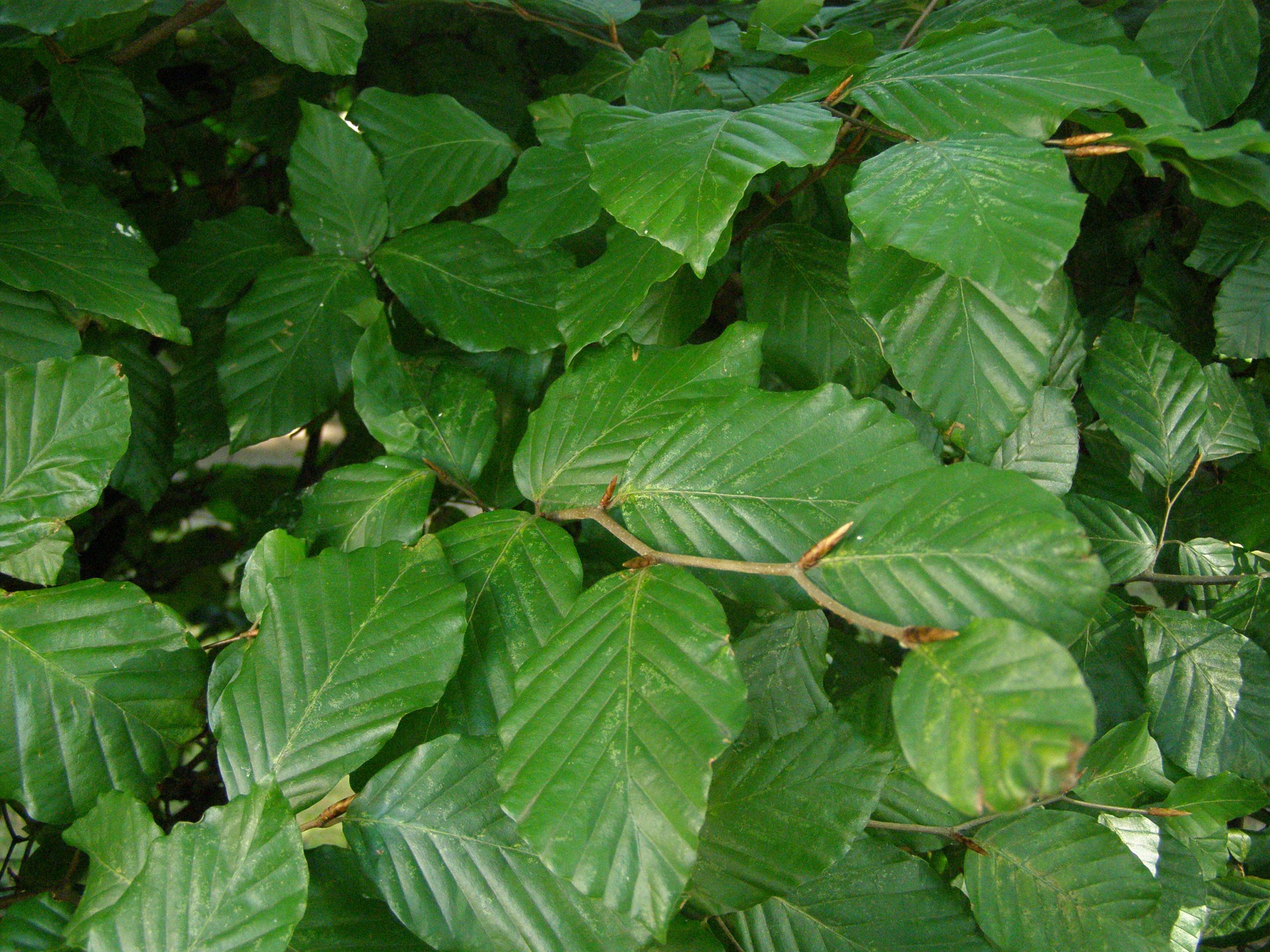
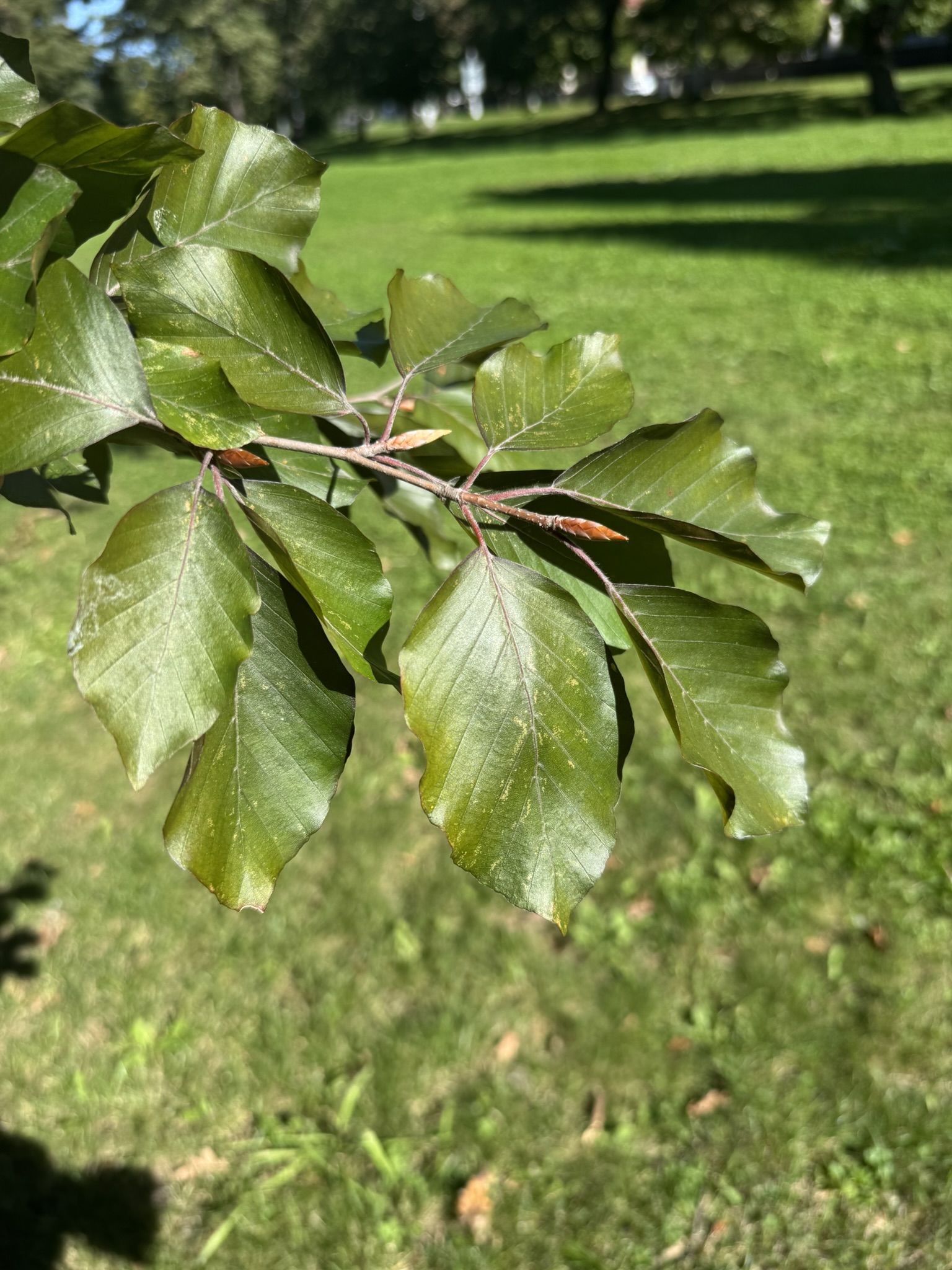
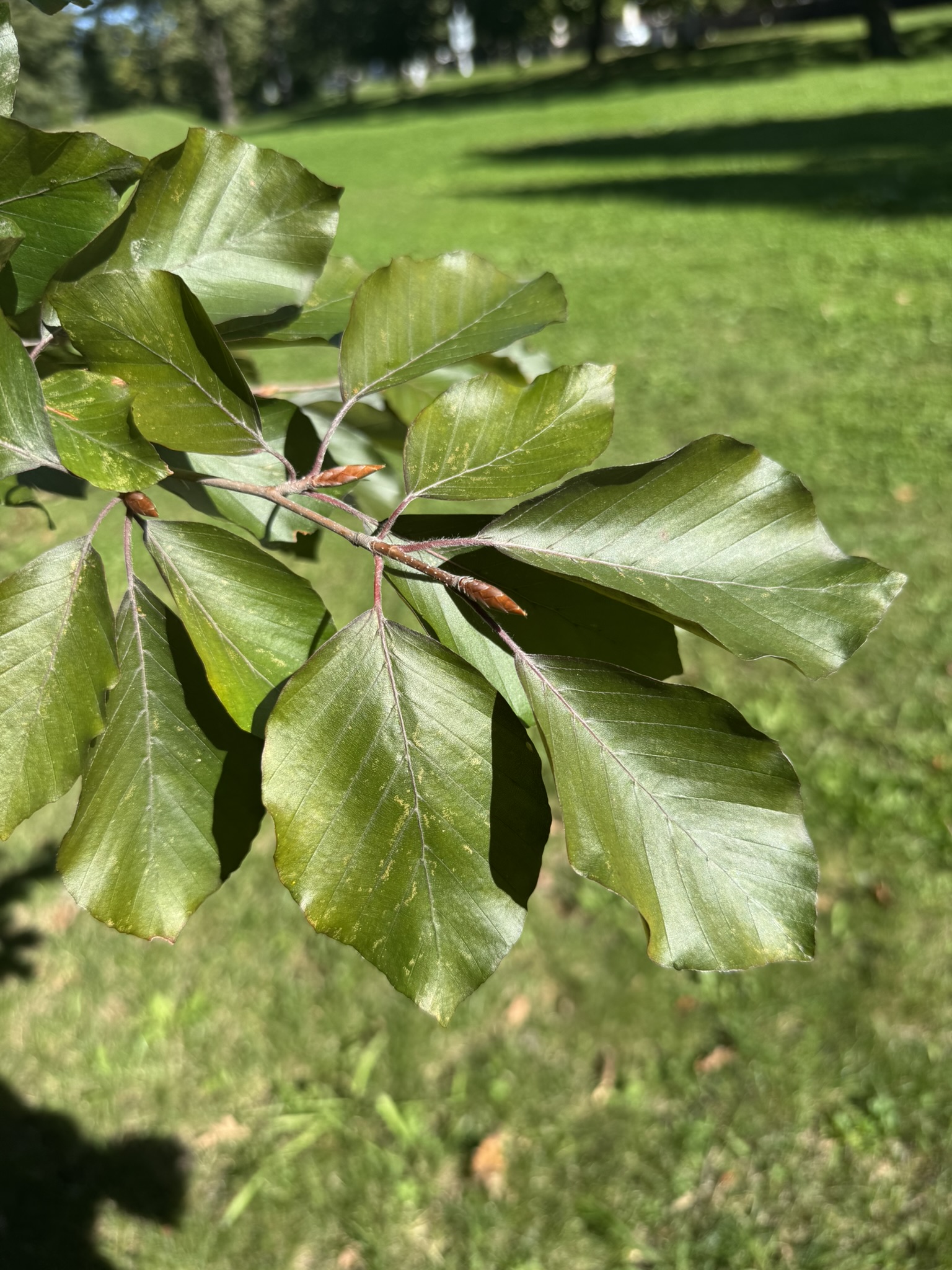
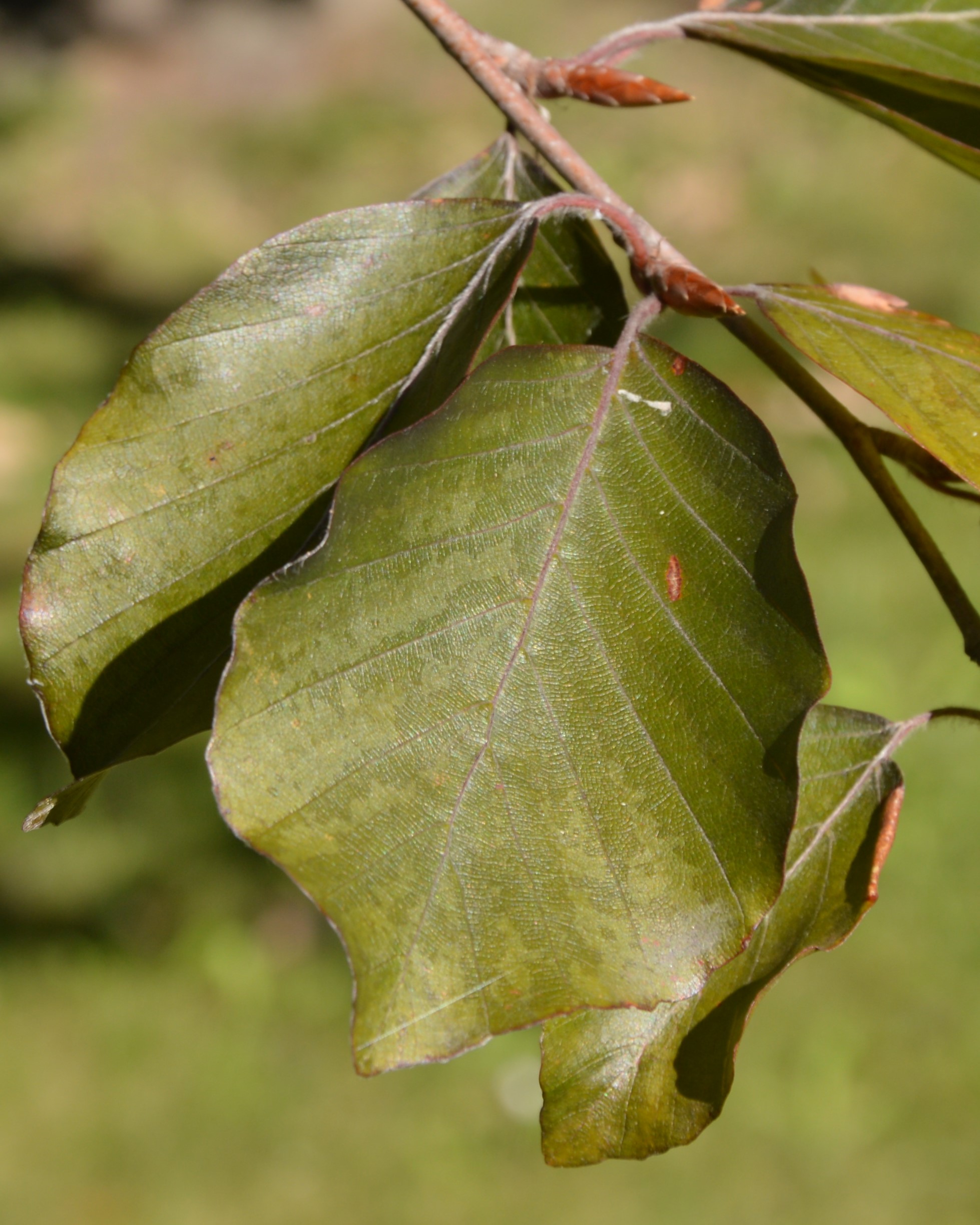
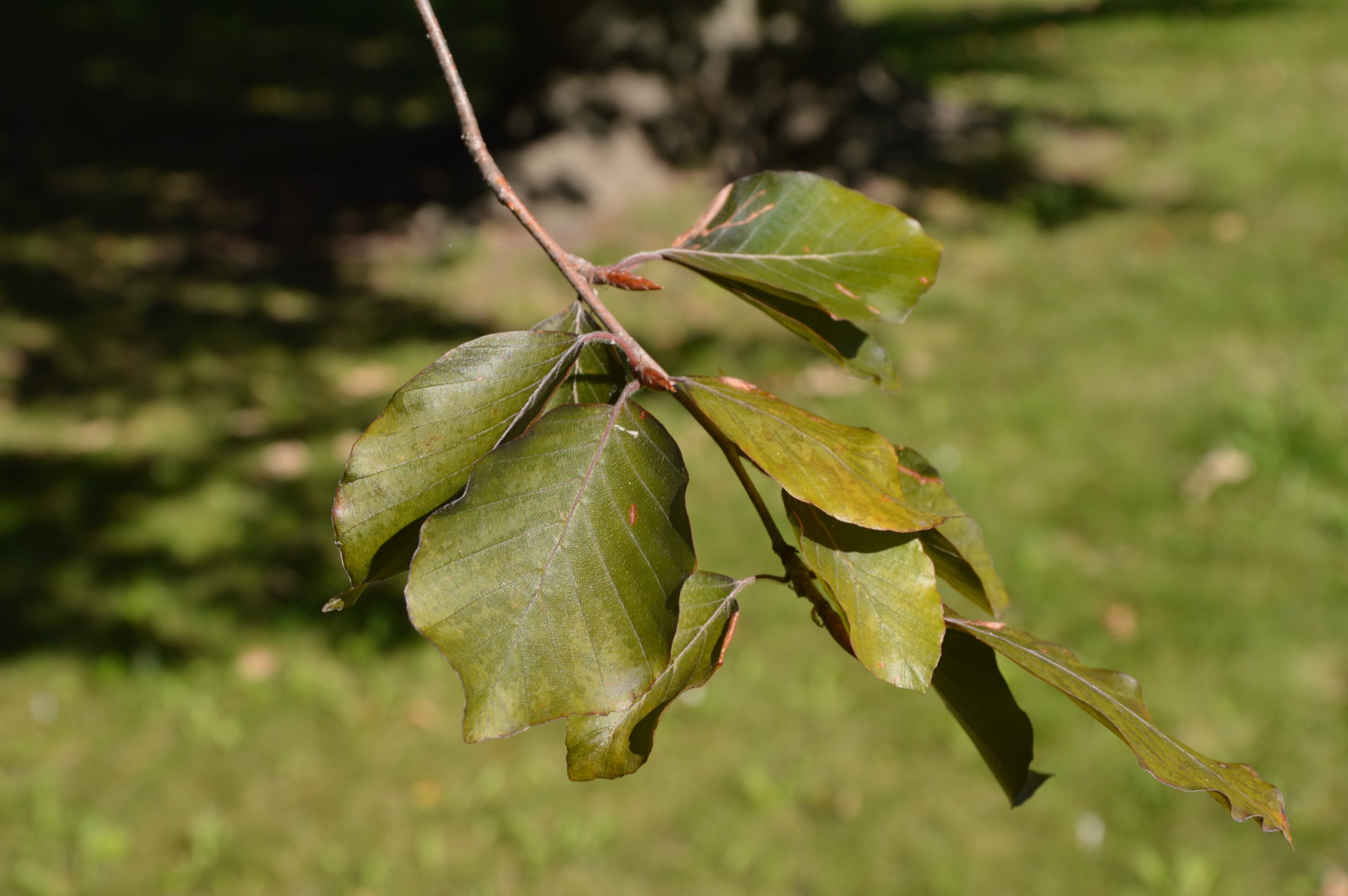
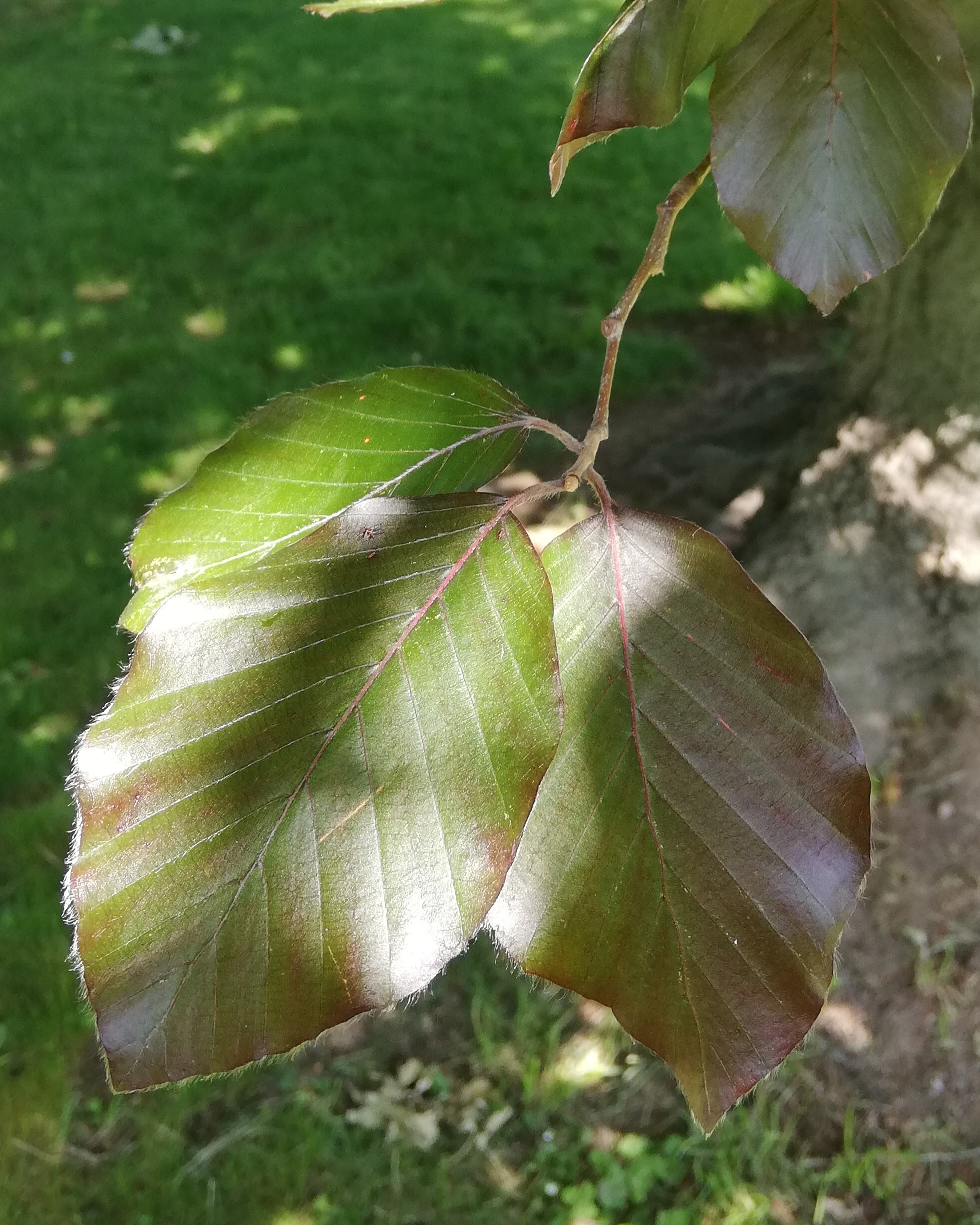
Leaf: The leaves have short petioles and an elliptical, shallowly toothed blade with a wavy edge. The upper side is shiny and glabrous. The underside is lighter, pubescent on the edge and on the veins.
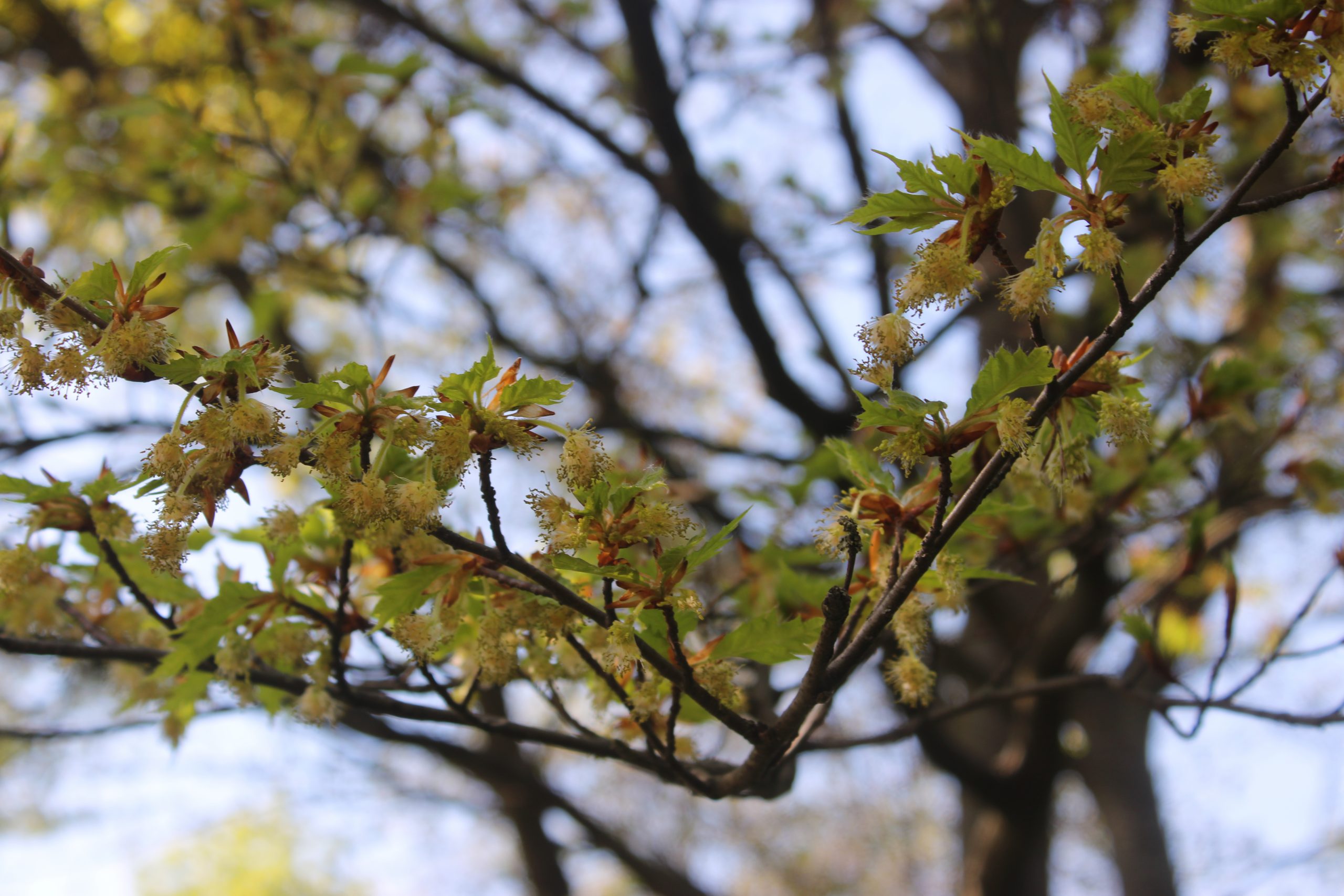
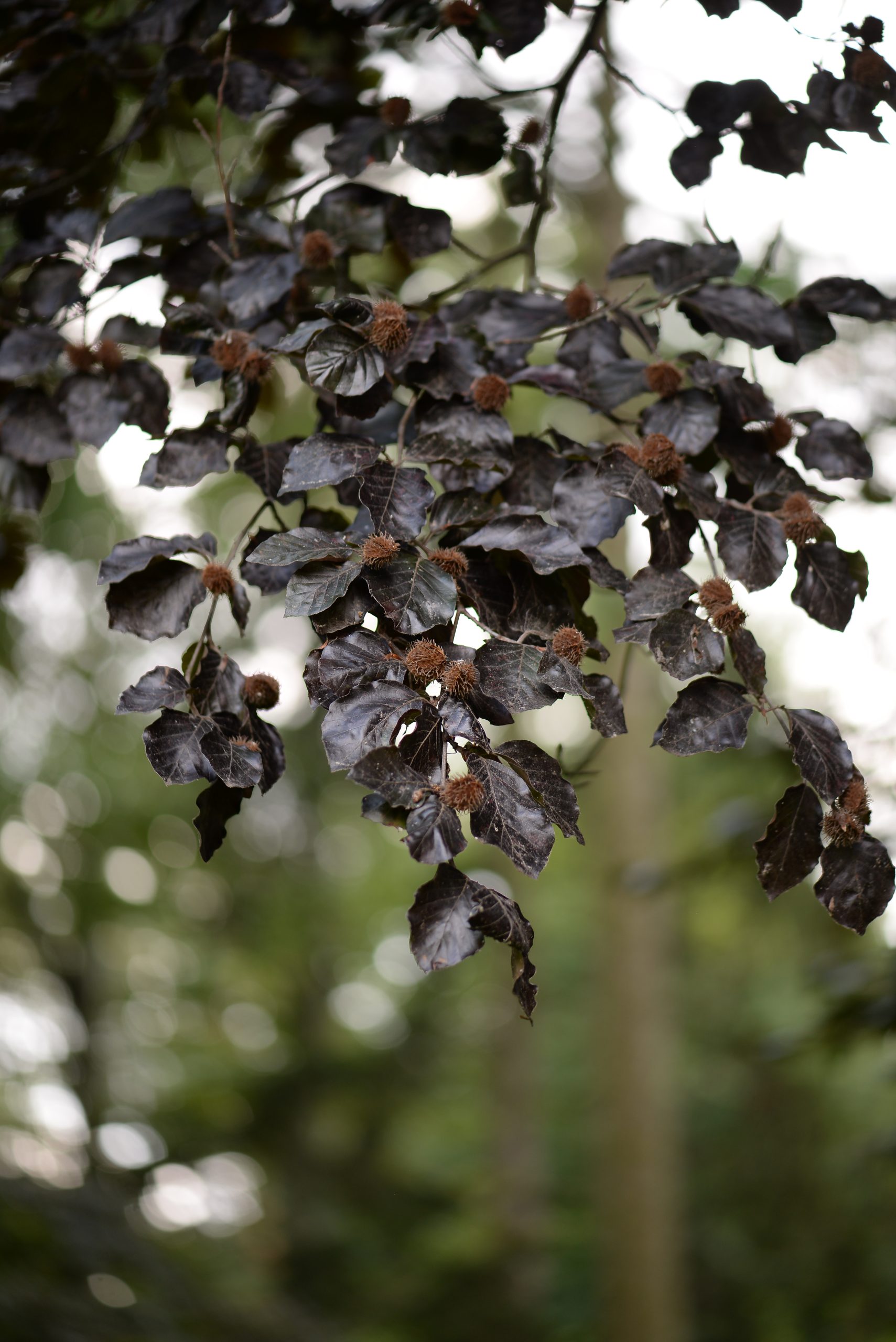
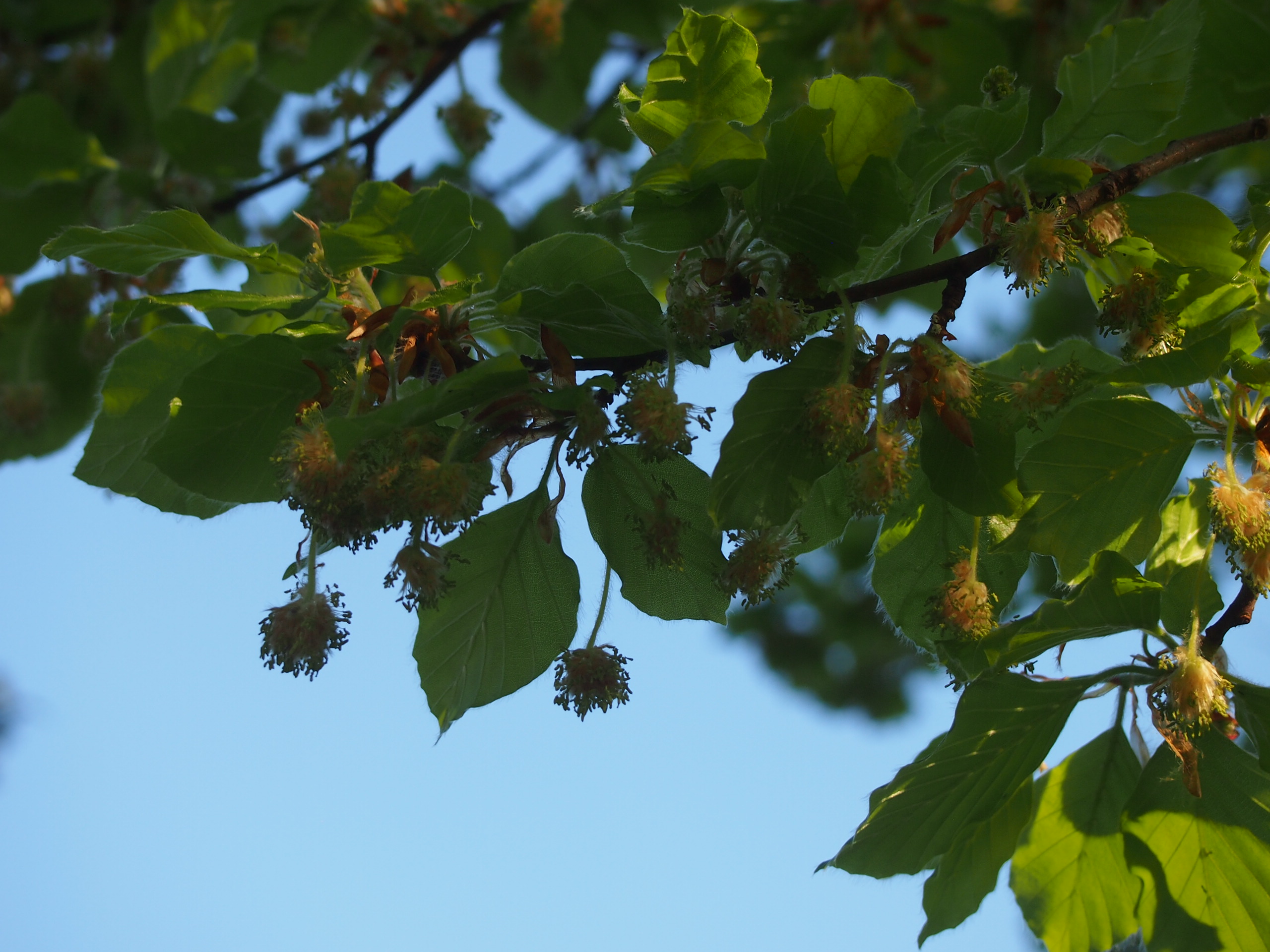
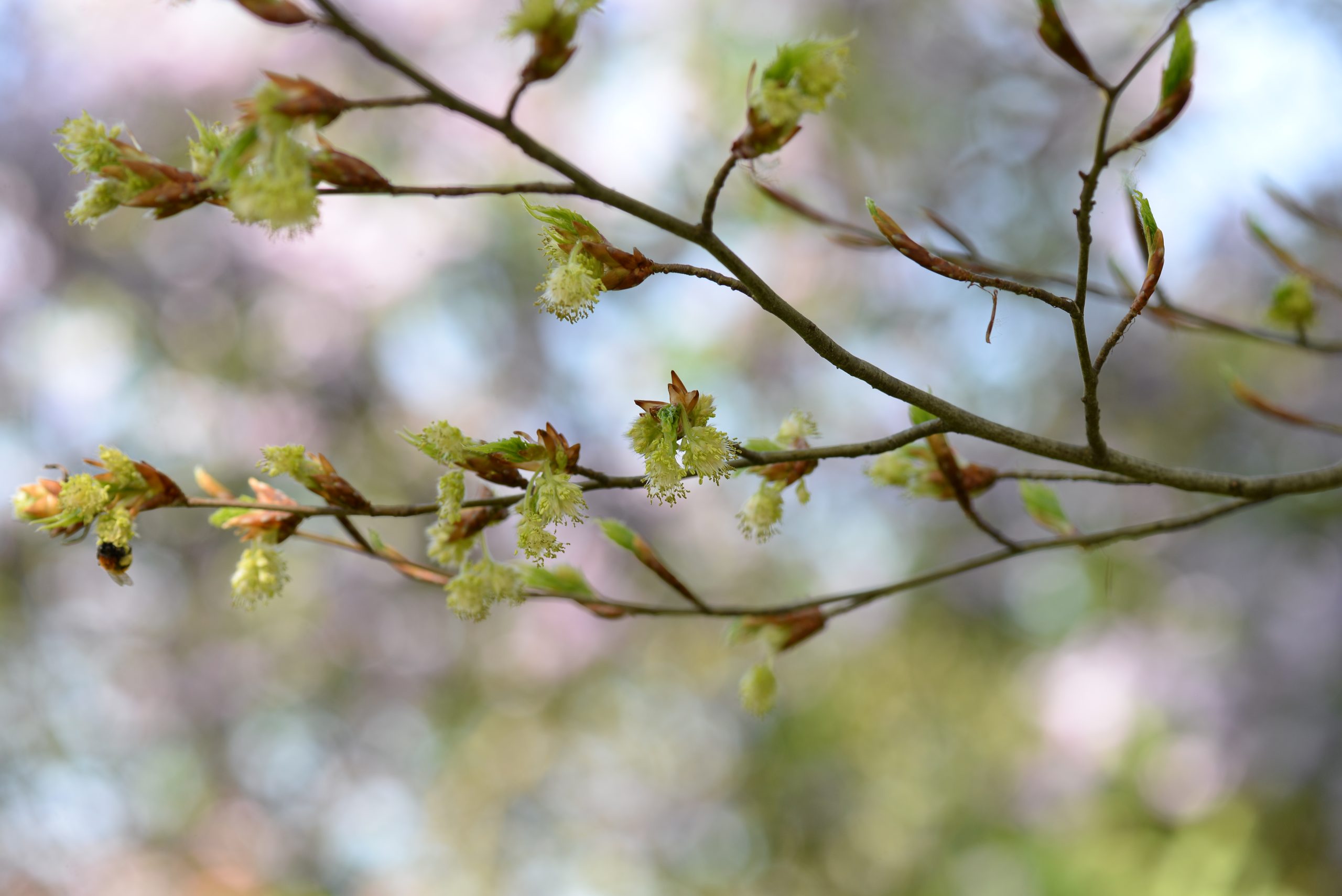
Bloom, fruit: It blooms from April to May. The blossoms are inconspicuous, unisexual and are pollinated by the wind. The yellow male blooms grow on spherical, long-stalked catkins. The female blooms grow in reddish cups at the end of the branches. Beech nuts consist of several brown triangular achenes enclosed in a woody and spiny calyx, which opens with 4 valves. The leaves turn yellow, red and dark brown in autumn.
Interesting fact: A large number of cultivars have been cultivated with different habitats or leaf colours. The tree can therefore be planted as a dominant solitary tree in parks and also as part of hedges in gardens. Its life expectancy is up to 400 years. Beech achenes were ground into flour in times of food shortages.