
Soapberry family, Sapindaceae
Origin: the Balkan Peninsula
Habitat in the original area: mountain forests
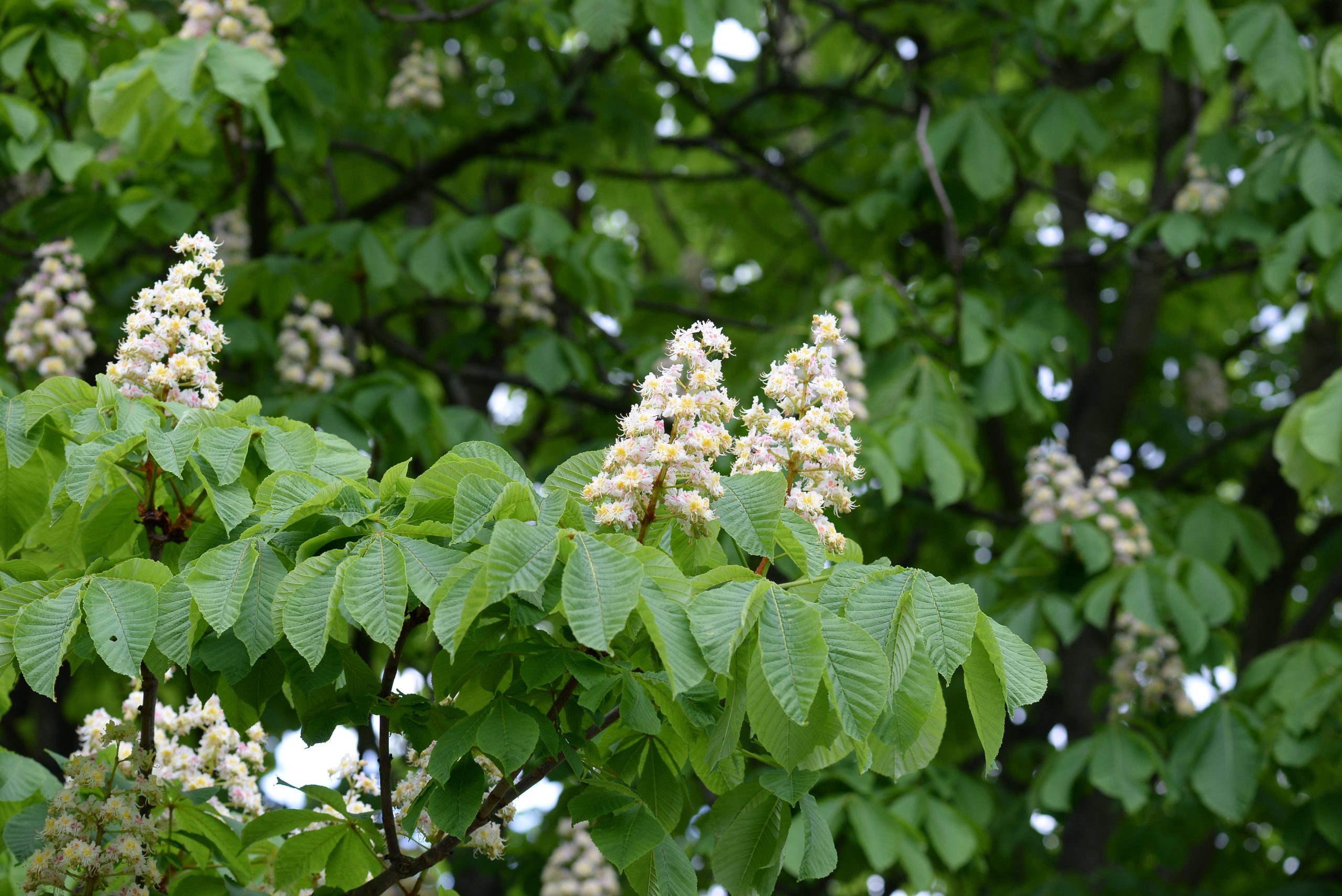
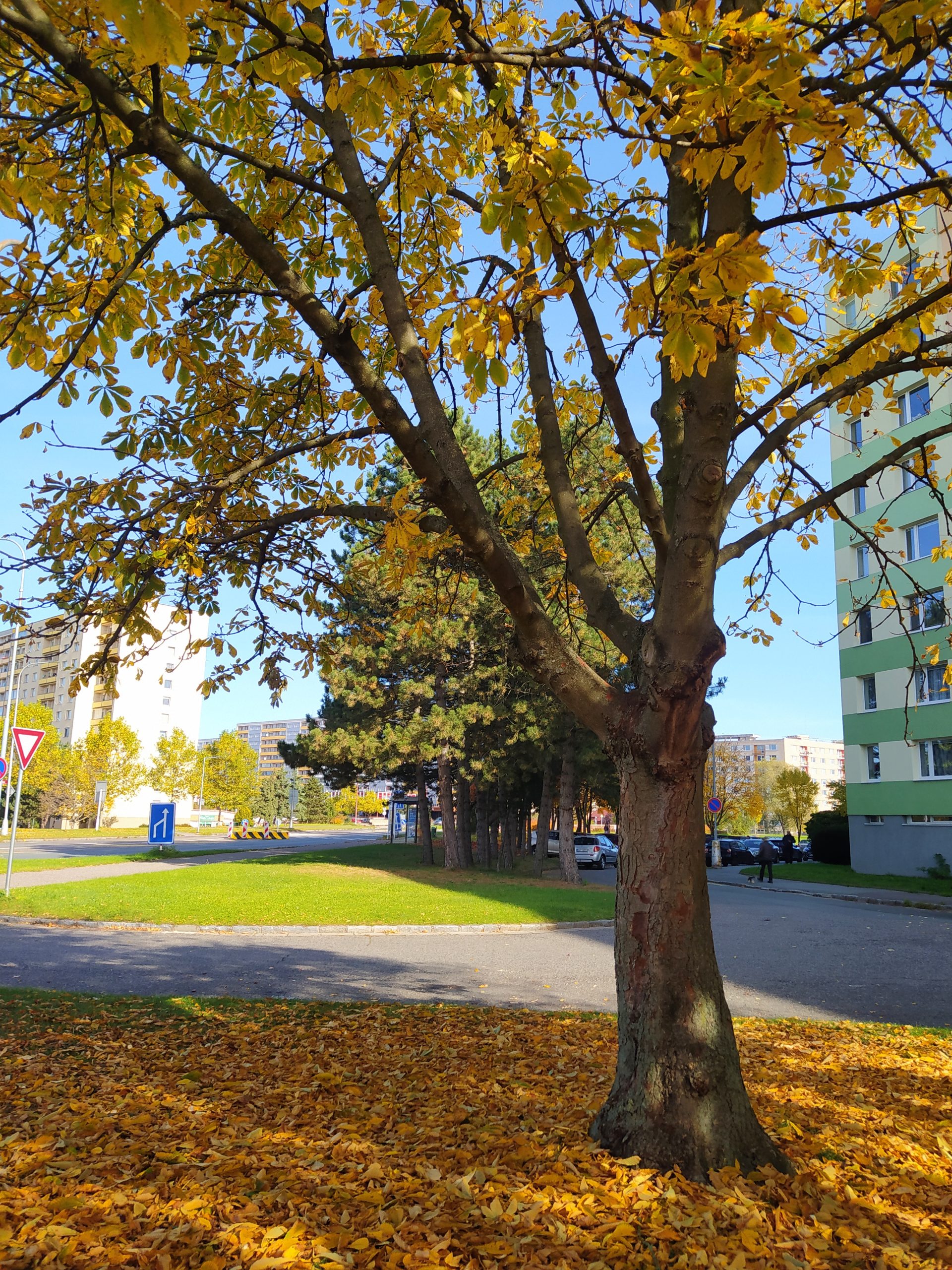
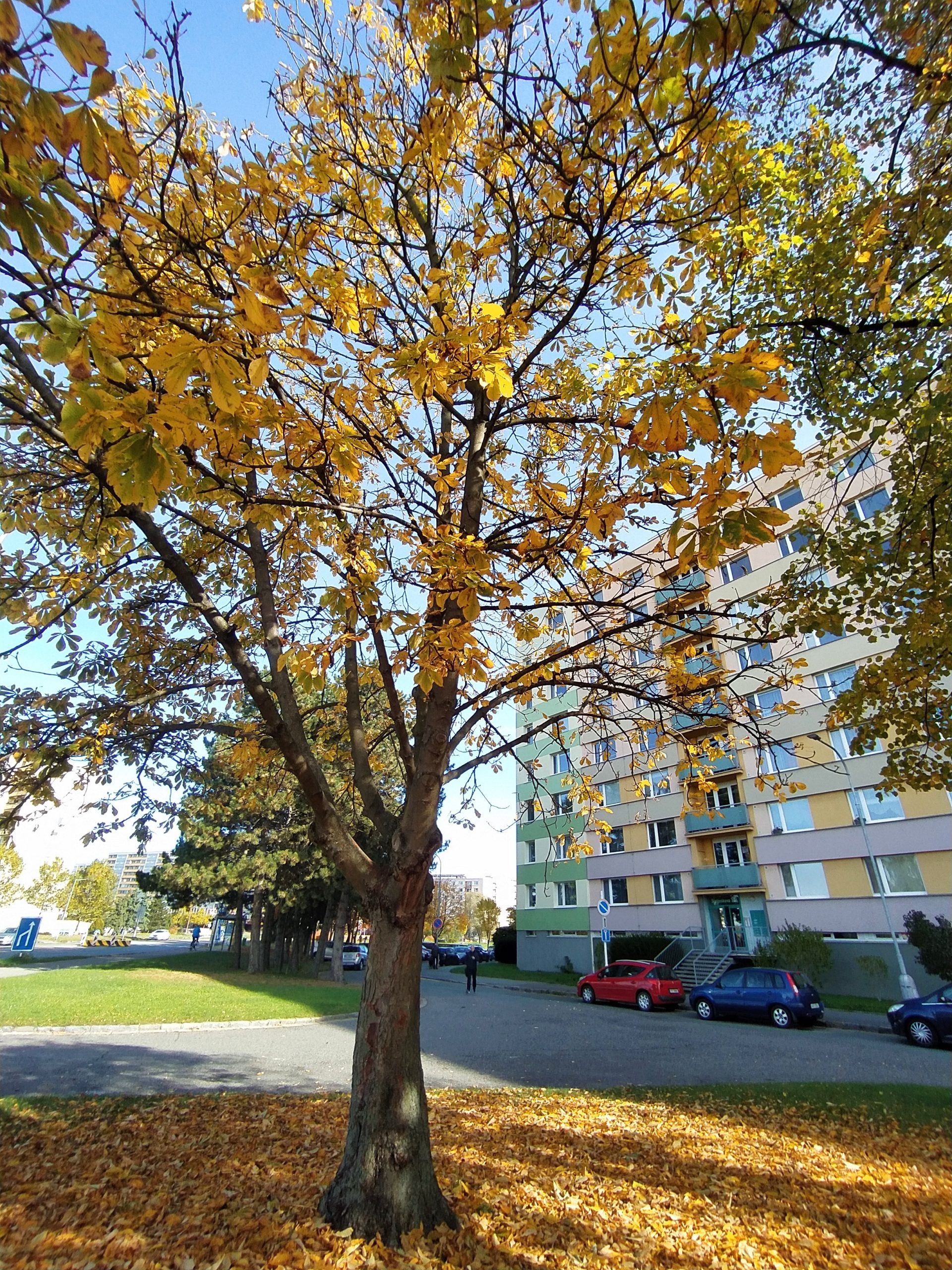
Habitus: A tree growing up to 30 metres. The crown is spherical and densely branched. The branches of older trees hang down to the ground. The bark of the massive trunk is smooth and brown when young, it turns grey when old and peels off in scales.
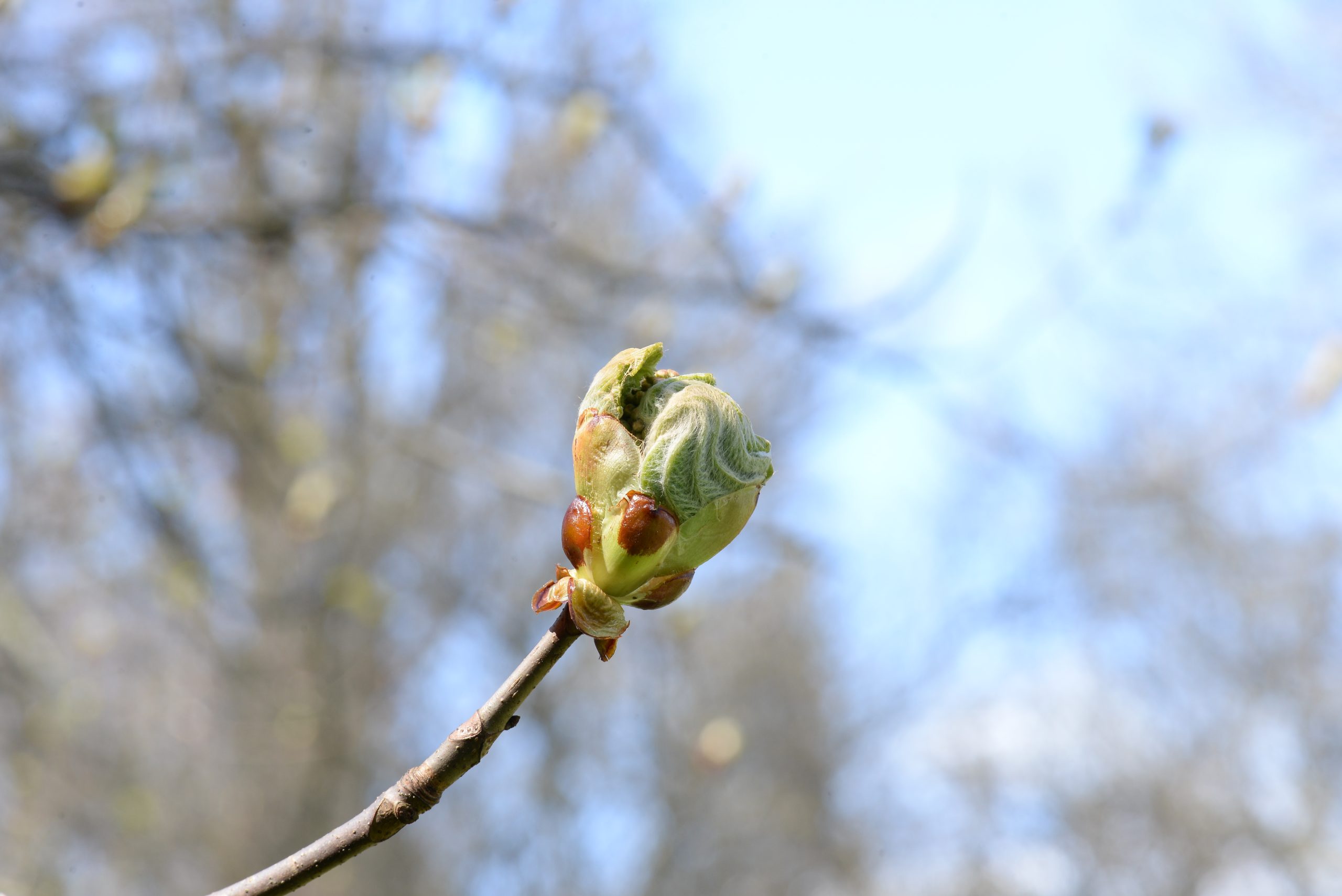
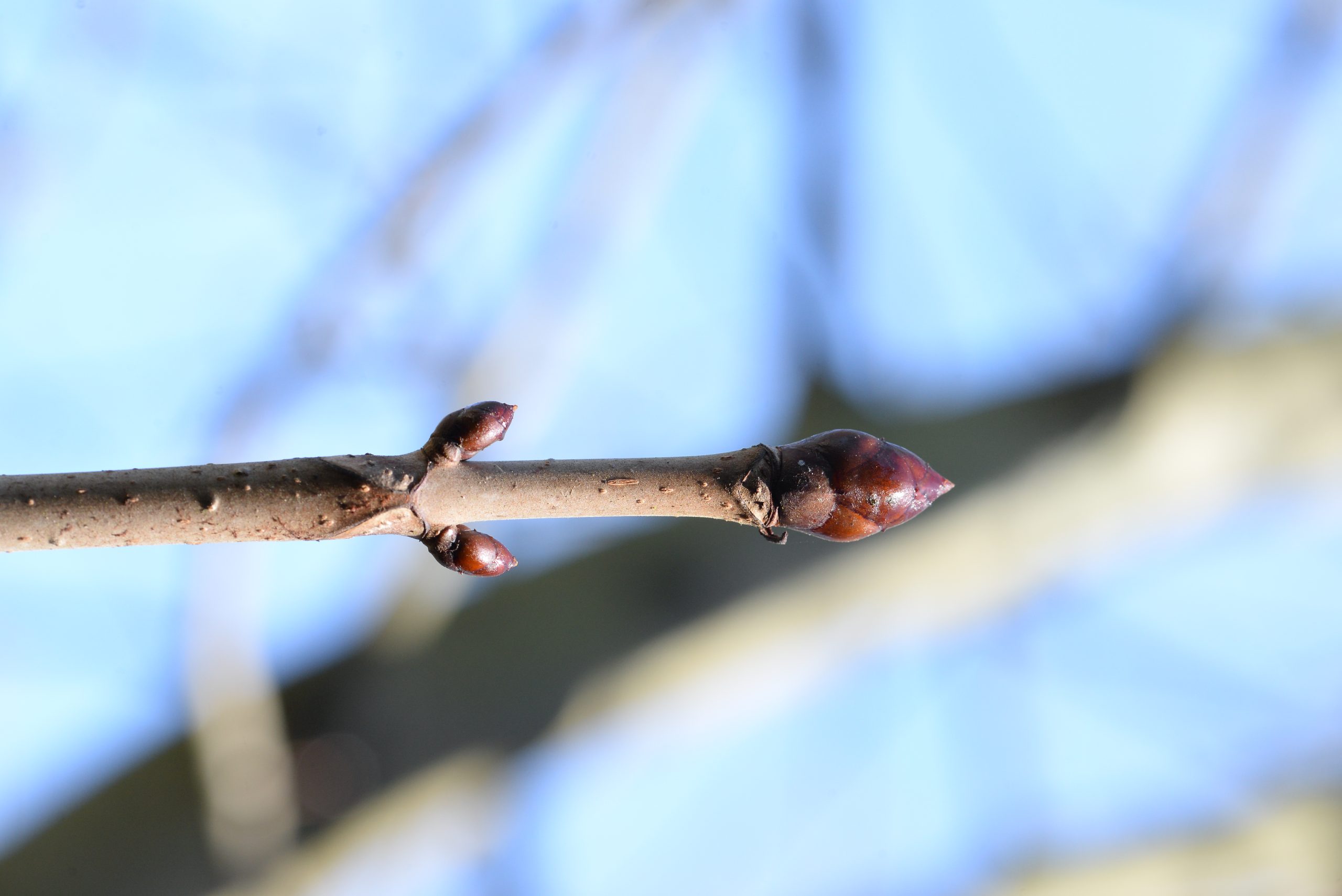
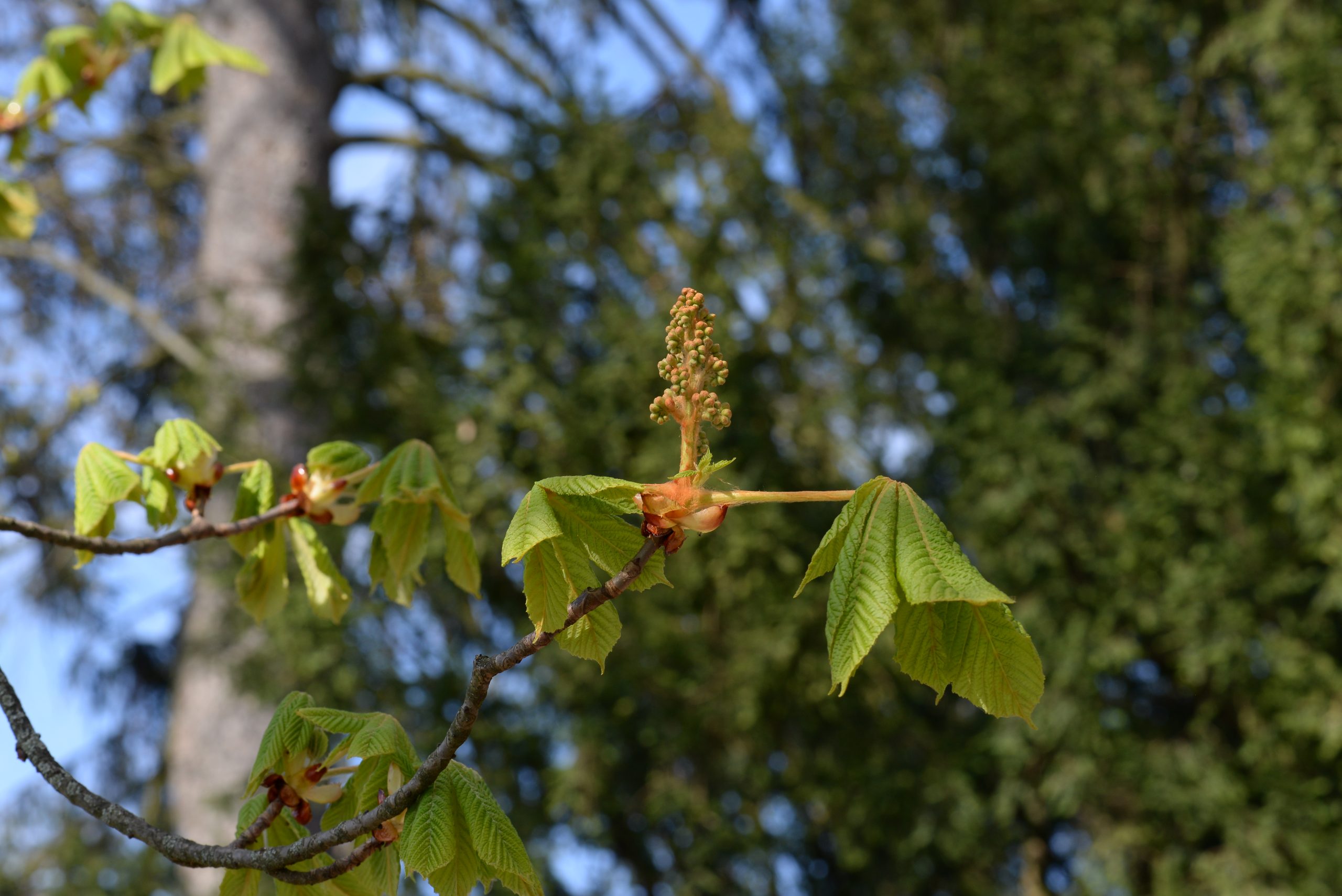
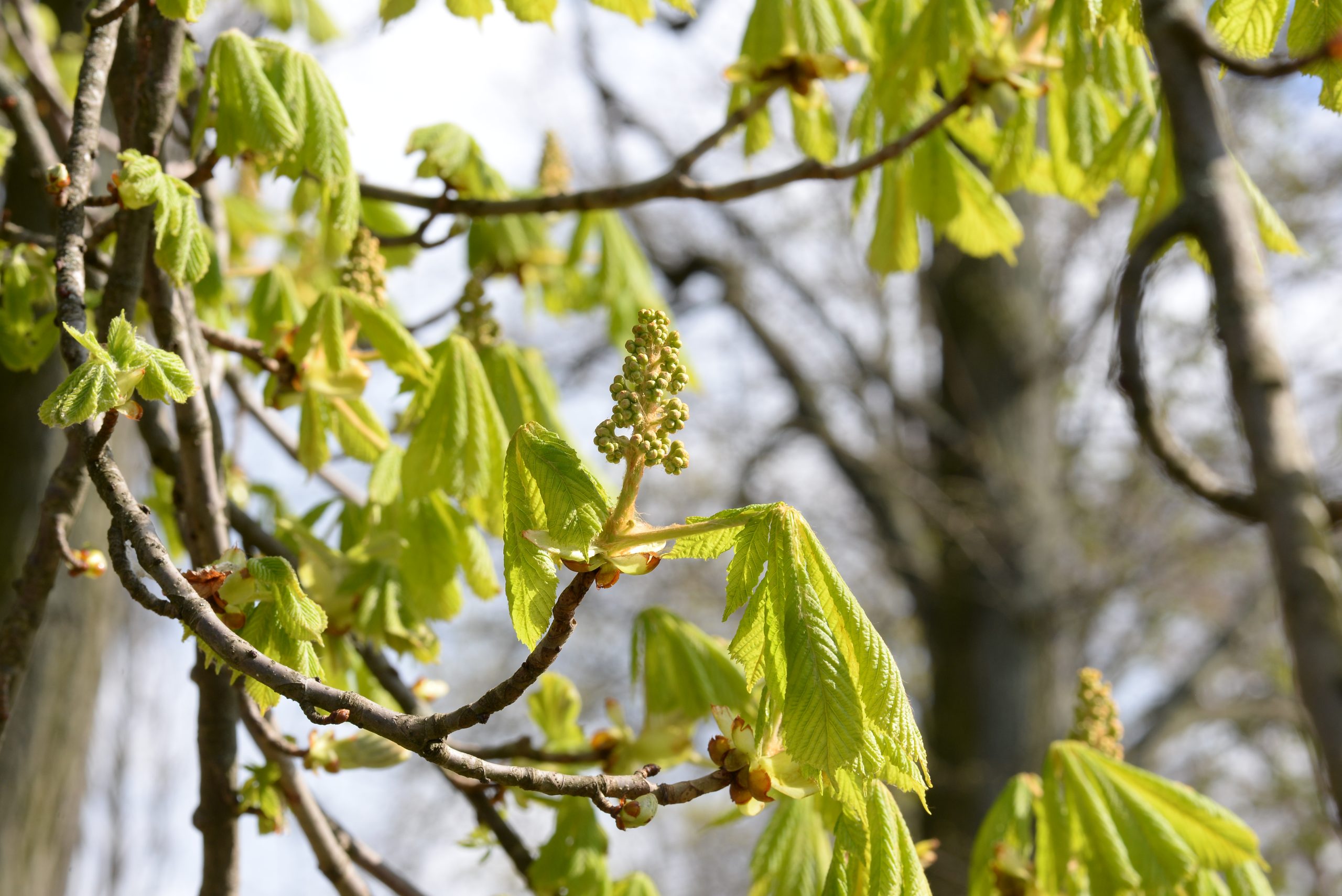
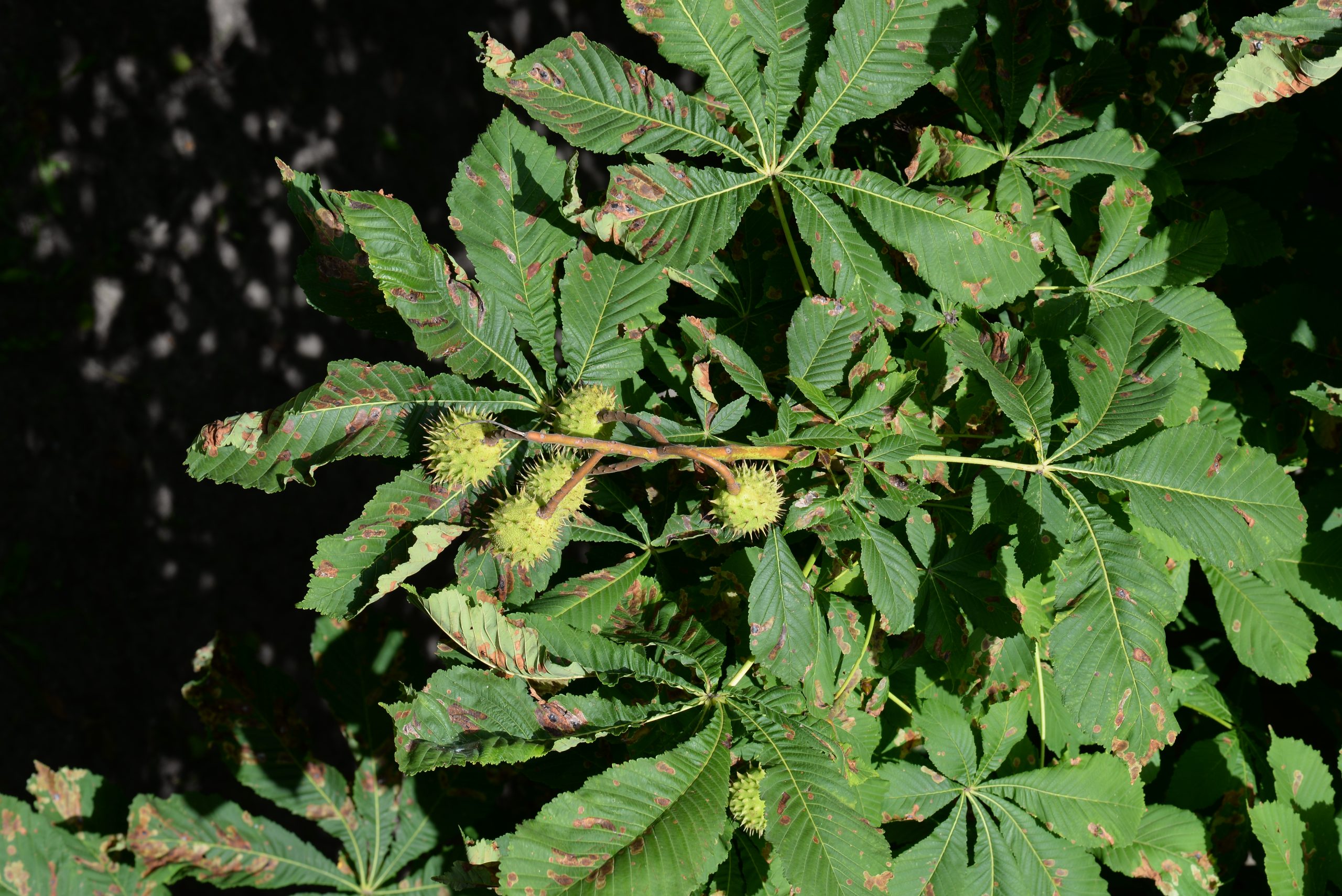
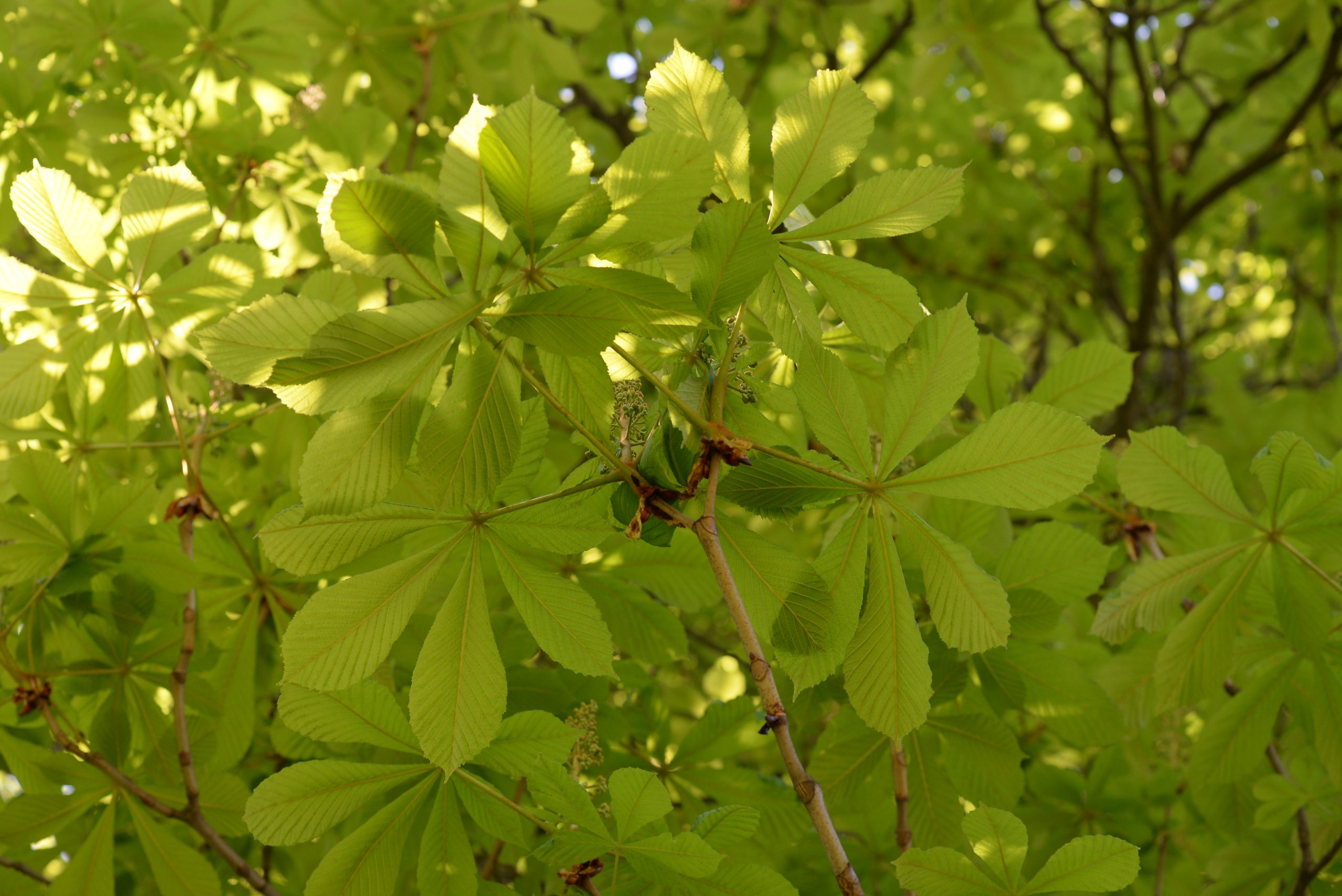
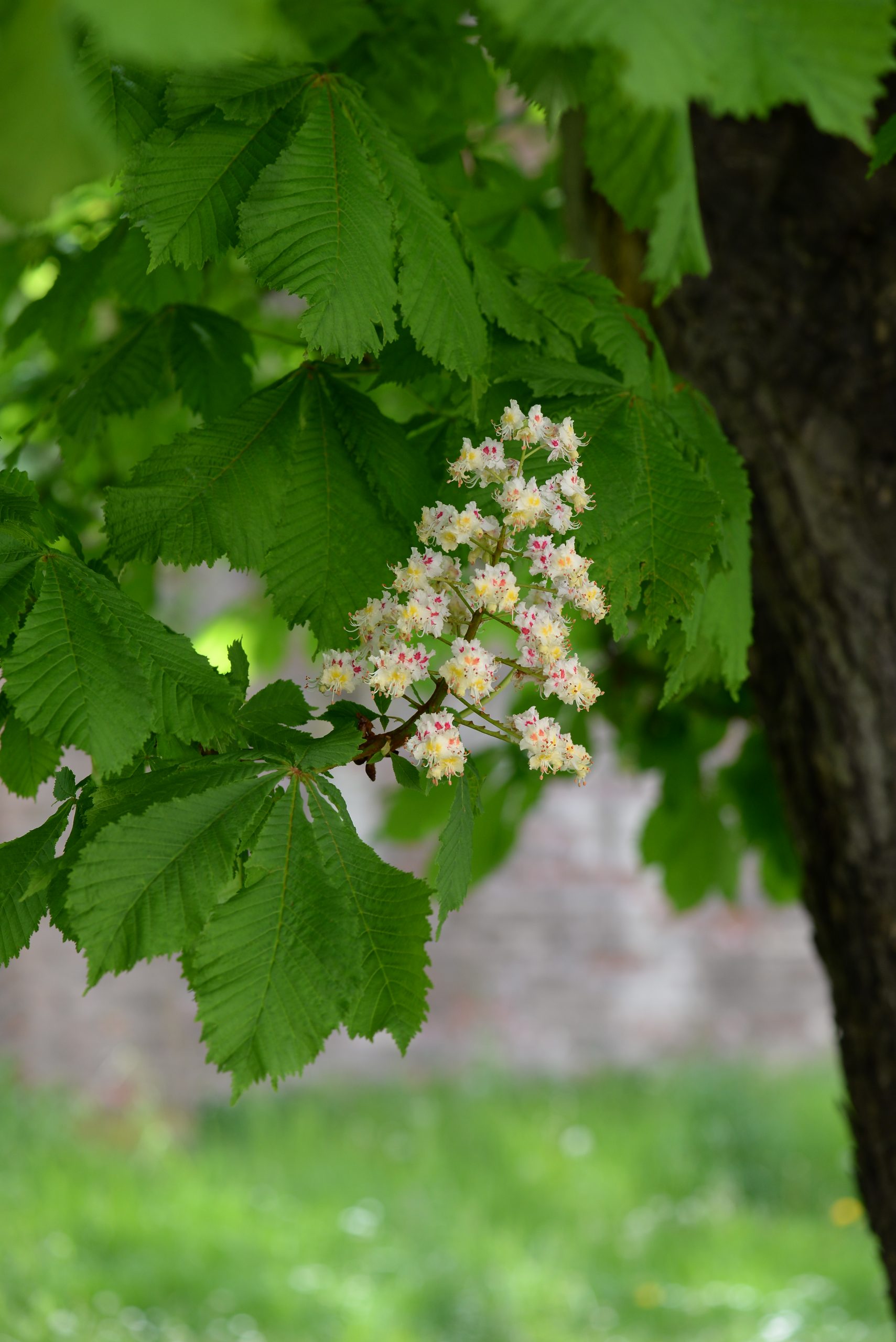
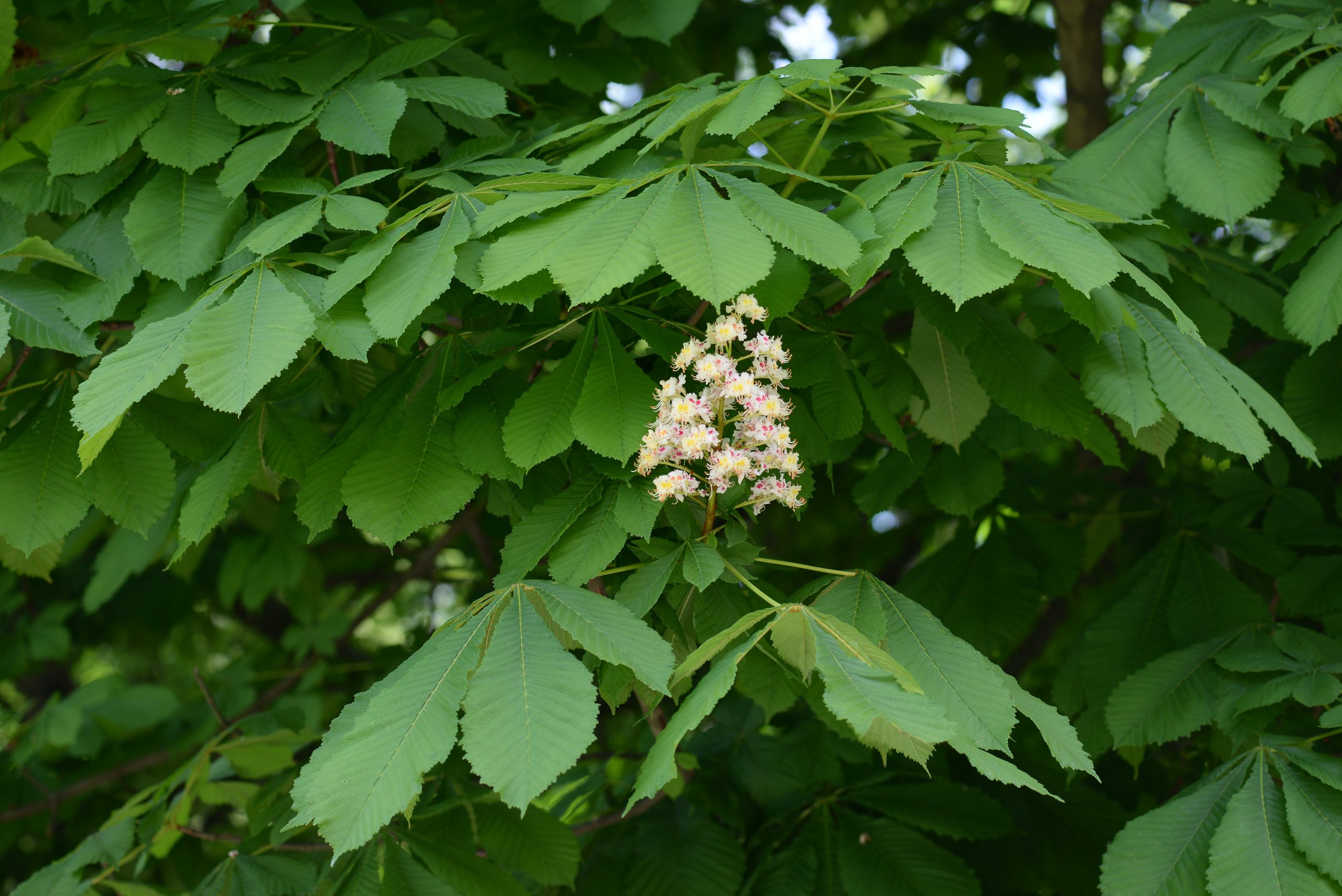
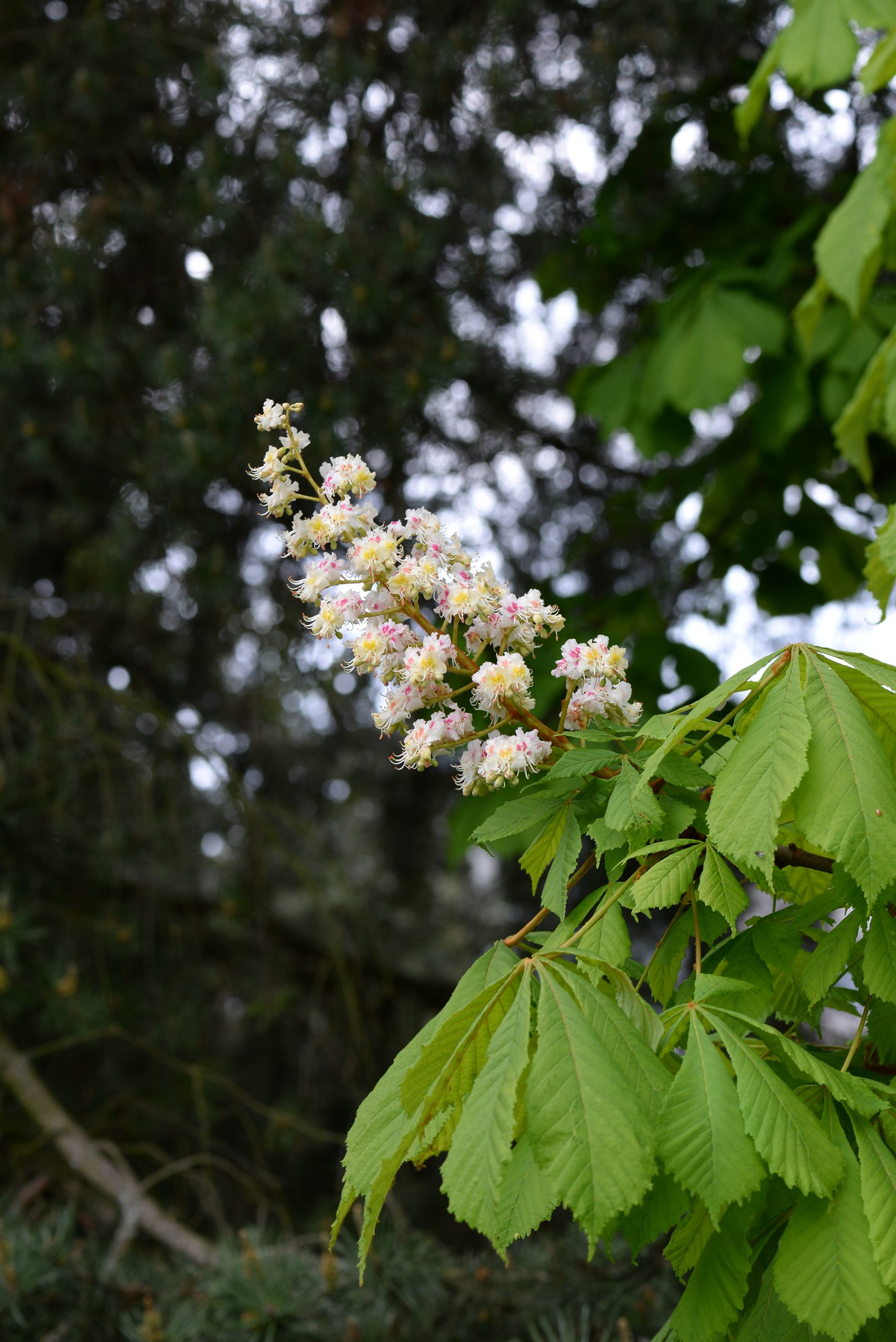
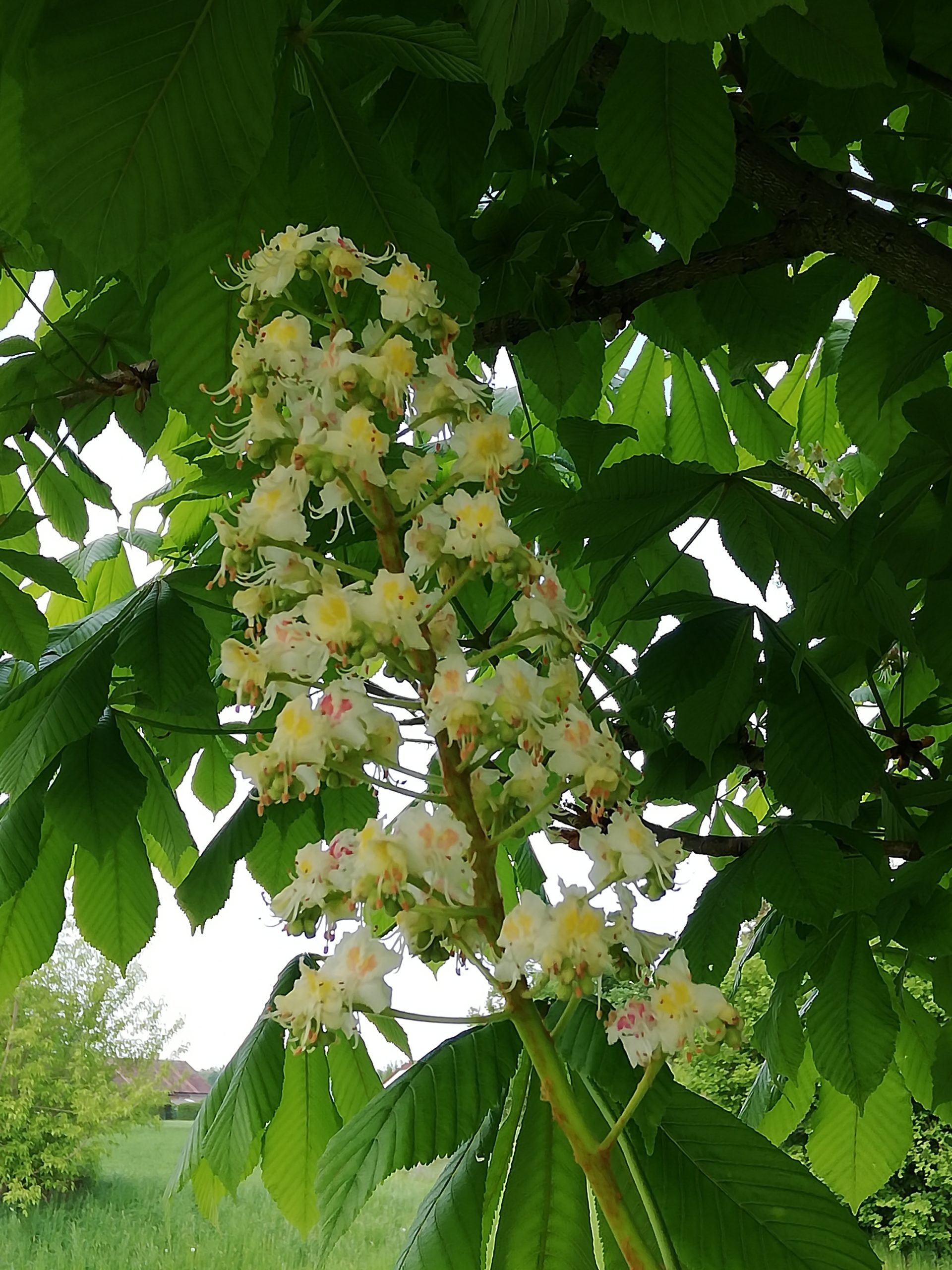
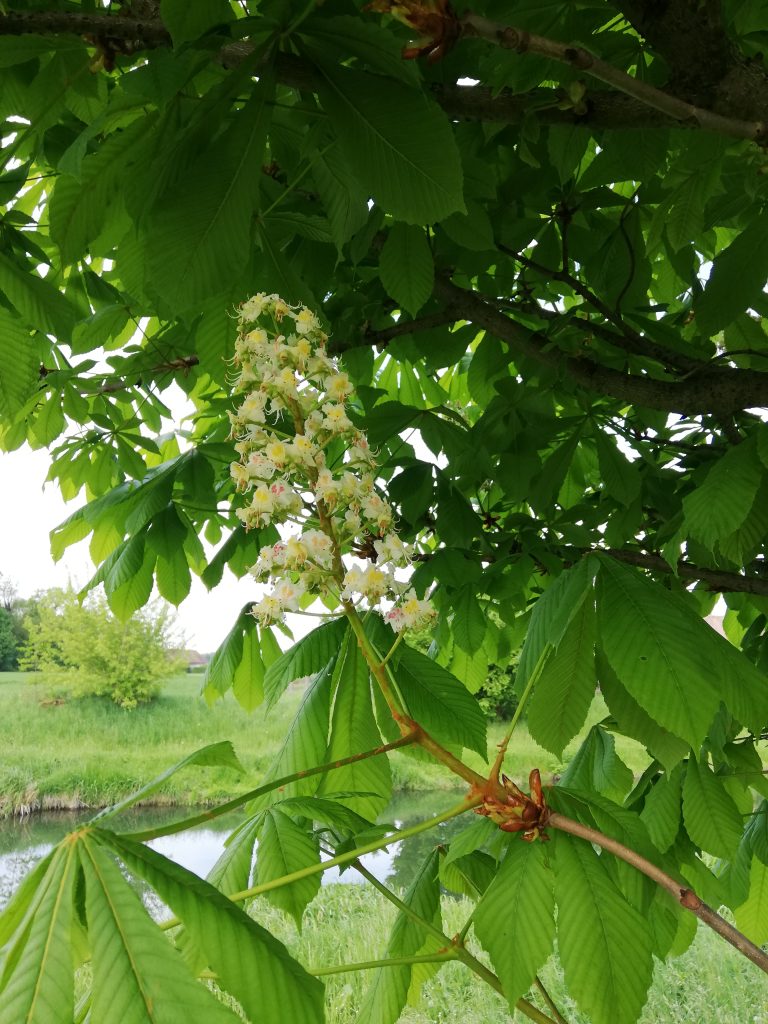
Leaf: The buds are covered with resin, they are sticky and shiny. The leaves are composed of 5–7 sessile leaflets, the middle one of which is usually the largest. Their margin is irregularly doubly serrated, on the lower side lighter than on the upper side. The leaves are elongated into a top tip and they are wedge-shaped at the base. Rusty trichomes grow near the veins on the underside of the leaf.
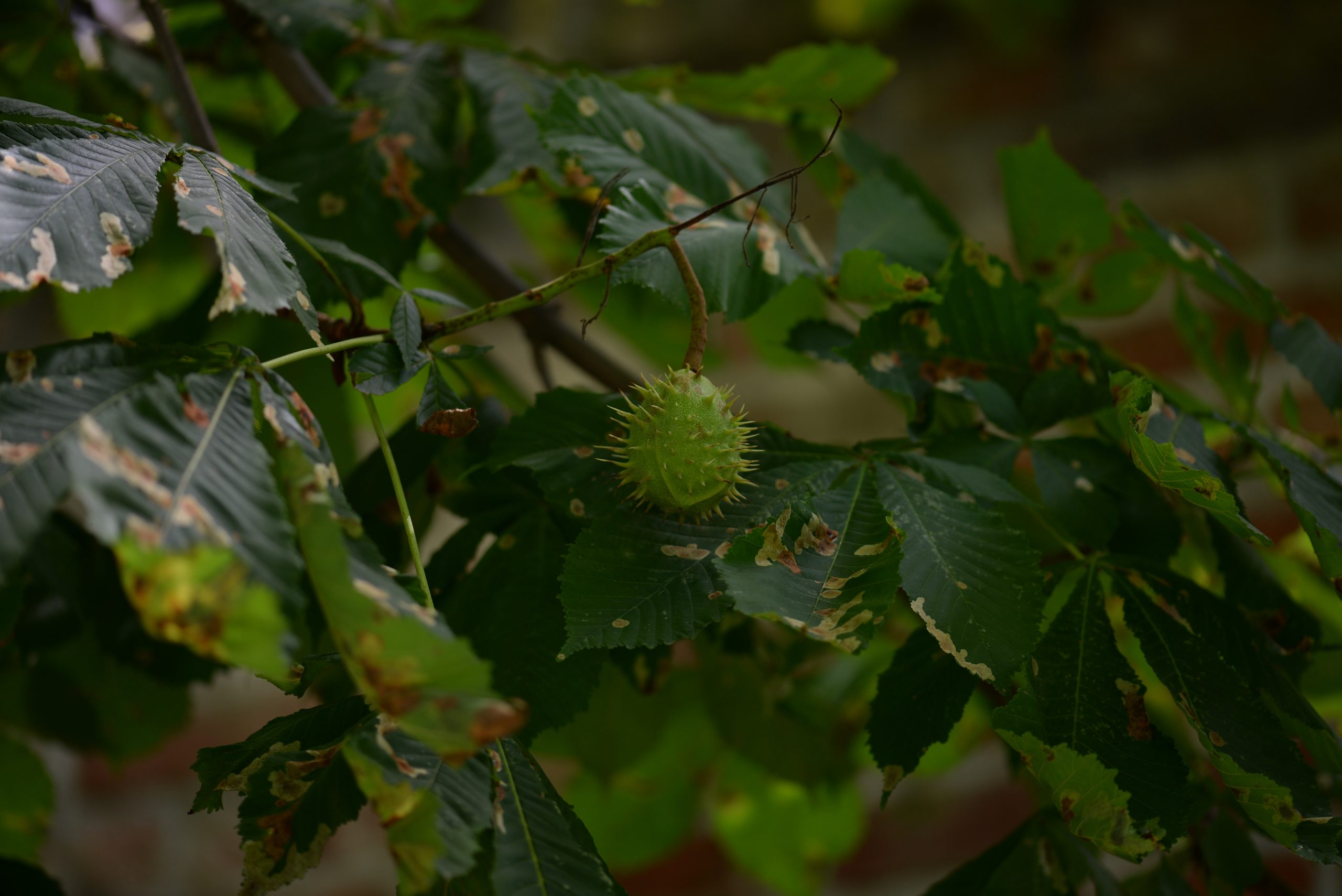
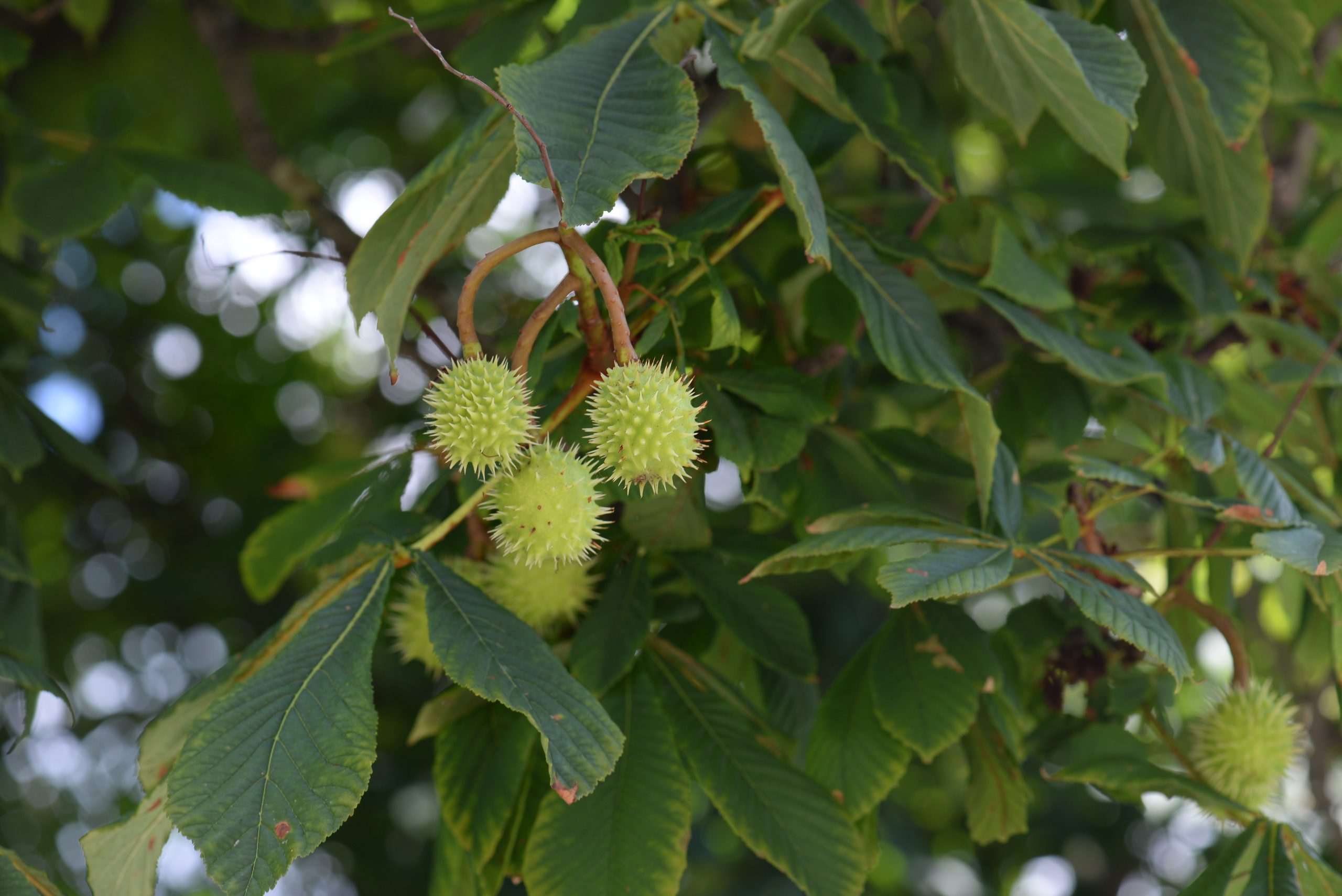
Bloom, fruit: It blooms in May. The blossoms are clustered in rich straight panicles, and their stalks are covered with trichomes. The blossoms are white, speckled with pink and have a yellow spot at the base, which turns red over time. The fruit is a capsule with a diameter of up to 6 centimetres. It has spines on the surface and bursts with 3 valves when ripe. The seeds are large, shiny and dark brown.
Interesting fact: Its leaves are attacked by a horse-chestnut leaf miner. Its larvae eat the assimilation tissues. The leaves gradually turn brown, get curled and fall off.