
Beech family, Fagaceae
Origin: south-eastern Europe, rarely in southern Moravia, northern Turkey
Habitat in the original area: dry and sunny slopes, deciduous forests
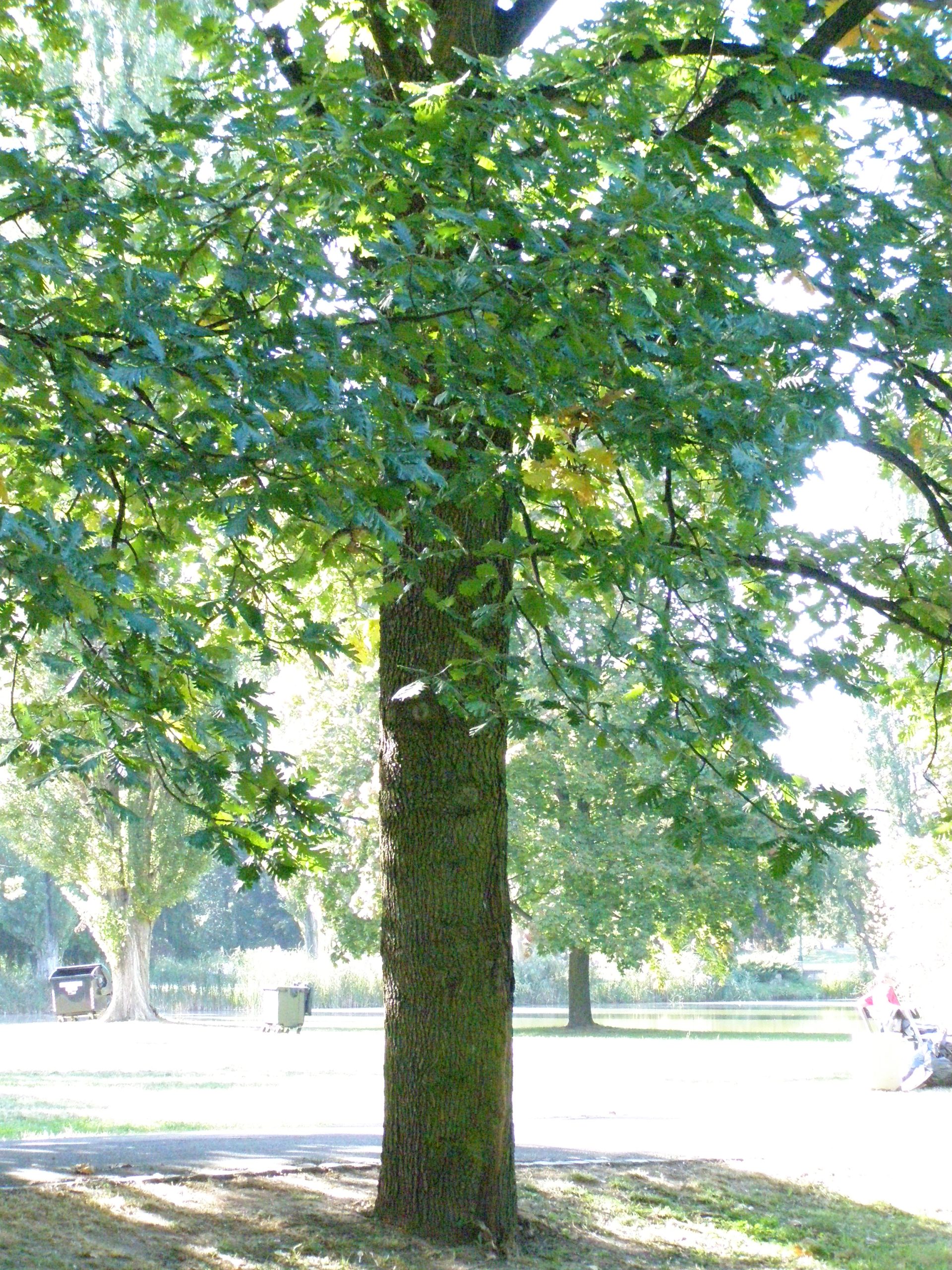
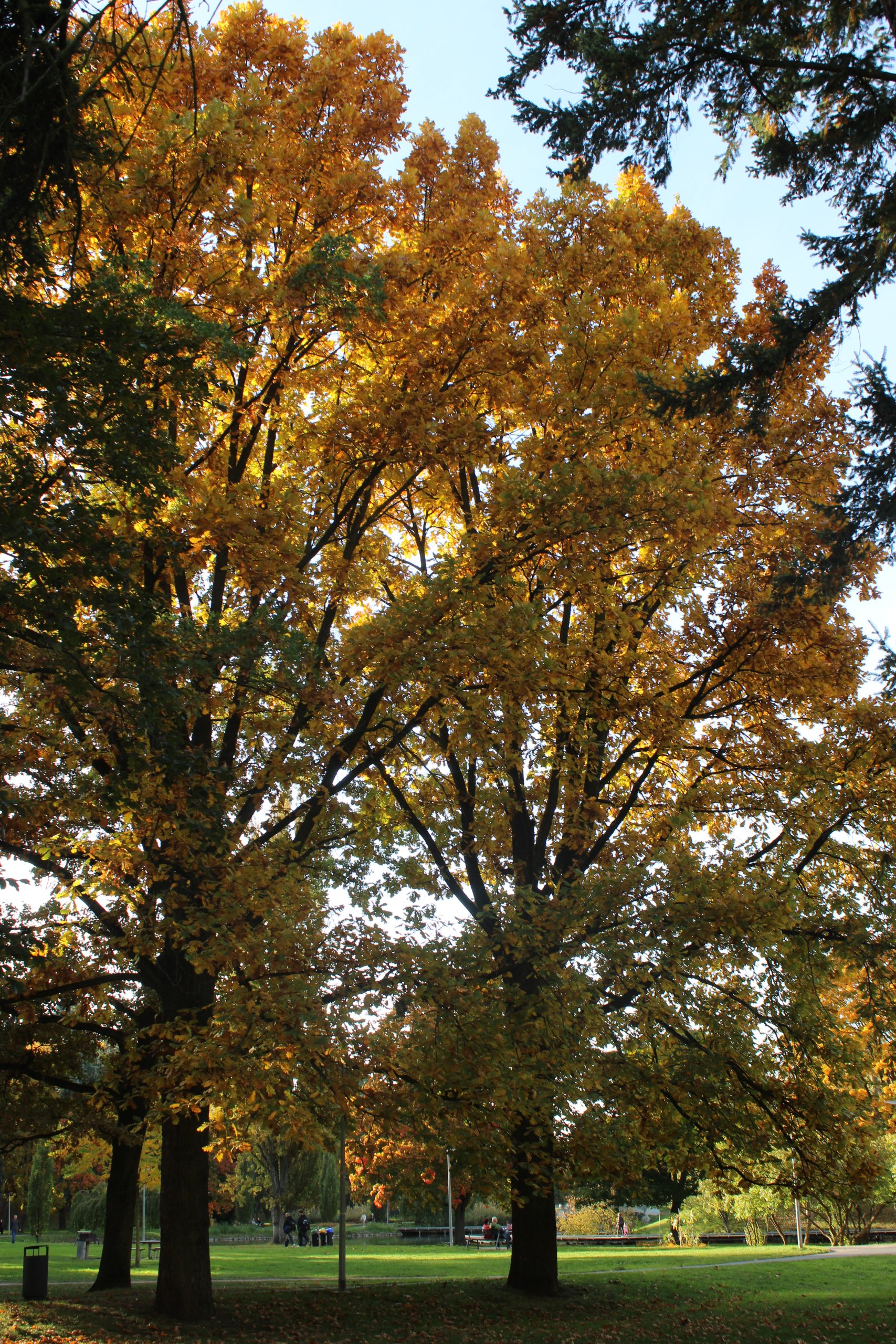
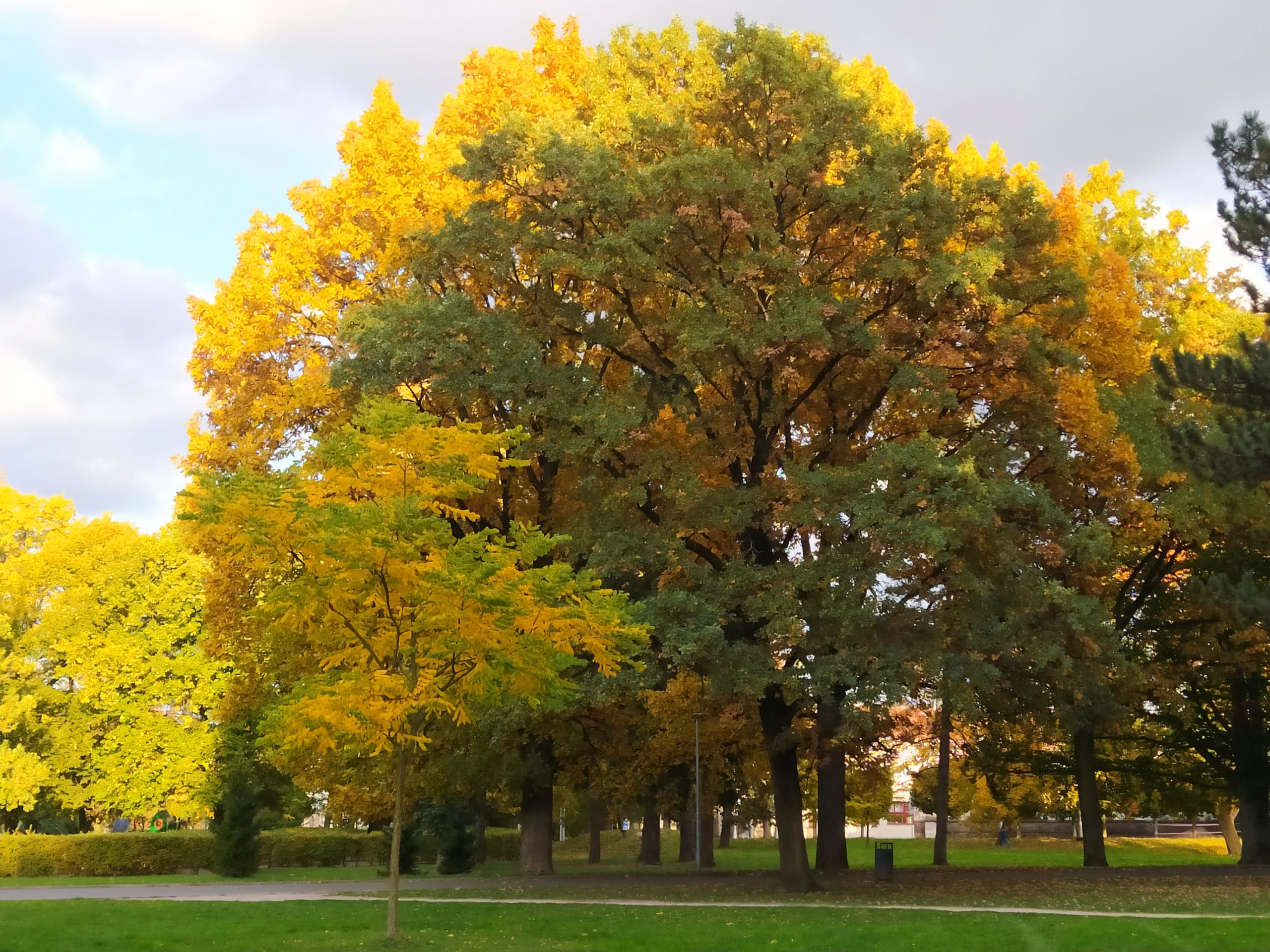
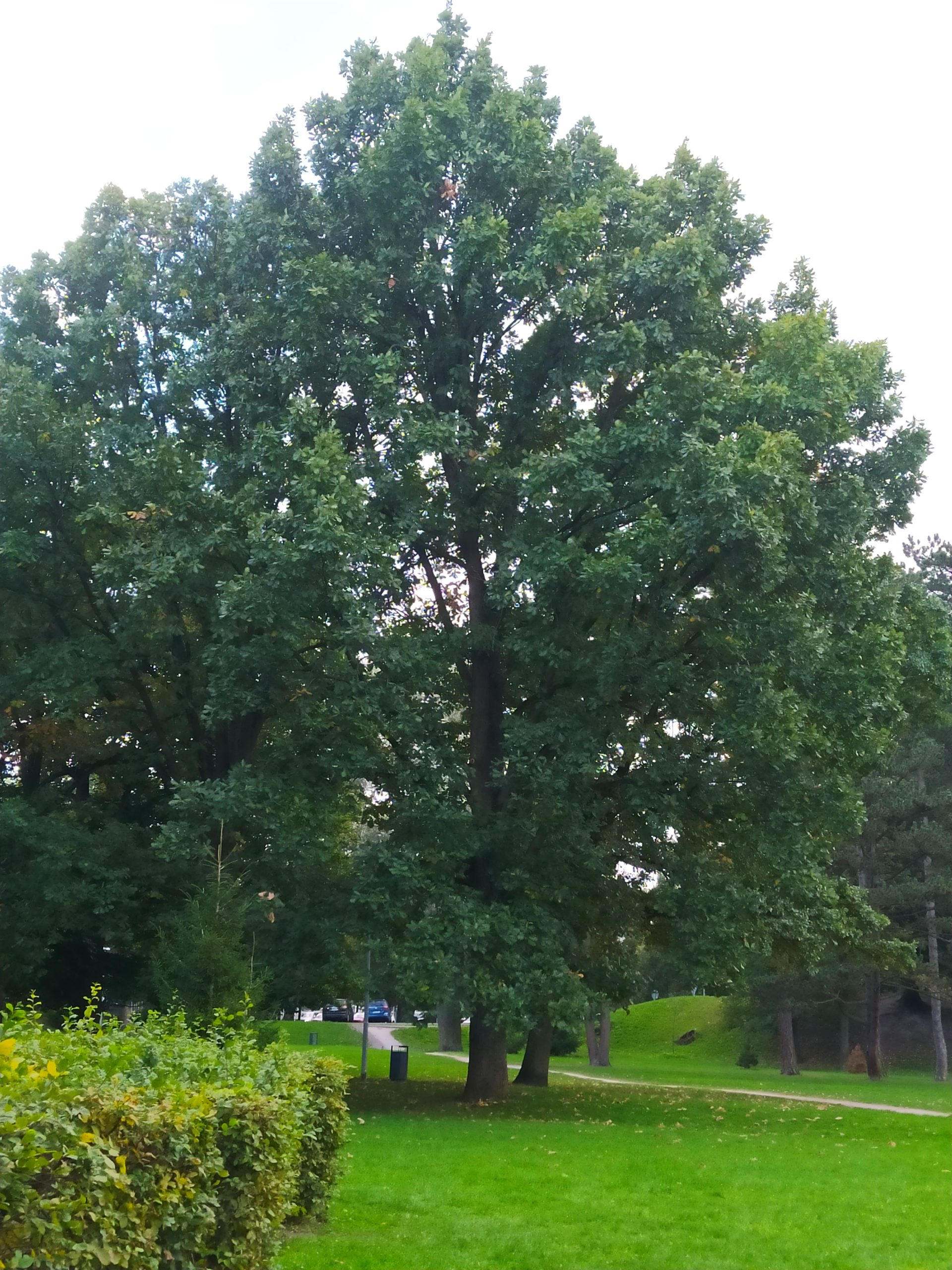
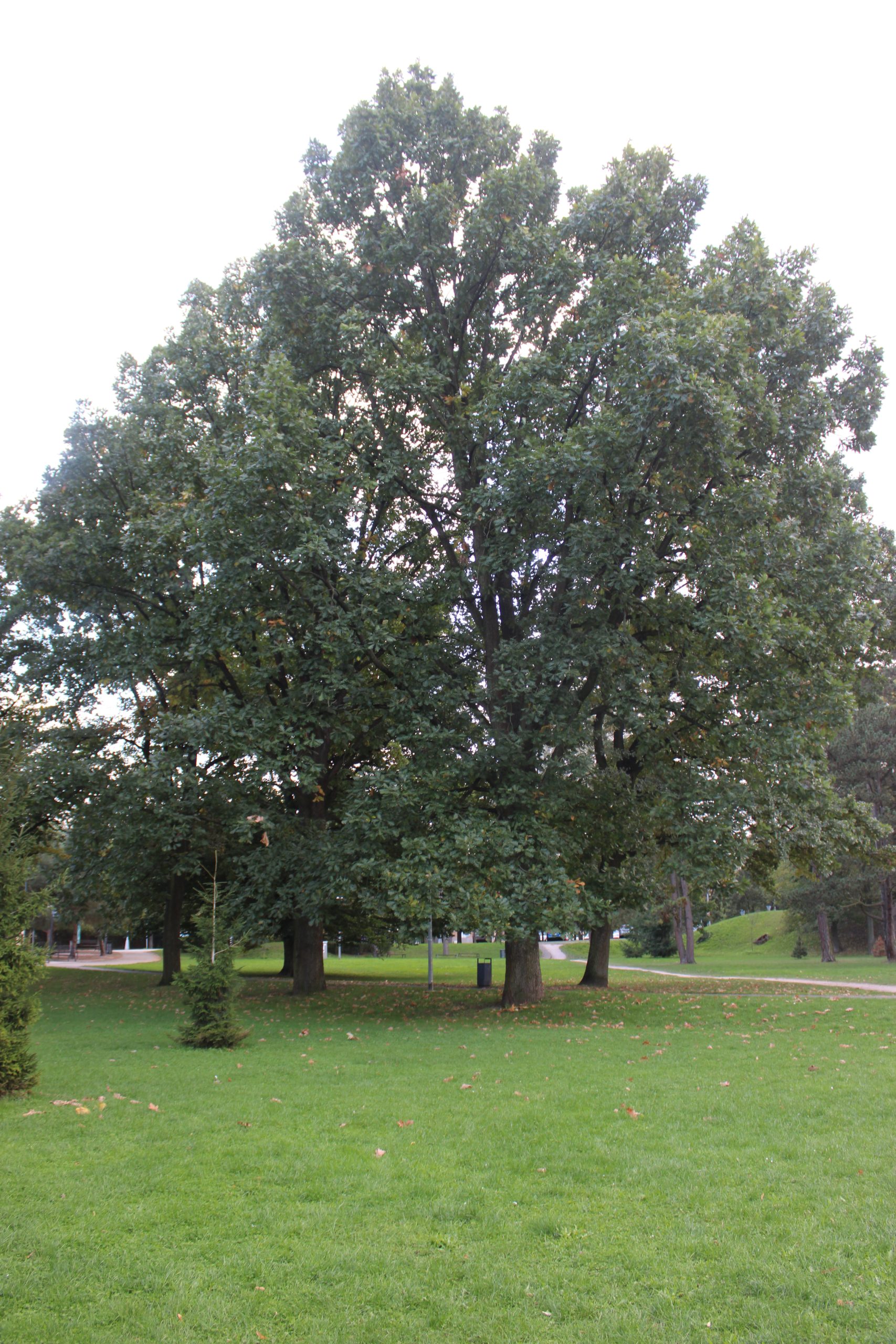
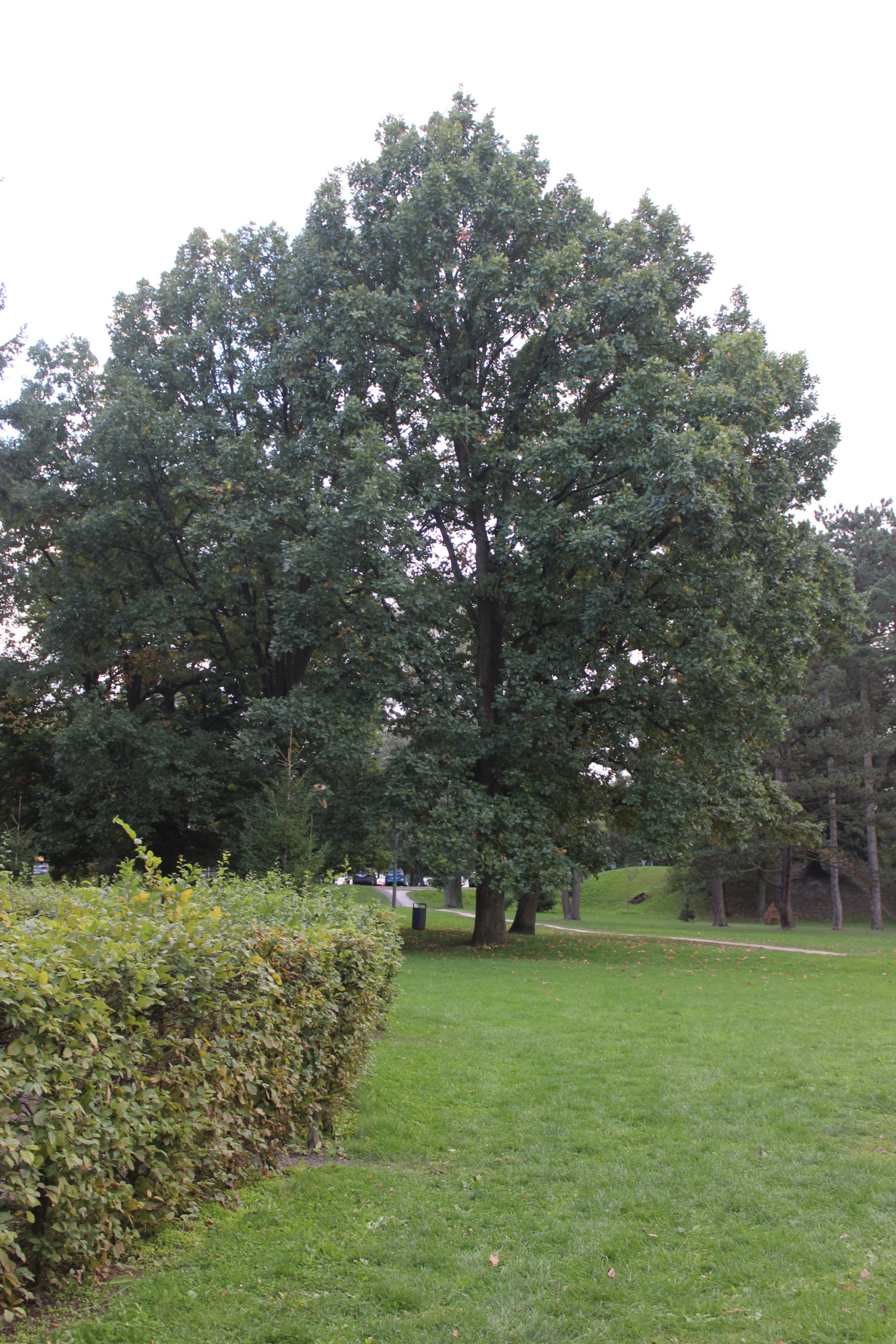
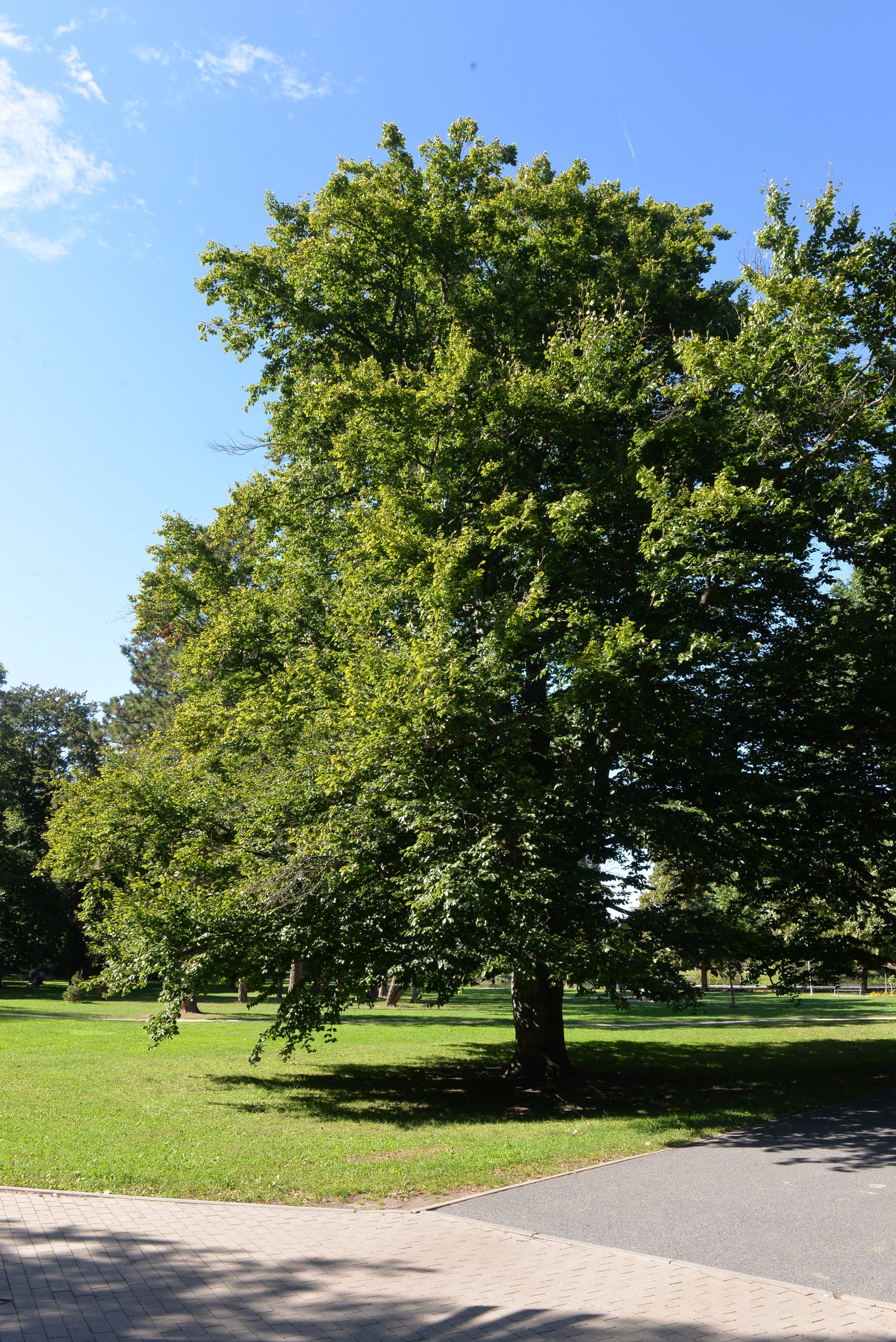
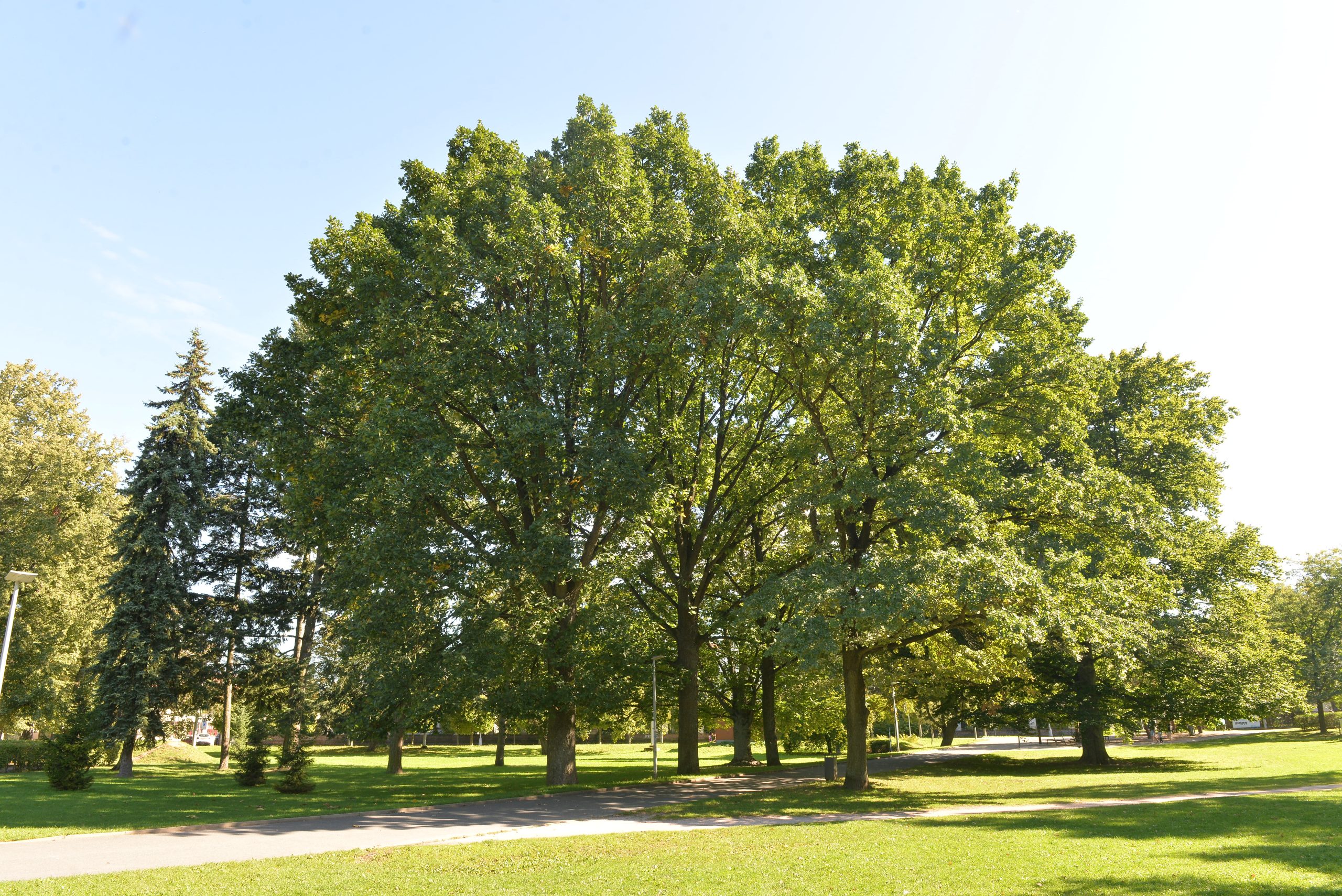
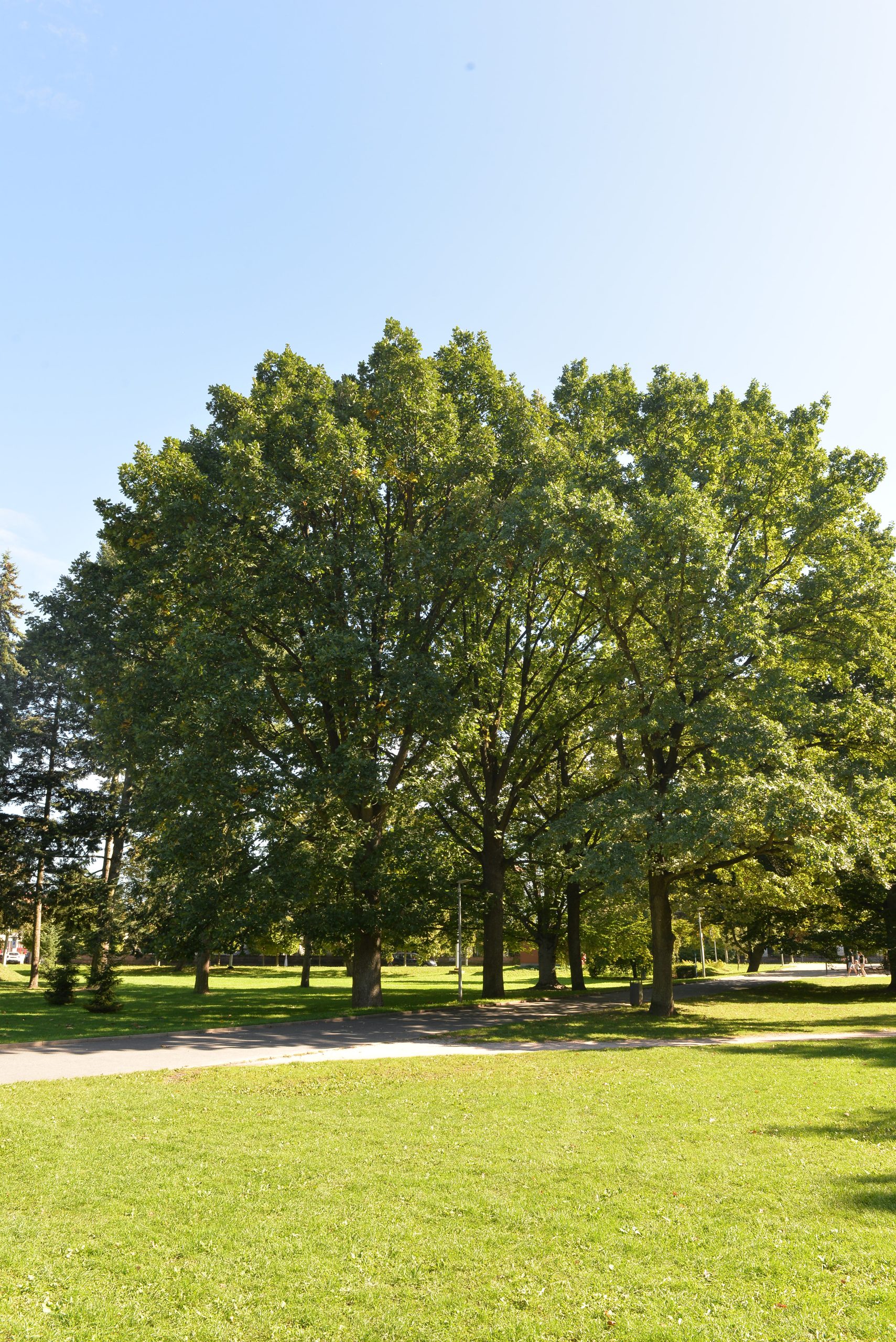
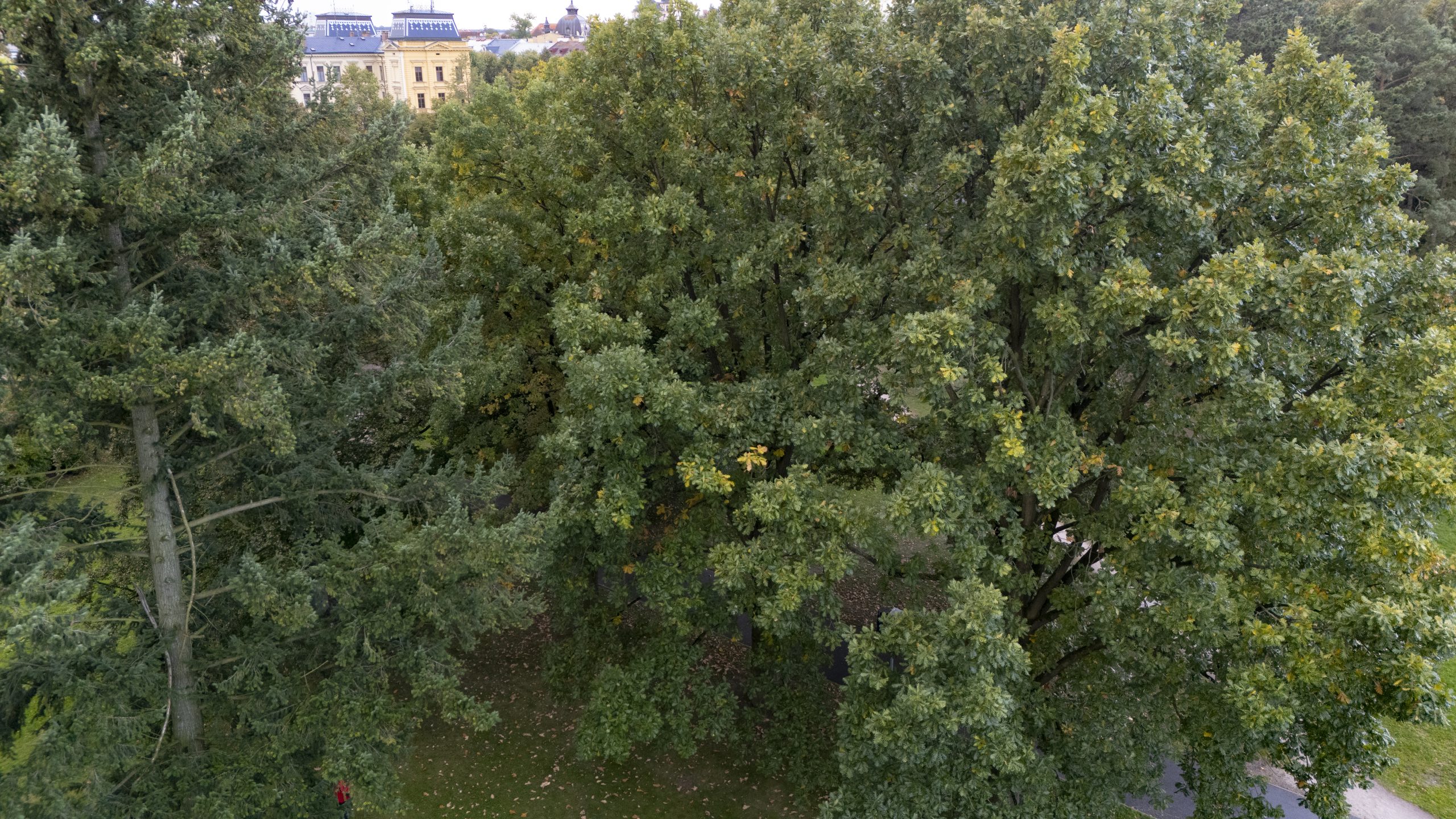
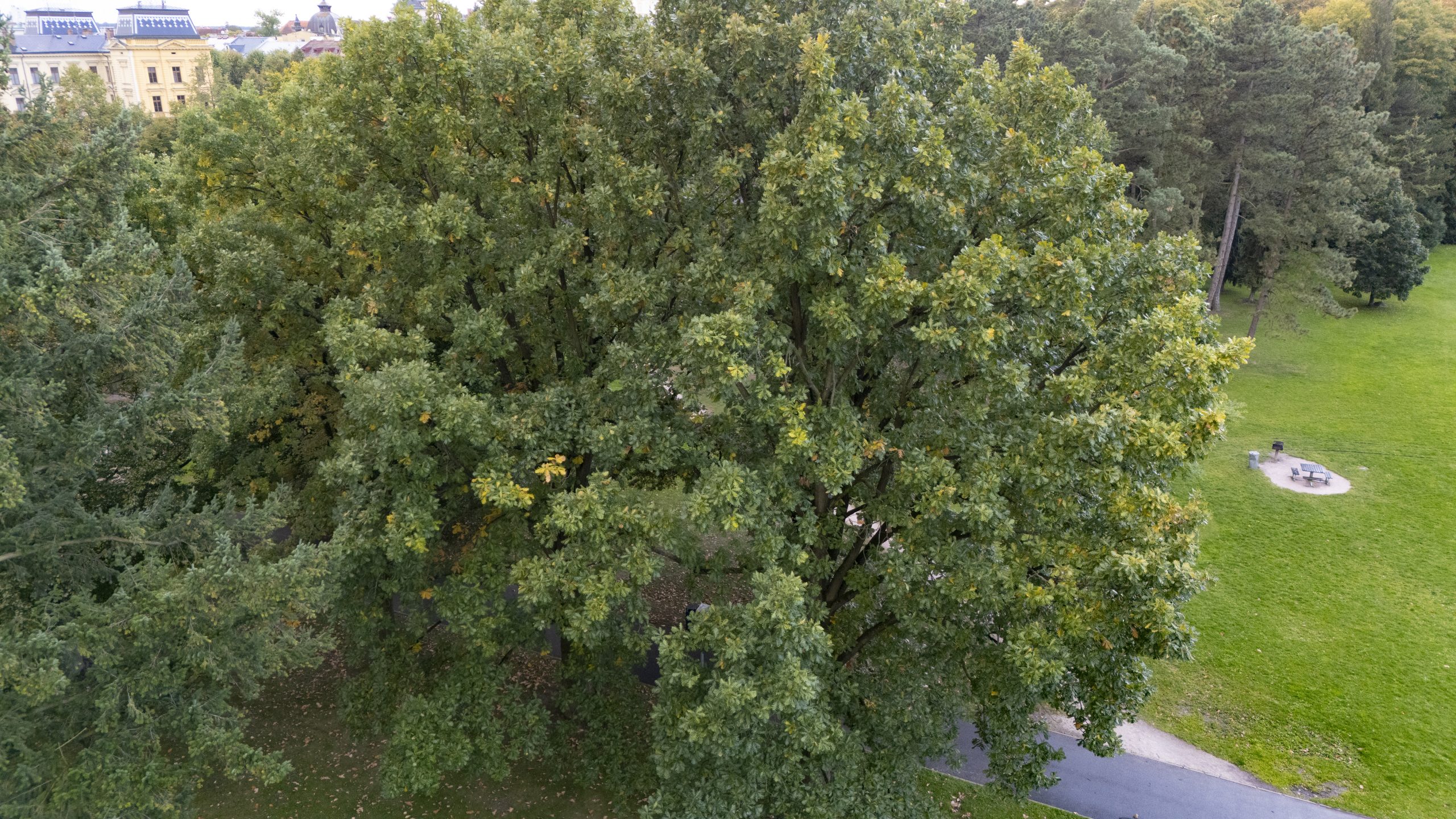
Habitus: A tree growing up to 40 metres. The bark is grey-brown, the branches are straight and slender.
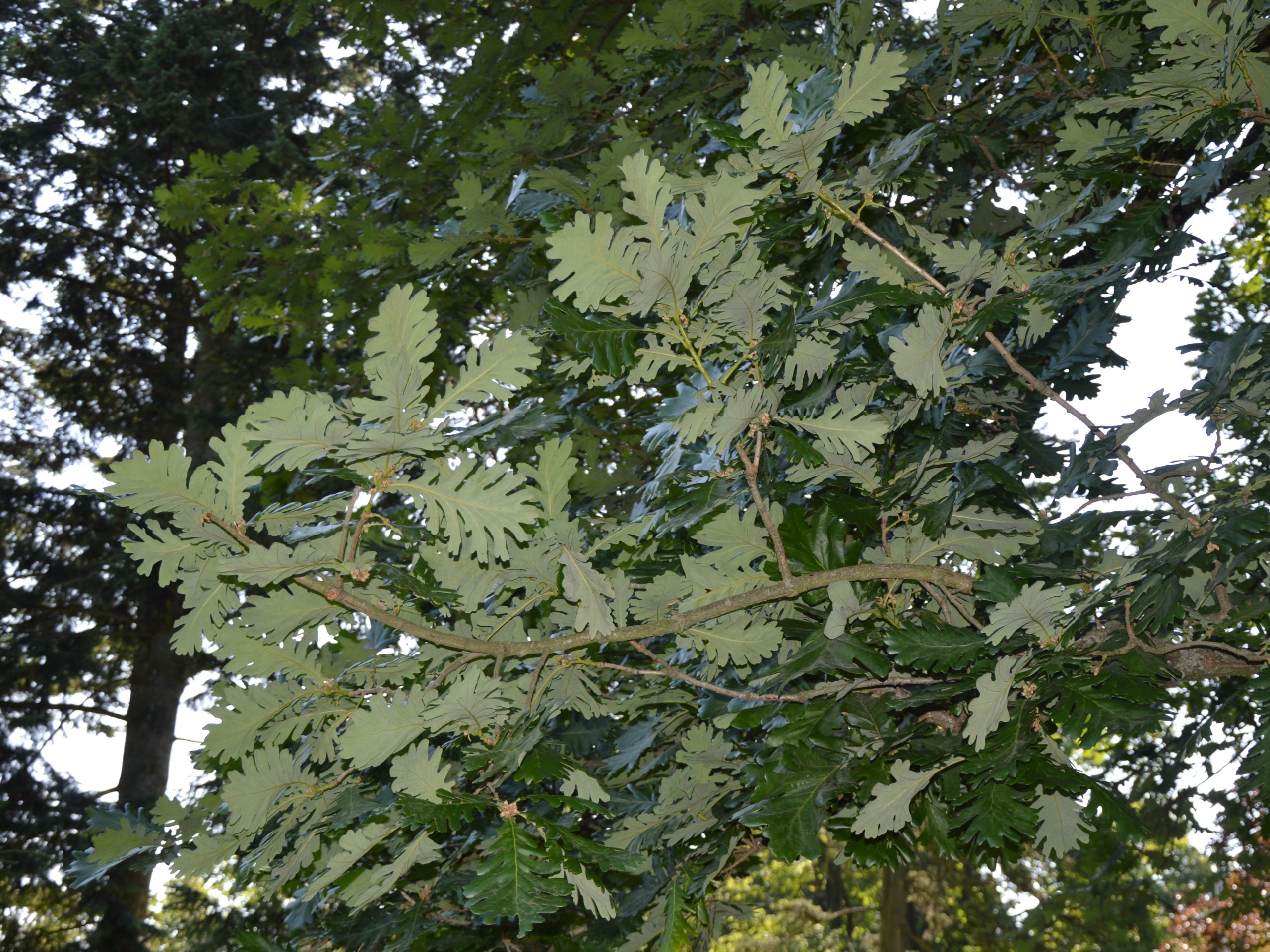
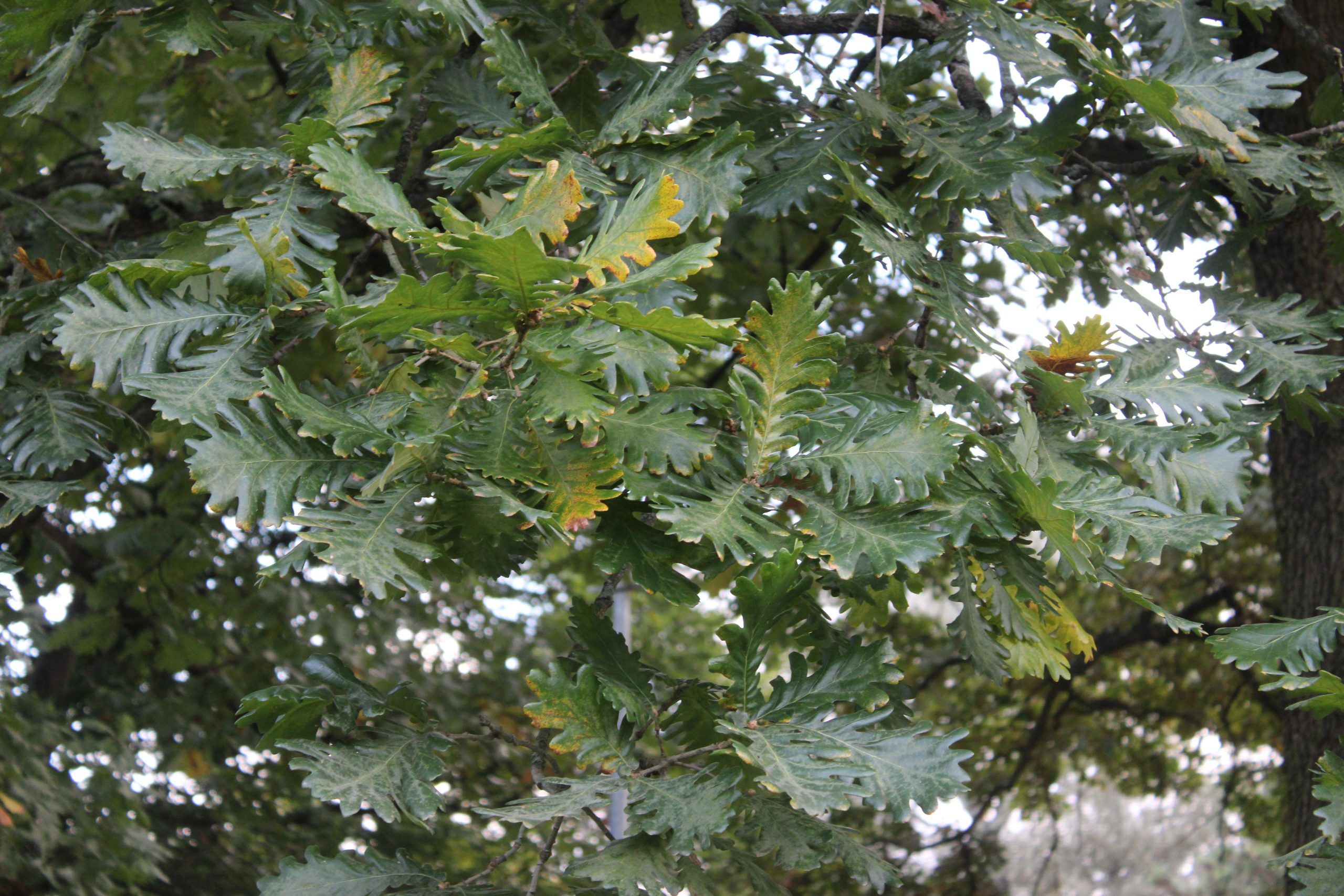
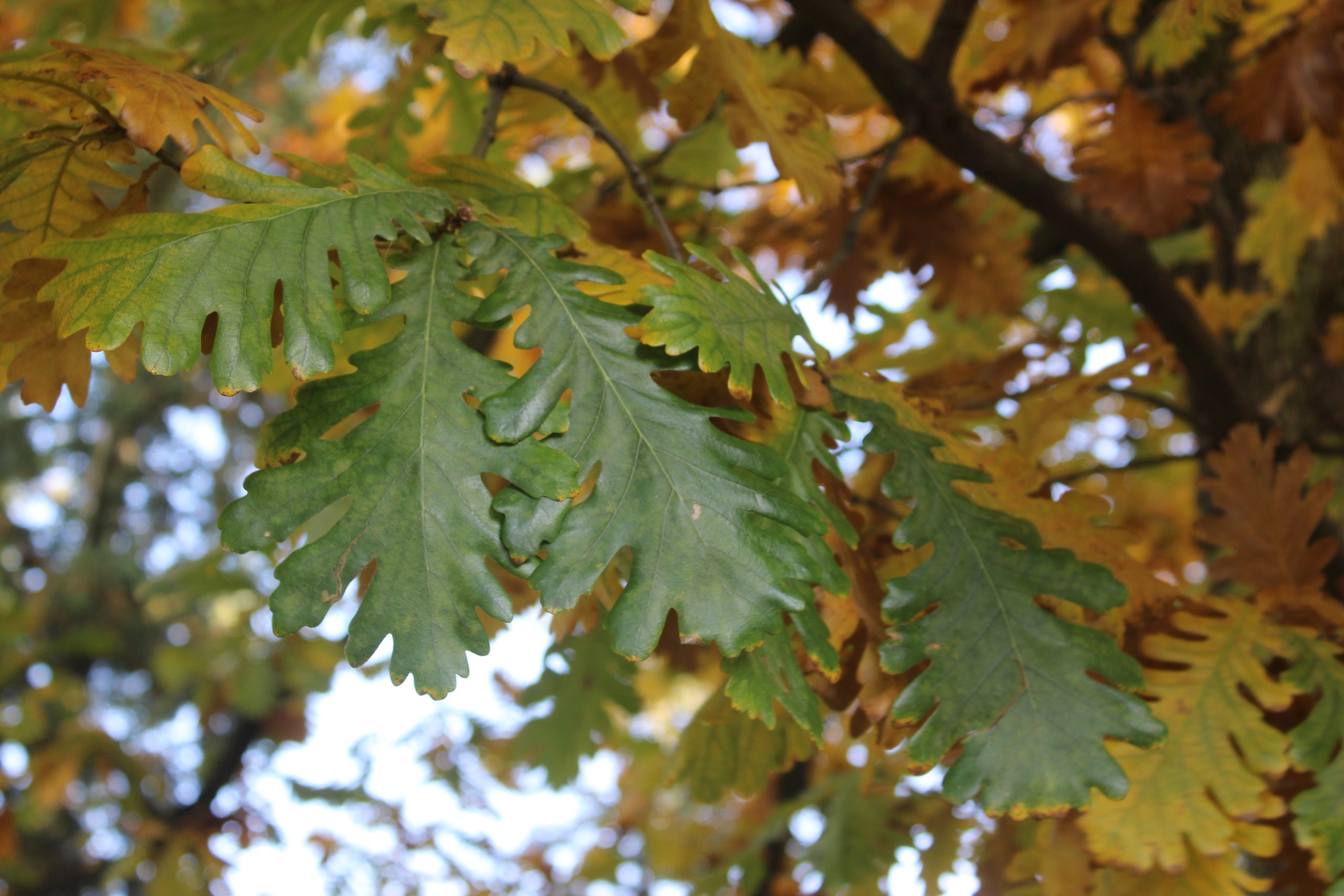
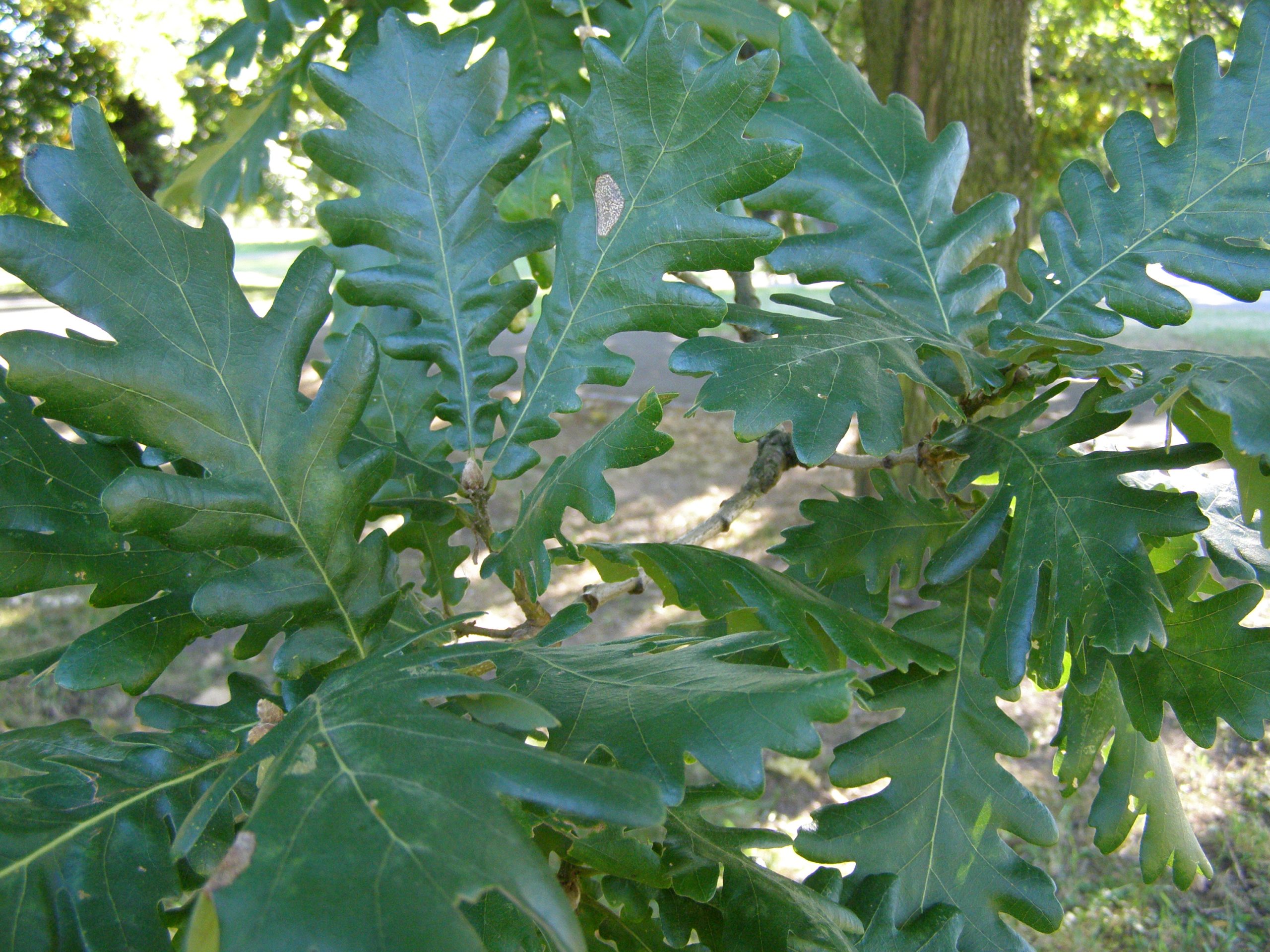
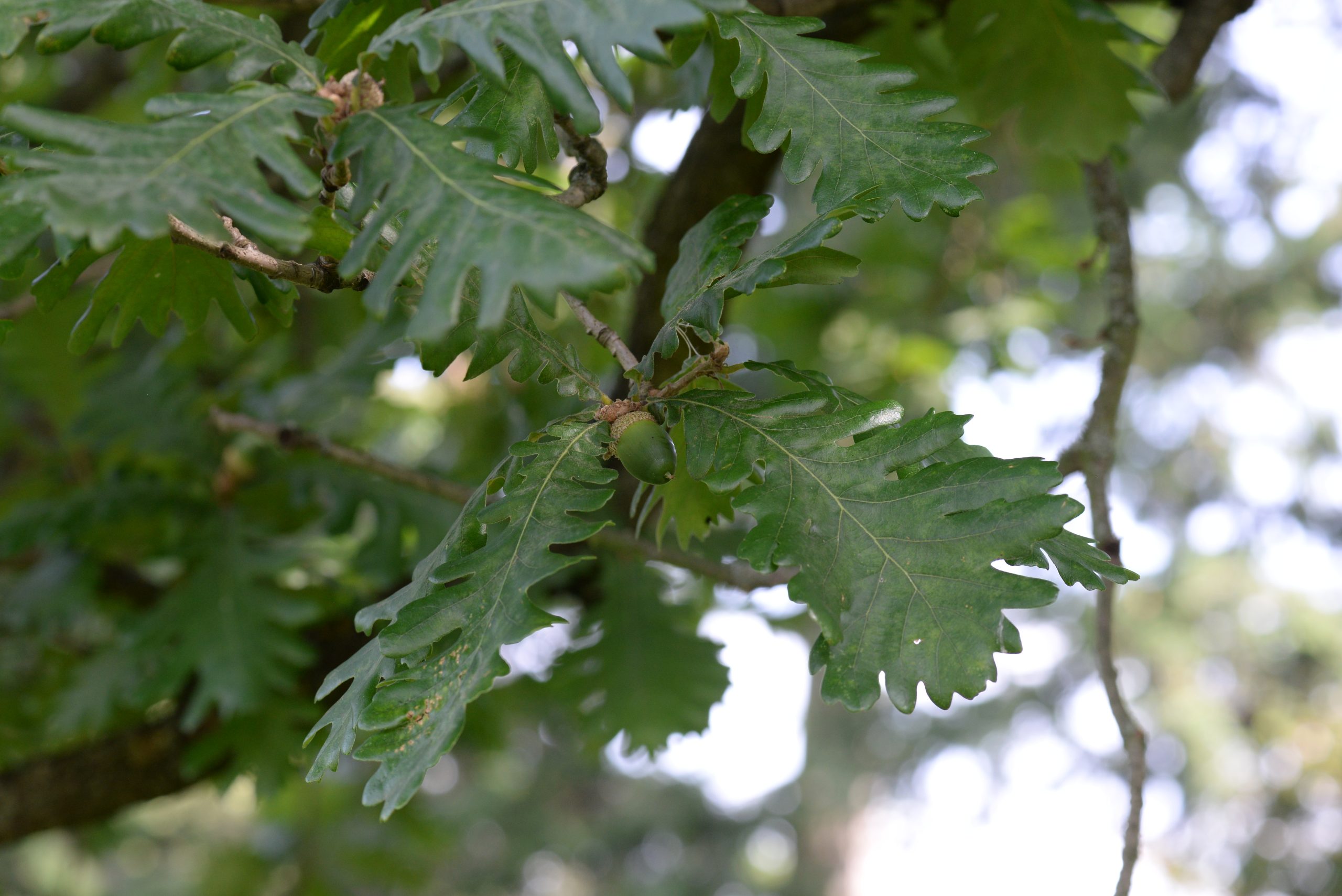
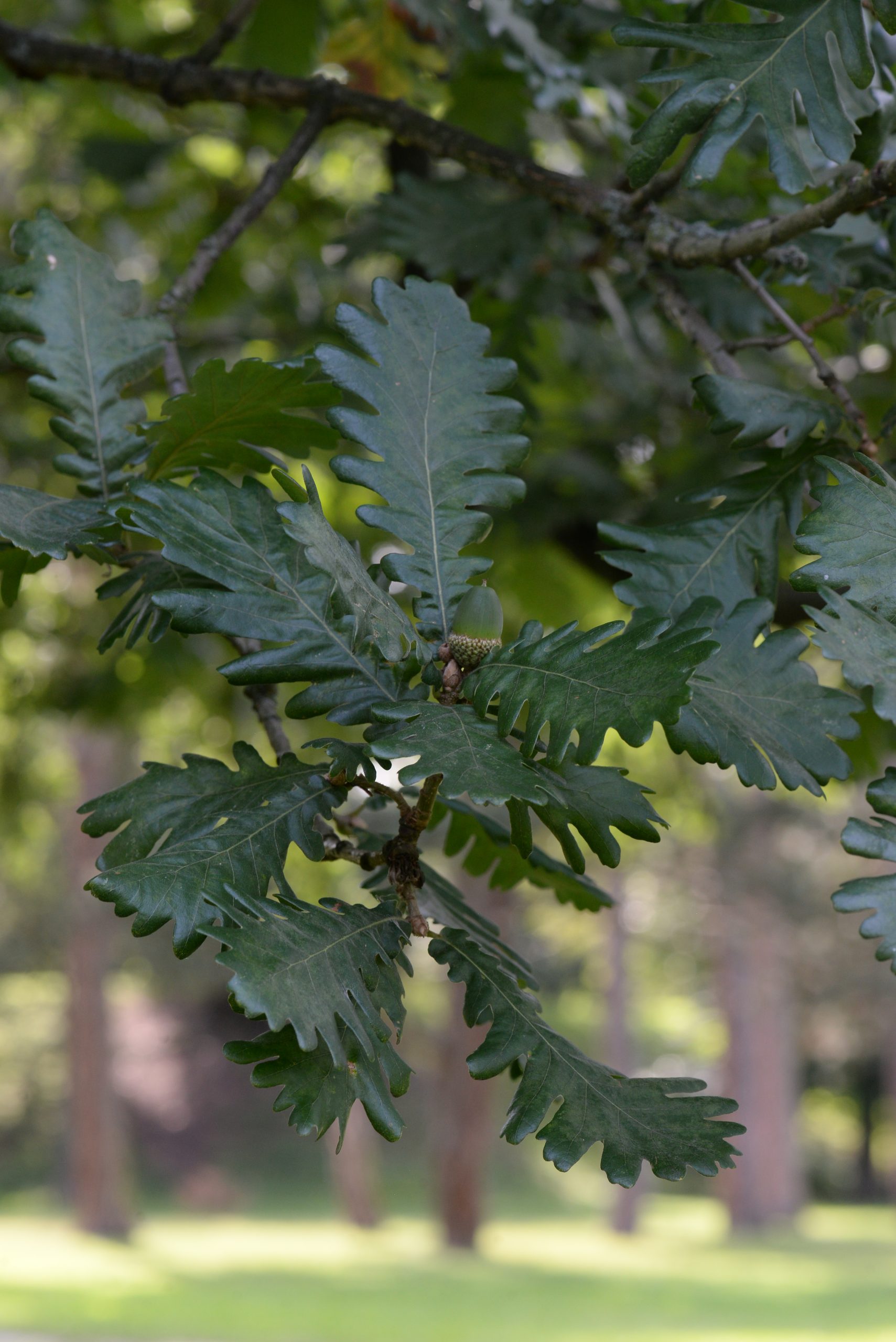
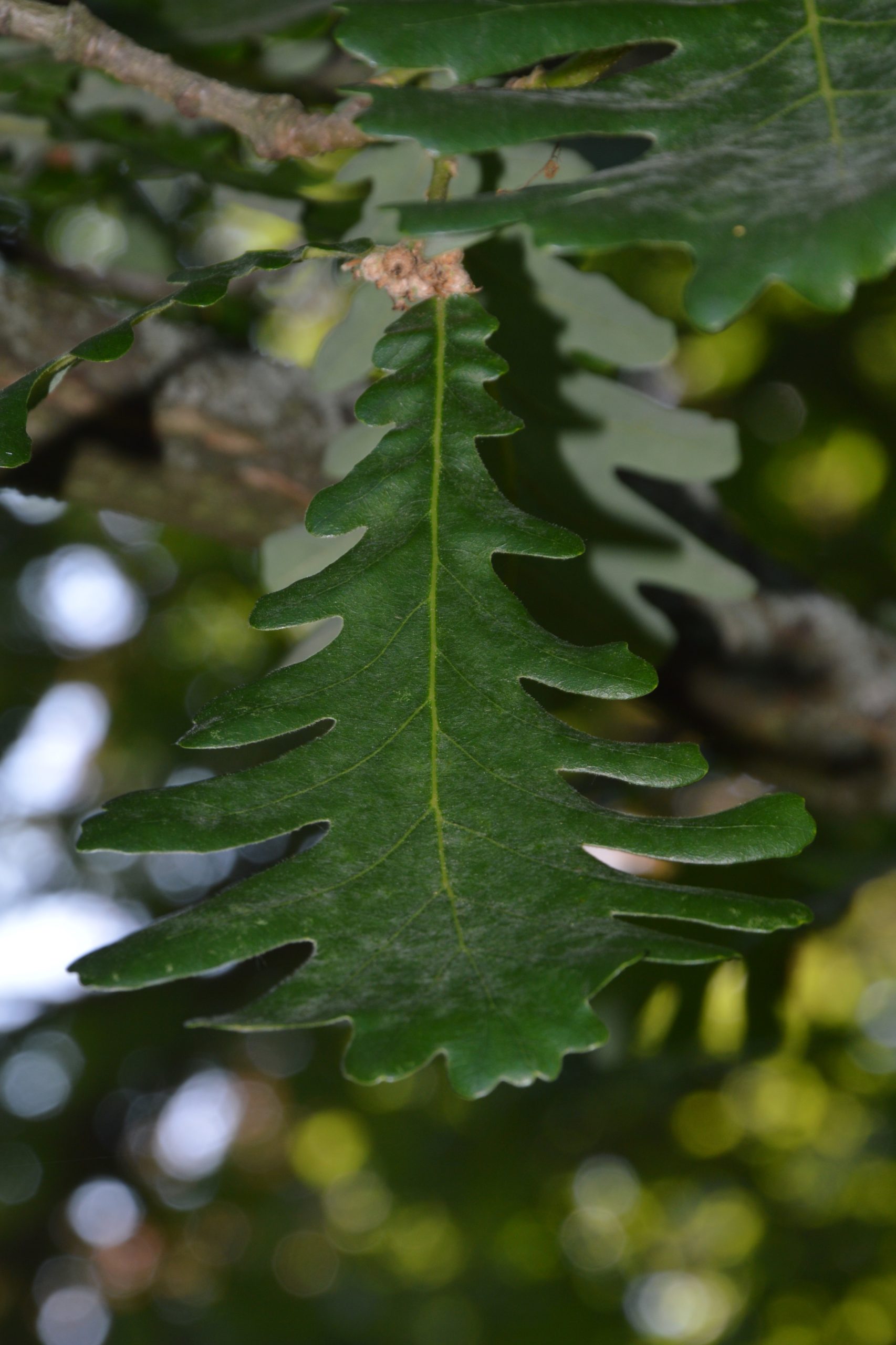
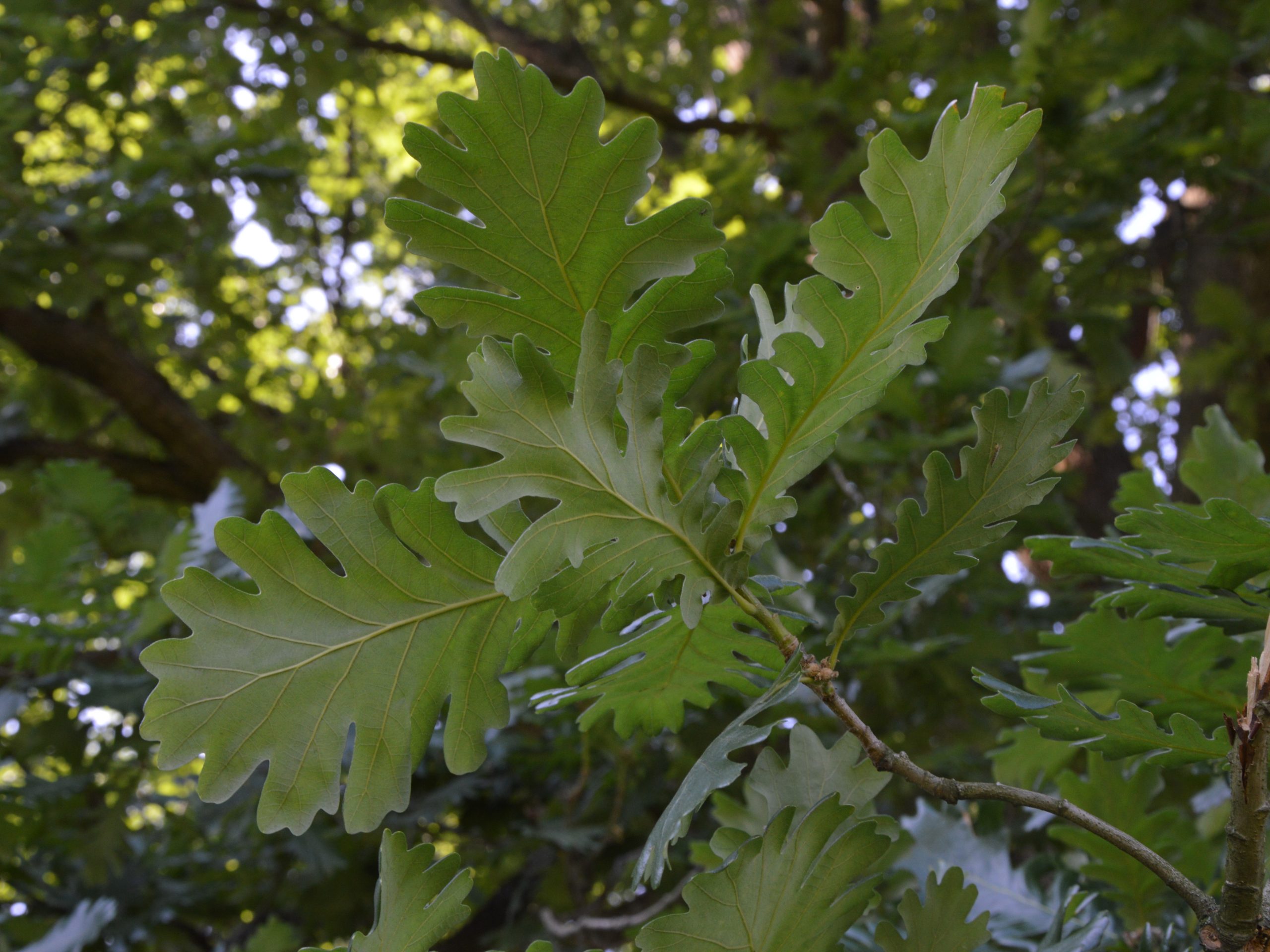
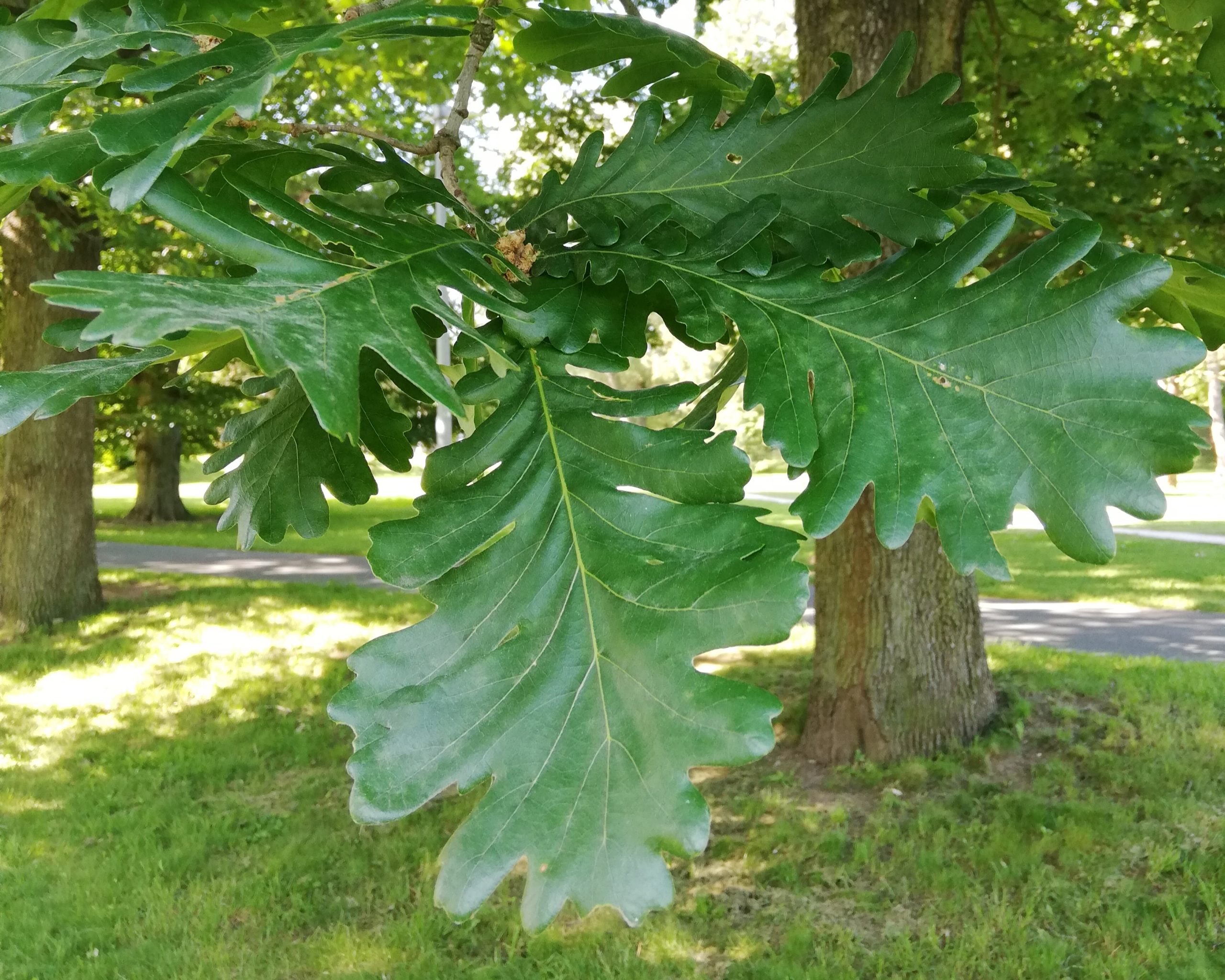
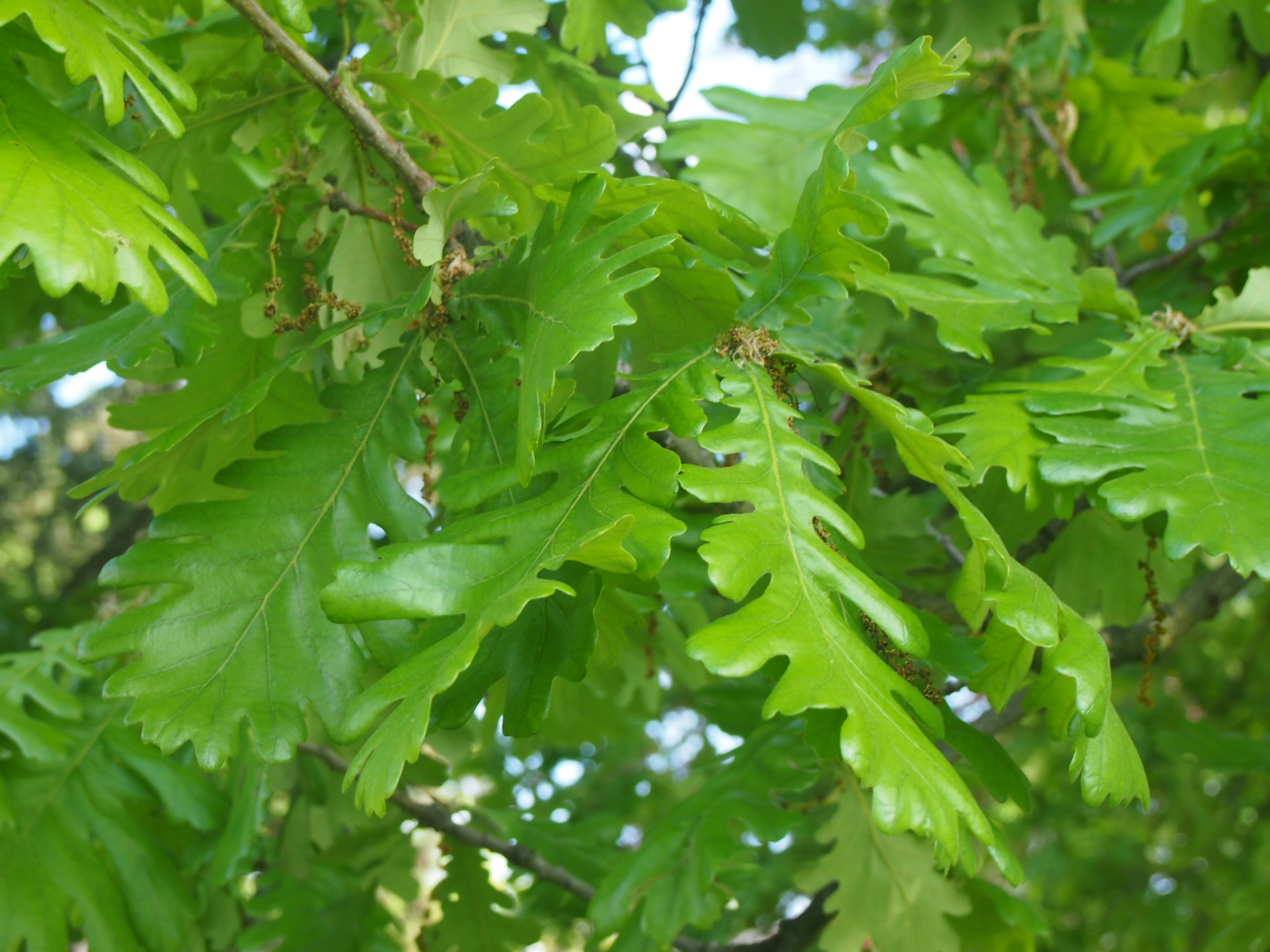
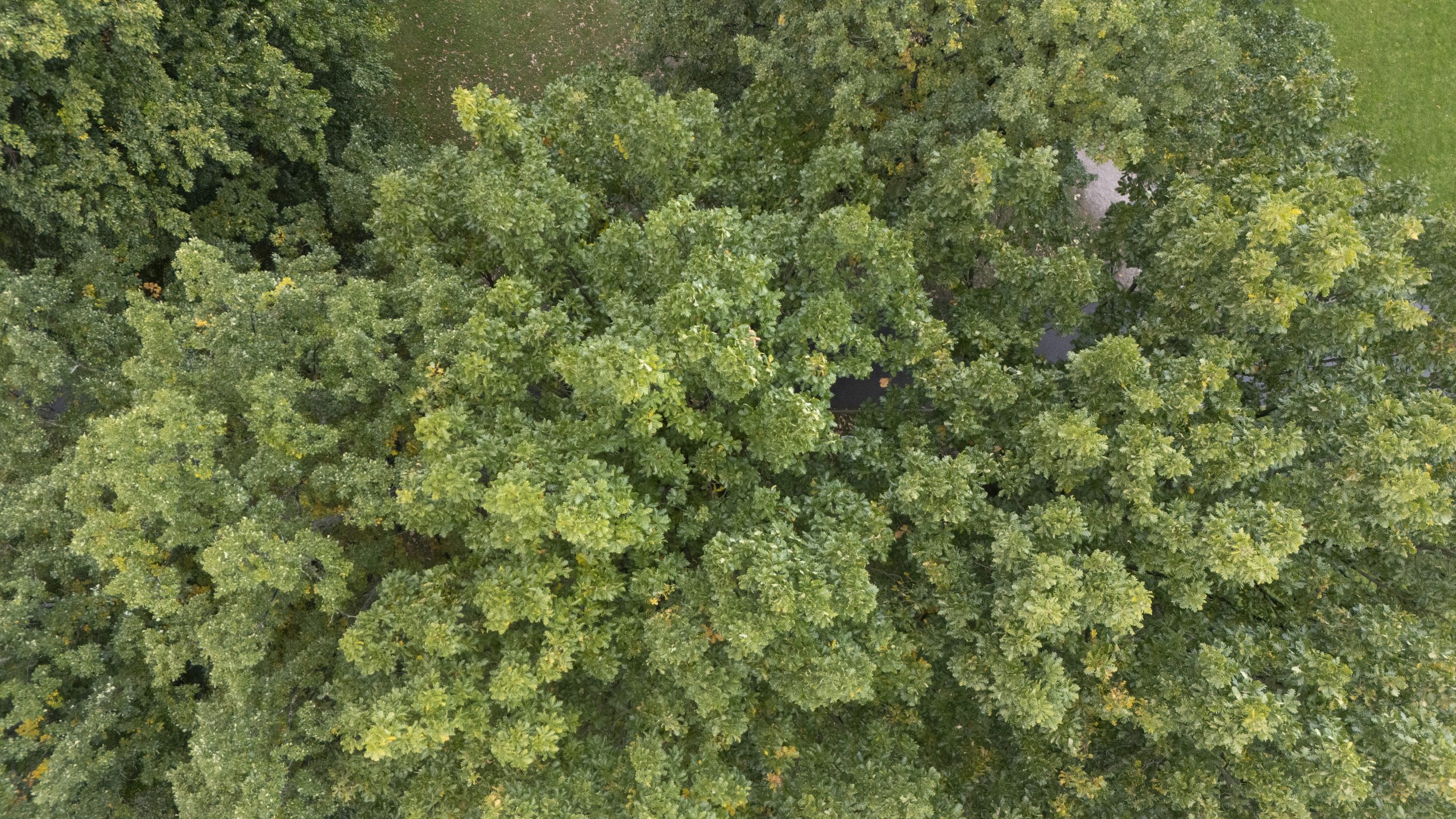
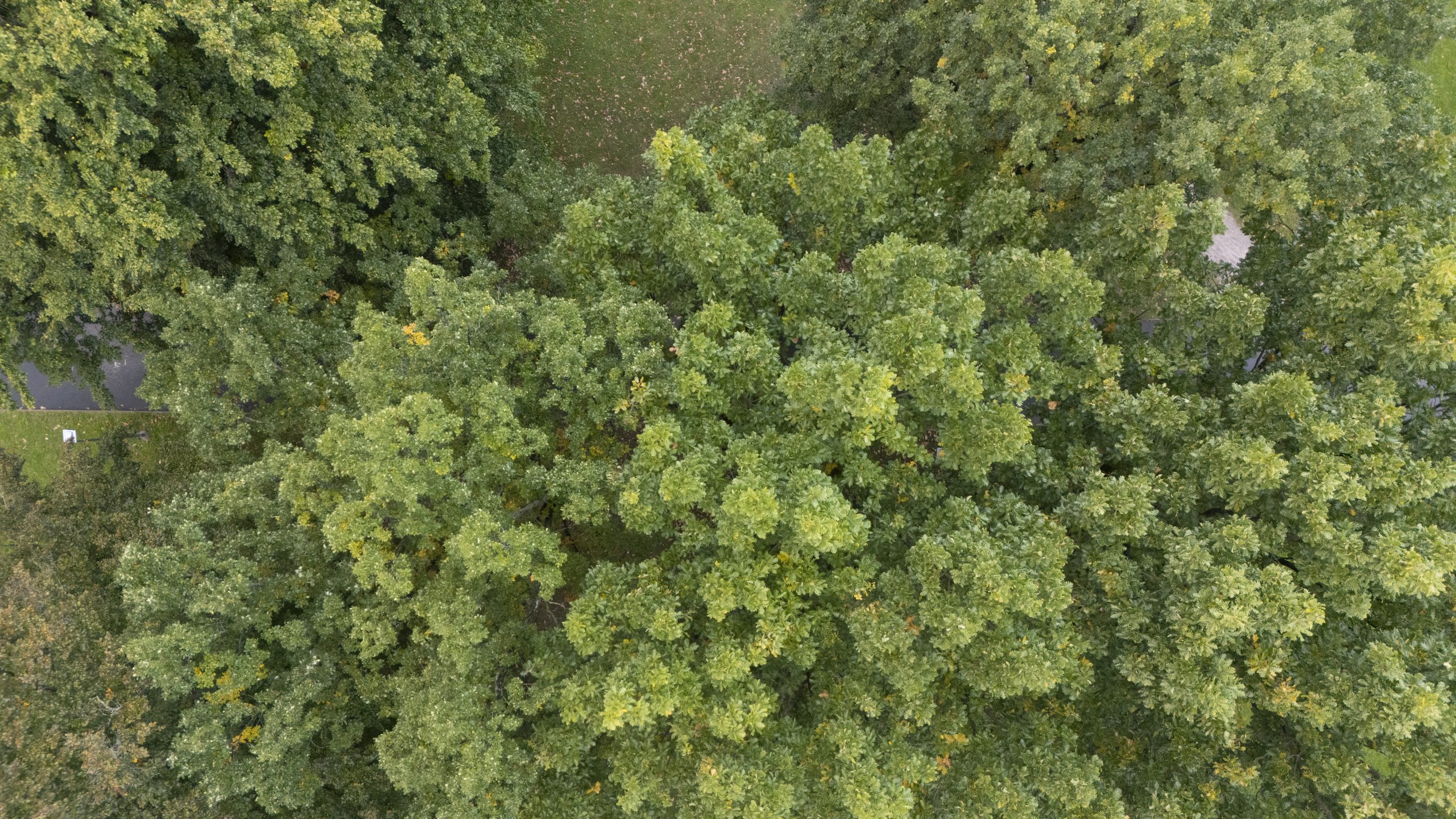
List: The short-petiolate, pinnate leaves can be up to 25 centimetres long. They grow clustered at the ends of the branches. Their blade is deeply lobed with a heart-shaped base. The upper side is dark green and shiny, the lower side is green-grey and covered with trichomes.
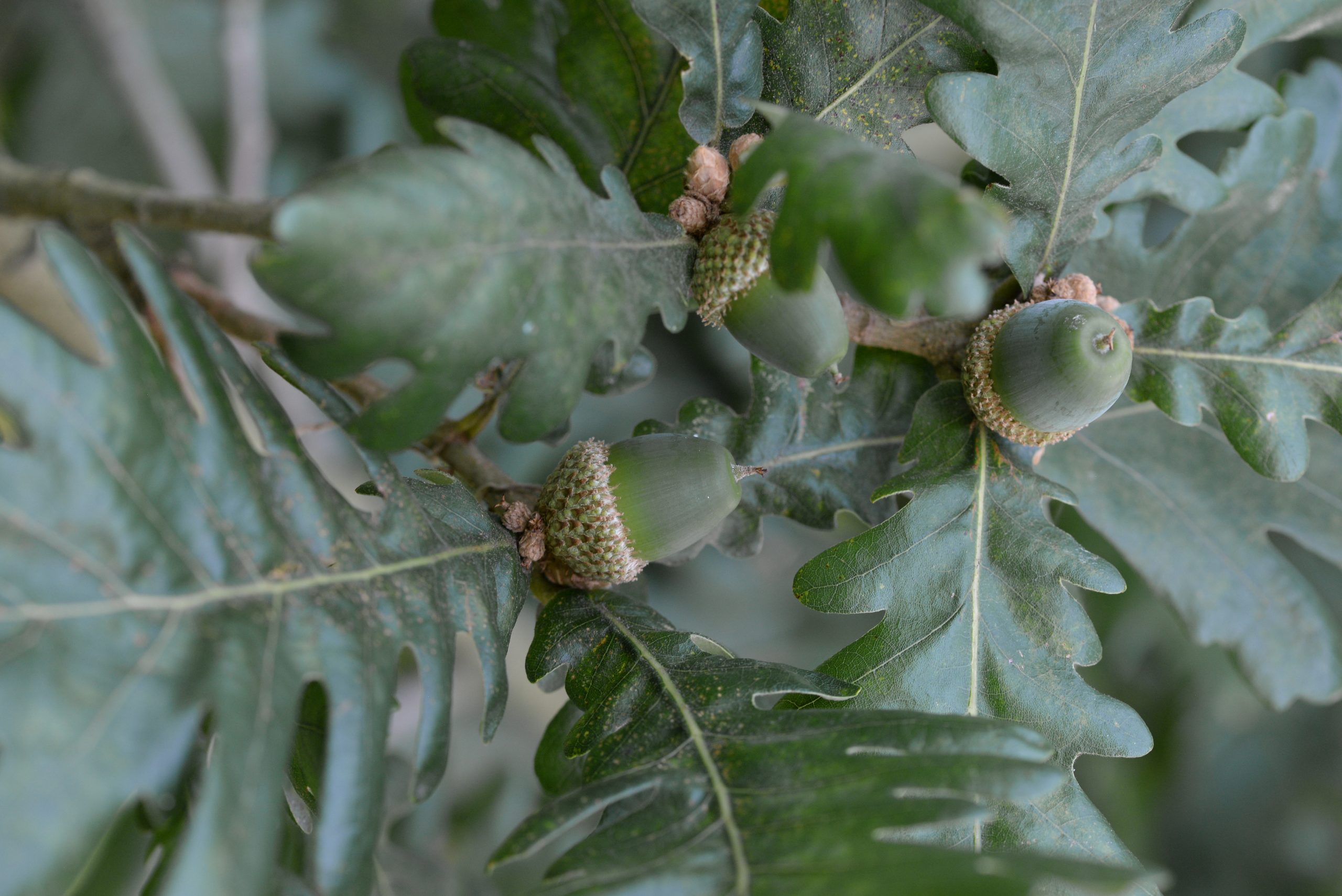
Bloom, fruit: It blooms from April to May. The male blossoms are up to 7 centimetres long green-yellow catkins. The female blossoms are inconspicuous, growing in clusters. The fruits (acorns) are achenes in a hemispherical pubescent calyx, which grow in clusters of 2–6 in a sessile way or shortly stalked from the leaf axils.
Interesting fact: In Czech it is known by numerous names, e.g. Hungarian Oak or Balkan Oak. The thermophilic oak grows in so-called sub-Mediterranean forests of southern Europe. Recently, its rare occurrence was also confirmed in southern Moravia.