
Paulowniaceae family, Paulowniaceae
Origin: the east of China
Habitat in the original area: lowland and mountain forests, especially in sunny places
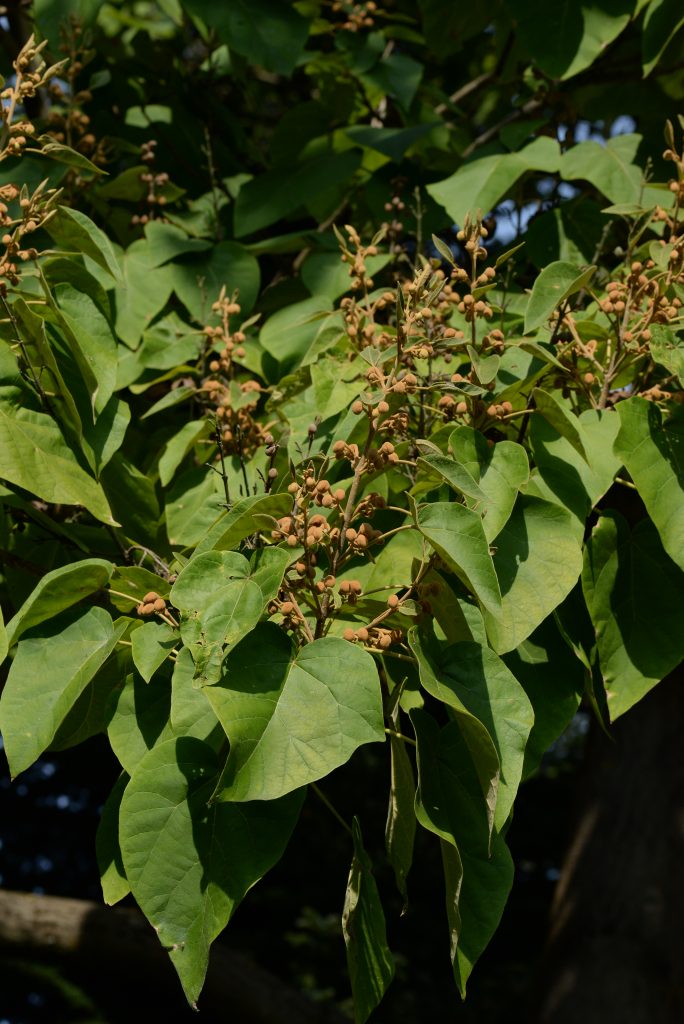
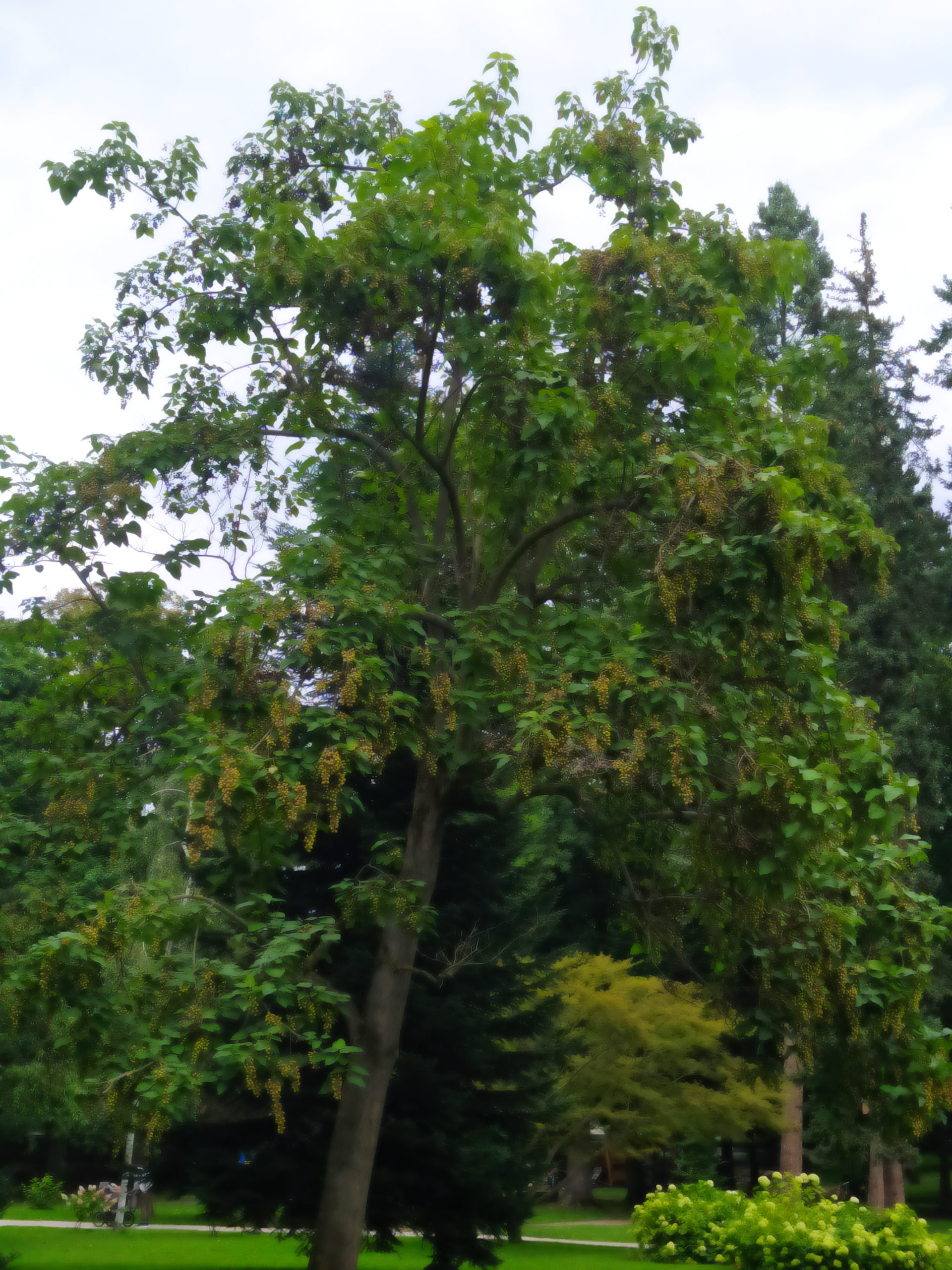
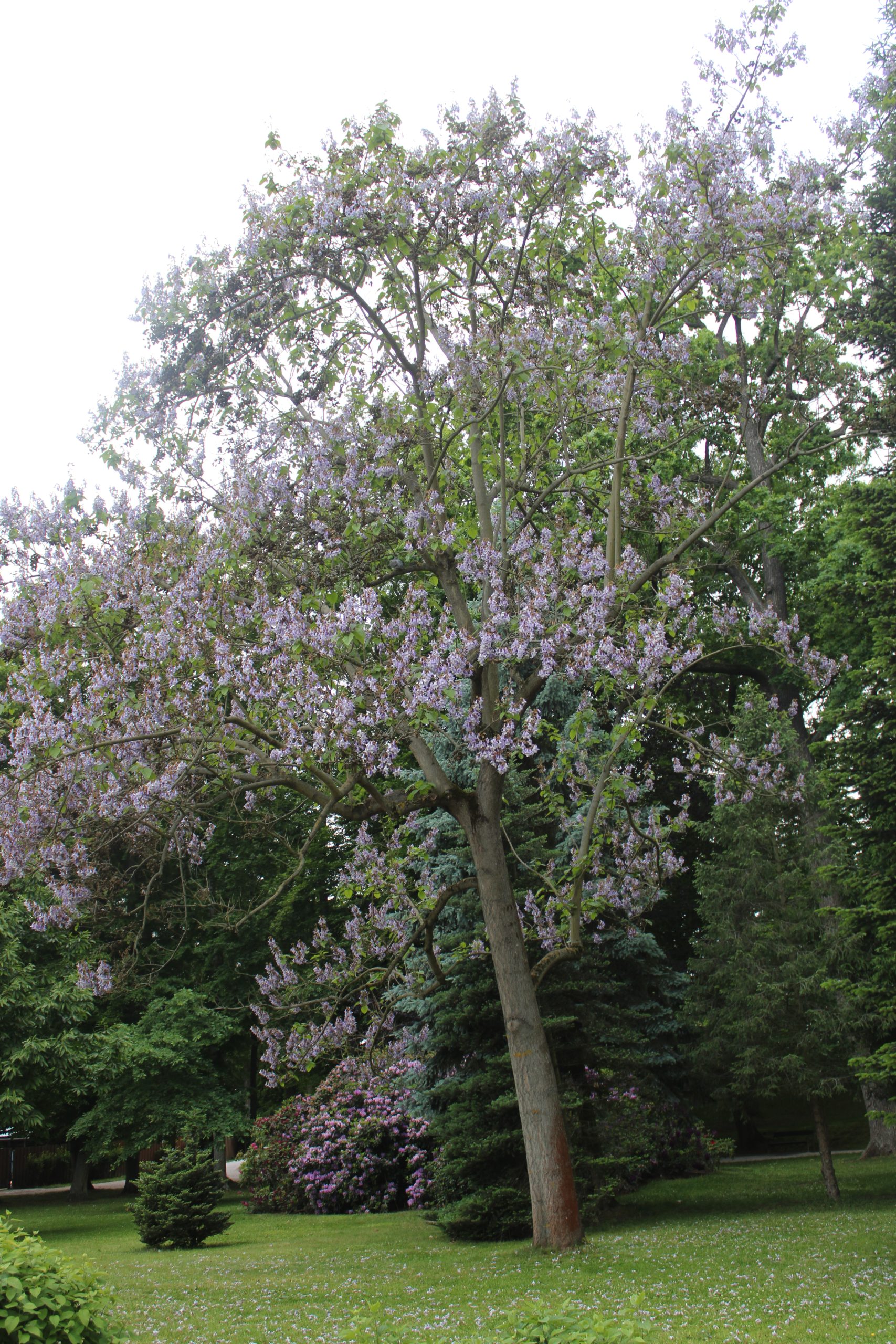
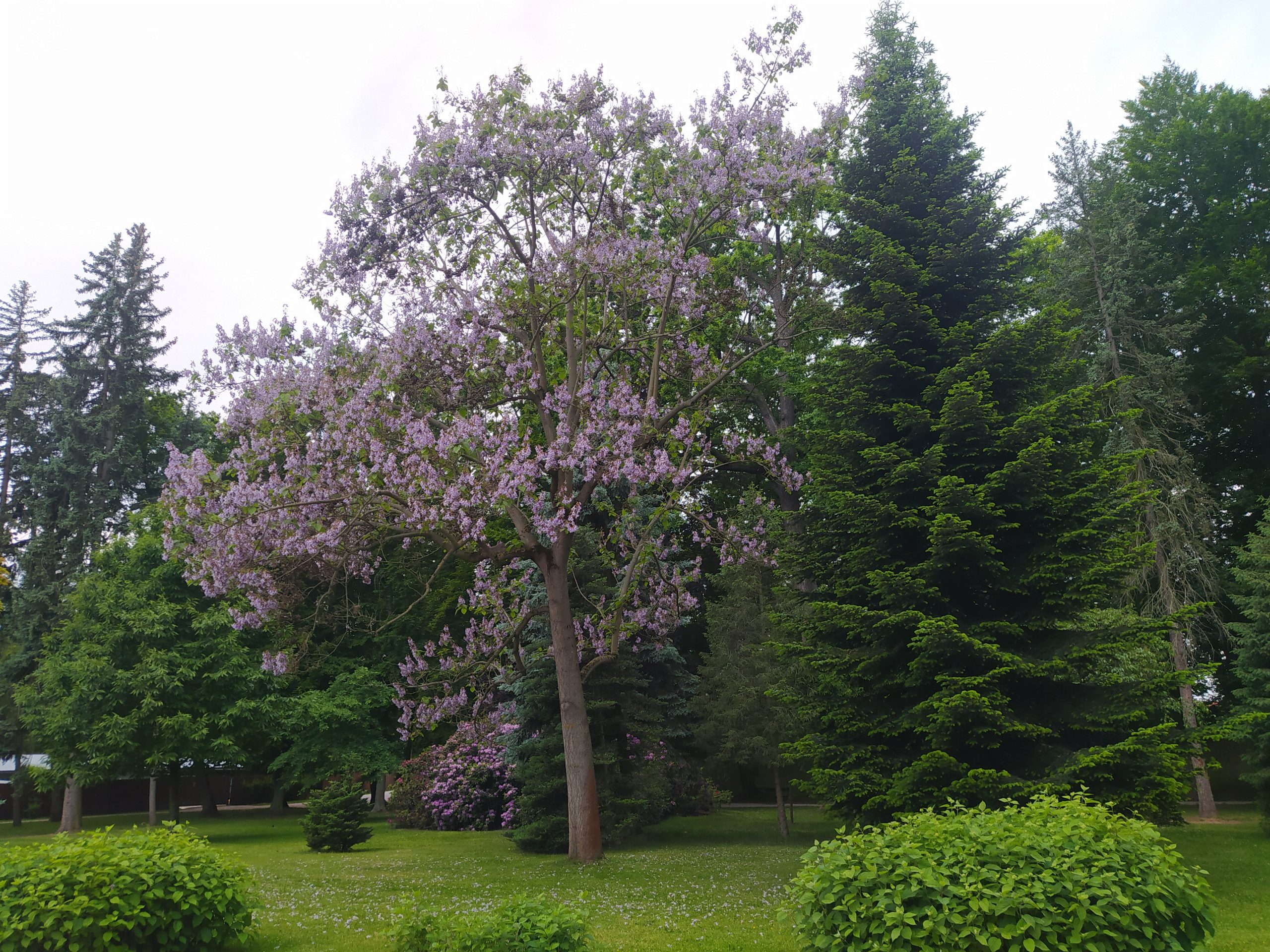
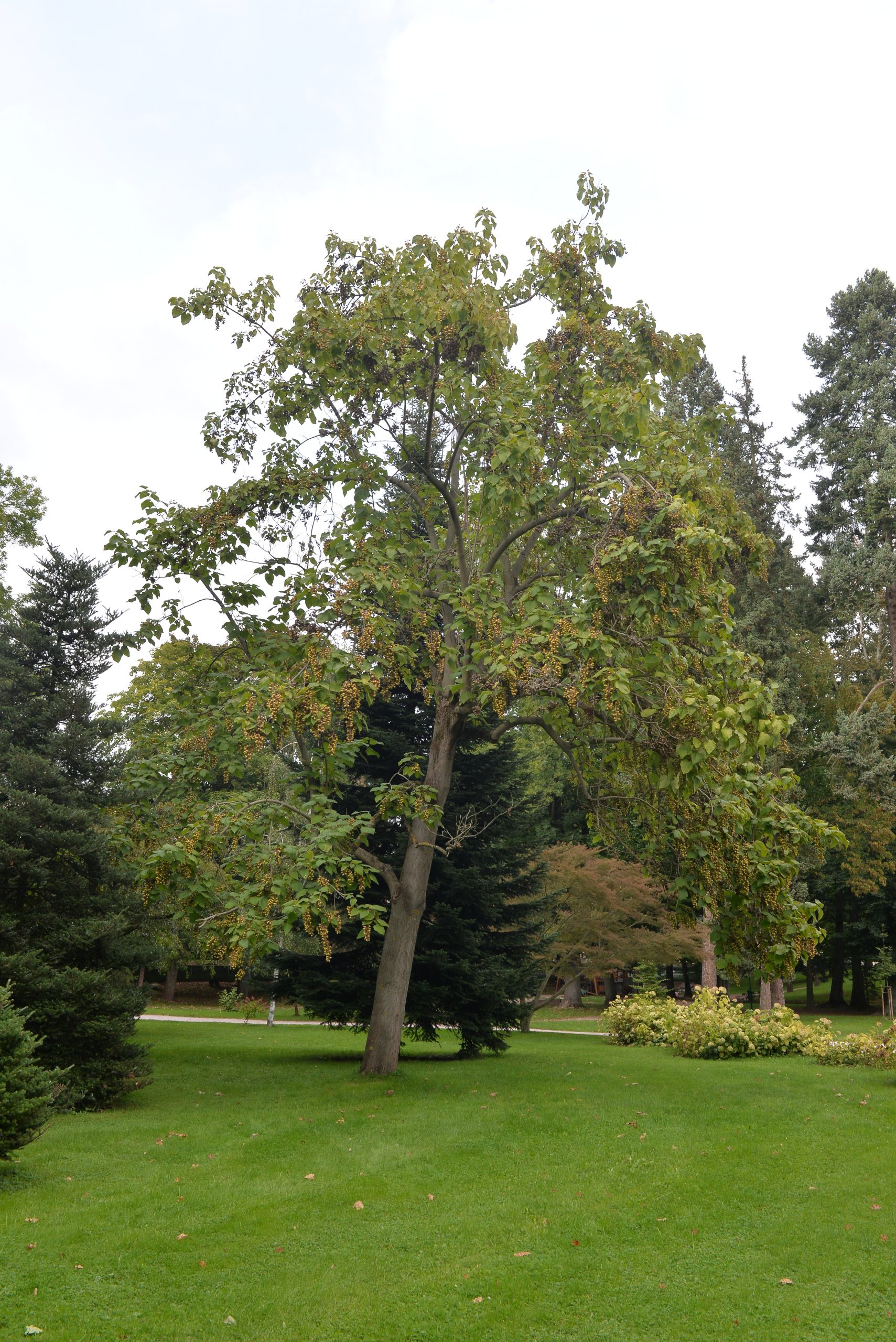
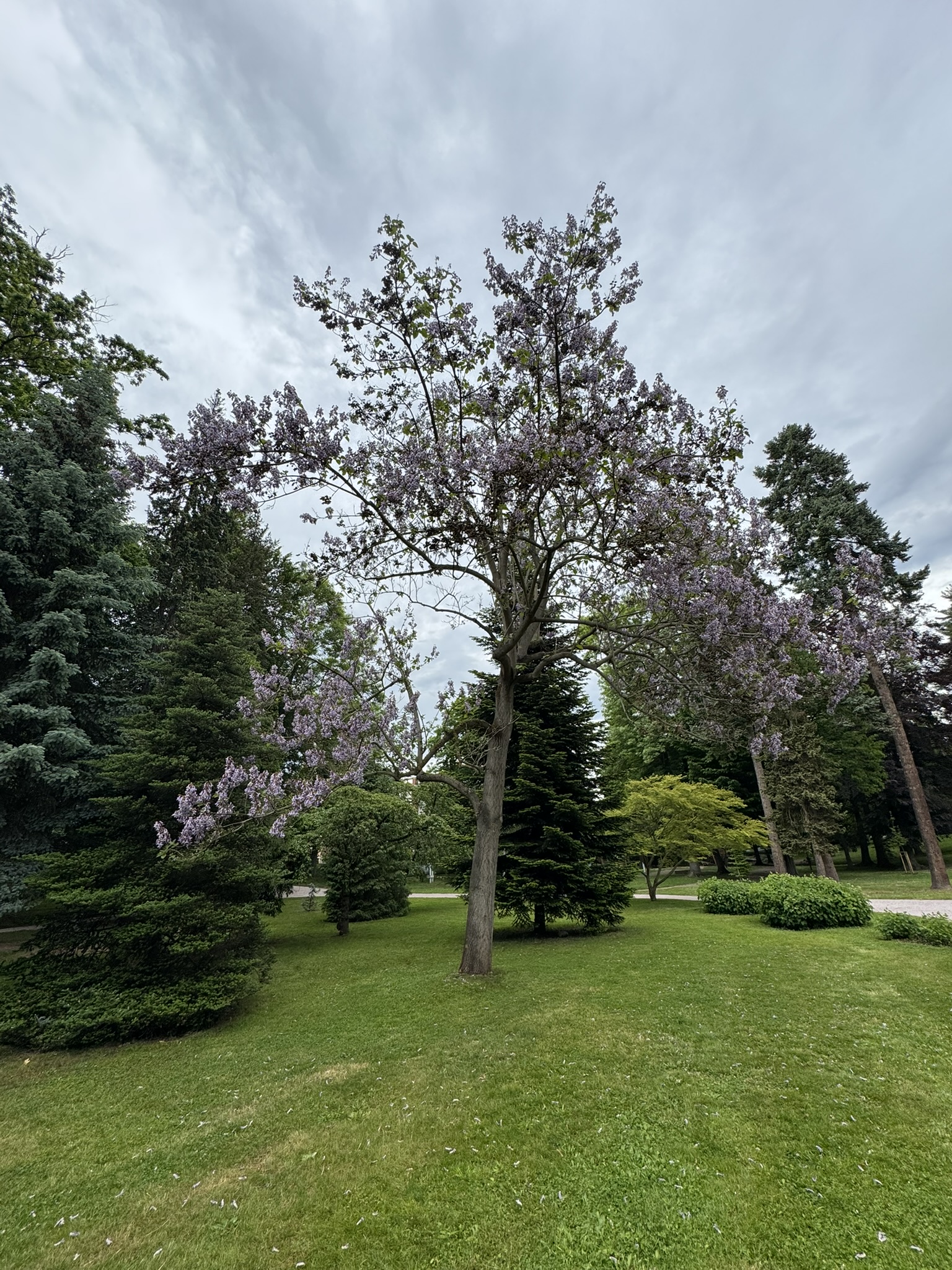
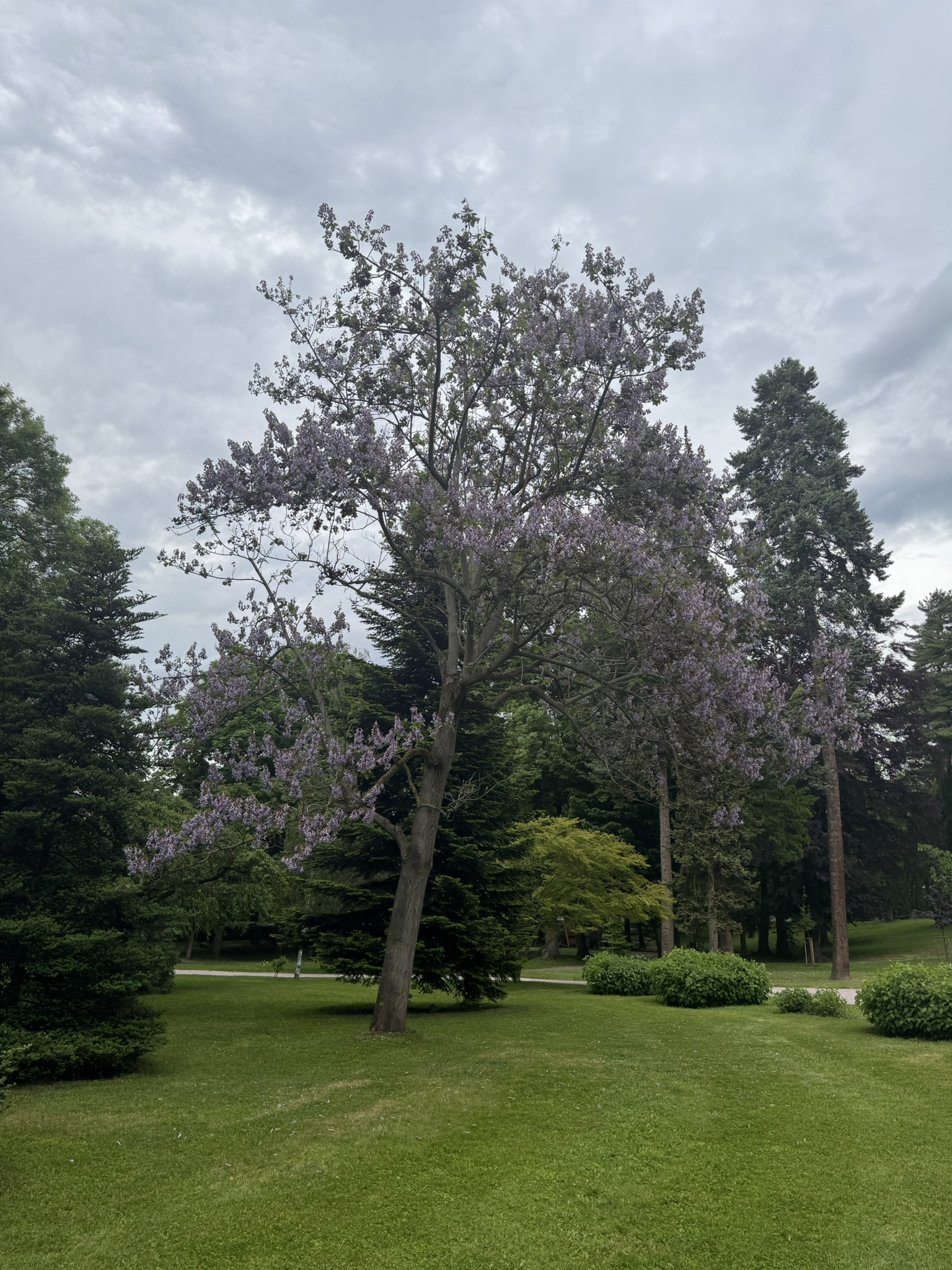
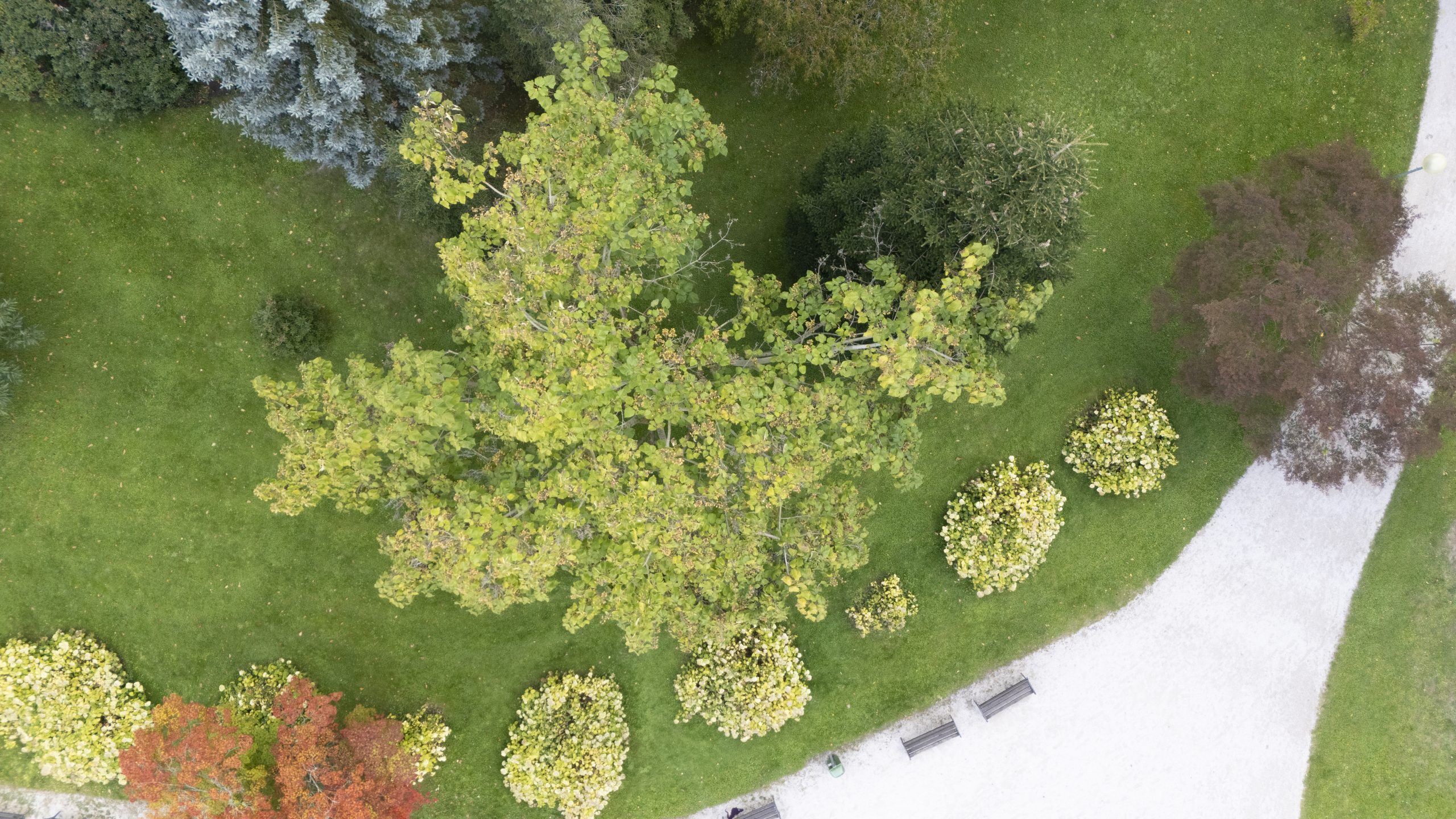
Habitus: It grows to the height of 15–25 metres. It is planted as a solitary plant in large gardens and parks. Young shoots grow very quickly and are characterized by strikingly large ovate or obovate leaves measuring 50 x 30 centimetres. Adult trees have a wide crown with thick branches.
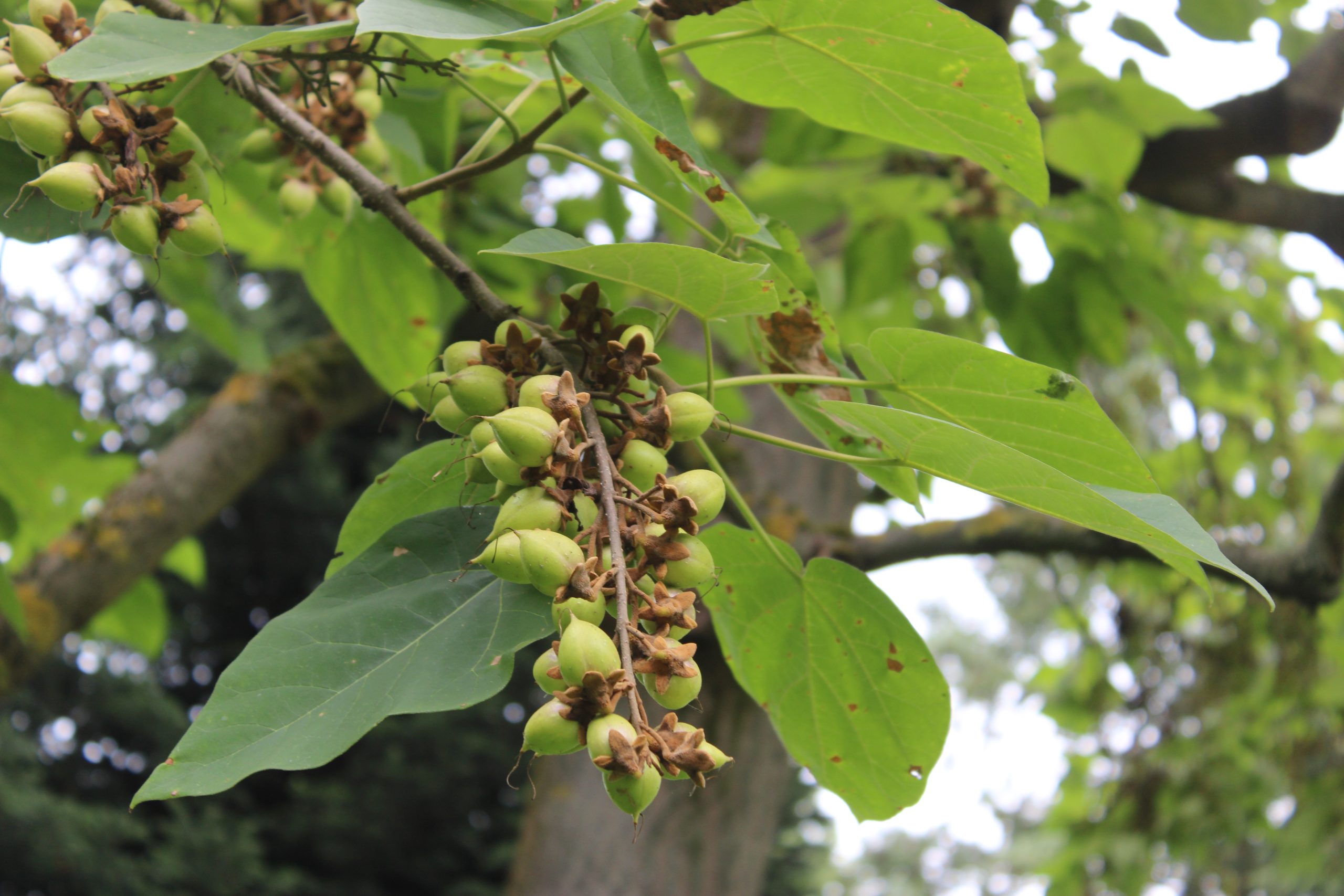
Leaf: The leaves are felted on the underside, growing oppositely on long petioles.
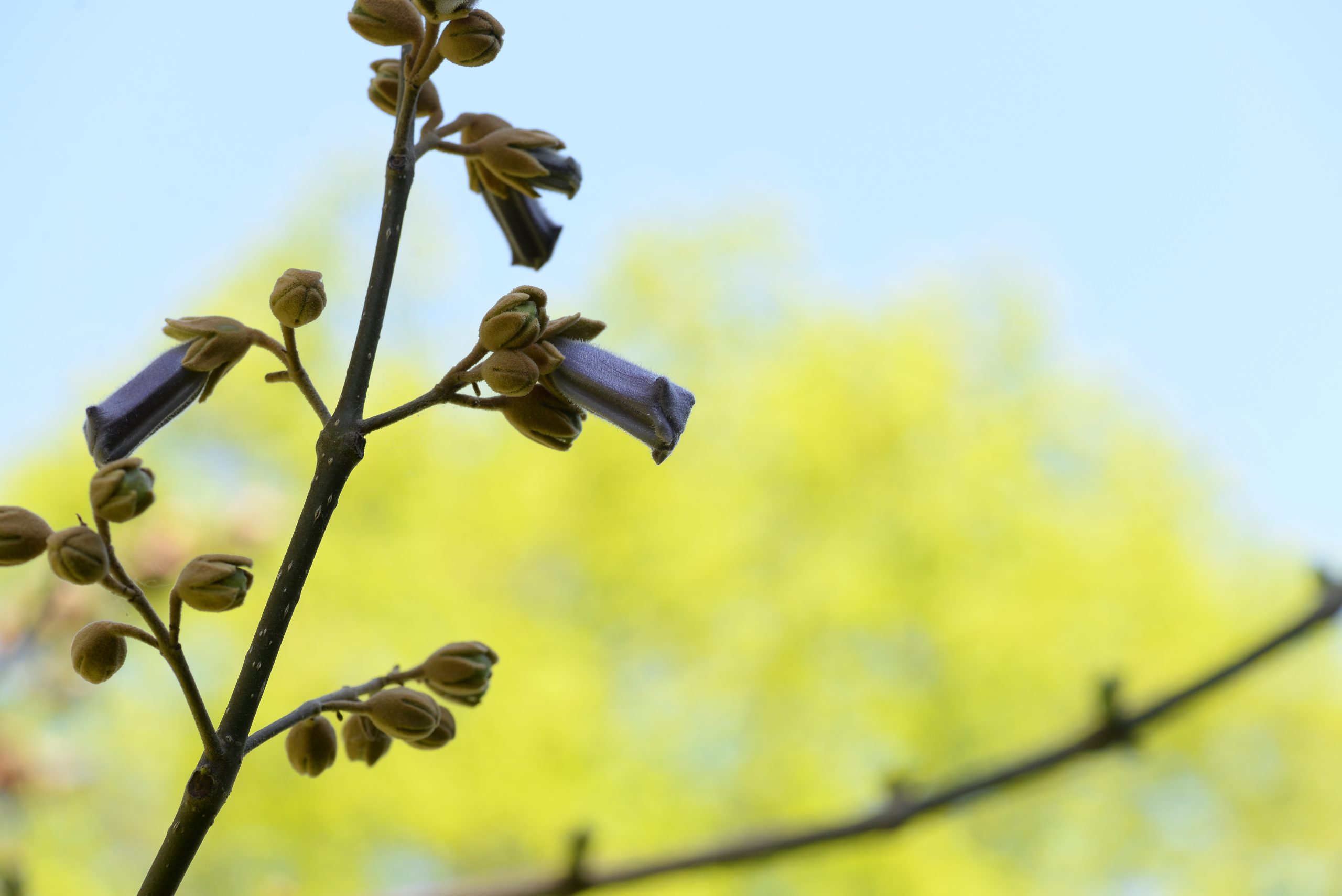
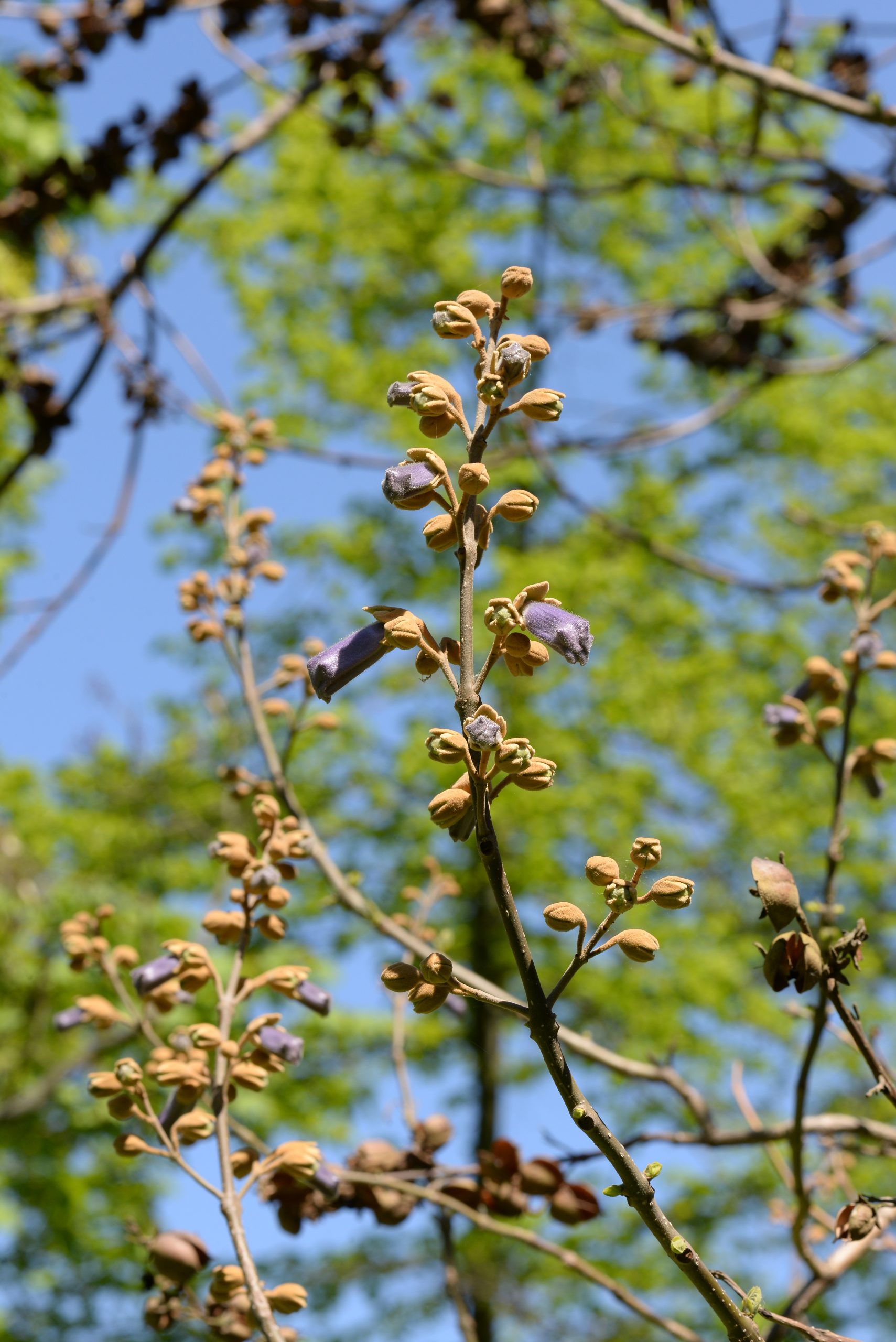
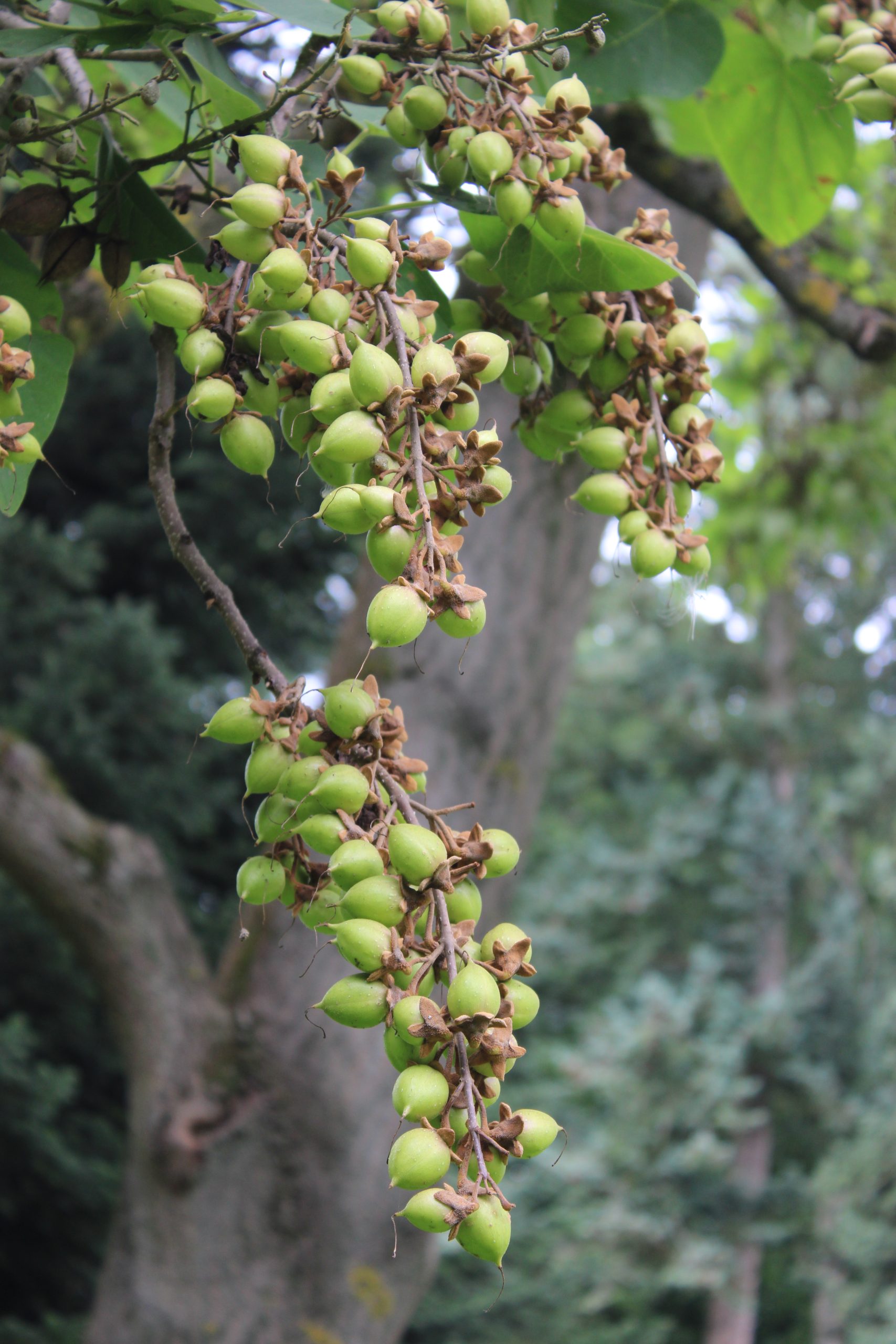
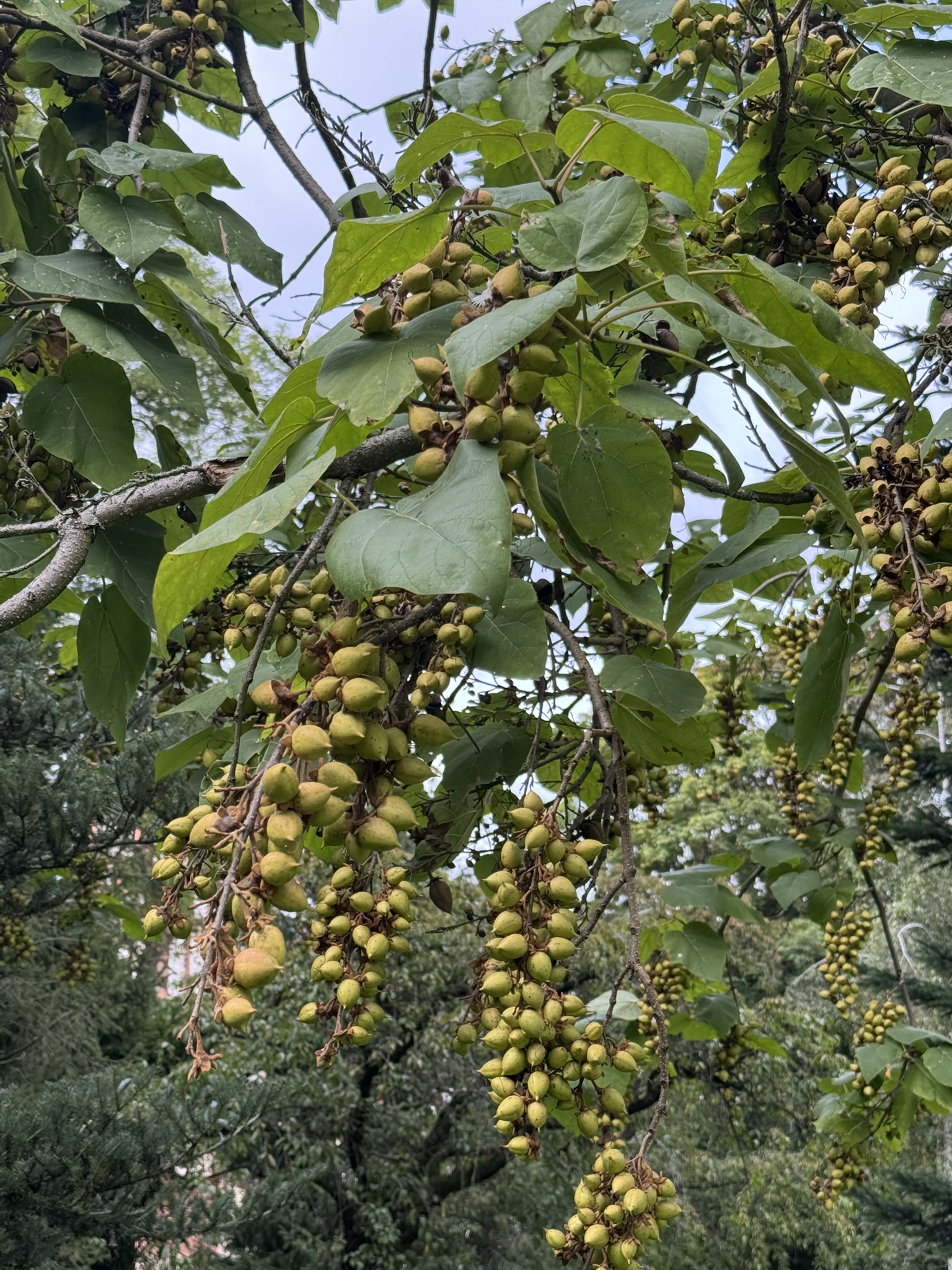
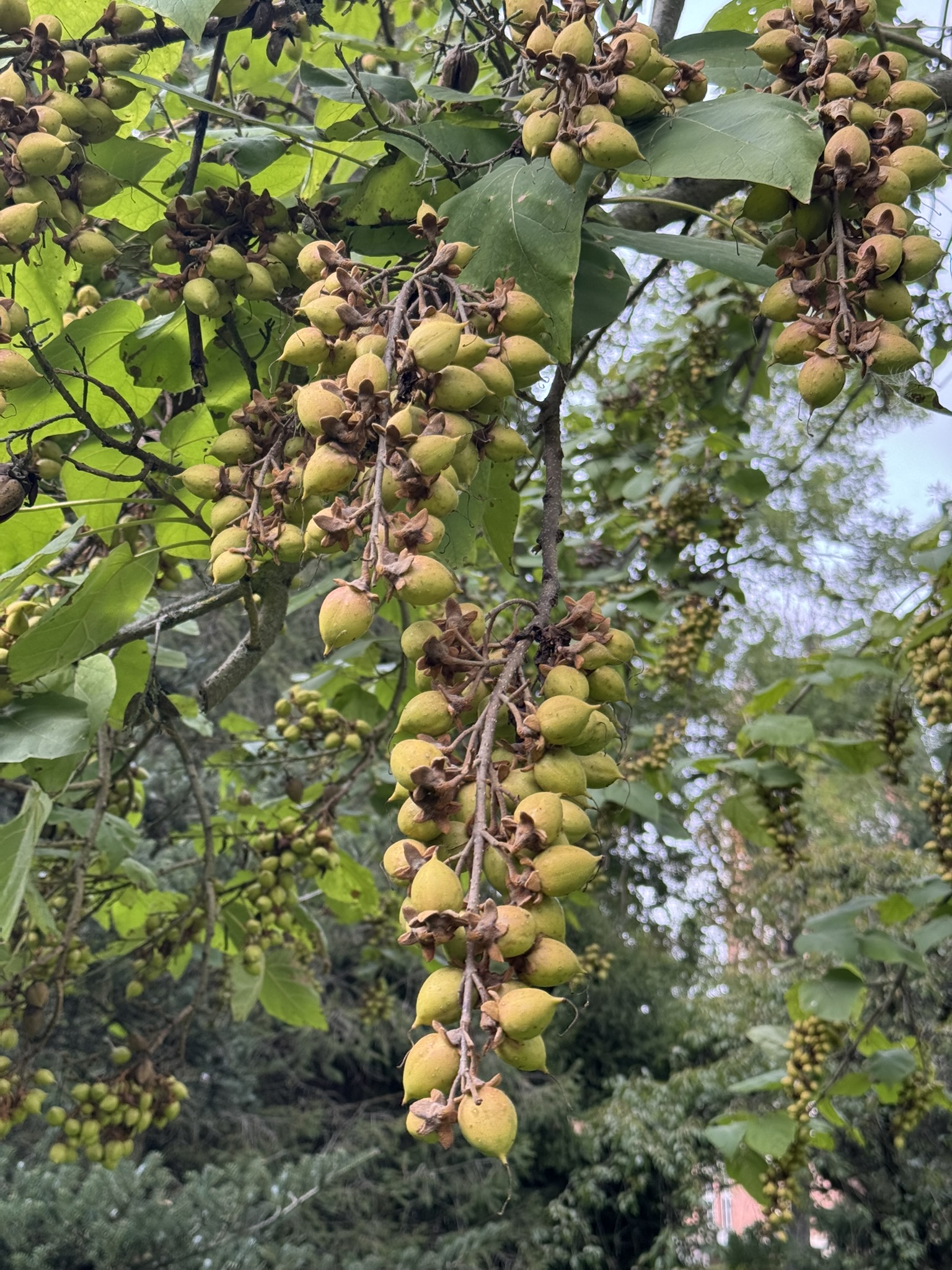
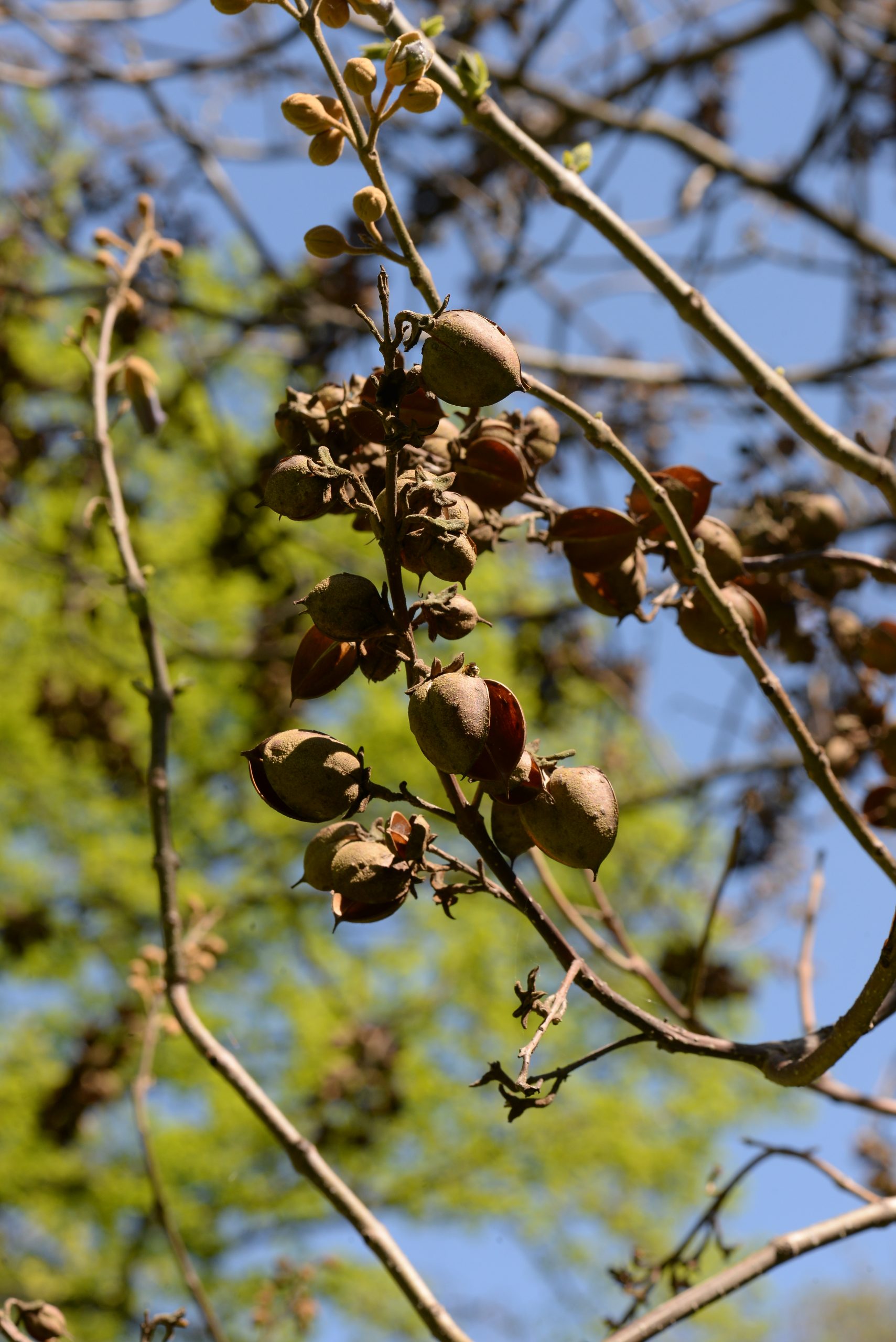
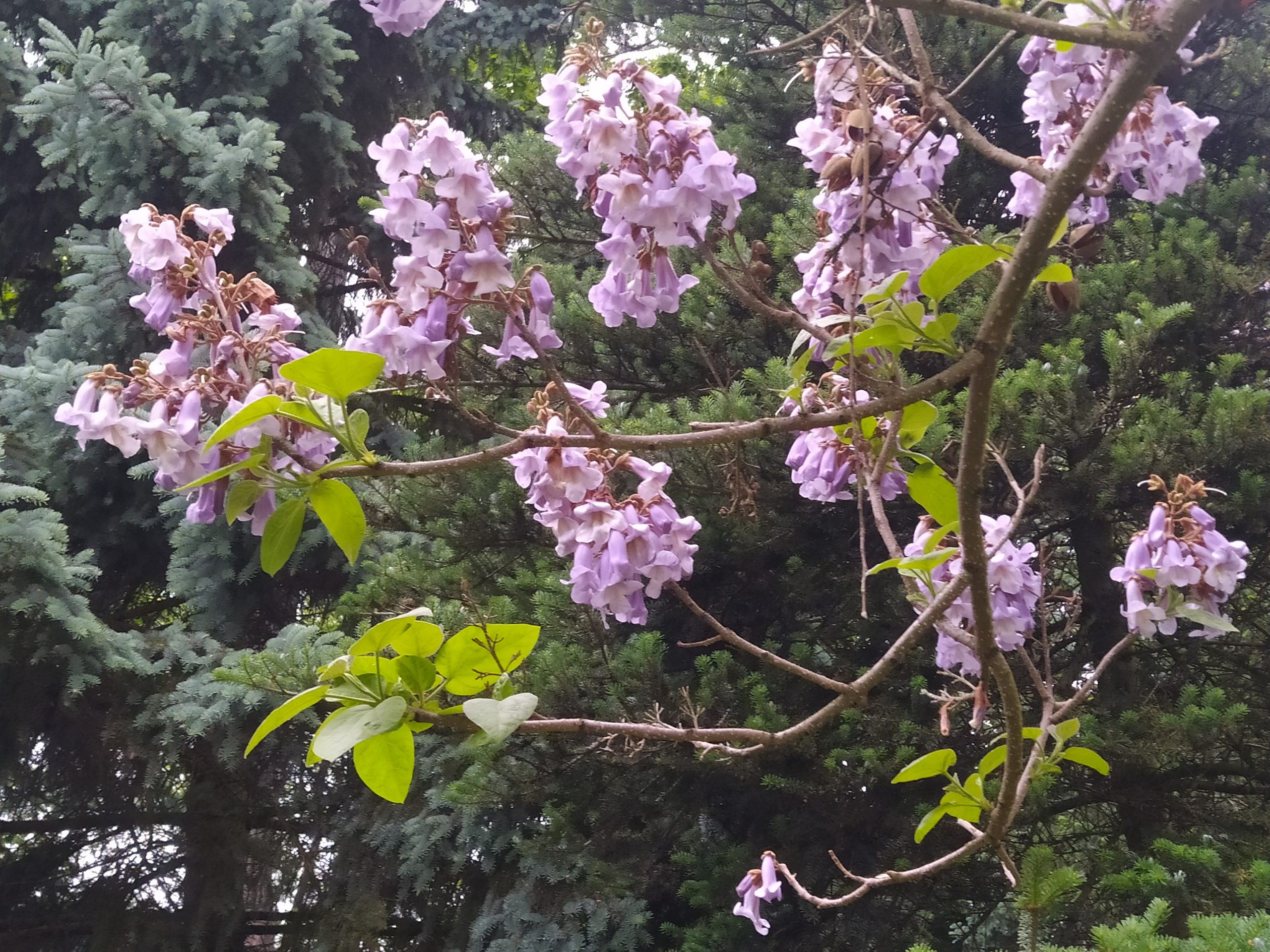
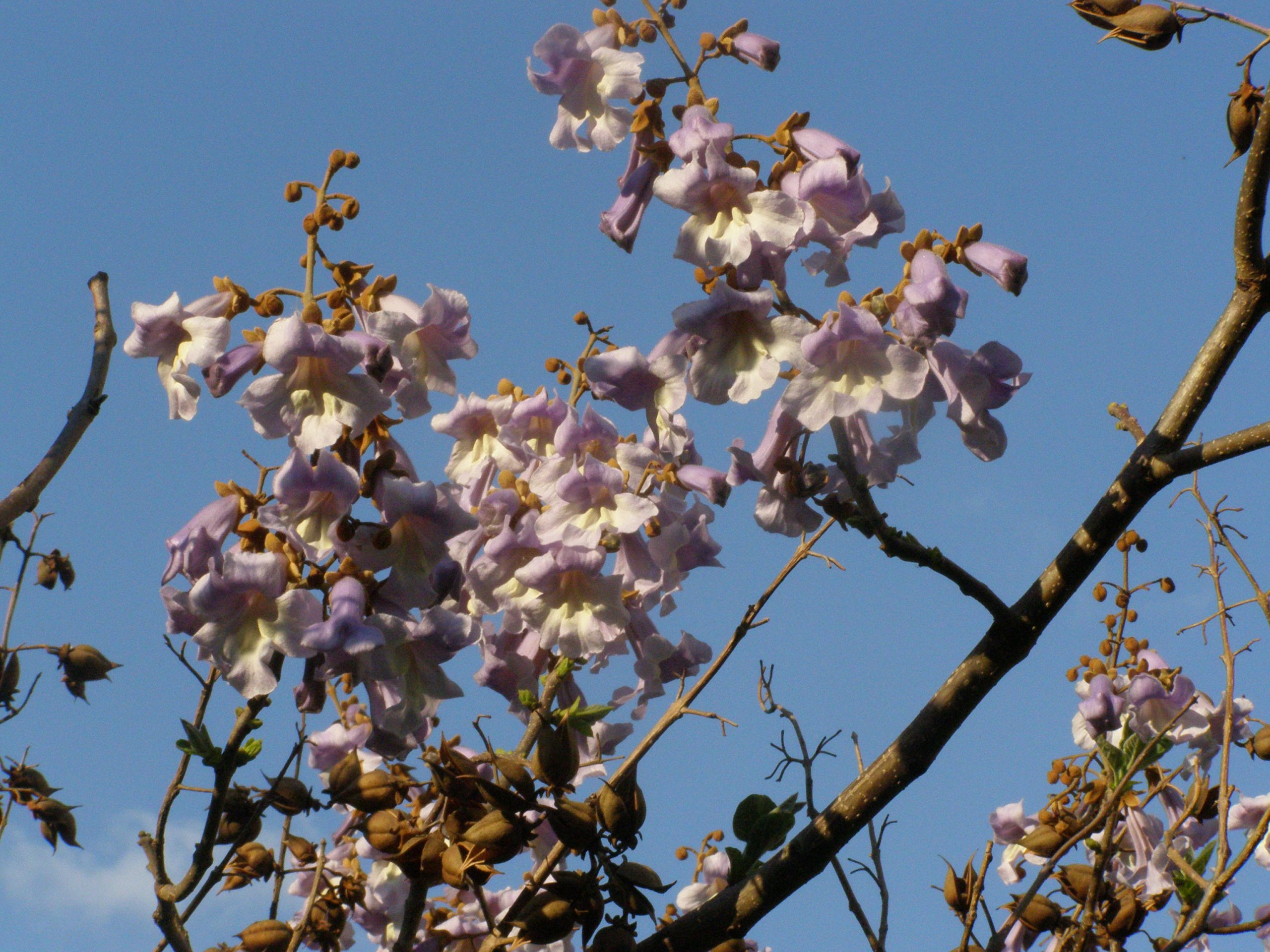
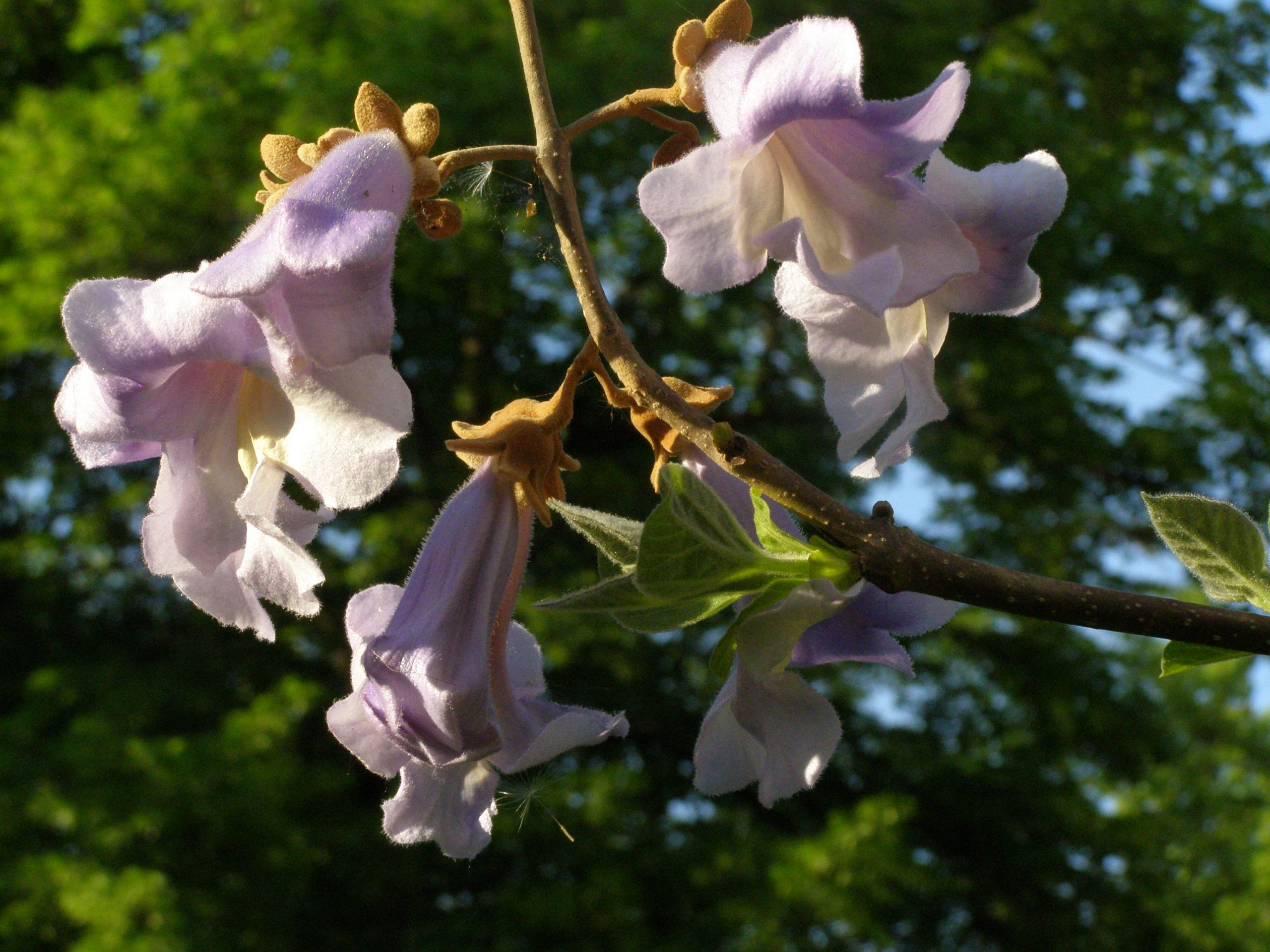
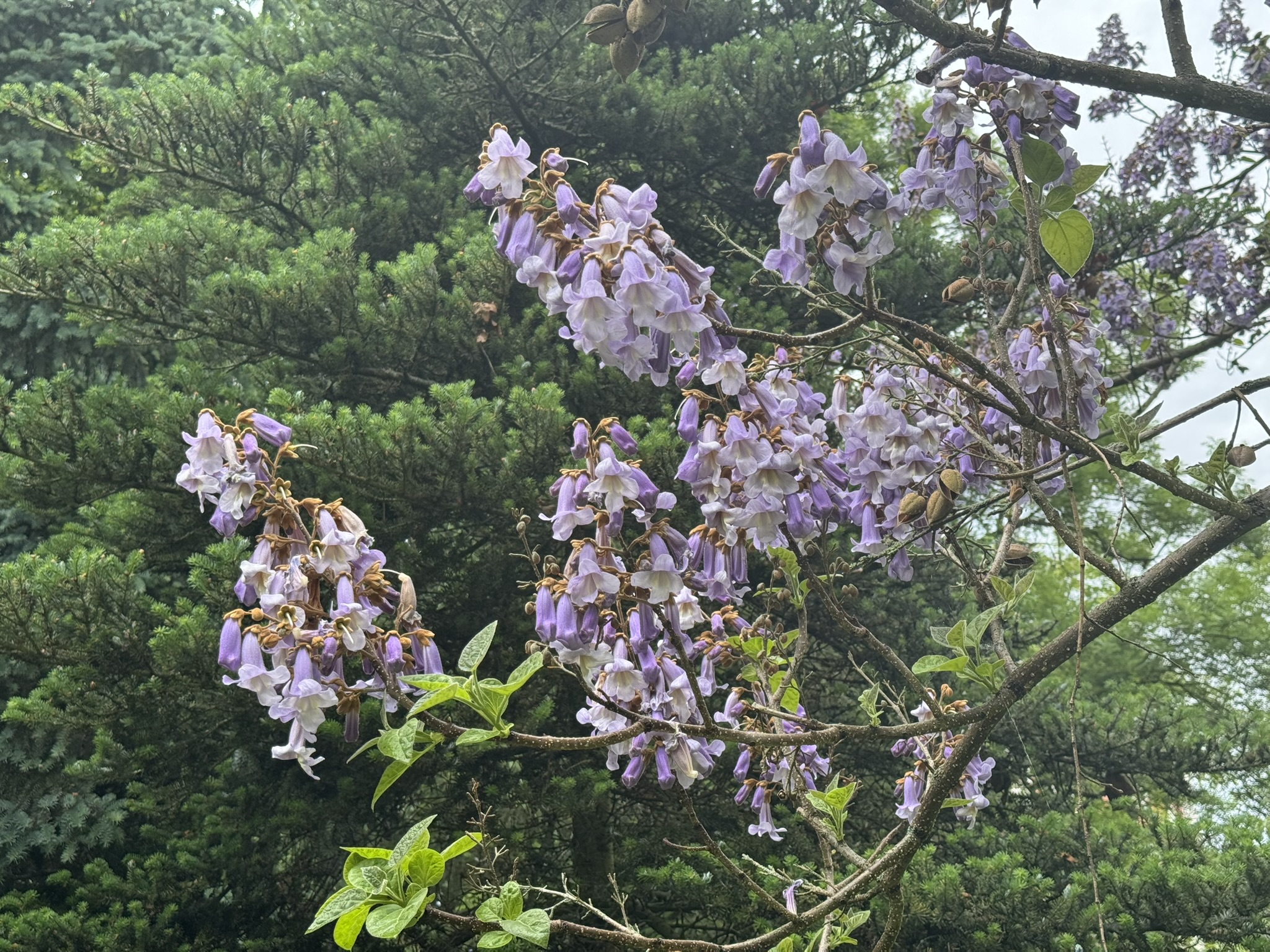
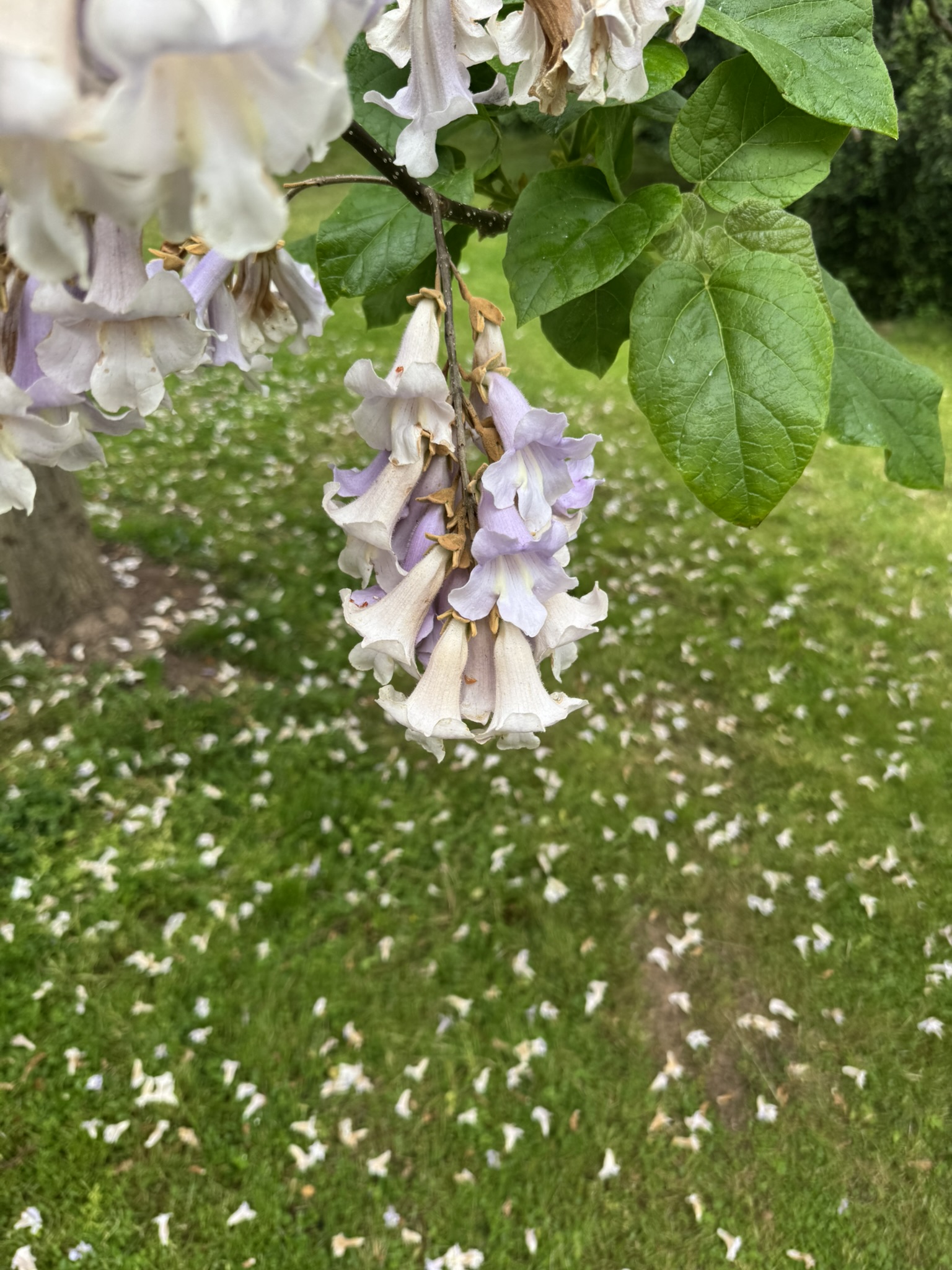
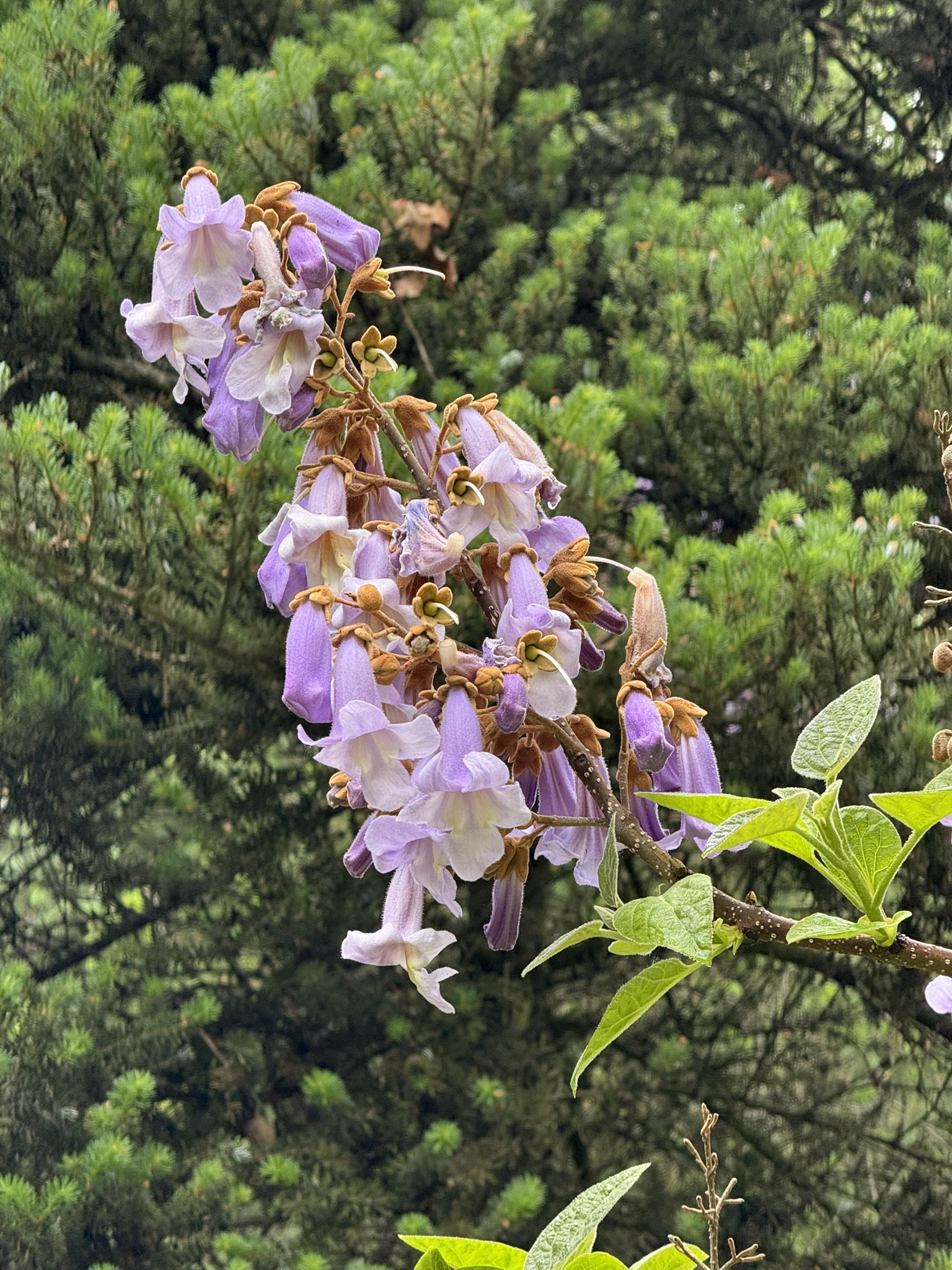
Bloom, fruit: It blooms from April to May before the first leaves sprout. The inflorescence is erect with felted stalks. The colour of the blooms ranges from light blue to purple. The blooms are faintly fragrant. The fruit is an ovoid capsule that, when ripe, is brown and persists on the tree until the following spring. The seeds are light with several membranous wings facilitating their dispersal by the wind.
Interesting facts: The tree was named after the Dutch Queen Anna Pavlovna, daughter of Tsar Paul I (hence the English name Princess Tree). The soft and very light seeds were used during transport as a packaging material for porcelain. Due to the leaks in the crates, the seeds from China easily spread along the transport route, and the Princess Tree thus expanded its range. Due to its lightness, strength and resonant properties, the wood of the Princess Tree is used in Asia to make musical instruments. In the U.S.A. and Great Britain, this tree is considered to be an invasive species.