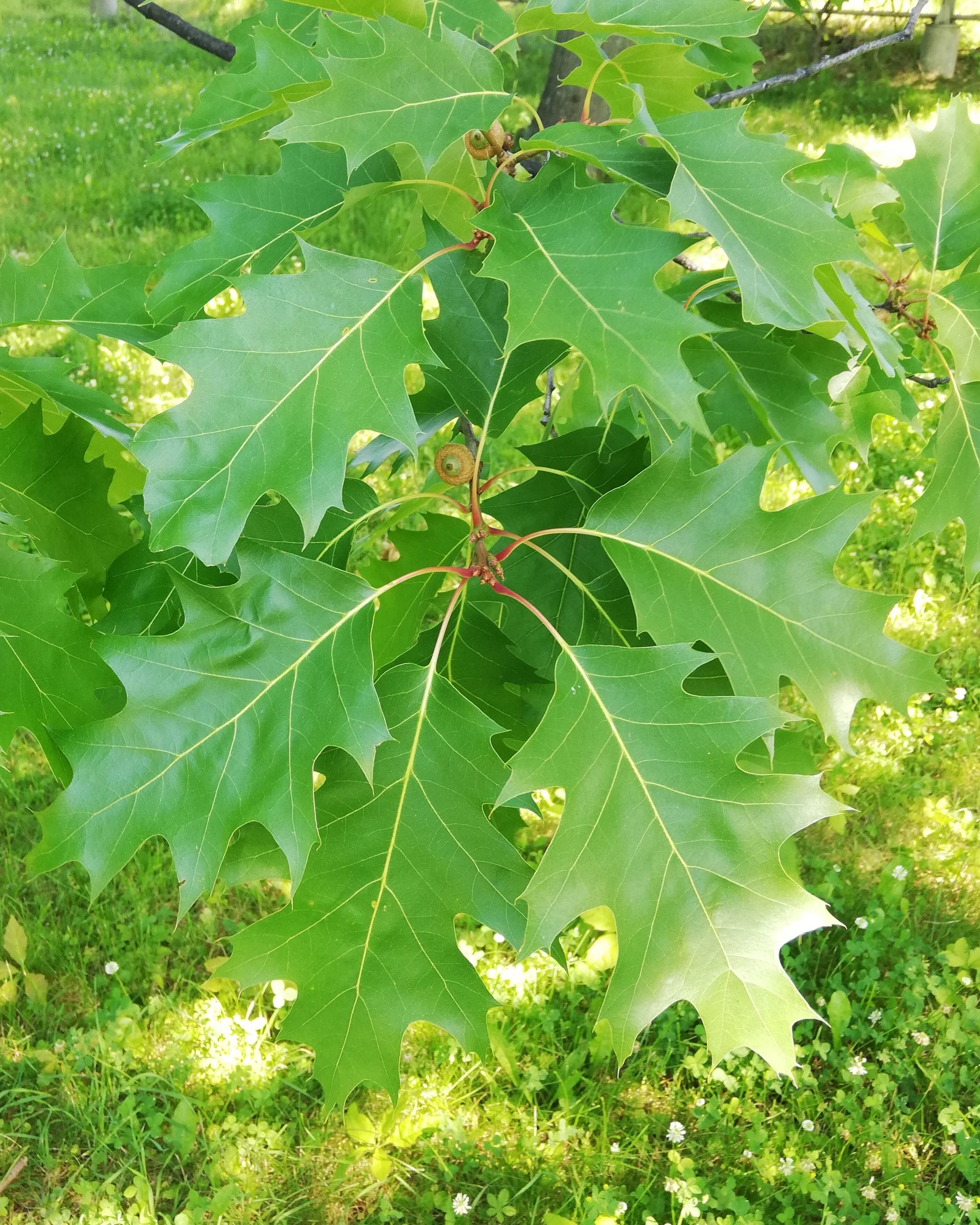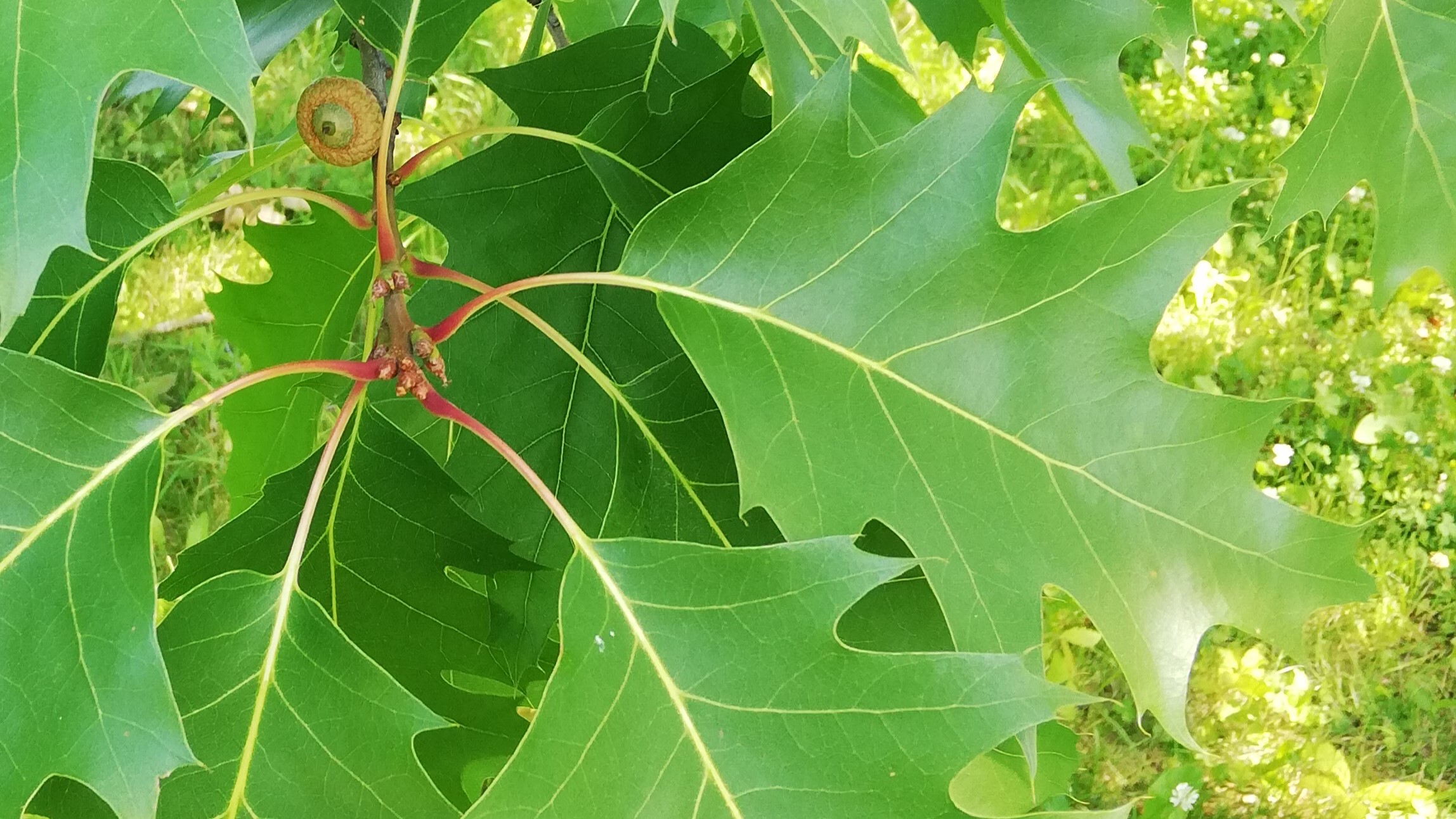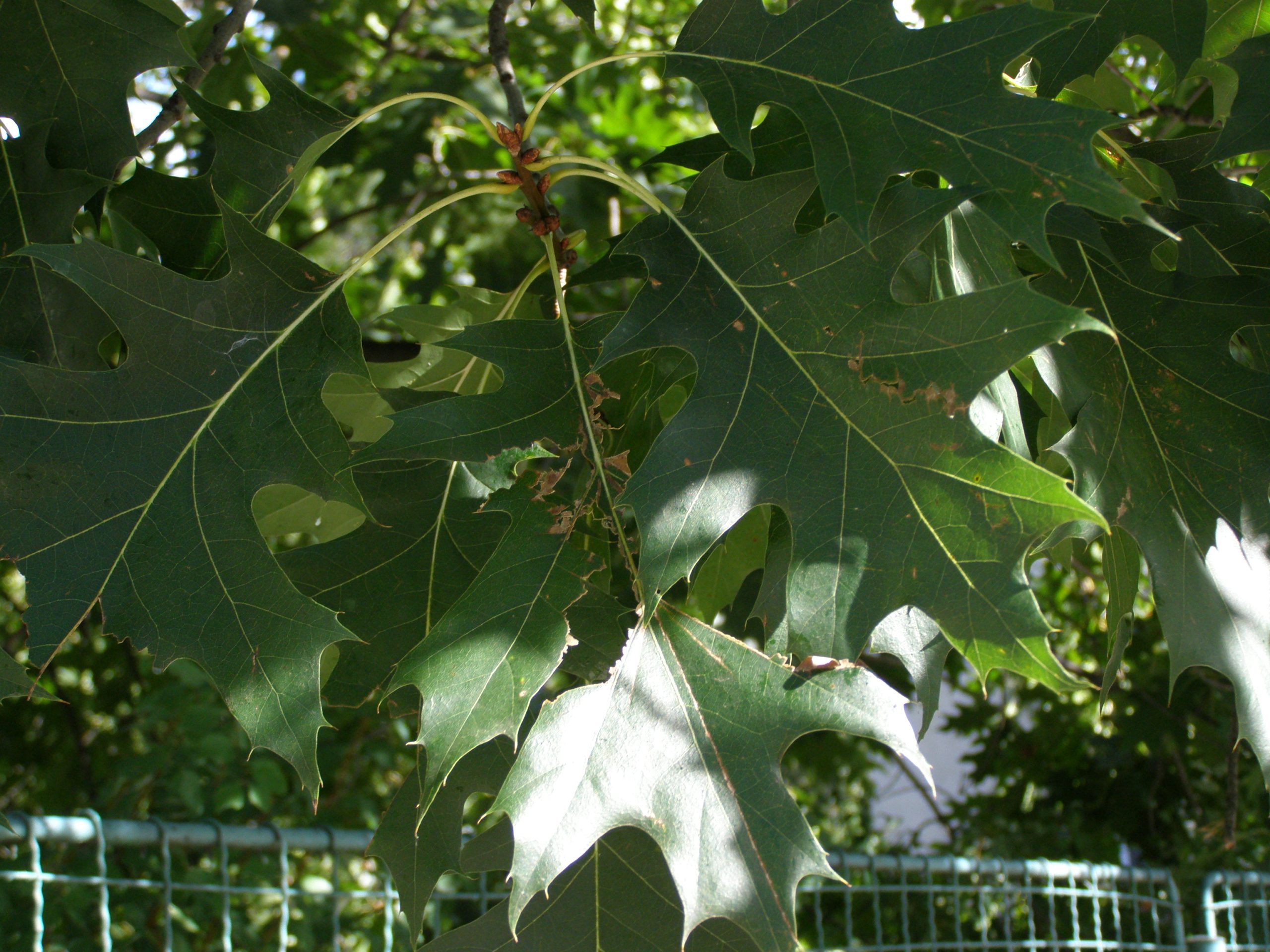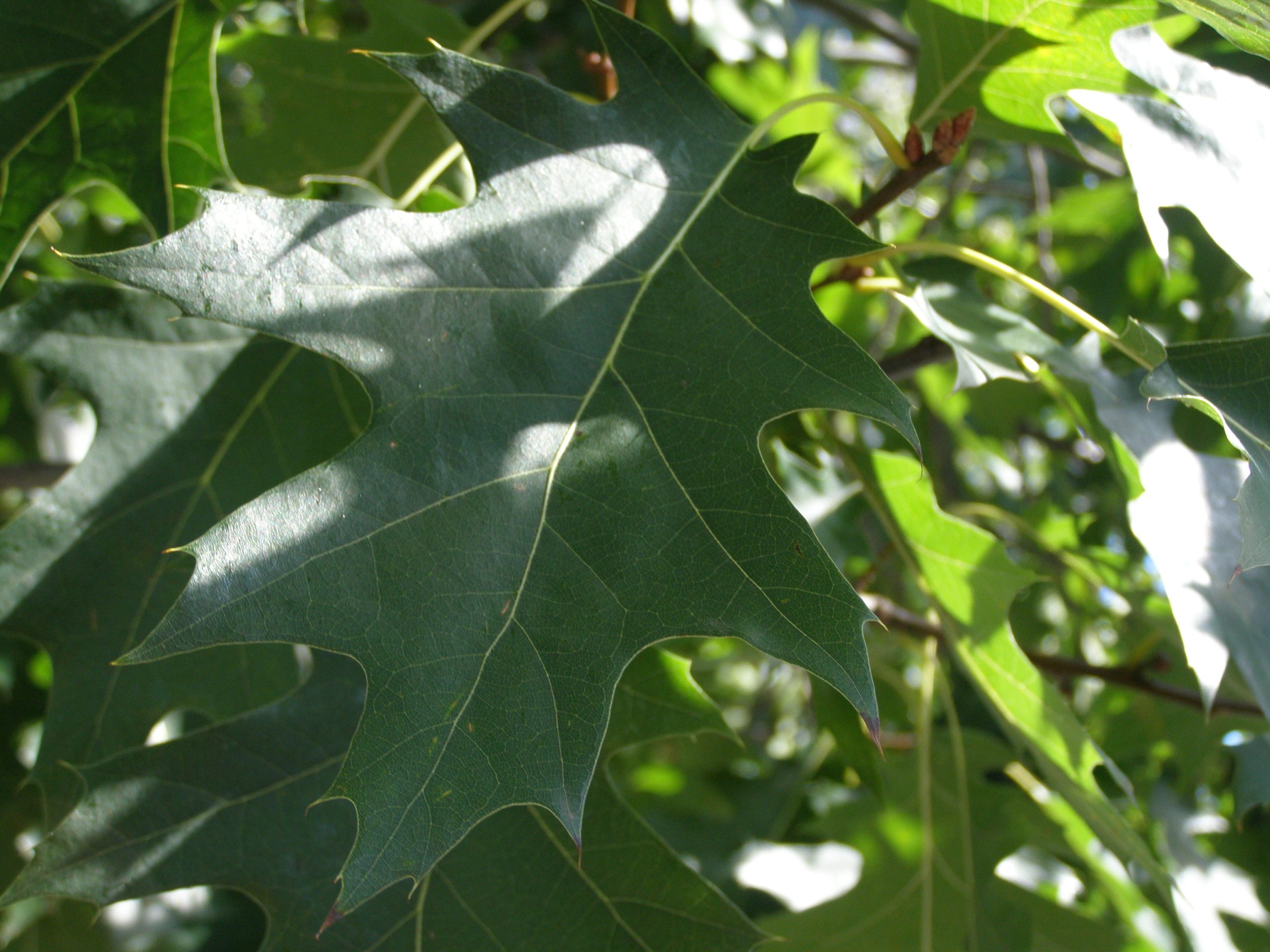

Beech family, Fagaceae
Origin: the southeast of Canada, the east of the U.S.A.
Habitat in the original area: various types of forest growth, but not in waterlogged soils
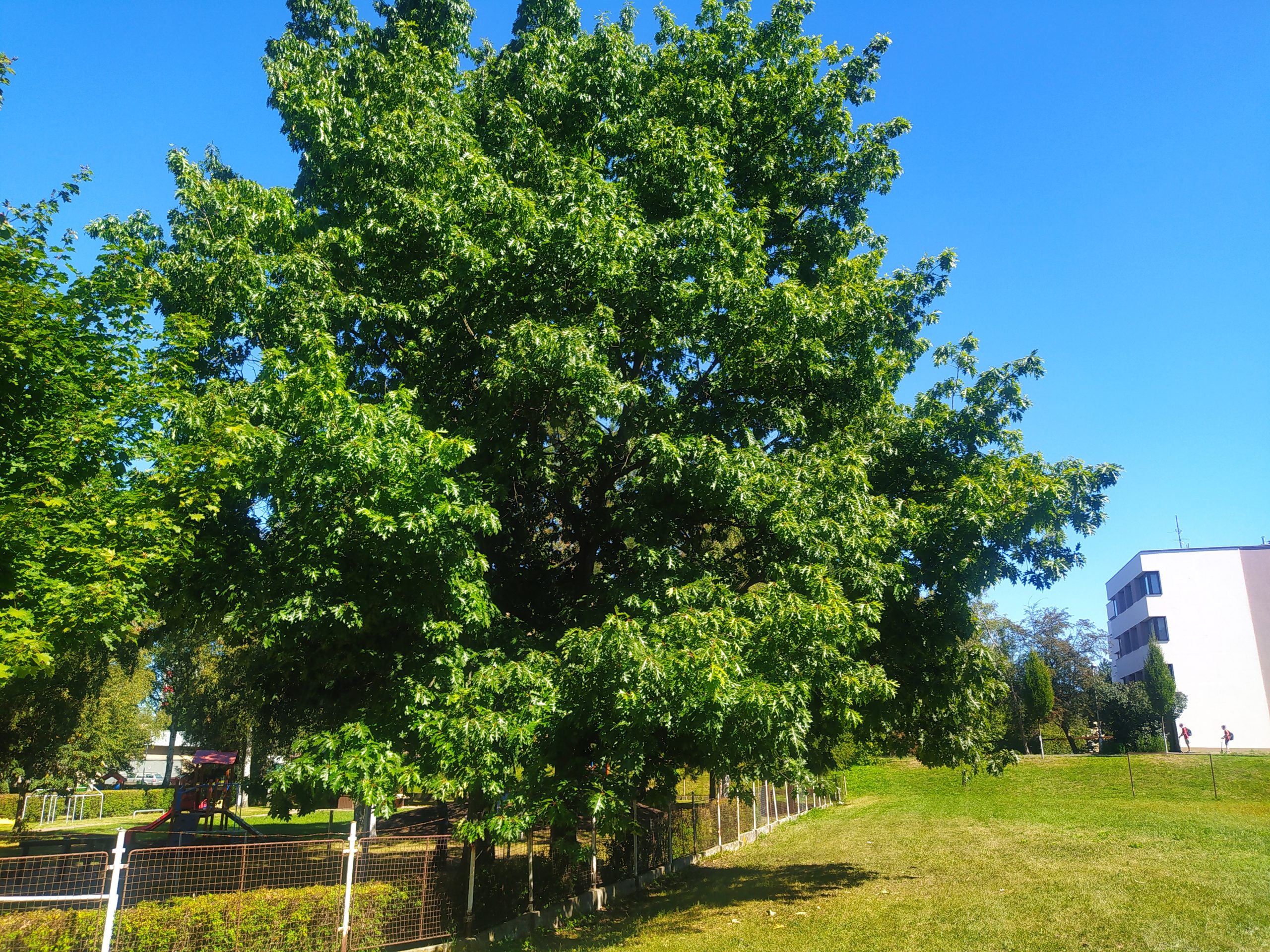
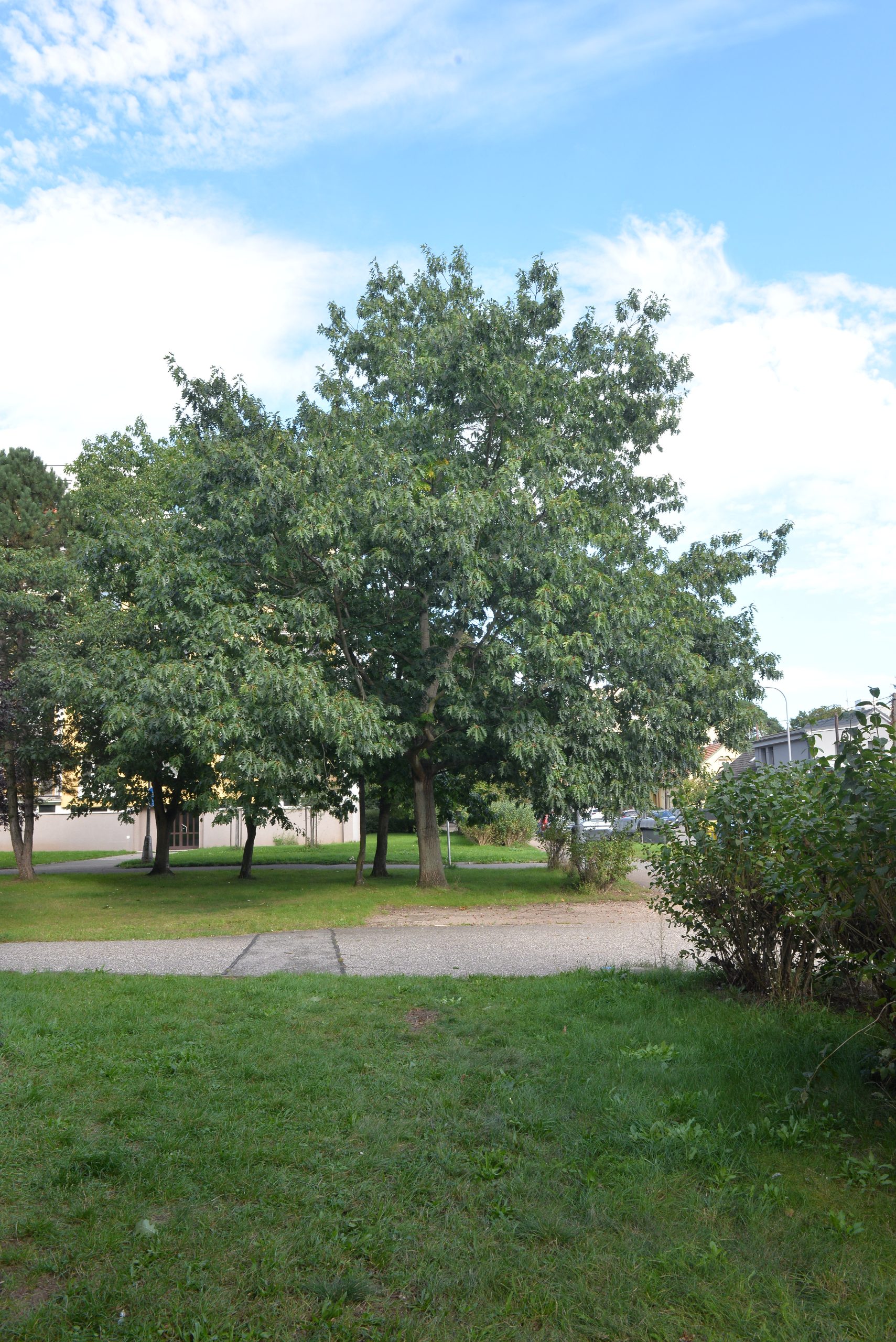
Habitus: A tree growing to the height of 25–30 metres. The thick trunk has grey-green bark. The branches are reddish, shiny and without trichomes.
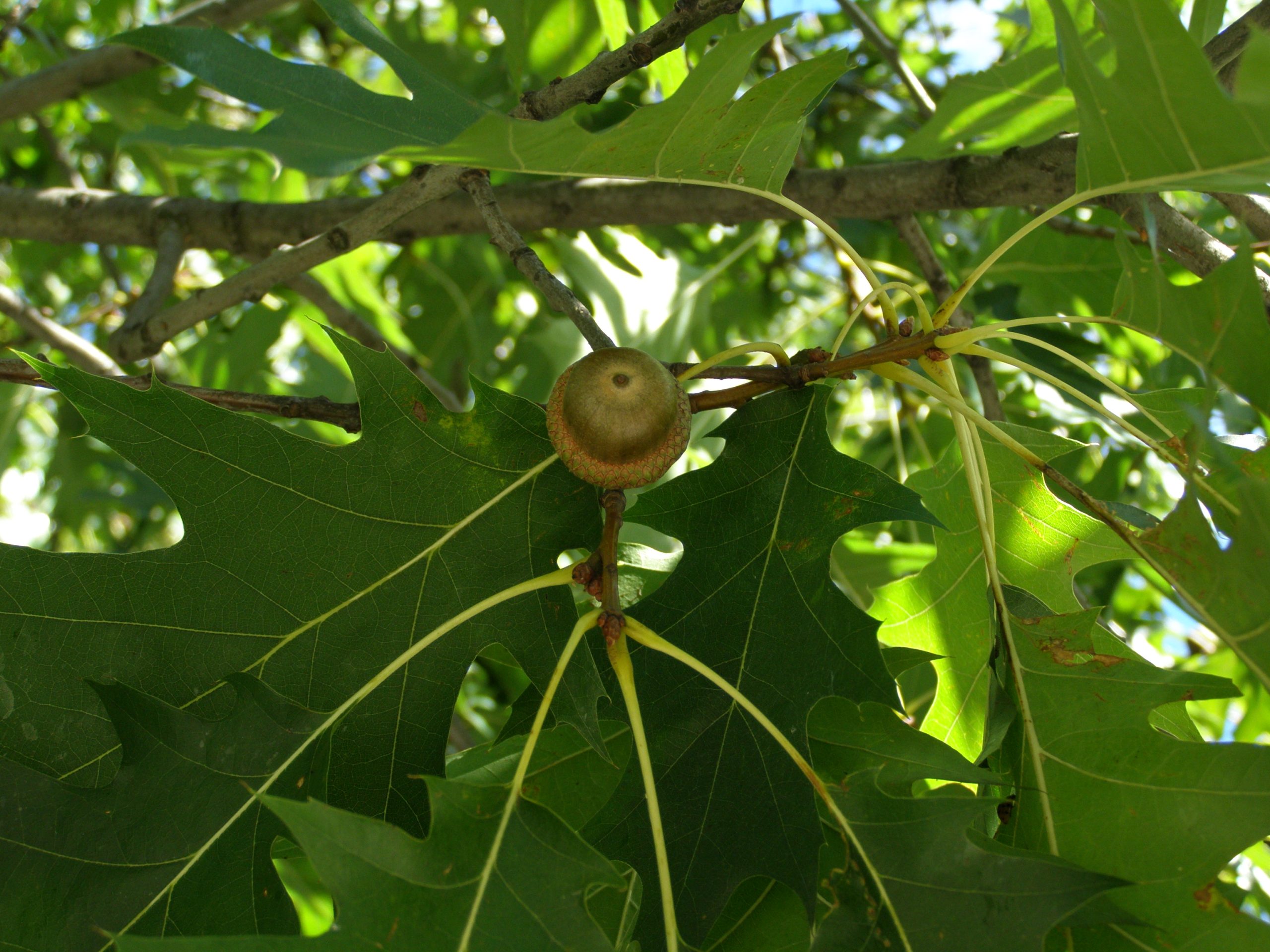
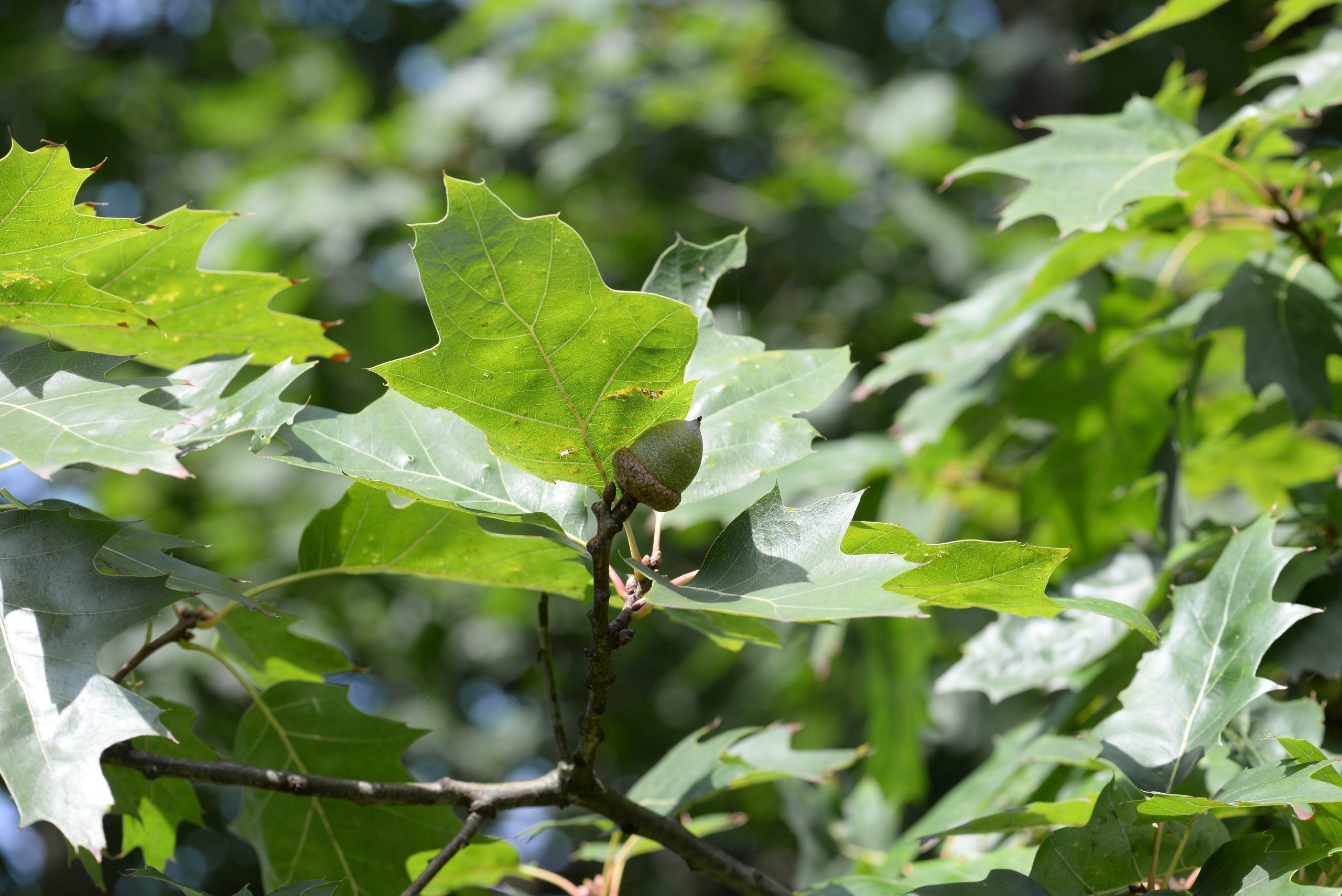
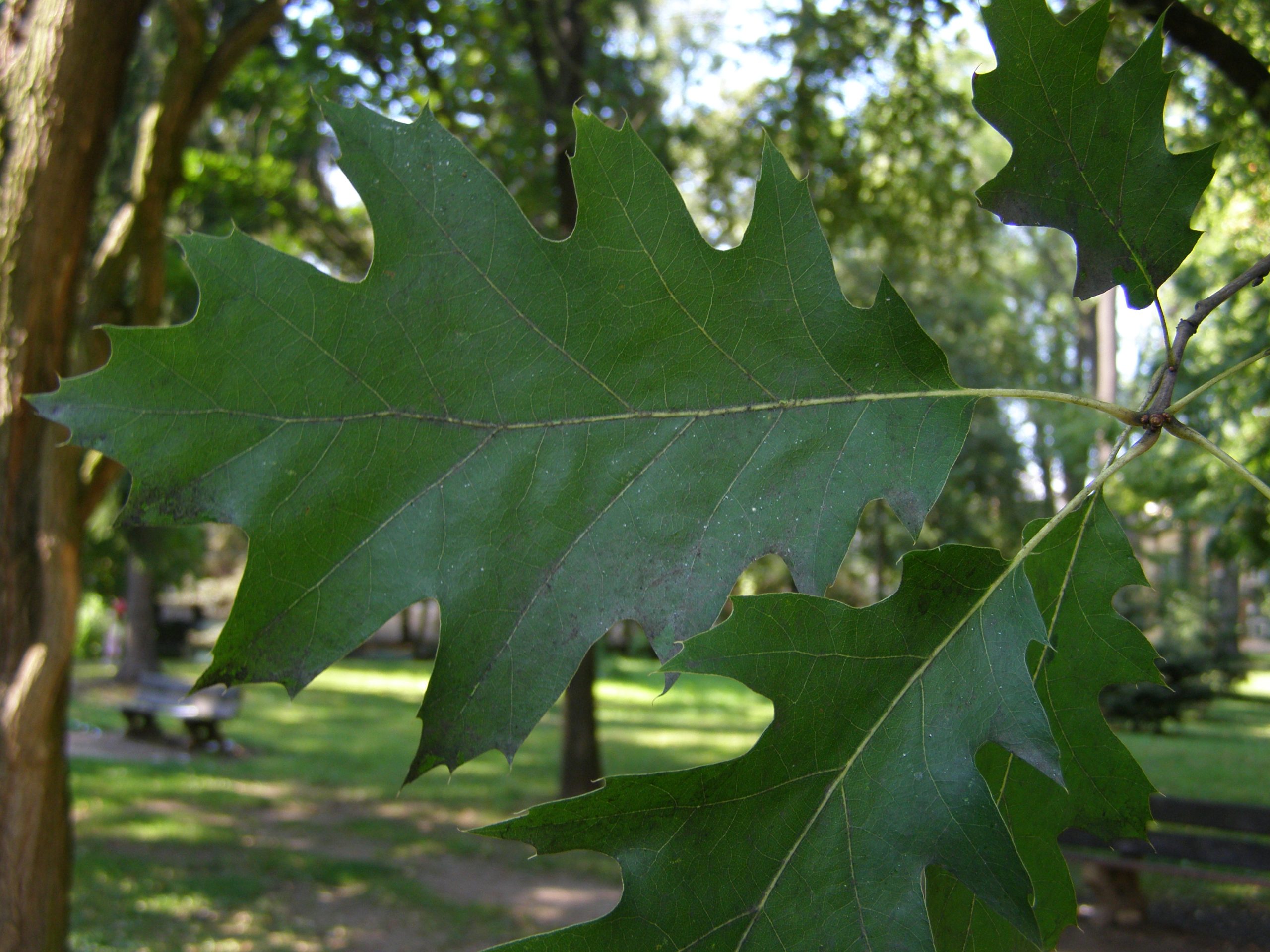
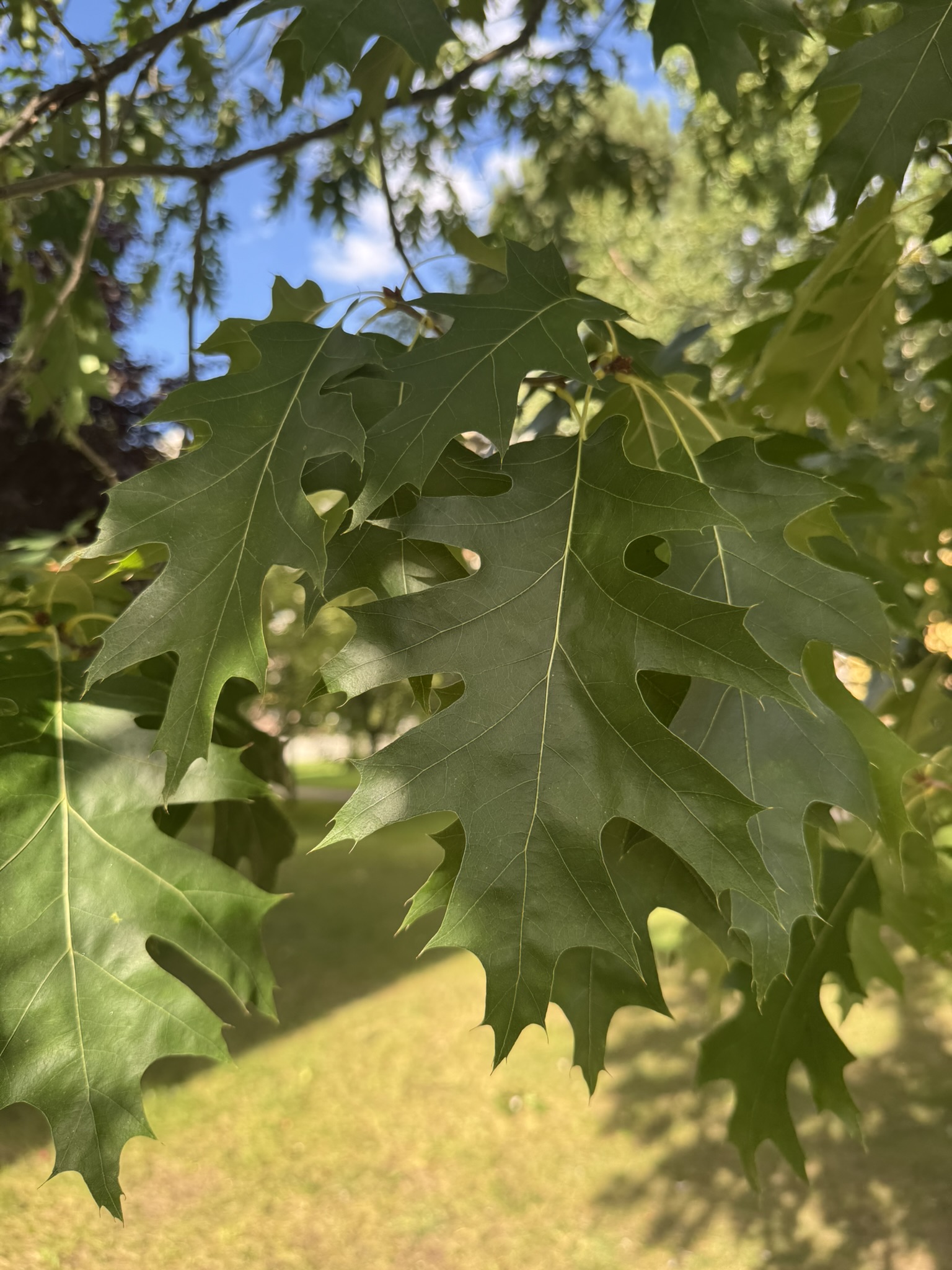
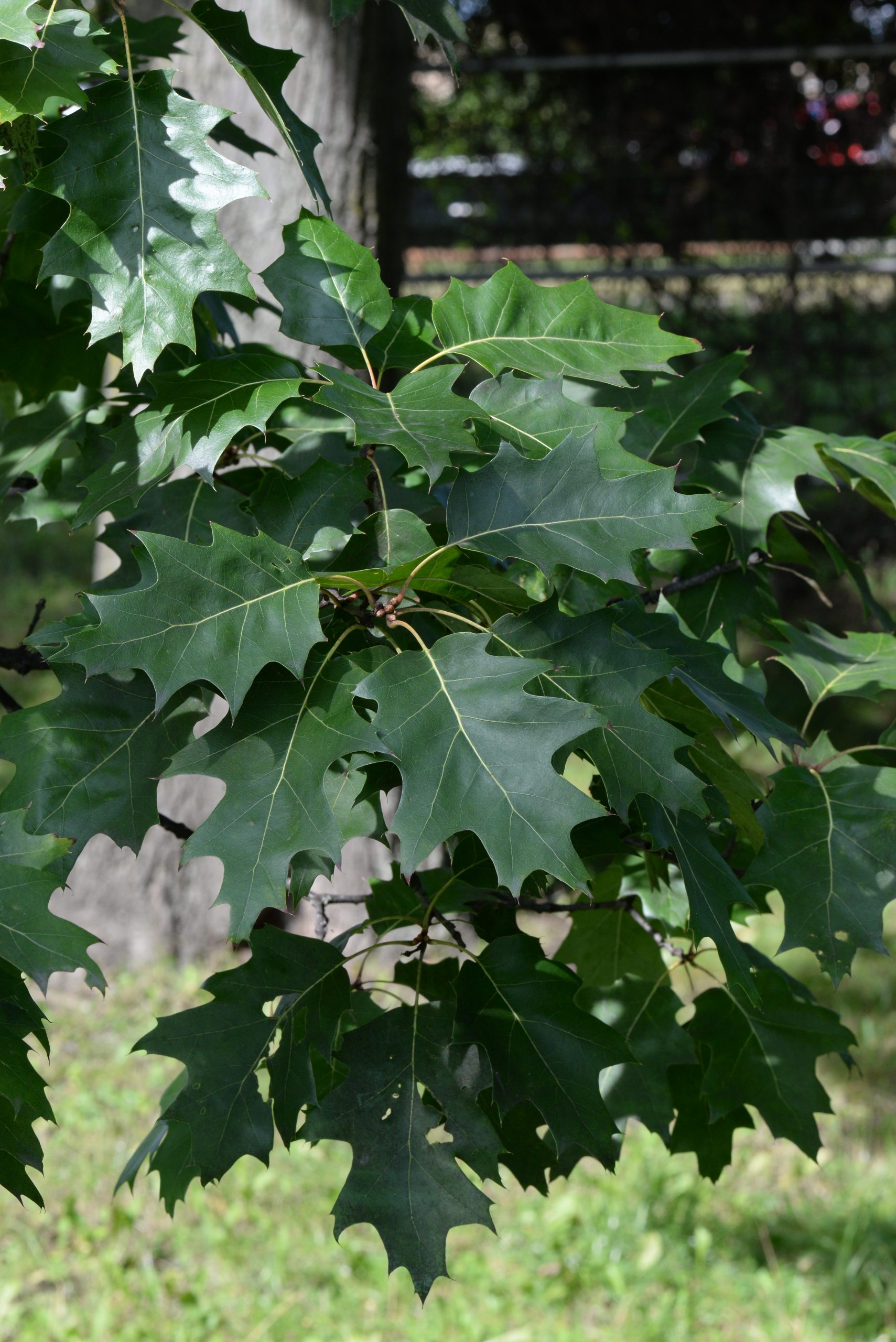
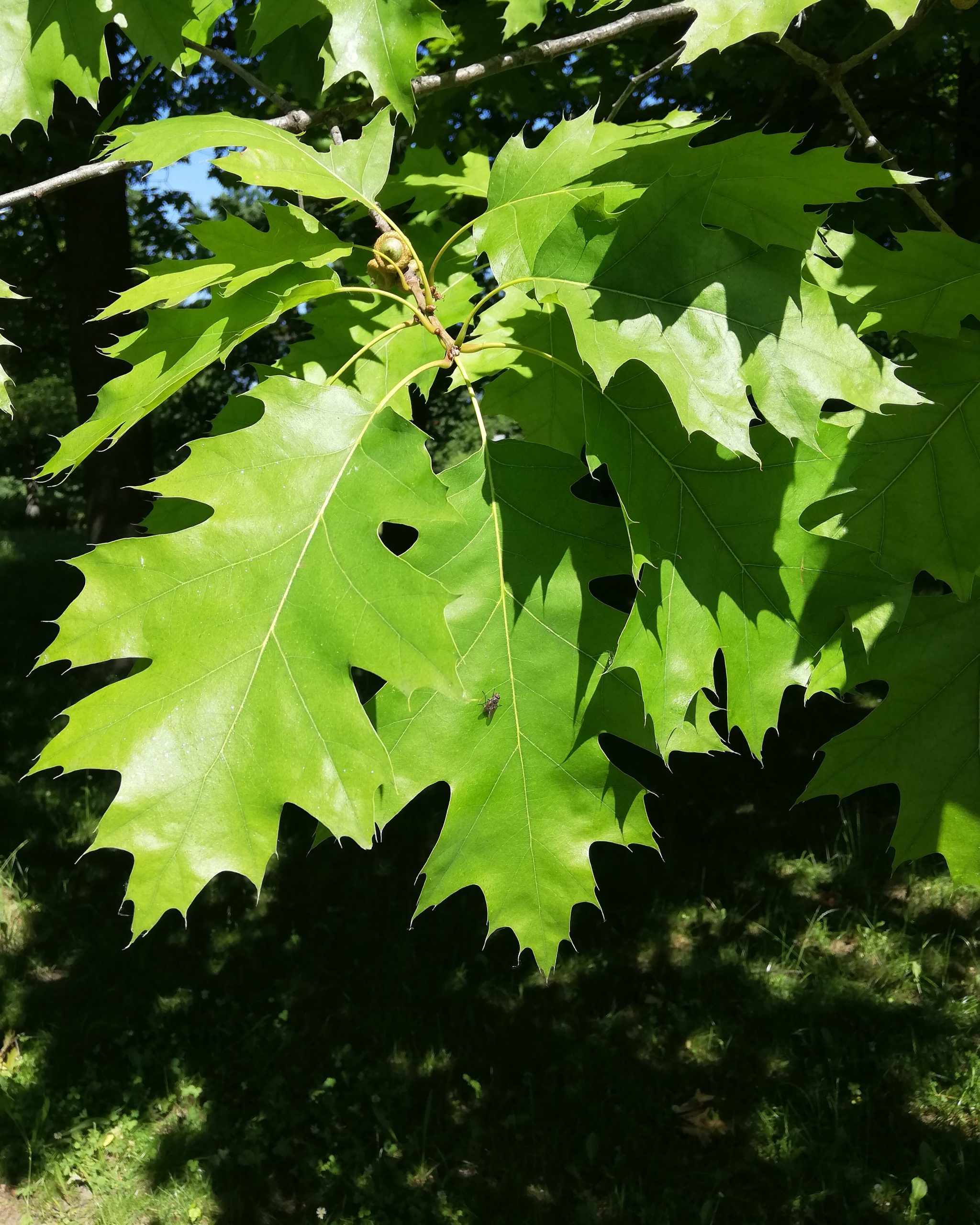
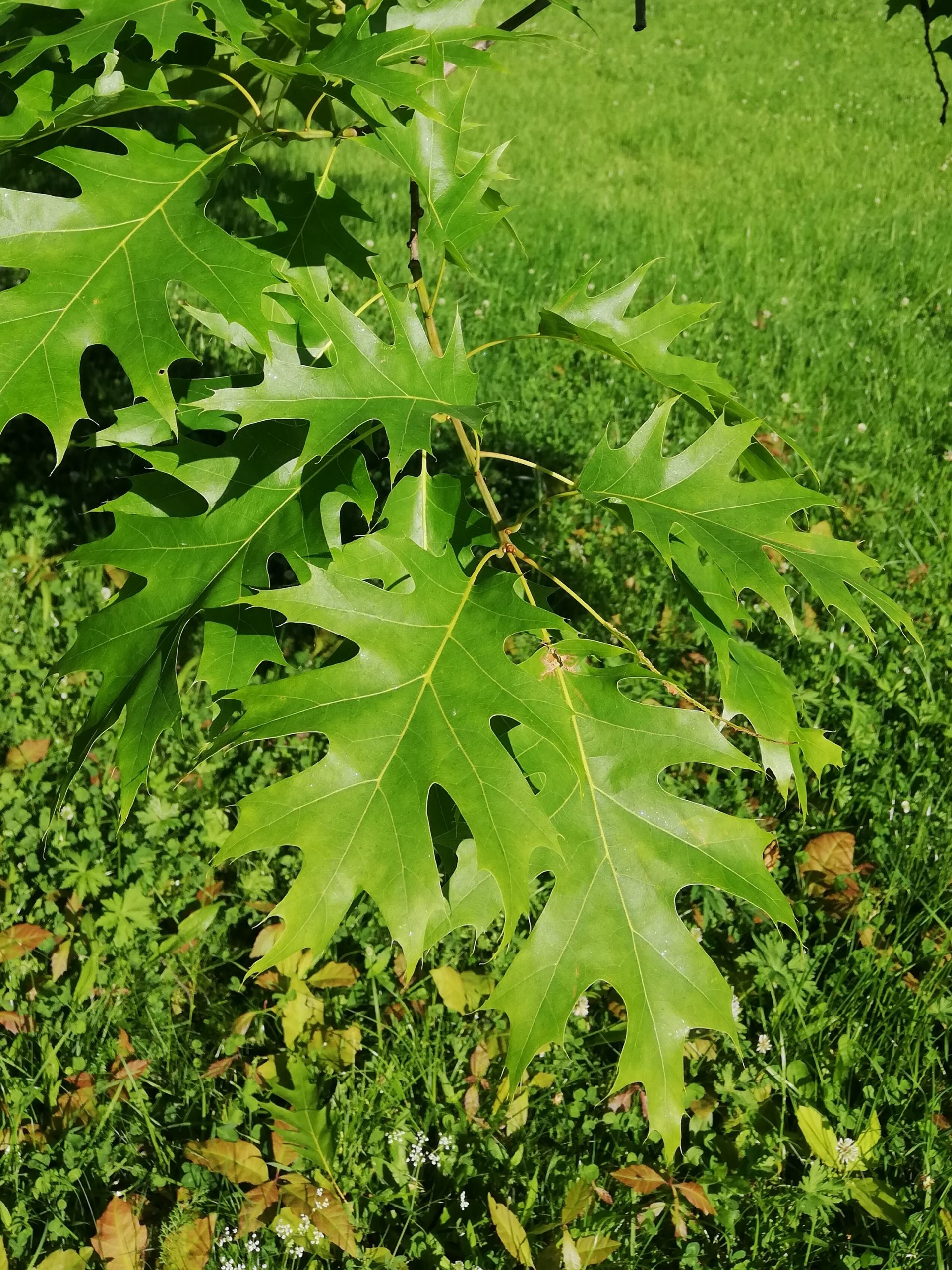
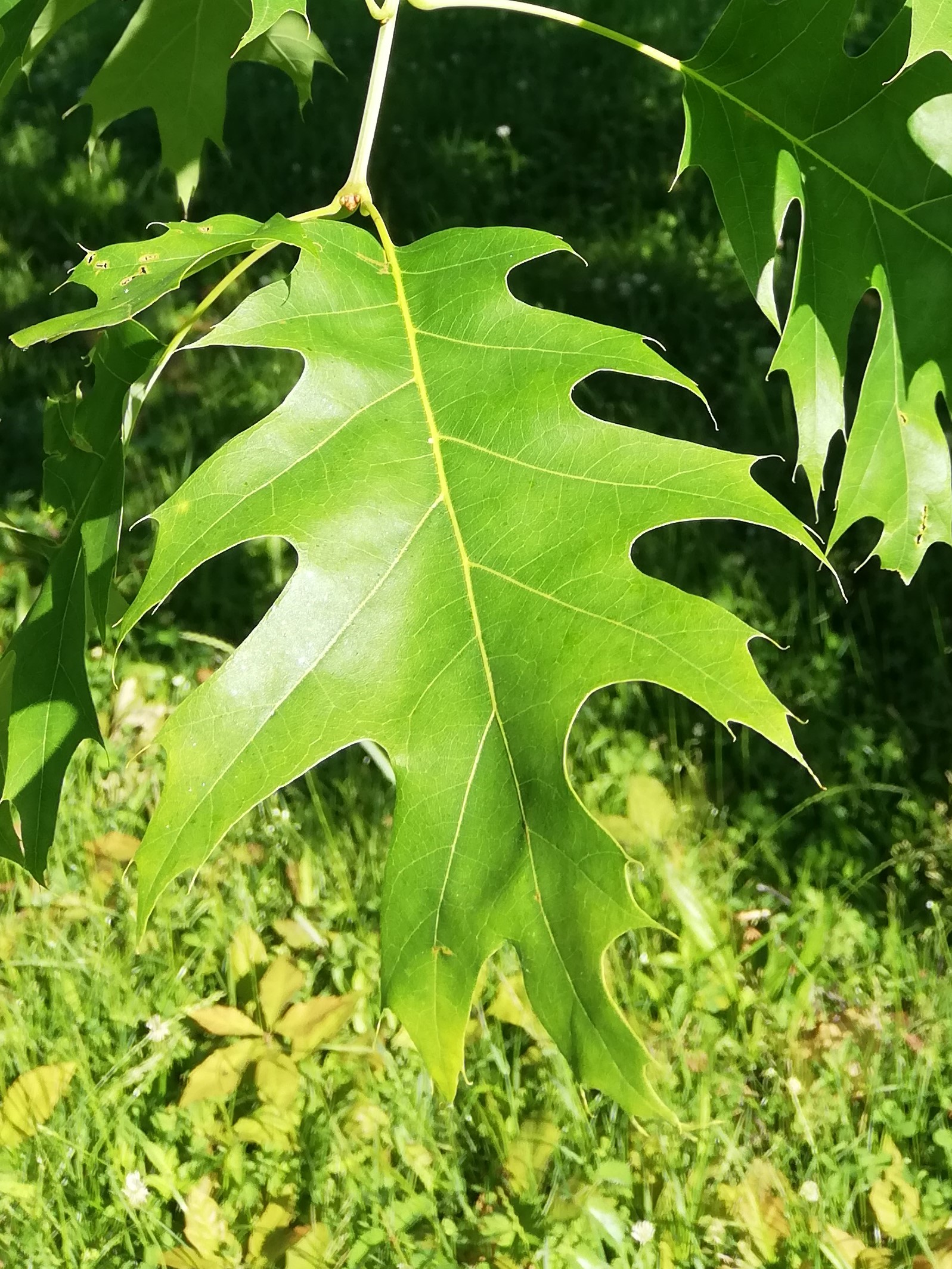
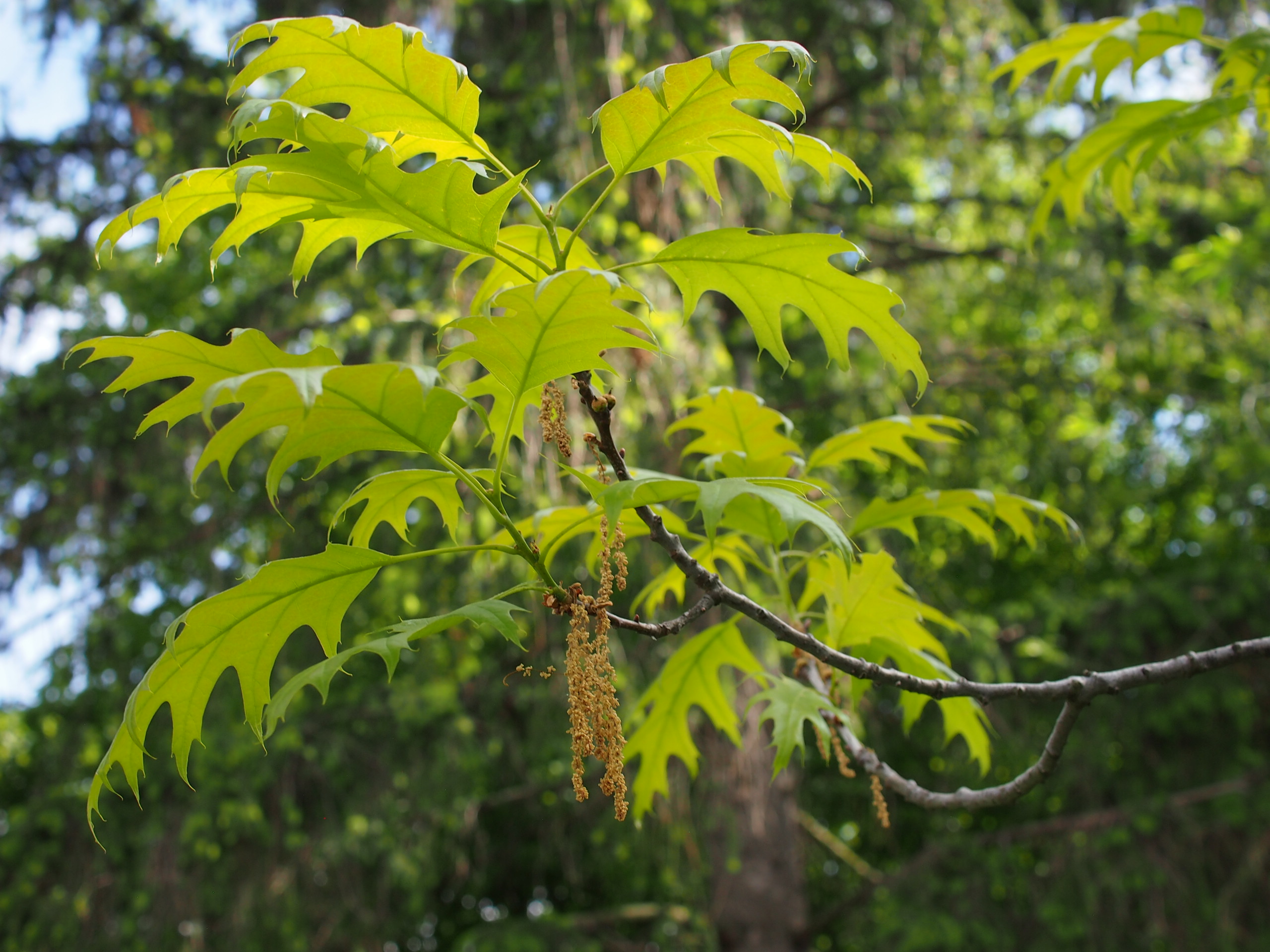
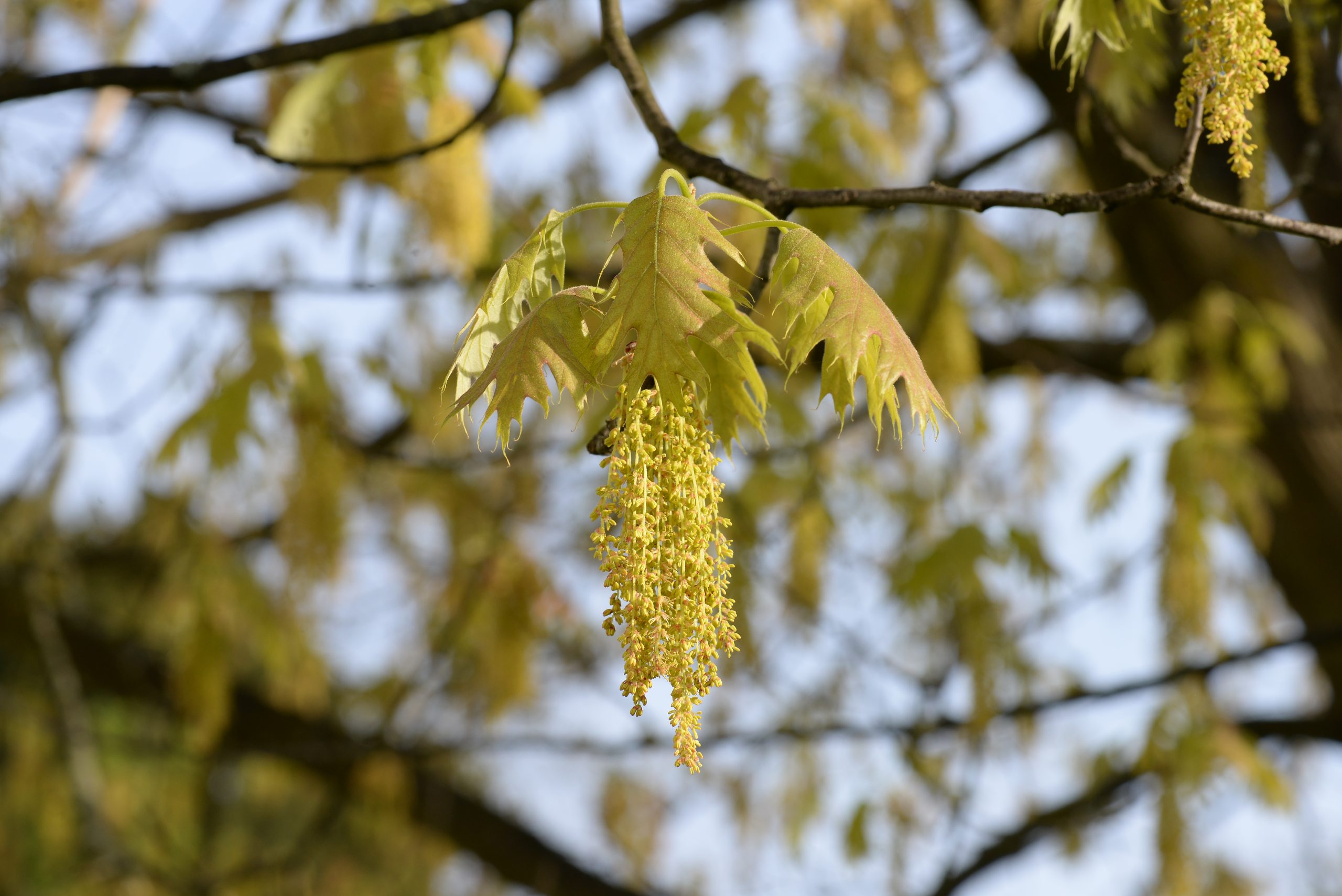
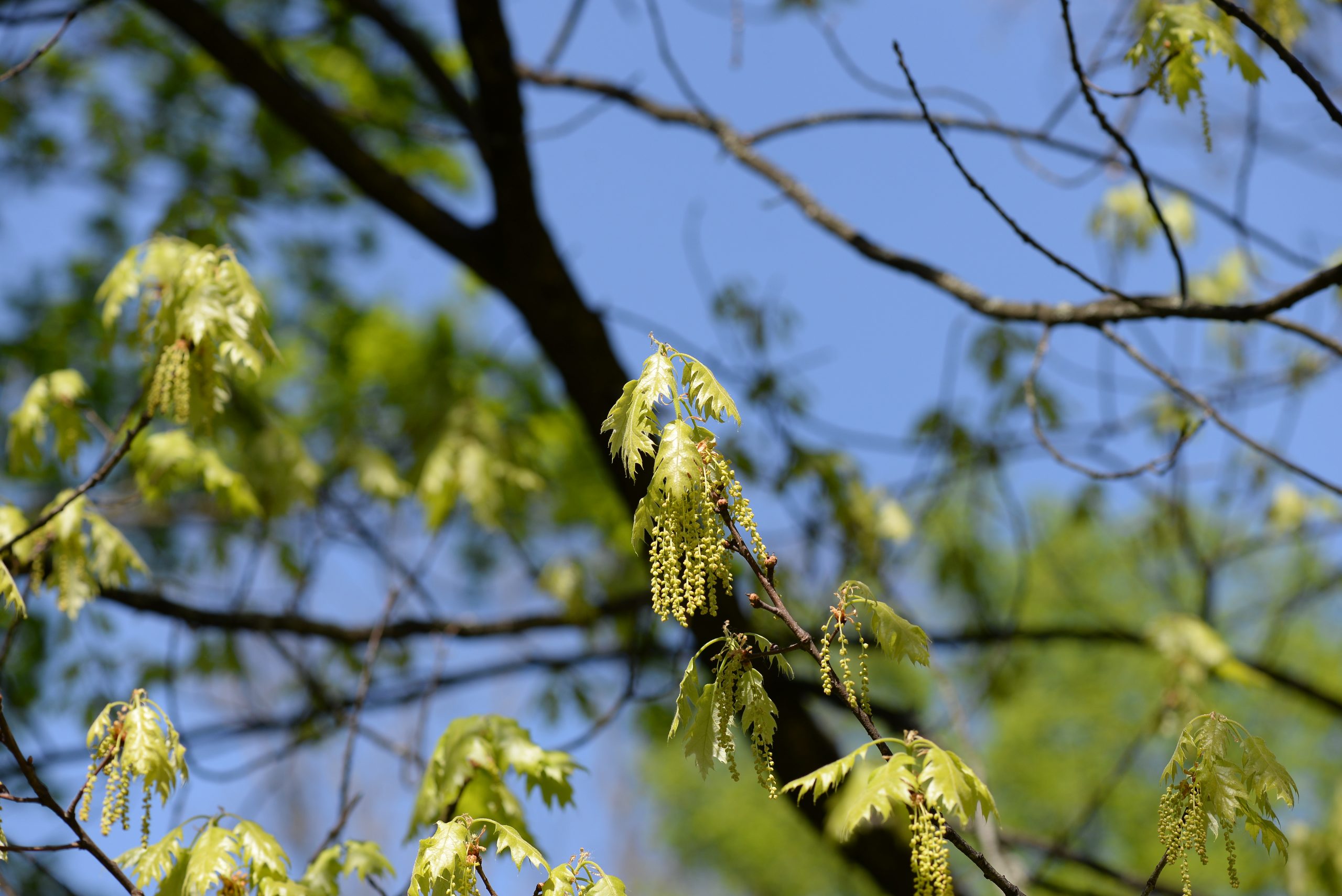
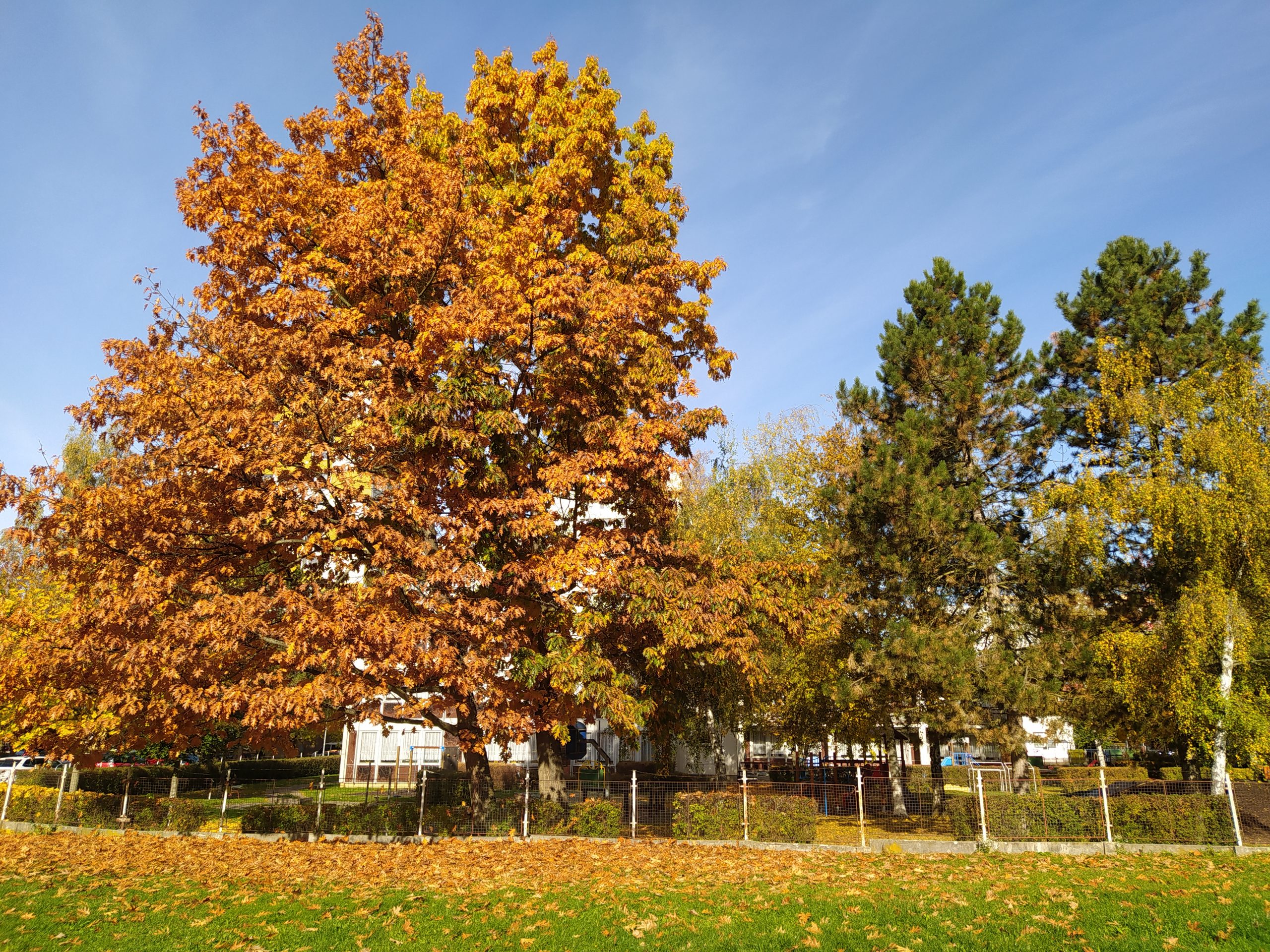
Leaf: The leaf is incised roughly in half and divided into 7–9 lobes ending in aspens. The blade sits wedge-shaped on a long petiole. Tufts of trichomes appear in the axils of the veins. In autumn, the leaves turn red.
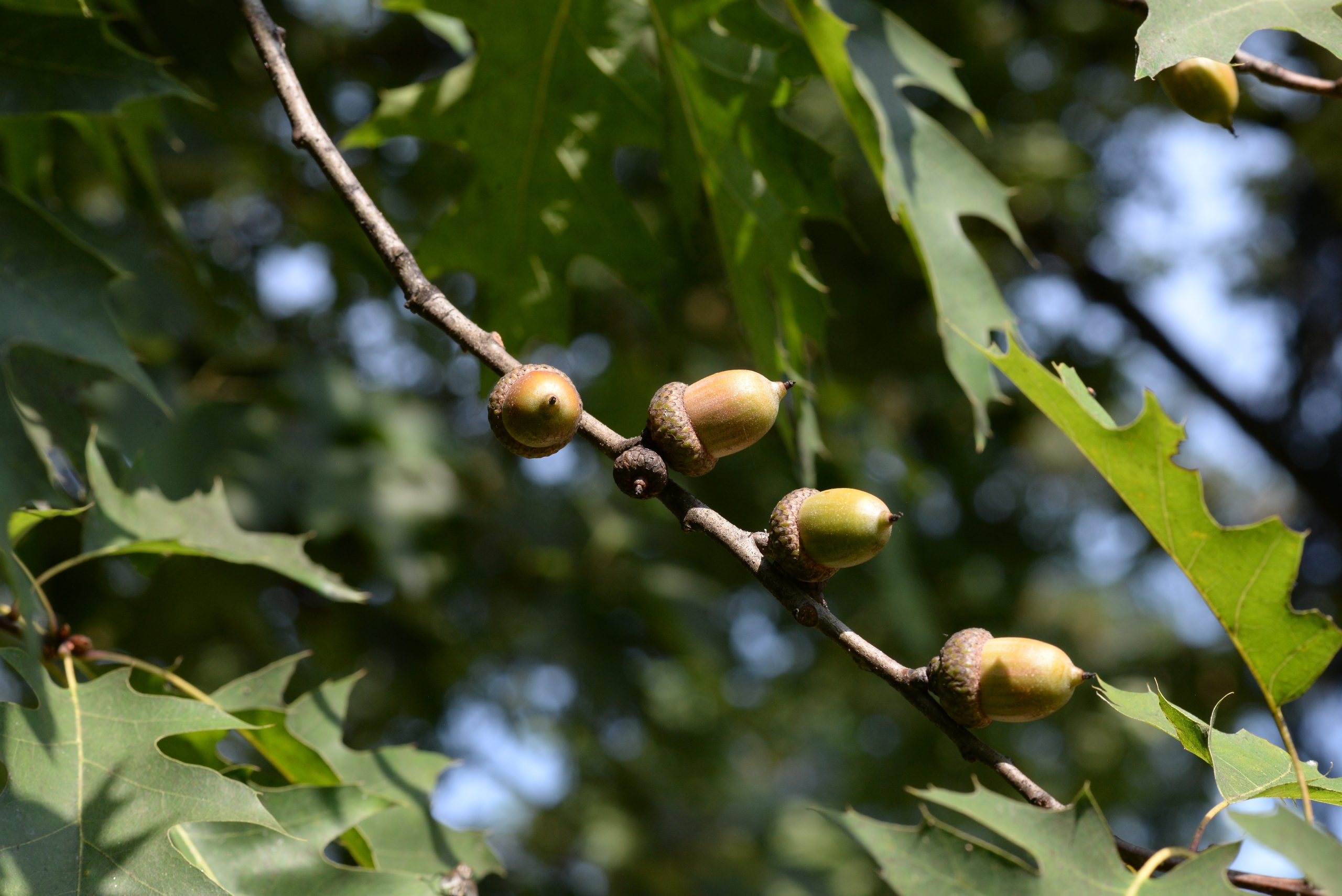
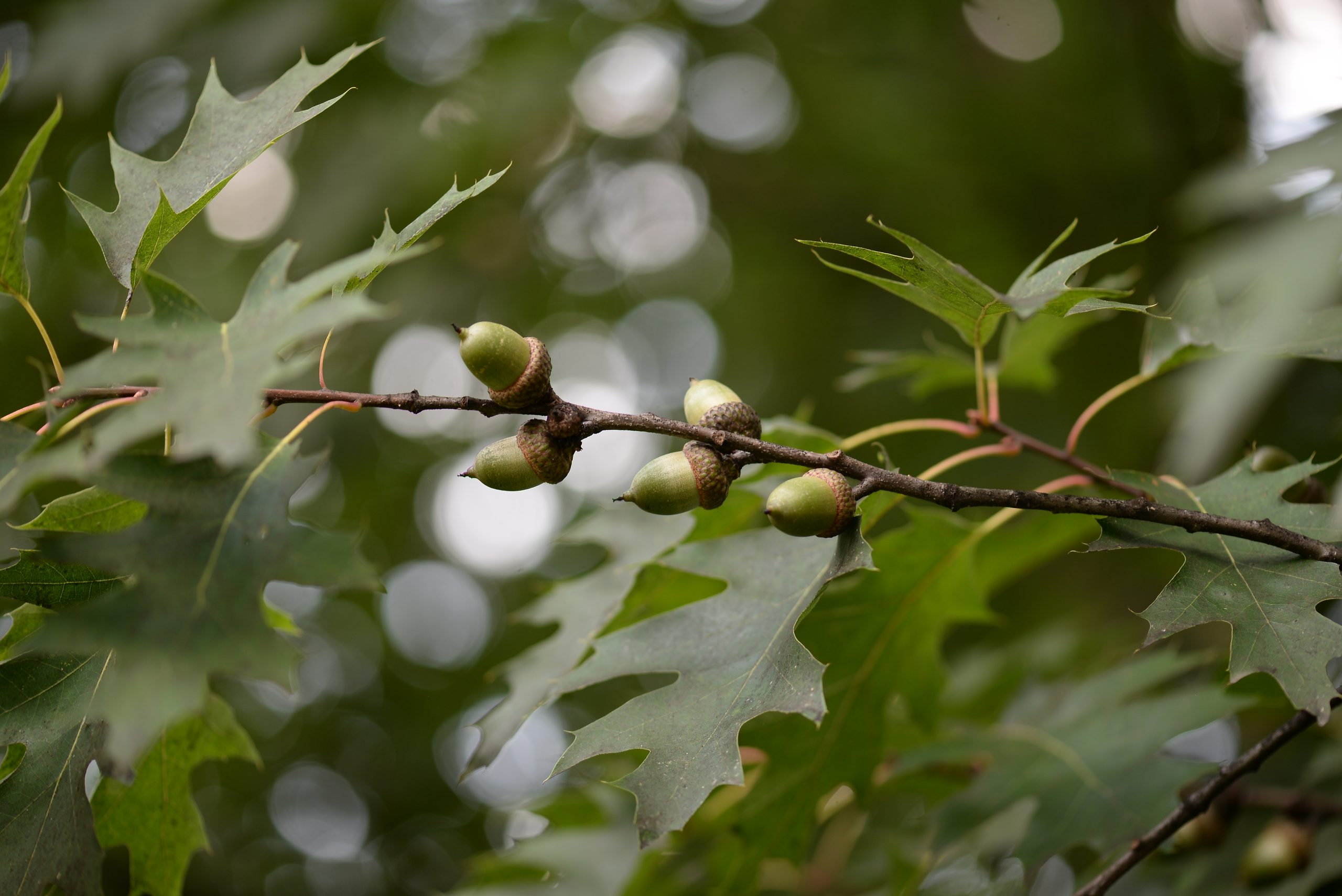
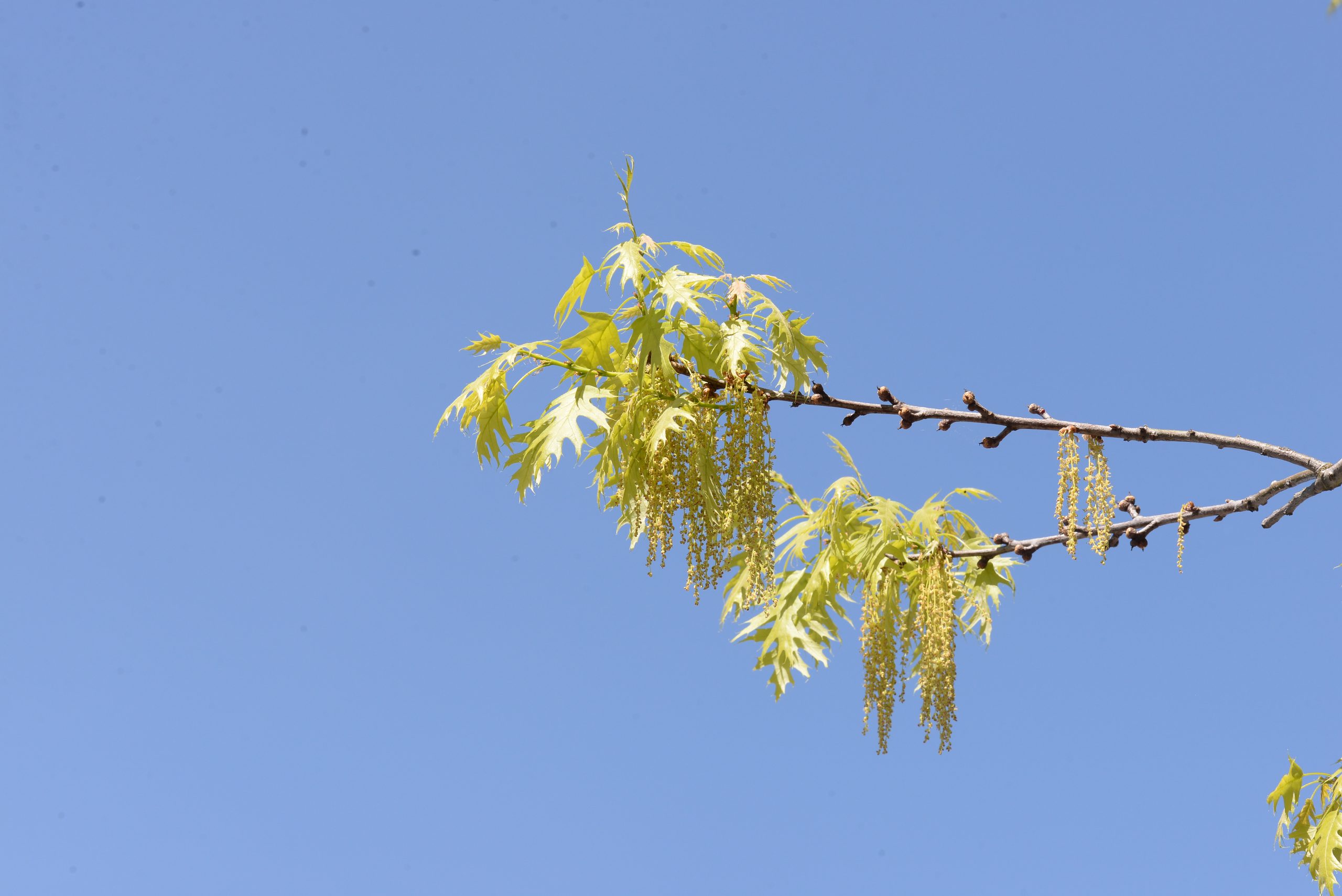
Bloom, fruit: It blooms in May. The fruits (acorns) grow on short stalks, most often in pairs. They do not ripen until the second year after fertilization. The cup in which the acorn is placed is flat, cup-shaped and has smooth, tightly packed, reddish scales on the surface. The acorn itself is almost spherical and flat at the point it attaches to the cup.
Interesting fact: If grown as a solitary tree, it forms a massive, spreading crown. In forests, it is planted as a land reclamation tree, but it grows faster than our oaks and spreads easily.