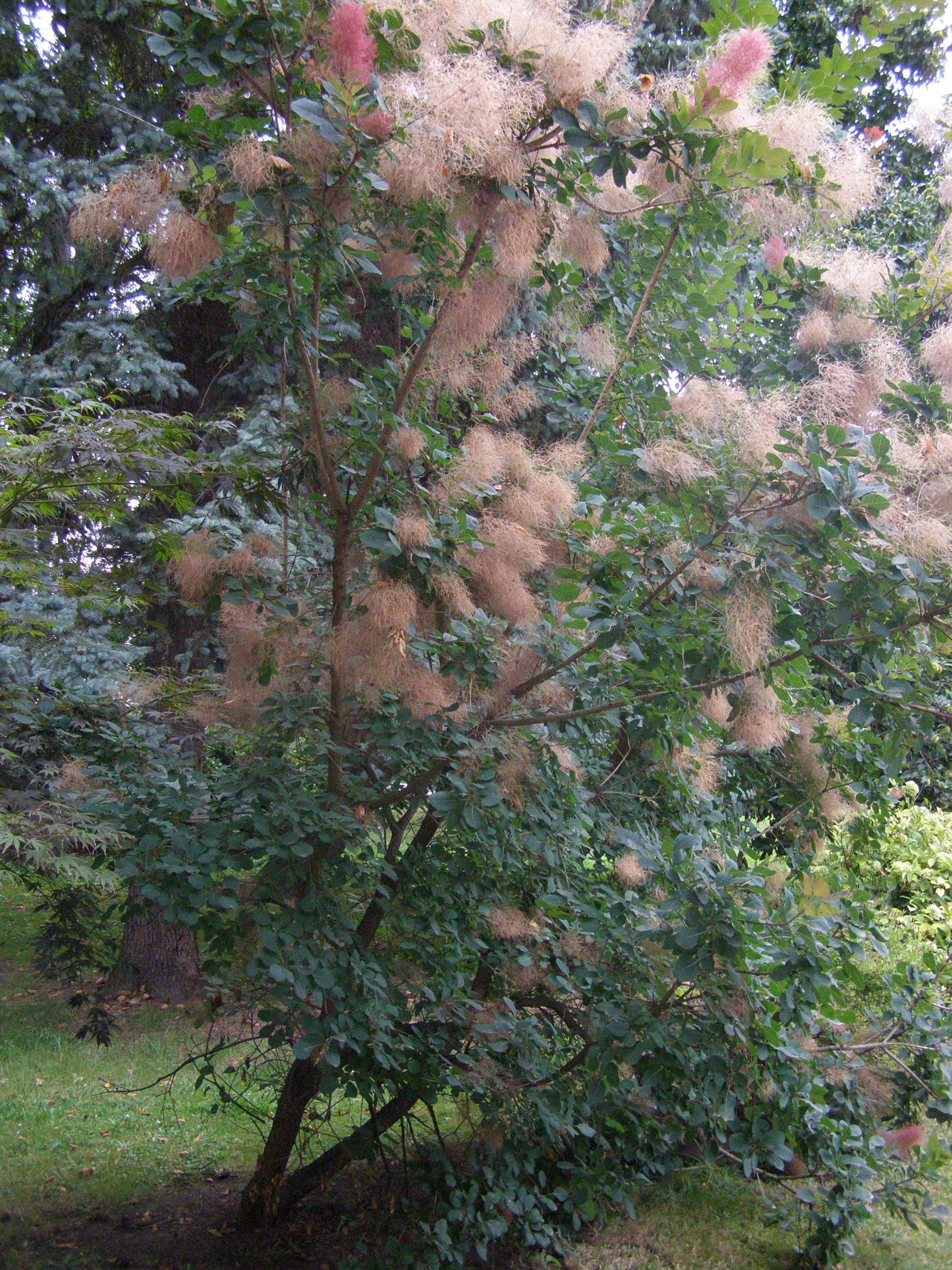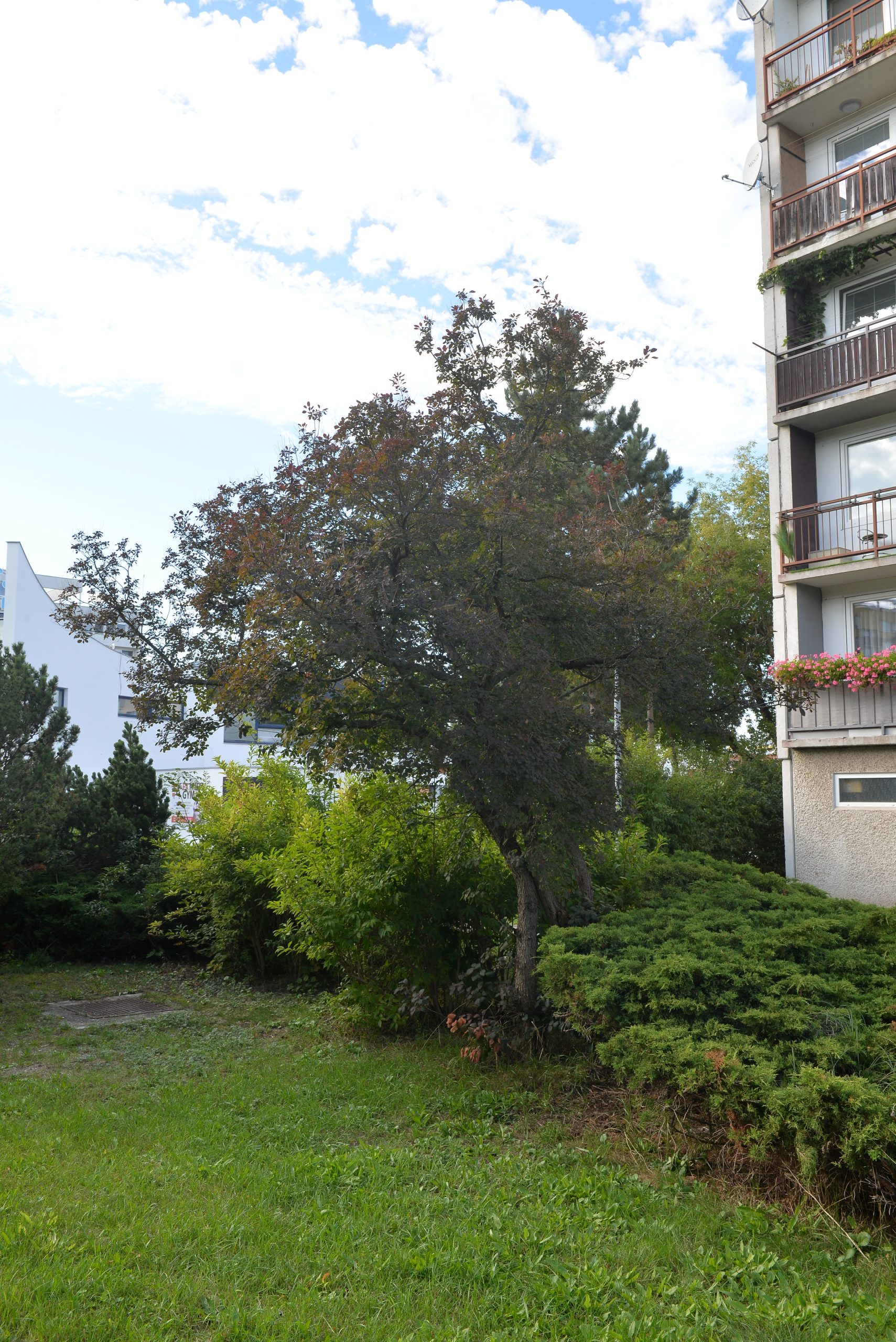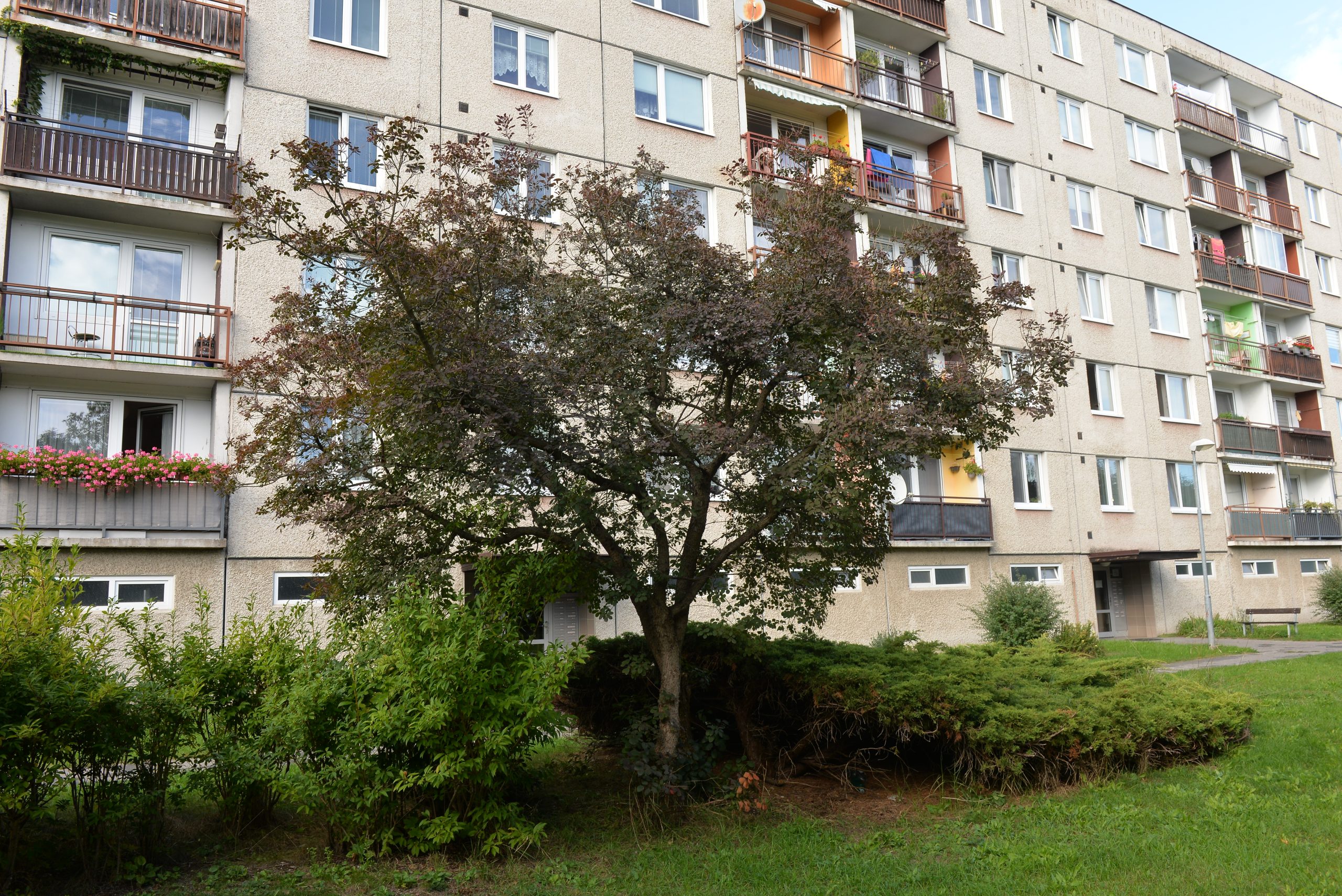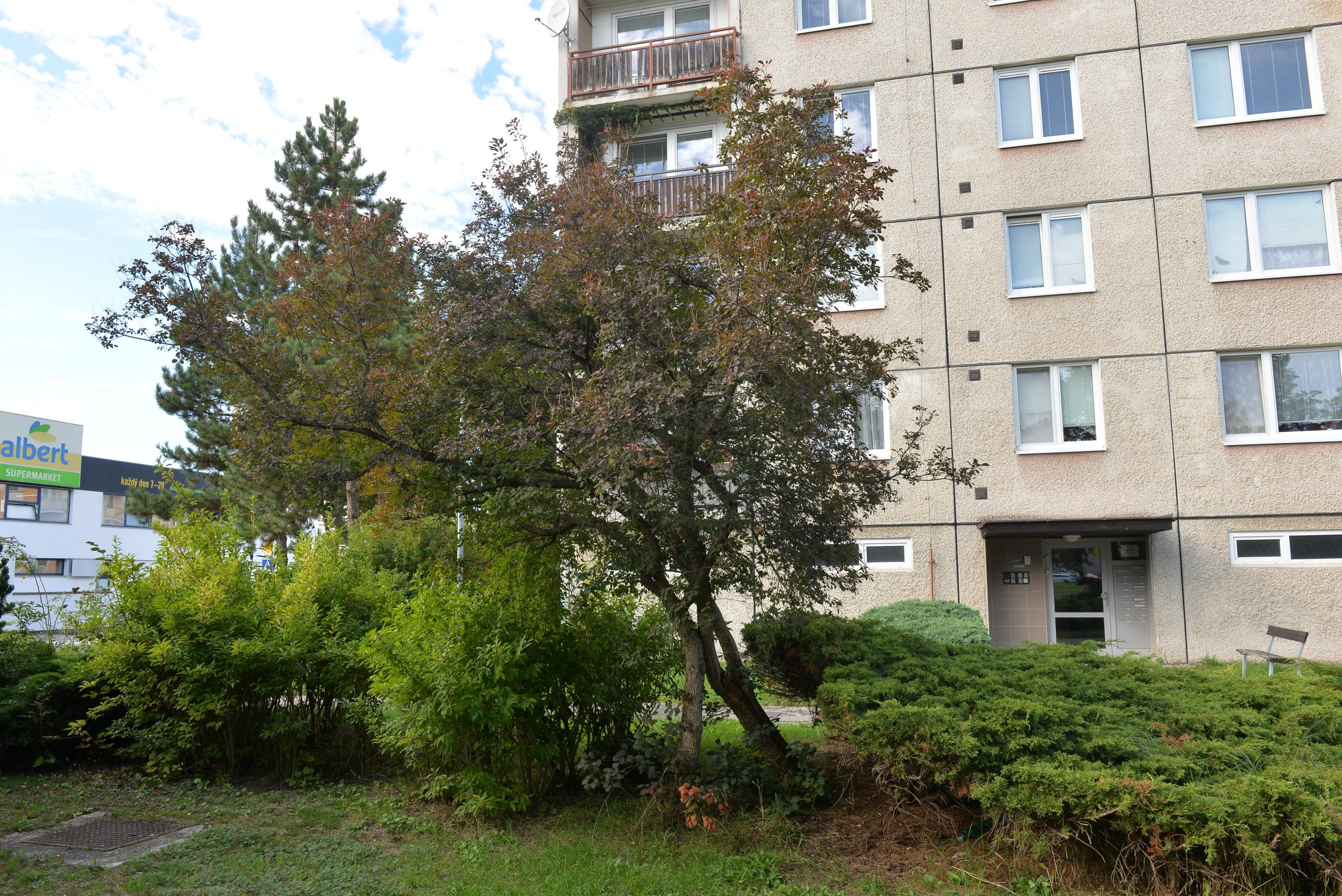

Cashew family, Anacardiaceae
Origin: southern Europe, Caucasus, Asia Minor, Himalayas, Central China
Habitat in the original area: rocky slopes, light forests and dry, calcareous soils
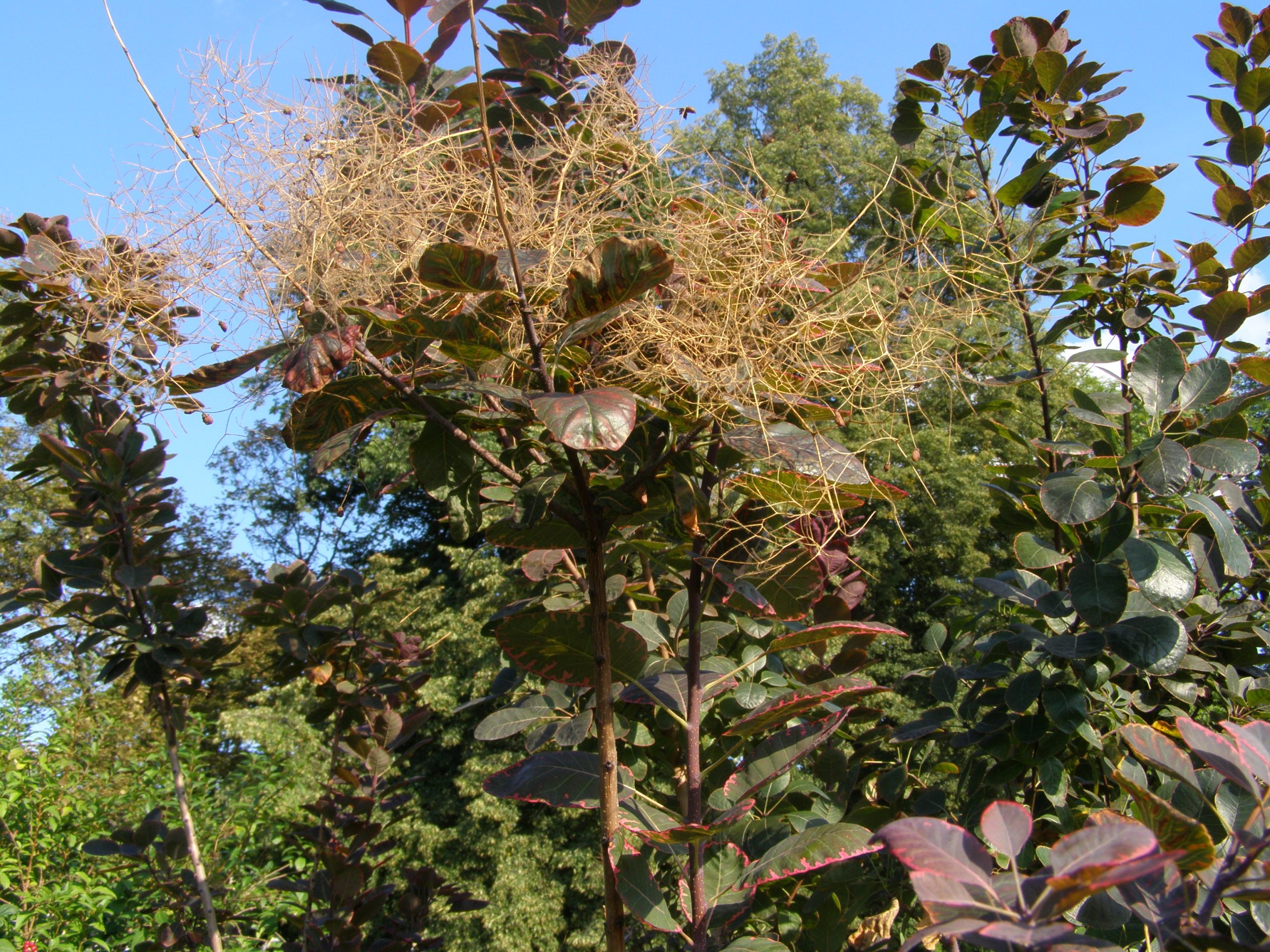
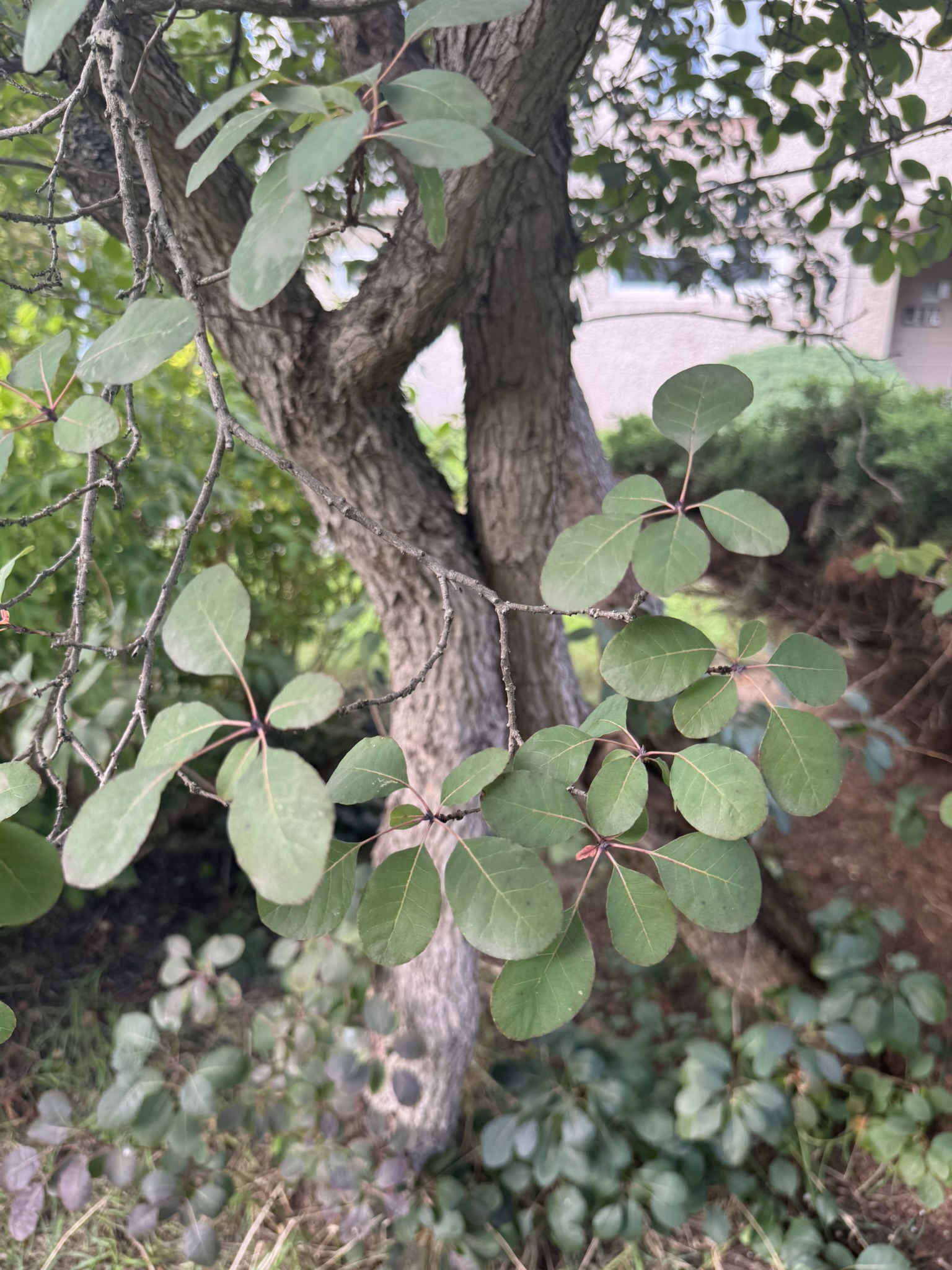
Habitus: A shrub or small tree of spherical shape growing to the height of 1–3 metres. The wood is yellow, smells of carrots and exudes a watery sap when cut. Young twigs are purplish to crimson in colour, they turning grey when getting old.
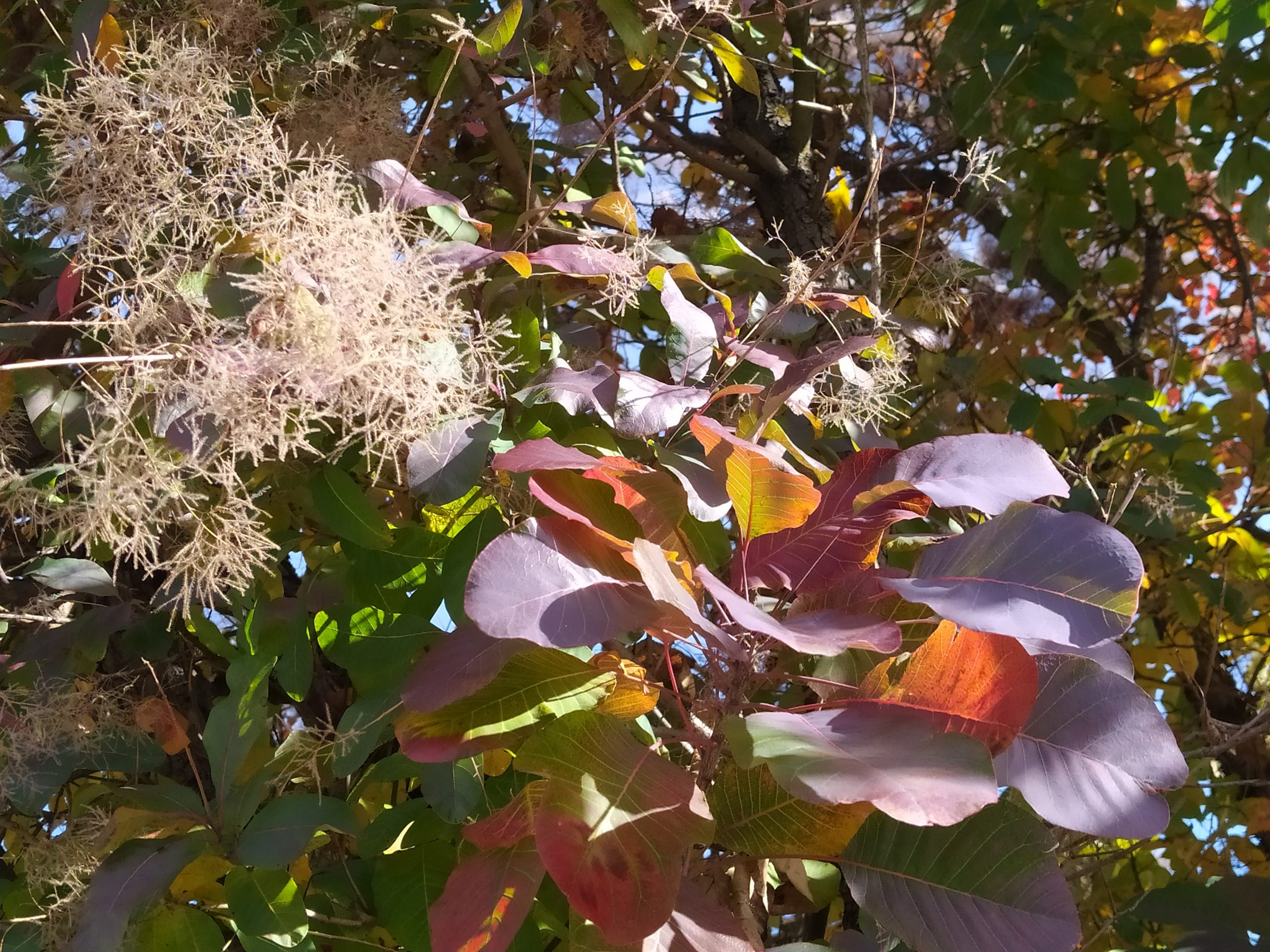
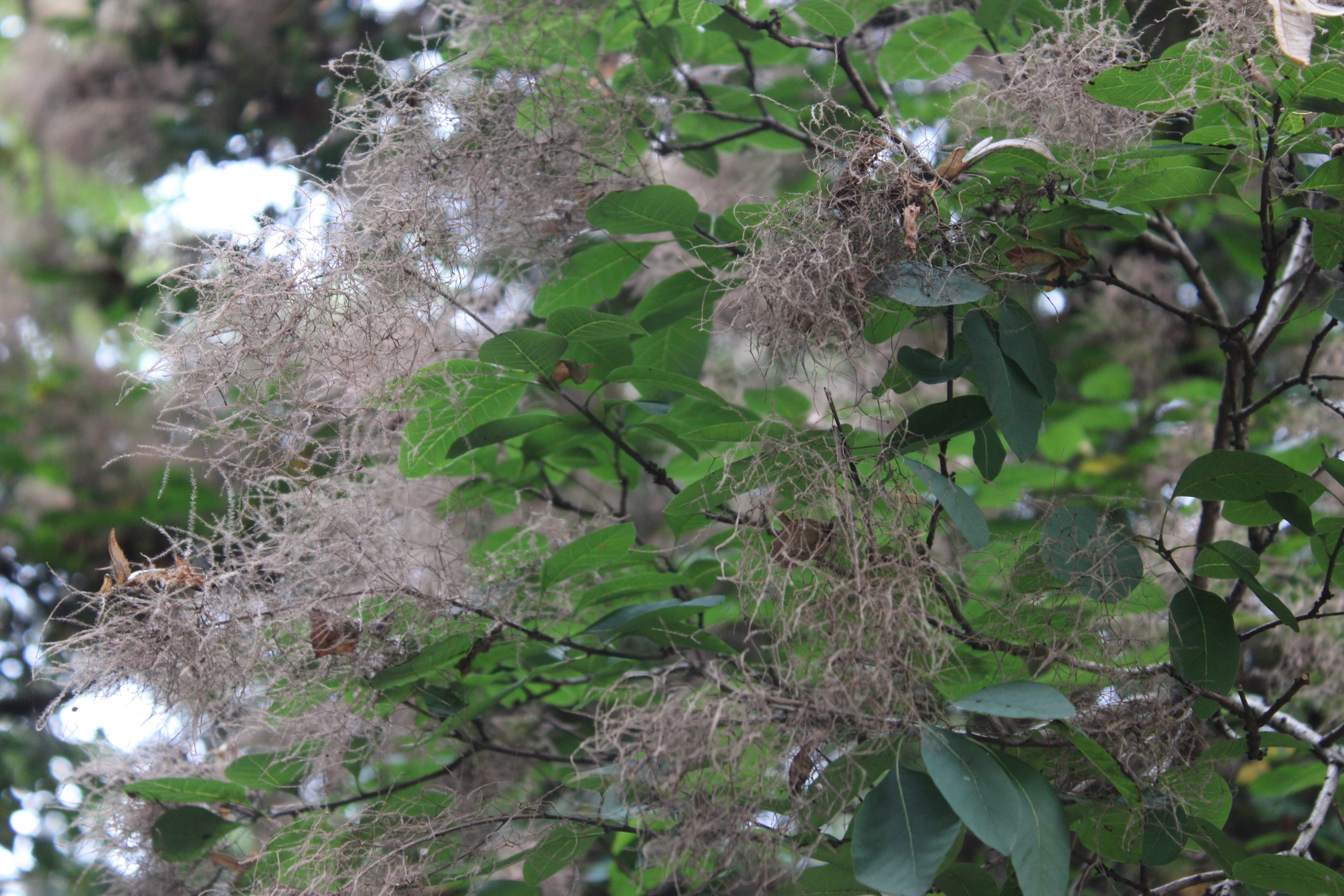
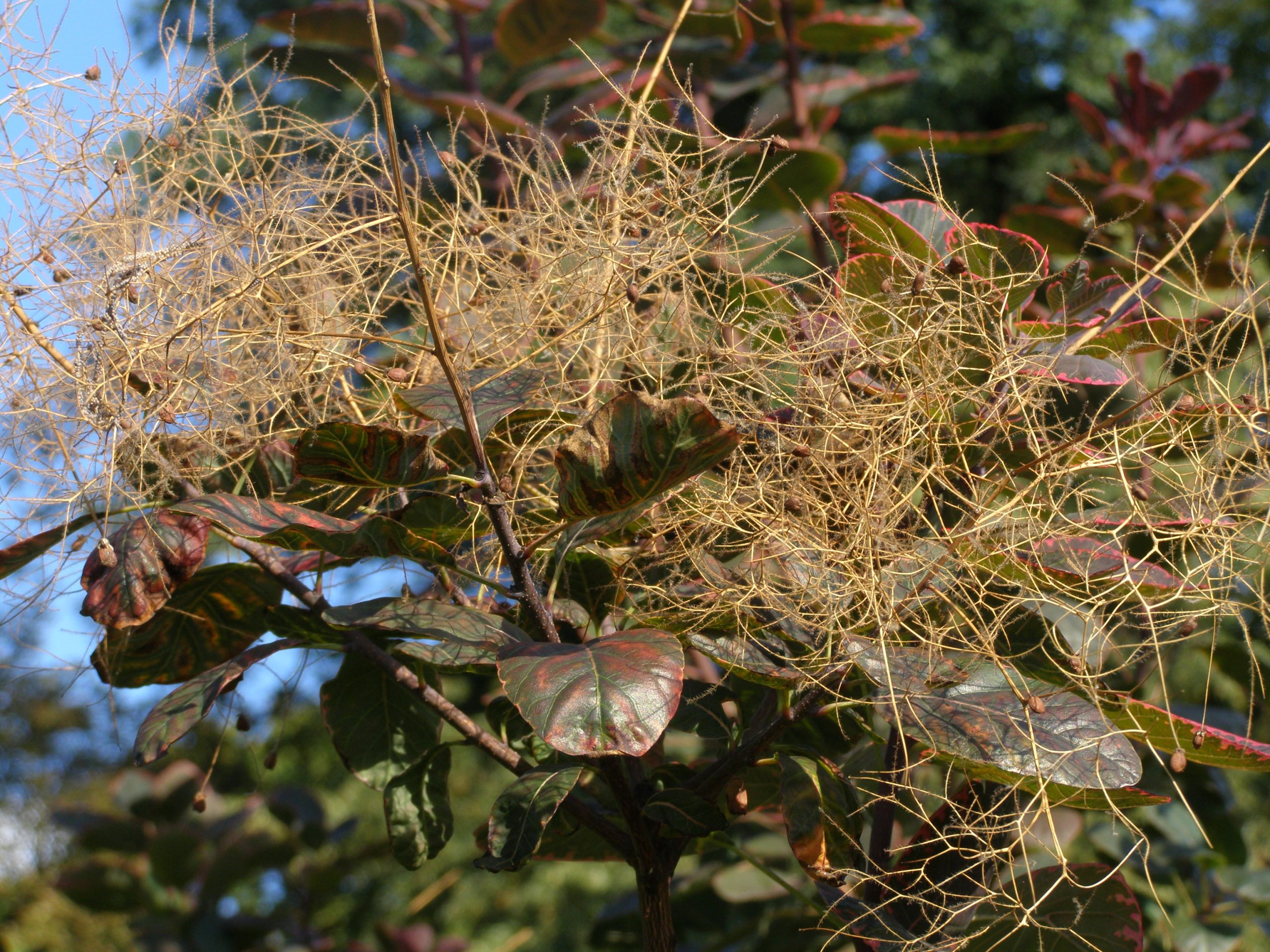
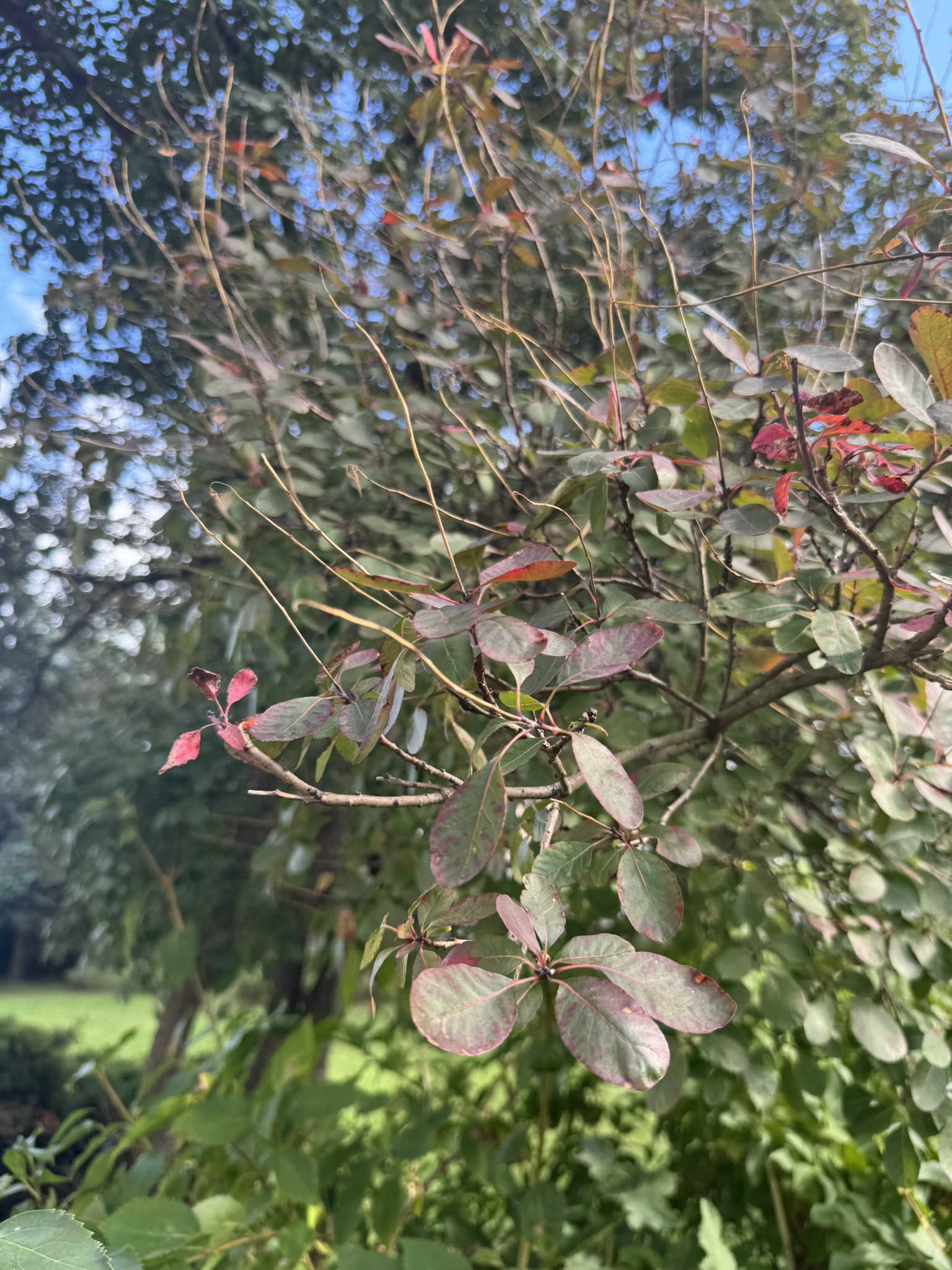
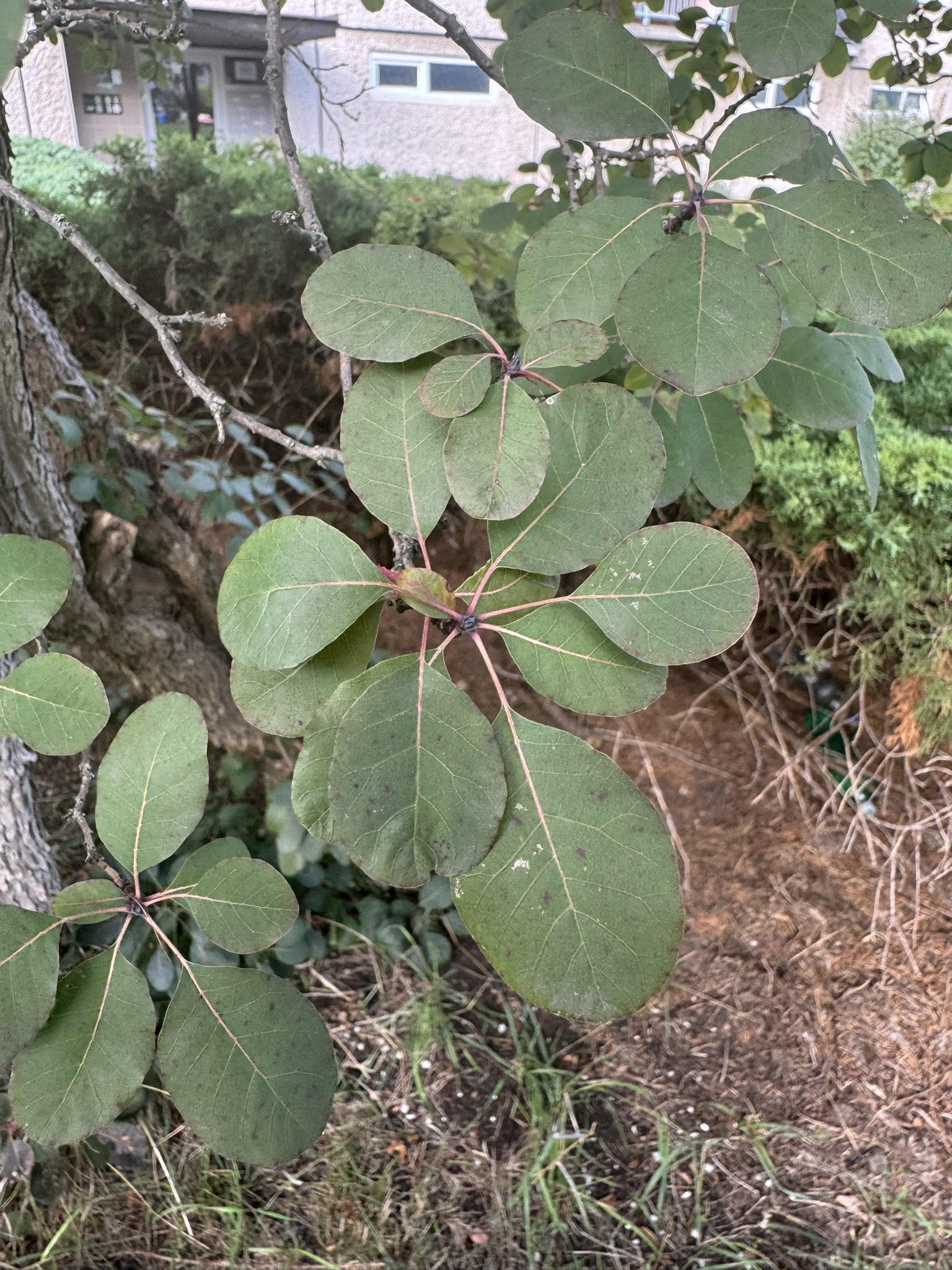
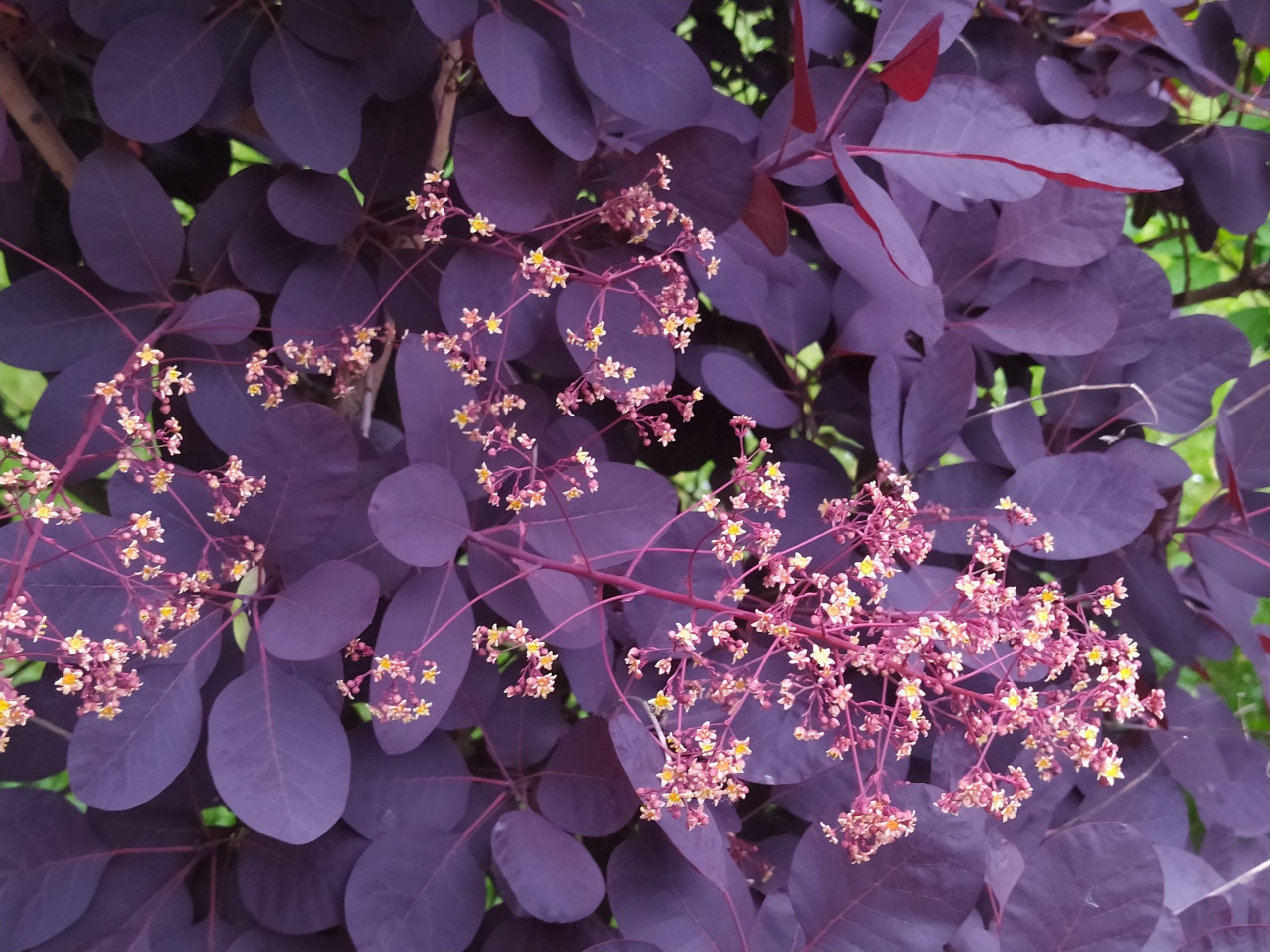
Leaf: The alternate leaves are rounded or slightly notched at the top. They have an elliptical or obovate shape. They are naturally green, but some cultivars have burgundy leaves.
Bloom, fruit: The panicles of yellowish blossoms grow upwards and are richly branched. The blossom stalks lengthen after the blooms fall off and are densely covered with long trichomes. The fruit is a dark brown, compressed drupe with a persistent calyx.
Interesting fact: Abroad, this plant is grown on plantations to obtain tannins from the leaves. It is also planted in windbreaks. Its wood is used in carving or for making picture frames.